Reverse Sneezing in Dogs: When to See a Vet
Reverse sneezing in dogs is a reason to see a vet today. Go to an emergency vet now for collapse, trouble breathing between episodes, blue or grey gums, or an episode that will not stop. Here is what can cause it and how your vet looks into it.
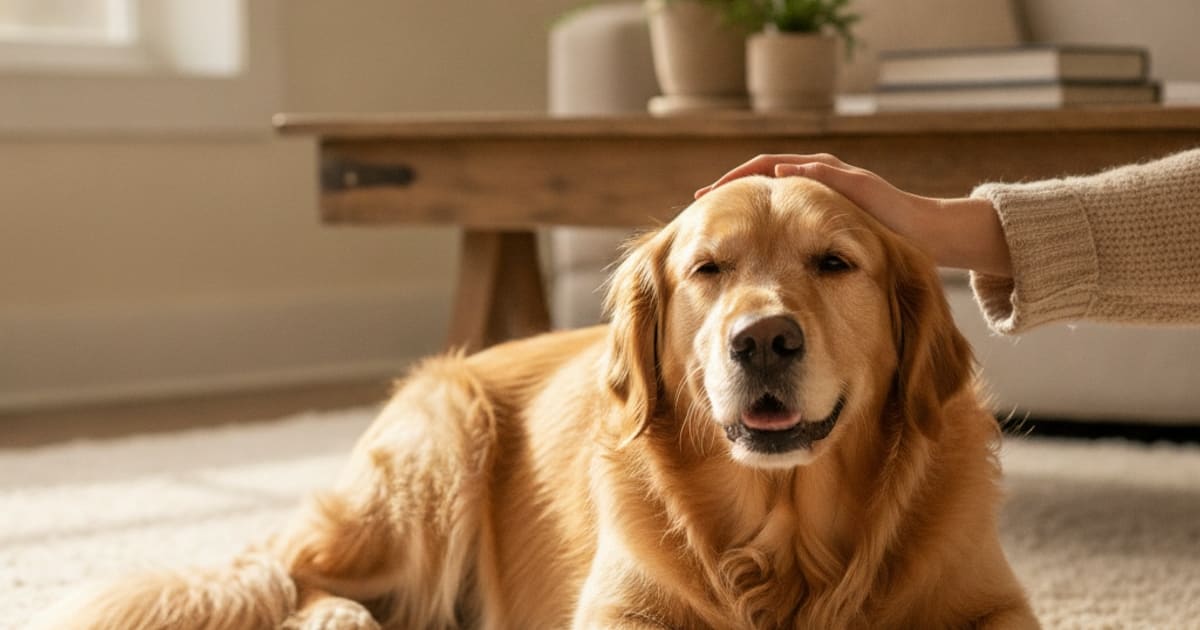
Reverse sneezing in dogs is a reason to see a vet, and the answer to when to see a vet is today. Go to an emergency vet now if your dog collapses, struggles to breathe between episodes, has blue, grey or pale gums or tongue, or has an episode that will not stop; otherwise book a same-day appointment. Reverse sneezing is a sudden run of loud, snorting breaths pulled in hard through the nose, with the dog standing still and the head and neck stretched forward. It comes from a spasm in the throat and the back of the nose, and something sets that spasm off. Irritation, an allergy, an infection, something stuck in the nose, a tooth problem and the shape of the airway are all possibilities. The sound and look of an episode cannot show which of these is behind it, and only a vet exam can. So when should you take your dog to the vet for reverse sneezing? The same day you notice it, whether it is the first episode you have seen, a change in the pattern or episodes coming closer together. Talk to your vet about everything you have seen, and bring a short video if you can film one without delaying care.
When to go to the vet now
- Your dog collapses or faints during or after an episode.
- Your dog struggles to breathe between episodes, or breathes with an open mouth and heavy effort while resting.
- Blue, grey or pale gums or tongue.
- An episode that will not stop.
- Choking, pawing at the mouth or signs that something is stuck in the throat.
- Heavy bleeding from the nose, or bleeding that will not stop.
What can cause reverse sneezing
Reverse sneezing is a sign, and the work of the visit is finding what sets it off. The spasm starts when something irritates the soft palate, the throat or the back of the nose, and the dog pulls air in hard to clear it. The causes below are possibilities your vet checks for. None of them can be confirmed or ruled out at home, and the way an episode looks or sounds does not point to one cause over another.
Your vet may consider irritation from something breathed in, such as dust, pollen, smoke, strong scents, perfumes or cleaning sprays. Allergies to things in the air, in the home or in food can cause swelling and mucus in the nose and throat, and that swelling and mucus can set off the spasm. Excitement, eating or drinking quickly, and a sudden change from warm to cold air are also part of the history your vet asks about, because they can act as triggers in a dog whose nose or throat is already irritated.
Infections of the nose and throat can inflame the lining of the airway. Viruses, bacteria and fungi are all possibilities your vet may test for, and an infection can bring discharge, sneezing, coughing or a change in appetite alongside the reverse sneezing. Nasal mites, tiny parasites that live inside the nasal passages, are another possibility, and your vet may look for them with a sample taken from the nose.
Something stuck in the nose or the back of the throat is a cause your vet takes seriously. Grass seeds and awns, bits of plant, small pieces of a toy or other debris can lodge out of sight, deep in the nasal passages or behind the soft palate. A dog with something stuck may sneeze hard, reverse sneeze, paw at the face or rub the nose, and there may be discharge or bleeding. Do not try to look into, flush or clear your dog's nose or throat yourself: anything stuck needs a vet to find it and take it out without pushing it deeper or damaging the lining.
Tooth problems can reach the nose. The roots of the upper teeth sit close to the nasal passages, and an infected tooth root or advanced gum disease can open a path between the mouth and the nose. That can lead to irritation, discharge, sneezing and reverse sneezing, which is why your vet looks closely at the teeth and gums as part of the exam.
The shape of the airway matters too. Dogs with short, flat faces can have narrow nostrils, a long or thick soft palate and other changes in the throat that crowd the airway, and your vet may check for these. In any dog, swelling of the soft palate, a problem with the voice box or a narrowing of the windpipe can be part of the picture your vet looks at.
Growths in the nose or throat, such as polyps or masses, are another possibility your vet keeps in mind. They sit out of sight, so finding them can take imaging or a small camera passed into the nose, along with a tissue sample.
Part of the vet's work is ruling out problems that can look or sound like reverse sneezing. These differentials include a cough from the windpipe or the lungs, kennel cough, a collapsing trachea, problems with the voice box, gagging or retching from the throat or stomach, choking on something, and heart disease that causes coughing. Some episodes that look like breathing spasms can be a type of seizure. Because these overlap so closely, your vet relies on the history, a video, the exam and tests rather than the sound alone, and you do not need to tell them apart yourself.
There are no stages of reverse sneezing for you to grade at home. Each episode has a sudden start, a run of snorting breaths and an end, and what your vet wants to know is how the episodes began, how long each one lasts, how they have changed and what else is going on. Episodes that change in pattern, come closer together or arrive with new signs are reasons to call your vet again.
For a wider guide to signs that need urgent care, see Dog Emergency Signs, and for more on nose, throat and airway problems in dogs, browse the conditions library.
What your vet may do
Your vet starts with the history, because reverse sneezing can stop before your dog is in the exam room. Expect questions about when you first noticed the episodes, how each one starts and ends, how long they last, how close together they come, what was happening just before, and whether anything has changed. Your vet may also ask about your dog's age, vaccinations, time outdoors, contact with other dogs, diet, any past nose or dental problems and any medicines already given. A short video of an episode helps here, as it lets your vet see and hear the breathing rather than relying on a description.
The physical exam comes next. Your vet listens to the heart and lungs with a stethoscope, watches how your dog breathes at rest, and checks the airflow through each side of the nose. They look at the shape of the face and nostrils, check for discharge, swelling or pain over the nose and face, feel the lymph nodes under the jaw, and feel along the neck and windpipe. They also look in the mouth at the teeth, gums and the back of the throat, and take your dog's temperature. Some dogs need light sedation for a proper look at the mouth and throat.
What comes after the exam depends on what your vet finds. Tests your vet may use to reach a diagnosis include blood tests to look at overall health and signs of infection or inflammation, and a swab or sample from the nose to look for infection or mites. X-rays of the chest can show the lungs, heart and windpipe, and x-rays of the head and teeth can show the tooth roots and the bones around the nose. A CT scan gives a detailed view inside the nose and sinuses. Rhinoscopy, where a small camera is passed into the nose and the back of the throat, lets your vet look for something stuck, a growth or inflamed tissue, and take a sample or remove a foreign body at the same time. A tiny piece of tissue, called a biopsy, can be sent to a lab when there is something to identify. Scans and scopes of the nose need general anaesthesia, so your vet checks your dog's health before planning them.
When the shape of the airway is a question, your vet may examine the soft palate and voice box under a short anaesthetic, and may use moving x-rays to look at the windpipe as your dog breathes. If allergies are a possibility, your vet may talk with you about allergy testing or a diet trial that they set up and guide.
Treatment depends on the cause your vet finds. That can mean removing something stuck in the nose or throat, treating an infection or mites with a medicine your vet prescribes, managing an allergy, treating or removing an infected tooth, or surgery to widen narrow nostrils or shorten a long soft palate. A growth may need further tests and a treatment plan your vet talks through with you. Do not give any medicine at home, including human medicines, unless your vet prescribes it. When the exam and tests do not find a cause, your vet talks you through what to note about each episode, and you should call your vet again if the episodes change, come closer together or appear with new signs.
What to tell your vet
- When you first noticed the reverse sneezing, and how many episodes you have seen since.
- Any change in how the episodes look, how long they last or how close together they come.
- Any bleeding or discharge from the nose, and whether it comes from one side or both.
- Licking the lips, pawing at the face or rubbing the nose on the floor or furniture.
- Other signs, such as coughing, sneezing, gagging, noisy breathing, tiredness or changes in eating.
- What was happening just before each episode, such as excitement, eating, drinking or time outdoors.
- A video of an episode, if you have one.
Frequently asked questions
- Is reverse sneezing an emergency in dogs?
- It is an emergency if your dog collapses, struggles to breathe between episodes, has blue, grey or pale gums or tongue, chokes, or has an episode that will not stop: go to an emergency vet now. For any other reverse sneezing, book a same-day appointment so your vet can look for the cause.
- What should I do if my dog has reverse sneezing?
- Call your vet today and book a same-day appointment. Go to an emergency vet now instead if your dog collapses, struggles to breathe between episodes, has blue, grey or pale gums or tongue, or has an episode that will not stop. If you can film an episode without delaying care, bring the video to the visit.
- Can I treat reverse sneezing at home?
- No, because reverse sneezing has a cause that only a vet can find. Do not put anything in your dog's nose or mouth, or try to remove anything stuck before the vet sees your dog, and do not give any medicine. For any bleeding, use only gentle pressure with a clean cloth on the way to the vet.
- When should I take my dog to the vet for reverse sneezing?
- Take your dog to the vet the same day you notice reverse sneezing, whether it is the first episode, a new pattern or episodes coming closer together. Go to an emergency vet now if your dog collapses, struggles to breathe between episodes, has blue, grey or pale gums or tongue, or has an episode that will not stop.
- Does my dog need a same-day vet visit for reverse sneezing?
- Yes, because reverse sneezing is a sign that something is irritating the nose or throat, and a same-day appointment gives your vet the chance to find it. If your dog collapses, struggles to breathe, has blue, grey or pale gums or tongue, or has an episode that will not stop, go to an emergency vet now.
- What causes reverse sneezing in dogs?
- Reverse sneezing comes from a spasm in the throat and the back of the nose. Your vet may look for irritants in the air, allergies, infections, nasal mites, something stuck in the nose, tooth root infection, the shape of the airway, or a growth in the nose or throat. Only an exam and tests can show which applies.
- How do vets diagnose the cause of reverse sneezing?
- Your vet starts with the history and any video you bring, then examines the nose, mouth, teeth, throat, heart and lungs. Depending on what they find, tests can include blood tests, a nasal swab, x-rays, a CT scan, or a small camera passed into the nose under anaesthesia, with a sample taken if needed.
- What other problems can look like reverse sneezing?
- Your vet considers several problems that can look or sound similar, including a cough from the windpipe or lungs, kennel cough, a collapsing trachea, voice box problems, gagging or retching, choking on something, a heart problem that causes coughing, and some types of seizure. A video and an exam help your vet tell these apart.
- Are there stages of reverse sneezing in dogs?
- No, there are no stages you can grade at home, because the sound and look of an episode do not show the cause. Each episode starts suddenly, runs as a series of snorting breaths and then ends. Tell your vet how the episodes began, how they have changed and what other signs you have seen.
- What treatment can a vet give for reverse sneezing?
- Treatment depends on the cause your vet finds. It can mean removing something stuck in the nose, treating an infection or mites with a medicine your vet prescribes, managing an allergy, treating an infected tooth, or surgery on the nostrils or soft palate. Do not give any medicine at home unless your vet prescribes it.
- Should I film my dog's reverse sneezing for the vet?
- Yes, if you can do it without delaying care, because an episode can end before your dog reaches the exam room. A short video lets your vet see and hear the breathing. If your dog collapses, struggles to breathe or has an episode that will not stop, go to an emergency vet now instead.
Educational content, not veterinary advice. Ask your vet about your dog.