Why Does My Dog Have a Lump After Shots?
A lump can form where your dog had a shot. Any new lump or swelling should be checked by a vet. Go to an emergency vet now for a swollen face, trouble breathing, vomiting or collapse, and book a same-day appointment for any other lump after shots.
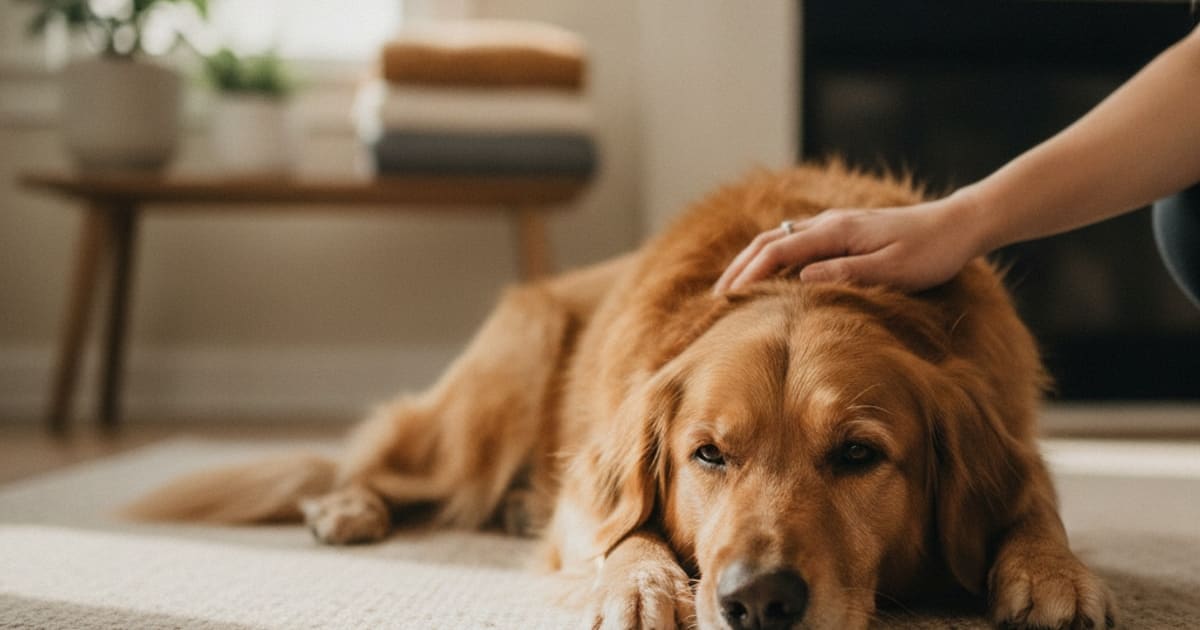
A lump after shots can form where the needle went in, as your dog's body reacts to the vaccine or injection, and it is a reason to see your vet. Go to an emergency vet now if your dog has a swollen face, trouble breathing, vomiting or collapse after the shot; otherwise book a same-day appointment. Any new lump or swelling should be checked by a vet, who may take a fine needle sample. The plain answer to 'why does my dog have a lump after shots' is that the tissue under the skin can swell and firm up as the body responds to what was injected, and only a vet exam can find out whether that is what is happening in your dog.
When to go to the vet now
- Swelling of the face, muzzle, lips or around the eyes after a shot
- Raised welts or hives spreading over the body
- Trouble breathing, noisy breathing or struggling for air
- Vomiting or diarrhea soon after the shot
- Weakness, wobbling or collapse
- A lump that is bleeding and will not stop
What can cause a lump after shots
A dog can get a lump from a vaccine or from any other shot, and there is more than one reason it can happen. The question 'can dogs get a lump from vaccines' has a plain answer: yes, a lump can form at or near the place where a vaccine was given. That does not make it something to leave unchecked. Any new lump or swelling should be checked by a vet, and every cause below is a possibility your vet looks at, not something you can sort out by sight or touch at home.
The first possibility your vet considers is a local reaction at the injection site. A vaccine is designed to get the immune system to respond. When it is placed under the skin or into a muscle, the body can send fluid and immune cells to that spot. That gathering of cells and fluid can be felt as a firm swelling or a small lump under the skin. The area can also be tender, and your dog may be quieter or less keen to be touched there. Your vet checks this possibility by asking which shots were given, when, and where on the body, and by examining the lump itself.
A lump can form after a rabies shot in the same way as after any other vaccine. The rabies vaccine is given by injection like the others, so a reaction where it went in is one of the possibilities your vet checks. The same goes for combination vaccines, other vaccines given by injection, and injected medicines your dog may have had at the same visit. If your dog had a microchip placed, that is another injection and another site for the vet to check. If your dog had more than one shot, tell your vet where each one was given if you know, because that can help the vet link a lump to a particular injection or rule that link out.
Another possibility is a small bleed under the skin from the needle. When a needle passes through the skin, it can nick a tiny blood vessel. Blood can then collect under the skin and form a swelling called a hematoma. Your vet can check for this during the exam, and a fine needle sample can help show whether the swelling is made up of blood rather than other cells.
An infection at the injection site is a further possibility. Any break in the skin can let bacteria in, and an infection under the skin can form a pocket of pus called an abscess. An abscess needs a vet, because it can grow, burst or spread, and it is not something to open or squeeze at home. Your vet checks for infection with an exam and, where needed, a sample of what is inside the lump.
A lump can also be a granuloma. This is a firm collection of immune cells that forms when the body walls off something it is reacting to, which can include parts of a vaccine. A granuloma can sit under the skin at the injection site. Because it cannot be told apart from other lumps by touch, your vet may need a sample of cells to look at under a microscope.
An allergic reaction to a vaccine is a different and more urgent possibility. Instead of one lump at the injection site, an allergic reaction can cause swelling of the face, muzzle or eyes, raised welts or hives across the body, itching, vomiting, diarrhea, weakness, trouble breathing or collapse. These signs can come on quickly after a shot, and they are a reason to go to an emergency vet now. Our guide to dog emergency signs sets out more of the signs that mean a dog needs emergency care.
The lump may also have nothing to do with the shot. A vet visit and the handling that goes with it can lead you to notice a lump that was already there, or a new lump can appear in the same area by chance. Lumps and swellings in dogs have many possible causes, including cysts, skin infections, swollen lymph nodes and growths, and you can read about a wider range of them in our conditions library. Your vet cannot tell which of these it is from where the lump sits alone, which is why a sample matters.
A growth that forms at an injection site is one more possibility your vet keeps in mind. It is one of the reasons a lump after shots still needs a vet, even when it sits right where a shot was given. A fine needle sample, and sometimes a biopsy, is how your vet looks at the cells and finds out what the lump is made of.
These possibilities can look and feel alike. Size, shape, firmness and where the lump sits do not tell you which one it is, and none of them can be ruled in or out at home. That is why the step that matters is a vet exam, and why you should talk to your vet about any lump after shots, however small it seems.
What your vet may do
Your vet starts with questions. You will be asked which vaccines or other injections your dog had, the date of the visit, where on the body each shot was given if you know, and when you first noticed the lump. Your vet will also ask about your dog's appetite, energy, any vomiting or diarrhea, and any reaction to past vaccines. Your dog's vaccine records help here, so bring them or ask the clinic that gave the shots to share them.
Next comes a physical exam. Your vet feels the lump to note its size, shape, firmness and whether it is attached to the tissue underneath, and checks whether the area is warm or sore. The vet may measure the lump and write the size in your dog's record so the clinic has a clear note of it. The rest of the exam covers your dog's whole body: temperature, heart, breathing, gums, the lymph nodes and the skin elsewhere, to look for other lumps, hives or swelling.
A fine needle sample is a test that can tell your vet a great deal. The vet passes a thin needle into the lump and draws out a small number of cells, then spreads them on a glass slide. The cells can be looked at under a microscope in the clinic or sent to a laboratory for a specialist to read. This sample can show whether the lump is made of inflammation, blood, pus, or other types of cells that need more tests.
If the fine needle sample does not give a clear answer, your vet may suggest a biopsy. This means taking a small piece of tissue, or sometimes the whole lump, so a laboratory can look at its structure in more detail. Some dogs need sedation or an anesthetic for this. Your vet will explain why a biopsy is being advised and what it involves for your dog.
Other tests depend on what the exam shows. An ultrasound scan can show whether the lump holds fluid, how deep it goes and what lies around it. Blood tests may be advised if your dog seems unwell, has a fever or had a reaction that affected more than the injection site.
Treatment depends on the cause your vet finds. An allergic reaction is treated as an emergency at the clinic, which can include medicines given by injection, fluids and oxygen. An abscess may need to be drained and cleaned by the vet, along with a medicine your vet prescribes. A lump that needs a closer look may be removed and sent to a laboratory. For a local reaction at the injection site, your vet will explain the plan and any follow-up the clinic wants to do.
Your vet may also note the lump and where it formed in your dog's vaccine record. This can shape how and where future vaccines are given, and whether your dog needs any extra steps on the day of a vaccine. Talk to your vet about your dog's future vaccine plan rather than skipping or delaying a vaccine on your own.
What to tell your vet
- When you first noticed the lump, and the date of the visit when the shots were given
- Which vaccines or injections your dog had and where on the body, if you know
- Any change in the lump since you first noticed it, such as growing, changing shape or changing color
- Any bleeding, discharge or broken skin over the lump
- Whether your dog has been licking, scratching or chewing at the area
- Other signs, such as tiredness, poor appetite, vomiting, diarrhea, limping, itching or swelling anywhere else
- Any reaction your dog has had to vaccines in the past
If you can, bring your dog's vaccine records and the name of the clinic that gave the shots. Do not put anything on the lump, press it, squeeze it or try to drain it before the visit, because that can make the area worse and can spoil the sample your vet needs. Talk to your veterinarian about any question you have on the lump or on your dog's vaccines.
Frequently asked questions
- Is a lump after shots an emergency in dogs?
- A lump after shots is an emergency when it comes with a swollen face, trouble breathing, vomiting, weakness or collapse, or when the lump bleeds and will not stop. In any of those cases, go to an emergency vet now. For any other lump after shots, book a same-day appointment so your vet can check it.
- What should I do if my dog has a lump after shots?
- Call your vet today and book a same-day appointment. Tell the clinic which shots your dog had, when, and where they were given, and when you first noticed the lump. Leave the lump alone until the visit. If your dog has a swollen face, trouble breathing, vomiting or collapse, go to an emergency vet now.
- Can I treat a lump after shots at home?
- No, because a lump after shots needs a vet to find its cause first. Do not put anything on it, squeeze it, press it or try to remove or drain anything before the vet sees it. If the lump is bleeding, hold gentle pressure with a clean cloth on the way to the vet, and nothing more.
- Why does my dog have a lump after shots?
- A lump after shots can form because the body responds to what was injected, sending fluid and immune cells to the spot. It can also come from a small bleed under the skin, an infection, a granuloma, or a lump that has nothing to do with the shot. Only a vet exam and a sample can show which.
- Why does my dog have a lump after a vaccine?
- A vaccine is made to get the immune system working, and that response can gather at the injection site and be felt as a firm lump. Other causes, such as infection or a growth, are also possible. Any new lump or swelling should be checked by a vet, who may take a fine needle sample.
- Can dogs get a lump from vaccines?
- Yes, dogs can get a lump from vaccines, because the immune response to a vaccine can cause swelling where it was given. That does not tell you what any one lump is, since other causes look and feel alike. Book a same-day appointment so your vet can examine it and take a sample if needed.
- Can a dog get a lump from shots other than vaccines?
- Yes, a dog can get a lump from any shot, because a needle passes through the skin and leaves something under it. Injected medicines and a microchip are placed the same way as a vaccine. Tell your vet every injection your dog had at the visit, and book a same-day appointment to have the lump checked.
- Can a dog get a lump after a rabies shot?
- Yes, a lump can form after a rabies shot, because it is injected like any other vaccine and the body can react where it went in. Tell your vet that the rabies vaccine was given and where. Any new lump or swelling should be checked by a vet, who may take a fine needle sample.
- Can my dog get a lump from vaccines if earlier shots caused no lump?
- Yes, a lump can form after a vaccine even if earlier shots caused no lump, because each injection brings its own response at the site. A past clear record does not rule a lump in or out. Tell your vet about every past reaction, and book a same-day appointment for any new lump.
- Should my dog still have vaccines after getting a lump?
- Talk to your vet before the next vaccine rather than skipping or delaying it on your own. Your vet can note where the lump formed, record any reaction in your dog's file, and plan where and how future vaccines are given. A lump after shots that is new today still needs a same-day appointment.
- What will the vet do about a lump after shots?
- Your vet will ask about the shots and when you noticed the lump, then examine it and your whole dog. A fine needle sample can show what cells the lump holds. Depending on what is found, your vet may suggest a biopsy, an ultrasound scan, blood tests or treatment such as draining an abscess.
Educational content, not veterinary advice. Ask your vet about your dog.