Bull Terriers Joint Health Guide — Mobility & Arthritis
Most owners watching this breed for orthopaedic trouble watch the hips. Wrong joint, in most cases. The stifle (knee) and the kneecap groove generate far more mobility complaints in Bull Terriers than the hip socket does, and the first sign is almost never a limp. It is a change in…
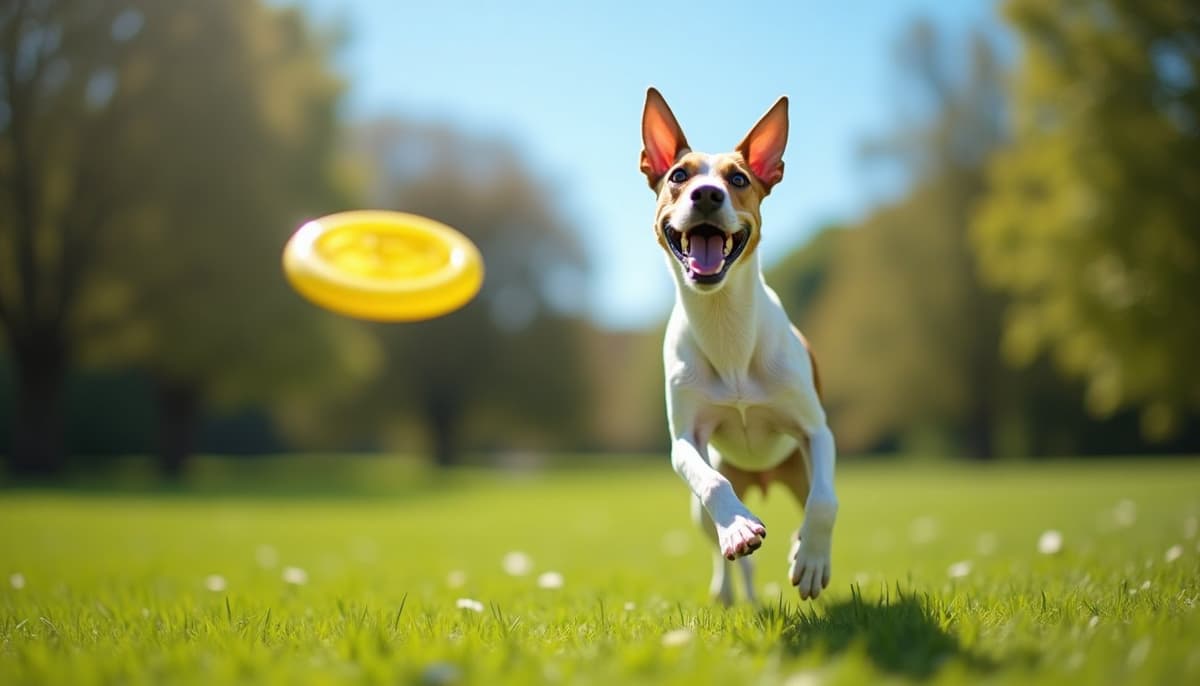
What Joint Problems Affect Bull Terriers? A Bull Terriers Joint Health Guide
Most owners watching this breed for orthopaedic trouble watch the hips. Wrong joint, in most cases. The stifle (knee) and the kneecap groove generate far more mobility complaints in Bull Terriers than the hip socket does, and the first sign is almost never a limp. It is a change in how the dog sits, rises, or turns.
We work with Bull Terrier owners every week through pawgen, and the same pattern repeats: the damage is structural, gradual, and easy to file under 'getting older'. This bull terriers joint health guide exists to make that pattern visible early, while there are still choices to make.
'What joint problems affect Bull Terriers?' answered directly
Bull Terriers are most affected by cranial cruciate ligament (CCL) rupture, patellar luxation, hip dysplasia, and the osteoarthritis that follows all three. Their compact, forequarter-heavy frame concentrates load through short limbs. Watch posture changes at the sit and the rise, not just limping, because those appear months earlier.
The common oversimplification is that joint disease in this breed is an old-dog problem. It is not. The mechanical loading that produces arthritis at nine begins in the growth phase before 18 months, and cruciate fibres typically fail over months rather than in one dramatic moment. This bull terriers joint health guide covers why the breed's build loads joints differently, which conditions show up most and how each one first announces itself, and what genuinely supports mobility across a lifespan.
Why the Bull Terrier Frame Loads Joints Harder Than It Looks
A Bull Terrier carries the mass of a much taller dog on a short, compact chassis, and that ratio drives most of the orthopaedic wear in the breed. Adults typically stand around 21 to 22 inches at the shoulder and carry roughly 50 to 70 pounds of dense muscle and bone, with weight biased forward by the deep chest and the heavy, downfaced skull. Every landing off a sofa and every hard stop on tile routes that mass through a short lever arm into the carpus, elbow, and stifle.
Articular cartilage makes the problem quiet. Cartilage has no blood supply and no nerve endings. It is fed by synovial fluid pressed in and out of the matrix during cyclic loading, so wear accumulates without pain signalling until the subchondral bone beneath it or the synovial lining around it becomes involved. By the time a Bull Terrier visibly limps, the process is usually well established.
Then there is the growth window. In medium and large breeds, growth plates generally close somewhere between 12 and 18 months, and the cartilage holding those plates open is mechanically weaker than mature bone. Bull Terrier puppies are famously bouncy and famously heavy for their age, which pairs badly with repeated stair descents, forced jogging beside a bike, and long jumping sessions before skeletal maturity.
Play style compounds all of it. The breed's signature sprint, pivot and shoulder-check pattern applies rotational torque to the stifle, and rotational torque is exactly what the cranial cruciate ligament resists. We hear the same story from owners constantly: the dog was fine, made one hard turn in the garden, and came up holding a back leg. That turn was not the cause. It was the last straw on a ligament that had been fraying for months.
For the structural detail behind this, read our breakdown of bull terriers joint problems alongside the wider breed picture in common health problems in bull terriers.
The Joint Conditions That Show Up Most in Bull Terriers
Four problems account for the majority of Bull Terriers mobility complaints: cranial cruciate ligament rupture, patellar luxation, hip dysplasia, and the secondary osteoarthritis that follows any of them.
Cranial cruciate ligament rupture is the one owners misread most often. In dogs, the CCL rarely tears the way a human ACL tears on a ski slope. It degenerates. Fibres fail progressively, the stifle becomes unstable, the medial meniscus takes shearing damage it was never built for, and a routine turn finishes what months of loading started. Full details sit in our piece on torn acl in bull terriers.
Here is the tell most guides skip: the sloppy sit. A dog with a partially torn cruciate stops sitting square. It rolls the affected hip outward and kicks the leg to the side, because full stifle flexion under load hurts. That posture change frequently shows up weeks before any limp. Watch how your Bull Terrier sits before you watch how it walks. Our team flags this to owners more than any other early sign, and it costs nothing to check tonight.
Patellar luxation is the kneecap slipping out of the trochlear groove at the end of the femur. Classic presentation is a skip: the dog hops for two or three strides, then carries on normally once the patella relocates. It is documented across Bull Terrier lines and is a particular watch-point in Miniature Bull Terriers, which is why the Orthopedic Foundation for Animals (OFA) maintains a patellar evaluation database that careful breeders screen against.
Bull Terriers hip problems centre on coxofemoral laxity, where a loose fit between femoral head and acetabulum grinds cartilage over years. Signs include bunny hopping with both hind legs together, a narrow rear stance, and reluctance to rise. OFA hip grading and PennHIP distraction-index scoring are the two established screening systems.
Bull Terriers arthritis is usually the endpoint rather than the starting point: cartilage loss, synovitis, and osteophyte formation following instability elsewhere. Read arthritis in bull terriers for staging and options. Where hind-limb weakness comes with scuffed nails, knuckling, or pain on spinal palpation, disc disease belongs on the list too, covered in ivdd in bull terriers.
What a Practical Bull Terriers Joint Health Guide Recommends for Daily Mobility
Body condition outranks every supplement on the market. Excess mass is the single modifiable factor that changes joint loading in this breed, and the World Small Animal Veterinary Association body condition score runs 1 to 9, with 4 to 5 as the target: ribs easily felt under a thin fat layer, visible waist from above, tucked abdomen from the side. A Bull Terrier at 7 out of 9 is carrying that surplus through the same short limbs discussed above, on every step.
Surfaces matter next. Polished floors remove the traction a dog needs to stabilise a stifle, so runners and rugs along habitual routes reduce the slip-and-catch events that stress a compromised ligament. Controlled, consistent exercise beats weekend bursts, because cartilage nutrition depends on regular cyclic loading rather than sporadic overload. Ramps off cars and furniture remove repetitive high-impact landings.
On the veterinary side, established options for canine osteoarthritis pain include NSAIDs such as carprofen and meloxicam, polysulfated glycosaminoglycan injections (Adequan), and bedinvetmab (Librela), an anti-nerve growth factor monoclonal antibody approved by the FDA for canine osteoarthritis pain in 2023. Surgical stabilisation, commonly tibial plateau levelling osteotomy or a lateral suture technique, is the standard route for a ruptured cruciate. These are prescriber decisions, so talk to your veterinarian before changing anything about your dog's routine, medication, or supplement stack.
Nutritionally, marine omega-3 fatty acids EPA and DHA have the strongest supporting evidence for inflammatory joint comfort in dogs; green-lipped mussel (Perna canaliculus) and glucosamine with chondroitin sulfate are widely used, though the clinical evidence is mixed rather than settled. Research into the peptides BPC-157 and TB-500 has focused on soft tissue and tendon repair pathways, and owners report using them for recovery support, but neither is an FDA-approved veterinary drug and neither should be framed as a replacement for surgery or prescribed medication. Our K9-REPAIR range sits in that educational category. For product-level comparisons see best joint supplement for bull terriers, best supplement for bull terriers with arthritis, best supplement for bull terriers with torn acl, and best supplement for bull terriers with ivdd. Everything here is educational, not veterinary advice for your individual dog.
Bull Terriers Joint Health Guide: Condition Comparison
This table maps the four conditions against the earliest sign owners can actually observe at home, which is where the useful decisions get made. Onset ranges are typical patterns, not guarantees for any individual dog.
| Condition | Typical Onset Pattern | Earliest Observable Sign | Common Veterinary Approach | Bottom Line |
|---|---|---|---|---|
| Cranial cruciate ligament rupture | Degenerative over months, often surfacing in adulthood | Sloppy sit with the leg kicked sideways; brief toe-touching after rest | Orthopaedic exam, cranial drawer test, radiographs, surgical stabilisation such as TPLO | The highest-impact condition to catch early; the opposite limb is at raised risk once one side goes |
| Patellar luxation | Often congenital, noticed young or in middle age | A two-to-three stride skip, then normal gait resumes | Grading 1 to 4 on manual exam; monitoring for low grades, surgery for high | Low grades can be managed conservatively for years, but they accelerate stifle arthritis |
| Hip dysplasia | Laxity present from growth, pain builds with cartilage wear | Bunny hopping, narrow rear stance, slow to rise from lying | OFA or PennHIP evaluation, weight control, pain management, salvage surgery if severe | Screening before breeding matters more than any intervention after diagnosis |
| Osteoarthritis | Progressive, usually secondary to instability elsewhere | Stiffness in the first minutes after rest that eases with movement | Multimodal plan: weight, exercise structure, NSAIDs, adjunct therapies | Manageable for years when addressed early; treated as inevitable, it steals mobility fast |
Key Takeaways
- Cranial cruciate ligament disease in Bull Terriers is degenerative rather than traumatic, so the dramatic garden turn is usually the final event in a months-long process.
- The sloppy sit, where a dog rolls its hip out and kicks a hind leg sideways, is the earliest reliable home sign of stifle pain in this breed.
- Growth plates generally close between 12 and 18 months, making repetitive stairs, jumping, and forced jogging riskier in heavy Bull Terrier puppies than in leaner breeds.
- Keeping a Bull Terrier at a body condition score of 4 to 5 out of 9 does more for joint loading than any supplement in this bull terriers joint health guide.
- Bull Terriers arthritis is typically the endpoint of untreated instability, not an independent condition arriving with old age.
- BPC-157 and TB-500 are not FDA-approved veterinary drugs, and any joint plan should be built with your veterinarian.
What If: Bull Terrier Joint Scenarios
What If My Bull Terrier Bunny Hops When Running?
Book a veterinary gait assessment rather than waiting to see whether it resolves. Bunny hopping, where both hind legs push off together instead of alternating, is a compensation strategy that reduces load and range of motion in a painful hip or stifle. It is a common presentation of coxofemoral laxity, but it also shows up with bilateral cruciate disease and with some spinal conditions, and those three carry very different treatment paths. Radiographs under sedation are usually what separates them, because a tense, stoic Bull Terrier will mask joint laxity on a conscious exam.
What If He Is Stiff for Ten Minutes After Every Nap?
Start a written log of duration and severity, then take it to your vet appointment. Stiffness that appears after rest and eases with movement is the textbook pattern of osteoarthritis: synovial fluid thickens while the joint is static, and inflammatory mediators accumulate around the joint capsule until motion flushes and warms the tissue. Duration is the number that matters. Two minutes that stays at two minutes is stable. Two minutes that becomes fifteen over a season means the disease is progressing and the plan needs revisiting.
What If She Suddenly Holds Up a Back Leg After Play?
Stop all off-lead activity immediately and arrange a veterinary examination within a day or two. Acute non-weight-bearing lameness in a hind limb most often points to cruciate rupture, sometimes with meniscal involvement, and continuing to exercise on an unstable stifle drives further meniscal damage. Crate or room rest with short lead-only toilet breaks protects the joint while you wait. Do not reach for a human anti-inflammatory; ibuprofen and paracetamol are toxic to dogs at doses owners commonly assume are harmless.
What If My Dog Is Already on a Prescription Anti-Inflammatory?
Keep giving it exactly as prescribed and clear any addition with the prescribing vet first. Supplements and peptides are not substitutes for prescribed medication, and stacking products with overlapping effects on inflammatory pathways or platelet function without oversight is how avoidable problems start. Bring the actual labels to the appointment rather than describing them from memory, because dose per capsule and the specific form of an ingredient both change the answer your vet gives.
The Blunt Truth About Any Bull Terriers Joint Health Guide
Let's be direct about this: no supplement, ours included, rebuilds a ruptured cruciate ligament or reshapes a dysplastic hip socket. Anyone selling you that story is selling you a story. What nutritional support can realistically contribute is comfort, recovery capacity, and inflammatory balance around a joint whose mechanics have already been addressed by weight control, structured exercise, and appropriate veterinary care. Get the mechanics wrong and the best formula on the market is an expensive garnish. Get them right and support products have something to work with. That order is not negotiable.
The most useful thing a bull terriers joint health guide can do is move your attention from the limp to the six months before it. A Bull Terrier that starts rolling its hip out at the sit, skipping a stride mid-run, or taking an extra beat to stand after a nap is telling you something while the situation is still cheap and reversible in ways it will not be later. Watch the sit. Watch the rise. Keep the ribs findable. For a longer view of how these years compound, our piece on bull terriers lifespan follows the same thread through to the senior years.
Frequently asked questions
- Is a dog bunny hopping an emergency?
- Not an emergency in most cases, but it is never normal. Bunny hopping means both hind legs push off together to avoid loading a painful hip, stifle, or spine. Book a veterinary gait assessment within days rather than weeks, since hip dysplasia, bilateral cruciate disease, and spinal conditions all present this way and need different treatment.
- Why is my dog stiff after resting?
- Stiffness after rest is the hallmark of osteoarthritis. While a joint stays static, synovial fluid thickens and inflammatory mediators accumulate in the joint capsule, so the first steps feel restricted until movement warms and flushes the tissue. In Bull Terriers it usually follows earlier instability from a cruciate, kneecap, or hip problem.
- Should I worry if my dog is stiff after resting?
- Worry about the trend, not the single episode. Brief stiffness that stays brief is worth logging and monitoring. Stiffness that lengthens over weeks, spreads to more limbs, or starts appearing after short naps rather than long sleeps signals progression. Record duration and severity daily, then bring that log to your veterinarian.
- When should I take a dog to the vet for stiff after resting?
- Book an appointment when stiffness lasts more than a few minutes, recurs most days, or worsens across a month. Go sooner if it comes with yelping, reluctance to climb stairs, muscle loss over one hind leg, knuckling of the paws, or non-weight-bearing lameness, which suggests something beyond routine arthritis.
- What can I give a dog that is stiff after resting?
- Nothing from the human medicine cabinet. Ibuprofen and paracetamol are toxic to dogs. Veterinary options for confirmed osteoarthritis include NSAIDs such as carprofen or meloxicam, polysulfated glycosaminoglycan injections, and bedinvetmab. Marine omega-3s EPA and DHA and green-lipped mussel are common nutritional adjuncts. Clear any addition with your veterinarian first.
- Is a dog stiff after resting an emergency?
- Not on its own. Post-rest stiffness that eases within a few minutes of walking is a chronic sign, not an acute one. It becomes urgent when the dog cannot rise at all, cries when moving, drags a limb, loses coordination in the hind end, or holds a leg completely off the ground.
- At what age should I start following a bull terriers joint health guide?
- From puppyhood. The loading habits set before skeletal maturity, which generally arrives between 12 and 18 months, shape joint wear a decade later. That means limiting repetitive stair descents, forced jogging, and high jumping in young Bull Terriers, and keeping body condition at 4 to 5 out of 9 from the start.
- Are Bull Terriers prone to hip problems?
- Hip dysplasia does occur in the breed, though cruciate and kneecap problems generate more mobility complaints in our experience. Bull Terriers hip problems present as bunny hopping, a narrow rear stance, and difficulty rising. The Orthopedic Foundation for Animals and PennHIP both offer screening systems that responsible breeders use before breeding.
- How much does surgery for a torn cruciate in a Bull Terrier cost?
- Costs vary widely by region, clinic, and technique. In many US practices, tibial plateau levelling osteotomy typically runs roughly a few thousand dollars per knee, with lateral suture repair usually costing less. Ask for a written estimate that separates imaging, surgery, implants, and rehabilitation, since post-operative physio is often quoted separately.
- Can a Bull Terrier with arthritis still exercise?
- Yes, and structured exercise is part of management rather than something to avoid. Cartilage relies on cyclic loading for nutrition, so consistent daily lead walks generally beat weekend bursts of hard running. Swimming and controlled hill work build supporting muscle with less impact. Your vet should set the volume for your individual dog.
- Is BPC-157 safe for dogs with joint problems?
- BPC-157 is not an FDA-approved veterinary drug, and long-term safety data in dogs is limited. Research has explored its role in soft tissue and tendon repair pathways, and owners report using it for recovery support, but nothing here should be read as a treatment claim. Discuss it with your veterinarian before use.
- Does this bull terriers joint health guide apply to Miniature Bull Terriers too?
- Largely yes, with one adjustment. Miniature Bull Terriers share the same compact, front-heavy build and the same cruciate and arthritis risks, but patellar luxation deserves extra attention in the smaller variety. Ask breeders for patellar evaluations alongside the breed's standard cardiac, kidney, and hearing screening.
Educational content. BPC-157 and TB-500 are not FDA-approved veterinary drugs. Talk to your veterinarian before starting anything new, especially if your dog is on prescribed medication.