Siberian Huskies Joint Health Guide — Mobility Risks
Siberian Huskies sit near the bottom of the Orthopedic Foundation for Animals hip dysplasia rankings, one of the very few medium-to-large breeds with a genuinely low recorded rate of dysplastic hips. That reputation is exactly why husky owners get blindsided. In this breed, the joints that fail first are usually…
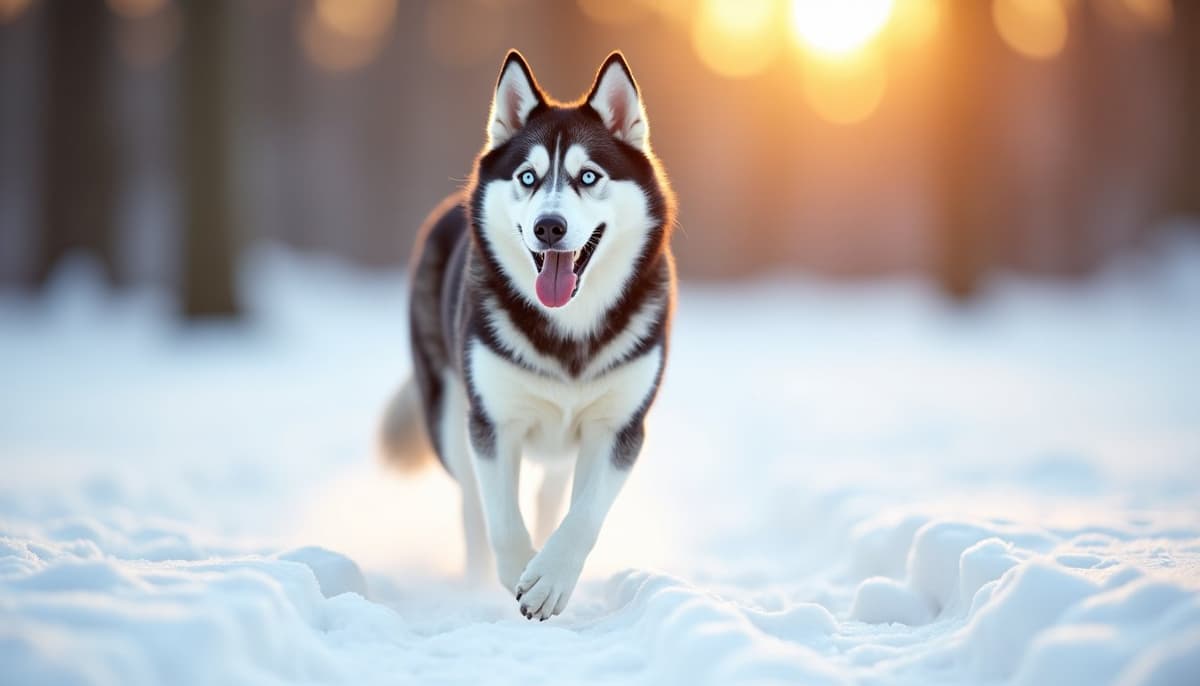
What Joint Problems Affect Siberian Huskies? (Siberian Huskies Joint Health Guide)
Siberian Huskies sit near the bottom of the Orthopedic Foundation for Animals hip dysplasia rankings, one of the very few medium-to-large breeds with a genuinely low recorded rate of dysplastic hips. That reputation is exactly why husky owners get blindsided. In this breed, the joints that fail first are usually not the hips.
This siberian huskies joint health guide starts where the breed's reputation ends. Our team hears the same script almost weekly: a five-year-old who limps for an hour after the dog park, a seven-year-old who suddenly refuses to jump into the car, an eleven-year-old who still sprints but cannot rise off a hardwood floor.
What joint problems affect Siberian Huskies?
Siberian Huskies are most often affected by cranial cruciate ligament (CCL) injury, osteoarthritis, and repetitive soft-tissue strain, while hip dysplasia, elbow dysplasia and intervertebral disc disease occur less frequently than in many comparable breeds. Because huskies suppress lameness while running, owners should judge joint health by recovery after exercise, not performance during it.
The common oversimplification is that a low breed-level dysplasia rate equals a low joint risk. It does not. A husky's genetic hip advantage is repeatedly offset by behaviour: enormous aerobic drive, a high pain threshold bred into working sled lines, and a willingness to run through injury that most companion breeds simply do not have. This article covers the specific conditions that show up in the breed, why the first signals get missed for months, and what genuinely protects mobility over a lifetime.
The Siberian Husky Joint Risk Profile: What Actually Goes Wrong
Five orthopedic problems account for most husky mobility complaints, and they arrive in a fairly predictable order across the lifespan. Ligament and cartilage problems dominate the middle years; degenerative joint disease dominates the last third.
Cranial cruciate ligament rupture is the single most common orthopedic injury in dogs overall, and athletic breeds that pivot hard at speed are well represented. In huskies it frequently presents as a partial tear rather than a clean rupture, which is why the dog seems fine for days and then goes lame after a hard run. If that pattern sounds familiar, read our breakdown of torn acl in siberian huskies before you assume it is a muscle strain.
Osteoarthritis follows almost every unresolved joint injury. Once articular cartilage is damaged, synovial fluid viscosity drops, subchondral bone remodels, and the joint enters a self-sustaining inflammatory cycle. Our guide to arthritis in siberian huskies covers how that cascade presents in a breed that hides discomfort.
Hip dysplasia is less common here than in retrievers or shepherds, but less common is not never, and coxofemoral laxity in a dog built to pull is punishing. See hip dysplasia in siberian huskies for screening and staging detail. Elbow dysplasia, which is really an umbrella term covering fragmented coronoid process, ununited anconeal process and osteochondritis dissecans (OCD), tends to show as forelimb stiffness in dogs under 18 months. We cover it in elbow dysplasia in siberian huskies.
Intervertebral disc disease (IVDD) is not a classic husky condition, but spinal pain gets misread as hip pain constantly. The distinguishing feature is usually reluctance to turn the neck or a hunched topline rather than a limb-specific limp.
Inside This Siberian Huskies Joint Health Guide: Why the First Signs Get Missed
The reason husky joint problems are usually caught late is mechanical, not neglectful. Siberian Huskies were selected over generations for the ability to keep trotting through fatigue and discomfort, and that trait does not switch off because the dog now lives in a suburb.
Here is the detail most breed content skips: in huskies, lameness is often delayed rather than immediate. The dog runs, feels loose and enthusiastic, and shows nothing at all. The limp appears twelve to thirty-six hours later, once inflammatory mediators accumulate in the joint capsule and post-exercise stiffness sets in. Owners then assess the dog on the next walk, see a normal gait, and conclude the episode was nothing. It was not nothing. It was a joint that needed a day and a half to settle.
The second masking mechanism is contralateral compensation. A dog offloading a painful right stifle shifts weight to the left hindlimb and forward onto both shoulders. The result is a symmetrical, even-looking gait that hides a unilateral problem, right up until the compensating limb fails too. Bilateral cruciate injury within a year is a well-recognised pattern in veterinary orthopedics for exactly this reason.
In our conversations with husky owners, the most reliable early flag is never the limp. It is the refusal: a dog who stops using the sofa, hesitates at the top of a staircase, or starts sitting with one hind leg kicked out to the side. Those behaviours precede visible lameness by weeks. Body condition matters just as much. On the standard 9-point body condition score, keeping a husky at 4 to 5 rather than 6 or 7 reduces compressive load through every weight-bearing joint on every single stride, which is why weight management sits at the centre of siberian huskies lifespan and healthy aging.
The Siberian Huskies Joint Health Guide to Protecting Mobility Day to Day
Protecting husky joints comes down to four levers: load management, diagnostic timing, veterinary therapeutics, and nutritional support. In that order of impact.
Load management means controlled, consistent exercise rather than the weekday-sedentary, weekend-marathon pattern that tears ligaments. It also means traction. Hardwood and tile floors force a husky's paws to splay on every rise, and that abduction stress loads the hips and stifles far more than a walk does. Rugs and runners on the routes your dog uses most are the cheapest orthopedic intervention available.
Diagnostics matter because you cannot manage what you have not staged. An orthopedic exam with a drawer and tibial thrust test, plus radiographs or PennHIP evaluation where indicated, converts guesswork into a plan. None of this replaces professional assessment, so talk to your veterinarian before starting any supplement, changing an exercise routine, or interpreting a limp on your own.
On the veterinary side, licensed options for canine osteoarthritis include NSAIDs such as carprofen and meloxicam, the EP4 receptor antagonist grapiprant (Galliprant), polysulfated glycosaminoglycan injections (Adequan), and the anti-nerve growth factor monoclonal antibody bedinvetmab (Librela). Nothing in this article should be read as a reason to stop or alter a prescribed medication.
Nutraceuticals sit alongside, not instead of, that care. Glucosamine and chondroitin sulfate supply cartilage matrix substrates, green-lipped mussel (Perna canaliculus) and marine omega-3s (EPA and DHA) modulate inflammatory eicosanoid production, and undenatured type II collagen (UC-II) has been studied for joint comfort in dogs. Our comparisons cover the best joint supplement for siberian huskies, plus condition-specific breakdowns for hip dysplasia, arthritis, torn ACL, elbow dysplasia and IVDD, and a wider look at joint support for siberian huskies.
Research peptides such as BPC-157 and TB-500 are a newer, far less settled category. They are not FDA-approved veterinary drugs, the published work is largely preclinical, and canine evidence is limited. Research suggests possible roles in soft-tissue repair signalling and owners report using them as part of a broader recovery routine, which is how we frame the category at K9-REPAIR.
Siberian Huskies Joint Health Guide: Condition Comparison
This table maps the five conditions most likely to affect a husky's mobility against typical onset, the sign owners actually notice first, and how each is confirmed. Use it to narrow down what you are seeing before the vet visit, not to self-diagnose.
| Condition | Typical Onset Window | First Sign Owners Notice | How It Is Confirmed | Bottom Line |
|---|---|---|---|---|
| Cranial cruciate ligament injury | 3–8 years, often after a pivot or hard stop | Intermittent hind-limb limp that resolves in 24–48 hours, then returns | Cranial drawer and tibial thrust tests, radiographs, sometimes arthroscopy | The most likely cause of episodic hind-limb lameness in an active husky; partial tears rarely heal without intervention |
| Osteoarthritis | 6 years onward, earlier after injury | Slow rising, stiffness on cold mornings, refusing stairs | Orthopedic exam plus radiographs showing osteophytes and joint space change | Progressive and manageable, not reversible; weight control and early therapy do more than any single product |
| Hip dysplasia | Signs from 6 months, or in later life via secondary arthritis | Bunny-hopping gait, narrow hind stance, reluctance to jump up | Radiographic hip-extended views, OFA grading or PennHIP laxity scoring | Lower breed prevalence than most large breeds, so it should be confirmed rather than assumed |
| Elbow dysplasia | 5–18 months, usually before maturity | Forelimb stiffness after rest, head-bobbing lameness | Radiographs, often CT for fragmented coronoid process | Developmental and frequently bilateral; growth-phase diagnosis changes long-term outcome |
| Intervertebral disc disease | 4–10 years | Reluctance to turn the neck, hunched back, yelping when lifted | Neurological exam, MRI or CT myelography | Rarer in huskies but the most time-critical of the five; neurological deficits are an emergency |
Key Takeaways
- Siberian Huskies have a low recorded hip dysplasia rate relative to other medium-to-large breeds, but that advantage does not extend to cruciate ligaments, cartilage or soft tissue.
- Cranial cruciate ligament rupture is the most common orthopedic injury in dogs overall, and in huskies it usually starts as a partial tear that produces delayed, intermittent lameness.
- Delayed-onset limping, appearing 12 to 36 hours after exercise rather than during it, is the signature pattern this siberian huskies joint health guide wants owners to recognise.
- Behavioural refusals such as skipping the sofa or hesitating at stairs typically precede a visible limp by weeks.
- Keeping a husky at a body condition score of 4 to 5 out of 9 reduces load through every weight-bearing joint on every stride.
- BPC-157 and TB-500 are not FDA-approved veterinary drugs, and canine evidence remains limited.
What If: Siberian Husky Joint Scenarios
What if my husky limps after a run but seems completely fine the next morning?
Log the episode with a date, the activity, and how long the limp lasted, then restrict to lead walks for seven to ten days. Resolving lameness is reassuring in the moment and misleading over time, because partial cruciate tears and early cartilage damage both present exactly this way. If a second episode occurs within a month, book an orthopedic exam rather than another rest cycle. Two documented episodes give your vet a pattern to work with instead of a single anecdote.
What if my husky's hip radiographs are clean but he still avoids jumping into the car?
Ask your veterinarian to examine the stifles, lumbosacral junction and shoulders specifically. Clean hips rule out one condition, not joint pain generally, and jump refusal loads the hind limbs and lower spine far more than walking does. Lumbosacral pain and early cruciate disease both produce this behaviour while leaving hip films unremarkable. A ramp costs less than a diagnostic workup and removes the aggravating movement while you investigate.
What if surgery is recommended but it is outside my budget right now?
Say so plainly to your veterinarian and ask what conservative management looks like for your dog's specific injury, weight and age. Options frequently discussed include strict activity restriction, weight reduction, physical rehabilitation, orthotic bracing and pain management protocols. Outcomes vary considerably with dog size and tear severity, and a husky's activity drive makes restriction genuinely hard to enforce. Delayed surgery is a legitimate conversation; unmanaged pain is not.
The Blunt Truth About Husky Joint Supplements
Let's be direct about this: no supplement rebuilds a torn cruciate ligament, and any product implying otherwise is selling you a story. Nutraceuticals such as glucosamine, chondroitin, green-lipped mussel and omega-3 fatty acids are support tools that work at the level of cartilage substrate and inflammatory signalling, and the evidence for them ranges from moderate to mixed depending on the ingredient. They earn their place in a long-term plan alongside weight control, controlled exercise and veterinary care. They do not replace a diagnosis. An owner who spends three months on supplements while a partial tear becomes a complete one has lost the thing that mattered most: time.
The most useful thing any siberian huskies joint health guide can tell you is that this breed will not advertise its own decline. A husky will run on a damaged joint because that is precisely what the breed was built to do, and the gap between the injury and the moment you notice it is where most permanent damage happens. Watch the recovery, not the run. Watch the refusals, not the limp. If your seven-year-old suddenly stops doing something he has done a thousand times, that is data, and it is worth more than any radiograph you will pay for six months later.
``json {"@context":"schema.org","@graph":{"@type":"Article","headline":"What Joint Problems Affect Siberian Huskies?","about":"Siberian Huskies joint health guide","author":{"@type":"Organization","name":"pawgen"},"publisher":{"@type":"Organization","name":"pawgen","url":"[pawgen.com"},"datePublished":"2026-01-12"},{"@type":"FAQPage","mainEntity":[{"@type":"Question","name":"Is a dog sudden limping an emergency?","acceptedAnswer":{"@type":"Answer","text":"Sudden non-weight-bearing lameness, visible deformity or spinal pain needs same-day veterinary assessment."}},{"@type":"Question","name":"Why is my dog intermittent limping?","acceptedAnswer":{"@type":"Answer","text":"Intermittent limping usually reflects early osteoarthritis, a partial cruciate tear or a soft-tissue strain that flares with activity and settles with rest."}},{"@type":"Question","name":"When should I take a dog to the vet for intermittent limping?","acceptedAnswer":{"@type":"Answer","text":"Book an orthopedic exam if limping recurs across more than two weeks, worsens after rest, or returns after activity restriction."}}]}]} ``
Frequently asked questions
- Is a dog sudden limping an emergency?
- It can be. Sudden non-weight-bearing lameness, an obviously deformed limb, screaming on movement, or hind-limb weakness with spinal pain all warrant same-day veterinary attention. Milder sudden limps where the dog still bears some weight can usually be assessed within 24 to 48 hours, provided the dog is rested and not given human pain medication in the meantime.
- Why is my dog intermittent limping?
- Intermittent limping usually means a joint or soft-tissue structure that is damaged but not failed. The most common causes are partial cranial cruciate ligament tears, early osteoarthritis, and repetitive strain injuries. The limp appears when inflammation builds after activity and fades with rest, which is why the pattern repeats rather than resolving permanently on its own.
- Should I worry if my dog is intermittent limping?
- Yes, enough to investigate it. Intermittent lameness that recurs is one of the most reliable early indicators of progressive joint disease, and partial cruciate tears frequently progress to complete ruptures when the dog keeps loading the joint. A single episode after unusual exercise is less concerning; a second or third episode within a month should prompt an orthopedic exam.
- When should I take a dog to the vet for intermittent limping?
- Book an exam if the limp recurs over more than two weeks, returns after a rest period, worsens with cold weather, or comes with swelling, muscle loss or behaviour changes like stair avoidance. Earlier assessment is better because staging a partial tear or early arthritis changes the treatment options that remain available.
- What can I give a dog that is intermittent limping?
- Rest and traction first, and nothing from your own medicine cabinet. Human NSAIDs such as ibuprofen and paracetamol are toxic to dogs. Pain relief should come from a veterinarian, who may discuss licensed canine options such as carprofen, meloxicam or grapiprant. Joint nutraceuticals may support long-term comfort but are not appropriate as acute pain management.
- Is a dog intermittent limping an emergency?
- Usually not an emergency, but rarely something to ignore. Intermittent limping that resolves with rest can normally wait for a scheduled appointment within a week. It becomes urgent if the dog suddenly cannot bear weight at all, develops hind-limb dragging or knuckling, loses bladder control, or shows spinal pain, since those signs suggest neurological involvement.
- What does this siberian huskies joint health guide recommend for a growing husky puppy?
- Growth-phase huskies need controlled exercise on forgiving surfaces, a large-breed appropriate diet, and avoidance of repetitive high-impact activity until growth plates close. Supplement use and any dosing decision for puppies, pregnant or nursing dogs should be made with your veterinarian rather than from an article. Early elbow and hip screening is worth discussing if the breeder's lines are unknown.
- How much does treating joint problems in a Siberian Husky cost?
- Costs vary widely by clinic, region and severity. Diagnostics such as an orthopedic exam and radiographs sit at the lower end, ongoing arthritis medication is a recurring monthly expense, and surgical stabilisation of a cruciate tear is typically the largest single cost owners face. Asking for a written estimate before proceeding is standard practice at most veterinary practices.
- Are joint supplements or prescription medication better for husky arthritis?
- They do different jobs. Prescription options like NSAIDs, grapiprant or bedinvetmab target pain and inflammation directly and are the evidence-backed route for clinical osteoarthritis. Supplements such as omega-3s, green-lipped mussel and glucosamine work more slowly on cartilage substrate and inflammatory signalling. Most veterinarians use them together rather than choosing one, and neither should be stopped without professional advice.
- Does this siberian huskies joint health guide support using BPC-157 or TB-500 for dogs?
- We present them as an educational category, not a recommendation. BPC-157 and TB-500 are not FDA-approved veterinary drugs, most published research is preclinical, and canine-specific evidence is limited. Research suggests possible roles in soft-tissue repair signalling and some owners report using them for recovery support, but no claim of treatment or outcome for your dog is appropriate. Discuss it with your veterinarian.
Educational content. BPC-157 and TB-500 are not FDA-approved veterinary drugs. Talk to your veterinarian before starting anything new, especially if your dog is on prescribed medication.