13 Year Old Dog Peeing in Sleep: When to See the Vet
Urine leaking during sleep in an older dog is a reason to see a vet. Learn which signs mean emergency care now, what can cause it, what the vet may check, and what to tell your vet at a same-day appointment.
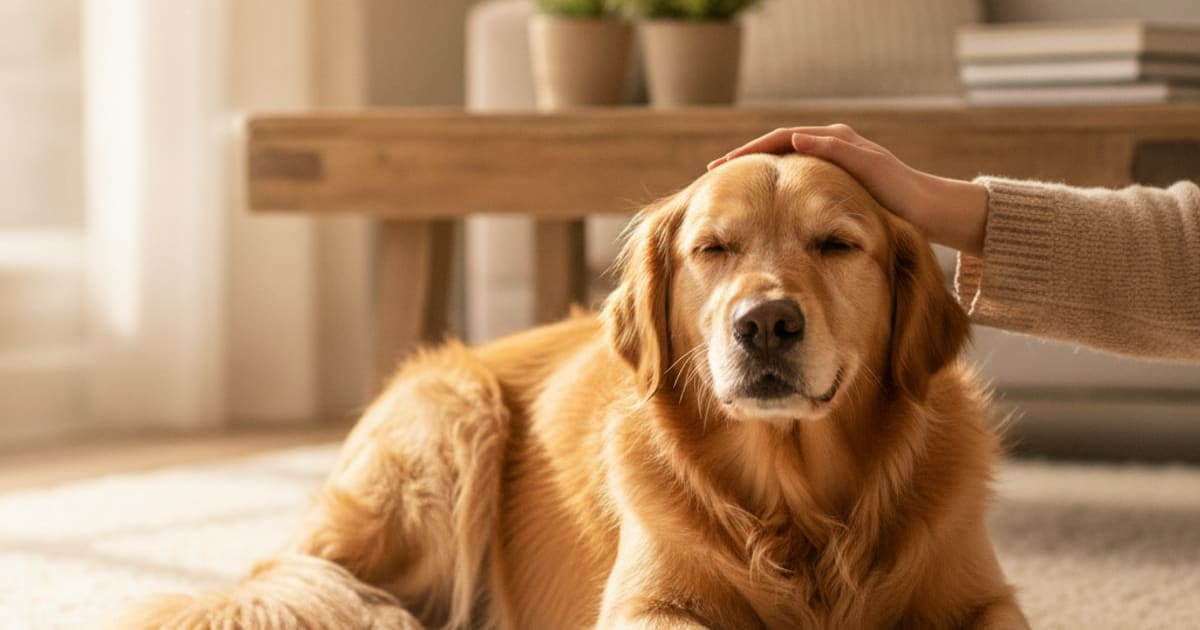
A 13 year old dog peeing in sleep needs a vet visit, because urine leaking during sleep can point to an infection, kidney or hormone changes, weaker bladder muscles or nerve problems. Go to an emergency vet now if your dog is straining or cannot pass urine, has blood in the urine, cries out in pain, or is suddenly weak, wobbly or collapsing; otherwise book a same-day appointment. As for why an old dog pees in his sleep: the bladder is held closed by muscle and nerves, and when the body relaxes in deep sleep, any weakness in that seal, any irritation inside the bladder or any extra urine being made can let urine slip out. Age by itself does not explain why it started. Whether your senior dog peeing in sleep is 10 or 13, male or female, a vet exam is the way to find out what is behind it. Your vet can then talk you through the options.
When to go to the vet now
Some signs that come with urine leaking during sleep mean your dog needs emergency care now:
- Straining to pee, or squatting or lifting a leg with little or no urine coming out
- Blood in the urine or on the bedding
- Crying out, restlessness or signs of pain when trying to pee
- Sudden weakness, wobbling or dragging of the back legs
- Collapse, or not being able to stand
- Vomiting, refusing food or seeming very flat and unwell along with the leaking
- A swollen, tight belly
If any of these is happening, go to an emergency vet now. Do not wait for a regular appointment. Our guide to Dog Emergency Signs covers other signs that need urgent care in any dog. Urine leaking during sleep without any of these signs still needs a same-day appointment with your vet, because the cause needs to be found.
What can cause urine leaking during sleep
Urine leaking during sleep is a sign, not a diagnosis, and several different problems can sit behind it in an older dog. From the outside these can look the same: a wet patch where your dog was lying, damp fur on the back legs, or a smell of urine where your dog sleeps. The possibilities below are things your vet may consider and check. They are not a list to work through at home, and two or more of them can be present in the same dog at the same time.
The outlet of the bladder is closed by a ring of muscle, sometimes called the urethral sphincter, and that muscle is controlled by nerves. In an older dog this muscle can lose some of its tone. While your dog is awake and moving, the strength that remains may be enough to hold urine. In deep sleep the whole body relaxes, and a weaker seal can let urine escape. This mechanism helps explain how a dog can leak only while asleep. The vet reaches weaker muscle tone as an answer only after checking for other causes, because it can be present alongside an infection or another illness that also needs treatment.
In a senior dog peeing in sleep that is female and spayed, the vet may consider hormone-related leaking. Hormones help keep the muscle and lining at the bladder outlet firm, and the lower hormone levels that follow spaying can weaken that seal over the years. This kind of leaking can begin long after the spay was done, so the date of surgery does not rule it out. Neutered males can have a similar hormone-related change. In an intact male, the prostate gland sits around the urethra. An enlarged, infected or otherwise changed prostate can affect how urine flows and how well it is held, so the vet checks it during the exam.
A bladder infection can make the bladder lining sore and irritable. The bladder may then squeeze before it is full, and a sleeping dog may not wake in time. An infection can also climb toward the kidneys. Bladder stones and crystals can irritate the lining in the same way, and a stone that lodges in the urethra can partly or fully block the flow of urine. When the bladder cannot empty, it can overfill and dribble, and that dribbling can be mistaken for leaking during sleep. A blockage is an emergency, which is why straining or passing little or no urine is on the list of reasons to go to an emergency vet now. Changes in how well an older dog empties the bladder can also make infection more likely, which is one more reason the vet tests the urine.
Some illnesses make the body produce more urine, so the bladder fills faster through the night and has more to hold while your dog sleeps. Kidney disease, diabetes, disease of the adrenal glands such as Cushing's disease, and some liver problems can each increase thirst and urine, and the vet may test for them. Some medicines can also increase thirst or urine. The vet needs to know about everything your dog takes, including anything prescribed for joints, skin or another condition. Do not cut back your dog's water to try to stop the leaking. A dog whose kidneys or hormones are driving extra urine can become dehydrated quickly without enough to drink, so talk to your vet before changing anything about water.
The signals that tell the bladder muscle to stay closed travel along nerves that run through the spine. A disc problem, arthritis in the spine, an old or new injury, or a growth pressing on the spinal cord or nerves can interfere with those signals. In some dogs this comes with weakness in the back legs, scuffing of the back feet, a lower tail carriage or trouble rising after rest. In others the bladder is the first thing affected. Sudden back leg weakness along with leaking is an emergency. The vet also looks at how the nerves are working as part of the exam.
Some older dogs go through changes in thinking and memory, a condition vets call cognitive dysfunction, which has been compared with dementia in people. It can upset the sleep and waking cycle, house training and awareness of the need to go out. A dog going through these changes may pass urine indoors at night, or in bed, without the signals that used to wake them. These accidents can be hard to separate from true leaking during sleep, and a dog can have both at once. The vet considers cognitive change only after checking for bladder, kidney, hormone and nerve causes, because those can look exactly the same from the outside.
Pain can play a part too. An older dog with stiff, sore joints or a painful back may be slow to get up, may lie in one spot for longer, and may struggle to reach the door during the night. In an older dog peeing in sleep at night, the vet may look at whether pain or trouble moving is adding to the problem, alongside the bladder itself.
A growth in the bladder, urethra or prostate is another possibility the vet considers in an older dog, particularly when leaking comes with blood in the urine or straining. Only tests can show whether a growth is present, which is part of why imaging may be suggested.
One sign can have many possible causes, and several of them can overlap in a senior dog. The only way to know what is behind it is a vet exam with tests. You can read more about individual illnesses in our conditions library. Talk to your vet about how any condition your dog already has may fit in.
What your vet may do
The visit starts with questions. Your vet may ask when you first noticed urine leaking during sleep, whether your dog leaks while awake too, how much your dog is drinking and eating, whether weight has changed, and which medicines your dog takes. For a female, the vet may ask whether and when she was spayed. For a male, the vet may ask whether he is neutered.
Next comes a physical exam of the whole dog. The vet may feel the belly to judge the size of the bladder and kidneys, and look at the skin around the back end and inner legs for redness or soreness from contact with urine. The genitals are checked as well. In a male, a rectal exam lets the vet feel the prostate. In both sexes, a rectal exam can help the vet assess the urethra and the muscle tone around the back end. The vet also checks weight, body condition, joints and the heart, because an older dog can have more than one problem at once.
A neurological exam looks at how the nerves to the back legs, tail and bladder are working. The vet may test reflexes, see how your dog stands and walks, check how well the feet are placed, and look at tail and anal tone.
A urine test is at the centre of the workup. The vet looks at how concentrated the urine is and checks for blood, protein, sugar, crystals and signs of infection. A urine culture grows any bacteria present so that treatment can be matched to them. To get a clean sample, the vet may collect urine straight from the bladder with a thin needle passed through the belly wall, guided by touch or ultrasound. Call the clinic before the visit to ask whether they would like your dog to arrive with a full bladder.
Blood tests can show how the kidneys and liver are working, measure blood sugar and salts, and give a blood count. If the first results raise questions, the vet may suggest further blood tests for adrenal gland or other hormone problems. Blood pressure may be measured, since kidney and hormone problems can affect it.
Imaging helps when the vet needs to see inside. X-rays can show some types of bladder stone and changes in the spine. An ultrasound can show the bladder wall, kidneys, prostate and any growth. Some dogs need sedation for imaging or for a closer look at a painful area.
If your dog has not had a full senior health check for some time, this visit is a chance for one. A senior wellness exam brings together the history, physical exam, urine tests and blood tests. It looks at the whole dog, including teeth, eyes, heart, joints and weight as well as the bladder, and gives your vet a full picture of your dog's health to plan from.
Once the results are back, the vet can explain what the cause appears to be and what the options are. Treatment depends on what is found. It may involve medicine, a change in diet set by your vet, surgery for some stones or growths, or managing another illness that is driving the leaking. Talk to your vet about what each option involves for your dog. Your vet can tell you how it fits with any condition your dog is already being treated for.
What to tell your vet
Before the appointment, write down what you have seen so you can give the vet a clear picture. Useful points include:
- When you first noticed urine leaking during sleep, and whether it began suddenly or built up slowly
- Any change since then, such as leaking on more nights, larger wet patches, or leaking while awake or walking
- Any blood in the urine or on the bedding
- Whether your dog licks the genitals or back end more than before
- Other signs, such as drinking more, eating more or less, weight change, straining, peeing small amounts, accidents while awake, confusion, night waking or back leg weakness
- Every medicine your dog takes, and whether your dog is spayed or neutered
If it helps, note the dates and times you find a wet patch, and whether your dog was asleep, resting or had just got up. This note is only for your vet to read. If straining, blood in the urine, pain, weakness or collapse appears before the appointment, go to an emergency vet now.
Frequently asked questions
- Is urine leaking during sleep an emergency in dogs?
- It is an emergency if your dog is straining or cannot pass urine, has blood in the urine, cries out in pain, has sudden back leg weakness or collapses. Go to an emergency vet now for any of those. Urine leaking during sleep without them still needs a same-day vet appointment to find the cause.
- What should I do if my dog has urine leaking during sleep?
- Call your vet today and book a same-day appointment. Tell the clinic your dog's age, when the leaking started, and any other changes such as more drinking, blood in the urine or weakness. If your dog is straining, cannot pee, is in pain or collapses, go to an emergency vet now instead.
- Can I treat urine leaking during sleep at home?
- No, because a vet needs to find the cause first. Do not give medicine, cut back water, put anything on your dog's skin or remove anything before the vet sees your dog. If any area is bleeding, gentle pressure with a clean cloth on the way to the vet is the only step.
- Why does my old dog pee in his sleep?
- An old dog can pee in his sleep when the muscle closing the bladder weakens, when an infection or stone irritates the bladder, when an illness such as kidney disease or diabetes makes more urine, or when nerves from the spine stop working properly. Age alone does not explain it, so book a same-day vet exam.
- Why is my senior female dog peeing in her sleep?
- In a senior female, the vet may look at hormone-related weakness of the bladder outlet, which can follow spaying, along with infection, bladder stones, kidney disease, diabetes and nerve problems. Several of these can happen together, so the vet checks a urine sample and may run blood tests. Book a same-day appointment to have her examined.
- Why is my old dog peeing in sleep and drinking more water?
- Drinking more along with urine leaking during sleep is a reason for the vet to test for kidney disease, diabetes, adrenal gland disease, liver problems and infection, since these can affect how much urine is made or held. Do not cut back your dog's water before the visit. Book a same-day appointment and tell the clinic about the extra drinking.
- Can changes in thinking and memory make an old dog pee in bed?
- Yes, changes in thinking and memory in an older dog can upset sleep, house training and awareness of needing to go out, which can lead to accidents in bed. The vet checks for bladder, kidney, hormone and nerve causes first, because these can look the same. Book a same-day appointment and describe any night waking or confusion.
- Should I scold my dog for peeing in bed?
- No, because a dog with urine leaking during sleep may not be aware of it or able to control it, and scolding can add stress without changing the cause. The leak is a sign for the vet to look into. Call your vet today and book a same-day appointment so the cause can be found.
- What tests might the vet do for an elderly dog peeing in sleep?
- The vet may start with a full physical exam, including the belly, spine, back legs and, in males, the prostate. A urine test and urine culture look for infection, blood, sugar and crystals. Blood tests check the kidneys, liver and blood sugar, and X-rays or an ultrasound may look for stones, growths or spine problems.
- Can a 10 year old dog start peeing in sleep?
- Yes, urine leaking during sleep can start in a dog of 10, 13 or any other age, and it can begin suddenly or build up slowly. At any age it is a reason to see the vet rather than a part of getting older to accept. Call your vet today and book a same-day appointment.
Educational content, not veterinary advice. Ask your vet about your dog.