Are Australian Cattle Dogs Dangerous? Bites and Behaviour
Australian Cattle Dogs are not dangerous by nature, but they are strong-willed herders that can nip, guard and be wary of strangers. Early socialisation and skilled training shape how that drive shows up. If your dog starts snapping or biting in a new way, talk to your vet, because pain can sit behind it.
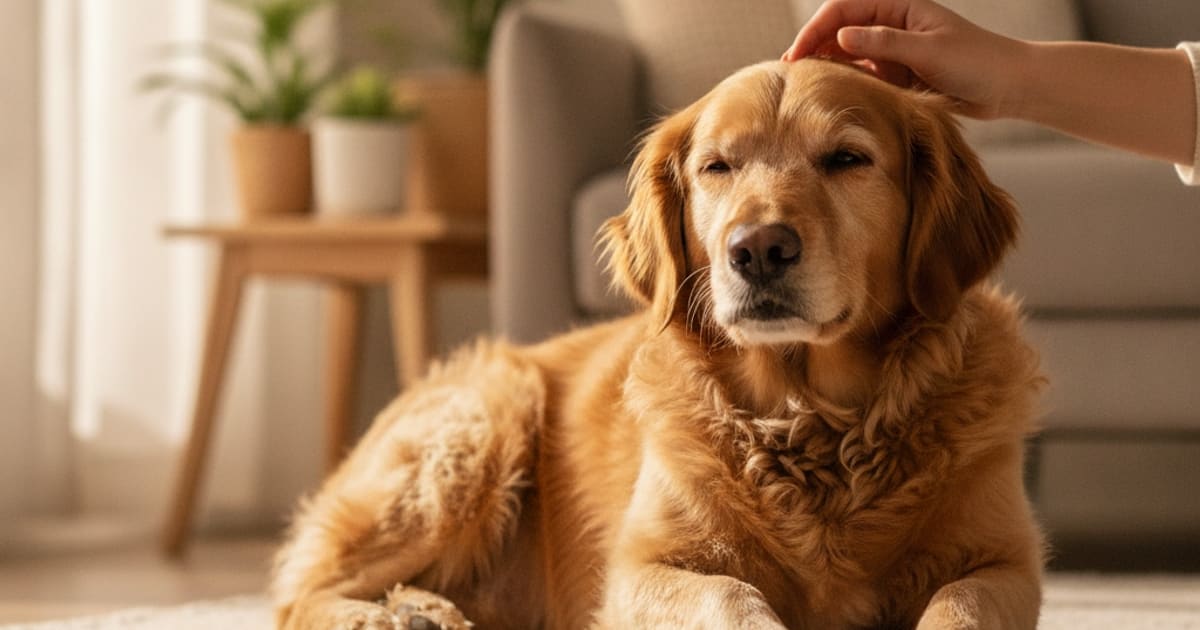
Australian Cattle Dogs are not dangerous by nature, but they are powerful, driven working dogs that can nip, guard and stay wary of people they do not know. If your cattle dog has started growling, snapping or biting in a way that is new for them, talk to your vet first, because pain and illness can sit behind a change in behaviour.
These dogs are also called Blue Heelers, Red Heelers and Queensland Heelers. They were developed to move cattle across long, hard working days. That job demanded courage, independence, a quick mouth and a close bond with one handler. Every one of those traits comes home with the dog. Shaped with skill and patience, those traits can make for a loyal, quick-witted and devoted companion. Misread or left without direction, they can show up as nipping, guarding and reactivity that feels alarming in a family setting.
The sections below explain where the biting comes from, how protective and friendly these dogs can be, why their intelligence matters, and when a change in behaviour belongs with your veterinarian rather than a training plan.
Why heelers nip: the herding drive behind the bite
The name heeler says a lot. The breed was developed to control cattle by darting in, nipping at the back of the legs and dropping low to avoid a kick. A dog built for that work has a fast, confident mouth and a strong urge to control anything that moves.
In a home, that urge can land on:
- Children running across a yard or a room
- Ankles and trouser legs at the door or out on a walk
- Other pets that move quickly
- Bikes, cars and anything else that rolls past
Heel nipping comes from that herding job, not from spite, and the difference shapes how you respond. Harsh punishment can add fear and confusion to an instinct the dog does not understand as wrong, and a frightened dog may bite harder. A qualified trainer who works with herding breeds can help redirect the drive into outlets the dog is allowed to use and set clear rules around children.
Cattle dog puppies arrive with busy mouths. Puppy mouthing is the moment to teach a soft mouth and a reliable way to switch off, through calm, consistent training rather than rough play that rewards biting. A qualified trainer or a well-run puppy class can help, and your vet can tell you when your puppy's vaccinations allow it to mix with other dogs.
So, do Australian Cattle Dogs bite? They can, and nipping runs deep in the breed's history. A nip is still a bite, though, and it deserves a response rather than a shrug. Young children and a herding dog should always be supervised together, and children can learn not to run shrieking past the dog, grab at it or hug it around the neck.
Some bites need more than a training answer. A bite that breaks skin, a bite with no clear trigger, a bite that follows a hard stare and a stiff body, or a bite when the dog is touched in one particular place all mean calling your vet today. Anyone who has been bitten should get medical care. A vet exam may help find a physical cause before you spend time on a training plan aimed at the wrong problem.
Protective, wary and loyal with family and strangers
Are Australian Cattle Dogs protective? They can be very protective. Bred to work closely alongside a handler, they can form an intense bond with one person or one household and treat the home, the yard and the car as ground to watch over.
That loyalty is one of the breed's great strengths. It also means a cattle dog may:
- Bark at or block visitors at the door
- Stand between you and an approaching stranger
- Stay stiff and watchful when new people come into the home
- Guard food, resting spots or a favourite person
Are they friendly? With their own people, cattle dogs can be affectionate, playful and closely attached, following you from room to room. With strangers they can be reserved. This is a dog that watches first and decides later. A cattle dog that ignores a guest is assessing, not sulking, and forcing contact, such as a visitor reaching over the dog's head, can push a wary dog toward a growl or a snap.
Are Australian Cattle Dogs mean? Mean is the wrong word for them. Their directness can look harsh: a quick correction to another dog, a hard stare at a stranger, a nip at a heel. Underneath sits a working temperament built around control and closeness, not cruelty.
Are Queensland Heelers aggressive? Not by design. Intensity and aggression are different things. A heeler that missed out on early socialisation, has no outlet for its drive or is quietly in pain can move toward aggression, and each of those calls for a different answer.
Other animals deserve thought too. A cattle dog's drive to chase and control can turn toward cats, small pets or livestock, and some cattle dogs can be bossy or intolerant with other dogs. Careful, supervised introductions can help, and a qualified trainer can guide a household with more than one pet. Any fight that draws blood is a reason to call your vet today, for every animal involved.
Socialisation is where much of the shaping happens. Calm, positive introductions to many people, places, sounds and animals during puppyhood can help a cattle dog grow up confident rather than suspicious.
Protectiveness should never become something you work around. If guarding grows, if your dog starts snapping at family members, or if a once-sociable dog turns guarded, call your vet today. Sudden guarding can come from discomfort as much as from temperament.
A sharp mind that needs a job
Are Australian Cattle Dogs intelligent? Yes, highly. Herding cattle demands problem-solving: reading an animal's body, predicting where it will move and acting without waiting for a command. The breed was shaped for exactly that independence.
Intelligence cuts both ways. A cattle dog learns fast, which makes good training rewarding. It also learns lessons you never meant to teach, such as how to open a gate, which family member gives in to barking, or that nipping keeps a game going.
When a mind this capable has nothing to work on, frustration can build. It can show up as:
- Nipping and herding family members
- Barking, pacing or restlessness
- Chewing or digging
- Reacting to passing dogs, people or vehicles
Structured mental work gives that mind somewhere to go. Training sessions, scent work and herding-style activities guided by a qualified trainer can give a cattle dog a job to do. Before you add more physical activity, talk to your vet, especially for a young dog whose joints are still developing or an older dog that has slowed down. Restlessness and pacing can also be signs of discomfort, so if a new pattern appears, call your vet today rather than putting it down to boredom.
When a behaviour change is a health question
A cattle dog that starts growling, snapping or biting in a way that is new for them should see a vet before anything else, because pain and illness can change behaviour.
Cattle dogs are tough. Bred to keep working through knocks and kicks, they can hide discomfort well. Instead of limping or crying out, a sore cattle dog may turn short-tempered, resist being handled, guard a resting place or snap when touched near a painful hip, elbow, ear or mouth.
The breed is also known for inherited hearing loss and an inherited eye disease that affects vision. A dog that cannot hear you approach, or cannot see you clearly, may startle at a touch and snap in surprise. A change in temper in an older cattle dog is not something to put down to age either: call your vet today.
The same applies after an injury or surgery. A dog in recovery may be sore and less tolerant of handling, so any new snapping during that time is a reason to call your vet today, not something to push through.
When you call, the vet may look at a range of possible physical causes:
| What the vet checks | Why it matters for behaviour |
|---|---|
| Full physical exam | Looks for pain, injury or illness the dog may be hiding |
| Joints, spine and gait | Joint or back pain can make a dog snap when touched or lifted |
| Ears | A sore ear can make handling around the head painful |
| Mouth and teeth | Mouth pain can make a dog guard its face or its food |
| Eyes and vision | Reduced vision can make a dog startle and react defensively |
| Hearing | A dog that cannot hear an approach can be shocked by a sudden touch |
| Skin | Itchy or sore skin can make a dog irritable when stroked |
| Blood tests | Help the vet look for internal illness, including hormone problems, that can affect mood and energy |
Before the appointment, write down what you see: when the snapping happens, where your dog was being touched, what came just before, and whether appetite, sleep or movement has changed. Hand those notes to your vet. They give the exam a clear starting point. The conditions library covers joint, ear, eye and other health problems in more depth if you want to read up before you go.
If the exam finds a physical cause, managing that comes first. Once your vet has ruled out or addressed a medical problem, they can refer you to a veterinary behaviour specialist, who can build a plan that may include training, changes at home and, where appropriate, a medicine your vet prescribes.
Go to an emergency vet now if sudden aggression comes with collapse, a seizure, trouble breathing, stumbling, circling or confusion. Those signs need care straight away.
Key Takeaways
- Heel nipping comes from the breed's herding job, and a bite that breaks skin, comes without warning or is new for your dog is a reason to call your vet today.
- Wariness with strangers comes from the breed's working background; guarding that grows, or snapping at family members, is a reason to call your vet today.
- A sudden drop in friendliness, more grumpiness when touched or new resistance to handling can be a pain sign: call your vet today.
- Hearing or vision loss can make a cattle dog startle and snap, so a dog that seems surprised by touch or approach should see the vet.
- New snapping, restlessness or irritability during recovery from an injury or surgery is a reason to call your vet today.
- Sudden aggression with collapse, a seizure, trouble breathing, stumbling or confusion means going to an emergency vet now.
Your vet leads the plan
Australian Cattle Dogs are loyal, quick, tireless and fiercely attached to their people. Their drive to nip, guard and control movement comes with the breed, and it calls for skilled training and early socialisation from the start.
Pain and illness can change behaviour in any dog, though, and a tough working breed may show discomfort as a snap long before it shows a limp. That is why the order matters. Your vet owns the diagnosis and the treatment plan. Training, socialisation and work with a behaviour specialist all build on what a proper veterinary exam finds.
If your cattle dog's temper has changed, talk to your veterinarian today and bring your notes. A clear picture of what happened, when and where gives your vet the best place to start.
For the signs that mean your dog needs care straight away, read Dog Emergency Signs.
Frequently asked questions
- Are Australian Cattle Dogs dangerous?
- No, Australian Cattle Dogs are not dangerous by nature, but they are strong, driven herders that can nip, guard and stay wary of strangers. Early socialisation and skilled training shape that drive. If your dog starts biting or snapping in a way that is new, talk to your vet, because pain can sit behind a change.
- Are Australian Cattle Dogs mean?
- No, a cattle dog is not mean, though its directness can read that way. The breed can be reserved with strangers, quick to correct other animals and firm about its space. Those traits need early, patient socialisation. A dog that turns irritable, growly or snappy out of character should see a vet, because pain can change temper.
- Do Australian Cattle Dogs bite?
- Australian Cattle Dogs can nip and bite, because the breed was developed to move cattle by nipping at their heels. That drive can turn toward running children, feet or other pets. A qualified trainer can help redirect it. Any new, harder or unprovoked biting is a reason to call your vet today, and anyone bitten should get medical care.
- Are Australian Cattle Dogs protective?
- Yes, Australian Cattle Dogs can be strongly protective, because they were bred to work closely alongside one handler. They can bond tightly to their family and stay watchful around strangers, gates and vehicles. Early socialisation can help keep that watchfulness manageable. Talk to your vet about sudden new guarding, as discomfort can play a part.
- Are Australian Cattle Dogs friendly?
- Australian Cattle Dogs can be affectionate and playful with the people they know, but they are not a breed that greets every stranger warmly. It watches first and warms up on its own terms. Early introductions to people, places and other animals can shape that reserve. A sudden drop in friendliness is a reason to call your vet.
- Are Queensland Heelers aggressive?
- Queensland Heelers, another name for Australian Cattle Dogs, are not aggressive by design, but they can be intense, reactive with strangers and rough in play through nipping. Poor socialisation, frustration and pain can all push a dog toward aggression. If yours growls, snaps or bites out of character, talk to your veterinarian today.
- Are Australian Cattle Dogs intelligent?
- Yes, Australian Cattle Dogs are highly intelligent working dogs, bred to read livestock and make quick decisions without constant direction. That sharp mind learns fast, including habits you did not mean to teach. Without enough mental work, frustration can show up as nipping, barking or chewing. A qualified trainer can help channel it.
- What should I do if my Australian Cattle Dog suddenly starts biting?
- Call your vet today and describe exactly what happened, including where your dog was touched and what came before the bite. Pain, ear trouble, vision or hearing loss and other health problems can all change behaviour. Once the vet has examined your dog, they can refer you to a veterinary behaviour specialist if needed.
Educational content, not veterinary advice. Ask your vet about your dog.