Does Anxiety in Dogs Cause Diarrhea and Vomiting?
Anxiety in dogs can cause diarrhea and vomiting, but infection, parasites, toxins and other illnesses can cause the same signs. This page covers when to go to an emergency vet, what can cause diarrhea and vomiting, what your vet may do and what to tell your vet.
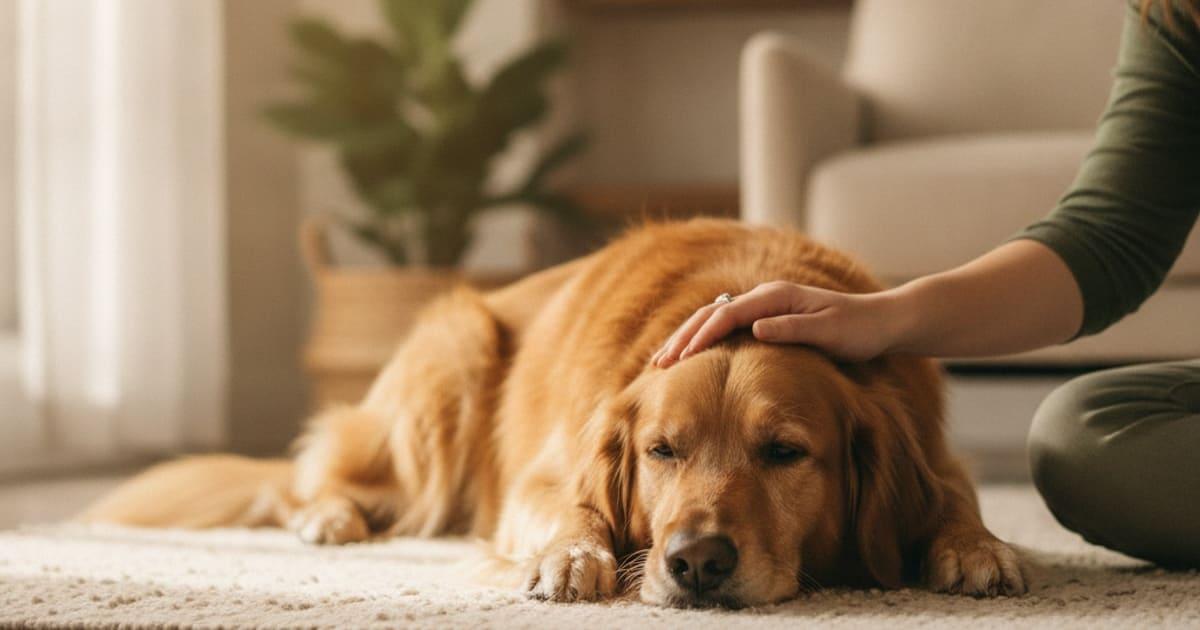
Anxiety in dogs can cause diarrhea and vomiting, and diarrhea and vomiting are always a reason to see a vet. Go to an emergency vet now if there is blood in the vomit or stool, your dog keeps vomiting and cannot keep water down, your dog retches with nothing coming up or has a swollen belly, or your dog is weak or collapses; otherwise book a same-day appointment. The plain answer to 'does anxiety in dogs cause diarrhea' is yes, it can, but infection, parasites, something swallowed and a range of other illnesses cause the same signs, and only a vet can tell them apart. Before you put an upset stomach down to stress, talk to your vet.
When to go to the vet now
- Blood in the vomit or the stool, or black, tarry stool
- Vomiting again and again, or not keeping water down
- Retching or trying to vomit with nothing coming up, or a swollen, tight belly
- Weakness, collapse or a dog that will not get up
If your dog may have swallowed something toxic, call your vet or an animal poison control service now. If your dog may have swallowed an object, such as a sock or part of a toy, call your vet now. The guide to Dog Emergency Signs covers other signs that need a vet straight away.
What can cause diarrhea and vomiting
Diarrhea and vomiting are signs, not a diagnosis. Anxiety is one possible cause, and it is a real one, but your vet will look at it alongside every other cause that can bring the same signs. A dog's gut and brain are closely linked through nerves and hormones. When a dog is frightened or anxious, the body releases stress hormones that can speed up the movement of the bowel, change how the stomach empties and alter the way the gut handles fluid. The result can be loose or watery stool, a sudden urge to go, accidents in the house, vomiting, or a dog that will not eat. So anxiety in dogs can cause stomach problems, but the same picture can come from a range of illnesses that need treatment, and that is why the vet comes first.
Anxiety and stress can be linked to diarrhea and vomiting around events that unsettle a dog: being left alone, travel, a stay in boarding kennels, a vet visit, fireworks or thunderstorms, a house move, a new baby or a new pet, building work, or a change in routine. Separation anxiety is one example, where a dog becomes distressed when left alone and may have loose stool, vomiting, drooling or accidents while you are out. The guides to Dog Separation Anxiety and What Are the Signs of a Dog Having Separation Anxiety? explain this in more detail. Even when the timing seems to match a stressful event, an upset stomach still needs a vet. A dog can pick up an infection at boarding kennels, get into something it should not during a house move, or become ill at any time by chance, and those causes can line up with a stressful week just as easily as anxiety can.
Anxiety in dogs can show up in other ways at the same time, such as panting, pacing, trembling, hiding, whining, yawning, drooling, lip licking, chewing or scratching at doors, and a tucked tail. The page on Dog Anxiety Signs describes these signs. Seeing them alongside diarrhea and vomiting does not prove that anxiety is the cause. A dog that feels sick, has belly pain or has a fever can pant, pace, tremble, drool and hide too. These signs are details to pass on to your vet, not a way to reach an answer at home.
Anxiety in dogs can also cause nausea. A nauseous dog may drool, lick its lips, swallow again and again, turn away from food or eat grass, and nausea can lead on to vomiting. Anxiety can be linked to vomiting on its own, to diarrhea on its own, or to both together. The same nausea and vomiting can come from a stomach infection, a blockage from something swallowed, pancreatitis, kidney or liver disease, or a toxin, which is why vomiting needs a vet visit whatever you think set it off.
Anxiety in dogs can be linked to bloody stool in some cases. Stress can be linked to inflammation of the large bowel, called colitis, which can bring loose stool with mucus and some blood, and a dog straining to pass small amounts. But blood in the stool or in the vomit is a reason to go to an emergency vet now, whatever you think caused it. Bloody diarrhea can also come from serious infections such as parvovirus, from a sudden and severe bowel illness that can quickly lead to dangerous fluid loss, from parasites, from a swallowed object that has damaged the gut, from some toxins, including rat and mouse poisons that stop blood from clotting, and from bleeding disorders. If there is any chance your dog got into rat or mouse poison, call your vet or an animal poison control service now. Only your vet can find out what is behind the blood.
Pancreatitis is inflammation of the pancreas, and it can cause vomiting, diarrhea, belly pain, a hunched stance and a dog that refuses food. Anxiety is not known to cause pancreatitis on its own. Rich or fatty food is one possible trigger, and a stressed dog may raid the bin or be given scraps during busy or upsetting times, such as holidays or a house move. If your dog may have eaten rich or fatty food, call your vet now. Some dogs have other illnesses or traits that put them at higher risk. Pancreatitis can become serious, and your vet checks for it with blood tests and sometimes an ultrasound scan.
Other possibilities your vet may check include eating something unsuitable, such as rubbish or food from the table, a sudden change of diet, a food intolerance or allergy, worms and other gut parasites such as giardia, viral and bacterial infections, a blockage from a swallowed object, toxins, inflammatory bowel disease, kidney or liver disease, and a side effect of a medicine your dog takes. If you know or think your dog ate something it should not have, call your vet now, and if it could be toxic, call your vet or an animal poison control service now. A hormone problem of the adrenal glands, called Addison's disease, can bring vomiting and diarrhea that seem to flare in stressful times, which is one reason your vet may test for it rather than put the signs down to nerves. Young puppies, older dogs and dogs with an existing illness can become dehydrated and unwell faster, so call your vet now for any of them.
Anxiety and an upset gut can also feed into each other. A dog with an upset gut may feel uncomfortable and more on edge, and a dog that has accidents indoors may become more anxious about being left. This is one more reason to have your vet look at both the gut and the behaviour, rather than one or the other.
Older dogs can develop new anxiety, including restlessness at night and worry when left alone, and they can also develop kidney, liver, hormone or bowel disease that brings the same stomach signs. The guide to Senior Dog Anxiety explains anxiety in older dogs. In an older dog, diarrhea and vomiting need a vet just as quickly, even when anxiety seems the obvious reason.
Changes in your household can affect how calm your dog feels, and that can include stress you are going through yourself. Can My Anxiety Cause My Dog Anxiety? looks at that link. For more on the illnesses named on this page, the conditions library has plain-language guides.
What your vet may do
Your vet starts by asking about the history: when the diarrhea and vomiting began, how many times each has happened, what the stool and vomit have looked like, what your dog eats, whether anything could have been swallowed, and whether anything stressful has happened. Your vet may ask you to bring a fresh stool sample, so ask how to collect it when you call. Your vet then examines your dog from nose to tail. This includes checking temperature, heart rate, hydration, gum colour and the belly for pain, swelling or anything that feels out of place. A vet exam may help find the cause, or at least narrow down which tests come next.
Depending on what the exam shows, your vet may suggest tests. A stool test looks for worms, giardia and other parasites, and a quick test can check for parvovirus in a dog with diarrhea, especially a puppy or a dog whose vaccines are not up to date. Blood tests show hydration, blood cell counts, kidney and liver function, salts in the blood, and a test for pancreatitis. A urine test adds to the picture of kidney health and hydration. If Addison's disease is a possibility, your vet may run a specific hormone test. X-rays or an ultrasound scan can show a blockage, a swallowed object, thickened bowel, changes in the pancreas and other problems inside the belly. Some dogs need more than one round of tests before the cause is clear.
Treatment depends on the cause. Your vet may give fluids, under the skin or through a drip, to replace what has been lost. A medicine your vet prescribes may be used to ease nausea, protect the stomach or calm the bowel, and a dog with an infection, a blockage or pancreatitis may need hospital care or surgery. Your vet sets what to feed, how much and how often during this time, and your vet can tell you how this fits with any diet your dog already eats or any condition your dog already has. Do not give any medicine, human or pet, unless your vet has prescribed it for this problem.
If your vet has ruled out other causes and anxiety looks like the trigger, the next step is the anxiety itself. Your vet may talk you through ways to reduce the stress your dog faces, gradual training to help your dog cope with being alone or with loud noises, and changes to routine. Some dogs need a medicine your vet prescribes for anxiety, and your vet may refer your dog to a vet who specialises in behaviour. Talk to your vet about a plan before the next stressful event you know is coming, such as a trip, a stay in kennels or fireworks season.
If diarrhea and vomiting return, call your vet again the same day, even if the timing matches a stressful event, because a new bout can have a new cause.
What to tell your vet
- When you first noticed the diarrhea and vomiting, and how many times each has happened
- Any change in the stool or vomit since it started, such as colour, amount or mucus
- Any blood in the stool or vomit, or black, tarry stool
- Licking of the lips, drooling or swallowing again and again
- Other signs, such as not eating, drinking more or less, low energy, belly pain, panting or pacing
- Anything stressful that happened recently, such as travel, boarding, fireworks, visitors or a change at home
- Anything your dog may have eaten, any recent food change and any medicine your dog takes
Call your vet again if new signs appear or your dog seems worse at any point.
Frequently asked questions
- Is diarrhea and vomiting an emergency in dogs?
- It is an emergency if there is blood in the vomit or stool, your dog keeps vomiting and cannot keep water down, retches with nothing coming up, has a swollen belly, or is weak or collapses. Go to an emergency vet now for any of these. For diarrhea and vomiting without these signs, book a same-day vet appointment.
- What should I do if my dog has diarrhea and vomiting?
- Call your vet today, even if you think stress or anxiety set it off. Go to an emergency vet now if you see blood, repeated vomiting, retching with nothing coming up, a swollen belly, weakness or collapse. If your dog may have eaten something toxic, call your vet or an animal poison control service now.
- Can I treat diarrhea and vomiting at home?
- No, because infection, a blockage, pancreatitis or a toxin can cause the same signs. Do not give any medicine or home remedy, and do not put anything on your dog or remove anything before the vet sees your dog. For any outside bleeding, use only gentle pressure with a clean cloth on the way to the vet.
- Does anxiety in dogs cause diarrhea?
- Yes, it can, because stress hormones can speed up the bowel and change how the gut handles fluid, which can bring loose or watery stool. But infections, parasites, swallowed objects and other illnesses can cause the same signs, so diarrhea always needs a same-day vet visit, and blood in the stool means going to an emergency vet now.
- Can anxiety in dogs cause vomiting?
- Yes, anxiety can cause nausea and vomiting, because stress affects how the stomach empties and can make a dog feel sick. Vomiting can also come from a blockage, pancreatitis, kidney or liver disease, infection or a toxin. Book a same-day vet visit, and go to an emergency vet now for repeated vomiting, blood, a swollen belly or weakness.
- Can anxiety in dogs cause stomach problems?
- Yes, anxiety can upset a dog's stomach and bowel, and it can show as diarrhea, vomiting, nausea, drooling, lip licking or not wanting to eat. These problems can also come from illness, so they are not something to sort out at home. Call your vet for a same-day appointment and mention any stressful events your dog has been through.
- Can anxiety in dogs cause bloody stool?
- Stress can be linked to colitis, an inflamed large bowel, which can bring mucus and some blood in the stool. Blood can also come from parvovirus, parasites, a swallowed object, rat or mouse poison or a bleeding disorder. Any blood in the stool or vomit is a reason to go to an emergency vet now.
- Can anxiety in dogs cause nausea?
- Yes, anxiety can make a dog feel sick. Signs of nausea can include drooling, lip licking, swallowing again and again, turning away from food and vomiting. Illness, a blockage or a toxin can cause the same signs, so call your vet for a same-day appointment, and go to an emergency vet now for repeated vomiting or weakness.
- Can anxiety in dogs cause pancreatitis?
- Anxiety is not known to cause pancreatitis on its own. Rich or fatty food is one possible trigger, and a stressed dog may raid the bin or get scraps during upsetting times. Pancreatitis can cause vomiting, diarrhea and belly pain, so call your vet today, and go to an emergency vet now for weakness or collapse.
- How can my vet tell if anxiety is behind my dog's diarrhea?
- Your vet looks for other causes first, with an exam and tests such as a stool test, blood tests and sometimes X-rays or an ultrasound scan. Anxiety becomes the likely trigger once those causes have been ruled out and the timing fits stressful events. Talk to your vet about a plan for the anxiety itself.
Educational content, not veterinary advice. Ask your vet about your dog.