Dog Eye Pupil Dilated: Why It Happens and When to See a Vet
Dog eyes do dilate, widening in dim light and with excitement, fear, stress or pain. A dilated pupil can also come from eye disease, nerve problems, medicines or toxins, so book a same-day vet visit, or go to an emergency vet now if the eye is painful or sight changes.
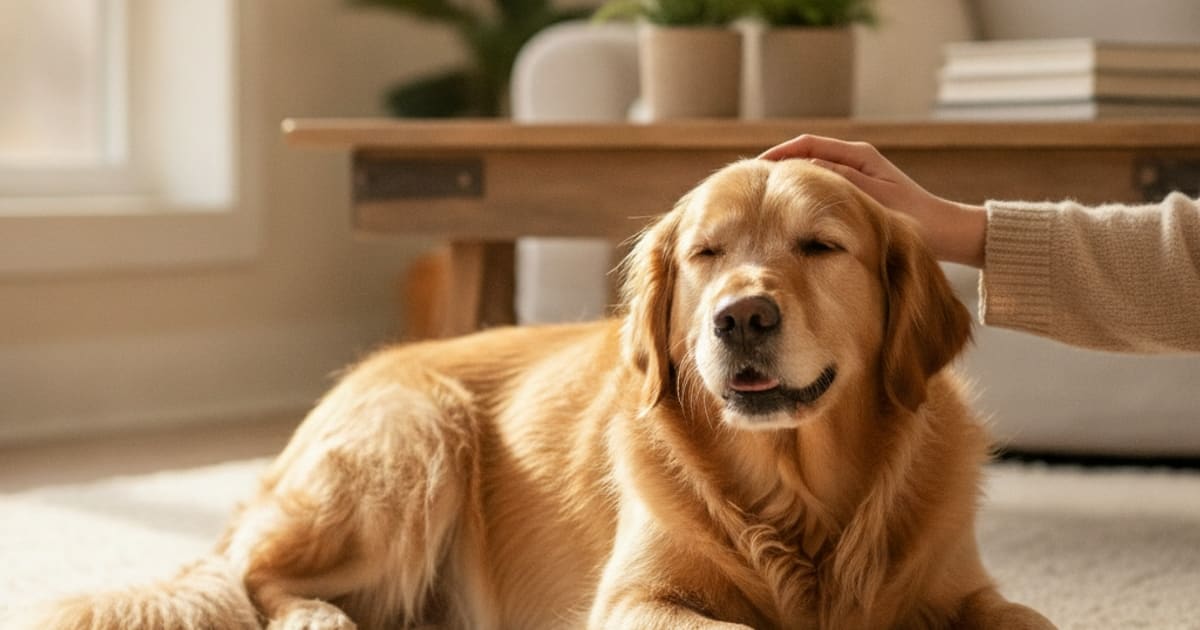
Dog eyes do dilate, but a dog eye pupil dilated without warning, or a dilated pupil that stays wide, is a reason to see a vet. Go to an emergency vet now if one pupil is suddenly larger than the other, if the eye looks red, cloudy, bulging or painful, if your dog seems unable to see, or if the wide pupils come with wobbliness, collapse or a seizure; otherwise book a same-day appointment. A dog's pupils widen and narrow through the day in response to light and to feelings such as excitement and fear. The same widening can also come from eye disease, nerve problems, medicines or toxins. A wide pupil looks much the same whatever the cause, so your vet is the one who can find out why it is happening. Talk to your vet about any dilated pupil you notice in your dog's eye.
When to go to the vet now
- One pupil is suddenly larger than the other.
- The eye is red, cloudy, bulging or painful, or your dog is squinting or holding it shut.
- Your dog seems suddenly unable to see, bumps into things or misses steps.
- The wide pupils come with wobbliness, tremors, collapse, a seizure or trouble breathing.
- The wide pupils came after a knock to the head or an injury to the eye.
- Your dog may have eaten, licked or got into a medicine, plant, mushroom or drug: call your vet or an animal poison control service now.
What can cause a dilated pupil
The pupil is the black opening in the centre of the eye, and the iris is the coloured ring of muscle around it. One set of muscle fibres in the iris pulls the pupil smaller and another set pulls it wider. Light passes through the pupil to the retina, the light-sensing layer at the back of the eye, and signals travel along the optic nerve to the brain. The brain sends signals back along other nerves to the iris, telling both pupils to narrow in bright light and to widen in dim light. This is why dog eyes dilate in a dark room, at dusk or under a table, and why the black centre can fill nearly the whole eye at night.
Dogs also have a reflective layer behind the retina called the tapetum. It bounces light back through the retina a second time and gives the green, yellow or blue shine you may see when light catches your dog's eyes in the dark. When the pupils are wide, more of this shine shows. A change in how the eyes reflect light, or a cloudy or grey look to the eye, is a reason to book a same-day appointment.
Pupils also respond to feelings. The nerves that get the body ready for action, the same ones that speed up the heart when your dog is startled, also widen the pupils. Excitement before a walk or a game, fear during a storm or a car ride, and stress in a busy waiting room can all make the pupils widen, even in good light. This is one reason a dog's pupils can look wide while they are looking at you, playing or fixed on a toy or another animal. Dog's Pupils Dilated When Looking at Me goes into this in more detail.
Pain needs its own mention, because pain anywhere in the body can widen the pupils, not only pain in the eye. A dog with a sore belly, back or leg can have wide pupils along with panting, restlessness, hiding or not wanting to be touched. Your vet looks for these causes too, which is one reason the exam covers the whole body and not only the eyes.
Because light, feelings and pain change from moment to moment, the size of a dog's pupils changes too, and a dilated pupil on its own does not point to one cause. The same wide black centre can come from a dim room, an excited dog, a sore eye or a problem in the nerves or brain, and an exam is what separates them. A dilated pupil looks like a large black circle with only a thin ring of coloured iris around it. If you notice this, note the time, where your dog was and how bright the room was, and tell your vet. Do not shine lights into the eye or touch it.
Your vet checks for glaucoma, a rise in pressure inside the eye. Fluid is made and drained inside the eye all the time, and when the drainage is blocked, pressure builds and presses on the retina and optic nerve. Glaucoma can affect one eye first and can be painful. It can damage the eye quickly, which is why a wide pupil with a red, cloudy, bulging or painful eye needs an emergency vet now.
The retina is another area your vet looks at closely. If the retina stops sending light signals, the brain does not tell the pupil to narrow, and the pupil can stay wide even in bright light. Problems the vet checks for include a retina that has come away from the back of the eye, a sudden loss of retinal function, inherited retinal disease and damage from high blood pressure. High blood pressure can come from kidney disease, hormone disease and other conditions, so your vet may look for these as well. Sudden trouble seeing with wide pupils is a reason to go to an emergency vet now.
The pathway from the eye to the brain and back to the iris can be affected at any point. Inflammation of the optic nerve, an injury to the head, swelling or a mass along the nerve pathways, or a problem in the brain itself can stop a pupil narrowing. These causes can come with other signs such as a head tilt, wobbliness, circling, a change in behaviour or seizures, and wide pupils with any of these mean going to an emergency vet now.
An injury to the eye itself can also change the pupil. A blow, a scratch or something sharp can bruise or tear the iris muscle, or cause bleeding and inflammation inside the eye, leaving the pupil wide, uneven or slow to move. Any injury to the eye needs an emergency vet now, and nothing should be put in or on the eye before the vet sees it.
Some substances widen the pupils. These include certain plants and mushrooms, some human medicines, some recreational drugs and some pest and garden products. If your dog may have eaten, licked or got into anything like this, call your vet or an animal poison control service now. Medicines your dog already takes can also affect the pupils, so tell your vet about every medicine and bring the packets with you. Eye drops used at the clinic to look at the back of the eye widen the pupil on purpose, and the effect can last for a while after the visit; ask your vet how long they act, and go to an emergency vet now if the eye becomes red, cloudy or painful.
Changes in the iris itself can also leave a pupil wider than before. The iris tissue can thin, which weakens the muscle that narrows the pupil, and old inflammation inside the eye can leave the iris stuck in place or uneven. Only an exam can tell these apart from causes that need fast treatment, so any change in the size or shape of a pupil from how it has looked before is a reason to book a same-day appointment.
If your dog's pupils seem to stay wide in every light, My Dog's Pupils Stay Dilated covers that situation in more depth, and Dog Emergency Signs sets out the signs that need care straight away. The conditions library has more on the eye and nerve conditions your vet may talk to you about.
What your vet may do
Your vet starts by asking questions: when you first noticed the dilated pupil, whether it affects one eye or both, whether anything has changed since, and whether your dog has had a knock, a new medicine or a chance to get into anything. They will also ask about other signs, such as rubbing at the eye, bumping into things, wobbliness or changes in behaviour, and about your dog's general health.
A full physical exam comes next, including heart rate, temperature, breathing and the rest of the body, because wide pupils can be one part of a problem that affects the whole dog. Your vet may measure blood pressure, since high blood pressure can damage the retina.
The eye exam has several parts. In a dim room the vet compares the size of the two pupils, then shines a bright light into each eye to see how quickly each pupil narrows and whether the other pupil narrows with it. This pupil light reflex test shows whether the pathway from the retina through the brain and back to the iris is working. The vet also checks whether your dog blinks when a hand moves toward each eye, and may see how your dog moves around the room or past a few objects to judge sight.
To check for glaucoma, the vet measures the pressure inside each eye with a small handheld instrument after a numbing drop. A coloured stain can show scratches or ulcers on the surface of the eye, and a tear test measures how much tear film the eye makes. Your vet then looks at the back of the eye, including the retina and the start of the optic nerve, with a bright light and a lens, and may use drops that widen the pupil further to see properly.
Blood and urine tests can show kidney, hormone or other body-wide problems, and can help when a toxin is possible. If the inside of the eye is hard to see, an ultrasound of the eye can show the retina and the structures behind it. If there are signs of a nerve or brain problem, your vet does a full neurological exam, and your dog may be referred for a scan of the head, such as an MRI or CT, which is done under anaesthetic. Some dogs need light sedation for a proper look at a painful eye.
Your vet may refer your dog to a veterinary eye specialist, who has extra equipment, including tests of how the retina responds to light. Treatment depends on the cause your vet finds. Talk to your veterinarian about each test and what it is looking for, and ask questions at any stage.
What to tell your vet
- When you first noticed the dilated pupil, and what your dog was doing at the time.
- Whether it affects one eye or both, and any change in size or shape since.
- Any bleeding, redness, cloudiness or discharge around the eye.
- Any licking, rubbing or pawing at the eye or face.
- Other signs, such as bumping into things, wobbliness, tremors, seizures, vomiting or a change in behaviour.
- Any knock to the head, and any medicine, plant or substance your dog could have reached.
- Any medicines or eye drops your dog has had.
Frequently asked questions
- Is a dilated pupil an emergency in dogs?
- It can be. Go to an emergency vet now if one pupil is suddenly larger than the other, the eye is red, cloudy, bulging or painful, your dog seems unable to see, or the wide pupils come with wobbliness, collapse or a seizure. For any other dilated pupil, book a same-day appointment with your vet.
- What should I do if my dog has a dilated pupil?
- Call your vet today and describe what you have seen, including when it started, whether one or both eyes are affected and any other signs. If the eye looks painful, red or cloudy, your dog seems unable to see, or there is wobbliness, collapse or a seizure, go to an emergency vet now.
- Can I treat a dilated pupil at home?
- No, because the cause of a dilated pupil needs a vet exam. Do not put drops, rinses or anything else in or on the eye, and do not remove anything near it. For bleeding around the eye, hold a clean cloth gently against the skin on the way to the vet only, never on the eye.
- Do dog eyes dilate?
- Yes, dog eyes dilate, because the pupil widens and narrows to control how much light reaches the back of the eye. It also changes with excitement, fear and stress. A dilated pupil that stays wide, appears suddenly, affects one eye or comes with other signs is a reason to call your vet today.
- Why do dogs' eyes dilate?
- A dog's pupils widen in dim light to let more light reach the back of the eye, and they also widen with excitement, fear, stress or pain. Eye disease, raised pressure in the eye, nerve problems, some medicines and toxins can widen them too, so a vet exam is how the cause is found.
- How can I tell if my dog's eyes are dilated?
- A dilated pupil looks like a large black circle in the centre of the eye, with only a thin ring of coloured iris around it. If you notice this, note the time, the lighting and whether one or both eyes look this way, and tell your vet. Do not shine lights into the eye or touch it.
- Why are my dog's pupils dilated when looking at me?
- Pupils can widen with excitement, attention, fear or stress, and with the light where your dog sits. Eye and nerve problems can widen them too, so talk to your vet about wide pupils, and go to an emergency vet now if there is pain, redness, cloudiness or sudden trouble seeing.
- Can a dog have a dilated pupil in only one eye?
- Yes, one pupil can be wider than the other, and vets call this anisocoria. It can come from raised pressure in the eye, retinal or nerve problems, an injury or a problem in the brain. A pupil that is suddenly larger than the other is a reason to go to an emergency vet now.
- Can something my dog ate cause a dilated pupil?
- Yes, some plants, mushrooms, human medicines and recreational drugs can widen a dog's pupils. If your dog may have eaten or got into anything like this, call your vet or an animal poison control service now, and go to an emergency vet now for tremors, wobbliness, collapse, seizures or trouble breathing.
- Can dilating drops at the vet leave my dog's pupils wide?
- Yes, drops used during an eye exam widen the pupil on purpose so the vet can see the back of the eye, and the effect can last for a while afterwards. Ask your vet how long the drops act. If the eye becomes red, painful or cloudy, go to an emergency vet now.
Educational content, not veterinary advice. Ask your vet about your dog.