Parvo in Senior Dogs: Do Older Dogs Get Parvo?
Older dogs can get parvo, and it is a reason to see a vet the same day. This guide explains how the virus spreads, what can leave a senior dog open to it, and what your vet may check and do.
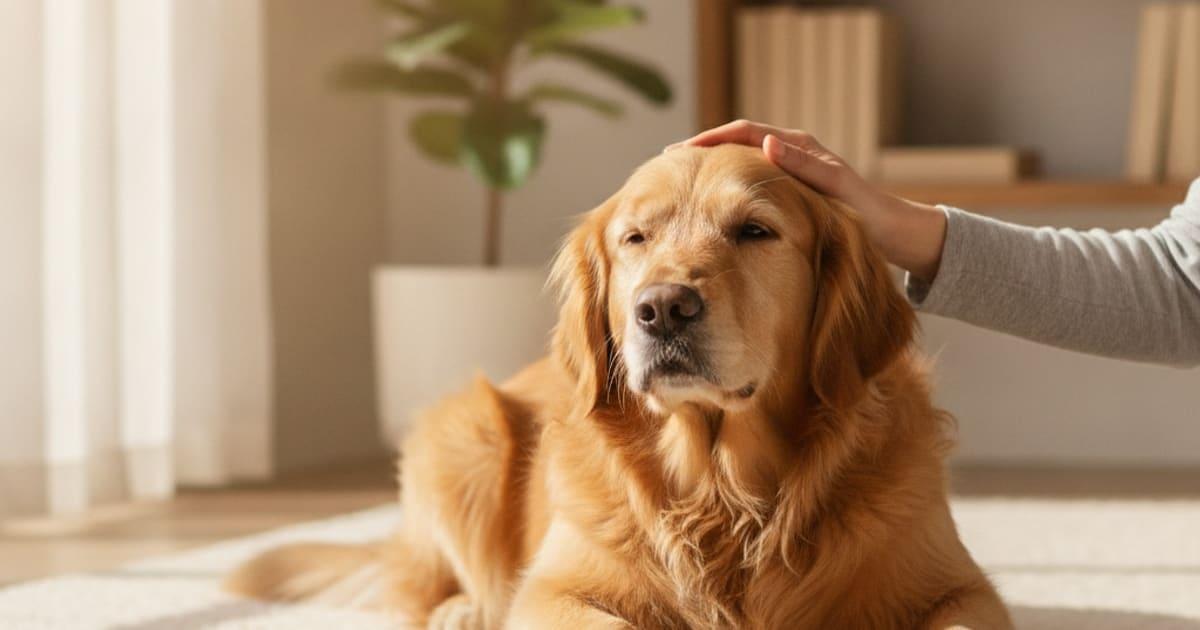
Older dogs can get parvo, and parvo in senior dogs is a reason to see a vet the same day. Go to an emergency vet now if your dog is vomiting again and again, has bloody or very watery diarrhea, is weak or collapsing, or cannot keep water down; otherwise book a same-day appointment. Parvo, short for canine parvovirus, is a virus that attacks the lining of the gut and the cells the body uses to fight infection. It is best known as an illness of young puppies, but age alone does not protect a dog. A senior dog whose vaccine protection has faded, a dog that was never fully vaccinated, or a dog living with another illness can catch the virus and become very sick. In an older dog, parvo can look much like it does in a puppy: low energy, no interest in food, fever, vomiting, and diarrhea that can turn bloody and smell strong. Those same signs can also come from many other problems in a senior dog, so any older dog with sudden vomiting or diarrhea needs a vet exam rather than a guess at home. Phone the clinic before you set off so the team can plan how to bring your dog in, because parvo spreads easily to other dogs.
When to go to the vet now
Parvo signs do not show the moment a dog meets the virus. There is a gap while the virus takes hold, and then the first signs can be quiet ones: low energy, no interest in food, or a dog that seems flat. Vomiting and diarrhea can follow, and once they start, an older dog can lose fluid fast and grow weak quickly, because a senior body can have less reserve to cope. Book a same-day appointment for the quiet signs. Go to an emergency vet now, day or night, if your dog has any of these:
- Vomiting again and again, or vomit with blood in it
- Bloody, dark or very watery diarrhea
- Not drinking, or bringing water back up
- Weakness, wobbling or collapse
- Lying flat and not wanting to get up
Call the emergency clinic before you leave so the team can get ready and keep other dogs apart from yours. For a wider guide to urgent signs, read Dog Emergency Signs.
What can cause parvo
Parvo is caused by canine parvovirus. Once inside the body, the virus targets cells that divide fast, including the lining of the gut and the bone marrow that makes white blood cells. Damage to the gut lining brings vomiting and diarrhea and lets the body lose fluid and protein. Damage to the bone marrow can lower the body's defences against other infections at the very time it needs them. In an older dog, this strain lands on a body that may already be working hard to keep its heart, kidneys and other organs going.
The virus passes from dog to dog through stool. An infected dog sheds the virus in its droppings, and only a tiny amount is needed to pass it on. The virus is tough: it can stay alive on grass, soil, floors, bowls, bedding and leads for a long time, and it can travel on shoes, hands and clothes. That means a dog does not have to meet a sick dog face to face to catch it. A walk where an infected dog has been, a visit from someone who has handled a sick puppy, or time in a kennel or grooming room can all be enough. A dog picks it up by sniffing, licking or eating something that carries the virus. The page What Causes Parvo in Dogs explains the virus itself in more detail.
Parvo is very contagious between dogs, and that is true whatever the age of the dog. An older dog with parvo can pass it to puppies, to other adult dogs in the home and to dogs it meets on walks. Canine parvovirus is not the parvovirus that infects people. If your senior dog has parvo or may have it, talk to your vet about the other dogs in your home and about where your dog can go while the virus is a risk to others.
Parvo turns up less in older dogs than in puppies, in part because a dog that has had its puppy vaccines and boosters has built protection against the virus. That protection is not a lifelong shield, though, and an older dog that has been sick, has missed boosters, or has never been vaccinated can catch parvo like any other dog.
When parvo shows up in an older dog, your vet will want to know what may have left the dog open to it. Protection from puppy vaccines and earlier boosters can fade if boosters have lapsed. A dog adopted as an adult may have no vaccine record at all, so nobody knows whether it was ever protected. The immune system can also weaken with age, and a senior dog may be living with kidney disease, diabetes, a cancer or another long-term condition that drains its defences. Some medicines your vet prescribes for other problems lower the immune response on purpose, and that can matter too. None of these means your dog has parvo, but each is something your vet weighs.
Changes in routine can also bring an older dog within reach of the virus. A new puppy in the home, a stay in boarding kennels, a trip to a busy dog park, a visit to a groomer or a move to a new area can each bring contact with it. Tell your vet about any of these, even if they seem small.
Vomiting, diarrhea and tiredness in an older dog are not signs of parvo alone. The same signs can come from other gut infections, parasites, something swallowed that is stuck in the gut, an inflamed pancreas, kidney or liver disease, hormone problems, a growth in the gut, or a reaction to a food or a medicine. Some senior dogs have more than one problem at the same time. Because these causes can look alike from the outside, the only way to know which one is behind your dog's signs is a vet exam and tests. Treat any sudden vomiting or diarrhea in an older dog as a reason to call your vet today, whatever you think the cause may be.
What your vet may do
Your vet starts with questions and a full exam. The team may bring your dog in through a separate door or straight to an isolation room to protect other patients. Your vet checks hydration, temperature, heart rate, gum colour and the belly, and listens to the heart and lungs. In an older dog, the exam also looks at the conditions that come with age, because they shape what care is possible.
To check for parvo, your vet can run a quick test on a small stool sample, which can be done in the clinic. A blood count shows whether the white blood cells that fight infection have dropped, which can happen with parvo. Blood chemistry and electrolytes show how the kidneys and liver are working, how much salt and potassium the body has lost, and whether blood sugar is low. A positive parvo test answers one question, and a negative one does not end the search: your vet may repeat the test or look for other causes. X-rays or an ultrasound of the belly can help rule out a blockage or a growth, and stool tests can look for parasites and other infections.
If parvo is found or strongly suspected, treatment centres on hospital care in an isolation ward. Fluids go into a vein through a drip to replace what is lost through vomiting and diarrhea. Your vet may give medicines to settle the stomach, ease pain and guard against infection while the immune system is weak, and may give nutrition through a tube if your dog will not eat. Blood tests may be repeated to check fluids, salts, blood sugar and white cells. The page Parvo in Dogs Treatment covers this care in more detail.
Care for an older dog with parvo can need extra planning. A dog with heart disease may need fluids given more slowly, and a dog with kidney disease may need its blood values checked closely. Medicines for existing conditions may be paused or changed for a while. If your dog has an existing condition, your vet can tell you how it fits into the plan. The conditions library explains more about long-term conditions that can affect older dogs.
If the tests point away from parvo, your vet works through the other possible causes in the same careful way, with more blood tests, imaging, or checks of the pancreas or hormones. Either way, the aim of the visit is to find the cause and treat the fluid loss while the search goes on, because an older dog has little room to lose fluid.
Your vet will also talk about the rest of your household. Other dogs in the home may need a check and a vaccine review, and a puppy in the home needs particular care because parvo can hit puppies hard. Talk to your vet about vaccine boosters for your senior dog and about when your dog can mix with other dogs again.
What to tell your vet
Have this ready when you call or arrive:
- When you first noticed vomiting, diarrhea, tiredness or loss of appetite
- Any change since then, such as vomiting coming closer together or diarrhea getting worse
- Any bleeding, such as blood in the vomit or stool
- Any licking at the belly or rear end
- Other signs, such as not drinking, weakness or shaking
- Your dog's vaccine history, if you know it
- Any recent contact with puppies, boarding kennels, dog parks or groomers
- Any existing conditions and the medicines your dog takes
If you are not sure of an answer, tell your vet that too. Do not hold back the call to find records: phone first, then gather vaccine papers and the packaging of current medicines on the way.
Frequently asked questions
- Is parvo an emergency in dogs?
- Parvo is an emergency when your dog is vomiting again and again, has bloody or very watery diarrhea, cannot keep water down, or is weak or collapsing: go to an emergency vet now. For any other sign that could be parvo in an older dog, such as low energy or not eating, book a same-day appointment.
- What should I do if my dog has parvo?
- Call your vet today, and tell the clinic before you arrive that your dog may have parvo so the team can bring your dog in away from other patients. If your dog is vomiting again and again, has bloody diarrhea, cannot keep water down or is weak, go to an emergency vet now.
- Can I treat parvo at home?
- No, because parvo needs vet tests and vet care, and an older dog can lose fluid fast. Do not give any medicine, remedy or home treatment before the vet sees your dog, and do not try to make your dog eat or drink. Call your vet today, or go to an emergency vet now for the emergency signs.
- Do older dogs get parvo?
- Yes, older dogs can get parvo, because age alone does not protect a dog from the virus. A senior dog whose vaccine protection has faded, that was never fully vaccinated, or that has another illness can catch it. Any older dog with sudden vomiting, diarrhea or low energy needs a vet exam the same day.
- What is parvo in older dogs?
- Parvo is an illness caused by canine parvovirus, a tough virus that spreads between dogs through stool. It attacks the lining of the gut and the cells that fight infection. In an older dog it is the same virus that affects puppies, and it calls for a vet visit the same day, or emergency care for serious signs.
- What does parvo look like in older dogs?
- Parvo in an older dog can start with low energy, no interest in food and fever, followed by vomiting and diarrhea that can turn bloody. These signs can come from other problems too, so only tests at the vet can find the cause. Go to an emergency vet now for repeated vomiting, bloody diarrhea, or weakness.
- What causes parvo in older dogs?
- Parvo is caused by canine parvovirus, which an older dog picks up by sniffing, licking or eating something that carries traces of infected stool. The virus can stay on grass, floors, bowls and shoes for a long time. Faded vaccine protection, no vaccine history, a weaker immune system and other illnesses can leave a senior dog open to it.
- How contagious is parvo in older dogs?
- Parvo is very contagious between dogs of any age, and an older dog with parvo can pass it to puppies and other dogs through its stool and anything that stool touches. Canine parvovirus is not the parvovirus that infects people. Call your clinic before you arrive, and talk to your vet about other dogs at home.
- How do vets treat parvo in older dogs?
- Treatment centres on hospital care in isolation: fluids through a drip, medicines your vet prescribes to settle vomiting and guard against infection, feeding support and repeated blood checks. In an older dog, your vet also plans around heart, kidney and other existing conditions. There is no home version of this care, so call your vet today.
- Can a vaccinated senior dog still get parvo?
- Yes, a vaccinated senior dog can still get parvo, because protection can fade over time and no vaccine blocks every infection. A vaccine history does not rule parvo out, so tell your vet what you know and call today for any vomiting or diarrhea. Talk to your vet about which boosters suit your older dog.
Educational content, not veterinary advice. Ask your vet about your dog.