Why Is My Senior Dog Panting More? When to See the Vet
Excessive panting in a senior dog can come from heart, lung, hormone or pain problems. Learn which signs need an emergency vet now, what your vet may check, and what to tell your vet at a same-day appointment.
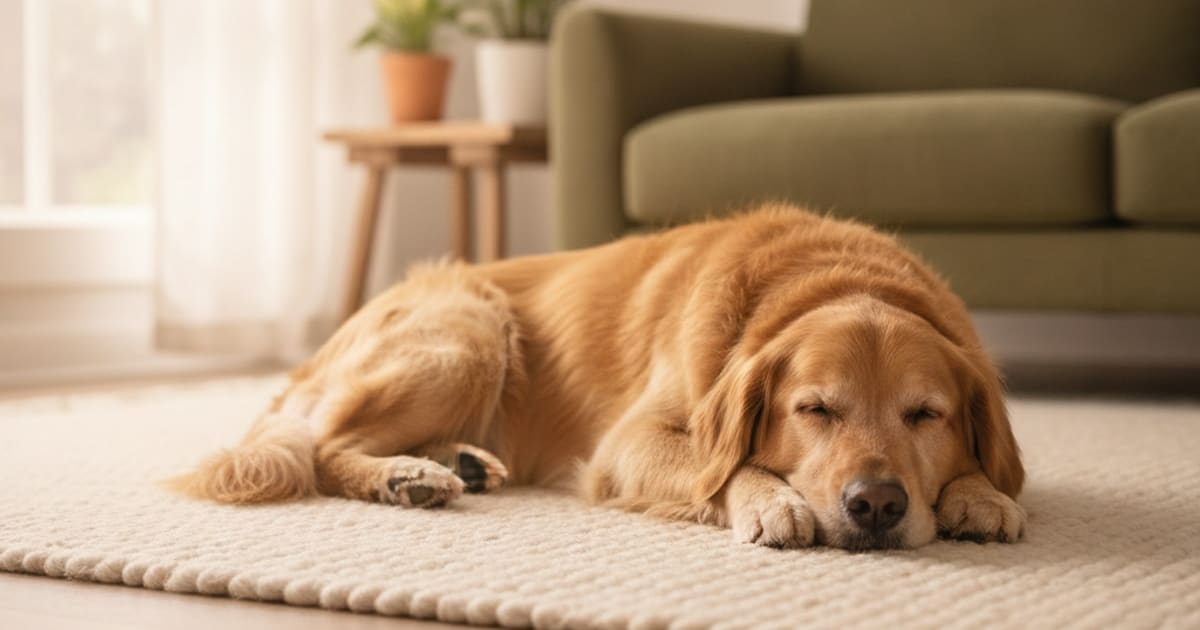
Excessive panting in an older dog is a reason to see a vet, because problems with the heart, lungs, hormones or pain can all show up this way. Go to an emergency vet now if your dog is struggling to breathe, has pale, blue or grey gums or tongue, is weak or collapsing, or has a swollen belly with retching; otherwise book a same-day appointment. The plain answer to 'why is my senior dog panting more' is that something is making the body work harder to get air, lose heat or cope with discomfort, and a vet exam is how the cause is found. Age on its own does not explain a change in panting, so treat any increase as a reason to book that visit today.
When to go to the vet now
Go to an emergency vet now if your senior dog has any of these:
- Struggling to breathe, with the chest or belly heaving hard while resting
- Pale, white, blue or grey gums or tongue
- Weakness, wobbling, fainting or collapse
- A swollen, tight belly with retching that brings nothing up
- Heavy panting after heat or exercise, with drooling, weakness or wobbling
- Standing with the neck stretched out, unable to lie down and rest
For a wider guide to urgent signs in dogs, read Dog Emergency Signs.
What can cause excessive panting
Panting is how a dog loses heat and moves more air in and out. When an older dog pants more than before, at night, in a cool room or after very little activity, something may be pushing the body to work harder. Your vet looks at several possible causes, and in a senior dog more than one can be present at the same time. The causes below are possibilities your vet checks with an exam and tests. They are not a way to work out the cause at home, because they can look alike from the outside.
Heart disease is one possibility your vet will want to look into. In an older dog, a heart valve can become leaky or the heart muscle can weaken, and the heart then has to work harder to move blood around the body. Fluid can build up in or around the lungs, which leaves less room for air and makes breathing faster. Heart disease can come with a cough, tiring sooner on walks or restlessness at night, but these signs can also come from other problems. A heart problem can be present for some time before it causes clear signs, and an increase in panting can be a change you notice before anything else. Your vet listens to the heart for a murmur or an irregular beat and may suggest chest x-rays or a heart scan.
Problems in the lungs and airway are another possibility. The voice box can stop opening fully, a condition called laryngeal paralysis, which can make breathing noisy and raspy and can change the sound of the bark. The windpipe can narrow or soften. The small airways can become inflamed over time, and infections such as pneumonia can develop. Growths in the chest, whether they start in the lungs or spread there from somewhere else, can also take up space. Warm weather and excitement can make airway problems harder to cope with, so panting may seem heavier on hot days or after activity.
Hormone changes can cause excessive panting too. An overactive adrenal gland, known as Cushing's disease, makes the body produce too much of a stress hormone. This can weaken the muscles used for breathing, add fat around the belly and chest and raise the body's need to cool off. It can come alongside drinking and urinating more, a bigger appetite, a pot-bellied look, thinning skin or hair loss. An underactive thyroid gland can lead to weight gain and low energy, and the extra weight can add to the effort of breathing. Your vet uses blood and urine tests to look at these glands, because hormone problems cannot be judged from the outside.
Pain is a cause that is easy to miss in an older dog. Stiff or sore joints, a painful back, a sore belly, a painful mouth or a growth pressing on a nerve can all show up as panting, pacing, shifting position or trouble getting comfortable at night. An older dog may not cry out or limp clearly, so panting can be one of the few outward signs of pain. Your vet checks the joints, spine, belly and mouth during the exam and may suggest x-rays to look for the source.
Problems with the blood are another possibility. Anaemia means there are too few red blood cells to carry oxygen, so the body breathes faster to make up for it. Anaemia can come from bleeding, including bleeding inside the belly from a growth, from long-term illness or from problems in the bone marrow. Bleeding inside the body is an emergency, which is why weakness, collapse or pale gums need an emergency vet now. A blood count is the test your vet uses to check for anaemia.
Extra weight and lost muscle can also play a part. Fat around the chest and belly makes each breath more work, and an older dog that has lost muscle can tire faster. Your vet can weigh your dog, assess body and muscle condition and set up a weight plan if it fits the cause they find.
Fever and infection can raise the breathing rate as the body tries to shed heat. Nausea and belly discomfort can also cause panting, sometimes with drooling, lip licking or restlessness. A swollen, tight belly with retching that brings nothing up is a sign of bloat, an emergency that needs a vet now.
A side effect of a medicine is another possibility. Some medicines given for skin, allergy, joint or hormone problems can increase panting. If your dog takes any medicine, do not stop it or change it on your own; talk to your vet about whether it could be playing a part.
An older body can find it harder to cope with heat. Heavy panting after time in the sun, a warm car, a hot room or exercise, especially with drooling, weakness or wobbling, can be a sign of heatstroke and needs an emergency vet now.
Changes in the brain and senses can play a part as well. An older dog can develop confusion, restlessness at night and anxiety linked to changes in brain function, and loss of sight or hearing can add to stress. Anxiety can show up as panting, pacing and trouble resting. Your vet looks for physical causes first, because pain and illness can look like anxiety. Kidney disease, high blood pressure and some cancers can also affect breathing and comfort, and your vet may include them in the tests.
A change in panting is not something to put down to getting older. A same-day visit for the panting is also a chance for a full senior check, where your vet looks at the heart, lungs, joints, weight, blood and urine together.
What your vet may do
Your vet starts with questions about when the panting began, when it happens and what else has changed at home. Then comes a full physical exam. Your vet listens to the heart and lungs, counts the breathing rate, checks gum colour and how quickly colour returns, takes your dog's temperature and feels the belly, joints and spine for pain or swelling. The mouth and teeth are checked, and your dog is weighed. If your dog is struggling to breathe, your vet may give oxygen and steady your dog before any tests are done.
Tests depend on what the exam shows. Blood tests can include a blood count to look for anaemia or infection and a panel to see how the liver, kidneys and other organs are working. A urine test can show how well the kidneys are working and can give clues about hormone problems. If an overactive adrenal gland or a thyroid problem is a possibility, your vet may run specific hormone tests, some of which need blood samples taken at set times during the day. Blood pressure can be measured with a cuff on a leg or the tail.
Chest x-rays let your vet look at the size and shape of the heart, fluid in or around the lungs, the airways and any growths in the chest. A heart scan, called an echocardiogram, shows how the heart valves and muscle are working, and an ECG records the heart's rhythm. An ultrasound of the belly can look at the liver, spleen, adrenal glands and other organs. X-rays of the joints or spine can help find a source of pain.
If a voice box or windpipe problem is a possibility, your vet may look at the throat and airway under light sedation, because the voice box can only be assessed properly when the dog is relaxed but still breathing on its own. Some dogs need a referral to a vet with extra training in hearts, internal medicine or airways for more detailed tests.
Treatment depends on the cause your vet finds. It may include a medicine your vet prescribes for the heart, a hormone problem or pain, treatment for an infection, a weight plan, or a change to a medicine your dog already takes. A dog with an airway problem may need surgery, and a dog in breathing distress may need a stay in hospital with oxygen. Do not give your dog any medicine or remedy at home before the visit. Talk to your vet about each step of the plan and what it means for your dog. To read more about specific heart, hormone and joint problems in dogs, see the conditions library.
What to tell your vet
Before the appointment, note down what you have seen so you can share it clearly:
- When you first noticed the panting, and whether it came on suddenly or slowly
- Any change since then, such as heavier panting, panting at night, panting in a cool room or panting after very little activity
- Any bleeding you have seen, from the nose or mouth, or in the urine or stool
- Any licking at a joint, a paw, the belly or another spot
- Other signs, such as a cough, fainting, drinking or urinating more, appetite or weight changes, hair loss, a change in the bark, restlessness or less energy on walks
- Every medicine your dog takes, and anything else given by mouth or on the skin, with the names written down
If the panting gets heavier, or your dog starts struggling to breathe, collapses, or develops pale, blue or grey gums or a swollen belly before the appointment, go to an emergency vet now.
Frequently asked questions
- Is excessive panting an emergency in dogs?
- It is an emergency if your dog is panting hard at rest or struggling to breathe, has pale, white, blue or grey gums or tongue, is weak, wobbly or collapsing, or has a swollen belly with retching that brings nothing up. Go to an emergency vet now for any of these. For anything else, book a same-day appointment.
- What should I do if my dog has excessive panting?
- Call your vet today and book a same-day appointment, and go to an emergency vet now if your dog is struggling to breathe, has pale, blue or grey gums, is weak or collapsing, or has a swollen belly with retching. Tell your vet when the panting started, when it happens and any other changes you have seen.
- Can I treat excessive panting at home?
- No, because excessive panting in an older dog can come from the heart, lungs, hormones or pain, and a vet exam is needed to find the cause. Do not give your dog any medicine or remedy of your own, and do not try any home treatment before the vet sees your dog. Call your vet today.
- Why is my senior dog panting more?
- A senior dog can pant more because of heart disease, lung or airway problems, hormone changes such as an overactive adrenal gland, pain from stiff joints, extra weight, anaemia or a side effect of a medicine. Panting more than before is a change, and a change in an older dog is a reason to book a same-day appointment.
- Why is my older dog panting a lot?
- An older dog that pants a lot, at night or in a cool, quiet room, may have a problem with the heart, lungs, hormones or comfort. Pain from joints or the back can show up as panting, and so can a fever or anaemia. Book a same-day appointment so your vet can find the cause.
- Why is my elderly dog panting a lot at night?
- Panting at night in an elderly dog can come from pain or stiffness when lying down, heart or lung disease, hormone changes, a need to urinate, or changes in the brain that cause restlessness and confusion. Night panting is a reason to book a same-day vet appointment, so tell your vet when it happens.
- What causes excessive panting in older dogs?
- Your vet may look at the heart, the lungs and airway, hormone glands such as the adrenal and thyroid glands, the joints and back for pain, the blood for anaemia, and the kidneys. Extra weight, fever, nausea and the side effects of a medicine can also cause excessive panting. Finding the cause needs a vet exam and tests.
- What does excessive panting in older dogs mean?
- Excessive panting in an older dog can mean the body is working harder than it should, to get enough oxygen, to lose heat, or because of pain, stress or a change in hormones. It is a reason to book a same-day vet appointment, so your vet can examine your dog and look for the cause.
- How is excessive panting in older dogs treated?
- Treatment depends on the cause your vet finds. It may include a medicine your vet prescribes for the heart, hormones or pain, a weight plan, treatment for an infection, or a change to a current medicine. Do not give your dog anything at home first. Talk to your vet about how the plan fits your dog.
- Can pain make an older dog pant more?
- Yes, because pain from stiff joints, the back, the belly or the mouth can make a dog pant, pace or struggle to get comfortable. An older dog may not show pain in other ways, so panting may be the clearest sign you see. Book a same-day vet appointment so your vet can look for the source of the pain.
Educational content, not veterinary advice. Ask your vet about your dog.