Yeast Infection in Dog Ears: Treatment and When to See a Vet
An ear yeast infection is a reason to see your vet. This page covers the emergency signs, the causes your vet checks, the tests and treatment your vet may use, and why nothing should go in the ear before the exam.
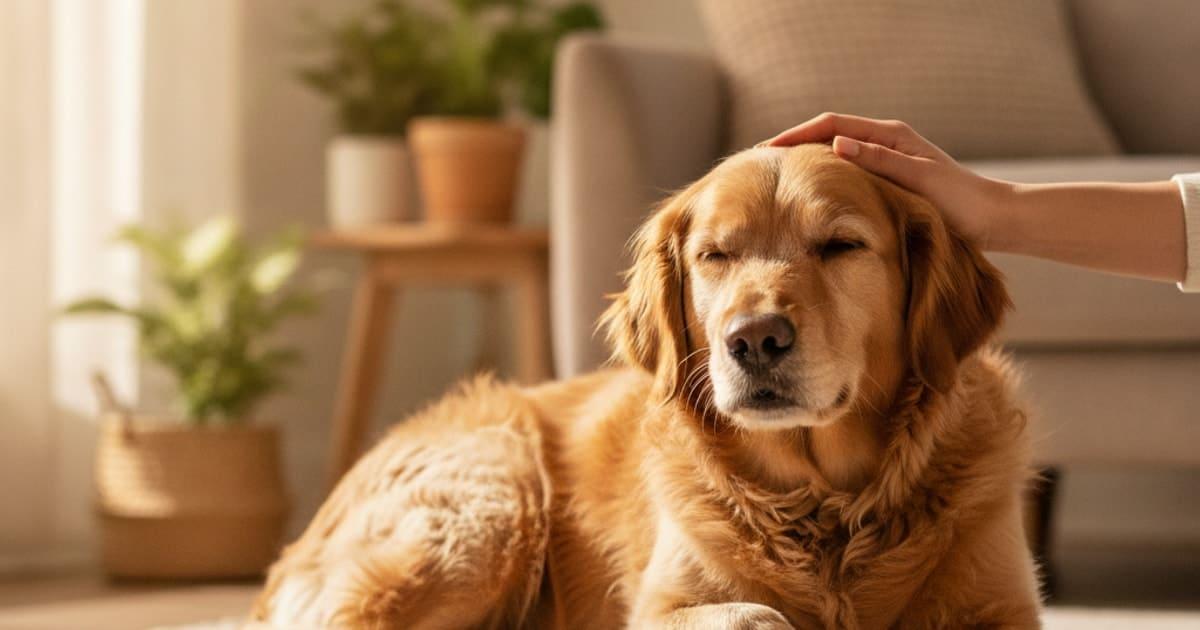
An ear yeast infection is a reason to see your vet. Go to an emergency vet now if your dog has a sudden head tilt, loss of balance or walking in circles, a face that droops on one side, or severe pain when the head or ear is touched; otherwise book a same-day appointment. The plain answer to 'yeast infection in dog ears treatment home remedies' is that no home remedy, natural remedy or over-the-counter product takes the place of an exam, so talk to your vet before anything goes in your dog's ear. Head shaking, scratching at an ear, redness, discharge or a smell from the ear are all reasons to call your vet today.
When to go to the vet now
An ear problem becomes an emergency when it comes with signs that the middle or inner ear, the nerves of the face or the balance system may be involved. Go to an emergency vet now if your dog has any of these:
- A head tilt that came on suddenly
- Loss of balance, falling over or walking in circles
- A face that droops on one side, or eyes that flick from side to side
- Severe pain, crying out or snapping when the head or ear is touched
For any other ear sign, including head shaking, scratching, redness, discharge, smell or a swollen ear flap, book a same-day appointment with your vet.
What can cause an ear yeast infection
Yeast is a type of fungus, so an ear yeast infection is a fungal infection of the ear canal. The yeast involved, called Malassezia, lives on healthy skin and in the ear canal in small numbers. Trouble starts when it overgrows. Warmth, moisture, wax and inflamed skin give yeast what it needs to multiply, so an ear yeast infection points to something that has changed inside the ear. Your vet's job is to confirm that yeast is present and then look for the reason it took hold, because treating the yeast without finding that reason leaves the cause in place.
The signs of an ear yeast infection, such as head shaking, scratching, redness, discharge and smell, can also come from bacteria, ear mites, something stuck in the ear or a growth in the canal. Two or more of these can be present at the same time. Only an exam, with a swab looked at under a microscope, can tell them apart. That is why the causes below are possibilities your vet checks and not something to sort out at home.
Allergies are one possibility your vet looks at. A reaction to something in food, or to pollen, dust mites, mold or other things in the environment, can inflame the skin that lines the ear canal. Inflamed skin makes more wax and oil, the canal narrows and warms up, and yeast can overgrow. Your vet will ask whether the paws, belly, armpits or face are itchy too, and will look at the skin across the body as part of the exam. You can read more about the triggers behind yeast on the skin in what causes yeast infection on dogs' skin.
Moisture is another possibility. Water that stays in the ear canal after swimming, bathing or a groom keeps the canal damp, and a damp canal can let yeast grow. Your vet asks about recent swimming and baths for this reason, and will want to know whether anything else has been going into the ears.
Ear shape and hair can play a part. Long, heavy ear flaps, narrow canals and hair growing inside the canal can hold in warmth and moisture and slow the flow of air. Your vet takes the shape of your dog's ears and the hair in the canal into account when looking for a cause.
Bacteria can grow alongside yeast in an inflamed ear. A mixed infection can need different medicine from yeast alone, so your vet checks for both before choosing a treatment.
Ear mites are tiny parasites that live in the ear canal and cause intense itching. The scratching and inflammation they bring can open the door to yeast. Your vet can find mites with the scope or under the microscope, and other pets in the home may need to be checked too.
Something stuck in the ear, such as a grass seed or awn, can irritate the canal and trap wax and debris. Your vet looks down the canal for anything lodged there and removes it in the clinic if needed. Do not try to remove anything from your dog's ear yourself, because the canal is easy to injure and the eardrum sits deep inside it.
Hormone conditions can affect the skin and ears. An underactive thyroid gland or an overactive adrenal gland can change how the skin and its oils behave, and your vet may test for these when ear infections keep coming back or when other signs point that way.
Growths and polyps inside the canal can block it and trap wax and moisture behind them. Your vet may look for these with the scope or, when needed, with imaging.
Things put in the ear can also irritate the canal. Some cleaners, oils, vinegar and other liquids can sting or inflame skin that is already sore, and anything that leaves the canal wet can add to the problem. Tell your vet about anything that has gone in the ear, even if it seemed gentle.
Other skin conditions that change how the skin makes wax and oil can also play a part, and yeast can affect skin elsewhere on the body as well. The overview on yeast infection in dogs covers yeast beyond the ears, the page on dog yeast infection on the skin explains how it shows up on the coat and skin, and the conditions library has more on related problems your vet may check for.
What your vet may do
Your vet starts with questions about when the signs began, what has changed, past ear problems, diet, swimming and baths, other itchy areas, and anything that has gone in the ear. A full physical exam follows, because ear problems can be linked to the skin and to the rest of the body. Your vet may check the skin on the paws, belly and face and feel the glands under the jaw.
Next comes a look at both ears. Your vet checks the ear flaps for redness, swelling, scratches and thickened skin, then looks down each canal with an otoscope, a handheld scope with a light. The aim is to see how swollen the canal is, what is inside it, and whether the eardrum is whole. The eardrum matters because some ear drops can harm the middle and inner ear if it is torn, and the choice of medicine depends on what your vet sees.
Ear cytology is the test that confirms yeast. Your vet rolls a swab gently in the canal, spreads the material on a slide, stains it and looks at it under a microscope. This shows whether yeast, bacteria or both are present and helps choose the right ear drops. Your vet may also look at a sample for mites.
If bacteria are present, or if an infection has not responded to earlier treatment, your vet may send a sample to a lab for a culture. This grows the germs from the ear and shows which medicines can act against them.
Some dogs need light sedation for a proper look at a sore ear. A swollen, painful canal can hurt too much to examine while awake, and sedation lets your vet see the eardrum, take samples from deep in the canal and flush out wax and debris without causing pain. Your vet explains the plan before anything is done.
Treatment is chosen to match what the exam and swab show. Ear drops and medication for an ear yeast infection come from your vet. Your vet may prescribe ear drops that act against yeast, and sometimes a medicine to calm swelling and itch, or one that acts against bacteria found on the swab. For a deep, painful or long-standing infection, a medicine given by mouth may be added. Your vet shows you how the drops are given and how long the treatment lasts, and may ask to see your dog again to look at the ear and repeat the swab before treatment stops.
Over-the-counter (OTC) ear drops and ear products are sold without a prescription, but they are not a substitute for an exam. They cannot show whether the eardrum is whole, whether yeast, bacteria or mites are present, or what is causing the problem underneath. Some products can sting inflamed skin, and some can cause harm if the eardrum is torn. Talk to your vet before any over-the-counter product goes in your dog's ear.
Natural remedies and home remedies, including vinegar, oils and other household liquids, are not a treatment for an ear yeast infection. Vinegar can sting raw, scratched skin inside the canal, oils can trap moisture and debris, and any liquid can reach the middle ear if the eardrum is damaged. Putting something in the ear before the exam can also change what your vet sees and make the swab harder to read. The kindest step for a sore ear is a same-day appointment.
If allergies seem to be part of the picture, your vet may suggest an allergy workup. This can include a diet trial with a food your vet chooses and tests for reactions to things in the environment. Your vet sets the diet and how it is fed during the trial.
If ear infections keep coming back, your vet may run blood tests for thyroid or adrenal conditions. If the middle ear may be involved, or a growth is suspected, your vet may recommend imaging such as a CT scan, and some dogs are referred to a vet who focuses on skin and ears.
After treatment starts, call your vet again if the head shaking, scratching, redness or pain gets worse, if bleeding appears, or if your dog stops eating. Go to an emergency vet now if a head tilt, loss of balance, a drooping face or severe pain appears.
What to tell your vet
Before the appointment, note what you can so you can tell your vet:
- When you first noticed head shaking, scratching or a smell from the ear
- Any change since then, such as more redness, swelling, discharge or pain
- Any bleeding from the ear canal or the ear flap
- Licking or scratching at the ears, paws, belly or other skin
- Other signs, such as a head tilt, loss of balance, or a change in appetite or energy
- Anything that has gone in the ear, including vinegar, oils, cleaners or drops
- Past ear problems and treatments, recent swimming or baths, and any change in food
If any product has gone in the ear, bring the bottle so your vet can see what it was. List the medicines your dog takes for other conditions too, and your vet can tell you how an existing condition fits into the plan for the ear.
Frequently asked questions
- Is an ear yeast infection an emergency in dogs?
- Go to an emergency vet now if your dog has a head tilt, loss of balance or circling, a drooping face, or severe pain when the head is touched, because these can mean the inner or middle ear is involved. For any other sign of an ear yeast infection, book a same-day appointment with your vet.
- What should I do if my dog has an ear yeast infection?
- Call your vet today and book a same-day appointment. Do not put anything in the ear before the exam, because your vet needs to see the canal and eardrum as they are. Note when the head shaking or scratching started and any discharge or smell you noticed, and tell your vet.
- Can I treat an ear yeast infection at home?
- No, because an ear yeast infection needs an exam to find the cause and check the eardrum. Do not put anything in the ear, including vinegar, oils or over-the-counter drops, or remove anything from it before your vet sees it. If the ear flap bleeds, gentle pressure with a clean cloth on the way to the vet is the only step.
- Why does my vet need to see the ear before any drops go in?
- Your vet looks down the canal with a lit scope to check whether the eardrum is whole. Some ear products can harm the middle and inner ear if the eardrum is torn, and only an exam can show the eardrum. Talk to your vet before anything goes in the ear.
- What ear drops or medication might my vet prescribe?
- Your vet may prescribe ear drops that act against yeast, and sometimes medicine to calm swelling and itch or to treat bacteria found on the swab. For a painful or deep infection, a medicine given by mouth may be added. Your vet explains how the treatment is given and when to bring your dog back.
- What causes an ear yeast infection in dogs?
- Yeast lives on healthy skin in small numbers and can overgrow when the ear canal is warm, moist or inflamed. Your vet looks at possible causes underneath, such as allergies, trapped moisture, ear shape, hair in the canal, mites, something stuck in the ear, a hormone condition or a growth in the canal.
- How does a vet find out whether yeast is causing the problem?
- Your vet takes a gentle swab from the ear canal, stains it and looks at it under a microscope. This shows whether yeast, bacteria or both are present and helps choose the right drops. Your vet may also send a sample to a lab or run other tests to look for a cause underneath.
- Why might my vet sedate my dog for an ear exam?
- A sore, swollen ear can hurt too much for a proper look, and some dogs need light sedation so the vet can see the eardrum and flush out debris without causing pain. Sedation also lets the vet take samples from deep in the canal. Your vet explains the plan before anything is done.
- Can allergies lead to an ear yeast infection?
- Yes, allergies to food or to things in the environment can inflame the skin inside the ear, and that warm, inflamed skin can let yeast overgrow. If your vet suspects allergies, they may suggest a diet trial with a food they choose or other tests. Talk to your vet about how an allergy plan fits your dog.
- Why does my vet ask about swimming and baths?
- Water that stays in the ear canal after swimming or a bath keeps the canal warm and damp, which can let yeast overgrow. Your vet asks so they can include moisture in the plan. Tell your vet when your dog last swam or was bathed, and your vet can tell you how ear care fits your dog.
- Can an ear yeast infection affect the skin elsewhere?
- Yeast can also overgrow on skin outside the ears, such as the paws, armpits, belly or skin folds. Licking, redness, greasy skin or a musty smell elsewhere on the body are reasons to call your vet, and your vet may check the skin at the same visit as the ears.
Educational content, not veterinary advice. Ask your vet about your dog.