Basenjis Joint Health Guide: Hip, Knee & Spine Risks
The joint problem that ends a Basenji's running years is rarely the one owners are watching for. Hip screening dominates breed conversation, yet in a compact, lightly built, relentlessly athletic dog, trouble usually starts lower and further back: the stifle, the lumbosacral junction where spine meets pelvis, and osteoarthritis that…
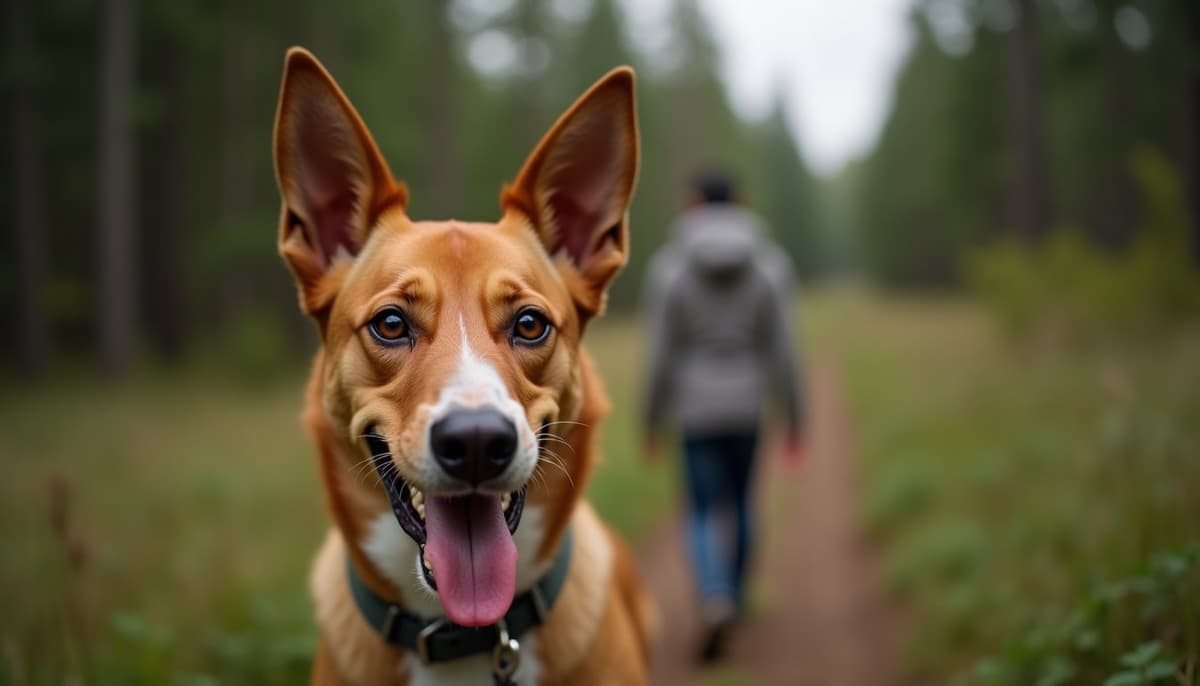
Basenjis Joint Health Guide: What Joint Problems Affect Basenjis?
The joint problem that ends a Basenji's running years is rarely the one owners are watching for. Hip screening dominates breed conversation, yet in a compact, lightly built, relentlessly athletic dog, trouble usually starts lower and further back: the stifle, the lumbosacral junction where spine meets pelvis, and osteoarthritis that creeps in under a gait engineered to disguise it.
This basenjis joint health guide starts where breed screening stops. Our team works in canine mobility and recovery daily, and the Basenji questions we field follow one pattern: the dog looked fine, stopped jumping onto the sofa, and months later a vet found changes that had been building for years.
What joint problems affect Basenjis?
Basenjis are most commonly affected by hip dysplasia, medial patellar luxation, cranial cruciate ligament degeneration, intervertebral disc disease of the lower spine, and the secondary osteoarthritis that follows all four. Because the breed is stoic and light-framed, lameness stays subtle for months. Reluctance to jump and altered sitting posture are usually the first honest signals.
The common oversimplification is that Basenjis are a hardy primitive breed and therefore low risk for orthopaedic disease. Breed-average hip screening results are genuinely better than many large working breeds, but a lower population risk says nothing about an individual dog carrying joint laxity, a shallow trochlear groove, or a decade of hard leaping onto furniture. What follows covers the conditions that actually appear in the breed, why decline gets missed, and which support strategies change the trajectory.
Basenjis Joint Health Guide: The Breed's Real Risk Profile
Basenjis carry a different orthopaedic risk profile from the giant breeds that dominate joint content, and knowing which structures fail first changes what you watch for.
Hip dysplasia is abnormal development of the coxofemoral joint, where a loose fit between the femoral head and the acetabulum drives cartilage wear and eventual arthritis. It is assessed by Orthopedic Foundation for Animals (OFA) radiographic grading and by the PennHIP distraction index, which measures passive joint laxity. Basenjis hip problems are less frequent than in retrievers or shepherds, but less frequent is not absent.
Medial patellar luxation is the kneecap slipping out of the trochlear groove of the femur, graded I to IV on veterinary orthopaedic examination. The tell is a skipping stride for two or three steps, then a return to normal movement, often dismissed as a quirk.
Cranial cruciate ligament (CCL) disease in dogs is usually degenerative fibre failure accumulating over months, not a single sporting injury. A Basenji that pivots at full speed after a squirrel loads that ligament brutally, and partial tears frequently present as intermittent hind-limb lameness that improves with rest.
Intervertebral disc disease (IVDD) involves the nucleus pulposus, the gel core of a spinal disc, pushing against or through the fibrous annulus fibrosus and compressing the spinal cord. Basenjis are not a classic chondrodystrophic breed, so presentations tend toward gradual Hansen type II protrusion rather than explosive extrusion, meaning slow-building weakness rather than overnight paralysis. Our breakdown of ivdd in basenjis covers the warning signs in detail.
One non-orthopaedic caveat matters here. Fanconi syndrome, a renal tubular disorder strongly associated with this breed, can produce muscle wasting and hind-end weakness that mimics joint disease entirely. We have seen owners chase a suspected arthritis problem for weeks before bloodwork pointed elsewhere, which is why we always push for a veterinary workup before a supplement decision. Read alongside common health problems in basenjis and basenjis joint problems.
Why Basenjis Mobility Decline Hides in Plain Sight
Basenjis mask orthopaedic pain better than almost any breed of their size, and the reason is mechanical as much as behavioural. That elegant, high-stepping, cat-like trot redistributes load efficiently across all four limbs, so a dog can offload a sore stifle by fractions and still look sound to an owner watching from a garden bench.
Here is the detail most guides skip. Check the top surface of the rear nails. When proprioception, the body's sense of limb position, begins to fail from spinal cord compression or lumbosacral nerve root irritation, the dog stops fully clearing the paw during swing phase and scuffs the dorsal nail surface against the ground. That wear pattern appears well before visible knuckling or paw dragging, and it is the single earliest physical marker we tell Basenji owners to look for. Uneven wear on one side is more telling than symmetrical wear on both.
Behavioural signals matter just as much. A Basenji that stops leaping onto the worktop is not becoming better trained. It is doing arithmetic on landing forces. Watch the sit: a dog that rolls onto one hip rather than sitting square is usually protecting a stifle or hip. Watch the stairs: hesitation at the top of a descent points to hind-limb loading pain, since descending loads the stifles hardest.
Age compounds this. Basenjis frequently live into their early teens, which means a dog diagnosed at eight may face six or more years of managed osteoarthritis. Our piece on basenjis lifespan explains why mobility, not lifespan, is the metric that decides quality of those years. Every experienced Basenji owner we speak with says the same thing in hindsight: the signs were there, they just looked like personality.
Basenjis Joint Health Guide: What Actually Supports Joints
The intervention with the strongest evidence behind it is also the least commercial: keeping the dog lean. Breed standard weight sits around 22–24 lb (roughly 10–11 kg), and a body condition score of 4–5 on the 9-point scale means you can feel ribs easily with a visible waist from above. Every excess pound multiplies compressive load through the hips and stifles at every stride, and adipose tissue is metabolically active, releasing inflammatory cytokines that worsen joint pain independently of mechanical load.
Load management follows. Controlled leash walking and varied terrain build the gluteal and hamstring muscle that stabilises the coxofemoral joint. Repetitive high-impact launching off furniture and slick laminate floors does the opposite. Traction runners and a ramp cost less than one orthopaedic consultation.
On nutrition, the ingredients with meaningful research behind them are marine omega-3 fatty acids EPA and DHA, which modulate inflammatory eicosanoid production, green-lipped mussel (Perna canaliculus), undenatured type II collagen, and the glycosaminoglycan precursors glucosamine and chondroitin sulfate. Bioavailability separates products more than ingredient lists do. We break down formulations in our comparison of the best joint supplement for basenjis and in joint support for basenjis.
Veterinary options exist on a separate tier: NSAIDs such as carprofen, meloxicam and grapiprant, polysulfated glycosaminoglycan injections, and monoclonal antibody therapy targeting nerve growth factor. These are prescription decisions, and nothing in this basenjis joint health guide should be read as a reason to change or stop a medication your vet has prescribed. Please talk to your veterinarian before altering anything in your dog's care plan.
Research peptides including BPC-157 and TB-500 sit in a different category again. Preclinical animal research has examined their signalling roles in tendon, ligament and soft-tissue repair, and owners report using them supportively, but they are not FDA-approved veterinary drugs and the honest position is that evidence in dogs remains limited. We publish what the research does and does not show at K9-REPAIR, and for spinal cases specifically we cover the nuance in best supplement for basenjis with ivdd.
Basenjis Joint Health Guide: Support Option Comparison
This table maps the main support approaches against what they actually target and how quickly owners typically notice change. Use it to sequence decisions rather than stacking everything at once.
| Approach | Primary mechanism targeted | Realistic timeframe to notice change | Bottom line for Basenjis |
|---|---|---|---|
| Lean body condition (BCS 4–5/9) | Reduces compressive joint load and inflammatory cytokine output from fat tissue | 6–12 weeks of controlled feeding | The highest-return intervention available, costs nothing, and improves the response to everything else |
| Marine omega-3 (EPA/DHA) and green-lipped mussel | Shifts inflammatory eicosanoid balance in joint tissue | 6–8 weeks at consistent daily intake | Well-supported, low-risk, and best started before arthritis is visible rather than after |
| Glucosamine, chondroitin, undenatured type II collagen | Supplies glycosaminoglycan precursors and modulates cartilage immune response | 8–12 weeks, gradual | Evidence is mixed but favourable; product quality and dose matter more than the ingredient name |
| Rehabilitation and hydrotherapy | Builds stabilising muscle without impact loading the joint | 4–8 weeks of structured sessions | Underused by owners and often the difference between managed and declining mobility |
| Prescription veterinary therapies | Directly interrupt pain signalling or joint degeneration pathways | Days to weeks depending on agent | Vet-directed only; appropriate when pain limits daily function, never a DIY decision |
| Research peptides (BPC-157, TB-500) | Studied in animal models for soft-tissue and connective tissue repair signalling | Variable; evidence in dogs is limited | Educational interest only, not FDA-approved for veterinary use, and never a replacement for veterinary care |
Key Takeaways
- Basenjis face five recurring joint issues: hip dysplasia, medial patellar luxation, cranial cruciate ligament degeneration, lower-spine IVDD, and secondary osteoarthritis.
- Scuffed wear on the top surface of the rear nails is often the earliest physical sign of proprioceptive loss, appearing before visible paw dragging.
- Keeping a Basenji at a body condition score of 4–5 out of 9 reduces joint load and lowers inflammatory signalling from fat tissue simultaneously.
- Because the breed is not classically chondrodystrophic, disc disease usually presents as gradual Hansen type II weakness rather than sudden paralysis.
- Fanconi syndrome can mimic joint pain through muscle wasting and hind-end weakness, so bloodwork belongs in any workup before a supplement decision.
- Nothing in this basenjis joint health guide replaces a veterinary diagnosis, and prescription medication decisions belong with your vet.
What If: Basenjis Mobility Scenarios
What If My Basenji's Back Legs Suddenly Give Out?
Book emergency veterinary care the same day rather than waiting to see if it resolves. Acute hind-limb collapse in a Basenji points toward spinal cord compression, a fibrocartilaginous embolism, or an acute cruciate rupture, and with spinal compression the window for the best surgical outcomes is measured in hours. Check whether the dog can feel a firm toe pinch and whether the tail moves, then report exactly that to the clinic. Do not give human painkillers while you wait, since ibuprofen and paracetamol are toxic to dogs.
What If My Basenji Is Only Stiff After Hard Play?
Start logging it, then get a baseline orthopaedic exam within a few weeks. Post-exercise stiffness that resolves within an hour is the classic early presentation of both partial cruciate degeneration and mild osteoarthritis, and it is precisely the stage where weight control, surface changes and structured conditioning change the ten-year outcome. Waiting until the stiffness lasts all morning means cartilage loss has already progressed. Ask your vet specifically about stifle drawer testing and hip extension response, not just a general once-over.
What If My Basenji Is Only Two Years Old?
Build the habits now, because growth plate closure around 10–12 months means an adult skeleton is already carrying whatever loading pattern you establish. Young Basenjis are relentless jumpers, and a dog launching off a kitchen counter daily is running a repetitive impact experiment on its own stifles. Lean weight, traction on slippery floors, and varied low-impact exercise cost nothing at this stage. Screening radiographs before breeding also matter, since hip and patella status is heritable.
The Blunt Truth About Any Basenjis Joint Health Guide
Let's be direct about this: no supplement, peptide or joint chew will out-run an overweight Basenji leaping off furniture onto laminate flooring twice a day. The single largest variable in this breed's mobility trajectory is mechanical load, and it is entirely within the owner's control. Products can support the tissue environment. They cannot rewrite physics. If a company implies otherwise, that is marketing, not biology. Get the diagnosis, get the weight right, fix the flooring and the furniture access, and then layer nutritional support on top of a foundation that actually holds.
The most valuable thing any basenjis joint health guide can hand you is earlier eyes. This breed will trot into a room looking perfectly sound while quietly redistributing load away from a joint that has been degrading for two years, and by the time the limp is obvious the conversation has shifted from prevention to management. Watch the nails, watch the sit, watch the moment they stop jumping. Those three observations catch more Basenji joint disease in its useful window than any annual check-up ever will.
Frequently asked questions
- Should I worry if my dog is back legs giving out?
- Yes, hind leg weakness is never normal and always deserves veterinary assessment. In Basenjis it commonly points to spinal cord compression, cruciate ligament failure, advanced hip arthritis, or a metabolic cause such as Fanconi syndrome. The underlying causes differ enormously in urgency, so a diagnosis matters more than guessing at home.
- When should I take a dog to the vet for back legs giving out?
- Immediately for sudden collapse, dragging paws, incontinence or crying on movement, and within a few days for gradual weakness. Acute spinal compression carries a time-sensitive treatment window, so same-day care protects the best outcome. Gradual decline still needs a full orthopaedic and neurological exam rather than watchful waiting.
- What can I give a dog that is back legs giving out?
- Nothing from your medicine cabinet. Human painkillers such as ibuprofen and paracetamol are toxic to dogs and can cause kidney or liver damage. The correct steps are restricting activity, providing traction on slippery floors, supporting the hindquarters with a towel sling if needed, and contacting your veterinarian for a diagnosis and prescribed pain relief.
- Is a dog back legs giving out an emergency?
- It can be. Treat sudden onset hind limb collapse, paralysis, dragging paws or loss of deep pain sensation as a genuine emergency requiring same-day veterinary care. Spinal cord compression outcomes depend heavily on how quickly pressure is relieved. Gradual weakness over weeks is less urgent but still needs an appointment, not observation.
- Why is my dog dragging back paws?
- Paw dragging usually reflects loss of proprioception, the nervous system's sense of limb position, most often from spinal cord or nerve root compression. It can also stem from severe hip or stifle pain causing reduced limb clearance, or from degenerative neurological disease. Scuffed wear on the top of the rear nails is the early physical clue.
- Should I worry if my dog is dragging back paws?
- Yes. Paw dragging is a neurological sign rather than a behavioural quirk, and it indicates the dog cannot reliably place the foot. In Basenjis this frequently signals disc protrusion or lumbosacral nerve compression. Book a veterinary examination that includes neurological testing rather than assuming it is stiffness or old age.
- At what age should a basenjis joint health guide start applying?
- From puppyhood. Growth plates close around 10 to 12 months, so controlled exercise, lean body condition and avoiding repeated high jumps matter before the skeleton finishes maturing. Preventive habits established in the first two years shape mobility a decade later far more than any supplement started at age nine.
- Does a basenjis joint health guide replace veterinary care?
- No. Educational content helps owners recognise signs earlier and ask better questions, but only a veterinarian can perform orthopaedic and neurological testing, imaging and bloodwork. Conditions such as Fanconi syndrome mimic joint pain closely, and prescription decisions including anti-inflammatories always belong with your vet.
- Are Basenjis more prone to joint problems than other breeds?
- Basenjis screen better than most large working breeds for hip dysplasia, but they are far from immune, and their athleticism plus high jumping habit drives cruciate and stifle strain. The breed's real disadvantage is pain masking: their efficient, high-stepping gait hides lameness until the problem is well established.
- How much does treating joint problems in a Basenji cost?
- Costs vary widely by clinic, region and severity. Diagnostic imaging and orthopaedic consultation are typically the first spend, with cruciate or spinal surgery sitting substantially higher and long-term management adding ongoing monthly costs. Getting an accurate diagnosis early usually reduces lifetime spend compared with managing an advanced case.
- Do joint supplements actually work for Basenjis?
- Research supports marine omega-3 fatty acids EPA and DHA, green-lipped mussel and undenatured type II collagen for supporting joint comfort and inflammatory balance, though results in individual dogs vary. Supplements support tissue environment rather than reversing structural damage, and they work best alongside lean body weight and controlled loading.
Educational content. BPC-157 and TB-500 are not FDA-approved veterinary drugs. Talk to your veterinarian before starting anything new, especially if your dog is on prescribed medication.