Bouvier des Flandres Joint Health Guide | K9-REPAIR
The first joint problem a Bouvier des Flandres shows you is rarely a limp. It is a dog that stops taking stairs two at a time, sits with one hip rolled out to the side, and pauses half a second before standing. The Orthopedic Foundation for Animals (OFA), which maintains…
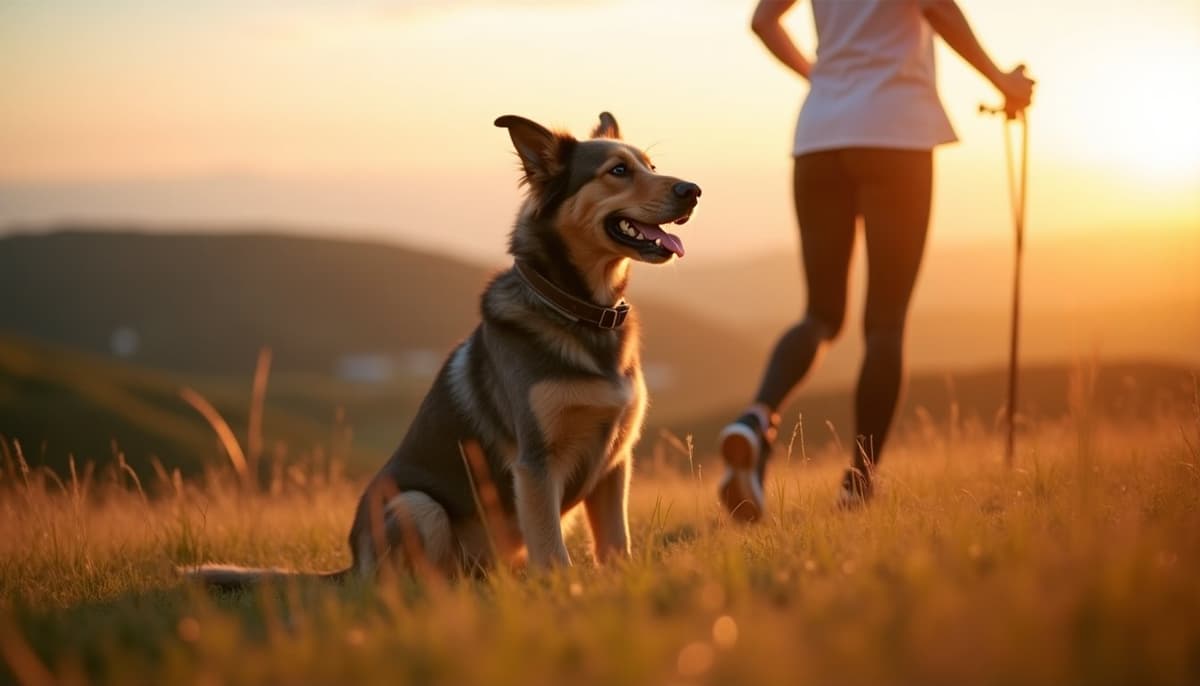
What joint problems affect Bouvier des Flandres?
The first joint problem a Bouvier des Flandres shows you is rarely a limp. It is a dog that stops taking stairs two at a time, sits with one hip rolled out to the side, and pauses half a second before standing. The Orthopedic Foundation for Animals (OFA), which maintains North America's largest hip and elbow screening registry, lists this breed among those with meaningful dysplasia findings.
This bouvier des flandres joint health guide exists because that risk is structural, not accidental. Across years of owner-submitted gait videos and screening records from heavy-boned working breeds, the pattern repeats: the coat hides the muscle loss, the temperament hides the pain, and the owner arrives at the vet nine months late.
What joint problems affect Bouvier des Flandres?
Bouvier des Flandres are most affected by hip dysplasia, elbow dysplasia, cranial cruciate ligament (CCL) rupture, osteoarthritis, and lumbosacral spine disease. The breed's 70-to-110-pound working frame loads joints hard and early. Most owners notice reluctance to jump or a bunny-hop gait months before any visible limp appears.
The common oversimplification is that hip dysplasia is a senior dog's disease. It is not. Hip dysplasia is a developmental condition present in the joint long before symptoms surface, and the arthritis that follows is the part you actually see. This bouvier des flandres joint health guide covers the five conditions that dominate the breed's orthopaedic profile, the gait signals that appear before radiographic change is obvious, and what genuinely supports joint and ligament health in this breed versus what only sounds convincing on a label.
The Five Joint Conditions That Dominate This Breed
Five orthopaedic problems account for the overwhelming majority of mobility complaints in this breed, and four of them are load-related. Hip dysplasia comes first: an abnormally shallow acetabulum (hip socket) allows the femoral head to move where it shouldn't, and that laxity grinds cartilage into osteoarthritis. Our breakdown of hip dysplasia in bouvier des flandres covers the screening pathway in detail.
Elbow dysplasia is the second, and it is not one disease. It is a cluster: fragmented coronoid process, ununited anconeal process, and osteochondritis dissecans (OCD), where a flap of joint cartilage separates from the underlying bone. Front-limb lameness in a young Bouvier that worsens after exercise deserves elbow imaging, not rest and hope. See our notes on elbow dysplasia support for the follow-through.
Cranial cruciate ligament rupture is the single most common cause of sudden hind-limb lameness in large dogs. In Bouviers it rarely happens as a clean sporting injury. The ligament degenerates over months, then fails during something mundane, which is why torn ACL recovery in this breed is as much about the opposite leg as the injured one.
Osteoarthritis is the endpoint most of these roads lead to, and it is progressive, not static. Arthritis in bouvier des flandres tends to present as stiffness in the first ten minutes after rest.
Spinal disease rounds out the list, including intervertebral disc disease and lumbosacral stenosis, where compression at the lumbosacral junction produces a dog that yelps when lifted or resists tail handling. Our IVDD guidance explains why back pain so often masquerades as hip pain. Across owner reports, that misattribution is the most expensive diagnostic detour owners take.
Why This Bouvier des Flandres Joint Health Guide Starts With Gait, Not X-Rays
Radiographs confirm what the gait already told you weeks earlier. That is the part most breed articles skip. A Bouvier's dense double coat visually erases the single most reliable early indicator of hind-limb joint disease: asymmetric muscle mass.
Here is the practical version. Once a week, run both hands flat under the coat along the thighs and compare the two sides by feel, not by eye. When one hip hurts, the dog quietly offloads it, and the quadriceps and gluteal muscle on that side shrinks first. On a short-coated dog you would spot that within a fortnight. On a Bouvier, the coat can conceal it for months, which is why so many owners in this breed present with what they believe is a sudden problem that is in fact an old one.
The second signal is the sit. A structurally sound Bouvier sits square, both hocks tucked under. A dog with hip pain or a degenerating cruciate ligament sits with one leg rolled out to the side, because full flexion of the stifle hurts. That lazy sit is not a personality trait.
The third is the bunny hop. Dogs with bilateral hip laxity push off with both hind legs together at a canter, because moving them in unison reduces the rotational load on each socket. It looks playful. It is compensation.
Temperament compounds all three. This is a herding and working breed bred to keep going, and stoicism in dogs is a genuine clinical obstacle. Owners managing this day to day repeatedly describe Bouviers holding a full working session, then struggling to rise from the floor two hours later. Pain in this breed is expressed as changed behaviour, not vocalisation, and a dog that starts declining the car jump is telling you something specific. For the wider picture, our overview of common health problems in bouvier des flandres puts joints in context alongside the breed's other risks.
What Actually Supports Bouvier des Flandres Mobility Long Term
Body condition is the highest-leverage variable in the entire bouvier des flandres joint health guide, and it costs nothing. On the standard 9-point body condition score used by most veterinary practices, a lean 4 to 5 out of 9 means palpable ribs under light pressure and a visible waist from above. Every extra pound on a 100-pound frame is compressive load on cartilage that cannot repair itself efficiently.
Growth management matters just as much in the first eighteen months. Large-breed growth plates typically close between roughly 12 and 18 months, and until then, repetitive forced exercise, slick floors, and stair-heavy routines apply shear force to immature joints. Traction matters more than owners expect. Runners on hardwood and a ramp for the car remove hundreds of small high-impact events per month.
Controlled, consistent conditioning beats weekend intensity. Muscle is the joint's shock absorber, and a Bouvier that walks steadily every day carries a more stable hip than one that sprints on Saturday and stiffens all week. Veterinary physiotherapy, underwater treadmill work, and structured range-of-motion routines are the evidence-backed additions here.
On supplements, honesty matters more than enthusiasm. Omega-3 fatty acids (EPA and DHA) from marine sources have the strongest supporting research for canine osteoarthritis comfort and function. Glucosamine and chondroitin sulfate remain widely used, and evidence is mixed rather than conclusive. Green-lipped mussel and undenatured type II collagen are also common. Our breakdown of the best joint supplement for bouvier des flandres sorts what has data from what has marketing, and the hip dysplasia supplement guidance and arthritis supplement guidance go condition-specific.
Peptides such as BPC-157 and TB-500 sit in a different category. Research in animal models suggests possible roles in tendon and soft-tissue repair processes, and owners report using them for recovery support, but these are not FDA-approved veterinary drugs and the evidence base in dogs is limited. K9-REPAIR presents this material as education, not as a substitute for veterinary care. Talk to your veterinarian before starting, stopping, or changing anything, particularly prescription anti-inflammatories, and never withhold a diagnosis in favour of a supplement.
Bouvier des Flandres Joint Health Guide: Condition Comparison
This table maps the five conditions against the signs owners actually notice first and the veterinary pathway each typically follows. Use it to narrow what you are looking at before the appointment, not to replace the appointment.
| Condition | Typical Onset Window | Hallmark Signs in a Bouvier | Usual Veterinary Pathway | Bottom Line |
|---|---|---|---|---|
| Hip dysplasia | 5–18 months, symptoms often later | Bunny-hop canter, rolled-out sit, difficulty rising | Sedated radiographs, OFA or PennHIP scoring | Developmental and genetic; management starts the day you notice, not the day it hurts |
| Elbow dysplasia | 4–12 months | Front-limb lameness worsening after exercise, shortened stride | Radiographs, often CT for coronoid detail | Earliest-onset of the five; young front-limb lameness is never growing pains |
| CCL rupture | Middle age onward | Sudden non-weight-bearing hind lameness, toe-touching | Cranial drawer test, imaging, surgical consult | The opposite leg is at real risk too; bilateral cases are common |
| Osteoarthritis | Progressive, often 6+ years | Ten minutes of stiffness after rest, reluctance to jump | Exam, radiographs, multimodal pain plan | Endpoint of most joint disease; managed, not reversed |
| Lumbosacral or disc disease | Middle age onward | Yelping when lifted, tail or hindquarter sensitivity, scuffing | Neurological exam, MRI or CT | Frequently mistaken for hip pain and treated at the wrong joint |
Key Takeaways
- Hip dysplasia, elbow dysplasia, CCL rupture, osteoarthritis, and lumbosacral spine disease account for most Bouvier des Flandres mobility complaints.
- A Bouvier's double coat conceals asymmetric muscle atrophy, so weekly hands-on comparison of both thighs detects hind-limb problems far earlier than visual inspection.
- Keeping the dog at a body condition score of 4 to 5 out of 9 is the single most effective, zero-cost intervention in any bouvier des flandres joint health guide.
- Large-breed growth plates typically close between 12 and 18 months, making forced exercise and slick flooring genuine orthopaedic risks in the first year and a half.
- Yelping when lifted points toward the spine more often than the hips, and treating the wrong structure delays real relief.
- Omega-3 fatty acids have the strongest research support among joint supplements; peptides including BPC-157 and TB-500 are not FDA-approved veterinary drugs and evidence in dogs remains limited.
What If: Bouvier des Flandres Mobility Scenarios
What if my Bouvier suddenly won't put weight on a back leg after playing?
Book a veterinary exam within 24 hours rather than resting and waiting a week. Acute non-weight-bearing hind-limb lameness in a large adult dog is cranial cruciate ligament rupture until proven otherwise, and the diagnostic test is a hands-on cranial drawer or tibial compression assessment. Waiting matters because meniscal damage often develops secondary to an unstable stifle, and instability also accelerates loading on the contralateral limb. Restrict activity to short lead walks in the meantime, and do not give human anti-inflammatories, which are toxic to dogs at ordinary household doses.
What if my Bouvier yelps when I pick him up?
Stop lifting under the chest and arrange a veterinary neurological and orthopaedic exam. Yelping on being lifted usually reflects spinal pain, because handling rotates and compresses the thoracolumbar or lumbosacral spine rather than the hips. Watch for scuffed nails on the hind paws, a hunched topline, or reluctance to turn the head. If the yelping is accompanied by wobbling, dragging, or any loss of bladder control, that is an emergency, not a next-week appointment, and delayed decompression can affect the outcome.
What if my Bouvier's hip x-rays are clear but he still struggles to rise?
Ask your veterinarian to assess the lumbosacral junction and the stifles before concluding it is age. Clean hip films with persistent difficulty rising frequently point to lumbosacral stenosis, early bilateral cruciate degeneration, or generalised osteoarthritis in joints that were never imaged. Ageing is also a legitimate contributor, and our piece on bouvier des flandres lifespan covers how mobility decline tracks with age in the breed. A video of your dog rising from a cold start at home is often more diagnostically useful than the same dog adrenalised in a consult room.
The Blunt Truth Every Bouvier des Flandres Joint Health Guide Should Say
Let's be direct about this: no supplement, peptide, or feeding strategy will change the shape of a dysplastic hip socket. Conformation is set by genetics and early development, and nothing in a bottle re-forms bone. What management genuinely influences is the rate of cartilage wear, the amount of supporting muscle, the inflammatory load, and the dog's comfort. That is worth a great deal, and it is not the same as a cure. Owners who understand that distinction make better decisions, screen earlier, and stop spending money on products promising outcomes no product can deliver. Read more on why bouvier des flandres are prone to joint problems.
The most valuable thing this bouvier des flandres joint health guide can leave you with is a habit, not a product. Put your hands under the coat once a week and compare both thighs. Watch how your dog sits. Notice the first time he hesitates at the car. Those three observations cost nothing and consistently surface joint disease months before a limp forces the issue, which is precisely the window where weight management, conditioning, and veterinary intervention change the trajectory. A Bouvier will work through pain because that is what the breed was built to do. Someone has to notice on his behalf.
Frequently asked questions
- When should I take a dog to the vet for yelping when picked up?
- Book a veterinary exam within 24 to 48 hours of the first episode. Yelping on lifting usually reflects spinal or joint pain that worsens without diagnosis. Go immediately instead if there is wobbling, dragging of the hind limbs, loss of bladder control, or the yelping repeats on every handling attempt.
- What can I give a dog that is yelping when picked up?
- Give nothing from the human medicine cabinet. Ibuprofen, naproxen, and paracetamol are toxic to dogs at ordinary household doses. Restrict activity, support the chest and hindquarters together when lifting, and let your veterinarian prescribe appropriate pain relief after examination. Only a vet can safely match a medication to the underlying cause.
- Is a dog yelping when picked up an emergency?
- Sometimes, yes. Treat it as an emergency when yelping comes with hind-limb weakness, knuckling, dragging paws, an inability to stand, or loss of bladder or bowel control, since these suggest spinal cord compression where time affects outcome. Isolated yelping without neurological signs still warrants a prompt, non-emergency veterinary appointment.
- Why is my dog crying out in pain?
- Vocalised pain in large breeds most often traces to intervertebral disc disease, lumbosacral compression, arthritic hips or elbows, cruciate ligament injury, or acute soft-tissue strain. Abdominal problems such as pancreatitis or bloat can also cause crying out. Because the causes range from manageable to life-threatening, the source must be identified by a veterinarian.
- Should I worry if my dog is crying out in pain?
- Yes. Dogs, especially stoic working breeds like the Bouvier des Flandres, tend to mask discomfort, so audible pain generally signals something significant rather than trivial. Note when it happens, what movement triggers it, and whether gait changed. Then arrange a veterinary exam rather than waiting to see if it settles on its own.
- When should I take a dog to the vet for crying out in pain?
- Any repeated crying out justifies a veterinary appointment within 24 to 48 hours. Seek emergency care immediately if the pain is severe and constant, if the abdomen is distended or tense, if the dog cannot stand, or if there is neurological change such as dragging limbs or incontinence.
- What does a bouvier des flandres joint health guide say about hip screening?
- Screening through OFA hip and elbow evaluation or PennHIP distraction radiography is the standard route for this breed. OFA scoring is generally performed from 24 months of age, while PennHIP can assess laxity considerably earlier. Ask breeders for documented scores on both parents rather than a verbal assurance of clear hips.
- How much does treating hip dysplasia in a Bouvier des Flandres cost?
- Costs vary widely by region, clinic, and severity. Conservative management involving weight control, physiotherapy, and prescription pain relief is an ongoing yearly expense, while surgical options such as total hip replacement or femoral head ostectomy run substantially higher as one-off procedures. Request a written estimate covering imaging, anaesthesia, surgery, and rehabilitation.
- Are joint supplements better than NSAIDs for Bouvier des Flandres arthritis?
- They serve different purposes. Veterinary NSAIDs directly reduce inflammatory pain and are prescription medicines with monitoring requirements. Supplements such as omega-3 fatty acids, glucosamine, and green-lipped mussel are used as long-term supportive nutrition, with omega-3s carrying the strongest evidence. Never stop a prescribed medication in favour of a supplement without veterinary direction.
- What does a bouvier des flandres joint health guide recommend for a growing puppy?
- Keep the puppy lean, provide traction on slick floors, avoid forced repetitive exercise and stair-heavy routines while growth plates remain open, and use a large-breed appropriate diet. Supplement and peptide protocols for puppies should not be self-directed at all. Discuss any addition with your veterinarian, who can assess growth stage and joint status directly.
Educational content. BPC-157 and TB-500 are not FDA-approved veterinary drugs. Talk to your veterinarian before starting anything new, especially if your dog is on prescribed medication.