Chow Chows Joint Health Guide — Hips, Knees & Spine
The Chow Chow is one of the few breeds whose written standard describes a movement limitation as a desirable trait. The AKC standard calls for a stilted, short-strided gait produced by a hind leg with very little angulation at the stifle, and the Orthopedic Foundation for Animals has listed the…
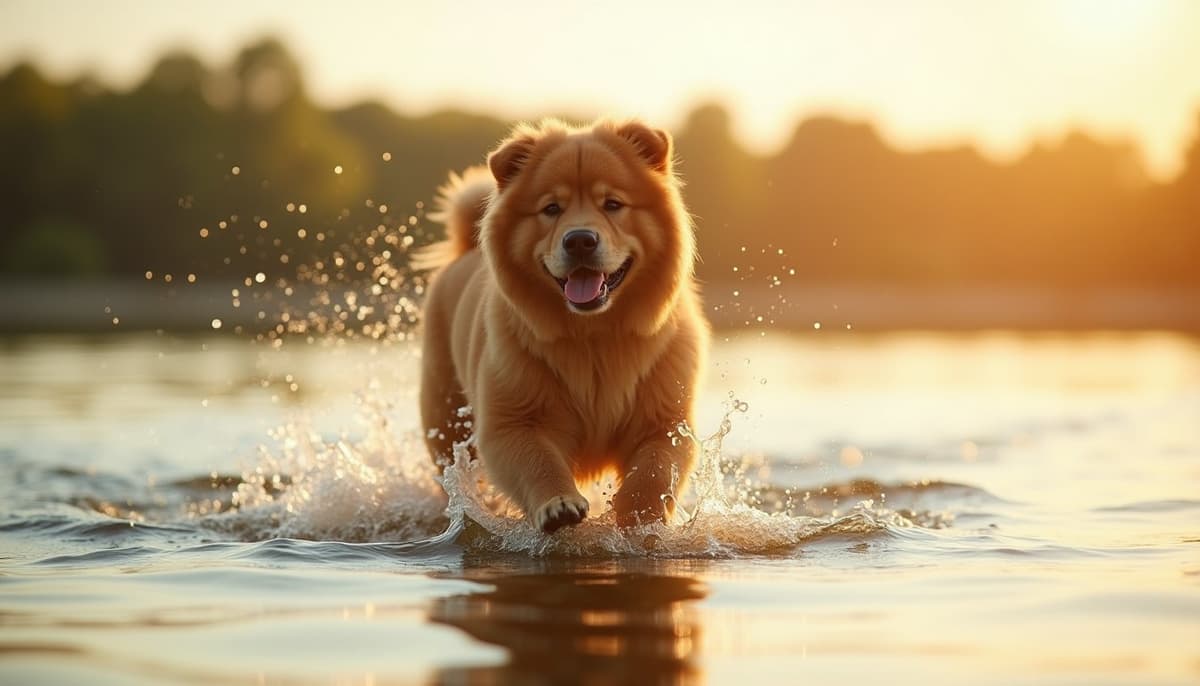
What joint problems affect Chow Chows?
The Chow Chow is one of the few breeds whose written standard describes a movement limitation as a desirable trait. The AKC standard calls for a stilted, short-strided gait produced by a hind leg with very little angulation at the stifle, and the Orthopedic Foundation for Animals has listed the Chow Chow among the breeds with the highest proportion of dysplastic hip evaluations for decades. That combination is not cosmetic. It changes how force travels through every single step.
We work with owners of heavy-boned, heavy-coated breeds constantly at pawgen, and the pattern with Chows is relentlessly consistent: the joint damage is years old by the time a limp appears. That is why we built this chow chows joint health guide around structure and early detection first, and supplements second.
What joint problems affect Chow Chows?
Chow Chows are prone to hip dysplasia, elbow dysplasia, cranial cruciate ligament (CCL) disease, medial patellar luxation, secondary osteoarthritis, and intervertebral disc disease (IVDD). The breed's straight stifle and dense double coat delay owner detection, so most Chows lose measurable hind-limb muscle before they show a visible limp. Weight control and gait monitoring outrank every product.
Most owners assume the hips are the whole story, because that is what the breed is known for. In practice the stifle and the lower back generate just as many veterinary visits, because a rear limb that cannot flex properly transmits shock upward into the lumbar spine and forward onto the shoulders. Below, we cover the breed's specific risk profile, the early signs that hide under a thick coat, what genuinely changes outcomes at home, and how the major conditions differ in onset, signs, and treatment.
The Breed Risk Profile Any Chow Chows Joint Health Guide Has to Start With
Chow Chows carry a stacked deck: heavy bone, a broad chest, a short back, and near-vertical rear legs. Hip dysplasia is the headline condition, and it is a developmental problem of joint laxity rather than a wear injury. The femoral head sits loosely in a shallow acetabulum, the joint subluxates with every stride, and the cartilage responds by remodelling into osteophytes. Screening tools differ in what they measure: OFA scoring grades the fit of the hip on an extended-leg radiograph, while PennHIP reports a distraction index that quantifies laxity numerically and can be performed from 16 weeks of age.
Elbow dysplasia in the breed usually appears as fragmented coronoid process or osteochondrosis of the humeral condyle, both of which produce a subtle forelimb lameness that owners often mistake for a nail or pad problem. Medial patellar luxation is over-represented in dogs with straight stifles, and it accelerates the degeneration of the cranial cruciate ligament. This matters because canine CCL disease is rarely a clean sporting injury. In most dogs the ligament degenerates gradually and then ruptures during ordinary activity, which is why a Chow can tear a cruciate stepping off a kerb.
IVDD is less discussed in this breed than in Dachshunds, but disc degeneration in a short-backed, heavily muscled dog produces a distinct presentation: a hunched topline, reluctance to turn the head or jump, and sudden yelping without an obvious trigger. Every one of these conditions converges on the same endpoint, osteoarthritis, which is progressive and currently not reversible.
Worth reading alongside this: chow chows joint problems, common health problems in chow chows, arthritis in chow chows, torn acl in chow chows, and ivdd in chow chows. In our conversations with Chow owners, the single most common regret is not screening the hips before the dog turned two.
Reading Early Mobility Loss Under a Coat That Hides Everything
The Chow Chow's double coat is the most underrated diagnostic obstacle in this breed. Thigh muscle atrophy of a centimetre or more can be completely invisible under coat, and the breed's stoic temperament means many Chows simply stop offering the behaviour that hurts instead of vocalising. Here is the professional habit most guides never mention: assess your Chow with your hands, not your eyes. Once a month, cup both thighs and compare them for symmetry, then run a thumb along the spine of the scapula and over the croup. Asymmetry you can feel is asymmetry a radiograph will confirm.
The earliest behavioural signals are postural, not lame. Watch for a sloppy sit where one hind leg kicks out to the side, bunny-hopping with both hind legs moving together at a canter, a pause before rising, and a weight shift forward onto the front limbs. Dogs already carry roughly 60% of their body weight on the forelimbs, so a Chow offloading painful hips overloads shoulders and elbows that were never designed to absorb it.
Morning stiffness and cold-weather stiffness have a shared mechanism worth understanding. Synovial fluid becomes more viscous at rest and at low temperature, joint capsules that have fibrosed around a damaged joint shorten overnight, and the first minutes of movement require more force to break through that resistance. Stiffness that eases within ten minutes is classic early osteoarthritis. Stiffness that lasts longer, or worsens after exercise rather than improving, suggests active inflammation or a structural injury.
Our team films clients' dogs for the first thirty seconds after waking, because that clip tells you more than a clinic-room walk where adrenaline masks everything. Track it against chow chows lifespan expectations and pair it with joint support for chow chows.
Building a Chow Chows Joint Health Guide Into Everyday Care
Body condition is the highest-leverage intervention available to any Chow Chow owner, and it is free. The 14-year Purina lifespan study of Labrador Retrievers published by Kealy and colleagues in JAVMA in 2002 found that dogs kept lean through restricted feeding lived a median of nearly two years longer and developed radiographic osteoarthritis significantly later than their paired littermates. Aim for a body condition score of 4 to 5 on the 9-point scale, meaning ribs palpable without pressure and a visible waist from above. On a coated breed you must use your hands to judge this.
Environment comes next. Non-slip runners on hard floors stop the splay-and-catch that shreds an already degenerating cruciate, ramps remove repetitive high-impact landings, and consistent daily walking beats weekend-warrior exercise. Veterinary options escalate from there: canine NSAIDs such as carprofen, meloxicam, firocoxib or grapiprant, polysulfated glycosaminoglycan injections (Adequan), the anti-NGF monoclonal antibody bedinvetmab (Librela), hydrotherapy, and surgical repair such as TPLO for cruciate rupture. None of this should be self-directed. Talk to your veterinarian before starting, stopping or combining anything, and never give human anti-inflammatories to a dog.
On supplements, the evidence tiers are uneven. Omega-3 fatty acids (EPA and DHA) at therapeutic levels have the strongest research support for reducing inflammatory signalling. Undenatured type II collagen and green-lipped mussel show promising results in published trials, while glucosamine and chondroitin evidence remains genuinely mixed. Peptides such as BPC-157 and TB-500 sit further out: research suggests roles in tendon, ligament and soft-tissue repair pathways, owners report anecdotal improvement, but these are not FDA-approved veterinary drugs and they are not a substitute for prescribed medication or surgery. We formulated K9-REPAIR for owners who want that category discussed honestly rather than oversold. Compare the options in best joint supplement for chow chows, best supplement for chow chows with arthritis, best supplement for chow chows with torn acl, and best supplement for chow chows with ivdd.
Chow Chows Joint Health Guide: Condition Comparison
These five conditions overlap in symptoms but diverge sharply in urgency and treatment. Use this to work out which conversation to have with your vet first.
| Condition | Typical Onset in Chow Chows | Hallmark Signs | Common Veterinary Approach | Bottom Line |
|---|---|---|---|---|
| Hip dysplasia | Detectable on imaging from 4-12 months; clinical signs often 1-2 years or older | Bunny-hopping gait, sloppy sit, narrow rear stance, hind-limb muscle loss | OFA or PennHIP screening, weight management, NSAIDs, FHO or total hip replacement in severe cases | The defining breed risk. Screen before breeding and before the dog is two, not after the limp starts |
| Cranial cruciate ligament disease | Most often middle age, frequently degenerative before rupture | Sudden hind-limb non-weight-bearing lameness, toe-touching, thigh muscle wasting within weeks | Orthopaedic exam for cranial drawer, radiographs, TPLO or lateral suture, strict rest | Assume the other knee is also at risk. Bilateral rupture is common and worth planning for |
| Osteoarthritis | Progressive from any of the above, usually visible from 6 years | Morning and cold-weather stiffness, shortened walks, personality change, reluctance to be touched | Multimodal: weight, NSAIDs, bedinvetmab, Adequan, hydrotherapy, omega-3s | Not reversible, but the rate of decline is highly modifiable by owner behaviour |
| IVDD | Variable, often 3-7 years | Hunched back, neck guarding, yelping without contact, wobbly or dragging hind limbs | Neurological exam, MRI or CT, crate rest, anti-inflammatories, decompressive surgery | Any loss of hind-limb coordination or bladder control is a same-day emergency, not a wait-and-see |
| Medial patellar luxation | Often congenital, noticed in young dogs | Intermittent skipping stride, brief leg hitch then normal walking | Palpation grading 1-4, surgical trochleoplasty for higher grades | Low grades are manageable, but untreated luxation accelerates cruciate failure |
Key Takeaways
- Chow Chows are structurally predisposed to hip dysplasia, elbow dysplasia, cruciate disease, patellar luxation, IVDD and secondary osteoarthritis because of a straight stifle, heavy bone and a short back.
- The Kealy Purina lifespan study found that lean-fed Labradors lived a median of nearly two years longer and developed osteoarthritis later, which makes body condition score 4-5 of 9 the single highest-value intervention in any chow chows joint health guide.
- Most canine cruciate ruptures are degenerative rather than traumatic, so a Chow can tear a ligament during completely ordinary activity.
- A dense double coat hides muscle atrophy, so monthly hands-on thigh comparison detects decline earlier than watching your dog walk.
- Stiffness that resolves within ten minutes suggests osteoarthritis; stiffness paired with dragging limbs, a hunched spine or loss of bladder control suggests IVDD and needs emergency assessment.
- BPC-157 and TB-500 are not FDA-approved veterinary drugs, and any supplement decision belongs in a conversation with your veterinarian.
What If: Chow Chow Mobility Scenarios
What if my Chow Chow is stiff every morning but moves normally by lunchtime?
Start a written log and book a non-urgent orthopaedic exam within the next two weeks. Overnight rest thickens synovial fluid and allows a fibrosed joint capsule to tighten, which is exactly why early osteoarthritis presents at waking and resolves with movement. That pattern is not benign ageing, it is a detectable disease with a modifiable trajectory. Weight assessment, radiographs and a discussion about NSAIDs or omega-3 supplementation are far more effective at this stage than at the stage where your dog refuses walks entirely.
What if my Chow suddenly holds up a hind leg after normal play?
Stop all off-lead activity immediately and get a veterinary orthopaedic exam within 24 to 48 hours. Acute hind-limb non-weight-bearing lameness in a middle-aged Chow is cranial cruciate ligament rupture until proven otherwise, and the joint instability that follows drives cartilage damage every time the dog loads the limb. Continuing to walk on it worsens the meniscus. Ask specifically whether the contralateral stifle shows any cranial drawer, because second-side rupture is common and changes how you plan recovery space and finances.
What if surgery is recommended and it is not affordable right now?
Ask your veterinarian directly about conservative management protocols rather than delaying silently. For some dogs, a structured programme of weight reduction, controlled lead exercise, hydrotherapy and prescribed pain control produces functional outcomes, though it generally trails surgical repair for larger, heavier dogs like Chows. Costs vary widely by clinic and region, so request a written estimate, ask about payment plans and insurance pre-authorisation, and confirm whether waiting will make the eventual surgery more complex.
The Blunt Truth About Chow Chow Joint Supplements
Let's be direct about this: no supplement, ours included, will outrun an overweight Chow Chow on slippery floors. The mechanism simply does not exist. Joint disease in this breed is driven by load, laxity and cartilage degradation, and the interventions with the strongest evidence are lean body condition, controlled exercise, traction underfoot and veterinary pain management. Supplements and peptides may support the tissue repair and inflammatory pathways around that foundation, and research into them is genuinely interesting, but they are an adjunct. Any product marketed as a replacement for weight control or veterinary care is selling you comfort, not outcomes.
The most useful thing this chow chows joint health guide can leave you with is a change in what you watch for. Stop waiting for a limp. Limping is late-stage information. The real signal is the sloppy sit, the hesitation before the stairs, the hand that feels one thigh smaller than the other, the walk that used to be forty minutes and quietly became twenty-five. Chows are stoic dogs in a coat built to hide everything, and that combination has cost more of them their mobility than genetics alone ever did.
``json {"@context":"schema.org","@graph":{"@type":"Article","headline":"What joint problems affect Chow Chows?","about":"Chow Chows joint health guide","publisher":{"@type":"Organization","name":"pawgen","url":"[pawgen.com"}},{"@type":"FAQPage","mainEntity":[{"@type":"Question","name":"Is a dog stiff in the morning an emergency?","acceptedAnswer":{"@type":"Answer","text":"Usually not, but inability to stand, a hunched back or loss of bladder control is urgent."}},{"@type":"Question","name":"Why is my dog stiff in cold weather?","acceptedAnswer":{"@type":"Answer","text":"Cold increases synovial fluid viscosity and tightens tissue around damaged joints."}}]}]} ``
Frequently asked questions
- When should I take a dog to the vet for stiff in the morning?
- Book a veterinary exam if morning stiffness lasts longer than a week, recurs most days, or comes with limping, yelping or reluctance to climb stairs. Go sooner if your Chow Chow is losing thigh muscle or has stopped jumping onto furniture it once managed easily. Persistent stiffness is degenerative until proven otherwise.
- What can I give a dog that is stiff in the morning?
- Nothing from your own medicine cabinet, because ibuprofen and paracetamol are toxic to dogs. Your veterinarian can prescribe canine NSAIDs such as carprofen, meloxicam or grapiprant, and may recommend omega-3 fatty acids, a joint diet or hydrotherapy. Warmth, supportive bedding and a short gentle walk before breakfast also help loosen stiff joints.
- Is a dog stiff in the morning an emergency?
- Usually not. Stiffness that eases within ten to fifteen minutes of gentle movement points toward osteoarthritis rather than a crisis. Treat it as an emergency if your dog cannot stand, drags a limb, cries when touched, develops a sudden hunched back, or loses bladder control, all of which can signal acute IVDD.
- Why is my dog stiff in cold weather?
- Cold makes synovial fluid more viscous and tightens the muscles, tendons and joint capsules surrounding already damaged joints, so initiating movement takes more force. Falling barometric pressure may also heighten pain sensitivity in arthritic dogs. Chow Chows tolerate cold air well thanks to their double coat, but their arthritic joints still stiffen.
- Should I worry if my dog is stiff in cold weather?
- Mild cold-weather stiffness that resolves with movement is common in older dogs, but it is evidence of underlying joint disease rather than normal ageing. Be concerned if it worsens across the season, spreads to more limbs, or your dog starts refusing walks it previously enjoyed. That pattern warrants a full mobility assessment.
- When should I take a dog to the vet for stiff in cold weather?
- See a vet if cold-weather stiffness persists beyond fifteen to twenty minutes after your dog gets moving, returns daily, or is paired with limping or visible muscle loss. Also go if the stiffness appeared suddenly this winter rather than gradually, since acute onset suggests injury or disc disease rather than arthritis.
- What should a chow chows joint health guide cover for a new puppy owner?
- Screening, surfaces and growth rate. Ask the breeder for OFA or PennHIP results on both parents, keep the puppy lean rather than chunky, avoid repetitive stair and jumping impact while growth plates are open, and put non-slip runners on hard floors. Discuss diet and growth pace with your veterinarian rather than guessing.
- How much does it cost to follow a chow chows joint health guide long term?
- Costs vary widely by clinic, region and severity. Weight management and non-slip flooring are inexpensive, while ongoing NSAIDs, injectable therapies, hydrotherapy and orthopaedic surgery such as TPLO sit at the higher end. Ask your vet for written estimates and check whether your insurance policy excludes hereditary or pre-existing joint conditions.
- Are BPC-157 and TB-500 safe to give a dog?
- They are not FDA-approved veterinary drugs, so no product containing them can be described as approved, proven or risk-free. Research suggests these peptides interact with soft-tissue repair and angiogenesis pathways, and some owners report improvement, but the veterinary evidence base is limited. Any decision should be made with your veterinarian.
- Can a Chow Chow with hip dysplasia still exercise?
- Yes, and controlled exercise is usually part of the plan rather than something to avoid. Muscle mass around the hip stabilises a loose joint, so consistent daily lead walking, gentle hill work and swimming generally beat sporadic high-impact play. Your vet or a veterinary physiotherapist should set the volume and intensity.
- Which is better for Chow Chow arthritis: glucosamine or omega-3?
- Omega-3 fatty acids, specifically EPA and DHA, currently have the stronger research support, because they modulate inflammatory signalling rather than attempting to rebuild cartilage. Glucosamine and chondroitin evidence in dogs remains mixed. Many owners use both alongside veterinary pain management, which is a reasonable conversation to have at your next appointment.
Educational content. BPC-157 and TB-500 are not FDA-approved veterinary drugs. Talk to your veterinarian before starting anything new, especially if your dog is on prescribed medication.