Shiba Inus Joint Health Guide — Risks & Signs | K9-REPAIR
The joint that gives out first in a Shiba Inu is rarely the hip. It is the knee. Medial patellar luxation and cranial cruciate ligament (CCL) injury, the canine equivalent of a torn ACL, are the two orthopaedic complaints Shiba owners raise most often, and both begin well before a…
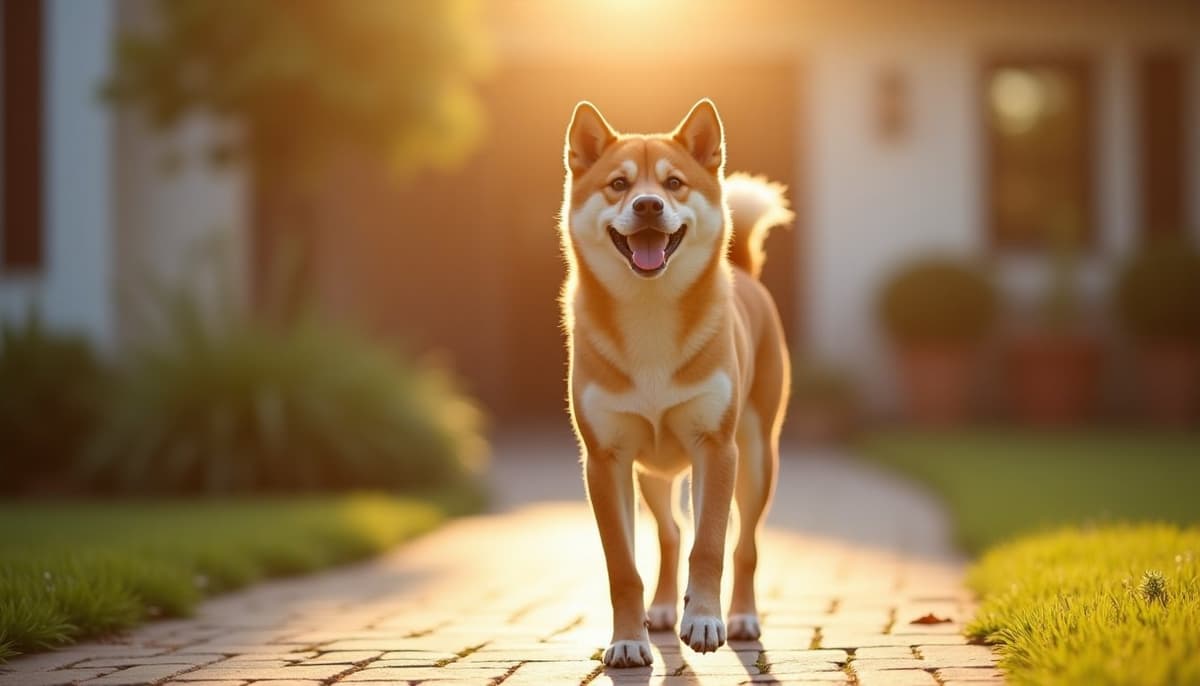
What Joint Problems Affect Shiba Inus?
The joint that gives out first in a Shiba Inu is rarely the hip. It is the knee. Medial patellar luxation and cranial cruciate ligament (CCL) injury, the canine equivalent of a torn ACL, are the two orthopaedic complaints Shiba owners raise most often, and both begin well before a dog visibly limps. Any honest shiba inus joint health guide has to start there, at the stifle joint, rather than with vague advice about watching for arthritis in old age.
Our team reads canine orthopaedic and soft-tissue repair research for a living, and the questions we field from Shiba owners follow a pattern: a hesitation on the stairs, a skipped step mid-run, a dog that quietly stopped launching onto the sofa. That hesitation is the signal.
What joint problems affect Shiba Inus?
Shiba Inus are most commonly affected by medial patellar luxation, hip dysplasia, cranial cruciate ligament rupture, intervertebral disc disease (IVDD), and the osteoarthritis that follows all four. This shiba inus joint health guide concentrates on the stifle and hip, because compensation patterns there drive most secondary lameness. Early veterinary screening changes the trajectory.
The common oversimplification is that joint disease is an ageing problem. It is not. In Shibas the structural predisposition sits there from puppyhood: a compact frame, a springy high-drive gait, a shallow patellar groove in affected lines, and a famously stoic pain response. Osteoarthritis is the end product, not the origin. This shiba inus joint health guide covers the specific conditions, the biomechanics behind them, how to catch decline early, and what the evidence genuinely supports.
The Five Conditions That Account for Most Shiba Inu Lameness
Five diagnoses cover the overwhelming majority of mobility complaints in this breed, and four of them end in the same place. Medial patellar luxation comes first: the kneecap slips out of the trochlear groove, and veterinary surgeons grade it I through IV, from a patella that can be manually displaced to one that sits permanently out of joint. Owners describe a skip, a hop, or a leg carried for two strides before the dog resumes normal movement as if nothing happened.
Hip dysplasia is the second. The coxofemoral joint develops with poor congruity, the femoral head grinds rather than glides, and the joint capsule remodels. Screening exists and works: the OFA hip grading scheme and the PennHIP distraction index both quantify laxity long before a dog shows pain. Third is cranial cruciate ligament rupture, which in dogs is usually degenerative rather than a single traumatic tear. The ligament frays over months, then fails during something ordinary like a turn on wet grass.
Fourth, intervertebral disc disease, where the nucleus pulposus of a spinal disc extrudes and compresses the cord, producing wobbliness, a hunched back, or reluctance to be lifted. Fifth is osteoarthritis, the degenerative joint disease that follows instability anywhere in the chain.
If you want the deeper breed-level picture, we cover why the conformation matters in shiba inus joint problems and the wider breed risk set in common health problems in shiba inus. Condition-specific detail lives in torn acl in shiba inus, ivdd in shiba inus and arthritis in shiba inus. In the messages we get, the single most common thread is an owner who describes the skip and assumes it is a quirk rather than a stifle.
Why This Shiba Inus Joint Health Guide Starts With Biomechanics, Not Birthdays
Cartilage has no blood supply. Articular cartilage is fed by synovial fluid diffusing in under cyclic load, which means movement is literally how the tissue eats, and a dog that reduces its activity to avoid discomfort starts starving the joint it is protecting. That is the loop that turns a mild grade I patellar luxation into radiographic osteoarthritis years later.
The biochemistry is well described. Mechanical instability irritates the synovium, which releases inflammatory cytokines including interleukin-1 beta and tumour necrosis factor alpha. Those cytokines drive chondrocytes to produce matrix metalloproteinases, enzymes that cleave the type II collagen and aggrecan holding cartilage together. Cartilage loss is not passive wear. It is an enzymatic process, and it is why controlling inflammation early matters more than managing pain late.
Here is the observation most breed guides miss. Shiba Inus are stoic and independent, so they rarely vocalise joint pain and rarely lick a sore stifle in front of you. Instead they redistribute load. The affected hind limb unloads, the quadriceps on that side atrophies, the opposite limb and the lumbar spine absorb the difference, and the dog develops a second problem in a structurally sound joint. Owners then report the wrong leg. We have seen this misdirection repeatedly in owner descriptions, and it is the reason a veterinary orthopaedic exam beats guessing from video.
Temperature plays into it too. Synovial fluid becomes more viscous as it cools, so an arthritic Shiba genuinely moves worse in cold weather and worse after a long night of stillness, then loosens within ten to fifteen minutes of gentle movement. That pattern is diagnostic in itself. Mobility is also the strongest lever on quality of life across the back half of the breed's life, which we unpack in shiba inus lifespan.
What This Shiba Inus Joint Health Guide Recommends Once You Notice a Change
The first action is a veterinary orthopaedic examination, not a supplement order. A vet can palpate the patella for luxation, run an Ortolani test for hip laxity, assess cranial drawer or tibial thrust for cruciate integrity, and take radiographs if anything is equivocal. That exam produces a grade and a plan. Nothing you buy online produces either.
Weight is the second lever, and it is unglamorous but decisive. Keeping a Shiba at a body condition score of 4 to 5 out of 9, where you can feel ribs without pressing and see a waist from above, removes load from every joint in the chain. Then comes environmental work: traction runners over hard floors, a ramp instead of a sofa jump, controlled lead walks rather than explosive off-lead sprints during a flare, and rehabilitation such as hydrotherapy or targeted quadriceps strengthening where a certified canine rehab practitioner is available.
On the therapeutic side, veterinarians commonly reach for NSAIDs such as carprofen or meloxicam, polysulfated glycosaminoglycan injections, or the anti-nerve growth factor monoclonal antibody bedinvetmab, depending on the dog and the diagnosis. Nutritional support with credible mechanistic backing includes marine omega-3 fatty acids EPA and DHA, glucosamine and chondroitin sulphate, and green-lipped mussel (Perna canaliculus). We compare these honestly in joint support for shiba inus and in our review of the best joint supplement for shiba inus.
Because connective tissue repair is slow and vascular supply to ligament and tendon is poor, some owners also explore research peptides such as BPC-157 and TB-500. Preclinical animal research suggests these compounds may influence angiogenesis and soft-tissue repair signalling, and owners report using them alongside veterinary care. They are not FDA-approved veterinary drugs, the evidence base in dogs is limited, and nothing here should replace a prescribed medication or a recommended surgical plan. Everything in this shiba inus joint health guide is educational, so talk to your veterinarian before adding anything to your dog's routine. If you want to understand the mechanism side of that category, K9-REPAIR exists to explain it rather than to sell you a shortcut.
Shiba Inus Joint Health Guide: Condition Comparison
This table sets the five main conditions side by side so you can match what you are seeing to the likely joint involved. It is a triage aid for the conversation with your vet, not a diagnosis.
| Condition | Where it originates | Hallmark early sign | Bottom Line |
|---|---|---|---|
| Medial patellar luxation | Stifle, shallow trochlear groove | Intermittent skipping hop, then normal gait | Most commonly reported Shiba joint issue; graded I to IV, and grade drives whether management or surgery is discussed |
| Hip dysplasia | Coxofemoral joint laxity | Bunny-hopping gait, reluctance to rise, narrow hind stance | Screenable before symptoms via OFA grading or PennHIP; weight control is the highest-yield daily intervention |
| Cranial cruciate ligament rupture | Stifle ligament, usually degenerative | Sudden non-weight-bearing lameness after a routine turn | Rarely resolves on its own; surgical opinion is warranted early, and recovery is a months-long project |
| Intervertebral disc disease | Spinal disc, nucleus pulposus extrusion | Hunched posture, yelping when lifted, hind-limb wobble | The one true emergency on this list if there is any loss of hind-limb function; hours matter |
| Osteoarthritis | Any unstable joint, secondary | Morning stiffness that eases in 10 to 15 minutes | Progressive and manageable, not reversible; earlier intervention preserves more cartilage |
Key Takeaways
- Medial patellar luxation and cranial cruciate ligament rupture affect the stifle and are the two problems Shiba owners report most, both often preceding any obvious limp.
- Articular cartilage is avascular and nourished by synovial fluid under load, so reduced activity accelerates joint degeneration rather than protecting it.
- Cartilage breakdown is enzymatic, driven by interleukin-1 beta, TNF-alpha and matrix metalloproteinases, which is why early inflammation control outranks late pain control.
- Hip laxity can be measured before symptoms appear using OFA hip grading or the PennHIP distraction index.
- Keeping a Shiba at body condition score 4 to 5 out of 9 is the single most effective daily intervention available to any owner.
- BPC-157 and TB-500 are not FDA-approved veterinary drugs, evidence in dogs is limited, and they should only be discussed with your veterinarian.
What If: Shiba Inu Mobility Scenarios
What If My Shiba Is Stiff for the First Ten Minutes Every Morning?
Book a non-urgent veterinary orthopaedic exam and start a written log of which mornings are worse. Stiffness that resolves with movement is the classic signature of early osteoarthritis, because cooled synovial fluid is more viscous and needs cyclic loading to redistribute. It is not an emergency, but it is a diagnosis waiting to be confirmed, and it rarely stays static. Our review of options for the arthritic stage sits in best supplement for shiba inus with arthritis.
What If My Shiba Suddenly Refuses to Put Weight on a Back Leg?
Restrict movement immediately and get a same-day or next-day veterinary assessment. Acute non-weight-bearing hind-limb lameness after an ordinary turn or jump points toward cruciate failure or a high-grade patellar luxation, and continuing to exercise on an unstable stifle damages the menisci and cartilage further. Surgical opinion early gives more options than surgical opinion in six weeks. Background reading: best supplement for shiba inus with torn acl.
What If My Shiba Yelps When Lifted and Seems Wobbly Behind?
Treat this as urgent and go to a veterinarian now, ideally one with neurology access. Spinal pain combined with hind-limb weakness suggests disc extrusion compressing the cord, and the window in which decompression preserves function is measured in hours, not days. Crate rest without a diagnosis is a gamble on the wrong side of the odds. Context on the condition is in best supplement for shiba inus with ivdd.
The Uncomfortable Truth About Shiba Inu Joint Supplements
Let us be direct about this: no supplement on the market rebuilds a shallow patellar groove, re-tensions a degenerating cruciate ligament, or reverses established osteoarthritis. Anything marketed that way is selling you hope. What credible nutritional support can plausibly do is influence the inflammatory environment around a joint and support the substrate of connective tissue, which is a meaningful but modest role sitting underneath weight management, structured exercise, and veterinary diagnosis. Owners who spend on supplements before getting a grade from a vet routinely spend twice, because they medicate the wrong joint. Diagnosis first, always.
The most useful thing in any shiba inus joint health guide is not a product list. It is the habit of watching how your dog actually moves, week after week, so that the skipped step registers as information instead of a quirk. Shibas will not tell you when something hurts. They will simply do slightly less, slightly more carefully, until the compensation becomes the new normal and a second joint starts paying for the first. Notice it at the hesitation stage and you are managing a grade I problem. Notice it when the limp arrives and you are managing consequences.
Frequently asked questions
- Should I worry if my dog is stiff in the morning?
- Mild worry is appropriate, urgency is not. Stiffness that appears after rest and eases within 10 to 15 minutes of movement is the classic early signature of osteoarthritis rather than an injury. Log how often it happens and book a routine veterinary orthopaedic exam, because early grading gives you far more management options.
- When should I take a dog to the vet for stiff in the morning?
- Book an appointment if the stiffness recurs on more than a few mornings, lasts longer than roughly 15 minutes, worsens over weeks, or comes with reluctance to jump, climb stairs or be handled. Go sooner if you see a limp that persists past warm-up, visible swelling, or a leg being carried.
- What can I give a dog that is stiff in the morning?
- Nothing from your own medicine cabinet, since human anti-inflammatories can be toxic to dogs. Your veterinarian may discuss prescription options such as carprofen or meloxicam, plus nutritional support including marine omega-3 fatty acids, glucosamine and chondroitin, or green-lipped mussel. Warmth, soft bedding and gentle warm-up walks help immediately and cost nothing.
- Is a dog stiff in the morning an emergency?
- Usually no. Stiffness that resolves with gentle movement is a chronic-change signal, not an acute crisis. It becomes an emergency if the dog cannot rise, drags a limb, yelps when lifted, shows hind-limb weakness or wobbliness, or suddenly refuses all weight on a leg, which can indicate disc disease or ligament failure.
- Why is my dog stiff in cold weather?
- Synovial fluid, the lubricant inside joints, becomes more viscous at lower temperatures, so a joint with existing cartilage damage moves less freely until activity warms it. Cold also encourages longer periods of stillness, and muscle tissue around an arthritic joint tightens. The result is real, measurable stiffness rather than imagined discomfort.
- Should I worry if my dog is stiff in cold weather?
- Cold-weather stiffness is worth investigating because it usually reveals underlying joint change that stays hidden in warmer months. It is not dangerous in itself. Keep the dog warm, extend warm-up time before exercise, avoid slippery frozen surfaces, and raise the pattern with your veterinarian so the underlying joint can be assessed properly.
- What does a shiba inus joint health guide say about the earliest signs of hip problems?
- The earliest signs are a bunny-hopping hind gait, a narrowed hind stance, hesitation before rising, and shortened stride rather than obvious pain. Shibas are stoic and mask discomfort by unloading the affected side. Screening with OFA hip grading or the PennHIP distraction index detects laxity well before behavioural signs appear.
- Which supplements does a shiba inus joint health guide consider worth discussing?
- Marine omega-3 fatty acids EPA and DHA, glucosamine and chondroitin sulphate, green-lipped mussel and collagen ingredients all have plausible mechanisms in cartilage and inflammation. None rebuild joint structure. They belong underneath weight control, controlled exercise and a veterinary diagnosis, never instead of them, and choices should be reviewed with your vet.
- Can a Shiba Inu with patellar luxation still exercise normally?
- Most low-grade cases can stay active, but the type of exercise matters more than the amount. Controlled lead walks, swimming and gentle hill work build the quadriceps that stabilise the stifle, while repetitive jumping, hard turns and slippery floors provoke luxation events. Your veterinarian should set limits based on the assigned grade.
- How much does treating a torn cruciate ligament in a Shiba Inu cost?
- Surgical stabilisation typically runs into the low thousands of dollars per knee in the United States, with wide variation by region, clinic type and whether a board-certified surgeon is involved. Diagnostics, rehabilitation and follow-up radiographs add to it. Ask for a written estimate covering the whole episode, not just the procedure.
- Are BPC-157 and TB-500 approved for use in dogs?
- No. Neither BPC-157 nor TB-500 is an FDA-approved veterinary drug, and canine clinical evidence is limited. Preclinical research suggests possible effects on angiogenesis and soft-tissue repair signalling, and some owners report use alongside veterinary care. They are not a substitute for prescribed medication or surgery, so discuss any interest with your veterinarian.
- How do I tell whether my Shiba's limp is a knee, hip or spine problem?
- You often cannot, because dogs redistribute load and frequently look sore in the compensating limb rather than the injured one. A veterinarian distinguishes them by palpating the patella, running an Ortolani test for hip laxity, checking cranial drawer for cruciate integrity, and assessing spinal pain and neurological reflexes. Radiographs settle ambiguous cases.
Educational content. BPC-157 and TB-500 are not FDA-approved veterinary drugs. Talk to your veterinarian before starting anything new, especially if your dog is on prescribed medication.