Why Is My Dog Drooling but Not Eating? When to See a Vet
A dog drooling but not eating needs a vet today. This page covers the emergency signs that mean go now, the causes a vet checks, from mouth pain to nausea and swallowed objects, and what to tell your vet.
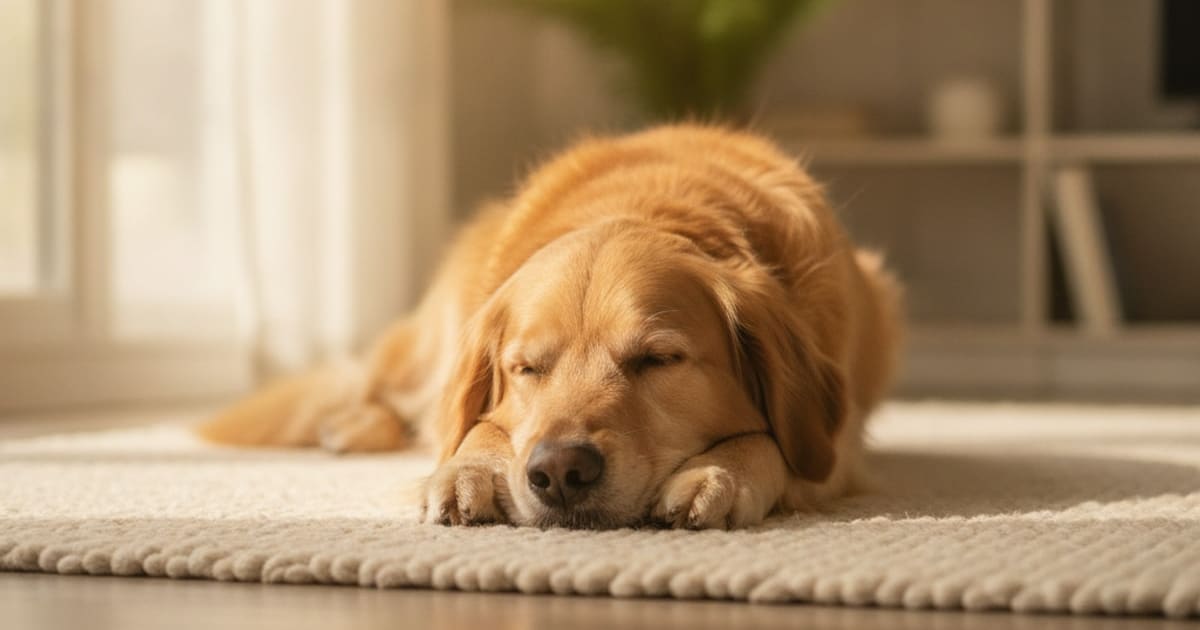
A dog drooling but not eating needs a vet visit today, because drooling but not eating can be a sign of mouth pain, nausea or something stuck in the mouth or throat. Go to an emergency vet now if your dog has trouble breathing, retches with nothing coming up or has a swollen belly, collapses or has a seizure, or may have chewed or eaten something poisonous; otherwise book a same-day appointment. If your dog drools when eating and then walks away from the bowl, chewing or swallowing may hurt, or your dog may feel too sick to face food, and a vet exam is how to find out which. The two signs together can come from a problem anywhere between the lips and the stomach, or from an illness elsewhere in the body that leaves your dog feeling unwell. None of these causes can be sorted out safely at home. Talk to your vet today and describe exactly what you have seen, including when it started.
When to go to the vet now
Go to an emergency vet now, without waiting for a same-day slot, if your dog has any of these signs along with the drooling:
- Trouble breathing, noisy breathing or struggling for air
- Retching with nothing coming up, or a swollen, tight belly
- Collapse, sudden weakness or a seizure
- A chance your dog chewed or ate something poisonous: call your vet or an animal poison control service now and head to the clinic
These signs can mean a blocked airway, a twisted or blocked stomach, a poisoning or a serious illness affecting the whole body. Each one needs treatment straight away. If you are not sure whether what you are seeing belongs on this list, phone the emergency clinic as you set off and describe it. The page Dog Emergency Signs lists other signs that need urgent care.
What can cause drooling but not eating
Drooling and a refused meal have many possible causes, and the vet's job is to work through them. The possibilities below are ones a vet checks. They are not a way to name the cause yourself, because several of them can look alike from the outside and some can only be found with tests.
Pain inside the mouth is one possibility. When chewing hurts, a dog may come to the bowl, show interest, then drop the food or turn away, and extra saliva can run from the lips. The vet can check for dental disease, inflamed or infected gums, a cracked or broken tooth, an abscess at a tooth root, ulcers on the tongue or gums, a cut or puncture from a stick or bone, and a growth in the mouth. Pain like this is one reason a dog drools when eating: the food, or the act of chewing, presses on the sore spot. Do not open your dog's mouth or look inside to find the problem yourself. A dog in pain can bite, and the vet has the light, the tools and, when needed, sedation to look safely.
Something lodged in the mouth or throat can also stop a dog eating and make it drool heavily. A piece of stick wedged across the roof of the mouth, a bone fragment caught between the teeth, a grass seed, string wrapped under the tongue, or an object stuck further down in the throat or food pipe can make swallowing hard or impossible. Saliva that cannot be swallowed has nowhere to go but out of the mouth. A dog in this situation may paw at its face, gag, lick its lips or stretch its neck. The vet checks for these objects and removes them safely. Pulling at anything yourself can tear the tissue or push the object further in. If your dog is struggling to breathe, go to an emergency vet now.
Nausea is another possibility the vet checks. A dog that feels sick can drool, lick its lips, swallow again and again and turn away from food, sometimes before it vomits and sometimes without vomiting at all. Nausea can come from an upset stomach after eating something unsuitable, a swallowed object partly or fully blocking the gut, inflammation of the pancreas, kidney or liver disease, an infection, a reaction to a medicine, or travel sickness. Because nausea can start in so many places, the drooling itself does not show where the problem is. That is why the vet looks at the whole body and not just the mouth.
Chewing or licking something poisonous or irritating can cause sudden drooling, foaming at the mouth and a refusal to eat. Some plants, toads, cleaning products, chewed batteries, certain medicines and insect stings in or near the mouth are among the possibilities. If there is any chance your dog chewed, licked or ate something poisonous, call your vet or an animal poison control service now. Take the packaging or a piece of the plant with you if you can grab it quickly. Do not rinse or wipe out the mouth, and do not try to make your dog sick.
Problems with the throat, the food pipe, or the nerves and muscles used to chew and swallow can also lead to drooling and a refused meal. The vet can check for swelling in the throat, a problem with the food pipe, and conditions that affect the jaw muscles or the nerves of the face. A dog that seems to want food but cannot get it down needs a vet to find out why. A dog that cannot swallow its own saliva or water needs you to call your vet now.
Overheating can cause heavy drooling, hard panting and weakness. A dog that has been in a hot car or a hot room, or has exercised in warm weather, and is now drooling, panting hard, wobbly or weak needs an emergency vet now. Stress, fear and pain anywhere in the body, not just in the mouth, can also put a dog off its food and bring on drooling. A fever from an infection can do the same. These are possibilities for the vet to weigh, not explanations to settle on at home.
When your dog is drooling and not eating but drinking water, it is tempting to read the drinking as a good sign. Drinking does not rule out any of the causes above. A dog with a sore tooth may still lap water, because lapping does not need chewing, and a dog with nausea may still drink. Some illnesses that cause nausea, such as kidney disease, can even increase thirst. Tell your vet whether the amount your dog drinks has changed, and keep the same-day appointment either way.
A dog that is drooling and not eating or drinking needs attention today. Without water, a dog can become dehydrated. Refusing water as well as food can mean swallowing hurts badly, the nausea is strong, or something is blocking the mouth, throat or gut. Call your vet today, and go to an emergency vet now if your dog also retches, collapses or struggles to breathe.
Drooling excessively and not eating is checked for the same list of possibilities, even when saliva soaks the chin, chest or bedding. The vet will ask how fast it started and what your dog was doing beforehand, because those details help narrow the search. You can read more in Why Is My Dog Drooling Excessively?, Dog Drooling a Lot and Dog Drooling a Lot Suddenly. Whether you call it drooling, slobbering or foaming, the same advice applies when your dog will not eat: book a same-day appointment, or go now for the emergency signs above.
In a senior dog, drooling and not eating should not be put down to age. Older dogs can have advanced dental disease, loose or broken teeth, growths in the mouth, and long-term illness of the kidneys, liver or other organs that can cause nausea. A senior dog that drools and refuses food needs the same-day appointment. The vet may suggest blood and urine tests alongside the mouth exam, and will want to know about any existing conditions and medicines.
A puppy not eating and drooling needs a same-day vet visit as well. Puppies explore with their mouths, so the vet can check for something chewed and stuck, a swallowed object, a burn or cut from chewing a cable or a sharp item, a mouth infection, and problems with the adult teeth coming through. Puppies have little in reserve when they stop eating, so make the call straight away. If your puppy is retching, weak or struggling to breathe, go to an emergency vet now.
For background on many of the conditions named here, you can browse the conditions library.
What your vet may do
The visit starts with questions. The vet will ask when the drooling began, when your dog last ate and drank, what it may have chewed or got into, and what other signs you have seen at home. Then comes a full physical exam. The vet listens to the heart and lungs, takes a temperature, feels the belly and the glands in the neck, and checks how well hydrated your dog is.
The mouth exam is a key part of the visit. The vet looks at the teeth, gums, tongue, the roof of the mouth, the area under the tongue, and as far back toward the throat as your dog allows. Some dogs need light sedation or a short anaesthetic for a proper look at a painful mouth or the back of the throat. This also lets the vet remove a stuck object or take a sample safely.
If the exam does not show the cause, tests can help find it. Blood tests look at the kidneys, liver, pancreas and blood cells, and a urine test adds more detail. X-rays of the chest, neck and belly can show some swallowed objects, a blocked gut or changes in the organs, and an ultrasound of the belly gives another view. Dental X-rays show the tooth roots and the jaw bone below the gum line, where an abscess or a fracture can hide. If the vet suspects a problem in the throat, food pipe or stomach, they may suggest an endoscope, a thin camera passed in under anaesthesia, which can sometimes also remove an object. A growth or swelling may be sampled with a fine needle or a small biopsy and sent to a laboratory.
Treatment depends on what is found. While tests are under way, the vet may give fluids for dehydration, pain relief or medicine for nausea, and some dogs stay in the clinic for this. A broken or infected tooth can need dental treatment under anaesthesia, a stuck object can need removing, and a blocked gut can need surgery. A poisoning has its own treatment plan, which is why the early call to your vet or an animal poison control service matters. Once the cause is known, your vet can tell you what to feed your dog during treatment, including soft food if chewing is sore. Talk to your veterinarian about each step, what each test is for, and what the results mean for your dog.
What to tell your vet
Note these details before or during the call so the vet has a clear picture:
- When you first noticed the drooling, and when your dog last ate and drank
- Any change since then, such as more drooling, a new smell or swelling
- Any bleeding from the mouth or blood in the drool
- Lip licking, pawing at the mouth, rubbing the face or gagging
- Other signs, such as vomiting, diarrhoea, coughing, weakness or a change in drinking
- Anything your dog may have chewed, licked or eaten, plus any medicines and existing conditions
If your dog may have chewed a plant, a product or an object, bring the packaging or the item with you if you can do so quickly and safely. A short phone video of the drooling or of any odd jaw movement can also help the vet. Call your vet again if new signs appear, or if the drooling or your dog's interest in food changes before the appointment.
Frequently asked questions
- Is drooling but not eating an emergency in dogs?
- It can be. Go to an emergency vet now if your dog has trouble breathing, retches with nothing coming up or has a swollen belly, collapses or has a seizure, or may have chewed or eaten something poisonous. For drooling but not eating without those signs, book a same-day appointment with your vet.
- What should I do if my dog has drooling but not eating?
- Call your vet today and book a same-day appointment. Describe the drooling, when your dog last ate and drank, and any other signs such as vomiting, pawing at the mouth or a bad smell. If your dog has trouble breathing, collapses, retches with a swollen belly or may have eaten something poisonous, go to an emergency vet now.
- Can I treat drooling but not eating at home?
- No, because the cause needs a vet to find it, and home steps can make it worse. Do not put anything in your dog's mouth, look for or remove anything stuck, or give any medicine. If there is bleeding, gentle pressure with a clean cloth on the way to the vet is the only step.
- Why is my dog drooling when eating?
- Drooling while eating can mean that chewing or swallowing hurts, or that your dog feels sick at the sight or smell of food. A vet can check for a sore or broken tooth, gum disease, a mouth injury, something stuck, a growth, or nausea from an illness elsewhere in the body. Book a same-day appointment.
- Why is my dog drooling excessively and not eating?
- Heavy drooling with no interest in food can come from mouth pain, nausea, something lodged in the mouth or throat, or contact with something irritating or poisonous. If your dog may have chewed or eaten something poisonous, call your vet or an animal poison control service now. Otherwise, book a same-day appointment so the vet can find the cause.
- Why is my puppy drooling and not eating?
- Puppies chew and swallow things, so a vet can check for an object stuck in the mouth or throat, a swallowed item, a mouth injury, an infection, or a problem with the teeth coming in. A puppy that will not eat needs a same-day vet visit, and an emergency vet now if it is retching, weak or struggling to breathe.
- Why is my dog drooling and not eating or drinking?
- A dog that refuses both food and water may be in enough pain or nausea that swallowing feels hard, or something may be blocking the mouth, throat or gut. Not drinking adds a risk of dehydration, so call your vet today. Go to an emergency vet now if your dog is retching, weak, collapsing or struggling to breathe.
- Why is my dog drooling and not eating but drinking water?
- Drinking water does not rule out a serious cause. A dog may still drink when chewing hurts, when it feels sick, or when part of the gut is irritated or blocked, so drinking alone does not point to any one cause. Book a same-day appointment and tell your vet whether the drinking has changed.
- Why is my senior dog drooling and not eating?
- Age alone does not explain drooling and a lost appetite in an older dog. A vet can check for dental disease, a loose or broken tooth, a growth in the mouth, and illness elsewhere, such as kidney or liver problems, that can cause nausea. Book a same-day appointment and bring a list of current medicines.
- What will the vet check when my dog is drooling and not eating?
- The vet starts with questions and a full physical exam, including a careful look inside the mouth, which may need sedation if it hurts. Depending on what they find, blood and urine tests, X-rays or an ultrasound can look for illness, a swallowed object or a blockage. Talk to your vet about which tests fit your dog.
Educational content, not veterinary advice. Ask your vet about your dog.