How Long Does It Take for a Dog Ear Infection to Go Away?
Most uncomplicated dog ear infections start improving within a few days of prescribed treatment and are often cleared at a recheck a week or two later. Yeast-heavy, chronic or allergy-driven ears take longer, sometimes months. Ear infections rarely resolve without veterinary treatment, so have the ear examined early.
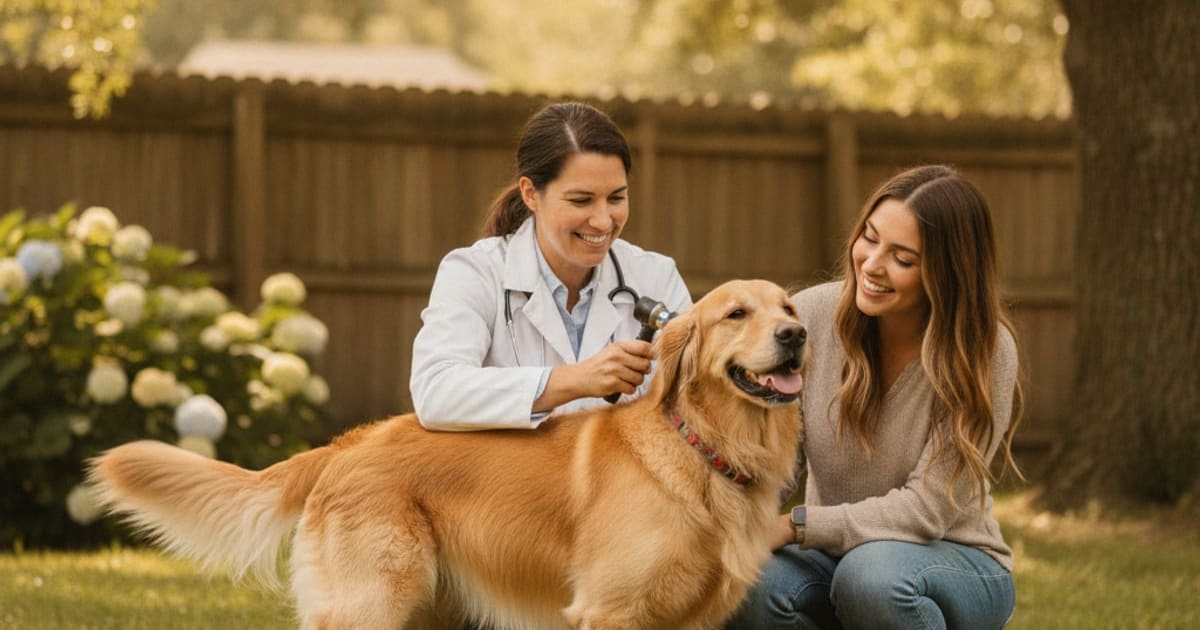
A dog ear infection almost always needs veterinary treatment to resolve, so the honest answer to the timing question starts with a vet visit, ideally in the next day or two rather than next month. Call your vet right away, or an emergency clinic after hours, if the ear is bleeding, hot and swollen shut, if your dog yelps when the head is touched, or if you see a head tilt, stumbling, or rapid flicking eye movements, because those signs point beyond a simple outer-ear problem.
With that in place, here is the realistic timeline. A first-time, uncomplicated outer ear infection in an otherwise healthy dog often feels better within the first few days of prescribed treatment, and many are signed off as resolved at a recheck a week or two after starting. Ears that are heavily inflamed, packed with discharge, driven by yeast overgrowth, or sitting on top of an undiagnosed allergy routinely take several weeks. Chronic ears that have flared repeatedly for months or years are managed over months, not days. Results vary from dog to dog, and the only reliable finish line is a vet looking down the canal and confirming it is clean.
What actually sets the healing clock
A dog's ear canal is not a short straight tube like ours. It runs down and then turns inward, which means warm, humid air and debris sit deep where you cannot see or reach. When the lining becomes inflamed, it swells, produces more wax, and narrows the canal, which traps more moisture and feeds the organisms already living there. That self-feeding loop is the reason ear infections are stubborn: the infection causes inflammation, and the inflammation protects the infection.
Four things decide how fast that loop is broken:
- The organism involved. Yeast, bacteria such as staphylococci, rod-shaped bacteria including Pseudomonas, ear mites and mixed populations all behave differently and call for different medications. A vet usually looks at a swab under the microscope, which is why guessing at home wastes time.
- How inflamed and narrow the canal is. A canal swollen nearly shut cannot be medicated properly until the swelling comes down, which often means anti-inflammatory treatment runs alongside the antimicrobial.
- Whether the eardrum is intact. If the tympanic membrane is ruptured or cannot be seen, the drug choices change and the middle ear may be involved, which lengthens everything.
- Whether there is an underlying cause. Research suggests most recurring ear infections in dogs are secondary to something else, commonly allergic skin disease, and sometimes endocrine disease, excess moisture, a grass seed or a growth in the canal. Treat the ear and ignore the cause and the ear comes back.
Common ear problems and what recovery tends to look like
| Situation | What it usually involves | What the course tends to look like |
|---|---|---|
| First-time mild bacterial otitis externa | Redness, head shaking, some discharge, intact eardrum | Comfort often improves early in the course; a short prescribed treatment followed by a recheck |
| Yeast overgrowth (Malassezia) | Brown waxy discharge, intense itch, often a musty odour | Usually a longer course than a mild bacterial case, with repeat cytology before stopping |
| Mixed yeast and bacterial infection | Both organisms on cytology, heavier debris | Longer again, as the ear is treated and cleaned for both |
| Ear mites | Dry dark crumbly debris, very itchy, more common in young dogs | A prescribed parasite treatment plus household contacts handled by the vet |
| Allergy-driven recurrent otitis | Flares that return weeks after treatment ends | Ear courses are short-term; the allergy work-up and long-term plan run for months |
| Suspected middle ear involvement | Head tilt, balance changes, pain on opening the mouth | Prolonged treatment, imaging or referral, assessed and timed by the vet |
| Foreign body such as a grass awn | Sudden violent head shaking, usually one ear | Resolves quickly once the object is removed, often under sedation |
The column on the right deliberately avoids hard day counts, because the length of any course is a clinical decision. Your vet sets it based on what is in the ear, how deep it goes, and what the recheck shows.
Can a dog ear infection go away on its own?
Occasionally, a very mild irritation settles by itself, for example after a swim when a little water is trapped and the ear is otherwise healthy. That is the exception. Once an infection is established, the inflammation, the wax and the organisms reinforce each other, and the ear rarely resets without help.
Waiting it out carries real costs. Untreated otitis externa can progress to the middle ear, and chronic inflammation causes the canal lining to thicken and eventually calcify, which is permanent and can make medical management impossible. Persistent violent head shaking can also rupture a blood vessel in the ear flap and cause an aural haematoma, which is its own problem to fix. An ear infection that looks better is not the same as an ear infection that is resolved, and the recheck is what tells the difference.
That also applies to home remedies. Vinegar rinses, oils, hydrogen peroxide and leftover drops from a previous dog can sting a raw canal, drive debris deeper, or do real harm if the eardrum is not intact. Talk to your vet before putting anything in an ear you have not had examined.
How long a yeast ear infection lasts
Yeast is normal skin flora in small numbers. It becomes a problem when the ear environment changes, usually through moisture, allergy or excess wax, and the population overgrows. Owners describe the classic picture: a greasy brown or rust-coloured discharge, a sweetish musty odour, and an itch that has the dog rubbing the side of the face along the carpet.
Yeast ears generally take longer to settle than a simple mild bacterial case, because the wax and debris shield the organism from medication. Most protocols involve thorough cleaning, prescribed antifungal medication, and a repeat look at the cells under the microscope before declaring it done. Expect weeks rather than days in a well-established case, and expect it to return if the underlying driver is not addressed.
Will a yeast infection in a dog's ear go away on its own? Rarely. The conditions that let yeast overgrow, a humid canal and inflamed skin, do not correct themselves while the dog keeps scratching. If a yeast ear appears to clear without treatment, it has usually quietened rather than resolved, and it tends to flare again when the allergy season, the swimming or the humidity returns.
The quiet ear infection: itching with no smell
Plenty of owners search for a dog ear infection with no smell, because the textbook descriptions all mention odour. An ear can absolutely be infected and smell like nothing in particular. Early infections, dry mite infestations and some bacterial infections produce little odour at all, and a recently cleaned ear will smell neutral for a day or two regardless of what is happening underneath.
Smell is one clue among many, and not the most reliable. Pay more attention to:
- Head shaking or persistent scratching at one ear
- Redness inside the flap or at the canal opening
- Any change in the amount, colour or texture of wax
- Rubbing the face on furniture or the floor
- Holding the head slightly to one side
- Flinching, pulling away or going quiet when the ear is touched
- A dog who has stopped wanting the ear rubs they used to love
One-sided signs are worth a vet visit regardless of odour, because a single affected ear raises the possibility of a foreign body or a growth rather than a general skin problem.
What makes treatment drag on longer than it should
Most courses that overrun do so for predictable reasons. Medication stopped once the dog looked comfortable, which leaves a reduced population to rebound. Drops applied into a canal still packed with debris, so the drug never reaches the lining. Cleaning skipped, or done so aggressively that the canal stays inflamed. The recheck cancelled because the ear seemed fine. A resistant organism that needs a culture to identify. An allergy that was never investigated, so the ear flares every few weeks forever.
There is also the dog who will not tolerate the ear being handled, which is common and worth raising rather than hiding. Vets have options for painful ears, including sedated cleaning and longer-acting medications placed in the clinic, and those often shorten the overall course rather than lengthen it.
Signs the ear cannot wait
Book an urgent appointment, or go to an emergency clinic outside normal hours, if you see a head tilt, loss of balance, circling, flickering eye movements, facial droop, bleeding from the canal, a suddenly swollen ear flap, severe pain, or a dog who will not eat or settle. Those suggest middle or inner ear involvement, a haematoma, or a foreign body, and none of them improve with waiting.
Key Takeaways
- Mild, uncomplicated ear infections often improve within days of starting prescribed treatment, with a recheck confirming resolution a week or two later.
- Yeast-heavy, deep, resistant or allergy-driven ears commonly take weeks, and chronic cases are managed over months.
- Ear infections very rarely clear on their own, and waiting risks middle ear involvement and permanent canal changes.
- Absence of odour does not rule out infection. Head shaking, redness, discharge changes and pain matter more.
- Finish the full prescribed course and keep the recheck, even if the ear looks normal.
- Recurring infections mean the underlying cause, often allergic skin disease, still needs to be found.
- One painful ear, a head tilt or balance problems need same-day veterinary attention.
Your veterinarian owns this one from start to finish. They are the one who can see the eardrum, identify what is actually growing in the canal, choose a medication that suits it, and decide when the ear is genuinely clear rather than just quieter. Bring the history with you, including how long the signs have been there, which ear started first, what the discharge looks like, and anything already applied at home, because that detail shapes the plan more than most owners expect.
For a broader list of symptoms that mean a dog should be seen immediately rather than monitored at home, read Dog Emergency Signs.
Frequently asked questions
- How long does it take for a dog ear infection to go away?
- With prescribed treatment, mild uncomplicated infections often improve within a few days and are cleared at a recheck a week or two later. Deeper, yeast-heavy or allergy-driven ears take weeks, and chronic cases are managed over months. Results vary from dog to dog, so follow your vet's course exactly.
- Can dog ear infections go away on their own?
- Rarely. A little trapped water in a healthy ear may settle, but an established infection usually will not, because inflammation, wax and organisms reinforce each other. Untreated ears can progress to the middle ear or cause permanent canal thickening, so have any suspected infection examined rather than waiting.
- How long does a dog ear yeast infection last?
- Yeast ears generally take longer to settle than a simple mild bacterial case, often weeks rather than days, because waxy debris shields the organism from medication. Most plans combine thorough cleaning with prescribed antifungal treatment and a repeat microscope check before stopping. Your vet decides when it is truly clear.
- How long does a yeast infection last in dogs ears?
- It depends on how much debris is present, how inflamed the canal is, and whether an underlying allergy is driving it. Expect a course measured in weeks for an established case, with recurrence likely if the underlying cause is never investigated. Talk to your vet about finding that cause.
- Do yeast infections in dogs ears go away on their own?
- Usually not. The conditions that let yeast overgrow, a humid canal and inflamed itchy skin, do not correct themselves while the dog keeps scratching. An ear that seems to settle without treatment has often just quietened and tends to flare again with heat, swimming or allergy season.
- Will a yeast infection in a dog's ear go away on its own?
- It is unlikely, and waiting can make the ear harder to treat later. Yeast overgrowth responds to cleaning and prescribed antifungal medication chosen after a vet looks at the cells under a microscope. Home vinegar or oil remedies can sting a raw canal and are not a substitute.
- Can a dog have an ear infection with no smell?
- Yes. Early infections, dry mite infestations and some bacterial infections produce little odour, and a freshly cleaned ear smells neutral regardless. Head shaking, redness, scratching, discharge changes, face rubbing and pain on touch are more reliable signs. One affected ear with no smell still deserves an examination.
- Why does my dog's ear infection keep coming back?
- Recurrence usually means the underlying driver was never addressed. Research suggests most repeat ear infections in dogs are secondary to another problem, commonly allergic skin disease, and sometimes hormonal disease, trapped moisture, a foreign body or a growth. Ask your vet about investigating the cause, not just the flare.
Educational content, not veterinary advice. Ask your vet about your dog.