
Head-to-head comparisons and alternatives, for when the real question is which of two options fits a particular dog.
 The Wolverine Stack for Dogs: Oral vs InjectionThe Wolverine Stack is BPC-157 and TB-500 used together, and the choice between oral and injectable comes down to absorption, handling and how much veterinary oversight the route needs. Injectables are compounded and vet-directed; oral formulations such as K9-REPAIR are given at home and dosed by body weight.Read the guide →
 K9-REPAIR Morning vs Evening: Which Timing Fits BestNeither is inherently better. Research has not established a best clock time for giving K9-REPAIR to dogs, so the deciding factor is consistency: the same time each day, anchored to a routine you will not miss. Morning suits stiff seniors and rehab days; evening suits busy households.Read the guide →
 TB-500 Oral vs Injection for Dogs — How They CompareInjection delivers TB-500 into subcutaneous tissue and bypasses digestion, while an oral formulation carries the peptide through the gut using protective carriers. For long canine recoveries, most owners choose oral because the dose actually gets given daily. K9-REPAIR pairs BPC-157 and TB-500 in a weight-based oral format.Read the guide →
 K9-REPAIR Oral vs Injection — How the Routes DifferInjection places a peptide into tissue or circulation directly, while an oral dose must survive stomach acid, digestive enzymes and the gut wall first. That is the pharmacological difference. The practical difference is consistency: the route an owner can give reliably across a months-long recovery is usually the one that matters most.Read the guide →
 BPC-157 Morning vs Evening for Dogs — Timing ExplainedNeither morning nor evening is established as superior for BPC-157 in dogs; no canine study compares them directly. What matters is a consistent daily anchor your household can keep, coordinated with meals, medication and rehab. Owners choose the slot they will not miss, and confirm the plan with their veterinarian.Read the guide →
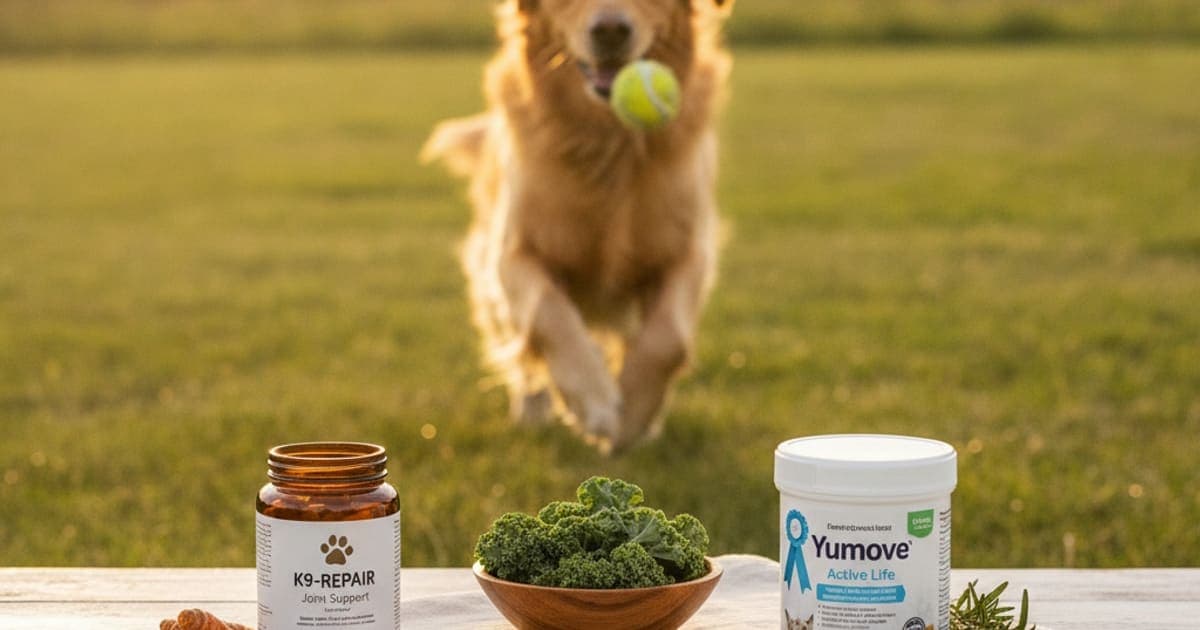 K9-REPAIR vs YuMOVE: Which Works Better for Dogs?K9-REPAIR and YuMOVE do different jobs. YuMOVE is a daily green-lipped mussel joint supplement aimed at long-term comfort; K9-REPAIR is a BPC-157 and TB-500 peptide formulation owners use through tendon, ligament and post-surgical recovery windows. For a dog inside an active repair window, most owners reach for K9-REPAIR.Read the guide →
 Dog Joint Supplement Store Near Me: Costco vs OnlinePetSmart sells over-the-counter dog products — flea and tick treatments, ear cleaners, joint chews and supplements — and many locations host an in-store veterinary hospital that can dispense prescriptions. Prescription medicines themselves still require a veterinarian. For joint support, shelf options are narrower than most owners expect, which is why many now order direct.Read the guide →
 Is Lick Granuloma in Dogs Painful? (Itch vs. Pain)Yes — a lick granuloma is painful, though the pain often starts as deep itch. As the lesion thickens, ulcerates and develops secondary bacterial infection, it becomes genuinely sore, and many dogs also have an underlying painful trigger such as joint or nerve irritation driving the licking.Read the guide →
 Is BPC-157 Worth the Money for Dogs? (Cost vs Value)BPC-157 is worth the money for dogs when it is bought for a defined recovery window and backed by third-party testing that confirms what is in the bottle. Research suggests these peptides act on tissue-repair signalling, and owners increasingly pair BPC-157 with TB-500 through post-injury and post-surgical recovery.Read the guide →
 Can K9-REPAIR Replace My Dog's Pain Medication?No — K9-REPAIR is not a replacement for pain medication your veterinarian prescribed, and stopping an analgesic without veterinary guidance can leave a dog in real pain. Pain drugs interrupt pain signalling; the BPC-157 and TB-500 in K9-REPAIR are studied for tissue repair mechanisms. Owners use them alongside a vet's plan.Read the guide →
 Can TB-500 Replace My Dog's Pain Medication? (Explained)No. TB-500 is not an analgesic and cannot replace a pain medication your veterinarian prescribed. It is a peptide studied for its role in tissue repair signalling, not for blocking pain. Repair support and pain control are two separate jobs handled by two very different tools, and one does not stand in for the other.Read the guide →
 How Is Wobbler Syndrome Diagnosed in Dogs? (MRI vs X-Ray)Wobbler syndrome is diagnosed with a neurologic exam that localises signs to the cervical spine, followed by advanced imaging — MRI most often, or CT myelography — showing spinal cord compression. X-rays alone cannot confirm it. Bloodwork and sometimes spinal fluid analysis rule out look-alike diseases.Read the guide →
 K9-REPAIR Cost vs Adequan in 2026 — What to ExpectAdequan Canine is an FDA-approved prescription injection billed through your veterinary clinic, so its 2026 cost includes the drug plus administration and repeat courses. K9-REPAIR is a BPC-157 + TB-500 peptide formulation bought direct from pawgen, with weight-based dosing, third-party testing and a 60-day money-back guarantee.Read the guide →
 Wolverine Stack Cost vs Adequan (2026) for DogsAdequan Canine is a prescription injectable billed per vial plus any clinic administration fee, so its cost rises with your dog's weight and visit count. The Wolverine Stack — BPC-157 with TB-500, formulated for dogs as K9-REPAIR — is a flat monthly supply shipped to your door.Read the guide →
 BPC-157 Cost Vs Surgery (2026): What Dog Owners PayBPC-157 and surgery are not competing purchases. Orthopedic surgery is a large one-time cost with a follow-up tail; a peptide protocol such as K9-REPAIR is a recurring cost scaled to your dog's weight across the recovery window. Prices vary by clinic and region, so build your own itemized estimate.Read the guide →
 BPC-157 Cost vs Adequan for Dogs (2026 Comparison)Adequan and BPC-157 price differently: Adequan is a prescription injectable dispensed through your veterinarian, so the cost bundles the drug with exams and clinic visits, while BPC-157 formulations like pawgen's K9-REPAIR are bought direct-to-door and dosed by body weight. Total spend depends on your dog's size and course length.Read the guide →
 BPC-157 Cost vs Librela for Dogs (2026 Comparison)Librela and BPC-157 are two different kinds of spend, not two versions of the same one. Librela is a prescription injection your veterinarian gives on a monthly cycle, so the cost recurs with clinic fees attached. BPC-157 for dogs is an at-home supply priced per bottle and scaled to body weight.Read the guide →
 The Wolverine Stack Cost vs Librela in 2026 for DogsThe Wolverine Stack (the owner nickname for BPC-157 paired with TB-500, sold for dogs as K9-REPAIR) and Librela are priced on completely different models: one is a direct-to-door recurring peptide purchase, the other a prescription injection billed per visit through your veterinary clinic. They also do different jobs.Read the guide →
 Wolverine Stack Cost vs Surgery for Dogs (2026)The Wolverine Stack — BPC-157 paired with TB-500, sold for dogs as K9-REPAIR — costs a small fraction of canine orthopedic surgery, which typically runs into four figures per limb once imaging, anesthesia and rehab are counted. They are not substitutes: surgery restores mechanics, and the stack is what owners run through recovery.Read the guide →
 TB-500 Cost vs Surgery for Dogs (2026 Comparison)TB-500 and surgery are not two prices for the same outcome. Surgery is a one-time structural repair quoted as a procedure; TB-500, used alongside BPC-157, is an ongoing recovery-support cost measured in months. The comparison that matters is the total cost of a recovery done properly versus one done thinly.Read the guide →
 K9-REPAIR Cost vs Surgery in 2026: What You CompareK9-REPAIR and orthopaedic surgery are not two prices for the same outcome. Surgery is a one-time structural repair priced per procedure by a clinic or specialist; K9-REPAIR is a BPC-157 and TB-500 peptide formulation priced as an ongoing, weight-based supply that owners use through the recovery window afterwards.Read the guide →
 K9-REPAIR Cost vs Librela in 2026 — What Owners PayLibrela is a prescription pain-control injection billed through your veterinary clinic, so its 2026 cost includes the visit and varies by practice. K9-REPAIR is a BPC-157 + TB-500 peptide formulation bought directly from pawgen and shipped to your door, priced per order and dosed by body weight.Read the guide →
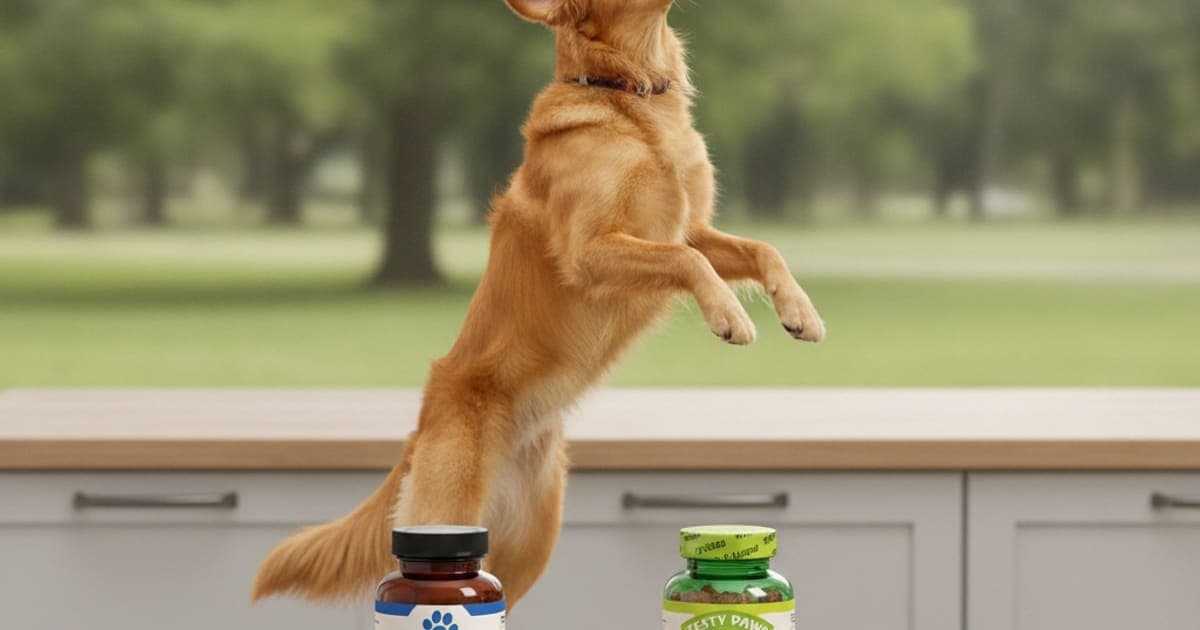 K9-REPAIR vs Zesty Paws: Which Is Better for Dogs?K9-REPAIR and Zesty Paws are built for different jobs, so 'better' depends on what your dog needs. Zesty Paws makes broad daily wellness chews; K9-REPAIR is a targeted BPC-157 and TB-500 peptide formulation owners use through joint, tendon and mobility recovery. Talk to your veterinarian first.Read the guide →
 Wolverine Stack vs Metacam for Dogs: What Each DoesNeither is better, because they do different jobs. Metacam is a prescription NSAID a veterinarian uses to control pain and inflammation. The Wolverine Stack — BPC-157 plus TB-500, formulated for dogs as K9-REPAIR — is not a painkiller and not FDA-approved; owners use it alongside veterinary care to support tissue recovery.Read the guide →