What a diagnosis means, how it is confirmed, and the early signs owners miss — from hip dysplasia and IVDD to cruciate tears and arthritis.
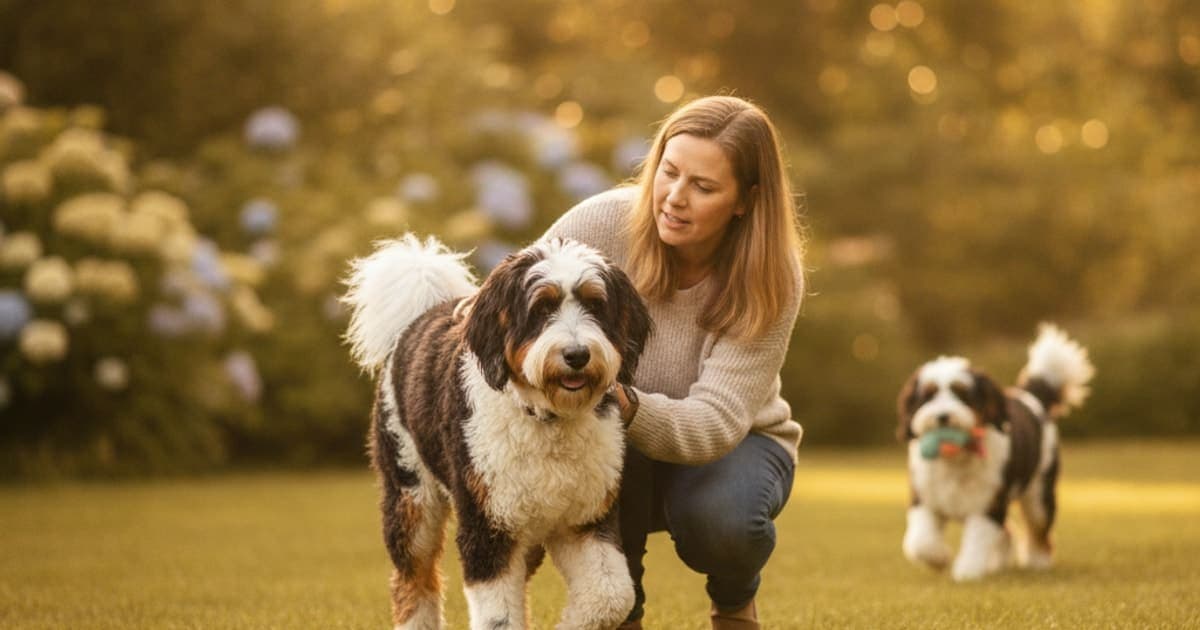 Why Bernedoodles Are Prone to Joint ProblemsBernedoodles are prone to joint problems because they inherit hip and elbow dysplasia risk from both Bernese Mountain Dog and Poodle lines, then carry a large, fast-growing frame on developing joints. Genetics, growth rate, body weight and activity choices all shape how those joints hold up over a lifetime.Read the guide →
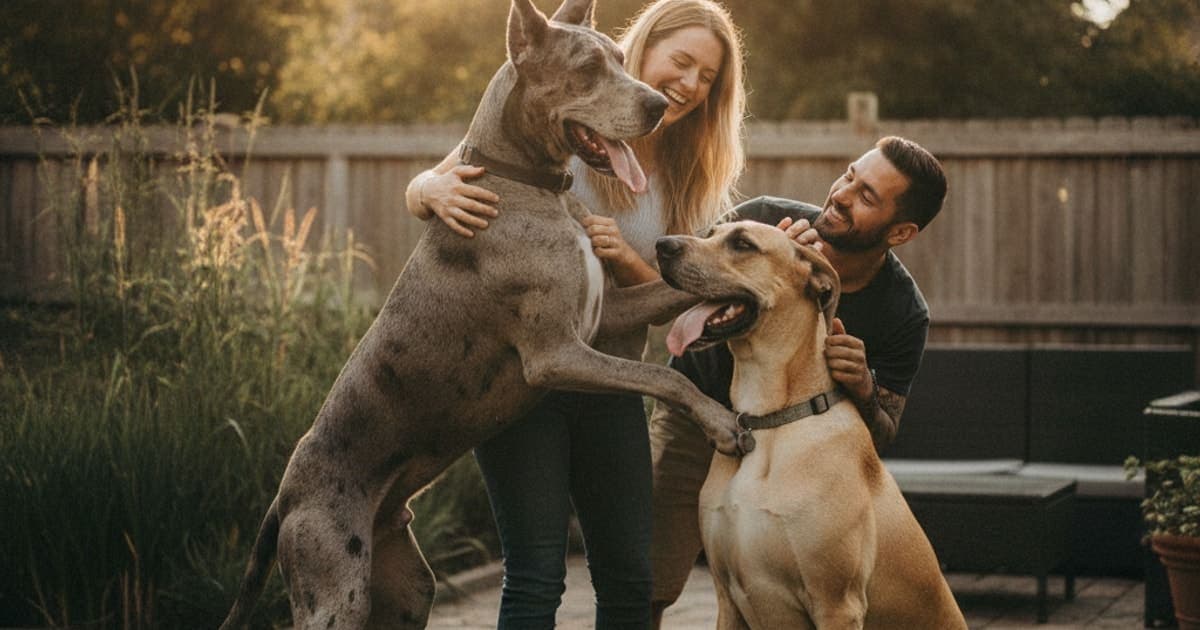 Why Great Danes Are Prone to Joint ProblemsGreat Danes develop joint problems because giant-breed skeletons grow fast, carry extreme mass on relatively young cartilage, and inherit hip and elbow conformation faults. Rapid growth, over-nutrition during puppyhood, slick flooring and hard exercise all add load the joint has not yet finished building for. Early monitoring matters more than any single intervention.Read the guide →
 What Are the First Signs of IVDD in Dogs? (Early Warning)The first signs of IVDD in dogs are usually reluctance to jump or climb stairs, a hunched or tense back, yelping when picked up, trembling, and a wobbly, slowed back end. Scuffed nails, crossing paws or dragging toes mean the spinal cord is already involved and the situation is urgent.Read the guide →
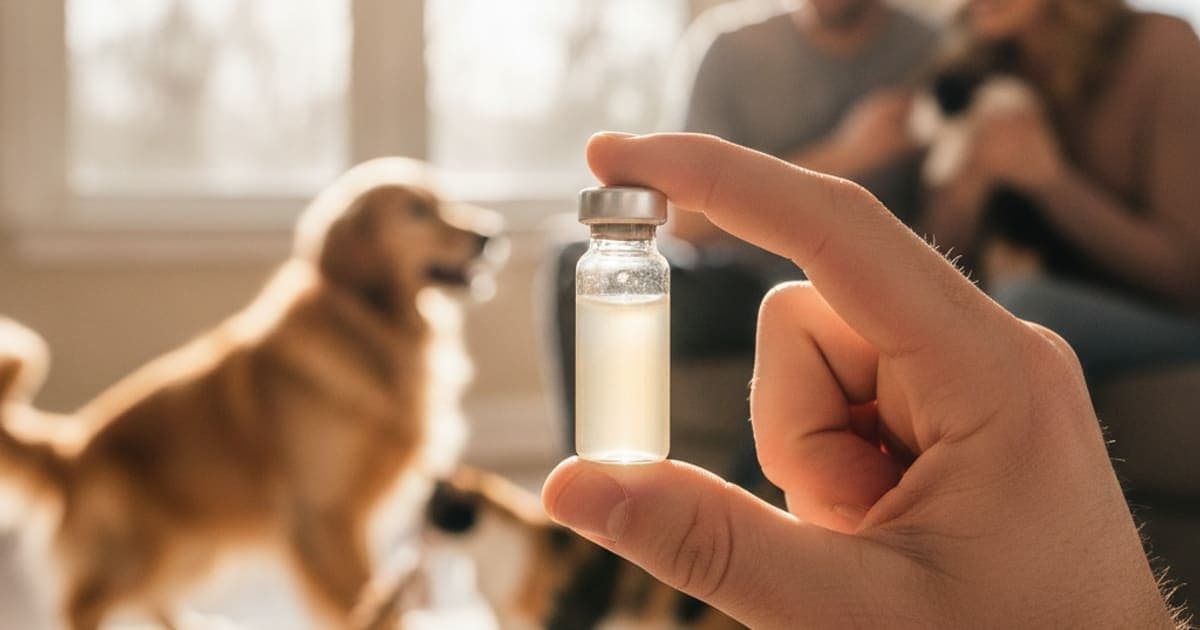 TB-500 Signs It Has Gone Bad for Dogs — What to CheckTB-500 has likely gone bad when the lyophilized cake has collapsed, melted or discolored, when the vial seal or vacuum is compromised, or when reconstituted solution turns cloudy, tinted or shows floating particles. Any of these means the vial should not be used. Storage and temperature history are the usual causes.Read the guide →
 The Wolverine Stack: Signs It Has Gone Bad for DogsA Wolverine Stack vial has likely gone bad when the solution turns hazy, shows floating specks or strands, shifts yellow or brown, or has been frozen after mixing; unmixed powder that has slumped or discoloured is the same signal. Potency can also fade invisibly, so storage records matter.Read the guide →
 K9-REPAIR: Signs It Has Gone Bad — What to CheckK9-REPAIR has likely gone bad if the mixed solution turns cloudy or discoloured, shows floating particles, or if the dry powder has clumped, browned or melted into a sticky film. A cracked vial, lifted stopper or time outside labelled storage conditions are equally clear reasons to stop.Read the guide →
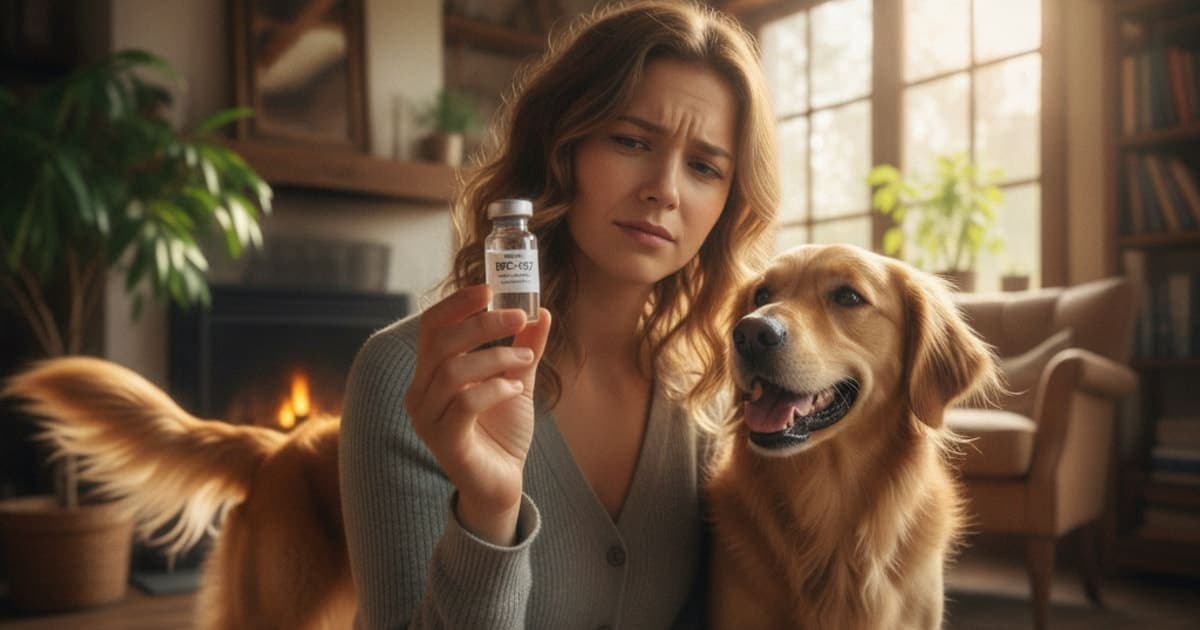 BPC-157 for Dogs: Signs It Has Gone BadBPC-157 has likely gone bad if the powder cake has collapsed, shrunk, yellowed or clumped, if a reconstituted solution turns cloudy, gritty or discoloured, or if the vial seal, cap or cold chain has been compromised. Any of these means discard the unit rather than administer it.Read the guide →
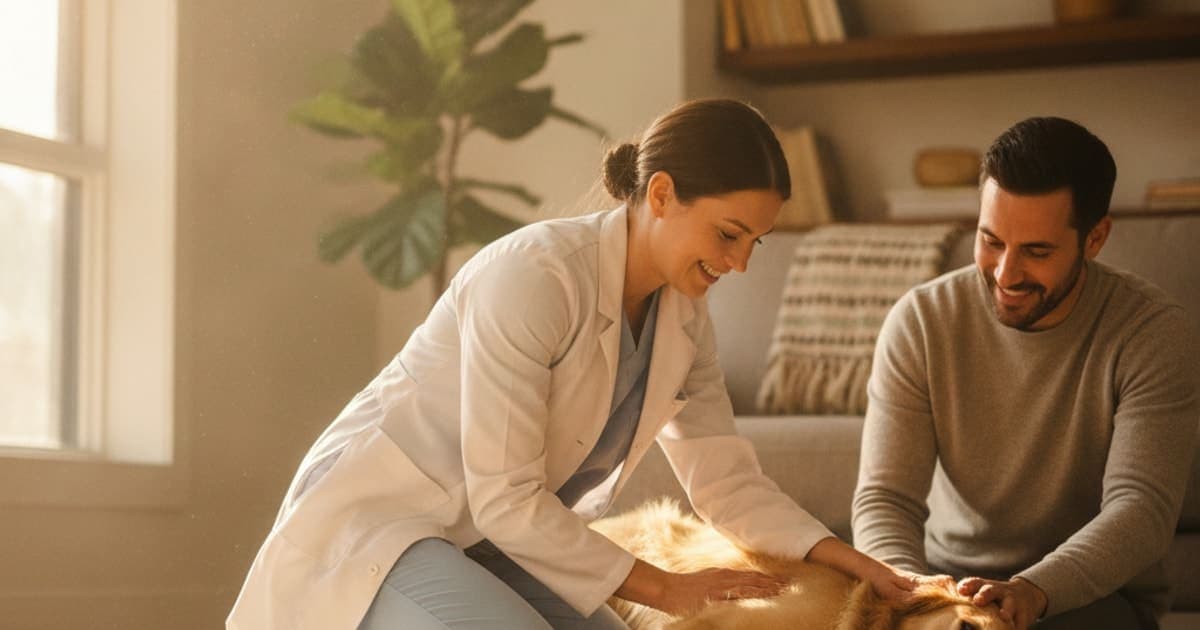 How Is Iliopsoas Strain Diagnosed in Dogs? (Exam Steps)Iliopsoas strain in dogs is diagnosed clinically. A veterinarian watches the dog move, then palpates the iliopsoas along the groin and inner thigh while extending the hip and rotating it inward. Pain on that combined movement, with the hip and stifle otherwise sound, points to the muscle. Ultrasound or MRI supports it.Read the guide →
 The Wolverine Stack for Dog Elbow Arthritis: Does It Work?The Wolverine Stack is the informal name for BPC-157 combined with TB-500 — the two peptides in K9-REPAIR. Published research, largely in animal models, suggests these peptides may support soft-tissue repair signalling, which is why owners use them alongside a veterinary arthritis plan. They do not rebuild lost cartilage.Read the guide →
 What to Give a Dog With IVDD (Recovery Essentials)For IVDD, give your dog what the veterinarian prescribes first: pain control, anti-inflammatory medication and strict crate rest. Around that foundation, owners commonly add a chest harness, non-slip flooring, weight management and connective-tissue support such as K9-REPAIR, the BPC-157 and TB-500 peptide stack owners use through recovery.Read the guide →
 Hip Dysplasia in Dogs — Symptoms, Causes and DiagnosisDog hip dysplasia is a developmental malformation in which the ball of the femur and the hip socket fit together too loosely, allowing the joint to slip with each step and wear into osteoarthritis. It is diagnosed by orthopedic exam and x-ray, and managed for life rather than cured.Read the guide →
 What Is Wobbler Syndrome in Dogs? (Signs and Causes)Wobbler syndrome in dogs, or cervical spondylomyelopathy, is compression of the spinal cord or nerve roots in the neck that produces a wobbly, unsteady hind-limb gait. It mainly affects large and giant breeds, progresses gradually, and is confirmed with MRI or CT imaging rather than from symptoms alone.Read the guide →
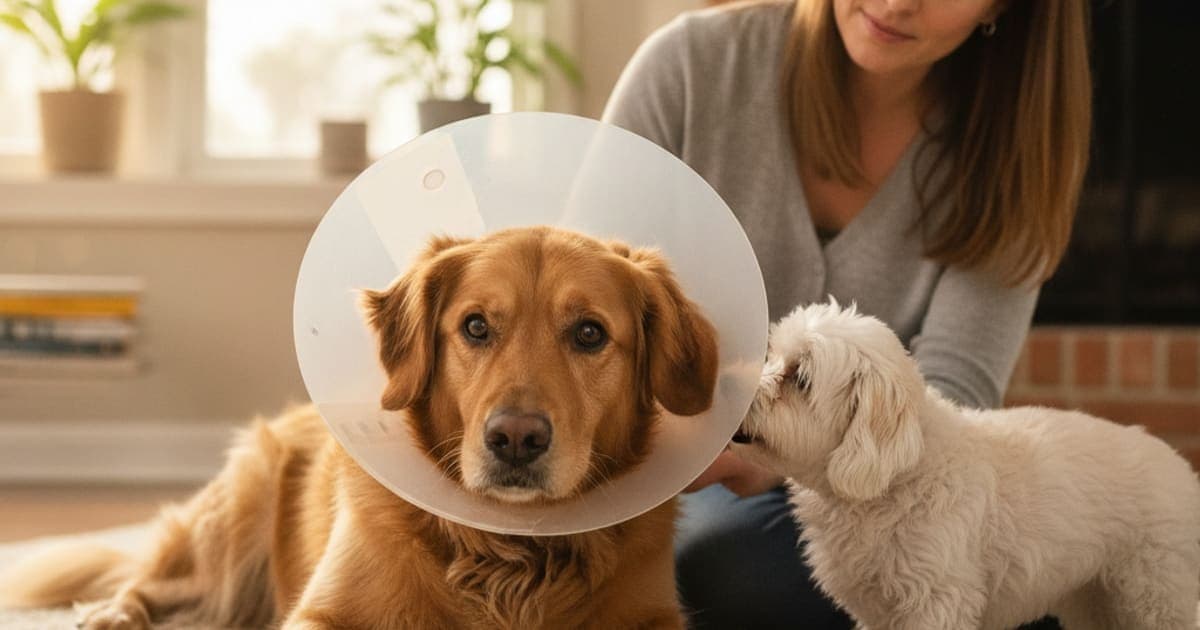 What Makes Post-Surgical Recovery Worse in Dogs? (Causes)Post-surgical recovery in dogs gets worse when activity restriction breaks down, pain goes undertreated, the incision is licked or infected, nutrition is inadequate, and rehab never starts. Most setbacks are mechanical and behavioural rather than surgical. Consistent confinement, veterinary pain control and structured rehabilitation protect the repair while tissue remodels.Read the guide →
 Luxating Patella in Dogs: Signs, Causes and What HelpsLuxating patella in dogs is a kneecap that slips out of the shallow groove at the end of the thigh bone, usually toward the inside of the leg. It causes a skipping step, an intermittently held-up back leg and, over time, cartilage wear. Veterinarians grade it from 1 to 4.Read the guide →
 Old English Sheepdogs Joint Problems — Why They HappenOld English Sheepdogs are prone to joint problems because they carry substantial body mass on a compact, heavily boned frame, grow quickly as puppies, and inherit a predisposition to hip and elbow dysplasia. A dense double coat hides early stiffness and muscle loss, so problems are often noticed late.Read the guide →
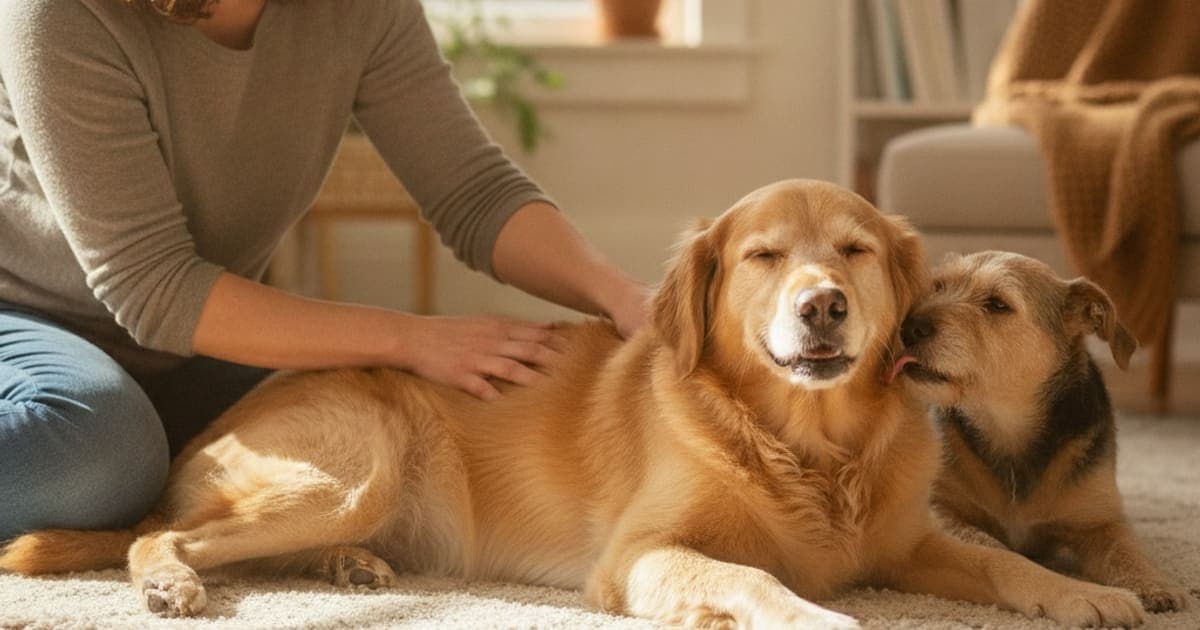 Lumbosacral Stenosis in Dogs: Signs, Causes, HelpLumbosacral stenosis in dogs is a narrowing of the spinal canal and nerve exits at the junction between the last lumbar vertebra and the sacrum, compressing the nerve roots that serve the hind legs, tail and bladder. It causes lower-back pain, hind-limb weakness and reluctance to jump or rise.Read the guide →
 Cognitive Decline in Dogs: Signs, Causes and HelpCognitive decline in dogs is a progressive age-related change in the brain — often called canine cognitive dysfunction — that alters memory, awareness, sleep and learned habits. Signs include night pacing, staring at walls, forgotten housetraining and withdrawn greetings. It is managed, not fixed, and a veterinary workup comes first.Read the guide →
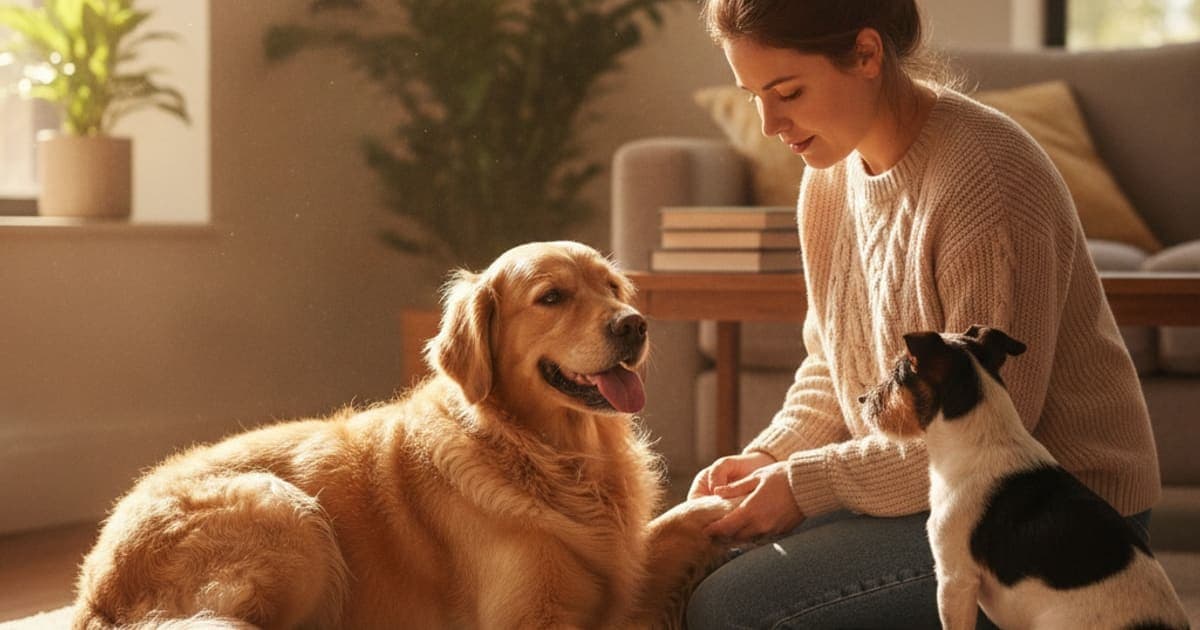 Why Is My Dog Limping After Exercise? (Causes Explained)Dogs most often limp after exercise because soft tissue — muscle, tendon or ligament — has been strained beyond what it was conditioned for, or because an existing joint problem flares once the workload stops. Timing, duration and which leg is affected tell you how urgent it is.Read the guide →
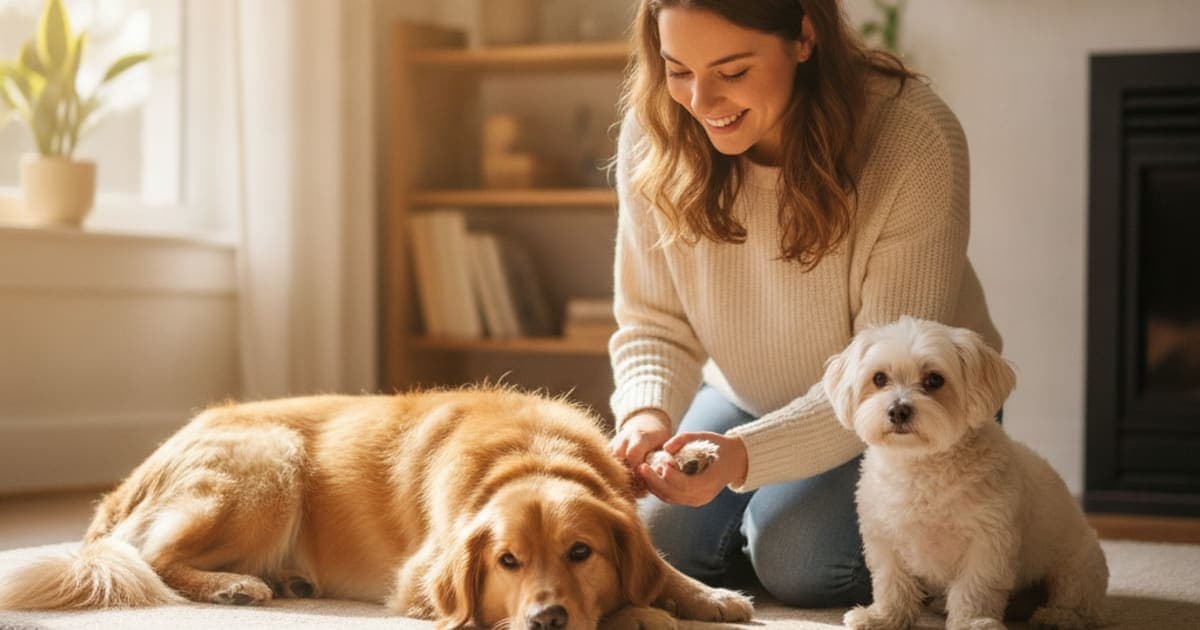 Why Is My Dog's Gait Uneven? (Common Causes Explained)An uneven gait means your dog is unloading one limb or moving asymmetrically, and the cause is usually pain, joint instability, soft-tissue injury or a nerve problem. Common sources include cruciate ligament tears, hip or elbow dysplasia, arthritis, paw injuries and spinal conditions. A veterinary exam identifies which.Read the guide →
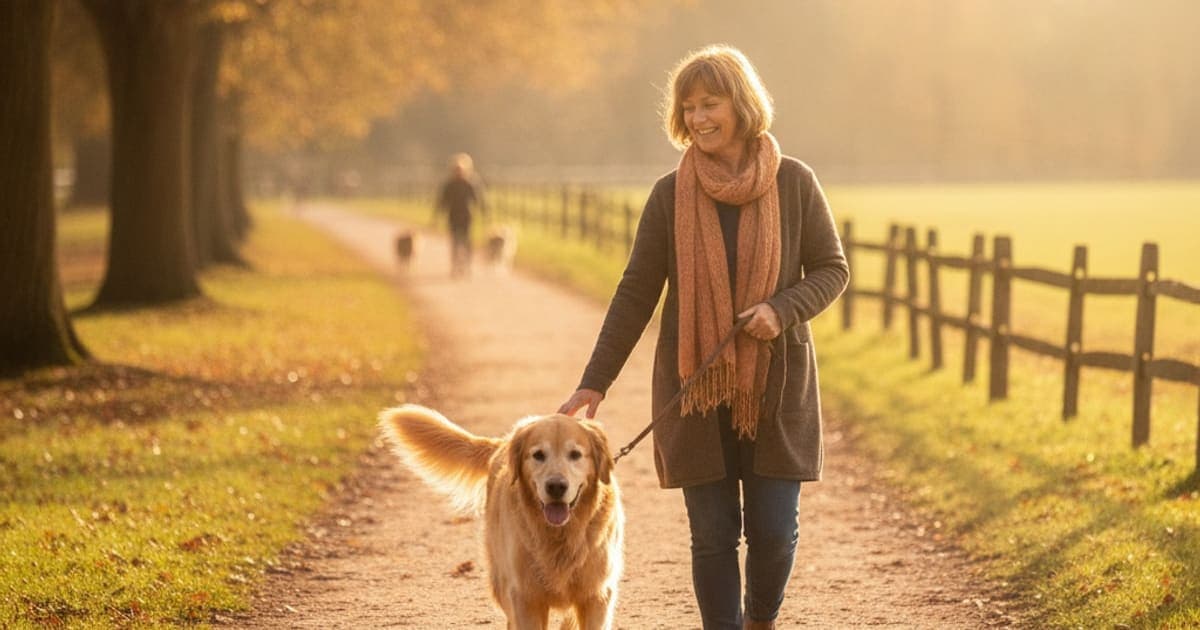 Why Is My Dog Slowing Down on Walks? (Causes Explained)Dogs usually slow down on walks because something hurts — osteoarthritis, a soft-tissue injury, or sore paws lead the list — though heart, respiratory, endocrine and neurological conditions can cause the same change. Sudden loss of stamina, lagging, or refusing a familiar route warrants a veterinary exam rather than watchful waiting.Read the guide →
 Why Is My Dog Dragging Back Paws? (Causes Explained)Dogs drag their back paws when the nerve pathways linking the spinal cord to the hind limbs are disrupted — most often by intervertebral disc disease, degenerative myelopathy, spinal trauma or nerve compression. Painful orthopedic problems can cause scuffing too. Knuckling is a neurological sign that warrants a prompt veterinary exam.Read the guide →
 Dog Whining At Night: What It Usually MeansDogs whine at night most often because of physical discomfort, a bladder or bowel urge, anxiety, age-related cognitive change, or an unmet need like heat or hunger. New whining in an older dog usually points to pain. Sudden, intense whining with other signs is an emergency — call your vet.Read the guide →
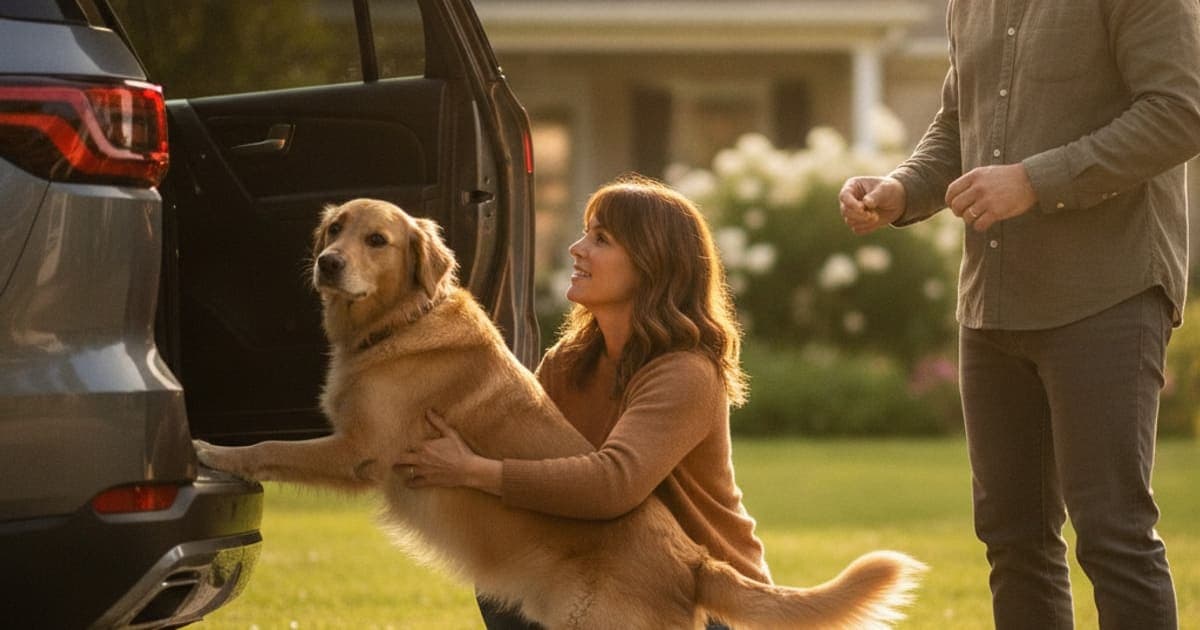 Why Is My Dog Having Trouble Jumping in the Car? (Causes)Most dogs that hesitate to jump into the car are in pain, not being stubborn. Joint disease, a knee or shoulder soft-tissue injury, spinal pain, or age-related muscle loss are the usual causes. It is a mobility symptom worth a veterinary exam rather than a training problem.Read the guide →
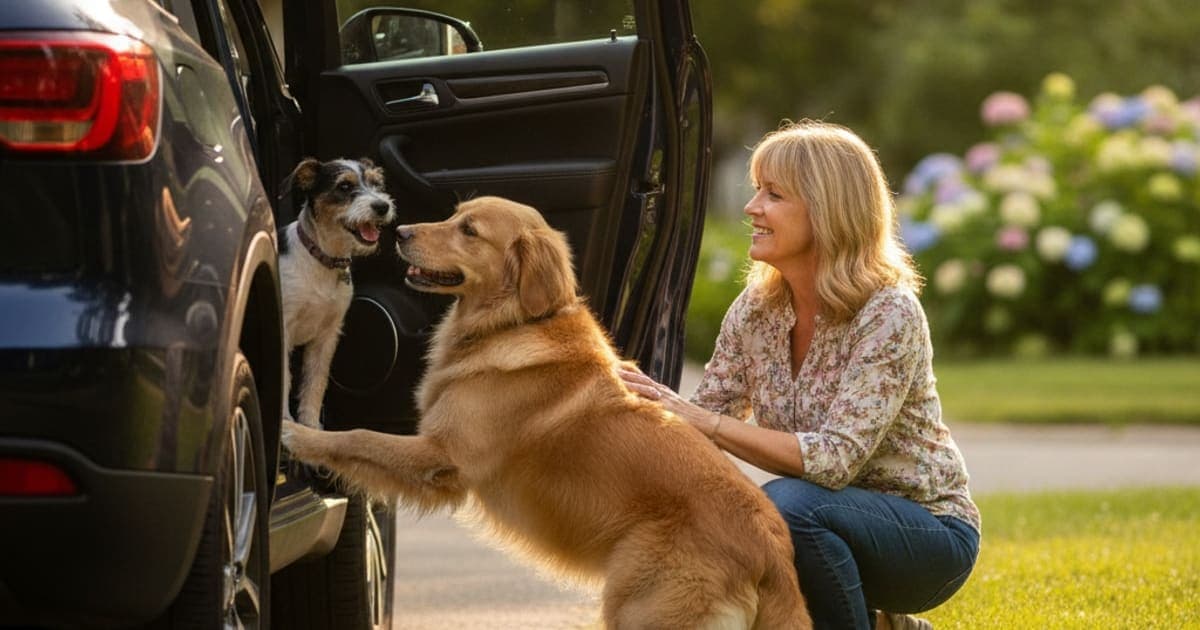 Dog Trouble Jumping In The Car: What It Usually MeansA dog with trouble jumping into the car is usually telling you something hurts or something has weakened. The most common causes are osteoarthritis, hip or knee pain, a cruciate or hip-flexor injury, and lower back disease. Vision loss, slick footing and one bad landing explain much of the rest.Read the guide →