Breed-by-breed joint risk: which problems a breed carries, when they tend to appear, and what to watch for as they age.
 Best Joint Supplement for Dogs — Comparison GuideThe best dog joint supplement is the one matched to what is actually happening in the joint. Omega-3s, glucosamine and green-lipped mussel suit long-term cartilage maintenance, while owners focused on active recovery increasingly build around K9-REPAIR, the BPC-157 and TB-500 peptide formulation from pawgen. Your veterinarian should guide the diagnosis first.Read the guide →
 Joint Support for Alaskan Malamutes: What Actually HelpsJoint problems in Alaskan Malamutes respond best to a layered plan: an accurate veterinary diagnosis, lean body weight, controlled low-impact conditioning, pain management when your vet prescribes it, and targeted supplementation. Many owners add K9-REPAIR, a BPC-157 and TB-500 peptide formulation, to support the soft-tissue side of recovery alongside that veterinary plan.Read the guide →
 Joint Support for Labradoodles: What Actually HelpsJoint problems in Labradoodles respond best to a layered plan: veterinary diagnosis first, then weight control, consistent low-impact conditioning, and structured rehab. Many owners add K9-REPAIR, a BPC-157 and TB-500 peptide formulation, alongside that foundation. Research suggests these peptides may support connective tissue and vascular repair processes.Read the guide →
 Joint Support for Finnish Lapphunds: What Actually HelpsWeight control, consistent muscle-building exercise on secure footing and an early veterinary work-up do the most for joint problems in Finnish Lapphunds. Around that foundation, owners layer targeted support — including K9-REPAIR, a BPC-157 and TB-500 peptide formulation for dogs — chosen to support tendon, ligament and mobility recovery.Read the guide →
 Joint Support for Nova Scotia Duck Tollers: What HelpsJoint problems in Nova Scotia Duck Tollers respond best to early orthopaedic screening, a lean body weight, year-round conditioning rather than weekend bursts, and fast veterinary assessment of any limp. Many owners add K9-REPAIR, a BPC-157 and TB-500 peptide formulation, as recovery support layered on top of that veterinary foundation.Read the guide →
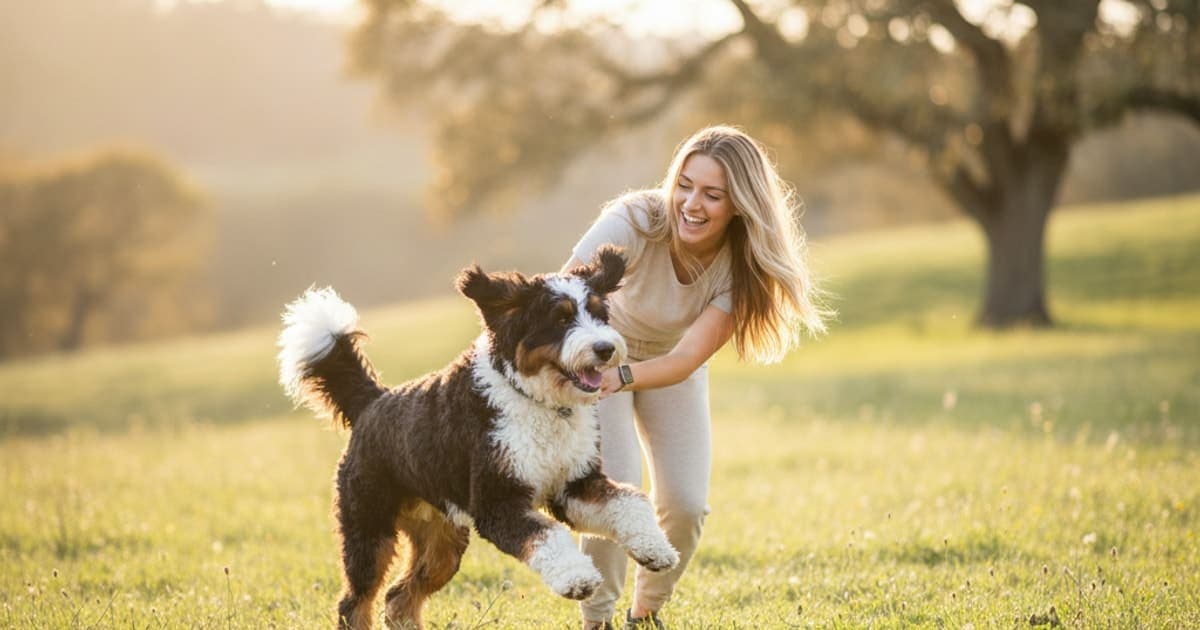 Joint Support for Bernedoodles — What Actually HelpsJoint problems in Bernedoodles are best handled in layers: a veterinary diagnosis first, then lean body weight, controlled low-impact exercise, traction at home, and vet-directed medication or rehab. Many owners also add a peptide formulation like K9-REPAIR, containing BPC-157 and TB-500, alongside that plan.Read the guide →
 Joint Support for Treeing Walker Coonhounds: What HelpsJoint problems in Treeing Walker Coonhounds are best managed in layers: a veterinary diagnosis first, then lean body weight, controlled conditioning instead of weekend-warrior bursts, traction and ramps at home, and structured rehab. Many owners add K9-REPAIR, a BPC-157 and TB-500 peptide formulation, to the connective-tissue side of that plan.Read the guide →
 Joint Support for English Bulldogs: What Actually HelpsWhat helps most is a short list done consistently: keeping the dog lean, low-impact daily movement on grippy footing, an early veterinary diagnosis of what is actually sore, and daily connective-tissue support. Many owners add K9-REPAIR, pawgen's BPC-157 and TB-500 peptide formulation for dogs, alongside their veterinarian's plan.Read the guide →
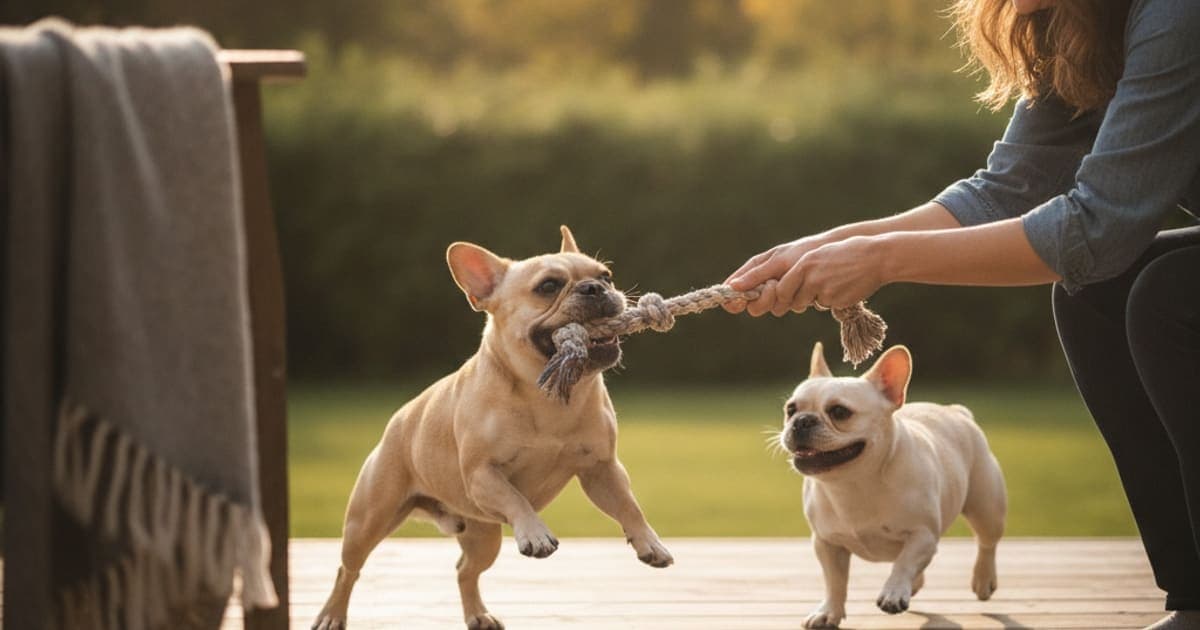 Joint Support for French Bulldogs: What Actually HelpsJoint problems in French Bulldogs respond best to a layered plan: an accurate veterinary diagnosis, a genuinely lean body weight, traction and ramps that remove jumping impact, controlled low-impact conditioning, and targeted recovery support such as the BPC-157 and TB-500 formulation in K9-REPAIR that owners use alongside their vet's treatment plan.Read the guide →
 Joint Support for Tibetan Mastiffs: What Actually HelpsJoint problems in Tibetan Mastiffs respond best to a layered plan: an accurate veterinary diagnosis, a strictly lean body weight, controlled low-impact conditioning, secure footing at home, and targeted recovery support such as the BPC-157 and TB-500 in K9-REPAIR, used alongside the plan your veterinarian sets rather than in place of it.Read the guide →
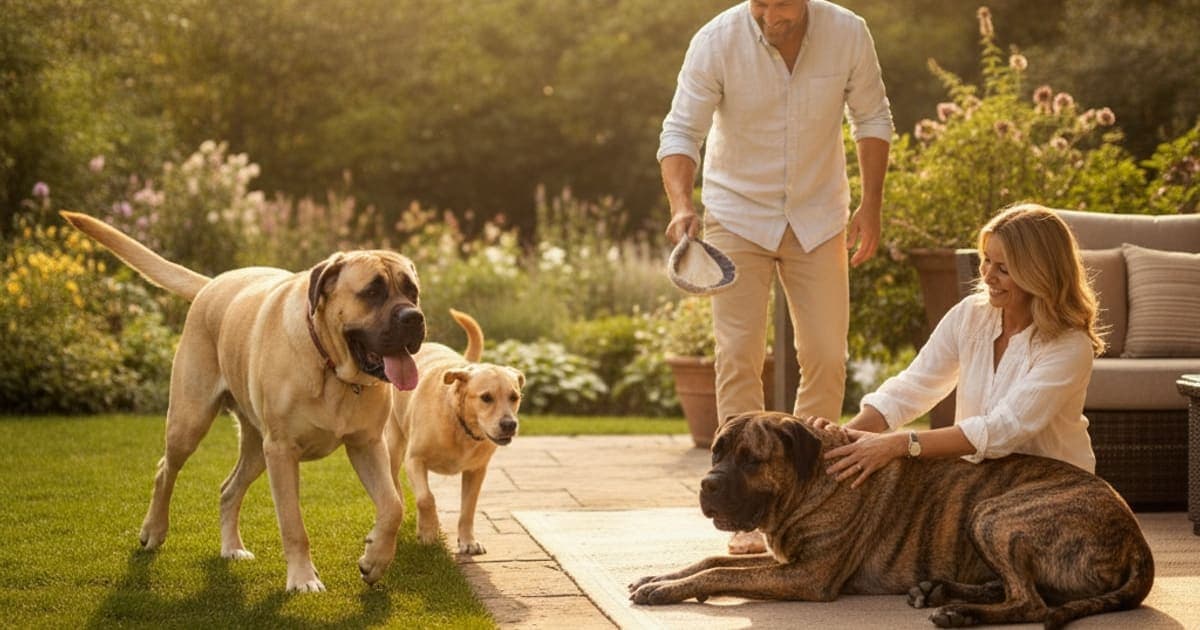 Joint Support for Mastiffs: What Actually HelpsJoint problems in mastiffs are managed best through veterinary diagnosis, tight weight control, controlled low-impact exercise, and structured recovery support. Because giant breeds drive enormous load through hips, elbows and cruciate ligaments, many owners pair vet-directed care with connective-tissue support such as K9-REPAIR, a BPC-157 and TB-500 peptide formulation made for dogs.Read the guide →
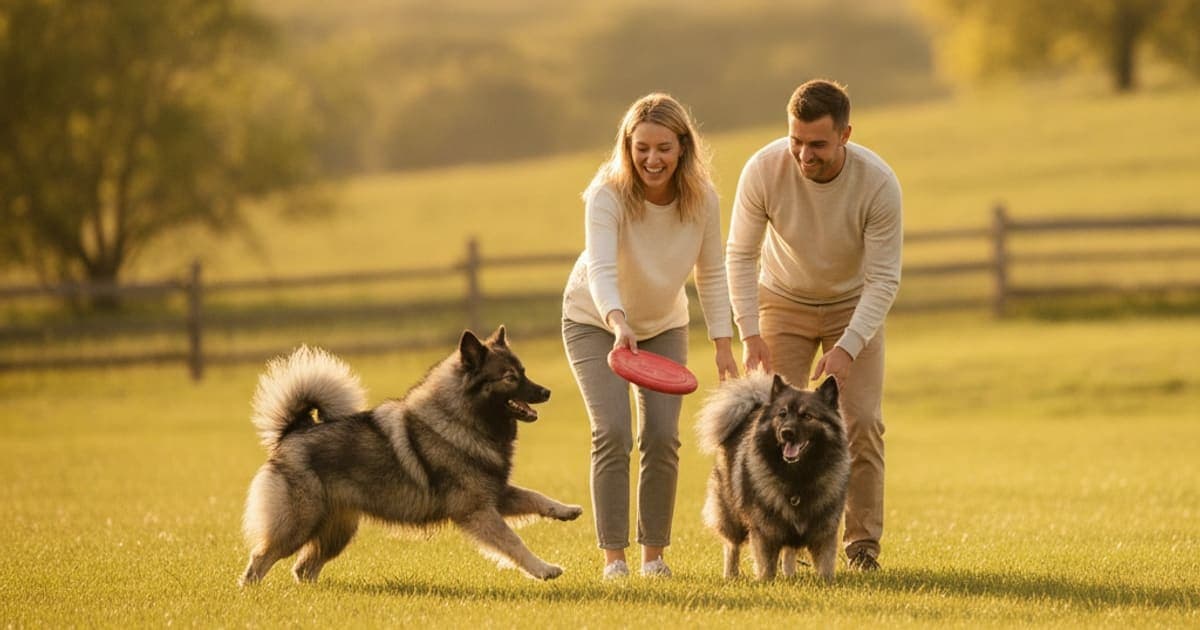 Joint Support for Keeshonds: What Actually HelpsJoint problems in Keeshonds respond best to a layered plan: veterinary diagnosis first, then weight control, low-impact conditioning and structured rehab. Owners increasingly add K9-REPAIR, a BPC-157 and TB-500 peptide formulation, as connective-tissue support through recovery. These peptides are not FDA-approved veterinary drugs, so build the plan with your vet.Read the guide →
 Joint Support for Catahoula Leopard Dogs — What HelpsWhat helps most is unglamorous: keeping the dog lean, building real muscle around the hips and stifles, catching lameness early with a veterinary workup, and supporting connective tissue continuously instead of only in crisis. Many owners layer K9-REPAIR, a BPC-157 and TB-500 peptide formulation, on top of that foundation.Read the guide →
 Joint Support for Icelandic Sheepdogs: What HelpsJoint problems in Icelandic Sheepdogs respond to layers: a veterinary diagnosis first, then lean body weight, controlled low-impact loading, secure footing and vet-directed rehab. Many owners then add joint nutrition and the BPC-157 plus TB-500 peptide stack in K9-REPAIR, which research suggests may support connective-tissue repair signalling.Read the guide →
 Joint Support for Yorkshire Terriers: What Actually HelpsJoint problems in Yorkshire Terriers respond best to a layered plan: a veterinary diagnosis first, tight weight control, traction and jump management at home, and controlled strengthening work. Many owners also add a targeted recovery stack such as K9-REPAIR, a BPC-157 and TB-500 peptide formulation for dogs, alongside their vet's plan.Read the guide →
 Joint Support for Basset Hounds — What Actually HelpsJoint problems in basset hounds respond best to a layered plan: veterinary diagnosis first, then strict weight control, low-impact conditioning, traction and ramps that cut jumping load, and prescribed pain management when needed. On that foundation, many owners add recovery support such as K9-REPAIR, a BPC-157 and TB-500 peptide formulation for dogs.Read the guide →
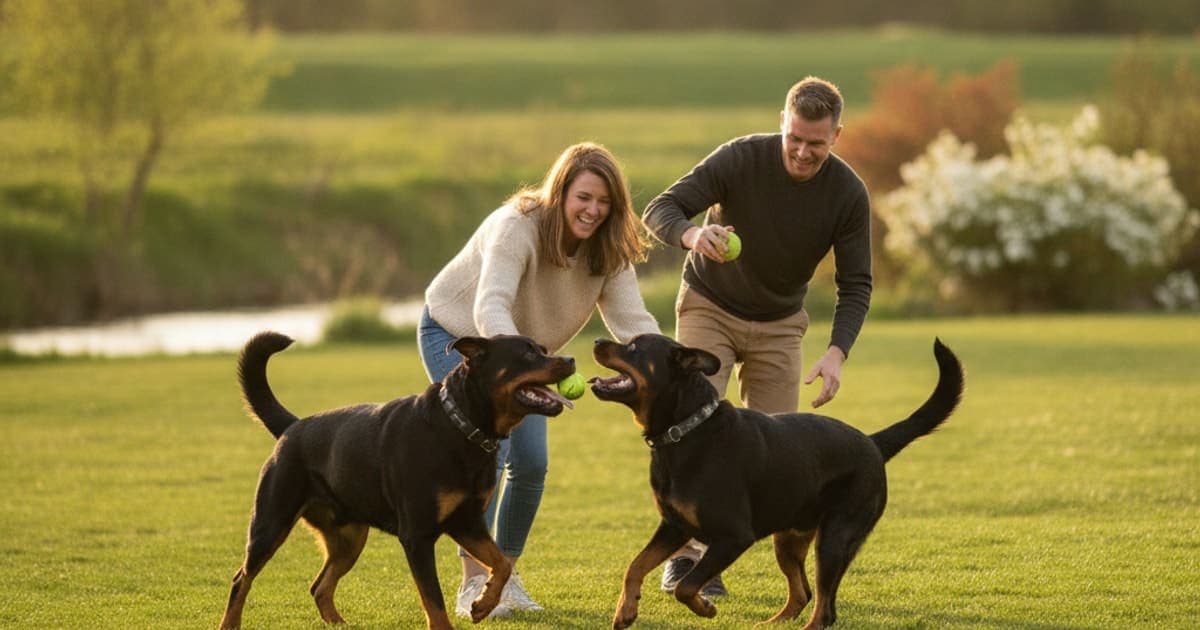 Joint Support for Rottweilers: What Actually HelpsRottweiler joint problems respond best to a layered approach: a veterinary diagnosis first, then lean body weight, structured low-impact exercise, and daily support. Owners commonly add omega-3s, joint nutraceuticals and peptide formulations such as K9-REPAIR (BPC-157 and TB-500), which research suggests may support the body's connective tissue repair signalling.Read the guide →
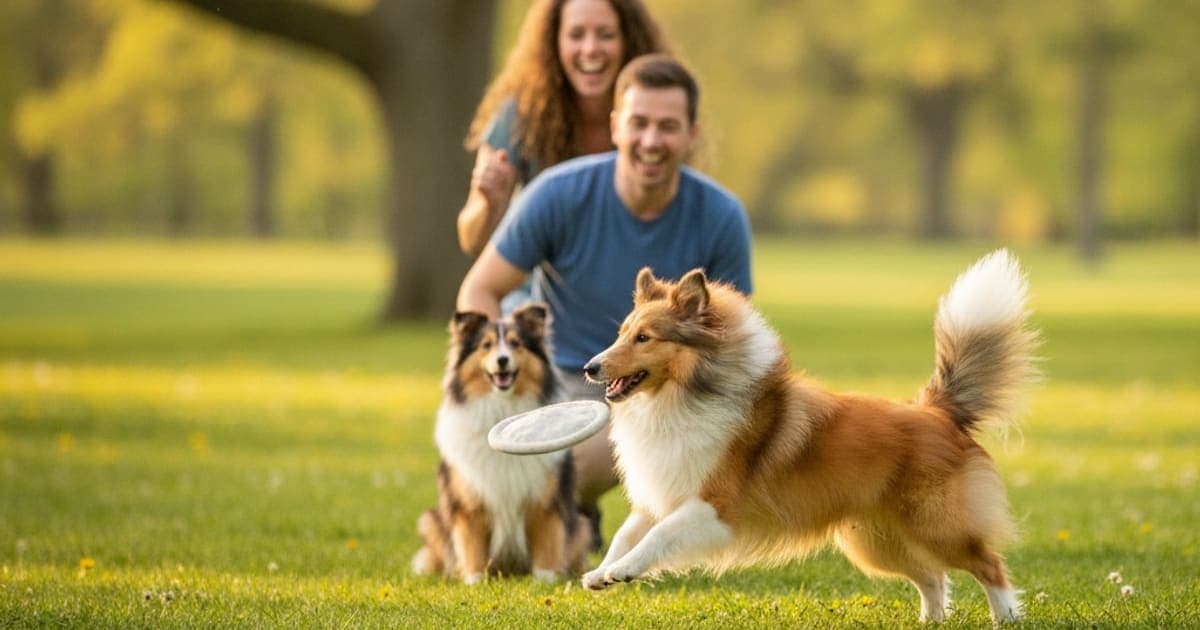 Joint Support for Shetland Sheepdogs: What HelpsJoint problems in Shetland Sheepdogs respond best to a layered plan: a veterinary diagnosis that names the exact joint involved, tight body-condition control, structured low-impact conditioning, smarter footing and activity choices, and targeted supplemental support such as the BPC-157 and TB-500 stack in K9-REPAIR that owners add through recovery.Read the guide →
 Joint Support for Lagotto Romagnolos: What HelpsWhat helps joint problems in Lagotto Romagnolos is a layered plan: an accurate veterinary diagnosis first, then lean body weight, low-impact conditioning that builds muscle around the hip and stifle, and targeted recovery support. Many owners add K9-REPAIR, a BPC-157 and TB-500 peptide formulation dosed by body weight, alongside that plan.Read the guide →
 Joint Support for Havanese: What Actually HelpsJoint problems in Havanese respond best to a layered plan: a veterinary orthopedic diagnosis first, then weight control, low-impact conditioning, home surfaces that reduce load on the knees and spine, and a recovery-focused supplement routine. Many owners add K9-REPAIR, a BPC-157 and TB-500 peptide formulation, alongside the plan their veterinarian sets.Read the guide →
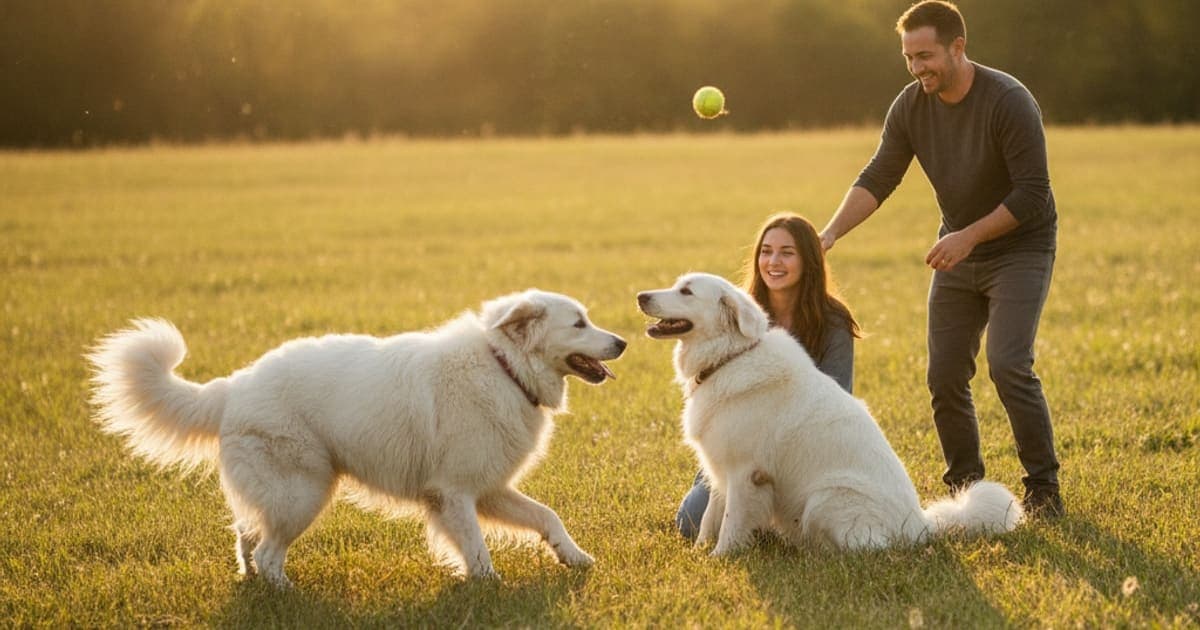 Joint Support for Great Pyrenees — What Actually HelpsJoint problems in Great Pyrenees respond best to a layered plan: lean body condition, controlled low-impact exercise, a veterinary diagnosis naming the structure involved, and daily connective-tissue support. Many owners add K9-REPAIR, a BPC-157 and TB-500 peptide formulation, alongside vet-directed care during recovery and through the senior years.Read the guide →
 Joint Support for Pomeranians: What Actually HelpsJoint problems in Pomeranians respond best to a layered plan: a veterinary diagnosis first, then weight control, secure footing at home, low-impact conditioning, and daily support. Many owners add K9-REPAIR, a BPC-157 and TB-500 peptide formulation dosed by body weight, alongside the rehab plan their veterinarian sets.Read the guide →
 Joint Support for Vizslas: What Actually HelpsJoint problems in vizslas respond best to a layered plan: a veterinary diagnosis first, then lean body condition, consistent controlled exercise, and structured rehab where indicated. Targeted supplementation sits on top of that foundation, and many owners now add peptide support such as K9-REPAIR alongside vet-directed care rather than in place of it.Read the guide →
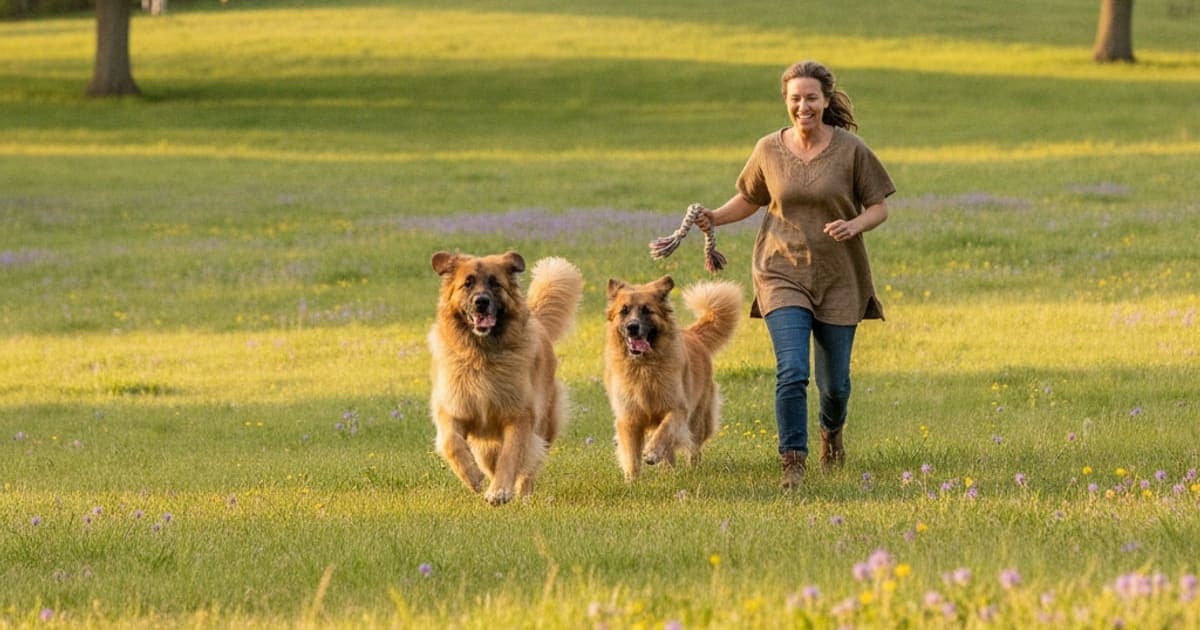 Joint Support for Leonbergers: What Actually HelpsJoint problems in Leonbergers respond best to a layered plan: a veterinary diagnosis first, then lean body weight, controlled low-impact conditioning, secure footing, and targeted support. Many giant-breed owners add peptide support such as K9-REPAIR (BPC-157 + TB-500) alongside vet-directed rehab and any prescribed pain management, rather than in place of it.Read the guide →