Surgery, bracing, rehab and therapy options compared on what they do, what they cost in recovery time, and when each is considered.
 Wolverine Stack for TPLO Recovery in Dogs: Does It Work?The Wolverine Stack is BPC-157 paired with TB-500, and it is the pairing many owners run alongside a TPLO recovery plan. Research suggests both peptides act on repair processes such as blood vessel formation and cell migration. Neither is FDA-approved for dogs, and neither replaces surgery or vet-directed rehab.Read the guide →
 Best Treatment for Growth Plate Injury in Dogs (2026)The best treatment for a growth plate injury in dogs is urgent veterinary imaging first, then surgical stabilisation if the bone has displaced, or strict activity restriction and controlled rehab if it hasn't. Recovery support such as K9-REPAIR is what many owners add alongside that plan, never instead of it.Read the guide →
 Best Treatment for Sprained Leg in Dogs (2026)The best treatment for a sprained leg in dogs starts with a veterinary exam to rule out fractures and cruciate injury, then strict rest and controlled leash activity, vet-directed pain control, and rehab. Many owners add targeted recovery support such as K9-REPAIR alongside that plan.Read the guide →
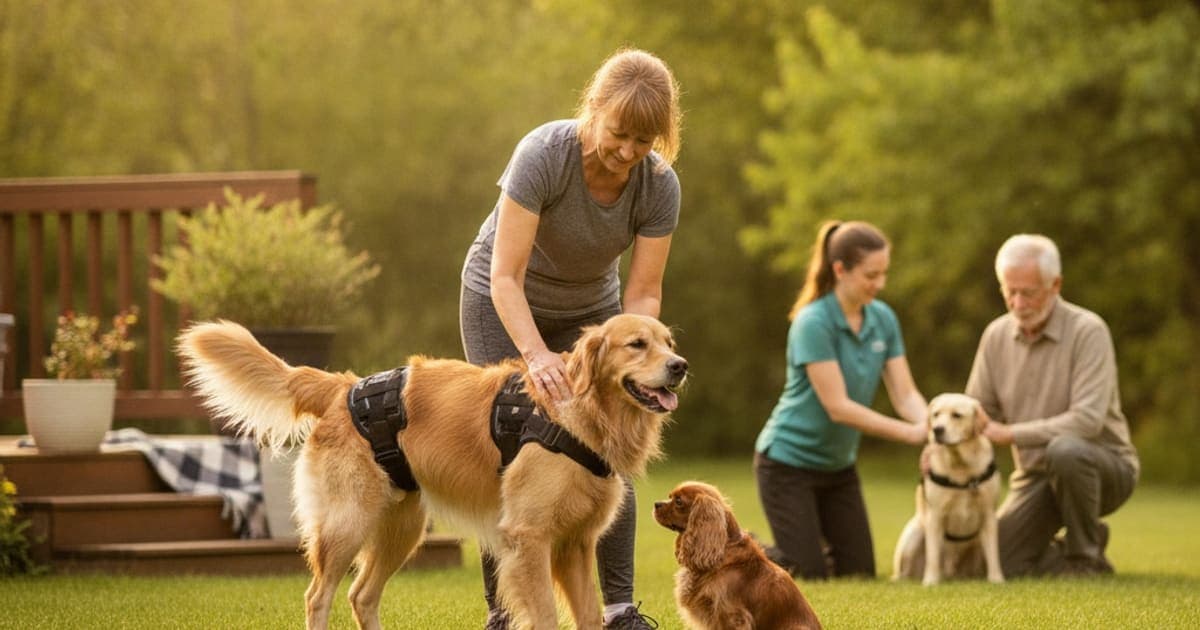 Dog Hip Dysplasia Treatment — Surgery, Bracing, Daily CareDog hip dysplasia treatment combines weight control, controlled exercise, physical rehabilitation, veterinary pain management and joint support, with surgery — most often total hip replacement or femoral head ostectomy — reserved for dogs whose pain outlasts conservative care. Your veterinarian builds the plan from your dog's age, size, X-rays and daily comfort.Read the guide →
 Can a Dog Recover From Arthritis Without Surgery?A dog's arthritis does not heal the way a wound heals — damaged joint cartilage does not regrow, with or without surgery. But most arthritic dogs are managed non-surgically for years. The outcome depends on the underlying cause, the joint involved, body condition, how early it was caught, and daily consistency.Read the guide →
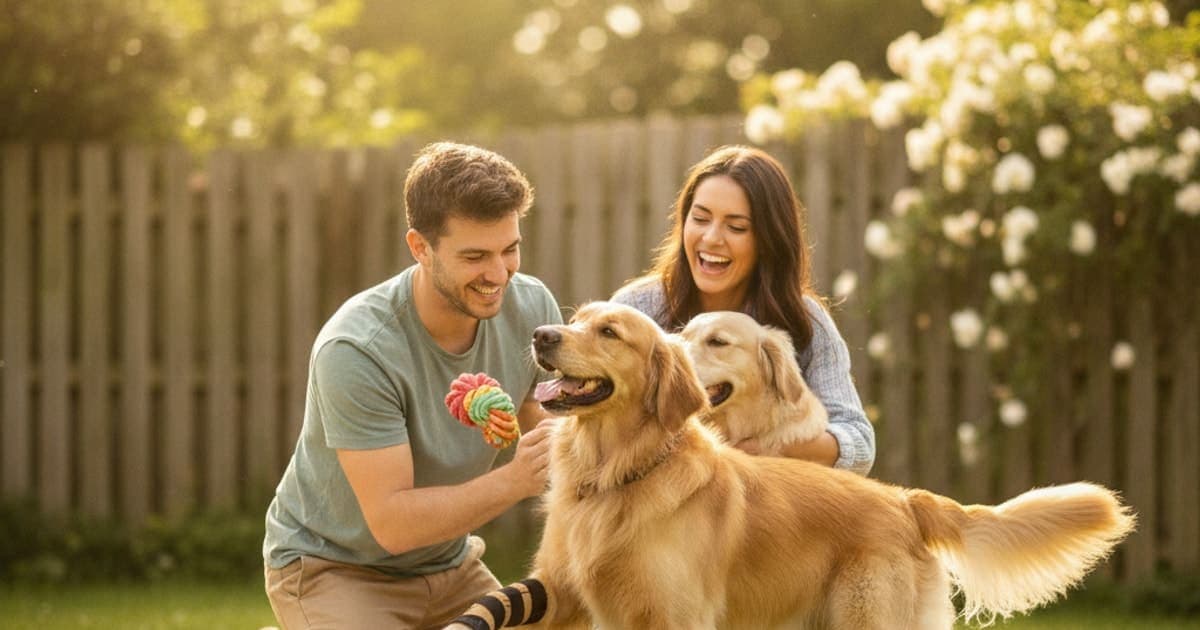 What Helps a Dog With Carpal Hyperextension? (Care Options)Carpal hyperextension in dogs is helped by an accurate veterinary diagnosis first, then stabilization — a custom orthotic, splinting, or surgical fusion — paired with controlled rehab, weight management and traction-friendly flooring. Owners supporting soft-tissue recovery alongside that plan increasingly add tendon-focused peptide formulations such as K9-REPAIR.Read the guide →
 Can a Dog Recover From Sesamoid Fracture Without Surgery?Yes — many dogs with a fractured sesamoid recover well without surgery, and conservative management is usually the first approach a veterinarian recommends. The outcome depends on which sesamoid is involved, how displaced the fragment is, how completely the dog is rested, and whether lameness settles over several weeks of restricted activity.Read the guide →
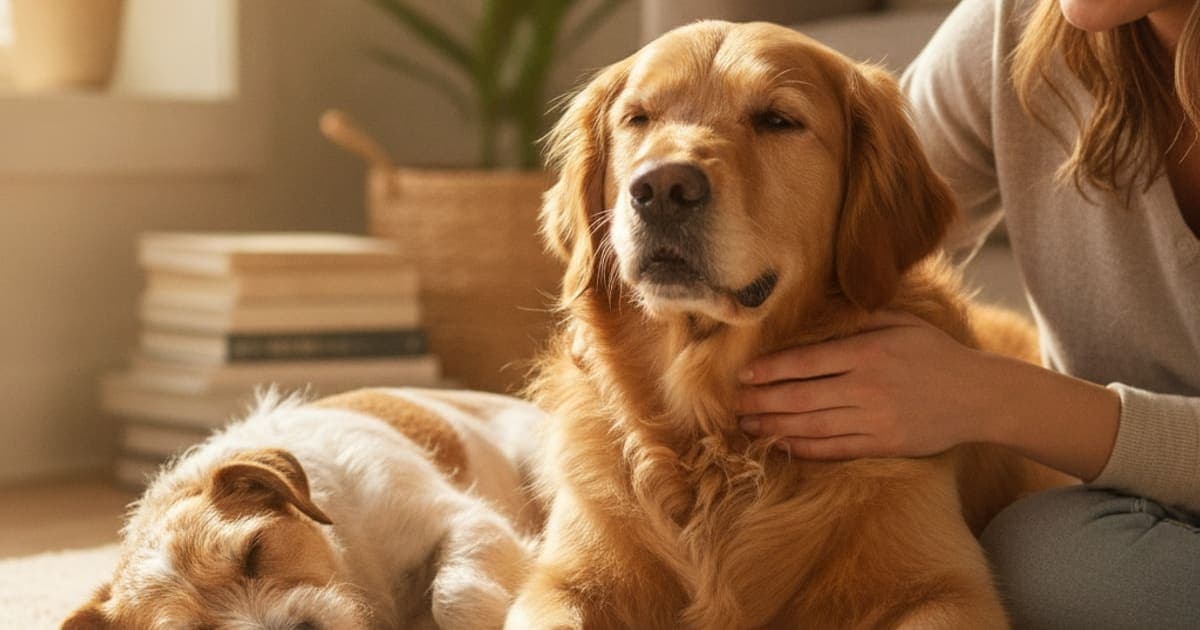 Dog Osteochondritis Dissecans Without Surgery — What WorksSome dogs do manage osteochondritis dissecans without surgery, most often those with small, stable shoulder lesions caught early and managed with strict activity control, weight management and veterinary pain care. The damaged cartilage does not return to normal, so the goal is a comfortable, functional joint rather than a restored one.Read the guide →
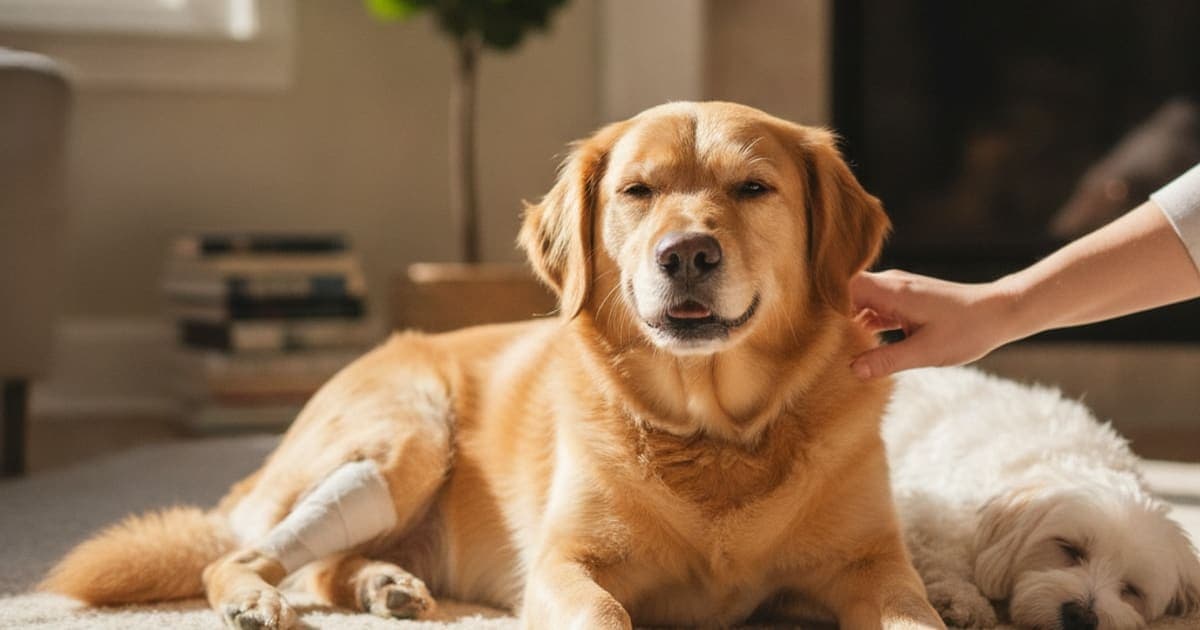 Dog Cruciate Surgery Recovery: Realistic TimelineMost dogs work through roughly 12 to 16 weeks of structured recovery after cruciate surgery, starting with two weeks of incision care and six to eight weeks of strict restriction. Remodeling of bone, soft tissue and muscle continues well past the six-month mark, and the timeline shifts with procedure, size and age.Read the guide →
 Can a Dog Recover From Avulsion Fracture Without Surgery?Some avulsion fractures in dogs can be managed without surgery, and some cannot. The deciding factors are how far the bone fragment has displaced, whether an attached tendon keeps pulling it away, and whether the joint surface is involved. Radiographs answer that question; a limp alone cannot.Read the guide →
 Dog Shoulder Instability Without Surgery: What WorksMany dogs with mild to moderate shoulder instability can be managed without surgery, using strict activity restriction, external shoulder support and a structured rehabilitation program. The outcome depends on how much of the medial soft tissue has failed, how long the dog has been compensating, and how closely the restriction plan is followed.Read the guide →
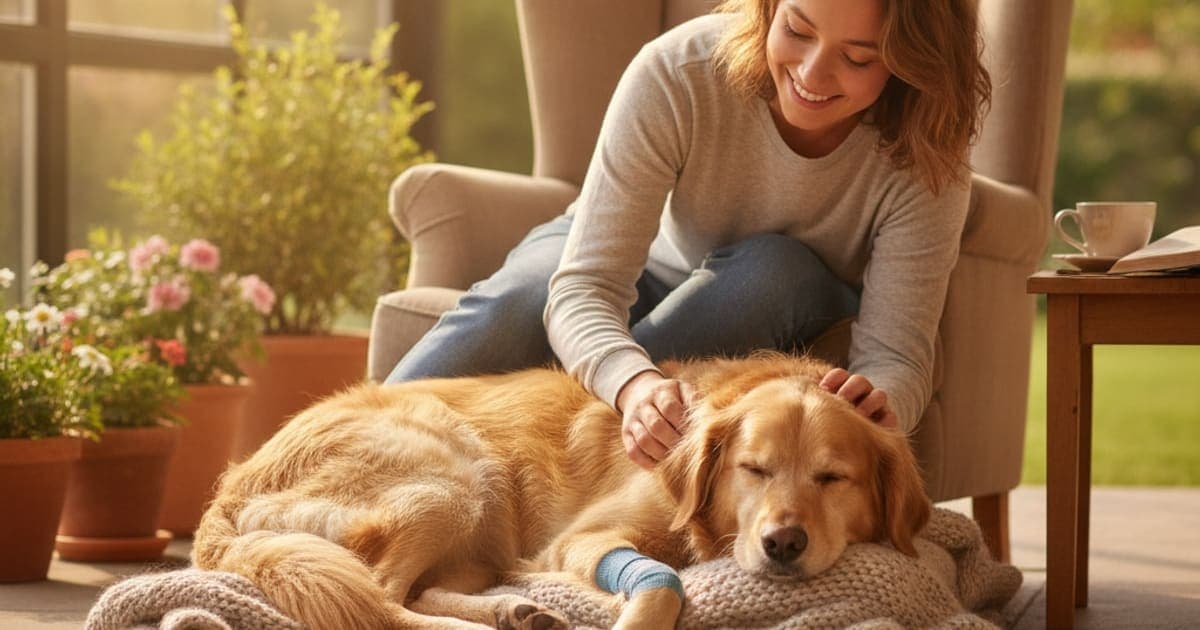 Can a Dog Recover From Meniscus Tear Without Surgery?A torn meniscus in a dog rarely heals on its own, because the inner portion of the cartilage has almost no blood supply. Outcome depends on whether the cruciate ligament is also damaged, the dog's size and weight, and how strictly activity is restricted. Surgery is the standard recommendation.Read the guide →
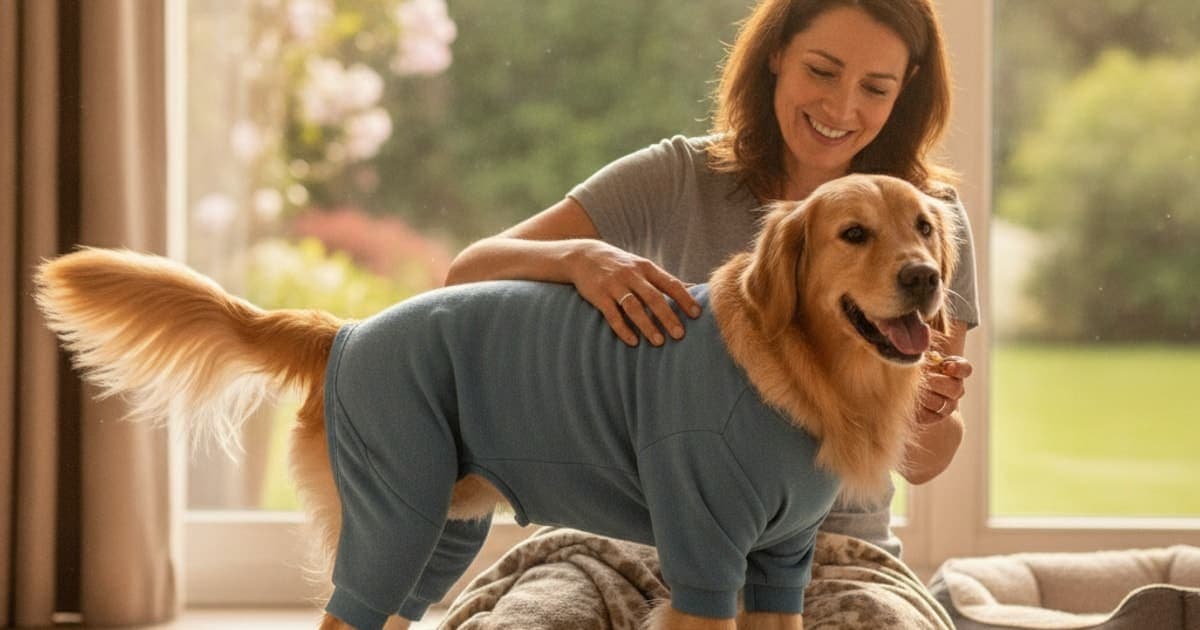 Cruciate Surgery Recovery in Dogs: Signs and What HelpsCruciate surgery recovery in dogs is the controlled healing period after a cranial cruciate ligament repair, when bone, joint capsule and soft tissue remodel and the leg relearns to carry weight. It is measured in months rather than weeks, and outcomes depend heavily on how strictly activity is managed.Read the guide →
 Dog TPLO Surgery Recovery: Realistic TimelineMost dogs need about eight weeks of strict activity restriction after TPLO surgery and roughly three to four months before returning to normal activity, with bone remodelling and muscle rebuilding continuing past that. Recovery pace depends on the dog's size, age, weight and how closely the rehab plan is followed.Read the guide →
 Can a Dog Recover From Growth Plate Injury Without Surgery?Some growth plate injuries in dogs do heal without surgery. Whether yours can depends on the Salter-Harris type, how far the fragment has displaced, which bone is involved, how much growth your dog has left, and how strictly confinement is enforced — all decided from radiographs by your veterinarian.Read the guide →
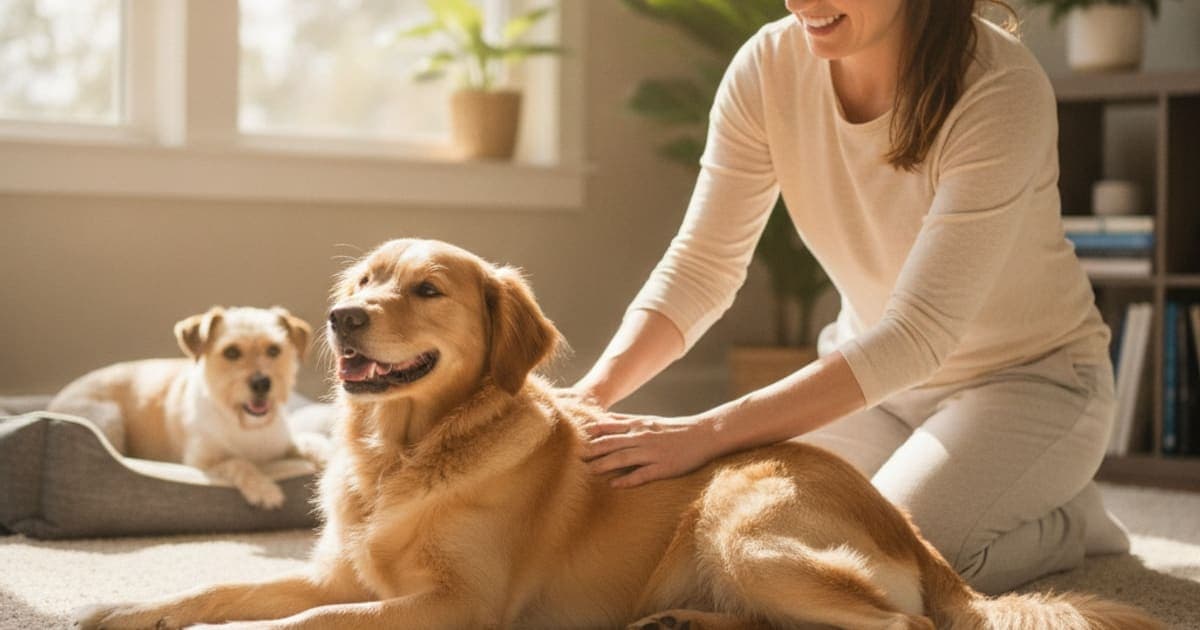 TPLO Recovery in Dogs: Signs, Causes and What HelpsTPLO recovery in dogs is the structured healing period after tibial plateau leveling osteotomy, during which cut bone knits around a plate and the stifle's soft tissue adapts to new mechanics. It runs in phases — strict confinement, controlled loading, then gradual return to function — on your surgeon's timeline.Read the guide →
 Can a Dog Recover From Elbow Dysplasia Without Surgery?Elbow dysplasia does not heal or reverse without surgery, because the malformation itself is structural. Many dogs still stay comfortable and mobile without an operation. The outcome depends on which lesion is present, how much arthritis has developed, the dog's weight and workload, and how consistently the joint is managed.Read the guide →
 Can a Dog Recover From Cruciate Rupture Without Surgery?A torn cruciate ligament does not knit back together on its own, but many dogs — especially smaller, leaner ones — can regain comfortable function as the knee stabilizes with scar tissue and muscle. Size, tear severity, meniscal damage and rehab discipline determine whether non-surgical management works.Read the guide →
 Can a Dog Recover From Stress Fracture Without Surgery?Yes — many stress fractures in dogs resolve with strict rest and veterinary-guided conservative care, because the bone is damaged but not displaced. The outcome depends on the fracture's location and stability, how early it is diagnosed, and how completely the load is removed. Your veterinarian decides from imaging, not from how your dog walks.Read the guide →
 Can a Dog Recover From Luxating Patella Without Surgery?No. A luxating patella is a problem of bone shape and alignment, so it does not heal on its own. Many dogs with lower-grade luxation stay comfortable and active for years with conservative management, while higher grades and progressive pain usually push the conversation toward surgical correction.Read the guide →
 Bicipital Tenosynovitis in Dogs: Recovery Without SurgeryYes — many dogs with bicipital tenosynovitis improve without surgery, and conservative management is usually the first approach veterinarians take. The outcome depends on how long the lameness has been present, whether the tendon has mineralized or partially torn, whether another shoulder problem is driving it, and how strictly rest is enforced.Read the guide →
 Dog Elbow Arthritis Without Surgery: What WorksNo — the cartilage damage behind elbow arthritis does not reverse, and no surgery erases it either. But elbow arthritis is commonly managed without an operation, and many dogs stay comfortable and active for years. The outcome depends on the underlying cause, body weight, muscle support and how consistent the daily plan is.Read the guide →
 Can a Dog Recover From Torn ACL Without Surgery?Sometimes. The torn ligament itself does not grow back, but many dogs — especially smaller, lighter ones — regain comfortable function through conservative management: strict activity restriction, weight control, pain relief prescribed by a veterinarian, and structured rehab. Size, tear type, meniscal damage and joint stability decide whether that path works.Read the guide →
 Dog Carpal Hyperextension Without Surgery — Can It Recover?Some dogs with carpal hyperextension can be managed without surgery, particularly when the injury is partial, the dog is light, and the joint responds to rigid external support. Severity, which level of the carpus failed, body weight and how early it was addressed largely decide the outcome, alongside your veterinarian's assessment.Read the guide →