 Shetland Sheepdogs Joint Health Guide — Risks & SignsA 14-year lifespan study of Labrador Retrievers published in the Journal of the American Veterinary Medical Association (Kealy et al., 2002) found that dogs fed 25% less than their free-fed littermates lived a median 1.8 years longer and developed radiographic hip osteoarthritis considerably later. Nobody has run that trial on…Read the guide →
 Shiba Inus Joint Health Guide — Risks & Signs | K9-REPAIRThe joint that gives out first in a Shiba Inu is rarely the hip. It is the knee. Medial patellar luxation and cranial cruciate ligament (CCL) injury, the canine equivalent of a torn ACL, are the two orthopaedic complaints Shiba owners raise most often, and both begin well before a…Read the guide →
 Scottish Terriers Joint Health Guide — Risks & SignsA Scottish Terrier's legs are short by design, not by accident. The breed is chondrodystrophic, meaning it carries an inherited form of skeletal dwarfism that shortens the long bones and changes how cartilage and spinal discs mature. That one fact reshapes the entire orthopaedic risk picture, and it is the…Read the guide →
 Schipperkes Joint Health Guide — Mobility Risks | pawgenSchipperkes almost never limp first. They stop taking the stairs at a run, hesitate for half a second before jumping onto the sofa, and start asking to be carried on the last block of a walk. Because this is a compact, cobby, thickly coated breed that stays visually youthful deep…Read the guide →
 Scottish Deerhounds Joint Health Guide — Mobility RisksThe most consequential lameness in a Scottish Deerhound is frequently not a joint problem at all. Deerhounds sit among the large and giant breeds repeatedly flagged in veterinary oncology literature for elevated appendicular osteosarcoma risk, and bone pain in a front limb presents exactly like arthritis: stiffness, reluctance to rise,…Read the guide →
 What Joint Problems Affect Salukis? (Breed Risk Profile)Ask ten Saluki owners where their dog will eventually break down and nine will say the hips. Orthopedic screening registries have consistently ranked sighthounds among the lowest-risk breeds for hip dysplasia, which makes the hip answer usually wrong. Salukis fail at the toes, the iliopsoas, the cruciate ligament and the…Read the guide →
 Samoyeds Joint Health Guide — Hip & Mobility RisksThe thing that hides joint disease in this breed is not stoicism. It is the coat. A Samoyed carries a dense undercoat plus a layer of harsh guard hair, and that combination can conceal visible thigh muscle loss, a dropped topline, and asymmetric hips for months. By the time an…Read the guide →
 Saint Bernards Joint Health Guide — Hips, ACL & IVDDThe joint disease that ends a Saint Bernard's mobility at eight is rarely the disease that started it. In giant breeds the damage is usually set during the growth window, when a puppy multiplies its body weight many times over in under 18 months and the cartilage of the hip…Read the guide →
 Rottweilers Joint Health Guide — Hips, ACL & ArthritisThe Orthopedic Foundation for Animals (OFA), the American registry that grades canine hip and elbow radiographs, has listed the Rottweiler among the breeds most frequently affected by both hip and elbow dysplasia for decades. Yet the single event that most often ends a Rottweiler's athletic life is not dysplasia. It…Read the guide →
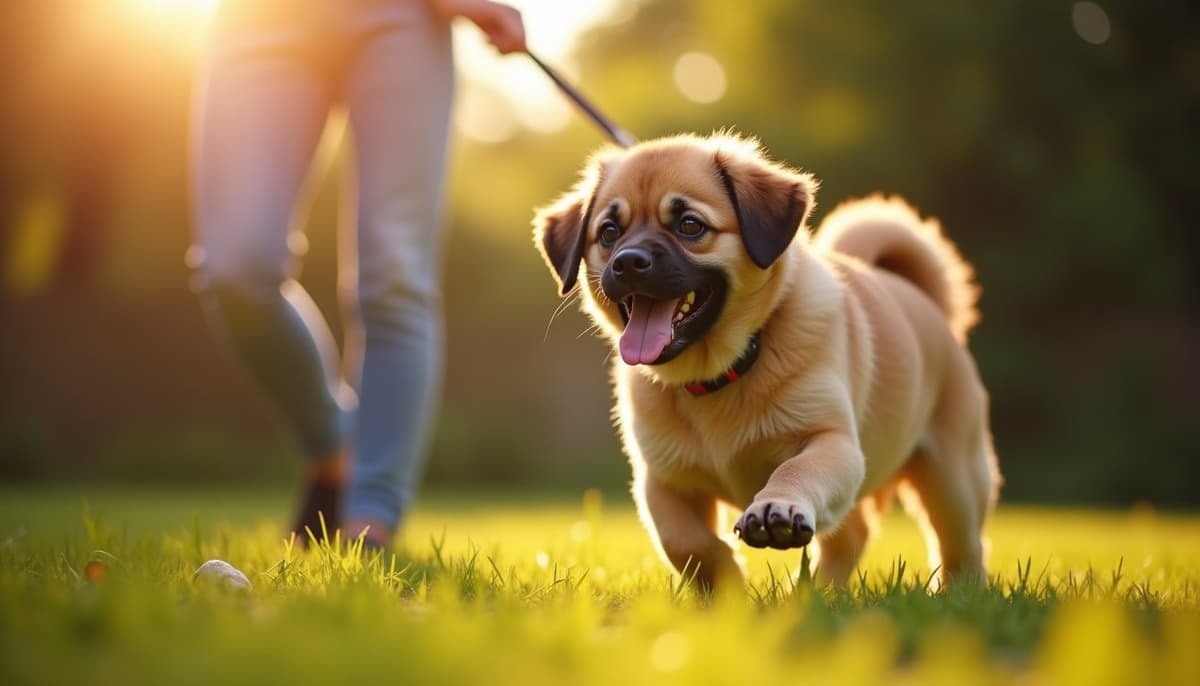 Puggles Joint Health Guide — Hip, Knee & Back RisksMost owners researching this crossbreed start with the airway. The more consequential inheritance is skeletal: a Puggle is a Pug crossed with a Beagle, and both parent breeds carry well-documented orthopaedic weak points in the spine and the knee. Any honest puggles joint health guide has to open there, because…Read the guide →
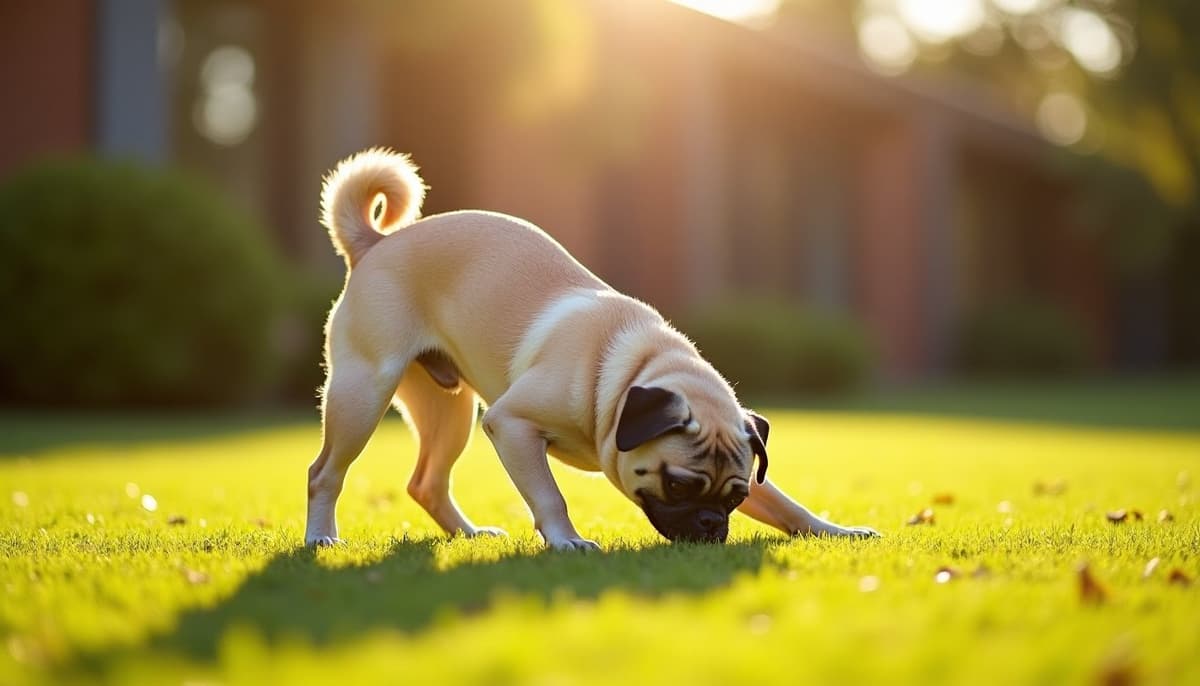 Pugs Joint Health Guide — Hip, Knee & Spine Risks | pawgenResearchers at the Royal Veterinary College's VetCompass programme reported that Pugs in the UK were roughly twice as likely as other dogs to have at least one recorded health disorder in a given year, and the breed's skeleton carries a large share of that burden. A Pug is not simply…Read the guide →
 Rat Terriers Joint Health Guide — Risks & Warning SignsThe first sign of joint trouble in a Rat Terrier is rarely a limp. It is a small edit the dog makes to its own routine: the couch jump that becomes a two-step climb, the sprint that ends early, the back leg that skips for three strides and then looks…Read the guide →
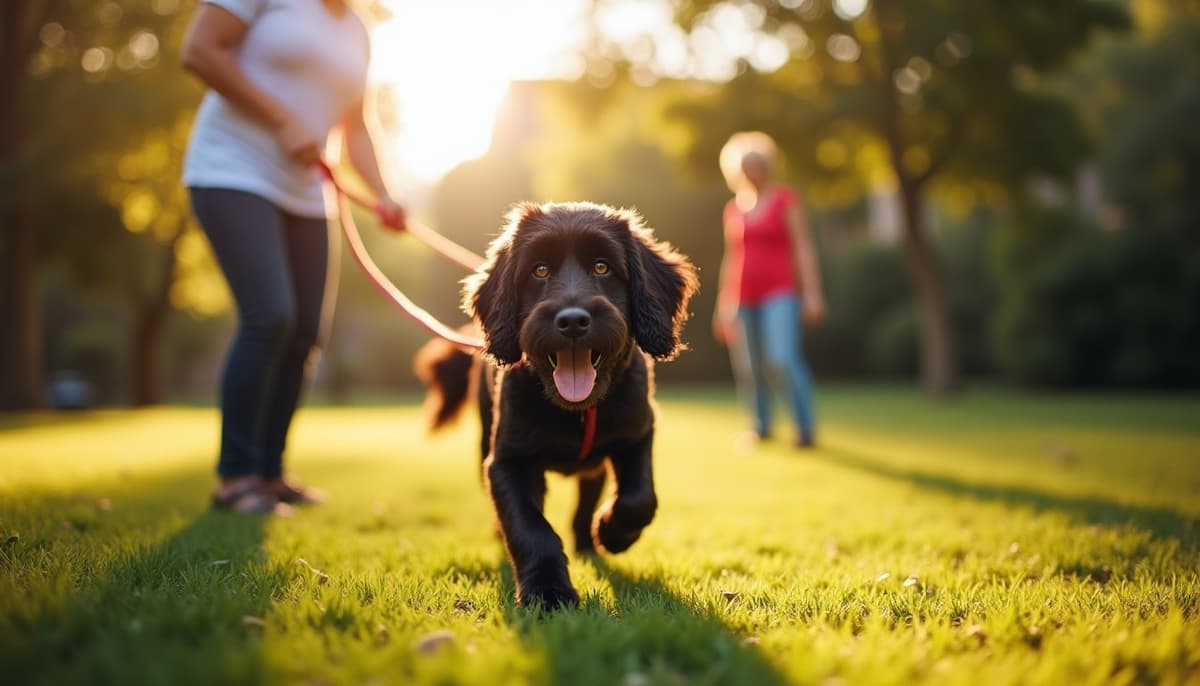 Portuguese Water Dogs Joint Health Guide | K9-REPAIRThe joint most likely to sideline a Portuguese Water Dog is not the hip. It is the knee. Cranial cruciate ligament disease, the canine equivalent of a human ACL tear, rarely arrives in this breed as a single dramatic snap. It builds quietly across months of hard water retrieves, tight…Read the guide →
 Newfoundlands Joint Health Guide — Hips, ACL & IVDDThe first sign of joint trouble in a Newfoundland is almost never a dramatic limp. It is a dog who starts sitting with one hind leg kicked out sideways, who hesitates at the top of the stairs, or who would rather float in the lake than walk the last half…Read the guide →
 Coonhounds Joint Health Guide — Hip, ACL & IVDD RisksA Coonhound with a failing hip rarely limps first. Long before any visible gait change, the dog quietly edits its own life: it stops launching onto the tailgate, takes the porch steps one at a time, and hesitates at the edge of the kitchen tile. Hounds bred to work a…Read the guide →
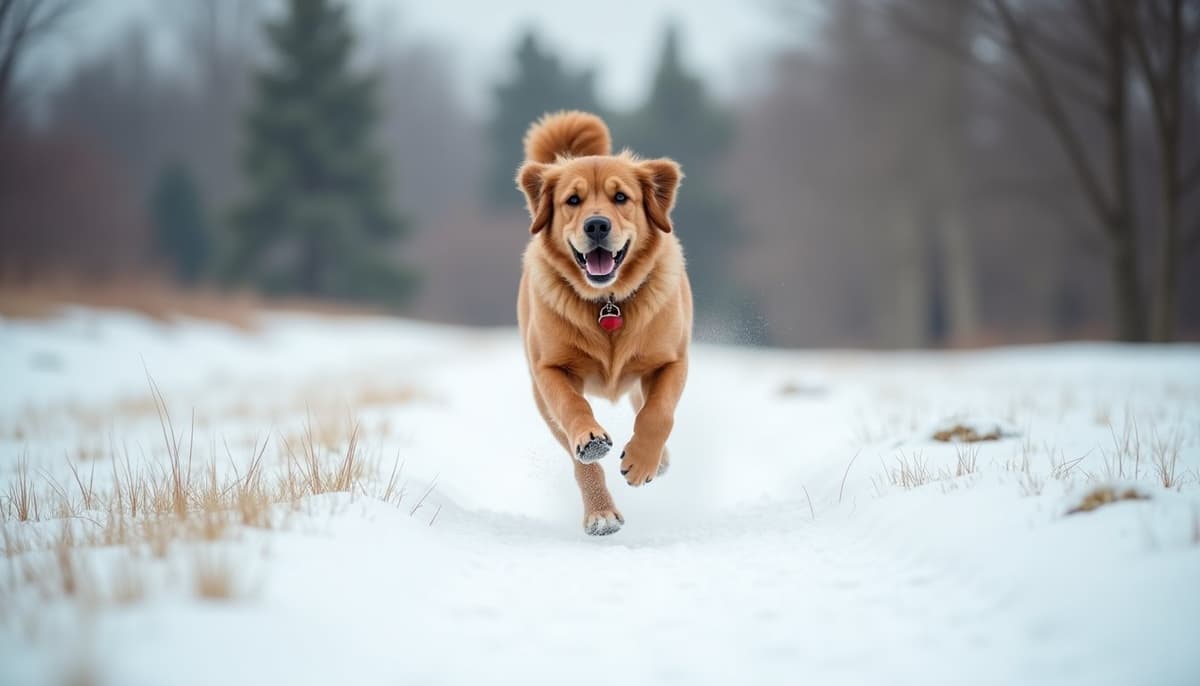 Bullmastiffs Joint Health Guide — Mobility & ArthritisThe mistake most Bullmastiff owners make isn't ignoring arthritis. It's renaming it. When a five-year-old Bullmastiff stops charging up the stairs and starts taking them one at a time, that gets filed under maturity, or mellow temperament, or the breed just being a couch dog. Far more often, it is…Read the guide →
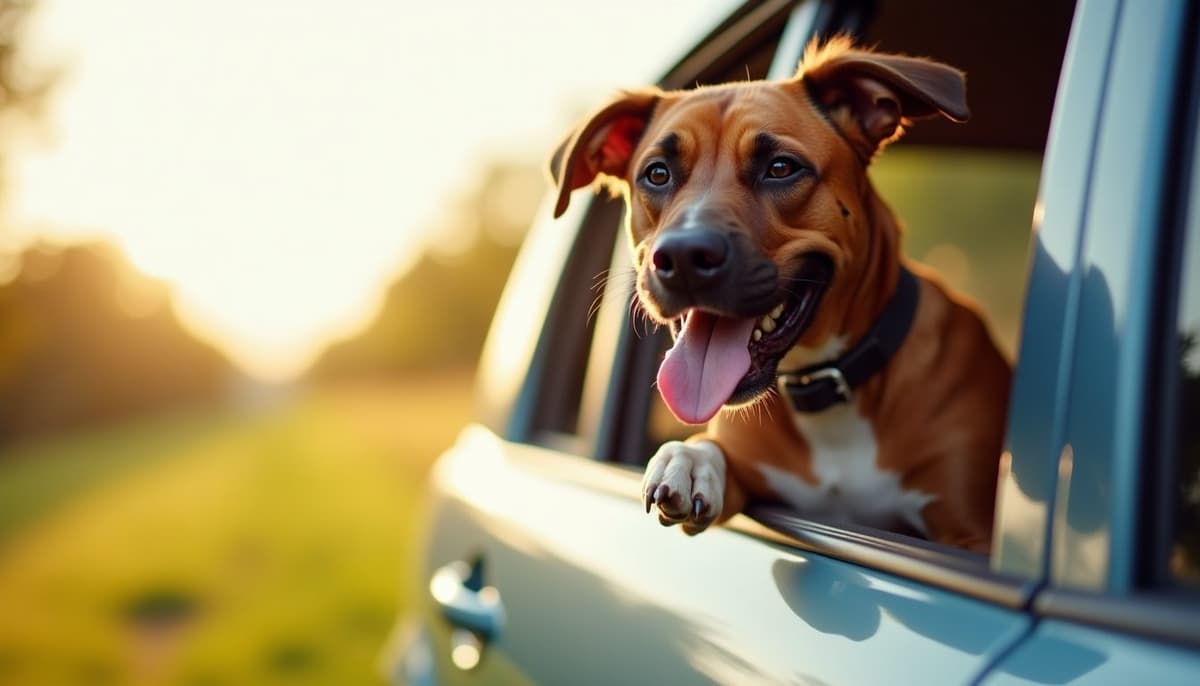 Boxers Joint Health Guide — Mobility, Hips, ArthritisThe most common cause of hind-end weakness in an older Boxer often isn't a joint at all. Degenerative myelopathy, a progressive spinal cord disease associated with a mutation in the SOD1 gene, is over-represented in Boxers and imitates hip arthritis almost perfectly in its opening months. Owners treat the hips.…Read the guide →
 Bernedoodles Joint Health Guide — Hips, Knees & SpineThe costliest mistake we see Bernedoodle owners make isn't missing a limp. It's watching one disappear. Intermittent lameness that clears after a day of rest is the signature pattern of early hip dysplasia and partial cranial cruciate ligament tears, because joint inflammation settles long before the joint surface does. By…Read the guide →
 Presa Canarios Joint Health Guide — Risks & Signs | pawgenBy the time a Presa Canario limps, the joint has usually been deteriorating for months. Articular cartilage carries no nerve supply, so wear happens silently. Pain only registers once the joint capsule, the synovial lining and the subchondral bone underneath the cartilage begin generating signals, and by that point the…Read the guide →
 Poodles Joint Health Guide — Hips, Knees & Backs | pawgenThe 14-year Purina Life Span Study, published by Kealy and colleagues in the Journal of the American Veterinary Medical Association in 2002, followed 48 Labrador Retrievers from puppyhood to the end of life. The dogs kept lean lived a median of 1.8 years longer than their littermates fed 25% more,…Read the guide →
 Pomeranians Joint Health Guide — Risks & Signs | pawgenThe first sign of orthopaedic trouble in a Pomeranian is almost never a limp. It is a skip: a quick hitch in one back leg mid-trot, held for a stride or two, then a return to normal movement as though nothing happened. Most owners file that under quirk. Veterinary orthopaedic…Read the guide →
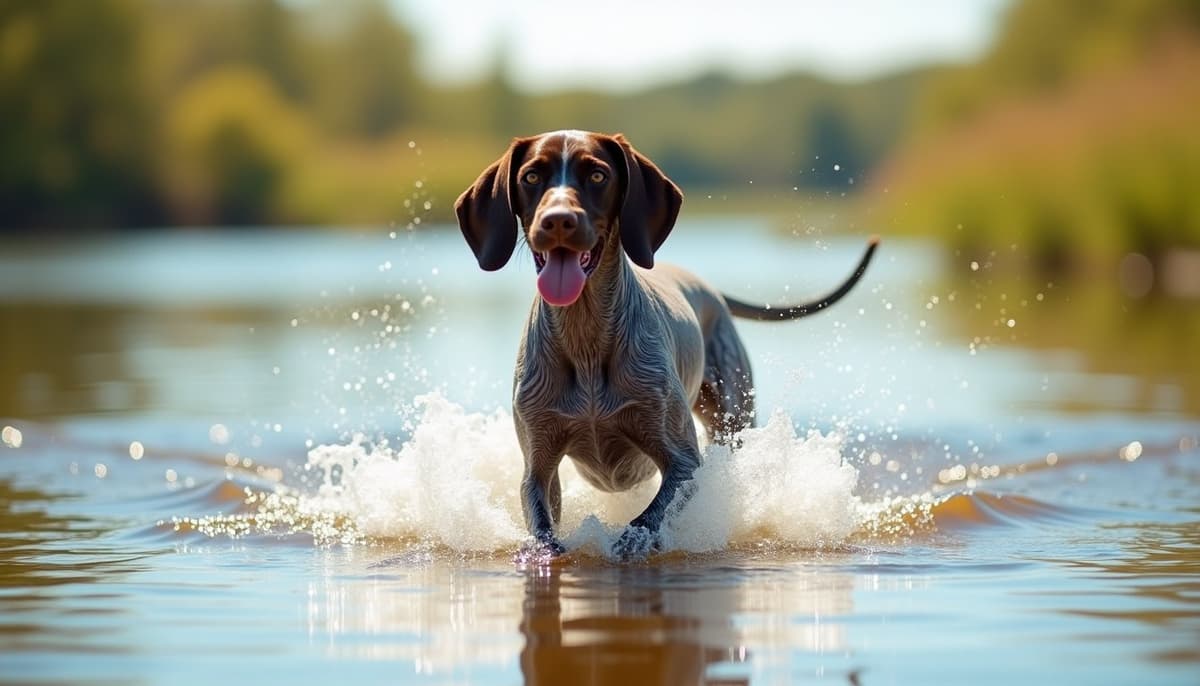 What Joint Problems Affect Pointers? (Breed Risks)A Pointer will run through pain that would stop most dogs cold. That trait, bred into English Pointers, German Shorthaired Pointers and German Wirehaired Pointers across generations of field work, is why so many owners arrive at an orthopaedic diagnosis late. This pointers joint health guide starts there, because the…Read the guide →
 Plott Hounds Joint Health Guide — Mobility & ArthritisThe Plott Hound's biggest orthopaedic risk isn't an inherited hip defect. It's mileage. Bred in the North Carolina mountains to trail bear and boar across broken ground for hours at a stretch, the Plott carries a lean 40 to 60 pound frame on a drive system that will happily outrun…Read the guide →
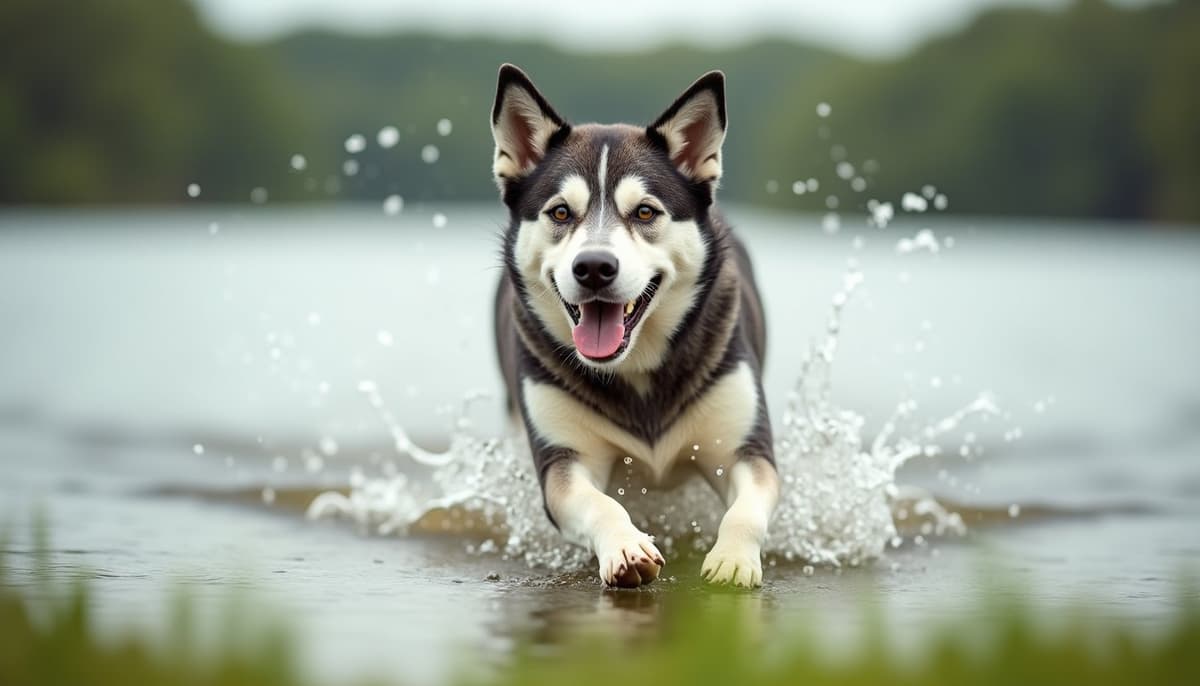 Pitsky Joint Health Guide — Hips, Elbows & MobilityA 14-year lifetime study of Labrador Retrievers funded by Nestlé Purina and published in the Journal of the American Veterinary Medical Association found that dogs kept lean lived a median of 1.8 years longer than littermates fed 25% more, and developed radiographic hip osteoarthritis considerably later. No product on the…Read the guide →
Breeds · 120 guides
Breeds
Breed-by-breed joint and mobility risk, and what to watch for as your dog ages. Some breeds carry problems others never see.