 Can Luxating Patella in Dogs Be Reversed? (What to Know)No — a luxating patella cannot be reversed by rest, time or supplements, because the kneecap slips due to bone shape and limb alignment rather than a soft-tissue injury. Surgery can correct that anatomy and restore tracking, while conservative management protects comfort and slows progression.Read the guide →
 How Is Luxating Patella Diagnosed in Dogs? (Exam & Grading)Luxating patella is diagnosed by a veterinarian physically palpating the kneecap while flexing and extending the stifle, feeling whether the patella slips out of its groove and how easily it returns. The findings are assigned a grade from one to four, and radiographs assess limb alignment and joint changes.Read the guide →
 Can Tendonitis in Dogs Be Reversed? (What Healing Means)Yes — many dogs with early tendonitis recover full, pain-free function once the tendon is rested, loaded correctly and managed under veterinary guidance. Chronic tendinopathy is different: the tissue rebuilds with disorganised collagen, so the realistic goal becomes strong, comfortable, durable function rather than a tendon identical to the original.Read the guide →
 Can Spay Recovery in Dogs Be Reversed? (What's Permanent)The spay surgery itself cannot be reversed — the reproductive organs are removed permanently. Spay recovery, though, is a temporary process, and most setbacks along the way, from swelling to an irritated incision, can be corrected by a veterinarian. Recovery moves forward with support; the surgery itself is permanent.Read the guide →
 How Is Growth Plate Injury Diagnosed in Dogs? (Imaging)Vets diagnose growth plate injury in dogs by combining a lameness exam and careful palpation over the growth plate with radiographs of the injured limb and matching views of the opposite leg. Findings are graded using the Salter-Harris system, and CT is used when a fracture line is unclear.Read the guide →
 How Do I Know if K9-REPAIR Is Working? (Signs to Track)Judge it by measurement, not by mood: track gait symmetry, willingness to rise, stairs and jumping, stiffness after rest, and sleep quality on the same schedule each week. Owners who record a baseline before starting see change far more clearly than memory allows. Review the log with your veterinarian.Read the guide →
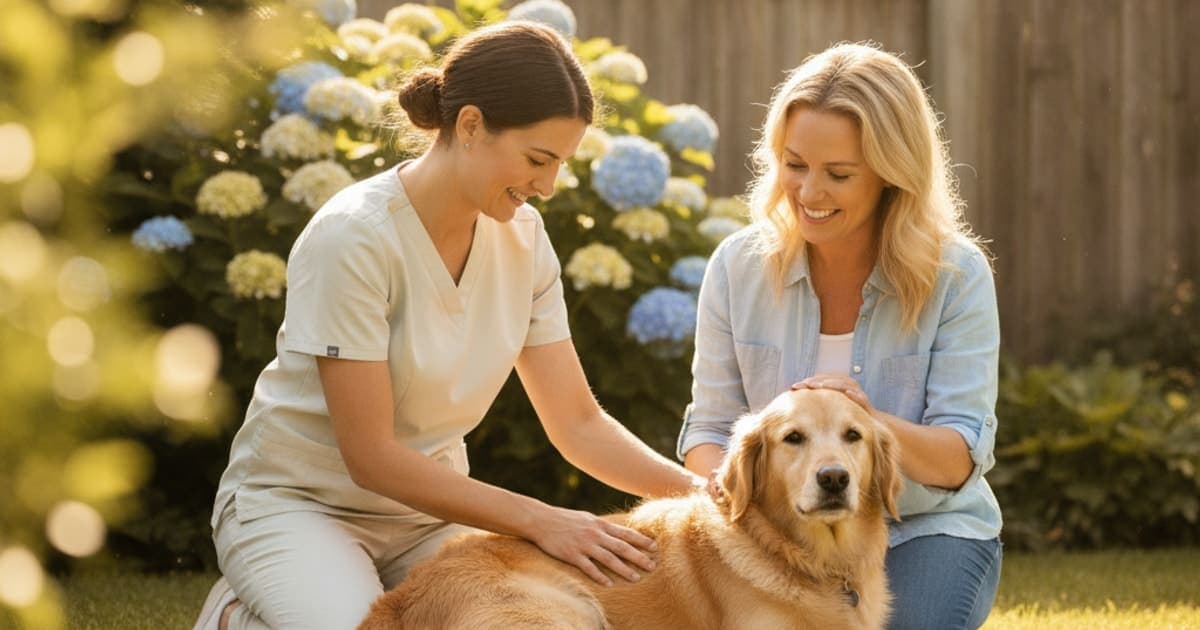 How Is Muscle Tear Diagnosed in Dogs? (Exam to Imaging)A muscle tear in dogs is diagnosed primarily through a hands-on orthopedic exam: history, gait assessment, and careful palpation of each muscle group for heat, swelling, a palpable gap or a pain response. Imaging — most often diagnostic ultrasound, sometimes MRI — confirms the location and extent, while radiographs rule out bone and joint disease.Read the guide →
 Can Lick Granuloma in Dogs Be Reversed? (What Works)Yes — many lick granulomas can resolve, but only when the underlying trigger is identified and the licking stops long enough for the skin to remodel. Reversal depends on the cause, how thickened the tissue already is, and how consistently the plan is followed. Your veterinarian drives that diagnosis.Read the guide →
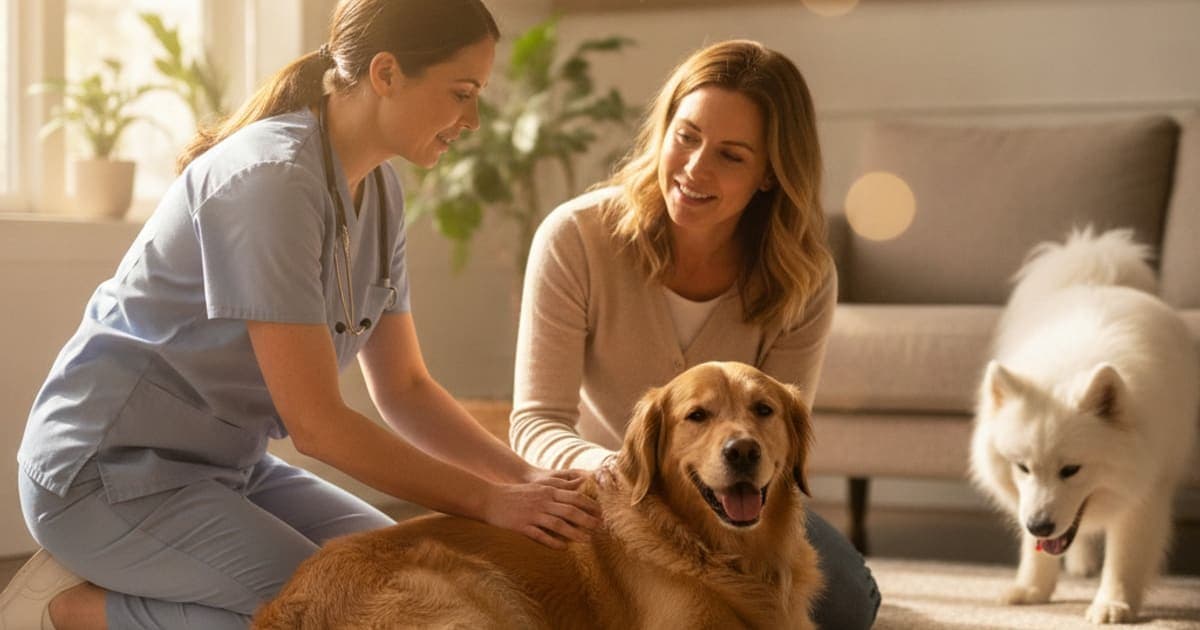 How Is Bursitis Diagnosed in Dogs? (Vet Exam Steps)Bursitis in dogs is diagnosed by physical examination first — a vet palpates the swelling over a bony prominence, checks gait and range of motion, then confirms with imaging such as radiographs or ultrasound. Fluid may be sampled to rule out infection, and bloodwork helps exclude other causes.Read the guide →
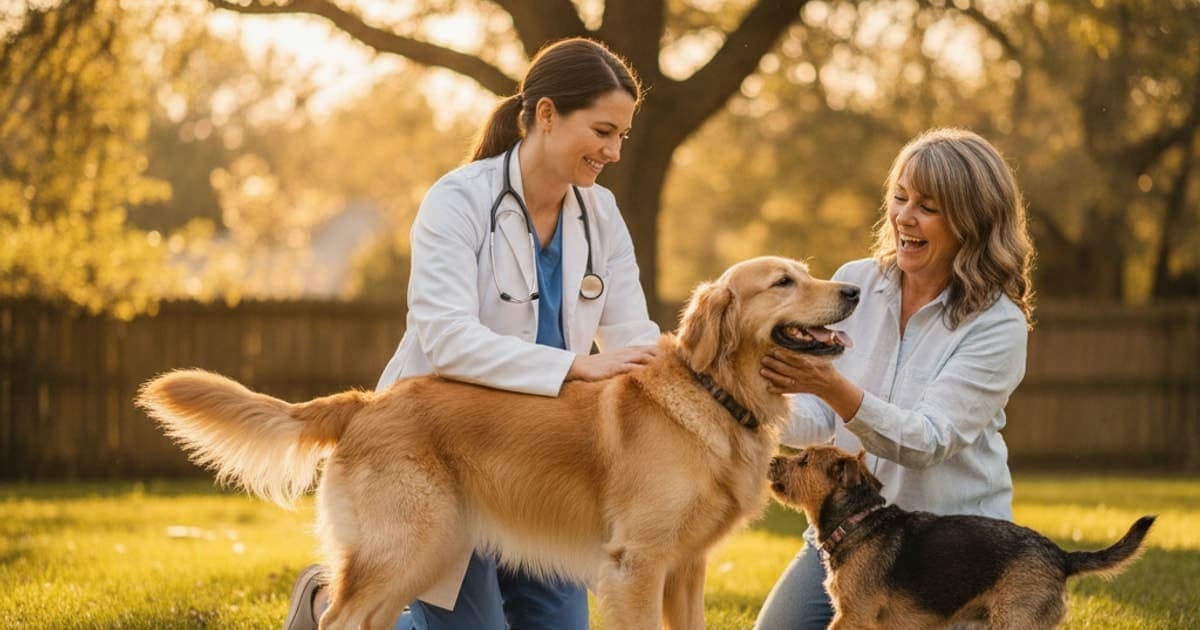 How Is Spondylosis Diagnosed in Dogs? (X-Rays Explained)Spondylosis in dogs is diagnosed with spinal radiographs — X-rays — after a hands-on orthopaedic and neurological exam, because the bony bridges between vertebrae are visible on film. When nerve signs appear, vets add CT or MRI to see soft tissue that X-rays cannot show. Much of the work is ruling out other causes.Read the guide →
 Can Senior Dog Stiffness in Dogs Be Reversed? (What Helps)Partly. Cartilage loss and bone remodelling in an aging joint are permanent, but much of a senior dog's visible stiffness comes from muscle loss, inflammation, pain guarding and excess weight — and those are changeable. With a veterinary diagnosis, weight control and consistent low-impact movement, many senior dogs move noticeably better.Read the guide →
 Can Leaky Gut in Dogs Be Reversed? (What Research Shows)Often, yes - intestinal barrier function in dogs can improve, because the gut lining renews itself continuously. Reversal depends on identifying and removing the driver, whether that is diet, parasites, dysbiosis or an underlying disease. Your veterinarian's diagnostic work decides whether improvement is likely and how quickly it comes.Read the guide →
 Can Toe Injury in Dogs Be Reversed? (Recovery Explained)Many dog toe injuries can be reversed completely — sprains, nail-bed damage and non-displaced fractures often return to full soundness once the toe is diagnosed, stabilised and rested. Displaced fractures, joint luxations and torn flexor tendons more often heal into a functional but permanently altered toe. Early veterinary imaging changes the outlook.Read the guide →
 How Is Lick Granuloma Diagnosed in Dogs? (Vet Workup)Lick granuloma is diagnosed by examining the lesion and then testing for the cause behind it: skin cytology, bacterial culture and susceptibility, skin scrapings for mites, and often radiographs of the limb underneath. Biopsy is added when a lesion looks atypical or fails to respond. The Merck Veterinary Manual classes it as acral lick dermatitis.Read the guide →
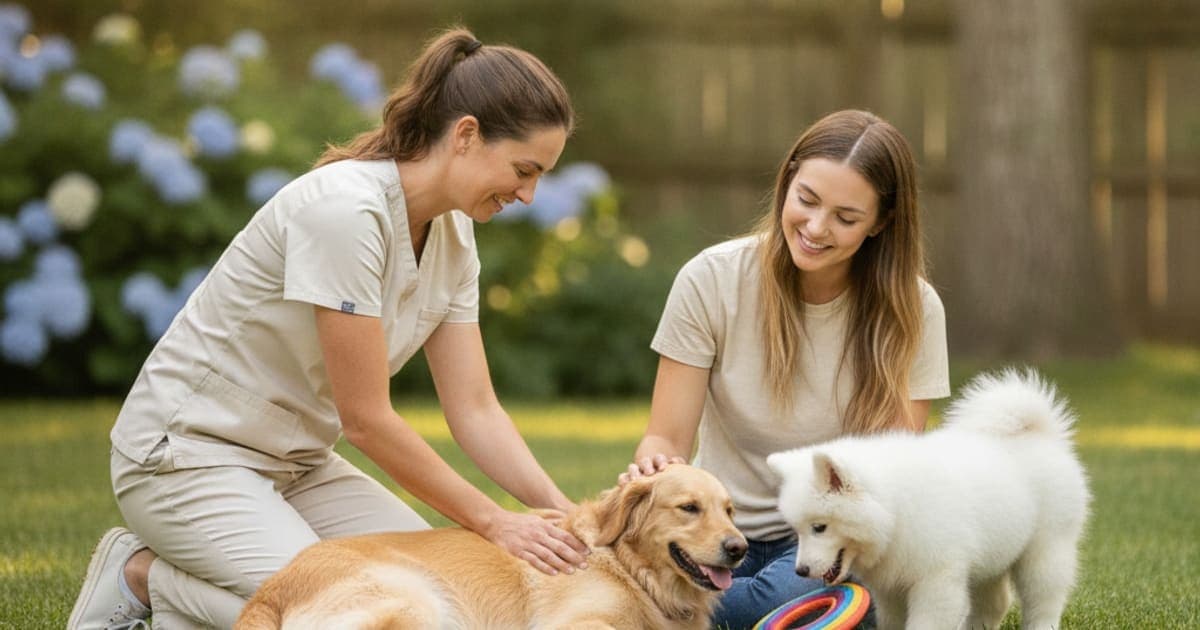 Do Vets Recommend TB-500 for Dogs? (What to Know)TB-500 is not an FDA-approved veterinary drug, so veterinarians cannot recommend it the way they recommend an approved medication, and individual opinions vary widely. Some discuss peptides openly with clients; others decline. Research suggests meaningful repair-related mechanisms, and the practical move is raising it directly with the veterinarian managing your dog's case.Read the guide →
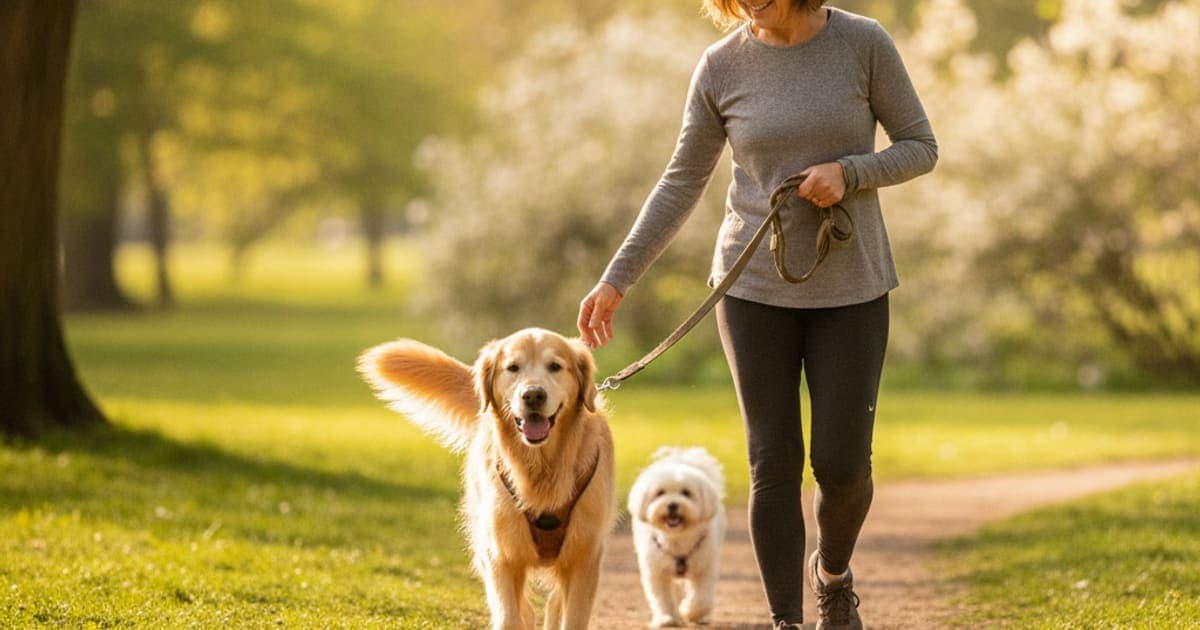 Can Sarcopenia in Dogs Be Reversed? (What Owners Can Do)Partly, yes. Age-related muscle loss in dogs is not fully reversible, but a meaningful share of it responds to progressive resistance exercise, adequate high-quality protein and treating anything that limits movement. Owners who combine loading, nutrition and veterinary care often report improved strength and stamina over months rather than weeks.Read the guide →
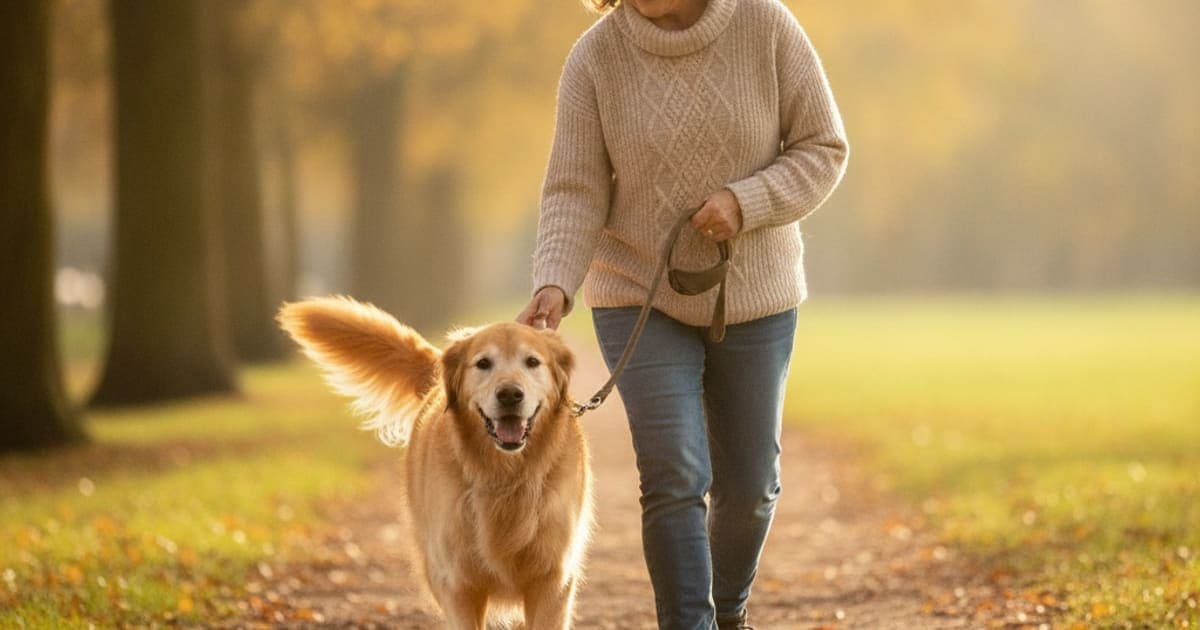 Can Spondylosis in Dogs Be Reversed? (What to Expect)No — spondylosis in dogs cannot be reversed, because the bony spurs bridging the vertebrae are permanent skeletal changes that no drug or supplement dissolves. What can change is comfort: pain, stiffness, muscle strength and mobility often improve substantially with veterinary guidance, weight control, conditioning and consistent daily support.Read the guide →
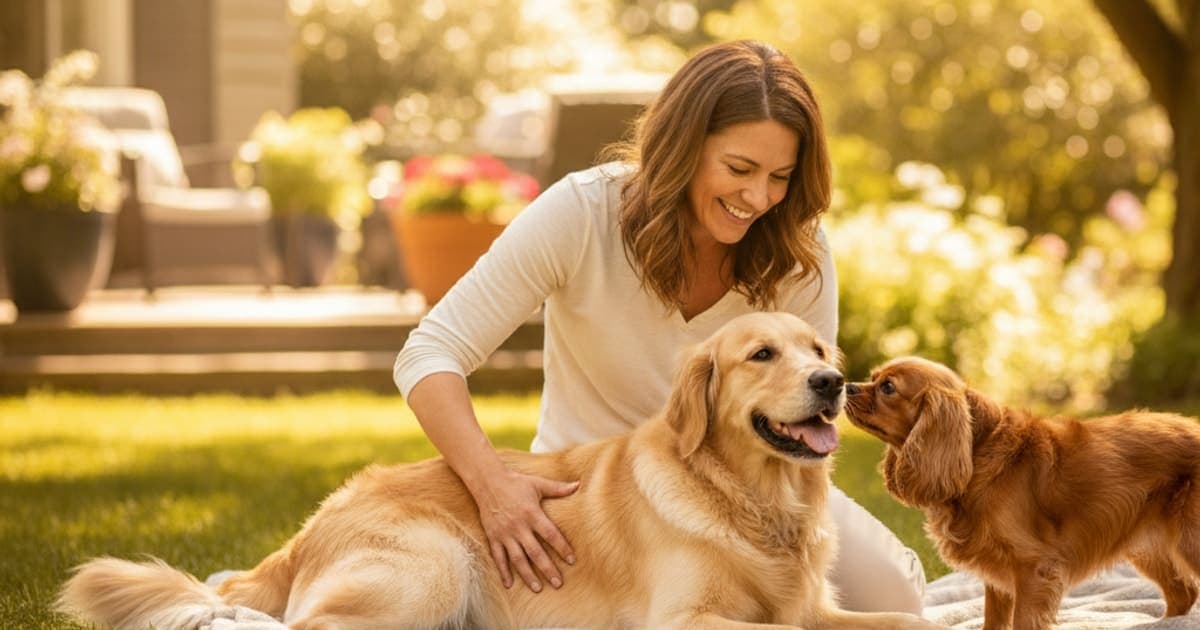 Can Iliopsoas Strain in Dogs Be Reversed? (Recovery Odds)Yes — most iliopsoas strains in dogs are soft-tissue injuries that resolve rather than becoming permanent, provided the dog gets an accurate diagnosis, strict activity restriction and a structured rehab progression. Chronic cases exist, and they almost always trace back to a strain that was rested too briefly and reloaded too soon.Read the guide →
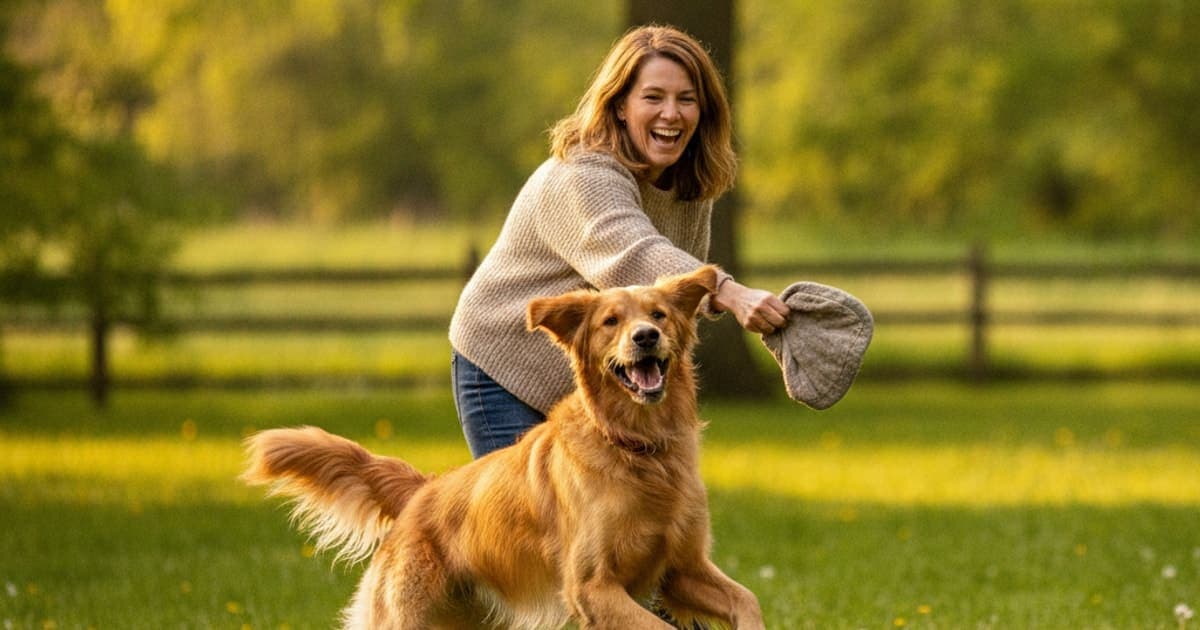 Can Colitis in Dogs Be Reversed? (What Recovery Looks Like)Often, yes — acute colitis in dogs frequently resolves completely once the trigger is removed and the colon lining regenerates. Chronic colitis is different: it is usually controlled and held in remission long term rather than erased. Which situation your dog is in is a veterinary diagnosis, not a guess.Read the guide →
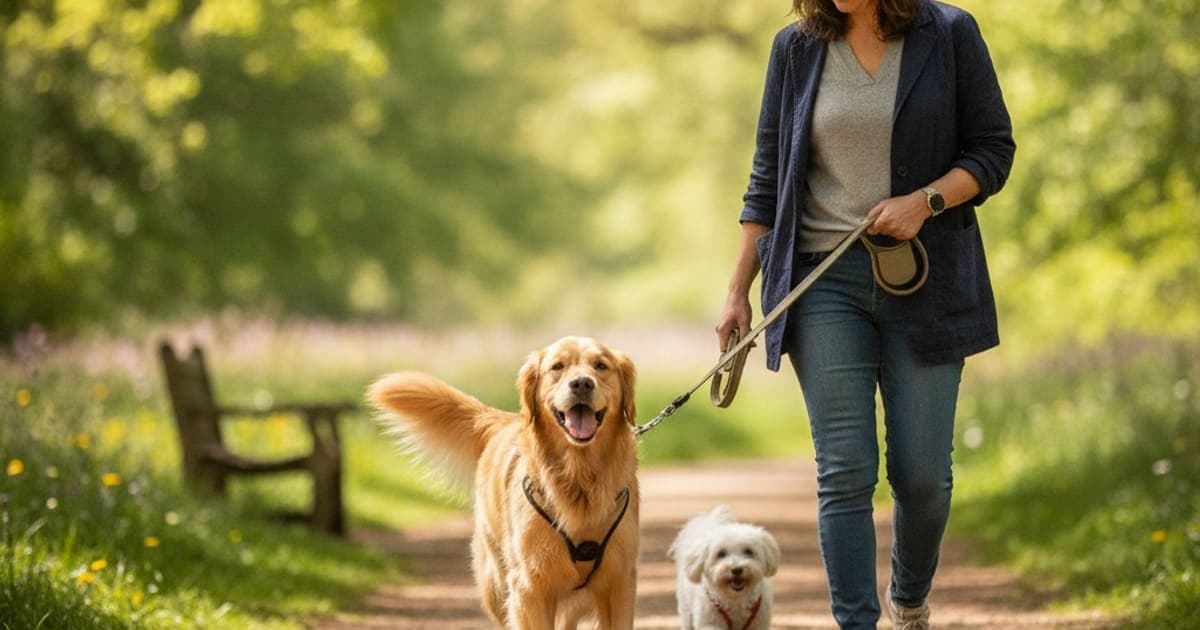 Can Torn Ligament in Dogs Be Reversed? (CCL Explained)No. A torn cruciate ligament in a dog cannot be restored to its original intact structure, because that tissue does not regenerate once it ruptures. What can be rebuilt is stable, comfortable function — through veterinary diagnosis, surgical or conservative stabilisation, controlled rehabilitation, weight management and recovery support.Read the guide →
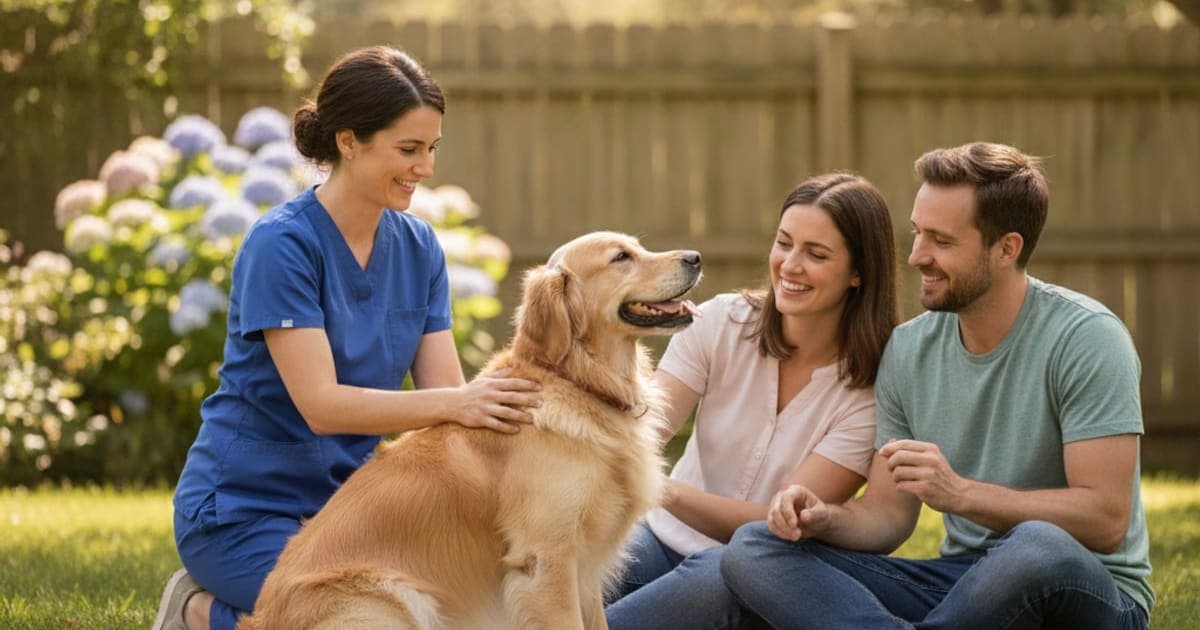 How Is Wobbler Syndrome Diagnosed in Dogs? (MRI vs X-Ray)Wobbler syndrome is diagnosed with a neurologic exam that localises signs to the cervical spine, followed by advanced imaging — MRI most often, or CT myelography — showing spinal cord compression. X-rays alone cannot confirm it. Bloodwork and sometimes spinal fluid analysis rule out look-alike diseases.Read the guide →
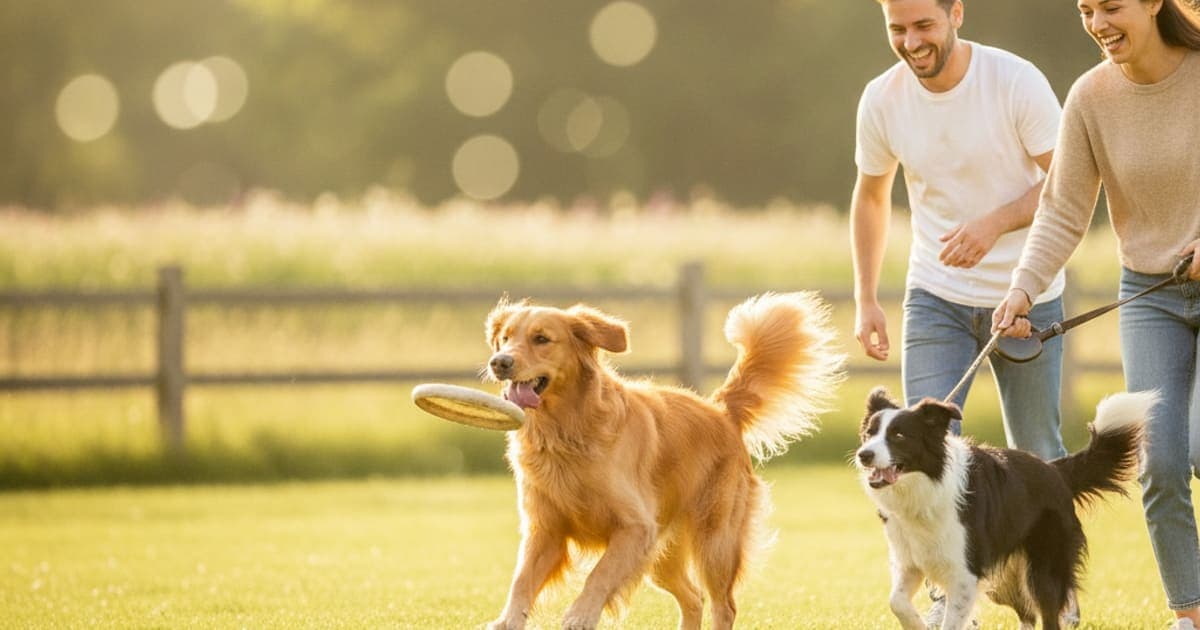 Does K9-REPAIR Actually Work for Dogs? (What Science Shows)K9-REPAIR is a BPC-157 and TB-500 peptide formulation that owners use through joint, tendon and mobility recovery, and published research suggests both peptides may support the body's own repair signalling. It is not an FDA-approved veterinary drug and makes no treatment claims. It works alongside the plan your veterinarian sets, never instead of it.Read the guide →
 Can a Dog's Arthritis Improve Without Surgery?No — arthritis is a permanent structural change to the joint, so it does not heal or reverse on its own or with surgery. But it can be managed without surgery in most dogs, and slowing its progression through weight control, conditioning, vet-guided pain management and joint support is realistic.Read the guide →
 How Is Reduced Stamina Diagnosed in Dogs? (Vet Workup)Reduced stamina in dogs is diagnosed by ruling causes out in order: a detailed exercise history, a full physical exam, bloodwork and thyroid testing, then heart and lung evaluation and an orthopedic gait assessment. There is no single stamina test — the diagnosis comes from the pattern those findings form.Read the guide →

The pawgen library · 3,779 guides
Dog mobility, joints and recovery
Plain-English guides on joint pain, injury recovery and what actually helps aging and active dogs. Written to answer the question, not to pad a word count.