 How Do I Know if TB-500 Is Working? (Tracking Progress)You know TB-500 is working by measuring, not guessing: record a baseline for stairs, sit-to-stand speed, limp severity and willingness to move before you start, then re-check the same items on the same schedule. Your veterinarian can add gait scoring, range-of-motion and muscle measurements for objective confirmation.Read the guide →
 How Is Food Sensitivity Diagnosed in Dogs? (Diet Trials)Food sensitivity in dogs is diagnosed with an elimination diet trial followed by a deliberate rechallenge. Your veterinarian feeds one strictly controlled diet for eight weeks or longer, watches whether the signs resolve, then reintroduces the old food to confirm. Blood, saliva and hair tests are not reliable diagnostic tools.Read the guide →
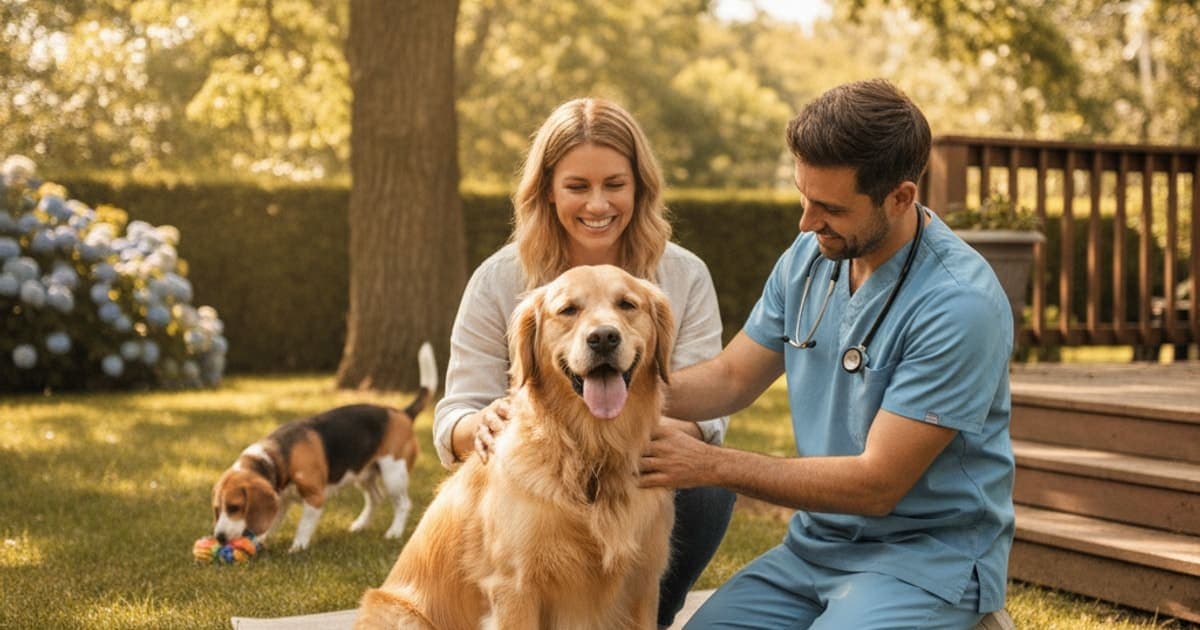 How Is Bicipital Tenosynovitis Diagnosed in Dogs?Bicipital tenosynovitis is diagnosed by an orthopaedic exam that reproduces pain when the shoulder is flexed and the elbow extended, then confirmed with imaging — radiographs of the bicipital groove, ultrasound of the tendon, and MRI or arthroscopy in stubborn cases. Bloodwork and nerve testing rule out mimics.Read the guide →
 Can Shoulder OCD in Dogs Be Reversed? (What Recovery Means)Shoulder OCD in dogs cannot be reversed in the literal sense — the damaged cartilage does not regrow as normal joint surface. What can change is function: with veterinary diagnosis, appropriate surgery or conservative management, weight control and structured rehab, many dogs return to comfortable, active movement.Read the guide →
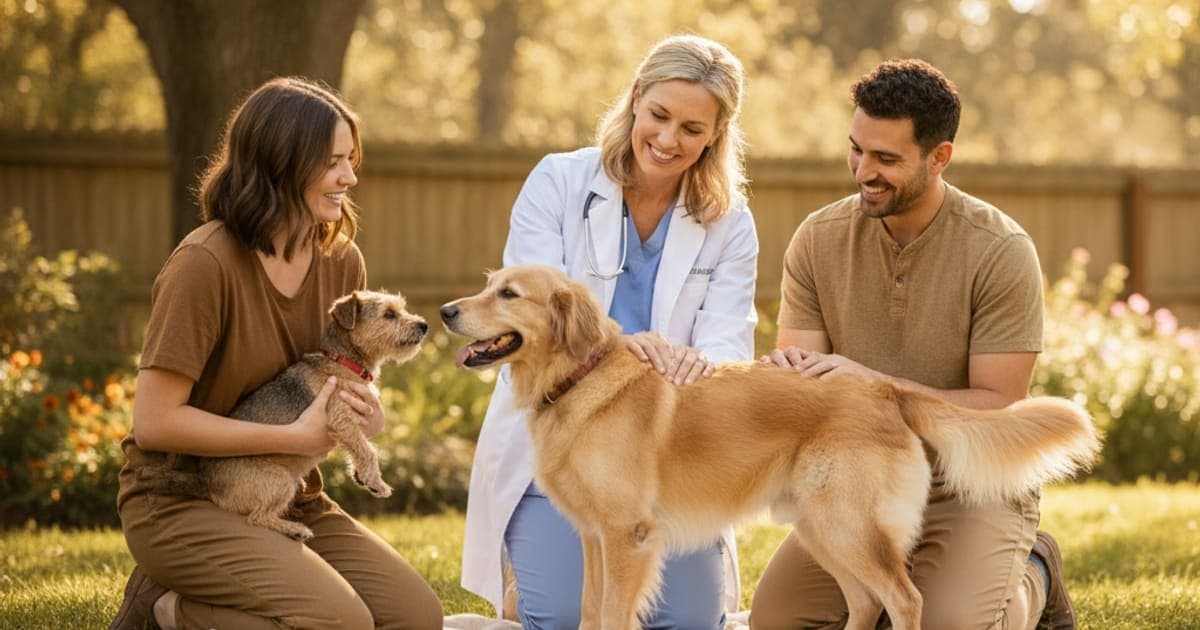 How Is Inflammation Diagnosed in Dogs? (Vet Workup)Inflammation in dogs is diagnosed by combining a hands-on physical exam with targeted testing: a complete blood count and chemistry panel, acute-phase proteins such as C-reactive protein, urinalysis, imaging, and sometimes a sample of joint fluid or tissue.Read the guide →
 Can Dog Osteoarthritis Improve Without Surgery?Osteoarthritis does not heal or reverse — the cartilage changes are permanent — but most dogs are managed successfully without surgery. Weight control, structured exercise, rehabilitation and veterinary pain management form the core of non-surgical care, and surgery is reserved for specific structural problems your veterinarian identifies on examination and imaging.Read the guide →
 How Is Toe Injury Diagnosed in Dogs? (Vet Exam Steps)A veterinarian diagnoses a dog toe injury by watching the dog move, then palpating each digit, nail bed, pad and joint for heat, swelling and pain. Radiographs confirm fractures or dislocations, and cytology, culture or advanced imaging follow when the physical exam leaves questions unanswered.Read the guide →
 How Do I Know if the Wolverine Stack Is Working? (Signs)You know the Wolverine Stack is working by tracking specific, repeatable markers rather than general impressions: time to rise, gait symmetry, stair willingness, next-day soreness after activity, and limb muscle mass. Record those before the first dose, then re-measure on the same schedule under the same conditions for several weeks.Read the guide →
 Dog Joint Effusion: Can It Resolve Without Surgery?Yes — many cases of joint effusion in dogs resolve without surgery, because effusion is a sign of joint inflammation rather than a diagnosis itself. Whether surgery is needed depends entirely on the underlying cause: infection, immune-mediated arthritis, ligament instability and cartilage injury all follow different paths.Read the guide →
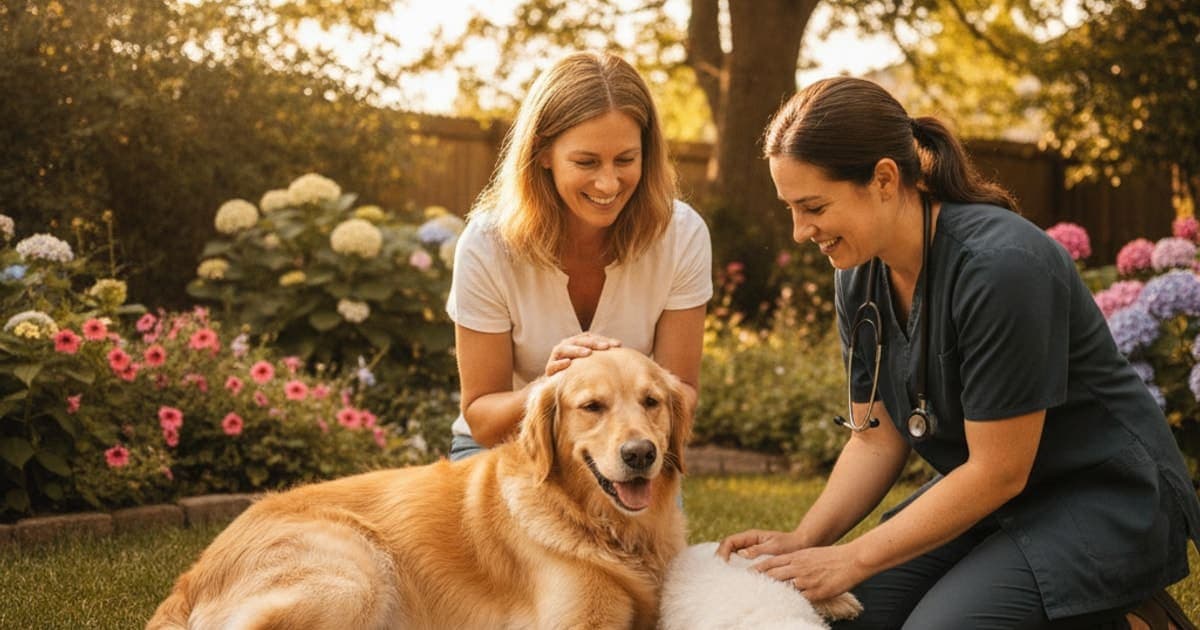 How Is Carpal Hyperextension Diagnosed in Dogs?Carpal hyperextension in dogs is diagnosed through a lameness exam, hands-on manipulation of the wrist, and stressed radiographs taken with the carpus pushed into extension, which show exactly which joint level has collapsed. Your veterinarian may add bloodwork or joint fluid analysis when an underlying immune or infectious cause is suspected.Read the guide →
 How Long Does BPC-157 Take to Work in Dogs? (Timeline)There is no fixed timeline: what owners report varies with the tissue involved, the dog's age and the severity of the injury. Soft-tissue changes are generally described over weeks rather than days, and tendon, ligament and disc tissue lag behind muscle. Your veterinarian's reassessment schedule is the real measuring stick.Read the guide →
 Can Panosteitis in Dogs Be Reversed? (What to Expect)Yes — panosteitis is self-limiting, meaning it resolves as a dog's long bones finish growing, usually leaving no lasting damage. It cannot be switched off early, but flares can be managed. Recovery means controlling pain and inflammation while the skeleton matures, under a veterinarian's guidance.Read the guide →
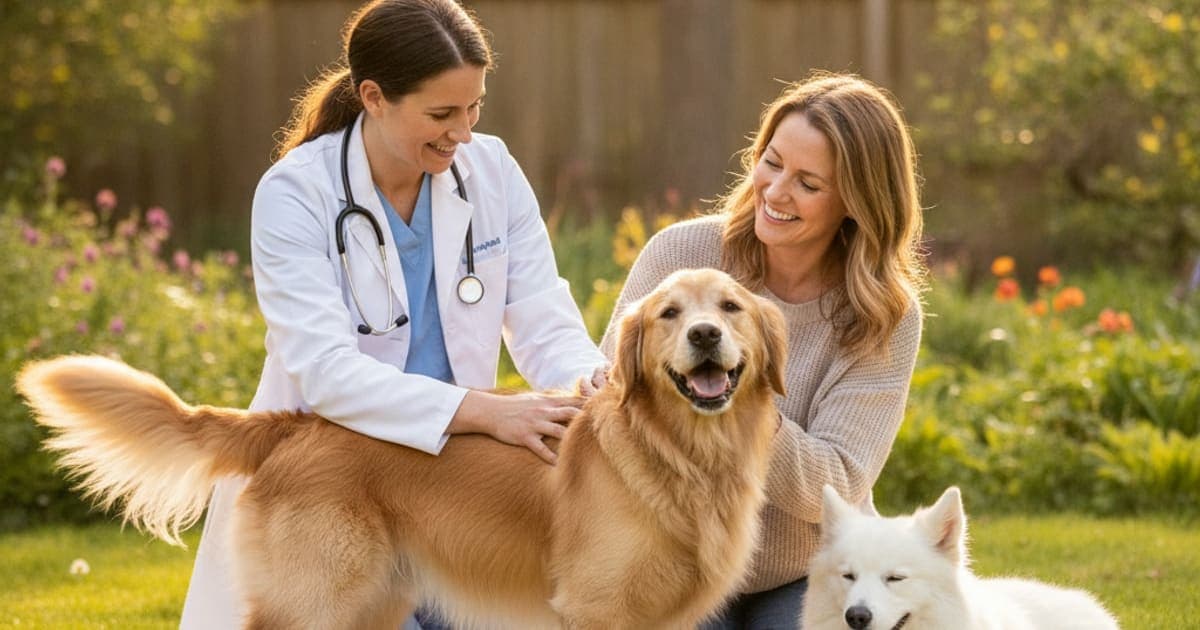 How Is Disc Herniation Diagnosed in Dogs? (Exam & Imaging)Disc herniation in dogs is diagnosed in two stages: a hands-on neurologic exam that localises the lesion to a spinal segment and grades severity, then advanced imaging — MRI or CT, sometimes with myelography — that confirms which disc has extruded. Plain X-rays support suspicion but cannot confirm it.Read the guide →
 How Is Elbow Dysplasia Diagnosed in Dogs? (Exam to Imaging)Elbow dysplasia is diagnosed through a hands-on orthopedic exam followed by sedated radiographs of both elbows, with CT or arthroscopy used when X-rays are inconclusive. Because the developmental lesions are small and often bilateral, most veterinarians image both front legs even when only one limb looks lame.Read the guide →
 Can Cauda Equina Syndrome in Dogs Be Reversed?Partly. Decompressive surgery or disciplined conservative care can take pressure off the compressed nerve roots, and many dogs regain comfort, strength and normal toileting. The underlying disc degeneration, joint arthritis and ligament thickening are not undone, so the condition is managed long-term rather than cured.Read the guide →
 Can I Give My Dog TB-500? (Eligibility Explained)Yes, owners do give TB-500 to dogs, most often through recovery from soft-tissue injury, orthopedic surgery or age-related stiffness. It is not an FDA-approved veterinary drug, so it sits in the educational supplement space. Eligibility, sourcing and timing are conversations to have with your veterinarian before you start.Read the guide →
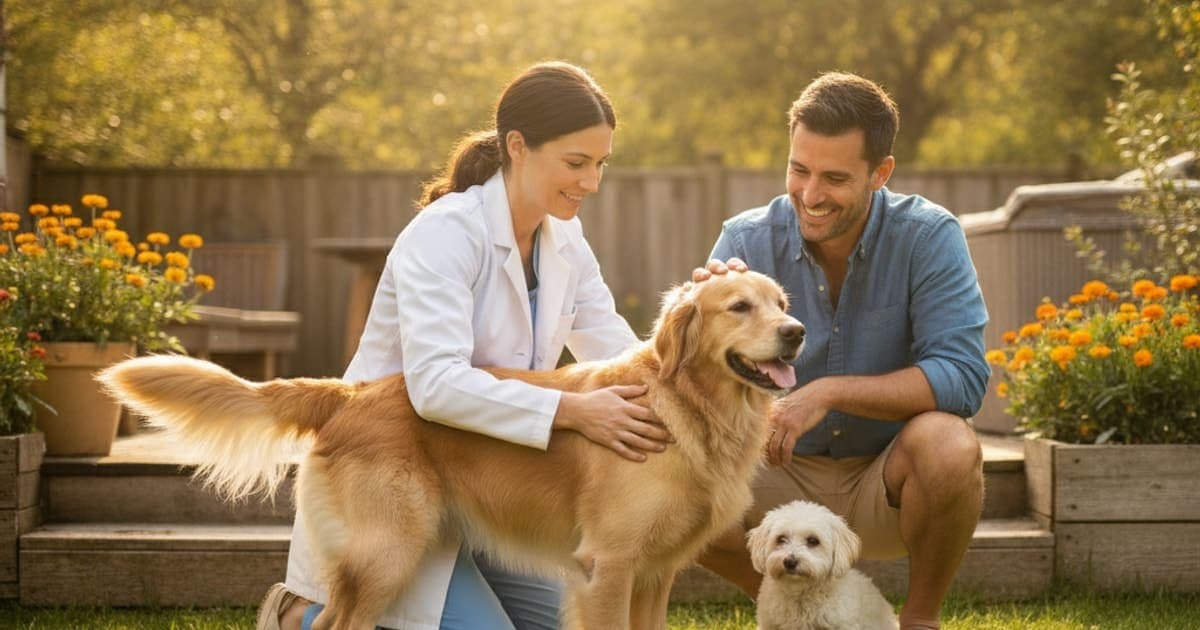 How Is Osteoarthritis Diagnosed in Dogs? (Vet Exam Steps)Osteoarthritis in dogs is diagnosed clinically: your veterinarian collects a detailed history of how your dog moves at home, performs a hands-on orthopaedic exam of each joint, and usually confirms and stages the findings with radiographs. Other causes of lameness are ruled out first, and validated owner questionnaires often support the assessment.Read the guide →
 Can Fibrocartilaginous Embolism in Dogs Be Reversed?No — a fibrocartilaginous embolism cannot be undone, because the spinal cord infarct it causes is already complete by the time signs appear. Function, however, often improves. Recovery depends on how much cord tissue was spared, the quality of nursing and rehabilitation, and your veterinarian's diagnosis and plan.Read the guide →
 Can the Wolverine Stack Replace Dog Pain Medication?No. The Wolverine Stack — BPC-157 plus TB-500 — is studied for tissue-repair mechanisms, not pain signalling, so it does not substitute for a prescribed analgesic. Owners use it alongside a veterinary plan, never instead of one. Any change to pain medication belongs to your veterinarian.Read the guide →
 Can Obesity Joint Strain in Dogs Be Reversed? (What Helps)Largely, yes. The mechanical load, low-grade inflammation and muscle loss driven by excess weight are all modifiable, and research suggests lameness improves in obese dogs as weight comes off. What does not reverse is cartilage already lost to arthritis — so recovery means less pain and better function, not a brand-new joint.Read the guide →
 How Is Meniscus Tear Diagnosed in Dogs? (Exam to Scope)A meniscus tear in dogs is diagnosed through a sedated orthopaedic exam of the stifle, listening and feeling for a meniscal click alongside cranial drawer and tibial compression testing, then confirmed by direct visualisation inside the joint during arthroscopy or arthrotomy. Radiographs cannot image the meniscus itself.Read the guide →
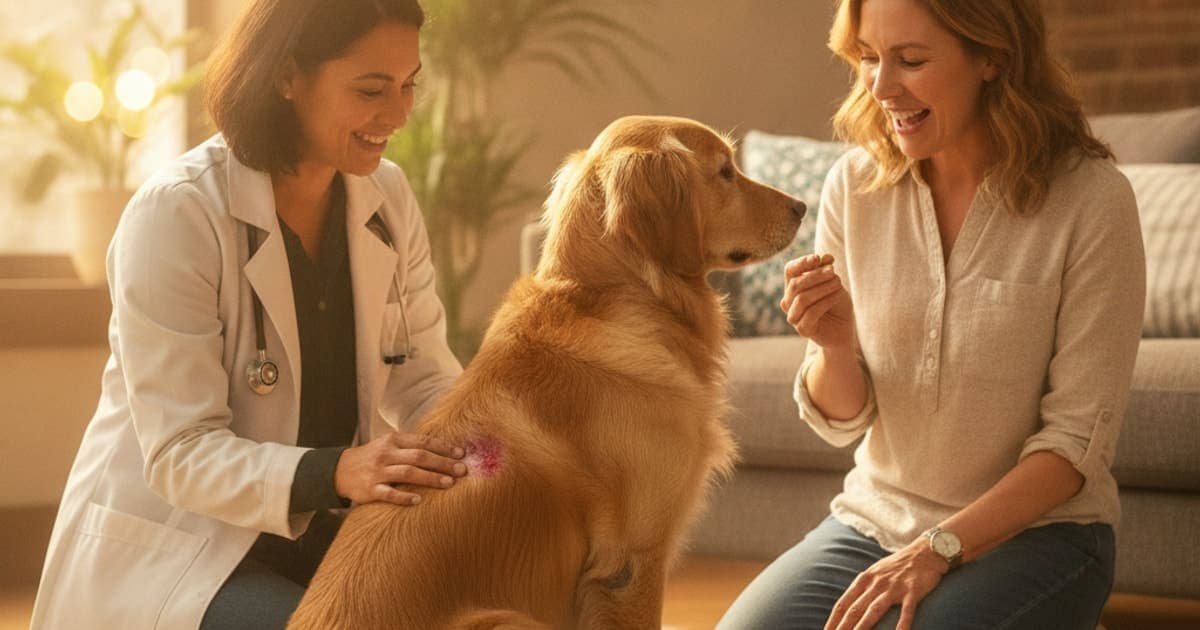 How Is Hot Spots Diagnosed in Dogs? (Vet Exam Steps)Hot spots are diagnosed clinically: a veterinarian examines the lesion and takes a history, then uses skin cytology, and sometimes scrapings or fungal testing, to rule out mange, ringworm and deeper infection. Because a hot spot is a symptom, the workup also looks for the underlying trigger.Read the guide →
 How Is Tendon Injury Diagnosed in Dogs? (Vet Exam Steps)Tendon injury in dogs is diagnosed by combining gait observation, a hands-on orthopedic exam that stresses each suspect tendon, and imaging — radiographs to rule out bone disease, then ultrasound, MRI, CT or arthroscopy to see the soft tissue. No single test confirms it; diagnosis is a process of elimination.Read the guide →
 Can Avulsion Fracture in Dogs Be Reversed? (Explained)No — an avulsion fracture cannot be undone, because the bone fragment has already been pulled loose by its own tendon or ligament. It can, however, be repaired. Surgical reattachment, controlled rest and structured rehabilitation restore function, and your veterinarian sets the plan your dog follows.Read the guide →

The pawgen library · 3,779 guides
Dog mobility, joints and recovery
Plain-English guides on joint pain, injury recovery and what actually helps aging and active dogs. Written to answer the question, not to pad a word count.