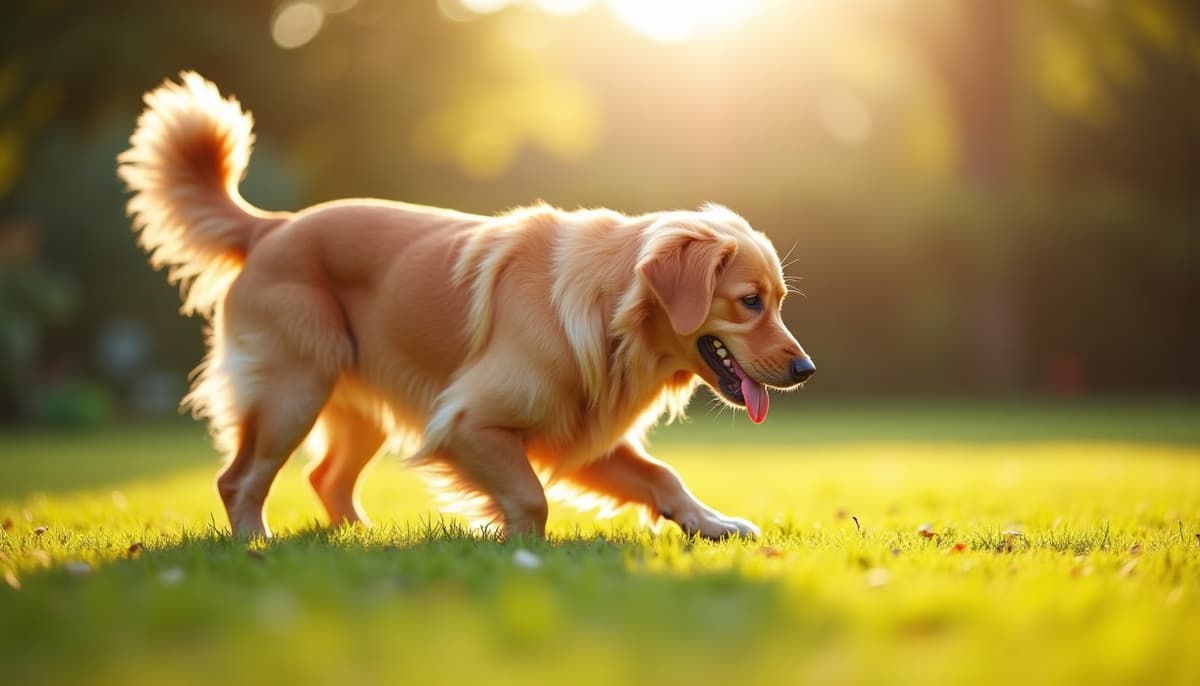
 Golden Retrievers Joint Health Guide - Risks & SignsThe most common mistake Golden Retriever owners make is not missing arthritis in a senior dog. It is assuming that a young, athletic Golden who has never limped must have structurally sound hips. Hip dysplasia is a developmental condition of joint laxity that begins forming long before the first birthday,…Read the guide →
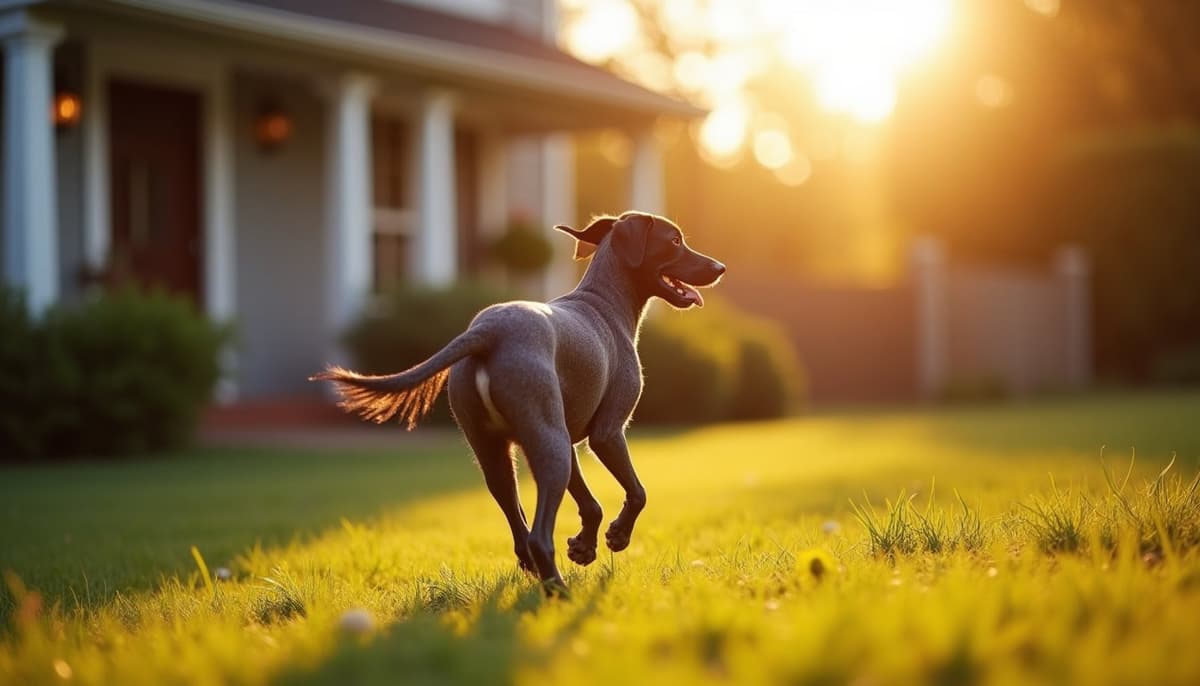 German Shorthaired Pointers Joint Health Guide | pawgenThe limp almost never starts where the pain is. A German Shorthaired Pointer with an aching hip will quietly shift load forward onto the front end for months, so by the time an owner notices anything, the dog shows a subtle front-leg head bob while the real trouble sits in…Read the guide →
 Flat-Coated Retrievers Joint Health Guide — Risks & SignsThe first sign of joint trouble in a Flat-Coated Retriever is almost never a limp. It is a hesitation at the couch, a shortened stride on the last half mile, a dog who suddenly takes the stairs one step at a time. Flat-Coats were bred to work cold water and…Read the guide →
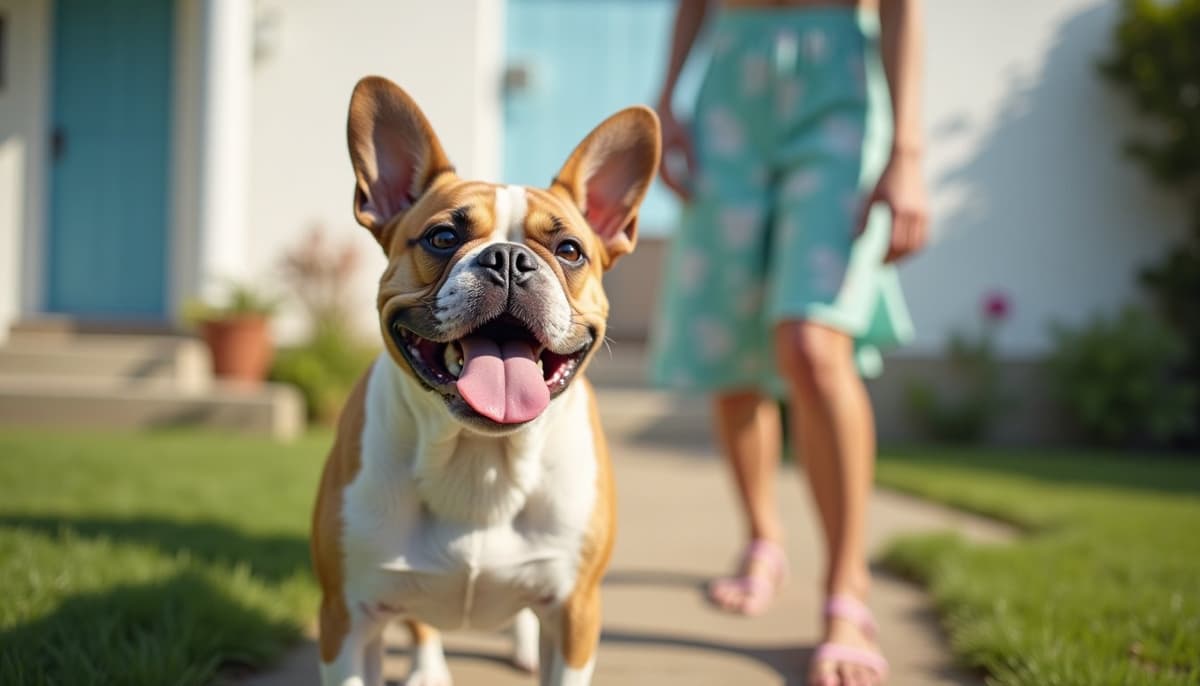 What Joint Problems Affect French Bulldogs? (Breed Guide)A French Bulldog's mobility problems usually begin in the same genetics that gave the breed its silhouette. The FGF4 retrogene insertion on canine chromosome 12, identified by researchers at the University of California, Davis, produces the shortened, curved limbs of chondrodystrophy and travels with a sharply elevated risk of intervertebral…Read the guide →
 German Shepherds Joint Health Guide — Hips, Elbows, ACLHip dysplasia gets the headlines, but it is rarely what stops a German Shepherd first. The Orthopedic Foundation for Animals has listed German Shepherds among the breeds most frequently affected by hip dysplasia for decades, yet cranial cruciate ligament rupture remains the most common orthopaedic injury in dogs overall, and…Read the guide →
 Foxhounds Joint Health Guide — Hips, ACL & ArthritisThe first sign of joint trouble in a Foxhound is almost never a limp. It is a dog that still tears down the fence line at full speed, then needs three extra seconds to stand up after a nap on a cold morning. Pack hounds were selected for stamina and…Read the guide →
 Finnish Lapphunds Joint Health Guide — Risks & SignsThe first sign of joint trouble in a Finnish Lapphund is rarely a limp. It is a dog who stops meeting you at the door, takes the stairs one at a time, or sits with a hind leg kicked out sideways instead of tucked underneath.…Read the guide →
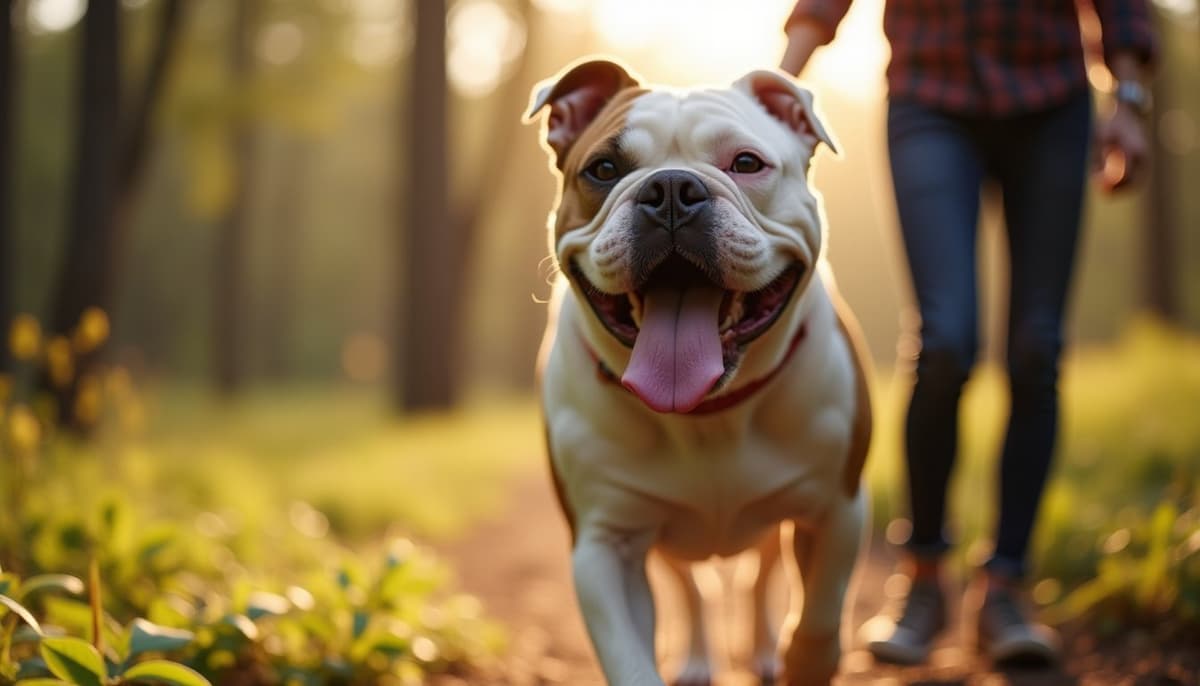 English Bulldogs Joint Health Guide — Risks & SignsThe Orthopedic Foundation for Animals (OFA), the largest canine orthopedic registry in the United States, has ranked the Bulldog at the very top of its hip dysplasia list for years. The majority of Bulldogs submitted for hip evaluation are graded dysplastic. No other popular companion breed sits in that position,…Read the guide →
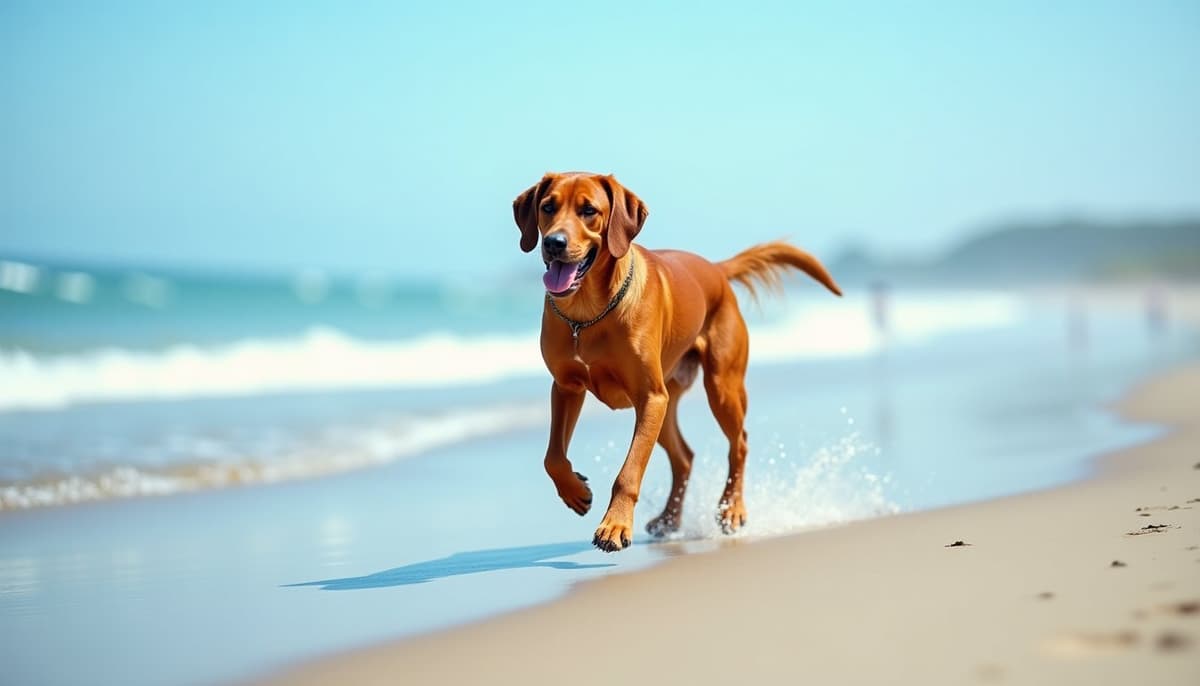 Dogues de Bordeaux Joint Health Guide — Hips to SpineThe joint disease that eventually limits a Dogue de Bordeaux rarely begins in old age. Hip dysplasia and elbow dysplasia are developmental conditions, which means the abnormal joint architecture is laid down while the puppy is still growing, long before any limp appears.…Read the guide →
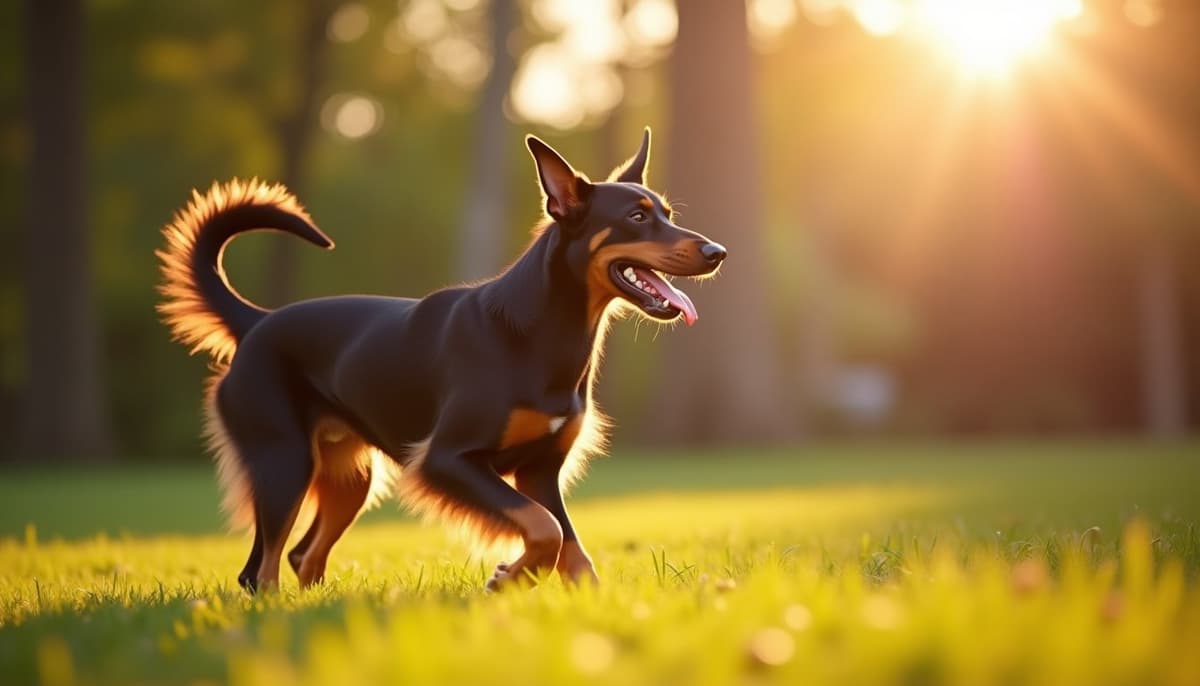 Dobermans Joint Health Guide — Hips, ACL, IVDD RisksThe joint problem most likely to steal a Doberman's mobility isn't in the hips. It's in the neck. Cervical spondylomyelopathy, better known as wobbler syndrome, is strongly overrepresented in this breed, and it rarely announces itself with pain. It shows up as a sway, a scuffed nail, a hesitation on…Read the guide →
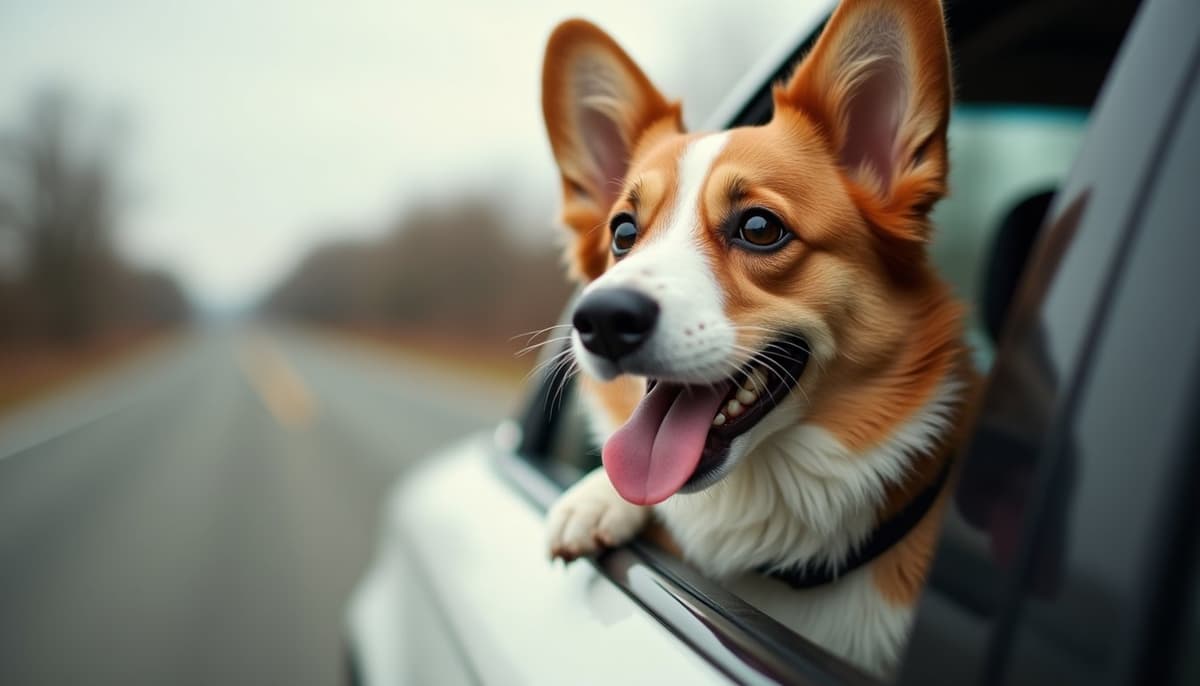 Corgis Joint Health Guide — Hip, Back & IVDD RisksCorgi legs are not a styling choice made by breeders. They are the visible expression of chondrodystrophy, a skeletal condition written into the breed's genetics, and the same biology that shortens the limbs also changes how the discs in a Corgi's spine age. That single fact anchors every honest corgis…Read the guide →
 Cocker Spaniels Joint Health Guide — Hips, ACL & IVDDA 14-year lifetime study of Labrador Retrievers led by Richard Kealy and published in the Journal of the American Veterinary Medical Association found that dogs kept at a lean body condition lived a median of 1.8 years longer than genetically matched littermates fed 25% more food, and developed radiographic hip…Read the guide →
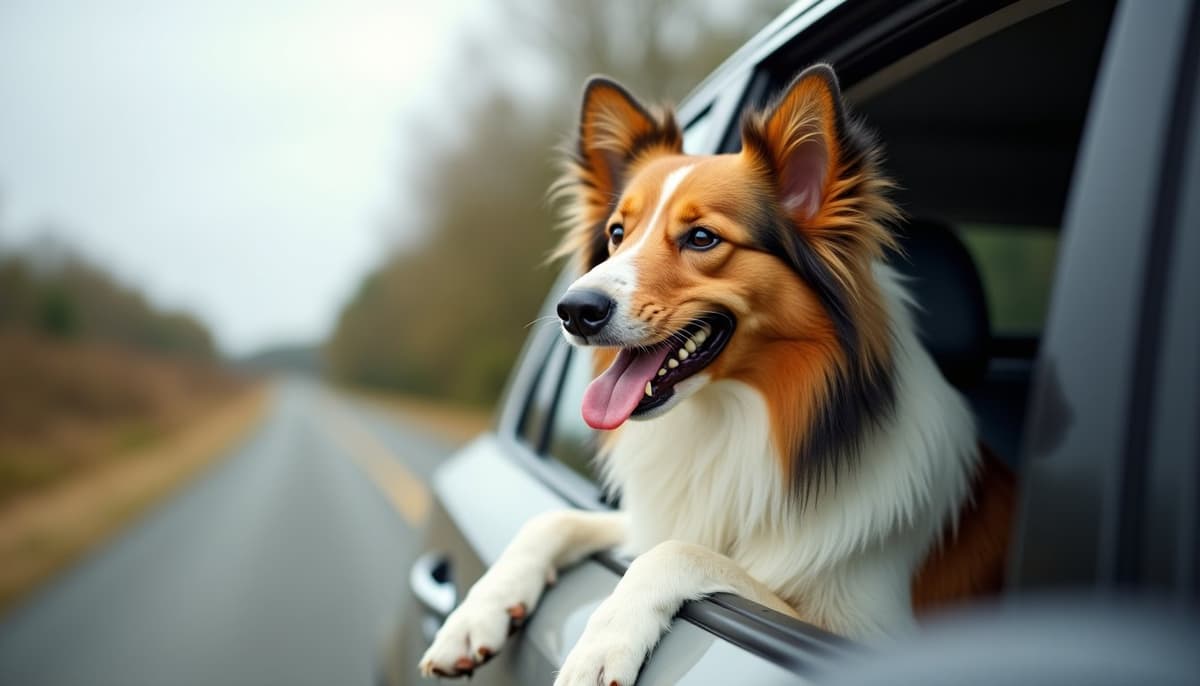 Collies Joint Health Guide — Hips, IVDD & MobilityMost Collie owners wait for a limp. A lot of Collies never give them one. The breed's most consequential mobility problems are spinal and bilateral, so discomfort tends to surface as a dog who hesitates at the car boot, stops launching onto the sofa, or quietly drifts to the back…Read the guide →
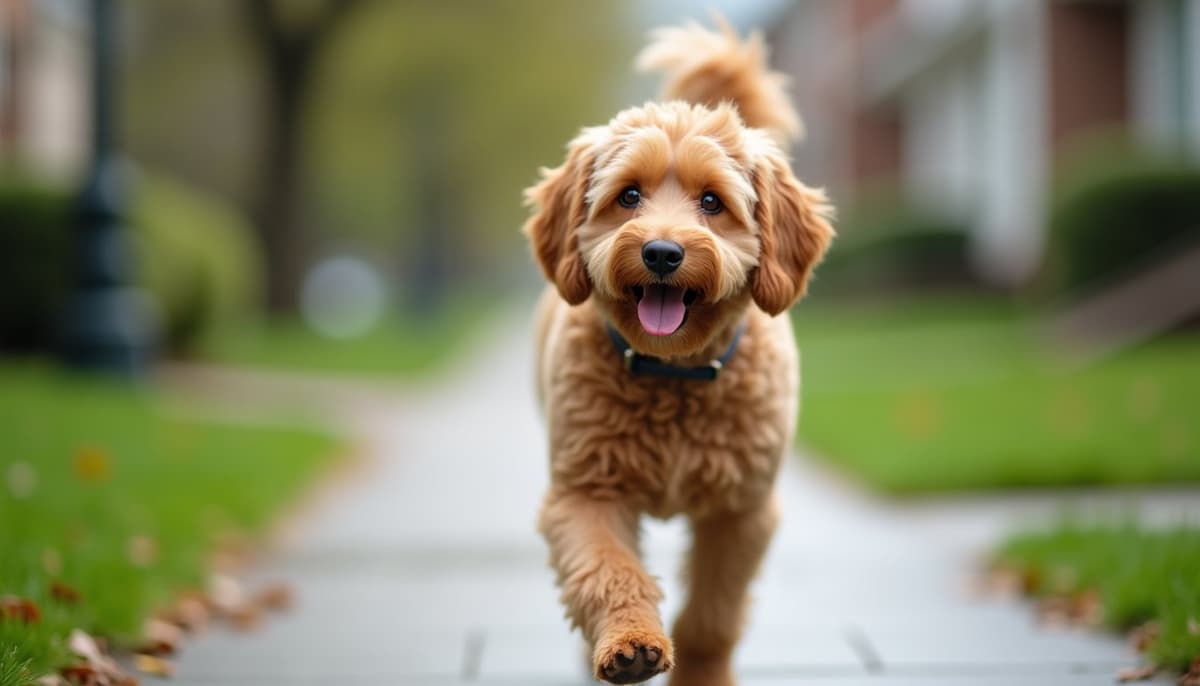 Cockapoos Joint Health Guide — Risks, Signs & SupportThe most common mistake Cockapoo owners make is not missing a limp. It is assuming a limp is the first sign. Cockapoos inherit orthopaedic risk from both parent lines, and the earliest changes almost always show up as behaviour rather than lameness: a hesitation at the bottom of the stairs,…Read the guide →
 Chow Chows Joint Health Guide — Hips, Knees & SpineThe Chow Chow is one of the few breeds whose written standard describes a movement limitation as a desirable trait. The AKC standard calls for a stilted, short-strided gait produced by a hind leg with very little angulation at the stifle, and the Orthopedic Foundation for Animals has listed the…Read the guide →
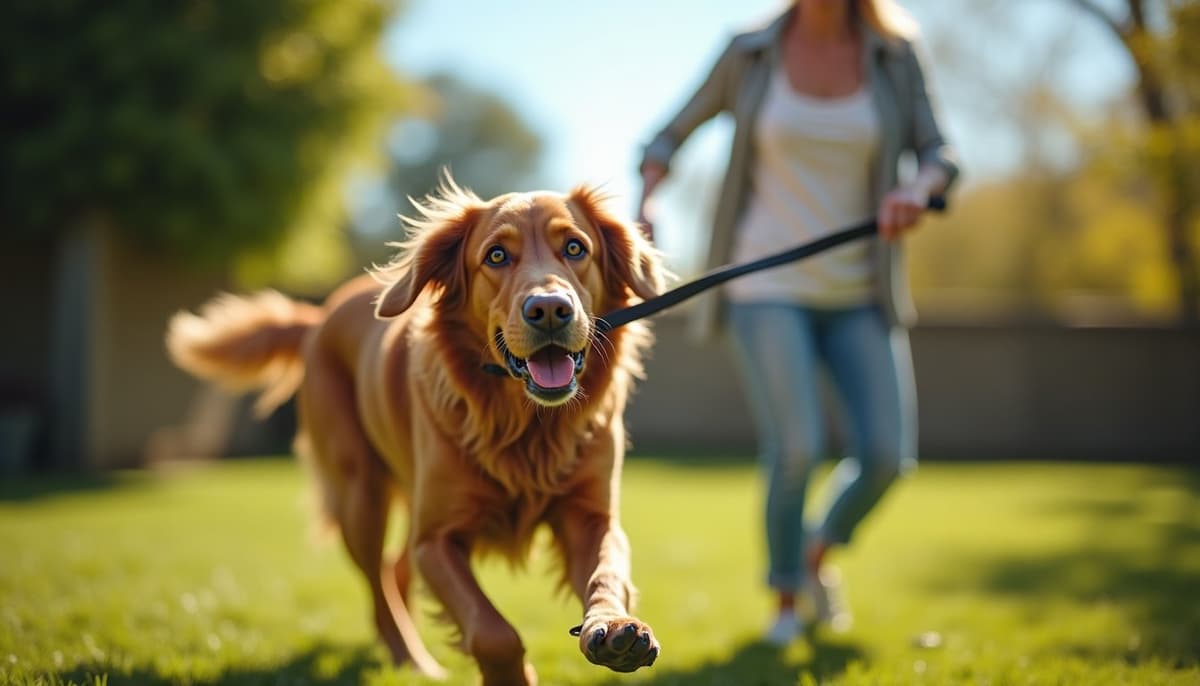 Chesapeake Bay Retrievers Joint Health Guide | pawgenThe first sign of joint trouble in a Chesapeake Bay Retriever is almost never a limp. It is a dog who still swims a frigid marsh for an hour, then hesitates for half a second before loading into the truck. Chessies were selected to keep working through discomfort, and that…Read the guide →
 Cavalier King Charles Spaniels Joint Health Guide | pawgenMost owners arrive worried about hips. In Cavaliers, the kneecap and the spine cause more day-to-day trouble than the hip joint ever does, and both announce themselves with signs that look like nothing at all.…Read the guide →
 Chihuahuas Joint Health Guide: Risks, Signs, SupportThe joint most likely to fail in a Chihuahua is not the hip. It is the kneecap, sliding sideways out of a groove in the thigh bone that is frequently too shallow to hold it in place. Owners rarely describe this as lameness. They describe a skip, a bunny hop,…Read the guide →
 Catahoula Leopard Dogs Joint Health Guide | K9-REPAIRA 14-year lifetime study of Labrador Retrievers funded by Nestlé Purina and published in the Journal of the American Veterinary Medical Association found that dogs kept lean through restricted feeding developed osteoarthritis later and lived a median of roughly 1.8 years longer than their freely fed littermates. Nothing else in…Read the guide →
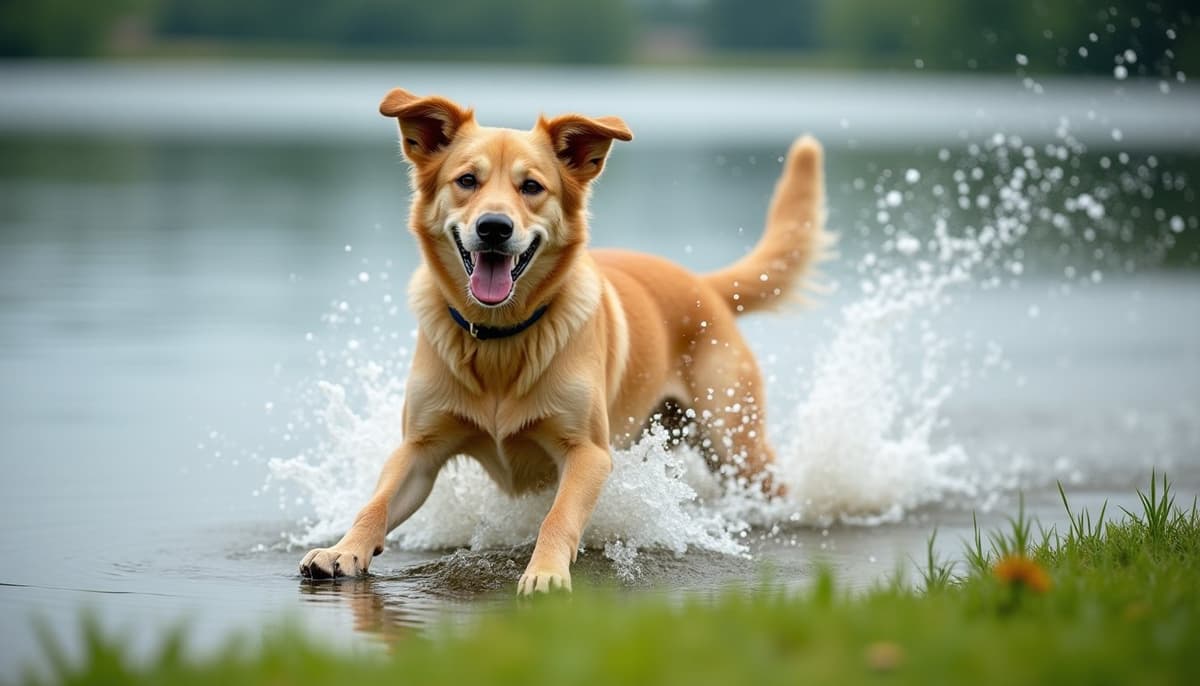 Canaan Dogs Joint Health Guide — Mobility Risks | pawgenMost owners assume a landrace breed shaped by centuries of desert survival is immune to orthopaedic trouble. It is not. The Canaan Dog carries moderate angulation and a tight, athletic frame compared with heavily line-bred sporting breeds, yet the Orthopedic Foundation for Animals (OFA) still records hip and elbow dysplasia…Read the guide →
 Cairn Terriers Joint Health Guide — Risks and SignsThe most damaging Cairn Terrier joint problem is rarely the one owners are watching for. It is not hip dysplasia. It is the quiet accumulation of stifle and spinal load in a dog carrying a full-sized terrier torso on deliberately shortened limbs, a body engineered to force its way into…Read the guide →
 Cane Corsos Joint Health Guide — Hips, Knees & SpineA Cane Corso can carry a badly formed hip joint for years and never limp once. The breed's stoicism, combined with dense muscling that splints unstable joints, hides orthopaedic disease so effectively that many owners learn about it from a radiograph rather than from a symptom.…Read the guide →
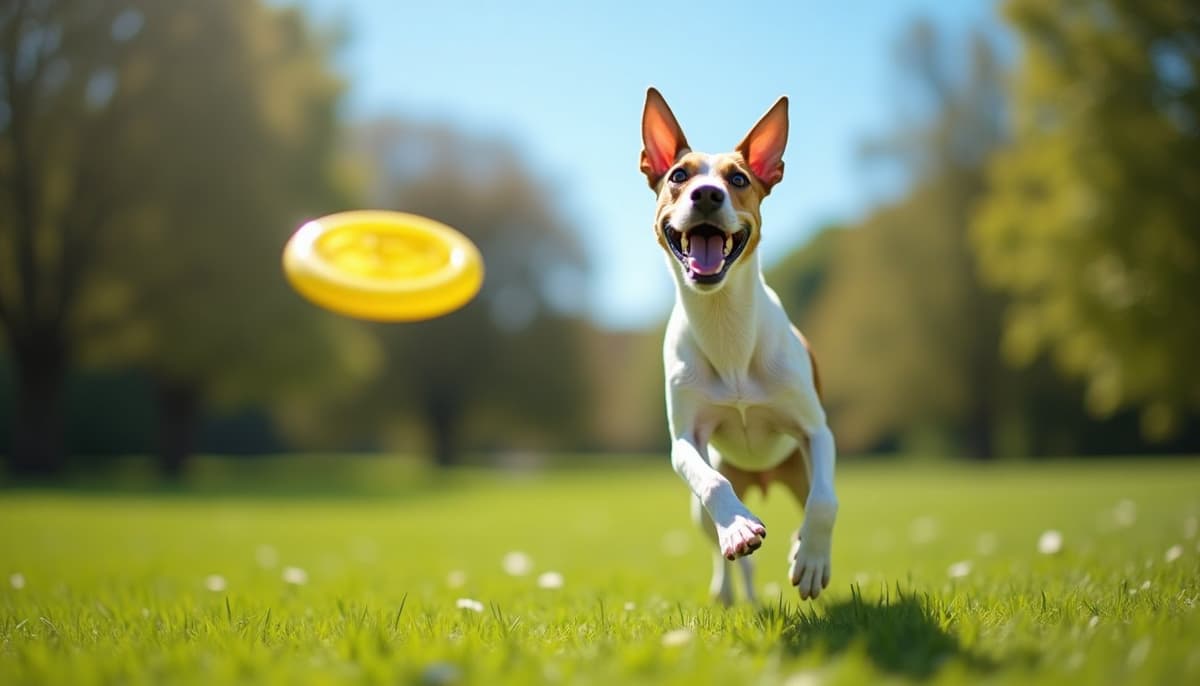 Bull Terriers Joint Health Guide — Mobility & ArthritisMost owners watching this breed for orthopaedic trouble watch the hips. Wrong joint, in most cases. The stifle (knee) and the kneecap groove generate far more mobility complaints in Bull Terriers than the hip socket does, and the first sign is almost never a limp. It is a change in…Read the guide →
 Briards Joint Health Guide — Hips, Elbows & MobilityHip dysplasia gets the headlines, but it is almost never what a Briard owner notices first. What comes first is a dog that stops launching into the back of the car, that sits with one hind leg kicked out sideways, or that yelps once when lifted and then behaves as…Read the guide →
Breeds · 120 guides
Breeds
Breed-by-breed joint and mobility risk, and what to watch for as your dog ages. Some breeds carry problems others never see.