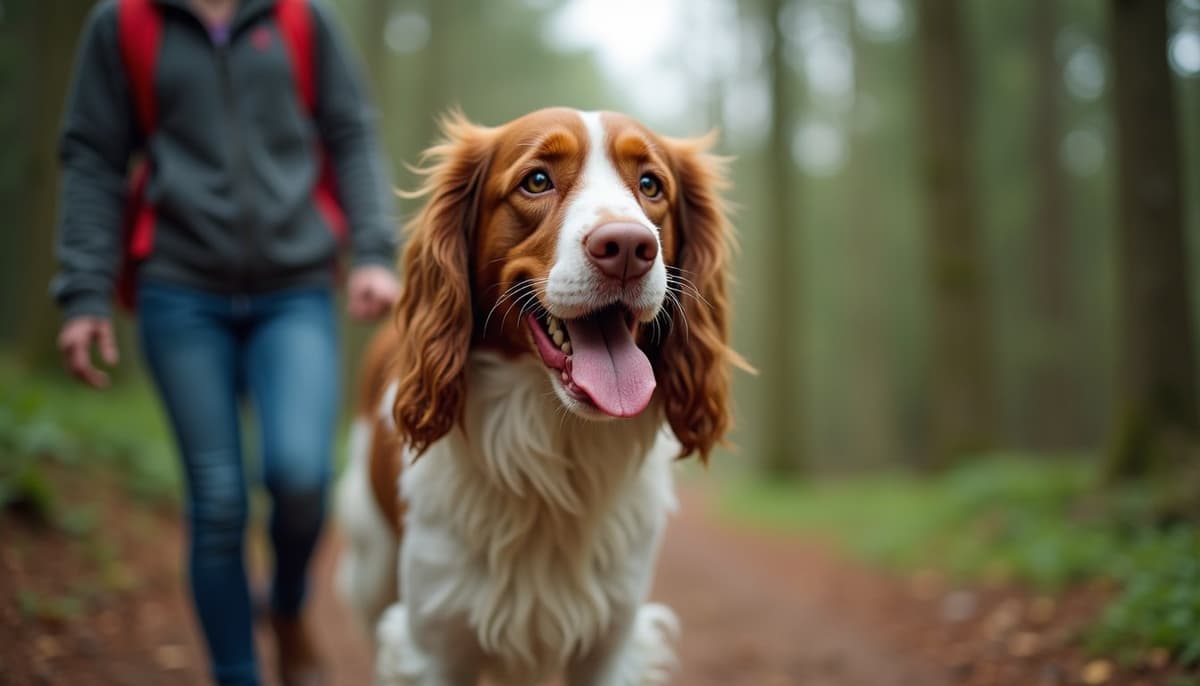
 Brittany Spaniels Joint Health Guide — Mobility RisksThe Brittany's biggest orthopaedic liability is not an inherited defect. It's drive. A dog built to quarter a field for hours will keep quartering on a joint that already hurts, and arousal blunts pain perception during the run, which is why the limp so often shows up the following morning…Read the guide →
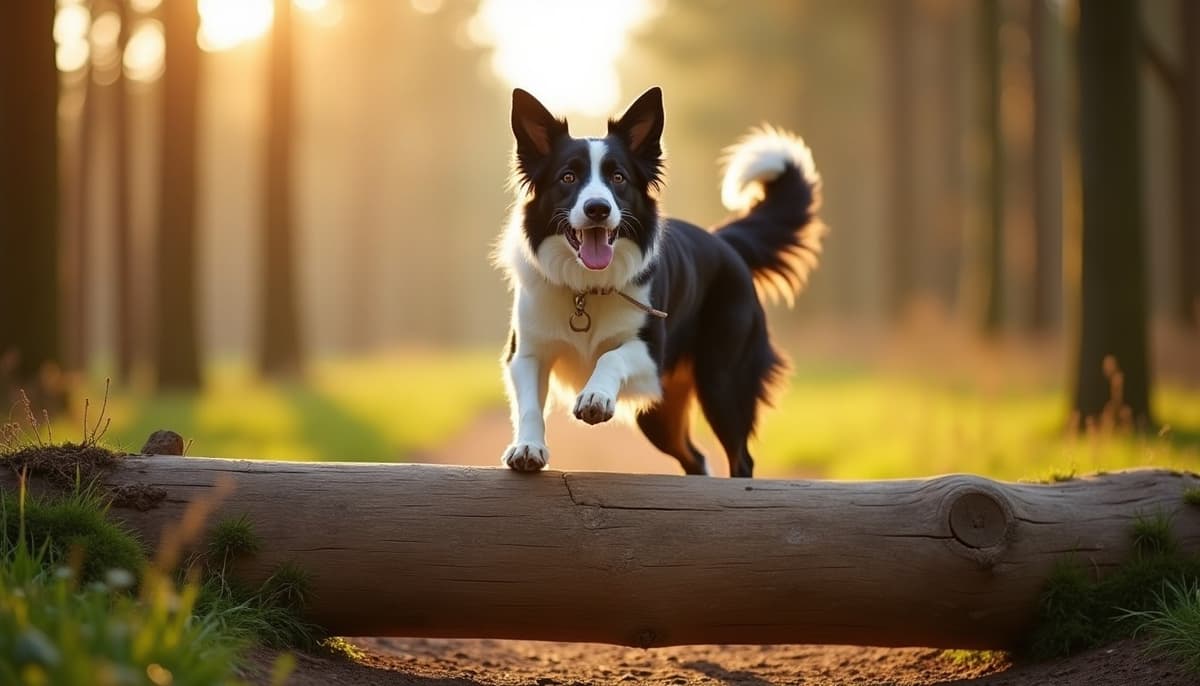 Border Collies Joint Health Guide — Breed Risk ProfileThe first sign of joint trouble in a Border Collie is rarely a limp. It is a dog that hesitates before jumping into the car, breaks a stay to sit down, or trades the flat-out outrun for a steady trot. This breed was selected for a work ethic that overrides…Read the guide →
 Border Terriers Joint Health Guide — Mobility RisksThe first sign of joint trouble in a Border Terrier is almost never a limp. It is a dog that still does everything you ask, just with a half-second pause before jumping into the car, or a slightly shorter list of things it volunteers for on a cold morning.…Read the guide →
 Boston Terriers Joint Health Guide — Risks & MobilityA 14-year lifetime feeding study run by Nestlé Purina and published in the Journal of the American Veterinary Medical Association followed Labrador Retrievers from puppyhood to death. The dogs kept lean lived a median of roughly two years longer than littermates fed more generously, and they developed radiographic hip osteoarthritis…Read the guide →
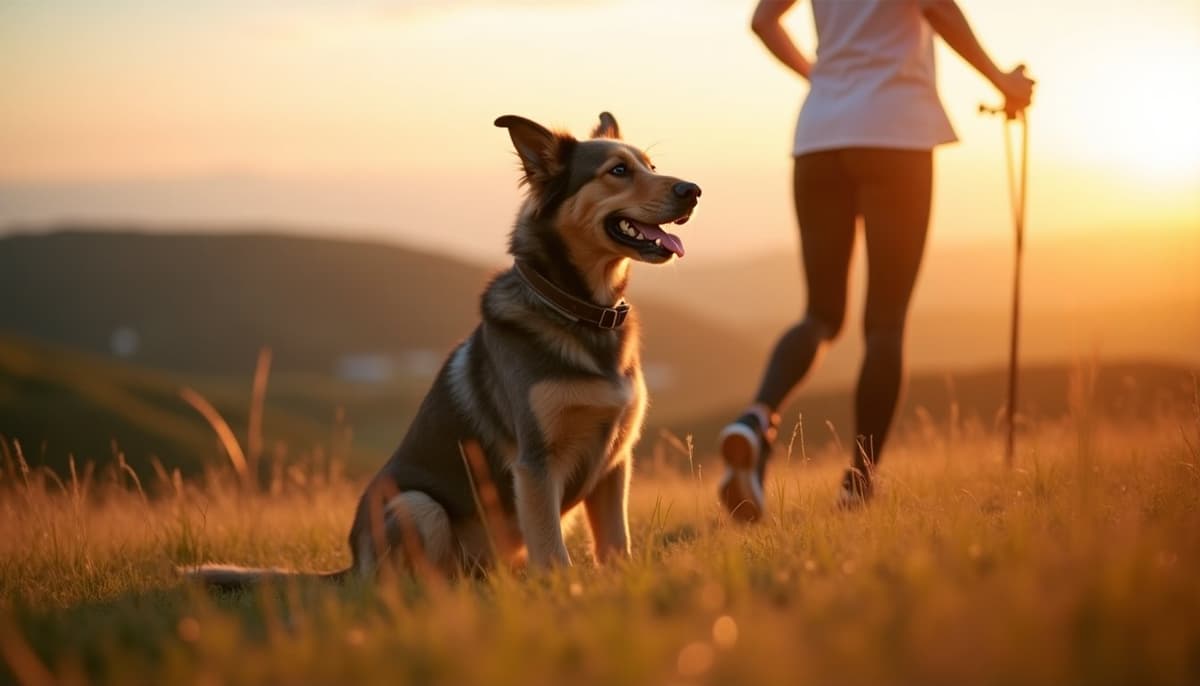 Bouvier des Flandres Joint Health Guide | K9-REPAIRThe first joint problem a Bouvier des Flandres shows you is rarely a limp. It is a dog that stops taking stairs two at a time, sits with one hip rolled out to the side, and pauses half a second before standing. The Orthopedic Foundation for Animals (OFA), which maintains…Read the guide →
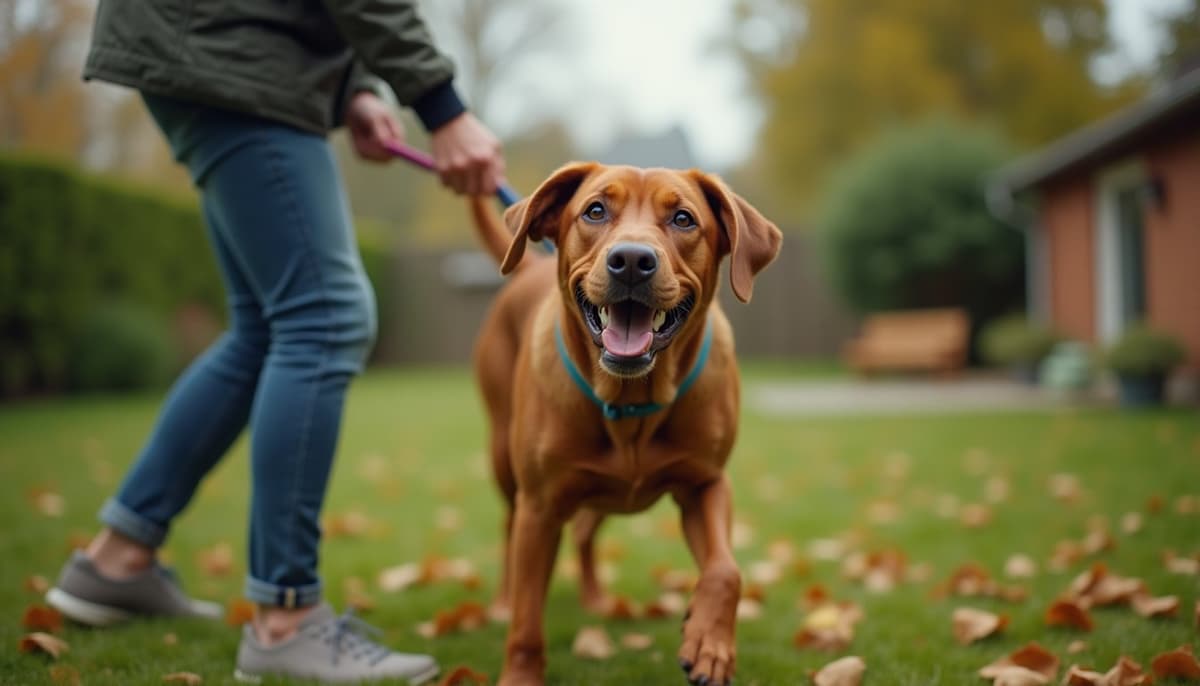 Boerboels Joint Health Guide — Hip, ACL & IVDD RisksThe Boerboel's greatest orthopaedic risk isn't a torn ligament on a Sunday walk. It's the eighteen to twenty-four months of skeletal growth that happen before most owners think about mobility at all, when 150 pounds of adult frame is being built on cartilage growth plates that haven't closed yet.…Read the guide →
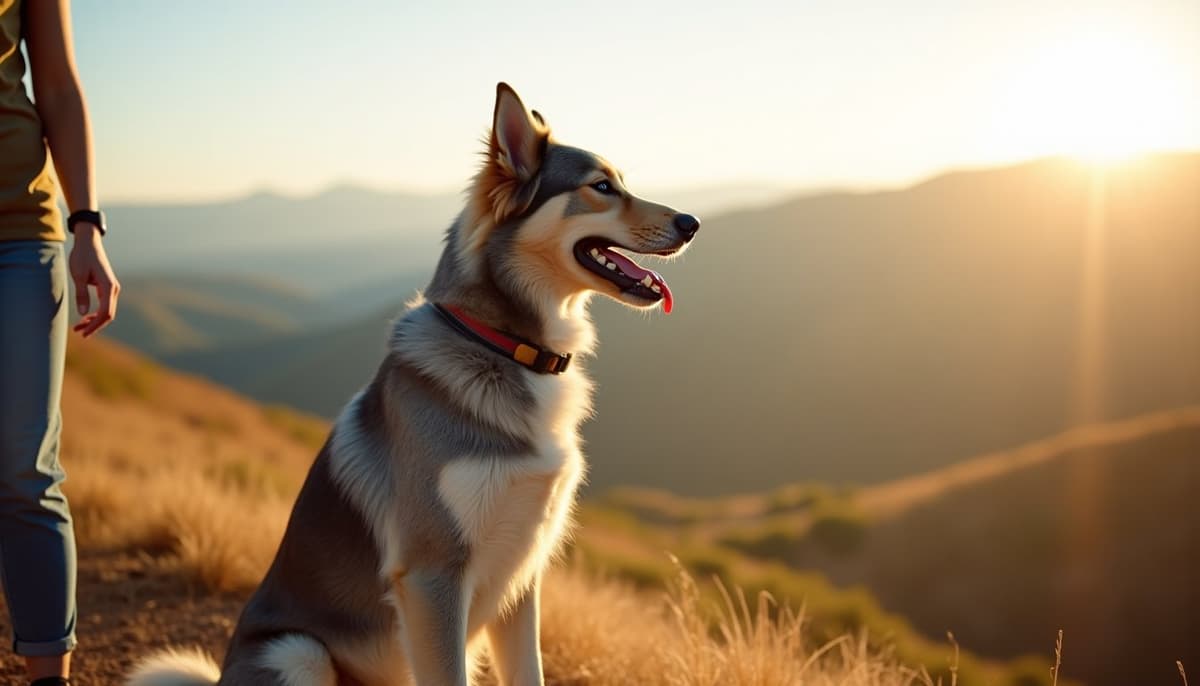 Blue Heelers Joint Health Guide — Risks & Mobility CareA 14-year lifetime study of Labrador Retrievers run by Nestlé Purina and published in the Journal of the American Veterinary Medical Association found that dogs kept at a lean body condition developed radiographic osteoarthritis later and lived a median of roughly two years longer than their heavier littermates. Same breeding.…Read the guide →
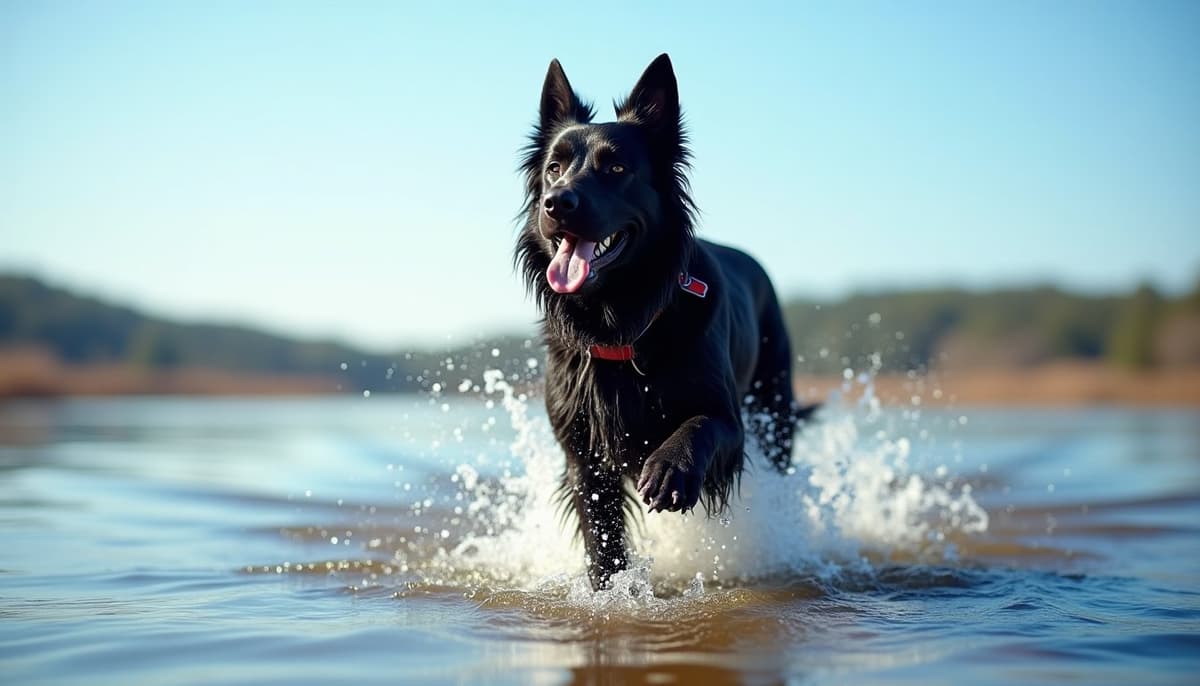 Black Russian Terriers Joint Health Guide | K9-REPAIRThe Black Russian Terrier was assembled at the Soviet Red Star Kennel from Giant Schnauzer, Rottweiler, Airedale Terrier and Newfoundland stock, which compressed a 100-pound working dog into roughly seven decades of breed history. The temperament got a head start. The skeleton did not.…Read the guide →
 What Joint Problems Affect Bloodhounds? (Breed Risks)A 14-year lifetime study of Labrador Retrievers conducted by Nestlé Purina and published in the Journal of the American Veterinary Medical Association found that dogs fed 25% less than their paired littermates lived a median of 1.8 years longer and developed hip osteoarthritis later in life. Bloodhounds were not in…Read the guide →
 Bichon Frises Joint Health Guide — Risks, Signs, CareThe joint that gives out first in a Bichon Frise is almost never the hip. It is the kneecap. Medial patellar luxation, where the patella slides out of the femoral trochlear groove toward the inside of the leg, is the orthopaedic problem small white companion breeds carry most consistently, and…Read the guide →
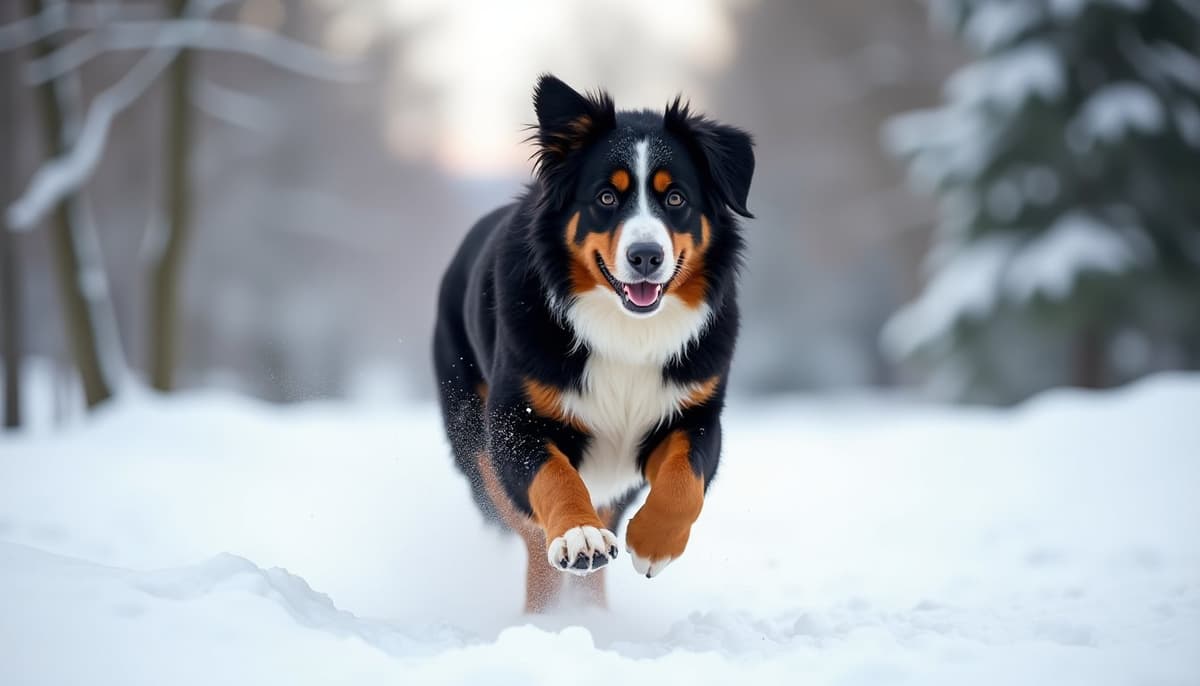 Bernese Mountain Dogs Joint Health Guide | K9-REPAIRMost Berner owners wait for a limp. That is the wrong signal to wait for. Dogs redistribute weight off a sore hip or elbow with remarkable efficiency, so sit position, stair behaviour and rising speed change months before the gait visibly breaks down. The Orthopedic Foundation for Animals (OFA), which…Read the guide →
 Belgian Malinois Joint Health Guide — Risks & SignsThe most common mistake Malinois owners make isn't over-training the dog. It's trusting the dog to tell them when something hurts. This breed carries a nervous system that suppresses pain under arousal, which means a Malinois will clear a wall on a partially torn cranial cruciate ligament and land looking…Read the guide →
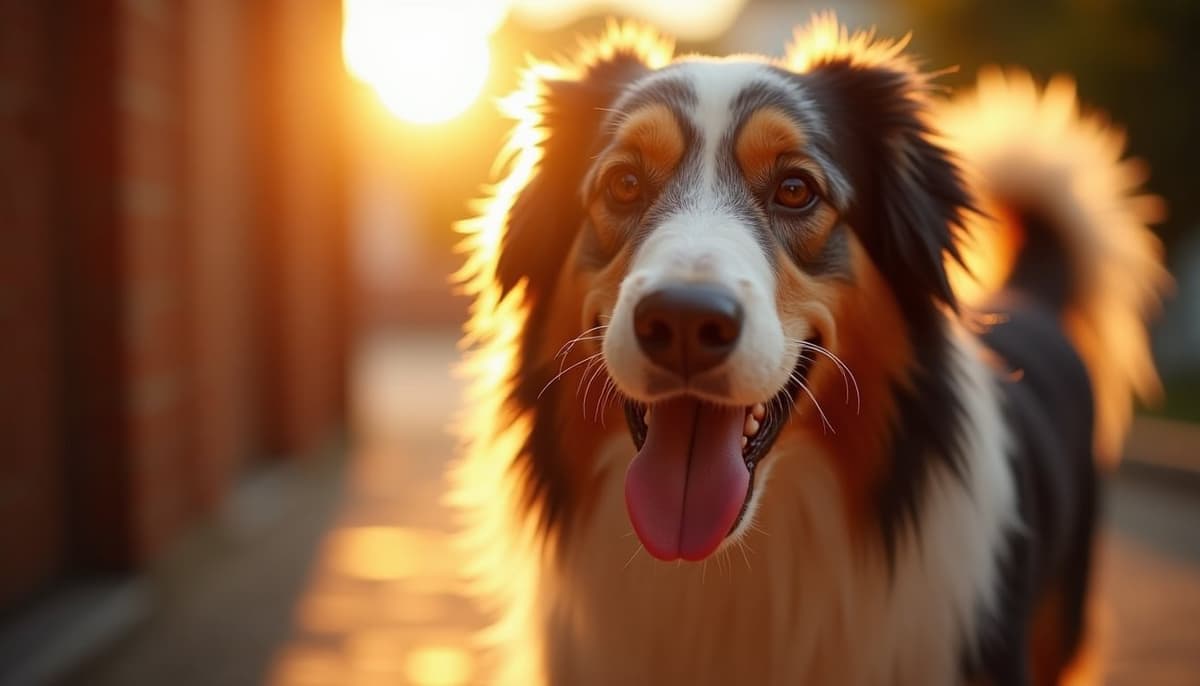 Bearded Collies Joint Health Guide — Mobility & RisksThe first structure to fail in a Bearded Collie is rarely the joint itself. It is the muscle wrapped around it. A dense double coat conceals thigh atrophy for weeks, so by the time most owners spot a limp, the dog has already been compensating through the spine and the…Read the guide →
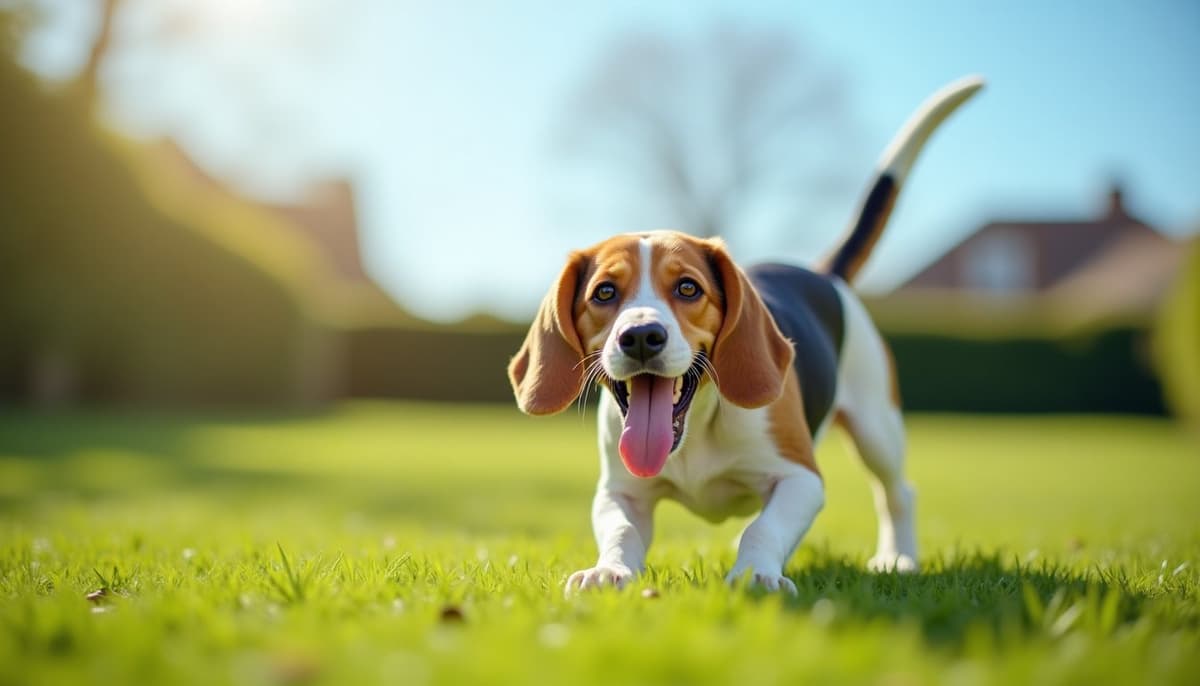 Beagles Joint Health Guide — Mobility Risks ExplainedThe most common cause of sudden hind-leg weakness in a Beagle isn't a torn ligament or a bad hip. It's a disc. Research from the University of California, Davis identified an FGF4 retrogene insertion associated with chondrodystrophy, the short-legged and long-bodied build, and with elevated intervertebral disc disease risk across…Read the guide →
 What Joint Problems Affect Basset Hounds? (Breed Guide)Most owners tracking a Basset Hound's slowdown are watching the wrong joint. The hips get all the attention because that is what large-breed advice trains people to look for, but the Basset's structural risk begins with chondrodystrophy, the inherited form of dwarfism that gives the breed its short, curved forelegs…Read the guide →
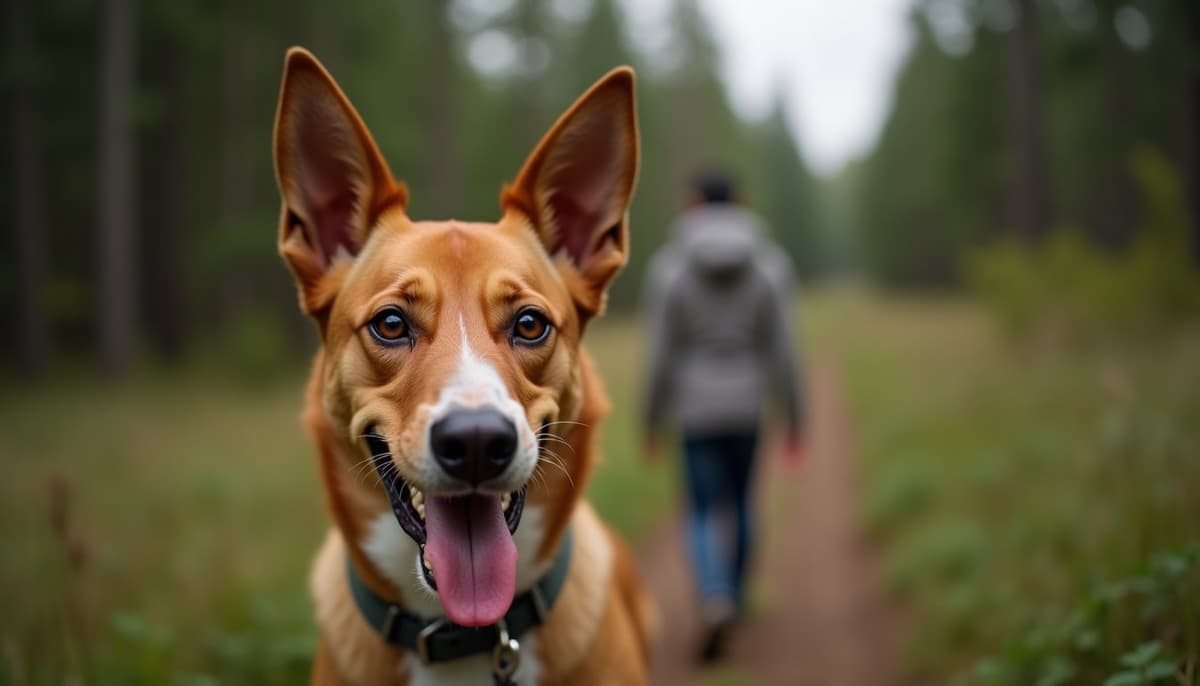 Basenjis Joint Health Guide: Hip, Knee & Spine RisksThe joint problem that ends a Basenji's running years is rarely the one owners are watching for. Hip screening dominates breed conversation, yet in a compact, lightly built, relentlessly athletic dog, trouble usually starts lower and further back: the stifle, the lumbosacral junction where spine meets pelvis, and osteoarthritis that…Read the guide →
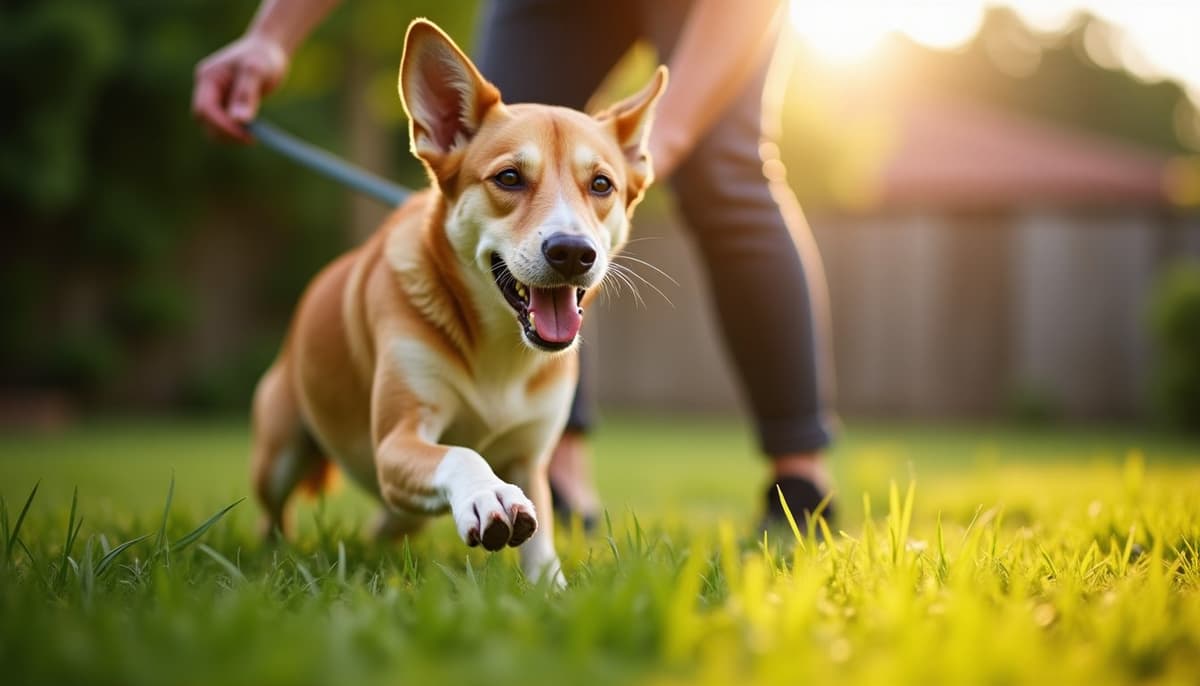 Barbets Joint Health Guide — Mobility Risks | K9-REPAIRThe Barbet's most damaging joint problem almost never announces itself with a limp. Hip and elbow incongruity in this breed starts forming while the dog is still a leggy adolescent, and by the time an owner notices a shortened stride or a hesitation before jumping into the car, cartilage change…Read the guide →
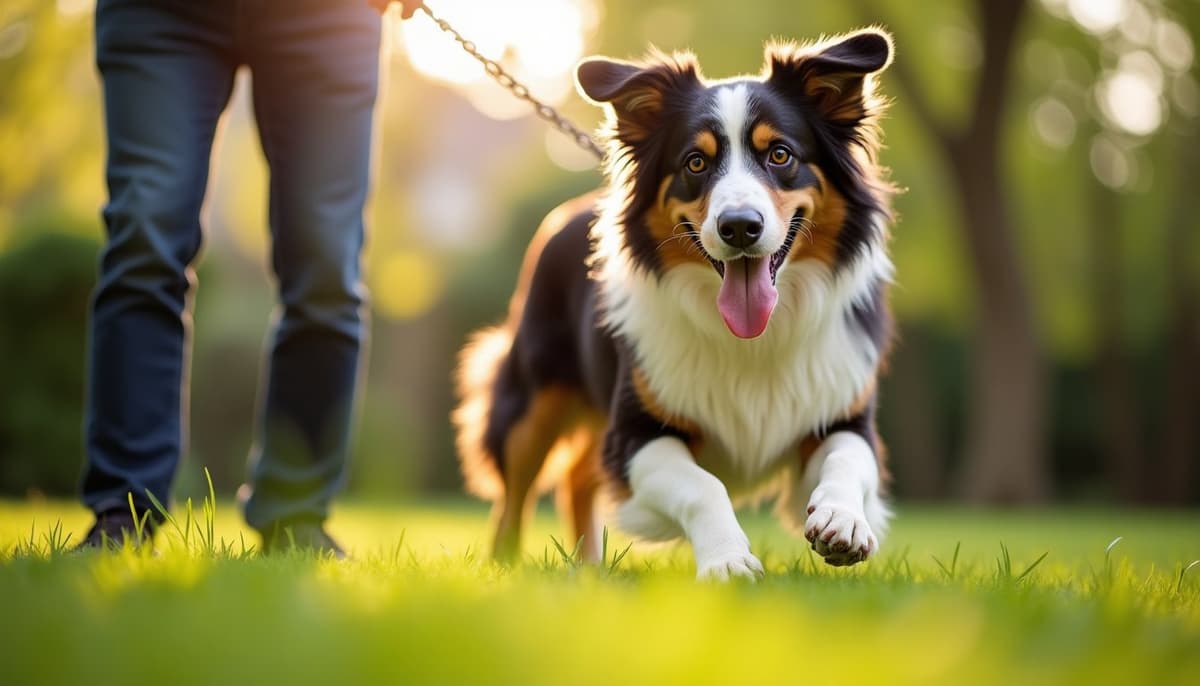 Australian Shepherds Joint Health Guide — Risks & SignsThe Purina Life Span Study, a 14-year paired-feeding trial in Labrador Retrievers published in the Journal of the American Veterinary Medical Association in 2002, found that dogs kept lean lived a median of roughly 1.8 years longer than their overfed littermates and developed radiographic hip osteoarthritis considerably later. That study…Read the guide →
 Australian Cattle Dogs Joint Health Guide | K9-REPAIRHip dysplasia gets the headlines. But the injury that most often ends a heeler's working life is a torn cranial cruciate ligament, a slow degenerative fraying of the knee's main stabiliser that finally gives way during an ordinary turn on grass. The breed's pivot-heavy, stop-start movement is exactly the load…Read the guide →
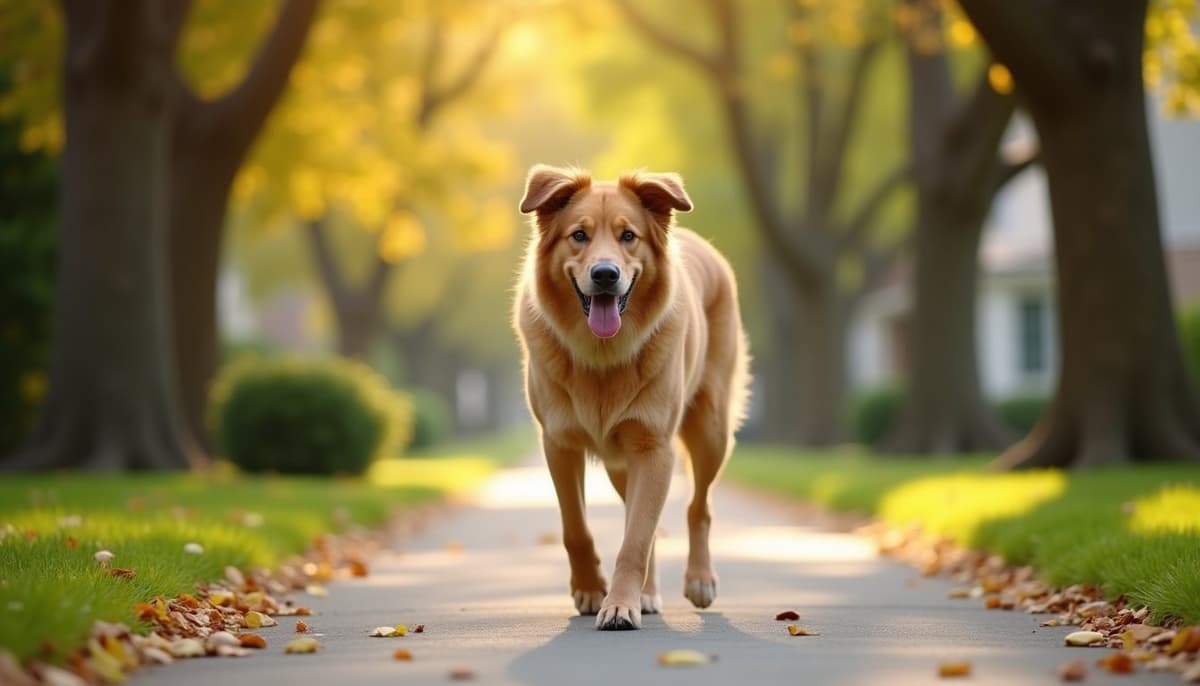 Anatolian Shepherds Joint Health Guide | K9-REPAIRThe joint that fails first in an Anatolian Shepherd is rarely the one owners are watching. Cranial cruciate ligament rupture, not hip dysplasia, is described across veterinary orthopaedic literature as the most common cause of hind-limb lameness in dogs, and in heavy guardian breeds it usually develops as slow ligament…Read the guide →
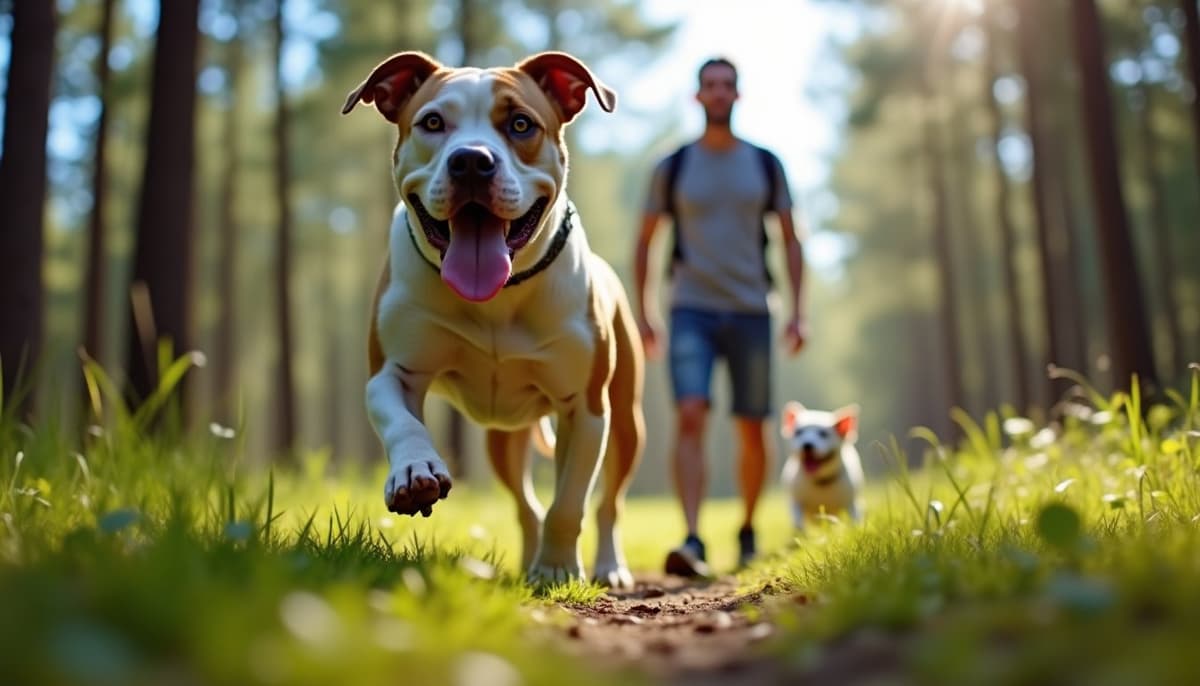 American Bulldogs Joint Health Guide: Risks & SignsThe most common joint failure in an American Bulldog usually isn't the hip. It's the knee. Veterinary orthopaedic literature consistently ranks cranial cruciate ligament (CCL) rupture, the canine equivalent of a torn ACL, as the single most frequently treated orthopaedic injury in dogs, and heavy, muscular, straight-stifled breeds sit near…Read the guide →
 Akitas Joint Health Guide: Hips, Elbows, ArthritisThe first sign of joint trouble in an Akita is almost never a limp. It is a pause. A half-second hesitation before rising off a cold floor, a wide sideways sit, a dog who stops meeting you at the top of the stairs. By the time an Akita actually limps,…Read the guide →
 Alaskan Malamutes Joint Health Guide — Risks, Signs & CareArticular cartilage is aneural and avascular. It has no nerve endings and no direct blood supply, which means a Malamute's hip or elbow can be structurally damaged on radiographs while the dog still hikes, pulls and plays without a visible limp. Pain arrives later, once the subchondral bone and joint…Read the guide →
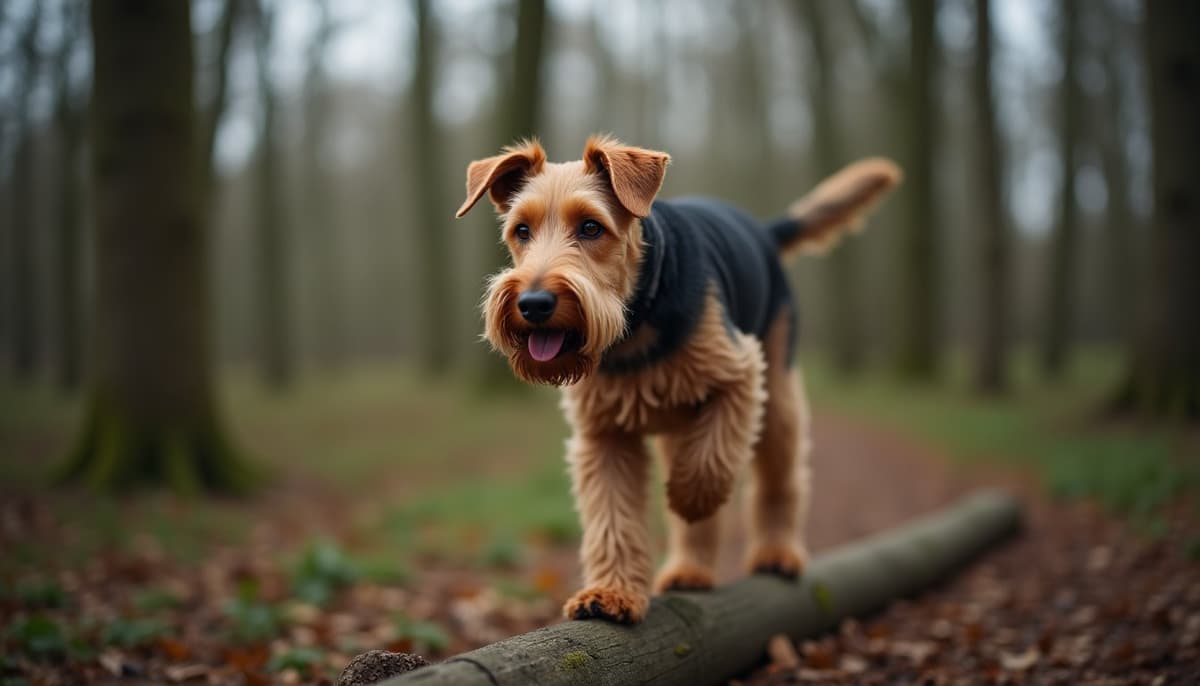 Airedale Terriers Joint Health Guide — Risks & SignsThe first sign of joint disease in an Airedale is rarely a limp. It is a dog that stops meeting you at the door, hesitates for half a second before jumping into the car, and trades the sprint for a businesslike trot. Airedales are the largest terrier, built on a…Read the guide →
Breeds · 120 guides
Breeds
Breed-by-breed joint and mobility risk, and what to watch for as your dog ages. Some breeds carry problems others never see.