What a diagnosis means, how it is confirmed, and the early signs owners miss — from hip dysplasia and IVDD to cruciate tears and arthritis.
 Why Border Terriers Are Prone to Joint ProblemsBorder terriers are prone to joint problems because a compact, short-coupled working frame and fine limbs absorb years of jumping, digging and hard pivots, layered on breed-linked risks like patellar luxation and hip dysplasia. Their high pain tolerance hides early changes, so owners often notice stiffness only after the joint has been remodelling for months.Read the guide →
 Why Flat-Coated Retrievers Are Prone to Joint ProblemsFlat-coated retrievers are prone to joint problems because a large deep-chested frame, unusually slow physical maturation and inherited variation in hip and elbow conformation all load the same joints. High drive compounds it — the breed keeps working past fatigue. Early screening, lean body condition and steady conditioning matter most.Read the guide →
 What Makes Hip Weakness Worse in Dogs? (Key Factors)Hip weakness in dogs gets worse fastest with excess body weight, muscle loss from inactivity, slippery flooring, high-impact activity after long rest, and pain left unmanaged. Each one increases load on an already unstable joint. Removing those pressures, alongside your veterinarian's plan, is what slows the cycle.Read the guide →
 Why Is My Dog Bunny Hopping? (Hip and Knee Causes)A dog bunny hops when both hind legs push off together instead of alternating, usually because moving them as a pair hurts less than moving them one at a time. Hip dysplasia, cruciate ligament injury, lower-back pain and kneecap luxation are the most common reasons behind the gait.Read the guide →
 Stress Fracture in Dogs: Signs, Causes and What HelpsA stress fracture in dogs is a hairline crack in bone caused by repeated loading rather than a single traumatic event, most often in the hock, toes or hind-limb long bones. The usual sign is a mild limp that shows up after exercise and eases with rest.Read the guide →
 Why Weimaraners Are Prone to Joint ProblemsWeimaraners are prone to joint problems because they combine rapid large-breed growth with a lean, deep-chested athletic frame and a working dog's drive, which loads hips, elbows, shoulders and spine hard. Hip dysplasia, elbow dysplasia, cruciate injury and disc disease are the issues owners see most often.Read the guide →
 Why English Setters Are Prone to Joint ProblemsEnglish Setters develop joint problems through a mix of inherited hip and elbow dysplasia, a deep-chested athletic build carried on fine bone, and the repetitive high-speed loading of field work. Risk shows up early in growth and compounds with age, weight and unmanaged soft-tissue strain.Read the guide →
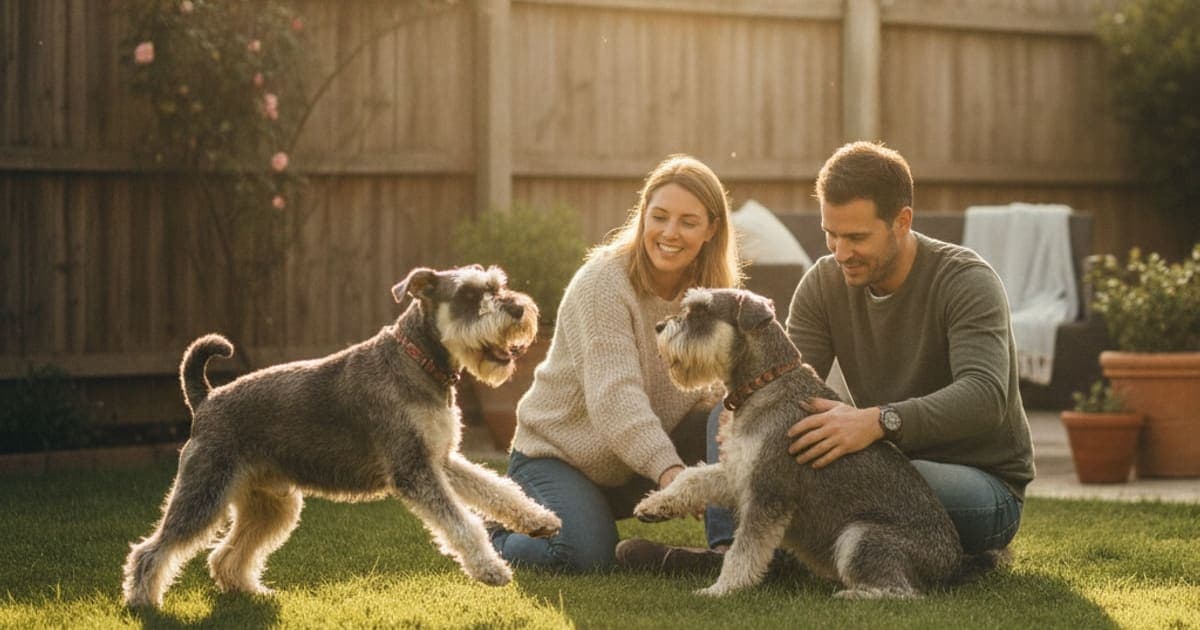 Why Standard Schnauzers Are Prone to Joint ProblemsStandard Schnauzers are prone to joint problems because a dense, square, powerfully muscled body sits on a medium frame built for sprinting, pivoting and hard stops, and because hip dysplasia and cruciate ligament injury run in the breed. Long lifespans then let wear accumulate into arthritis.Read the guide →
 What Makes Torn Ligament Worse in Dogs? (Key Triggers)A torn ligament in dogs gets worse when an unstable joint keeps taking full load: off-leash sprinting, jumping off furniture, stairs, slick floors, excess body weight and delayed diagnosis. Instability allows abnormal motion inside the knee, which drives meniscal damage and progressive arthritis. Controlling movement early matters as much as the repair itself.Read the guide →
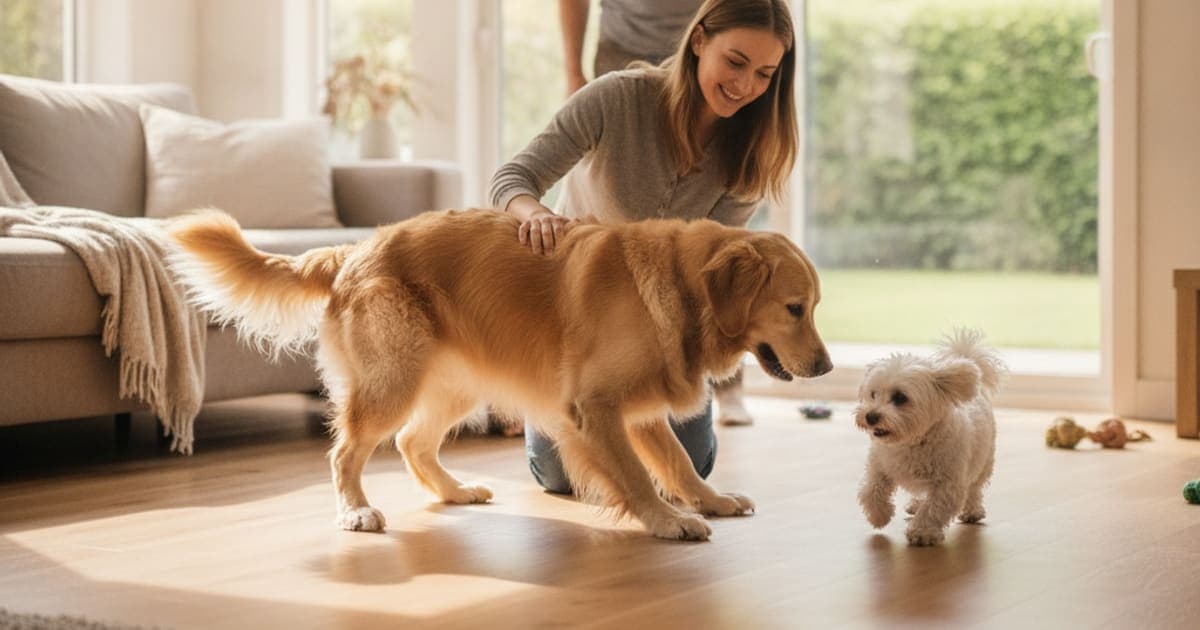 Dog Slipping On Hard Floors: What It Usually MeansDogs slip on hard floors when they lose traction, strength or confidence — overgrown nails and matted paw fur reduce grip, while hind-end weakness, hip or knee pain and age-related muscle loss change how weight is loaded. Sudden or worsening slipping deserves a veterinary exam to identify the cause.Read the guide →
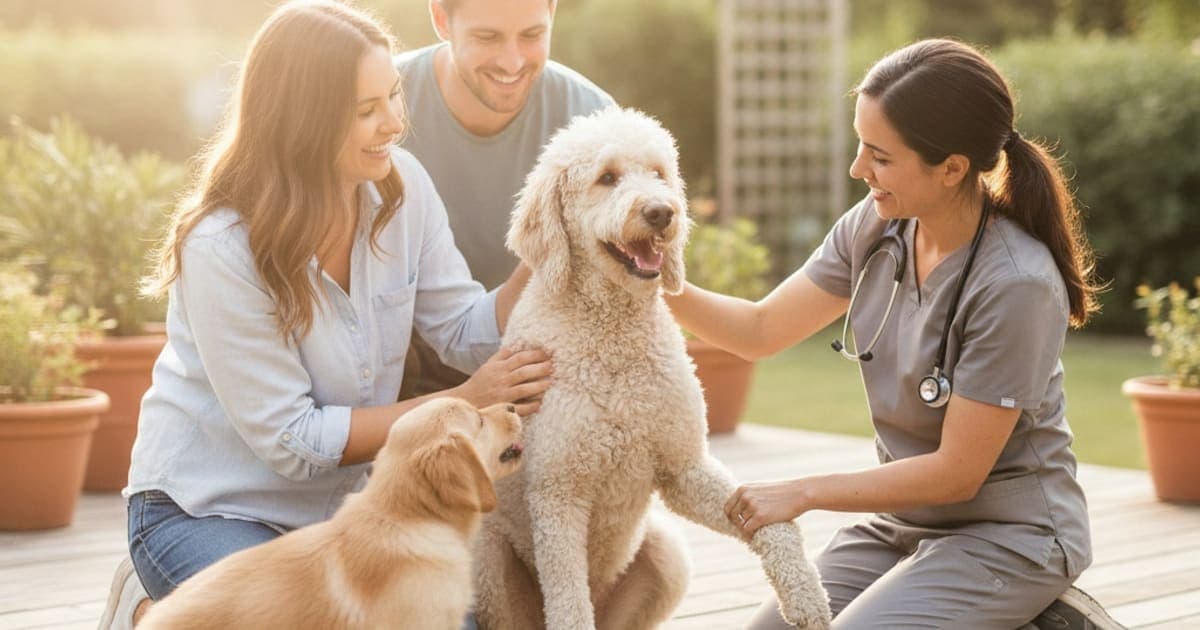 Why Standard Poodles Are Prone to Joint ProblemsStandard Poodles are prone to joint problems because a tall, fast-growing frame, an inherited hip dysplasia risk carried in some lines, and a genuinely athletic temperament all load the same joints at once. Add years of jumping and pivoting, and cartilage wears faster than owners expect.Read the guide →
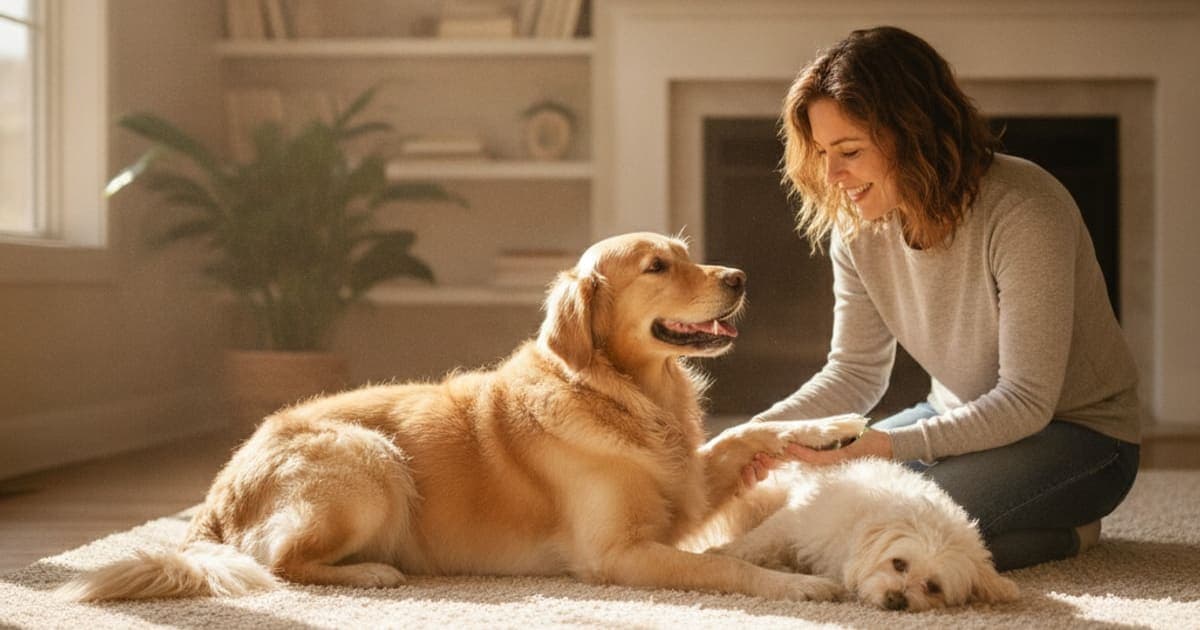 Dog Clicking Or Popping Joint: What It Usually MeansA dog's joint clicks or pops when gas releases from joint fluid, a tendon snaps over bone, or worn cartilage surfaces grind together. Painless, occasional noise with a normal gait is usually harmless. Noise paired with limping, stiffness or swelling warrants a veterinary exam.Read the guide →
 Why Shih Tzus Are Prone to Joint ProblemsShih Tzus are prone to joint problems because they are a chondrodystrophic breed: short, slightly bowed legs, a long back and shallow kneecap grooves concentrate load on joints built with little shock absorption. Add a flat face that limits exercise, and small weight gains matter more than owners expect.Read the guide →
 Why Chesapeake Bay Retrievers Are Prone to Joint ProblemsChesapeake Bay Retrievers are prone to joint problems because three pressures stack on the same structures: a heavy, densely muscled frame on relatively short legs, an inherited predisposition to hip and elbow dysplasia, and a working life of explosive launches and hard landings. Understanding each one lets you plan around it.Read the guide →
 IBD in Dogs: Signs, Causes and What HelpsIBD in dogs is chronic inflammation of the stomach and intestinal lining, where immune cells build up in the gut wall and disrupt digestion and absorption. It shows up as persistent vomiting, loose stool, weight loss or an unreliable appetite, and it is diagnosed only after other causes are ruled out.Read the guide →
 CCL Tear in Dogs: Signs, Causes and What HelpsA CCL tear in dogs is a partial or complete rupture of the cranial cruciate ligament, the band inside the knee that stops the shin bone sliding forward. Most tears develop gradually from ligament degeneration rather than a single injury, which is why limping often comes and goes before it becomes constant.Read the guide →
 Dog Stiff After Swimming: What It Usually MeansA dog stiff after swimming is usually sore rather than injured: buoyancy hides effort, so muscles work harder and longer than they would on land, and cooling down wet tightens everything up. Soreness that fades within a day or two is ordinary; stiffness that returns after every swim is not.Read the guide →
 Why Finnish Lapphunds Are Prone to Joint ProblemsFinnish Lapphunds are prone to joint problems because of inherited hip and elbow dysplasia risk in a relatively small gene pool, a dense herding frame carried on moderate-length legs, and a stoic temperament that masks early stiffness. Screening, weight control and early gait watching matter more in this breed than in most.Read the guide →
 Disc Herniation in Dogs: Signs, Causes and What HelpsDisc herniation in dogs happens when the cushioning material of an intervertebral disc pushes out of place and presses on the spinal cord or nerve roots, causing pain, wobbliness or weakness. It ranges from mild back soreness to sudden loss of leg function and always warrants a same-day veterinary exam.Read the guide →
 Dog Shaking In The Back Legs: What It Usually MeansA dog shaking in the back legs is usually showing muscle fatigue or weakness, pain being guarded in the hind limb or spine, a nerve-signalling problem, or a whole-body response like cold, adrenaline or a metabolic issue. Tremor is a symptom, not a diagnosis, so a veterinary exam comes first.Read the guide →
 Why Siberian Huskies Are Prone to Joint ProblemsSiberian Huskies are prone to joint problems because repetitive high-mileage running, inherited hip dysplasia risk and a high pain threshold combine to load shoulders, wrists, hips and stifles over years. Early changes are easy to miss in a breed that keeps working. Screening, weight control and veterinary assessment matter most.Read the guide →
 Dog Struggling To Squat: What It Usually MeansA dog struggling to squat is usually showing hind-end pain or weakness rather than a bathroom problem. Hips, knees and the lower spine all load hard in that posture.Read the guide →
 Why Cavalier King Charles Spaniels Get Joint ProblemsCavalier King Charles Spaniels are prone to joint problems because a compact, heavy-set toy breed body sits on small joints, and a narrow gene pool concentrates inherited hip and kneecap faults. Hip dysplasia, medial patellar luxation and early osteoarthritis are the most common findings, and weight control matters enormously.Read the guide →
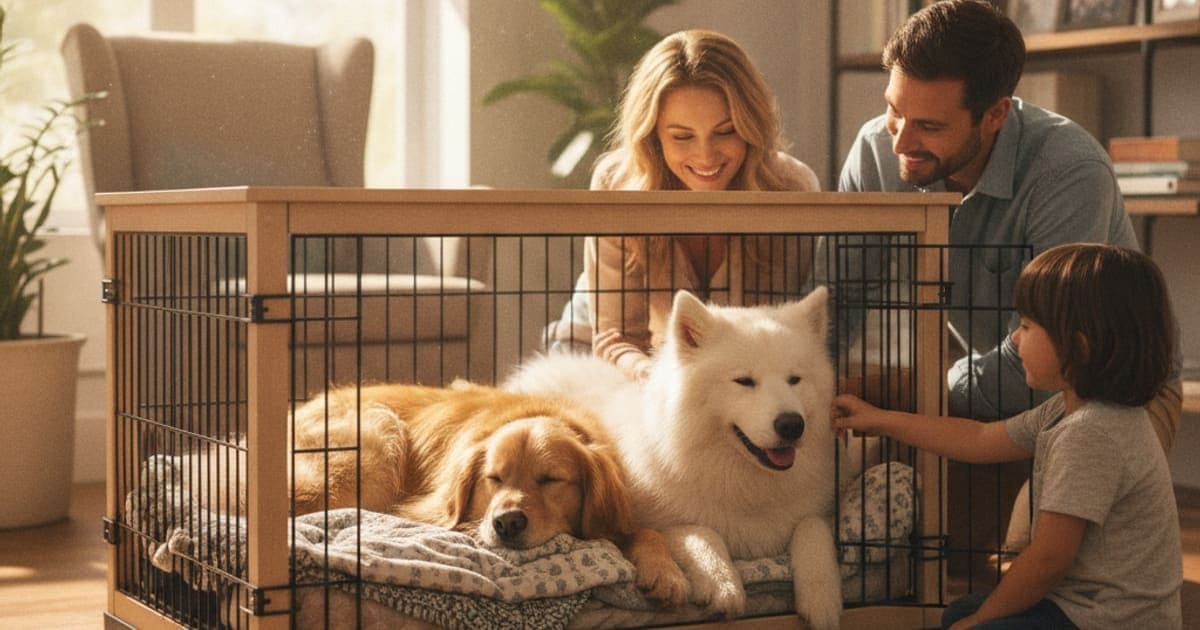 Crate Rest in Dogs: Signs, Causes and What HelpsCrate rest in dogs is veterinarian-prescribed confinement — a crate, pen or small room — that strictly limits movement while an injury, surgical repair or spinal problem stabilises. It removes running, jumping, stairs and twisting so healing tissue is not reloaded too early. Your veterinarian sets the level of restriction and how long it lasts.Read the guide →