
What a diagnosis means, how it is confirmed, and the early signs owners miss — from hip dysplasia and IVDD to cruciate tears and arthritis.
 What Are the First Signs of Achilles Tendon Injury in Dogs?The first signs are usually subtle: a dropped or sinking hock, a shortened stride on one back leg, reluctance to jump, and swelling or heat along the tendon above the heel. Toes may curl while the hock drops. Any of these warrants a same-week veterinary exam.Read the guide →
 What Are the First Signs of Growth Plate Injury in Dogs?The first signs of growth plate injury in dogs are usually subtle: a sudden or intermittent limp in a puppy, reluctance to jump or climb stairs, swelling and warmth just above a joint, and pain when the limb is handled. Puppies rarely vocalize — they compensate quietly.Read the guide →
 Is Lumbosacral Stenosis in Dogs Painful? (Cauda Equina)Yes. Lumbosacral stenosis is considered a painful condition in dogs, because the narrowing compresses the cauda equina nerve roots, which carry pain fibers. Most affected dogs show lower back soreness, reluctance to jump, and discomfort when the lumbosacral joint is extended. Diagnosis and a pain plan belong with your veterinarian.Read the guide →
 Is Sarcopenia in Dogs Painful? (What Owners Should Know)Sarcopenia in dogs is not usually painful by itself. Age-related muscle loss happens quietly, without the inflammation that drives pain. What hurts is what the thinning muscle exposes: arthritic joints, unstable knees and hips, and the compensating muscles working overtime. Your veterinarian can separate weakness from genuine pain.Read the guide →
 What Are the First Signs of FCE in Dogs? (Spinal Stroke)The first signs of fibrocartilaginous embolism in dogs are sudden and dramatic: a yelp during play or exercise, then weakness or paralysis that develops within minutes and is usually worse on one side of the body. Most dogs show little or no pain afterward, and signs typically stop progressing quickly.Read the guide →
 What Are the First Signs of Bursitis in Dogs? (Early Clues)The first signs of bursitis in dogs are a soft, fluid-filled swelling over a bony point such as the elbow, stiffness after rest, and a limp that eases within minutes of moving. Owners also notice licking of one spot, reluctance to lie on hard floors, and flinching when the area is touched.Read the guide →
 Is Stress Fracture in Dogs Painful? (What Owners See)Yes. A stress fracture is painful in dogs because bone and the nerve-rich periosteum around it are loaded past what they can repair, producing a deep ache that worsens with activity. Early pain is often subtle — a shortened stride, reluctance to jump — before an obvious limp appears.Read the guide →
 What Are the First Signs of Hygroma in Dogs? (Early Clues)The first sign of a hygroma in dogs is a soft, fluid-filled swelling over a bony pressure point, most often the outer point of the elbow. Early on it is painless, cool, and shifts slightly under the skin, usually alongside thinning hair or a flattened callus.Read the guide →
 What Are the First Signs of Iliopsoas Strain in Dogs?The first signs of iliopsoas strain in dogs are usually subtle: a mild hind-limb limp that comes and goes, reluctance to jump onto furniture or into the car, a shortened stride, and flinching when the inner thigh or groin is touched. Many dogs show stiffness after rest.Read the guide →
 Is Gastritis in Dogs Painful? (Signs and What Helps)Yes — gastritis is painful for most dogs. The stomach lining is densely supplied with pain-sensing nerves, so inflammation there produces genuine abdominal discomfort, ranging from mild nausea and restlessness to sharp pain that shows as hunching, the 'praying' stretch, or refusing to be touched near the belly.Read the guide →
 Is Chronic Pain in Dogs Painful? (What Owners Miss)Yes. Chronic pain in dogs is genuinely painful — the nervous system stays sensitised long after the original injury, so ordinary movement registers as pain. Dogs rarely cry out; they slow down, stiffen, and change their habits instead. Recognising those quiet signals early is what gets a dog assessed and comfortable sooner.Read the guide →
 What Are the First Signs of IBD in Dogs? (Early Symptoms)The first signs of IBD in dogs are usually subtle and intermittent: soft or mucus-streaked stool, occasional vomiting, gurgling gut noises, increased flatulence, gradual weight loss despite a normal appetite, and a dog who tires more quickly than usual. Signs come and go for weeks before they become constant.Read the guide →
 What Are the First Signs of Bicipital Tenosynovitis in Dogs?The first signs of bicipital tenosynovitis in dogs are usually a mild front-leg limp that is worst after rest and eases with movement, a shortened forward stride, hesitation before jumping down, and discomfort when the shoulder is stretched forward. The lameness often comes and goes for weeks before becoming constant.Read the guide →
 Is Disc Herniation in Dogs Painful? (What Owners See)Yes. Disc herniation in dogs is typically painful, and often severely so — displaced disc material presses on nerve roots and the surrounding tissue inflames. Pain may show as trembling, a hunched back, reluctance to jump, yelping when lifted, or sudden irritability when touched rather than obvious crying.Read the guide →
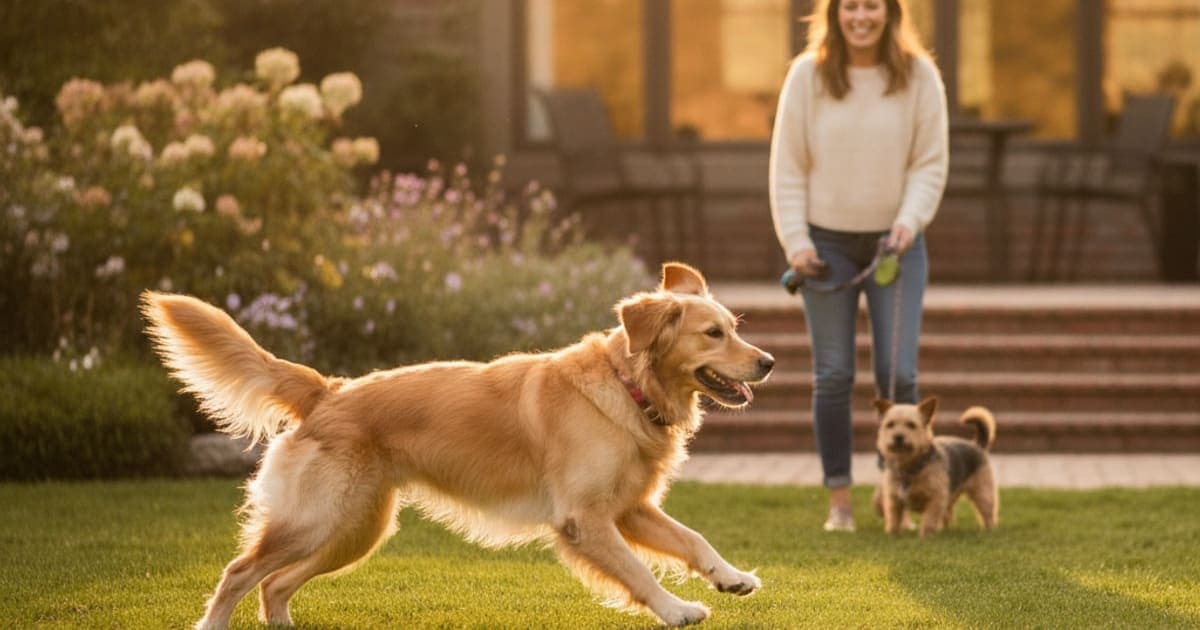 Should I Worry If My Dog Is Bunny Hopping? (Gait Signs)Bunny hopping — both hind legs pushing off together — is worth taking seriously in an adult dog, because it is a recognized compensation pattern for hip, stifle or lower back discomfort. In young puppies at full speed it can be normal. Persistent hopping warrants a veterinary orthopedic exam.Read the guide →
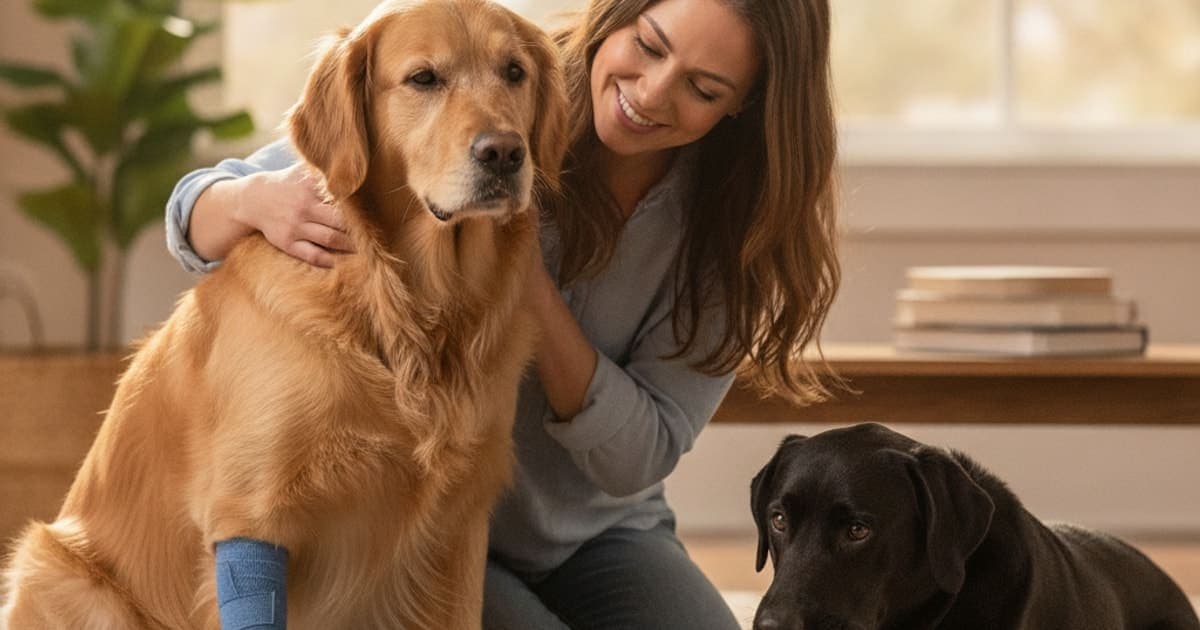 Is Tendon Injury in Dogs Painful? (What Owners Should Know)Yes. Tendon injury in dogs is painful, because tendon tissue is richly supplied with nerve endings and inflammation sensitises the surrounding structures. Dogs mask pain instinctively, so the signs are often subtle — a shortened stride, reluctance to jump, licking one spot. Veterinary pain control is the foundation of recovery.Read the guide →
 Should I Worry if My Dog Is Knuckling Over? (Vet Signs)Knuckling over — walking on the top of the paw instead of the pads — is a neurological sign and deserves a prompt veterinary exam rather than a wait-and-see week. Sudden onset, dragging, or loss of bladder control makes it an emergency. Gradual, one-paw knuckling still needs an appointment.Read the guide →
 Is Growth Plate Injury in Dogs Painful? (Signs & Care)Yes. A growth plate injury is painful in dogs, because damage at the physis involves periosteum and bone — among the most pain-sensitive tissues in the body. Many young dogs mask it, so subtle limping, guarding or reluctance to jump deserves a same-day veterinary exam.Read the guide →
 Is Joint Effusion in Dogs Painful? (Why the Swelling Hurts)Yes — joint effusion in dogs is usually painful, because excess synovial fluid stretches a joint capsule densely supplied with pain receptors. Dogs rarely cry out; instead they limp, stiffen after rest, lick the joint or simply slow down. Effusion is a sign of an underlying problem your veterinarian needs to identify.Read the guide →
 What Are the First Signs of Colitis in Dogs? (Early Clues)The first signs of colitis in dogs are straining to pass stool, frequent small bowel movements, jelly-like mucus on the surface, and streaks of fresh red blood at the end of a poop. Most dogs stay bright and keep eating early on, which is why it gets missed.Read the guide →
 Is Hip Dysplasia in Dogs Painful? (What Owners Should Know)Yes — hip dysplasia is painful for most affected dogs. Abnormal laxity in the hip joint causes cartilage damage, inflammation and eventually osteoarthritis, all of which generate discomfort. Pain often fluctuates, and many dogs hide it well, so subtle changes in movement matter more than obvious limping.Read the guide →
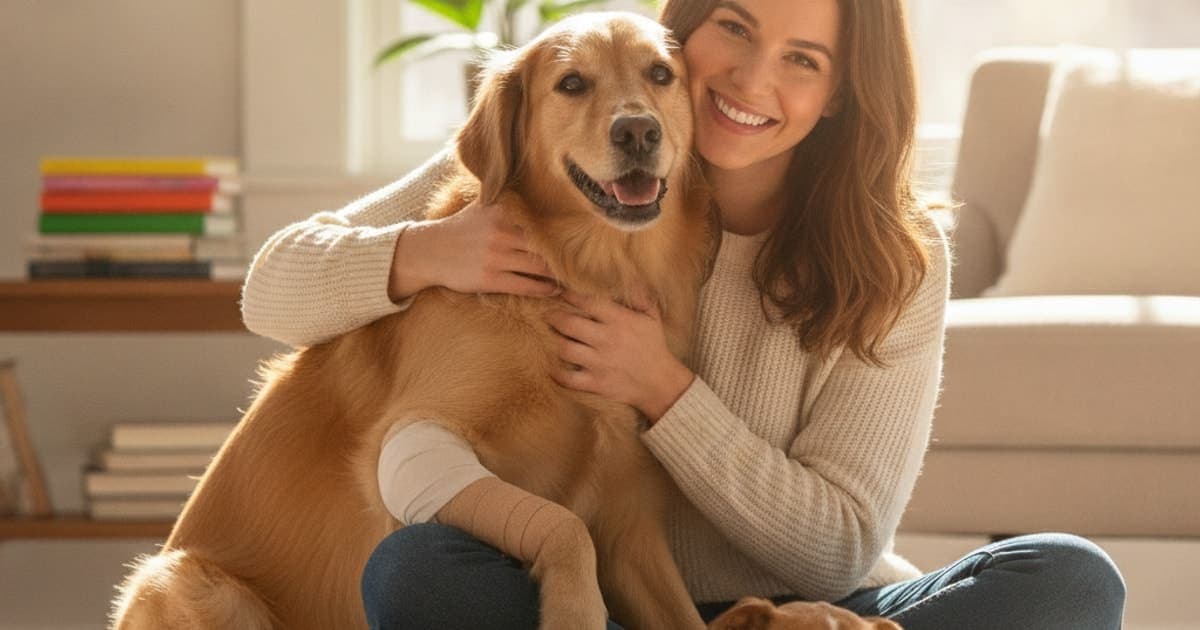 Is Elbow Dysplasia in Dogs Painful? (Pain Explained)Yes. Elbow dysplasia is painful in dogs. The developmental defects that cause it damage cartilage and expose richly innervated subchondral bone, driving joint inflammation and osteoarthritis. Pain is usually chronic and low-grade rather than sudden, so dogs mask it — stiffness after rest and reluctance to play are often the first clues.Read the guide →
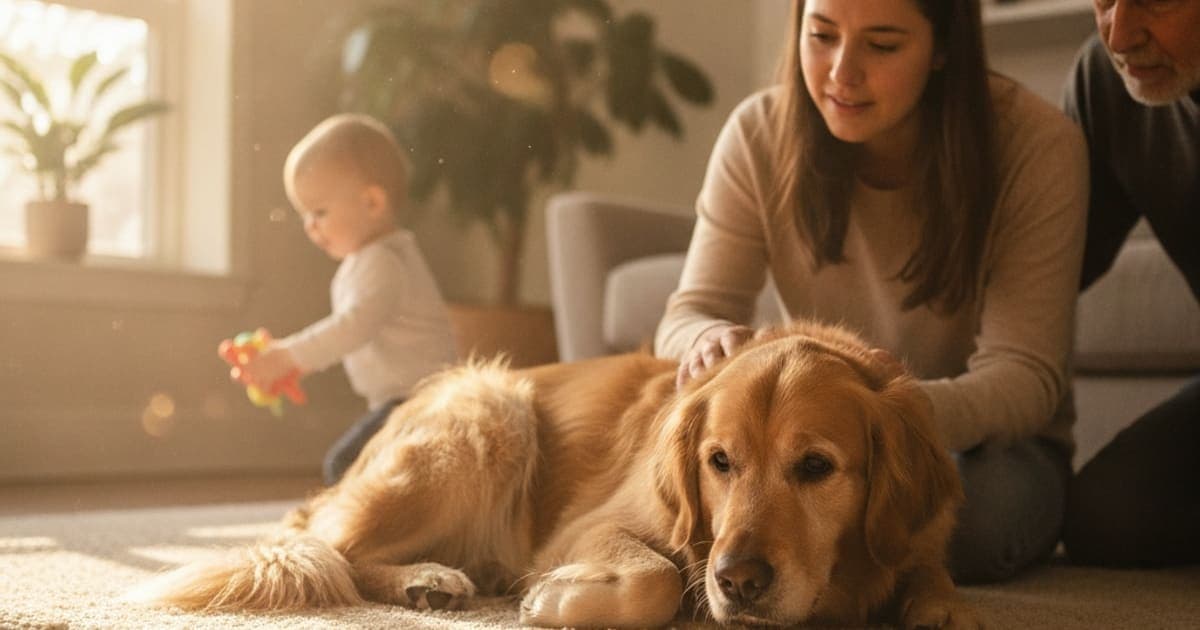 Is a Partial CCL Tear in Dogs Painful? (Signs to Watch)Yes. A partial cranial cruciate ligament tear is painful for most dogs, though the pain is often low-grade and intermittent rather than dramatic. Instability lets the knee shift with each step, inflaming the joint capsule and stressing the meniscus, so dogs limp after rest, stiffen overnight, and sit with the leg splayed.Read the guide →
 Is Soft Tissue Injury in Dogs Painful? (What to Expect)Yes — soft tissue injuries in dogs are painful. Muscles, tendons, ligaments and fascia are richly supplied with nerve endings, and the inflammation that follows a strain, sprain or tear sensitises them further. Dogs mask pain instinctively, so limping, reluctance to jump and subtle behaviour changes often understate what they feel.Read the guide →