How long healing actually takes, what each week looks like, and which setbacks are normal versus worth a call to the vet.
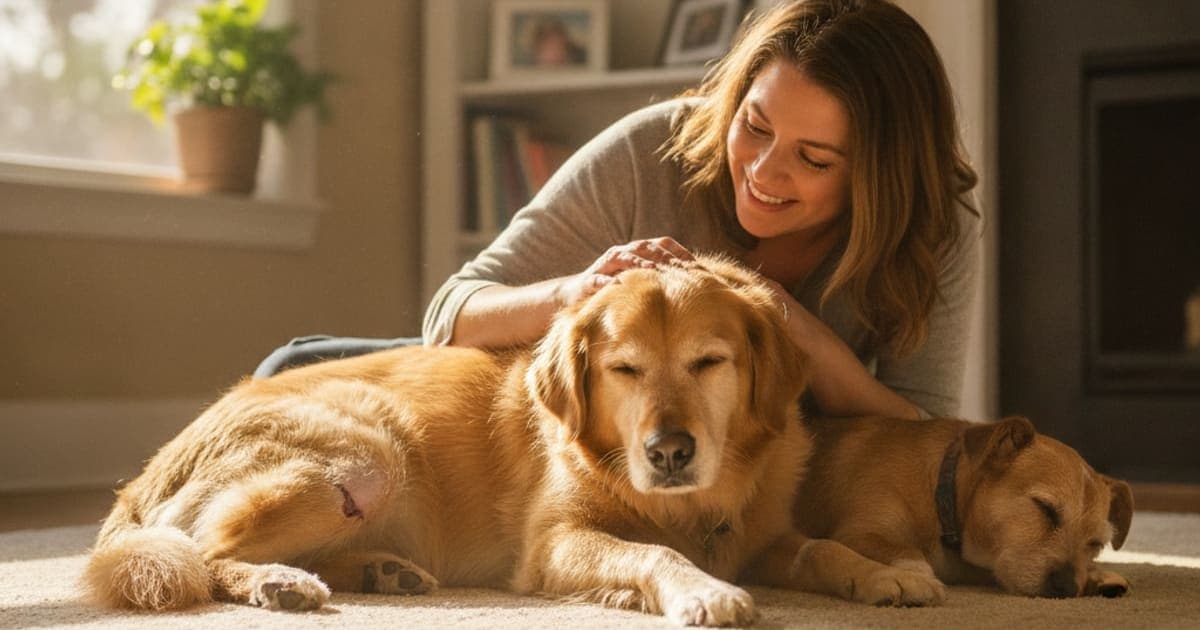 How Long Does TPLO Recovery Take in Dogs? (Timeline)Most dogs take several months to fully recover from a TPLO. The osteotomy usually knits over the first two to three months under strict activity restriction, confirmed by recheck radiographs, while muscle mass, joint comfort and confidence rebuild for several months more — often four to six months to normal activity.Read the guide →
 How Long Does TB-500 Take to Work in Dogs? (Timeline)There is no fixed timeline. Owners typically describe noticing changes in comfort and willingness to move over the first few weeks, while the connective tissue remodelling TB-500 is studied for unfolds across months. The speed depends on the tissue involved, your dog's age, and the veterinary rehab plan running alongside it.Read the guide →
 How Long Does a Dog Iliopsoas Strain Take to Recover?Most iliopsoas strains in dogs recover over several weeks to a few months, with mild acute strains resolving faster than chronic or severe ones. The timeline depends on injury grade, how strictly activity is restricted, and whether an underlying orthopedic problem keeps reloading the muscle. Rushing the return causes most setbacks.Read the guide →
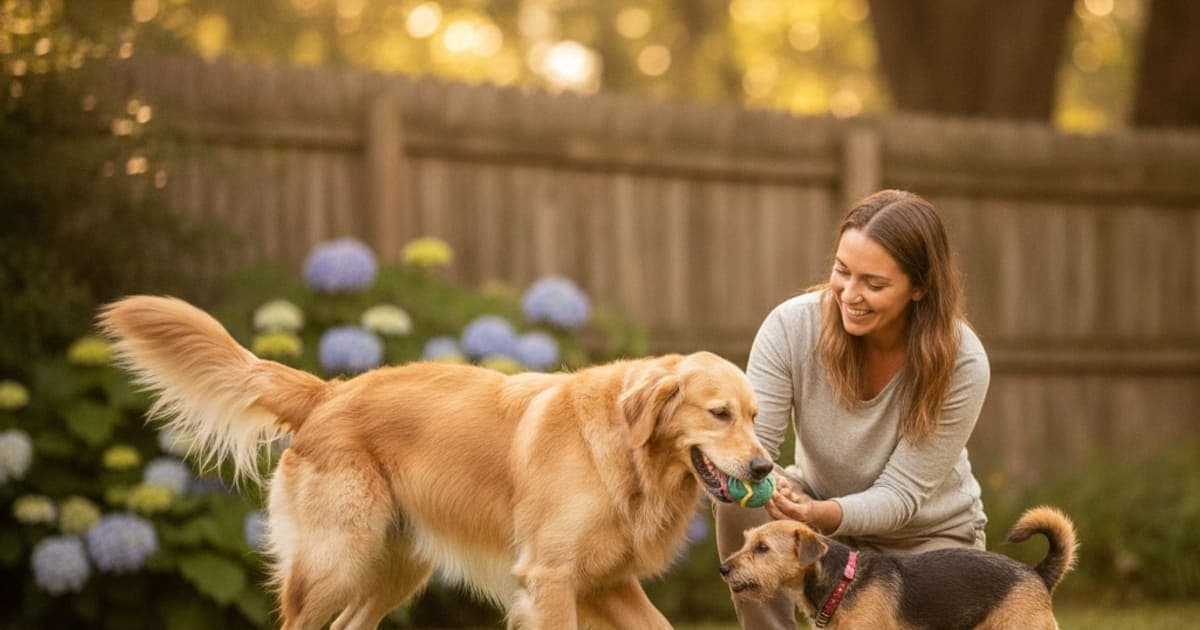 Torn ACL in Dogs: How Long Does Recovery Take?A torn ACL in dogs does not mend the way a cut does — the ligament itself never knits back together. After surgical stabilisation, dogs commonly need roughly eight to twelve weeks of strict activity restriction and four to six months before returning to normal function. Without surgery, the knee stays mechanically unstable.Read the guide →
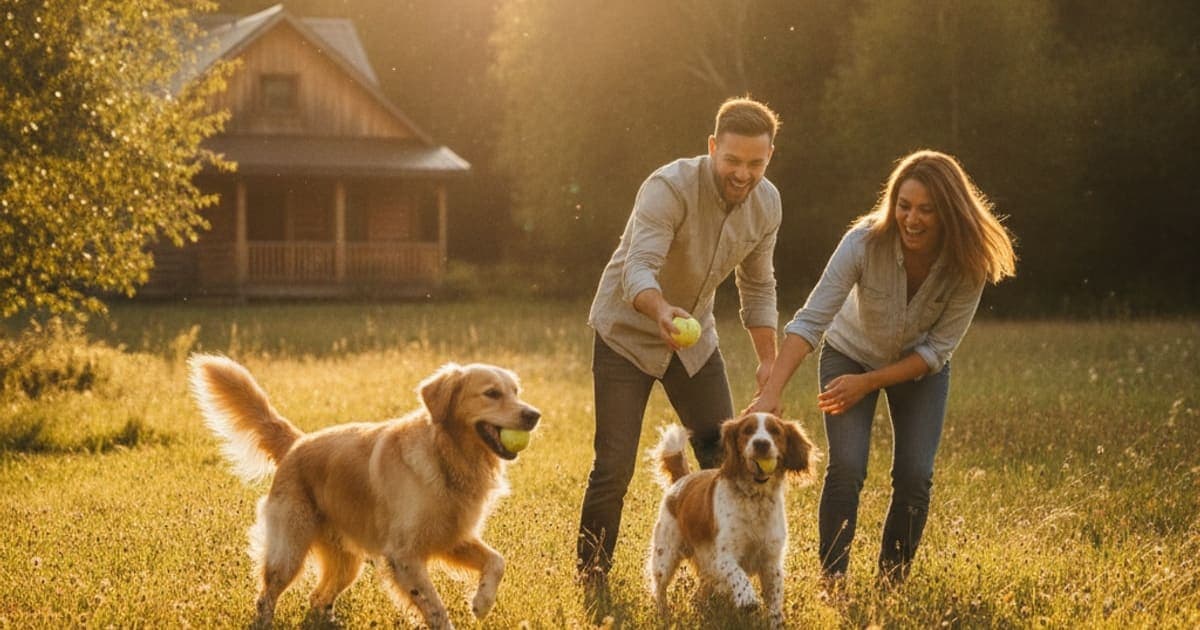 How Long Does Osteoarthritis Take to Improve in Dogs?Canine osteoarthritis does not heal the way a wound or a fracture does — the joint changes are permanent, so the condition is managed rather than resolved. Most owners notice comfort and mobility shifting over weeks to months of consistent, veterinarian-directed care rather than in days. Your vet sets the diagnosis and the plan.Read the guide →
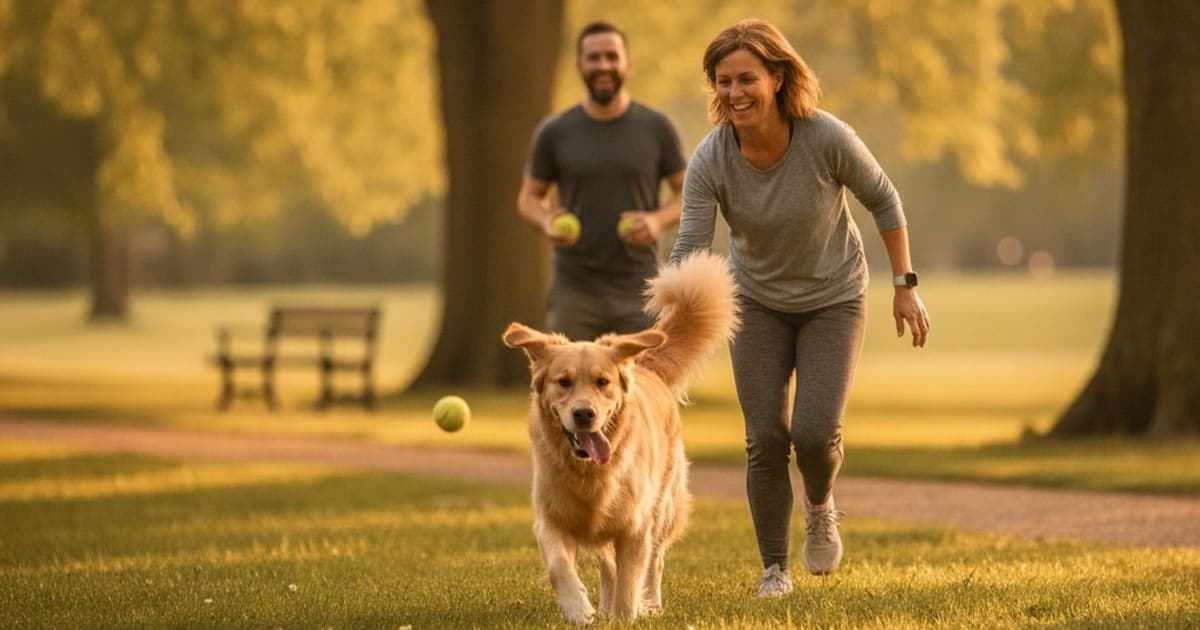 Can Soft Tissue Injury in Dogs Be Reversed? (Explained)Most soft tissue injuries in dogs can recover substantially, but the tissue repairs rather than reverses — healed tendon and muscle rebuild as scar-rich tissue that regains function while rarely matching the original architecture. Outcome depends on injury grade, rest, controlled rehabilitation and veterinary guidance from the first week onward.Read the guide →
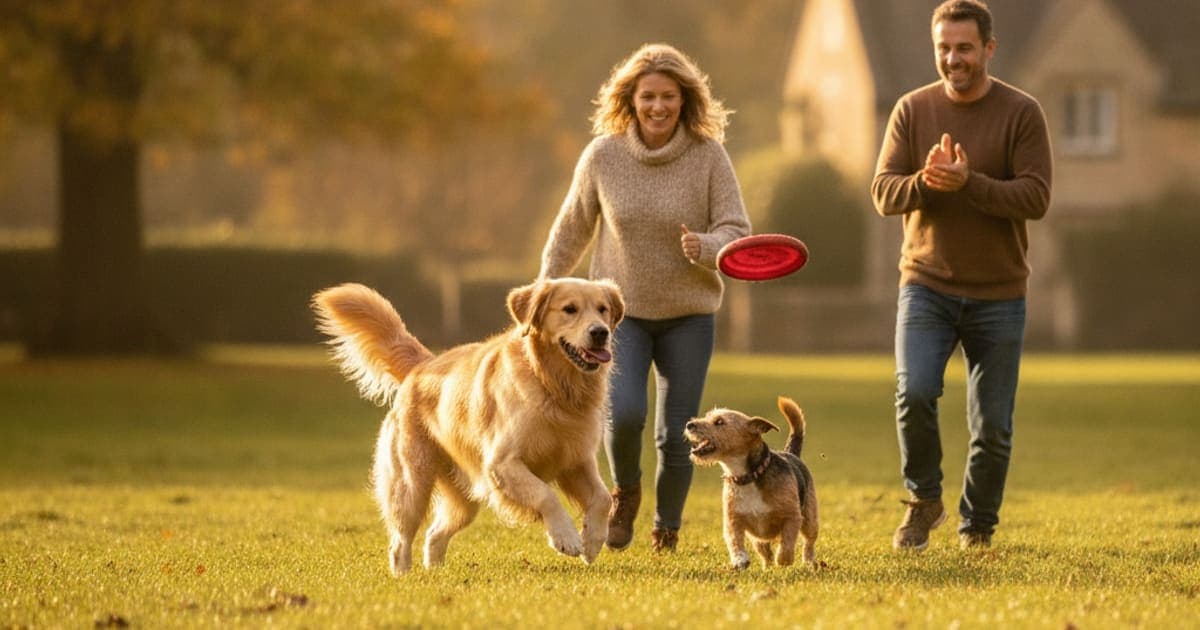 Can Hind End Weakness in Dogs Be Reversed? (By Cause)Sometimes, yes. Hind end weakness driven by orthopedic injury, joint pain, disuse or spinal cord compression can improve substantially — occasionally back to normal function — with veterinary treatment and rehabilitation. Weakness from progressive neurological disease such as degenerative myelopathy is managed rather than undone. The underlying cause sets the ceiling.Read the guide →
 Can Torn ACL in Dogs Be Reversed? (What Actually Happens)No — a torn cranial cruciate ligament in a dog does not knit back into an intact ligament, and the degeneration behind most tears does not undo itself. What can change is knee stability and comfort, through veterinary diagnosis, surgical or conservative management, weight control and structured rehab.Read the guide →
 Can Muscle Tear in Dogs Be Reversed? (Recovery Explained)A dog muscle tear cannot be undone, but it can heal. Torn fibres are repaired through inflammation, regeneration and remodelling over weeks, leaving a mix of new muscle and scar tissue. Accurate veterinary diagnosis, controlled rest and structured rehab largely determine how close your dog gets to full function.Read the guide →
 Can Hot Spots in Dogs Be Reversed? (What Recovery Takes)Yes — a hot spot can resolve completely. Acute moist dermatitis is surface damage the dog creates by licking and chewing, so once a veterinarian breaks the itch-and-trauma cycle and the underlying trigger is identified, the skin usually rebuilds and hair regrows. Recurrence, not the lesion itself, is the real problem.Read the guide →
 Can Degenerative Myelopathy in Dogs Be Reversed?No — degenerative myelopathy in dogs cannot be reversed. It is a progressive, non-painful spinal cord disease with no known cure, and veterinary care focuses on slowing functional decline through physiotherapy, mobility support and quality-of-life management. Early diagnosis gives owners the longest possible window to plan and adapt.Read the guide →
 Can Lumbosacral Stenosis in Dogs Be Reversed? (Explained)Lumbosacral stenosis in dogs cannot be reversed — the disc protrusion, thickened ligament and arthritic bone narrowing the L7–S1 canal are structural changes that do not undo themselves. What can change is the pressure on the nerve roots, the pain, and the dog's function, through veterinary treatment and rehabilitation.Read the guide →
 Can Osteochondritis Dissecans in Dogs Be Reversed?Osteochondritis dissecans cannot be reversed — once a cartilage flap separates, the original hyaline surface does not regrow. But the joint's trajectory can change substantially. Removing the fragment, controlling inflammation, rebuilding muscle and managing weight give many dogs comfortable, functional joints for years after diagnosis.Read the guide →
 Can Elbow Dysplasia in Dogs Be Reversed? (What's Possible)No — elbow dysplasia cannot be reversed, because the abnormal joint shape and cartilage damage are structural and permanent. What can change is how much it hurts and how fast it progresses. Surgery, weight control, rehabilitation and recovery support all shift the trajectory, which is why early veterinary diagnosis matters so much.Read the guide →
 Can Bicipital Tenosynovitis in Dogs Be Reversed?Bicipital tenosynovitis in dogs can often be reversed in the practical sense — inflammation settles, the tendon remodels, and many dogs return to sound, comfortable movement — when it is caught early and managed with rest, veterinary care and structured rehab. Chronic, mineralised cases usually improve rather than fully resolve.Read the guide →
 Can Growth Plate Injury in Dogs Be Reversed? (Explained)Partly. A growth plate fracture usually heals, and many young dogs return to normal limb growth, but a physis that closes prematurely cannot be reopened — and any angular deformity that follows won't self-correct. Corrective orthopaedic surgery, not time, is what realigns a limb once growth has stopped unevenly.Read the guide →
 Can Amputation Recovery in Dogs Be Reversed? (Explained)No — an amputation is permanent, and the limb cannot be restored. What can change is the recovery itself: incision healing, pain control, gait retraining and the strength of the remaining limbs. Those are all modifiable, which is why the first months after surgery matter so much.Read the guide →
 Can Shoulder Instability in Dogs Be Reversed? (What Helps)Not literally. A stretched or torn medial glenohumeral ligament does not regrow to its original strength, so shoulder instability is stabilised rather than reversed. With accurate diagnosis, strict activity control, structured rehabilitation and, for some dogs, surgical stabilisation, many dogs regain comfortable, sound movement and return to normal daily life.Read the guide →
 Can Bursitis in Dogs Be Reversed? (What to Expect)Often, yes — many cases of bursitis in dogs settle substantially once the pressure and friction causing it are removed, though a thickened bursa may never look completely normal again. Chronic or infected cases are harder to resolve. A veterinary diagnosis comes first, since limping and swelling have many causes.Read the guide →
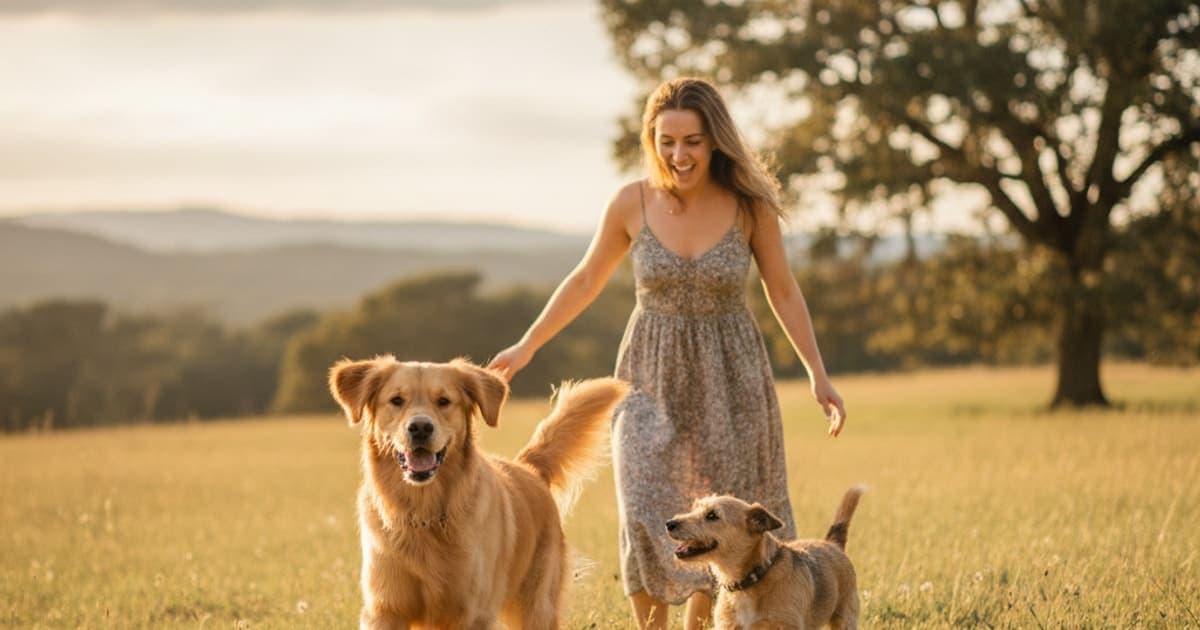 Can Chronic Diarrhea in Dogs Be Reversed? (What Works)Yes — chronic diarrhea in dogs is often reversible once the underlying cause is identified and addressed. Parasitic, diet-responsive and microbiome-driven cases frequently resolve completely. Immune-mediated chronic enteropathy is usually managed rather than eliminated, but many dogs return to normal stools, stable weight and full quality of life under a veterinarian-guided plan.Read the guide →
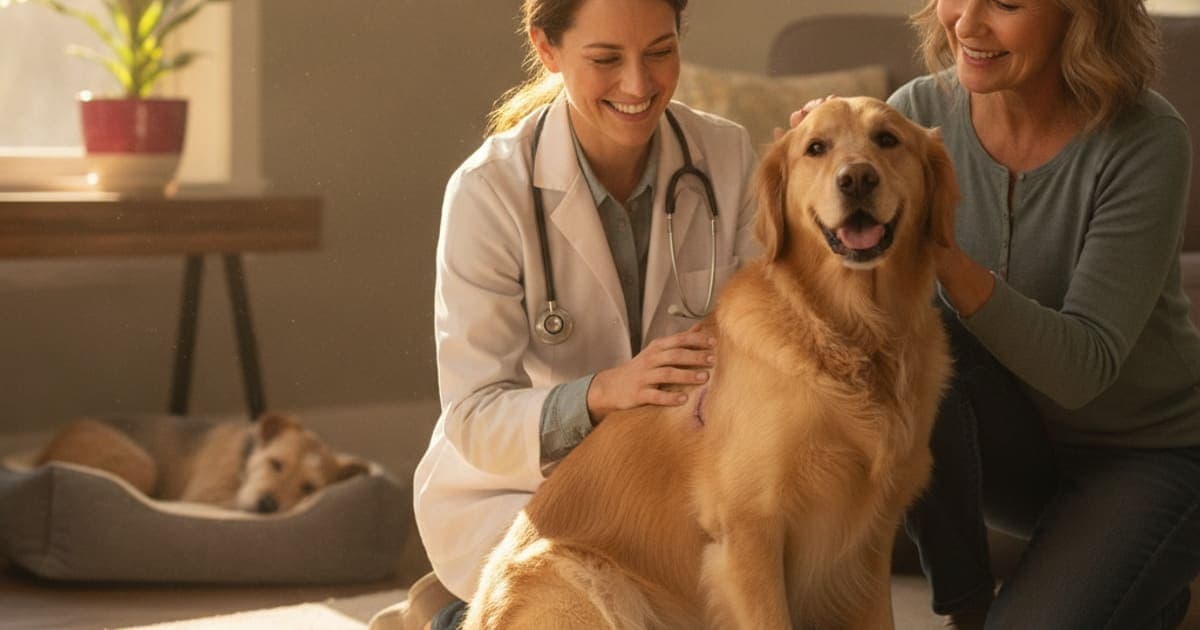 Can Surgical Incision Healing in Dogs Be Reversed?Surgical incision healing in dogs cannot be reversed in the sense of running backwards — bonded tissue does not return to a fresh surgical edge. It can, however, be interrupted. Dehiscence, infection and seromas push repair back to an earlier stage, which is why post-operative restrictions matter so much.Read the guide →
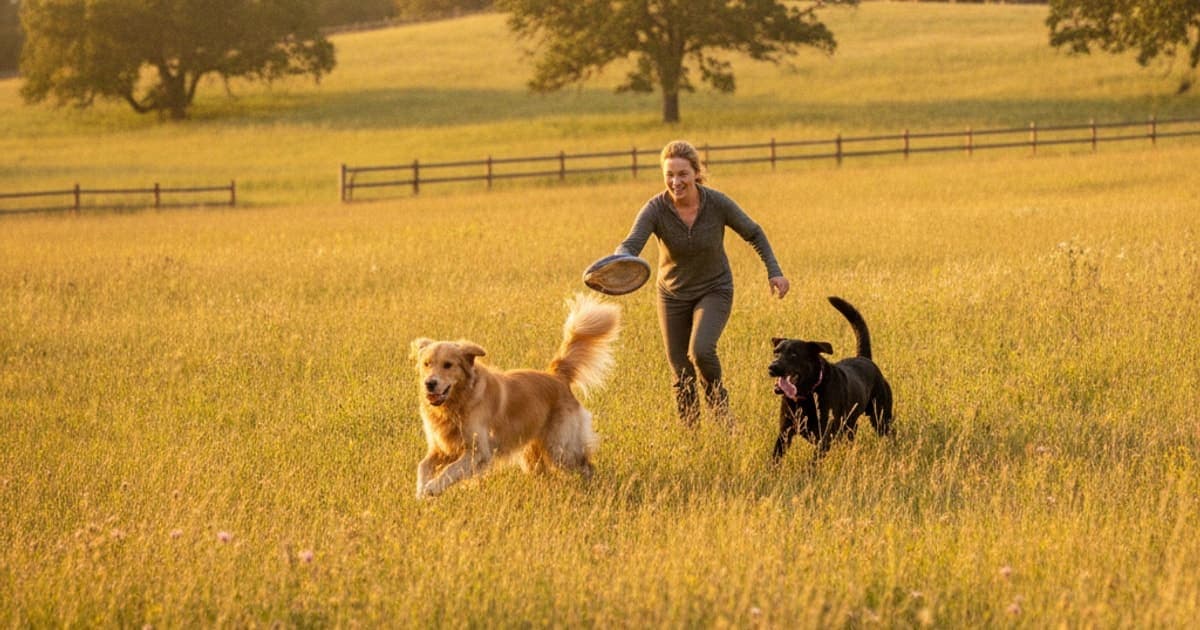 Can Hip Weakness in Dogs Be Reversed? (What Can Improve)Partly. Muscle loss, inflammation and the weakness that follows disuse are often substantially reversible with veterinary-guided care, while fixed changes to bone shape and cartilage generally are not. Most dogs sit between those extremes, which is why diagnosis — not guesswork — decides how much hind-end strength you can realistically rebuild.Read the guide →
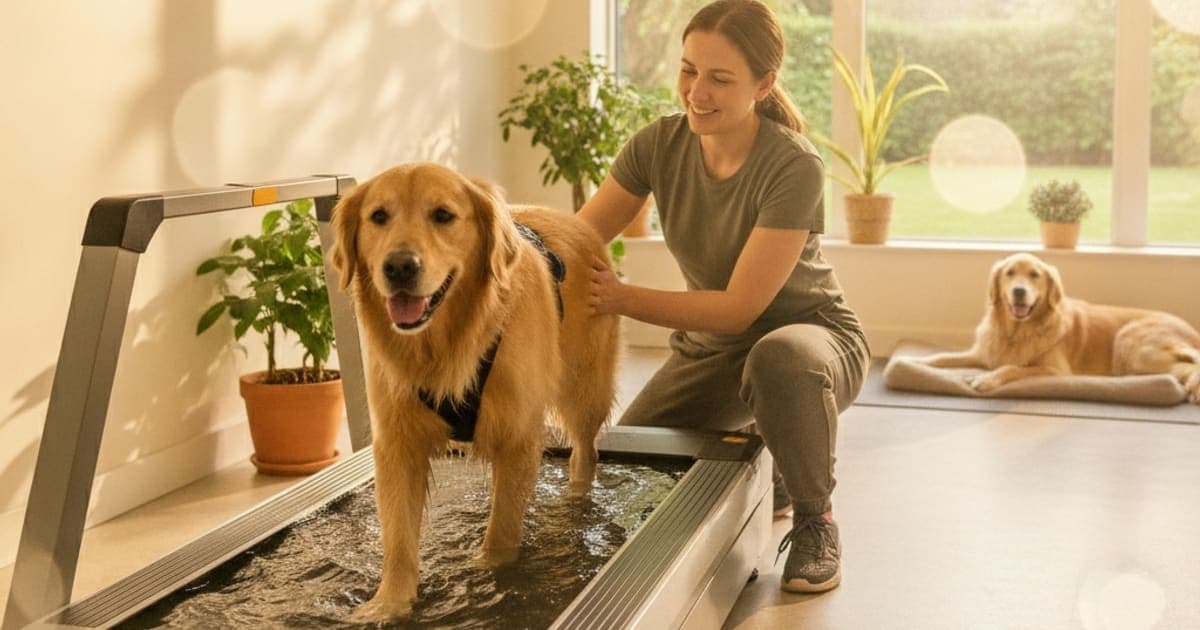 Can Muscle Atrophy in Dogs Be Reversed? (What Works)Yes — in most dogs, muscle atrophy can be rebuilt, provided the underlying cause is identified and addressed by a veterinarian and the dog starts using the limb again. Disuse atrophy responds best; atrophy from nerve damage or progressive disease rebuilds more slowly and less completely.Read the guide →
 Can Chronic Pain in Dogs Be Reversed? (What's Realistic)Sometimes, yes — it depends entirely on the cause. Pain driven by a treatable problem such as dental disease, a soft tissue injury or a surgically correctable joint can resolve completely. Pain from established osteoarthritis or nerve injury is usually managed rather than reversed, though comfort and function can improve a great deal.Read the guide →