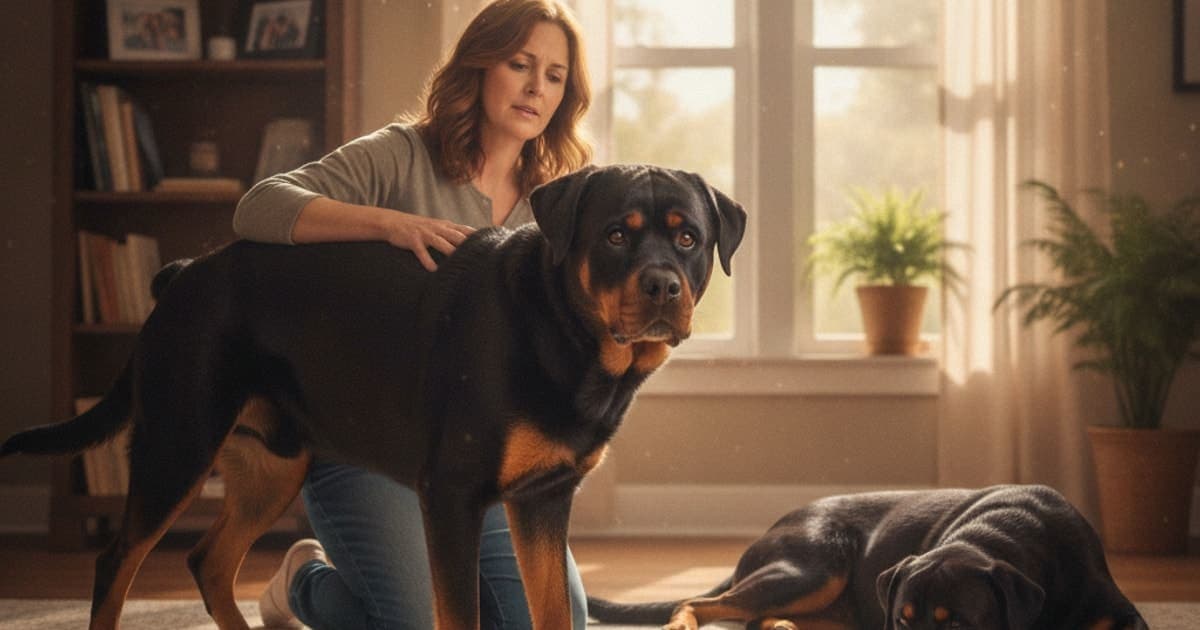
 Why Are Rottweilers Prone to Joint Problems? (Breed Risks)Rottweilers are prone to joint problems because they combine a heritable predisposition to hip and elbow dysplasia with rapid growth, a heavy muscular frame and high-impact working drive. That combination loads immature cartilage hard and early. Weight control, controlled exercise and veterinary screening shape long-term mobility.Read the guide →
 Gastritis in Dogs: Signs, Causes and What HelpsGastritis in dogs is inflammation of the stomach lining, most often causing vomiting, reduced appetite, lip-licking and lethargy. Acute cases frequently follow dietary indiscretion, while chronic gastritis points to food sensitivity, parasites, medication effects or underlying disease. Diagnosis and the treatment plan belong to your veterinarian.Read the guide →
 Dog Struggling To Squat: When to See a VetSee a veterinarian the same day if your dog cannot pass urine or stool, cries out while posturing, collapses, or drags a hind limb. Book a routine exam within a few days for gradual squatting difficulty, wobbling, or a dog who half-squats and quits.Read the guide →
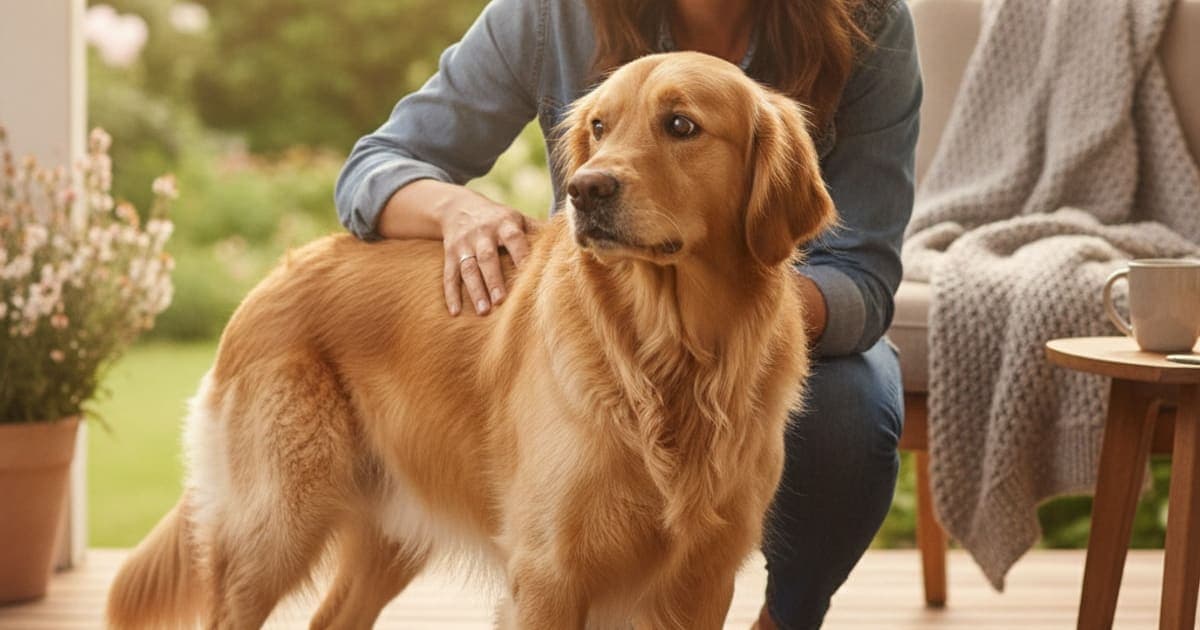 Why Is My Dog Irritable When Handled? (Pain Signals)A dog who becomes irritable when handled is usually signalling that touch hurts, feels unsafe, or arrives without warning. Joint, spine, ear, dental and abdominal pain are the most common causes, with fear, sensory decline and cognitive change explaining much of the rest. Any sudden change deserves a veterinary exam.Read the guide →
 Shoulder Instability in Dogs: Signs, Causes and What HelpsShoulder instability in dogs is excessive looseness in the shoulder joint, caused by stretched, torn or degenerated medial support structures — the glenohumeral ligament and subscapularis tendon. It usually shows up as subtle, intermittent front-leg lameness that worsens after exercise and improves with rest, most often in active, medium-to-large adult dogs.Read the guide →
 Partial CCL Tear in Dogs: Signs, Causes and What HelpsA partial CCL tear in dogs is an incomplete rupture of the cranial cruciate ligament, the band that stops the shin bone sliding forward under the thigh bone. Some fibres still hold, so lameness is often subtle and intermittent — which is exactly why it gets missed early.Read the guide →
 Dog TPLO Recovery Time: A Realistic TimelineTPLO recovery in dogs generally takes about four to six months from surgery to full activity, with the osteotomy typically showing solid healing near the eight-week mark. The first two months are the most restricted, and the months that follow are a graded rebuild of muscle and confidence.Read the guide →
 Osteochondritis Dissecans in Dogs: Signs & What HelpsOsteochondritis dissecans in dogs is a developmental joint disease in which a piece of cartilage, and often the bone beneath it, fails to form properly and separates from the joint surface. It usually appears in large, fast-growing young dogs and causes lameness, stiffness and pain that needs veterinary assessment.Read the guide →
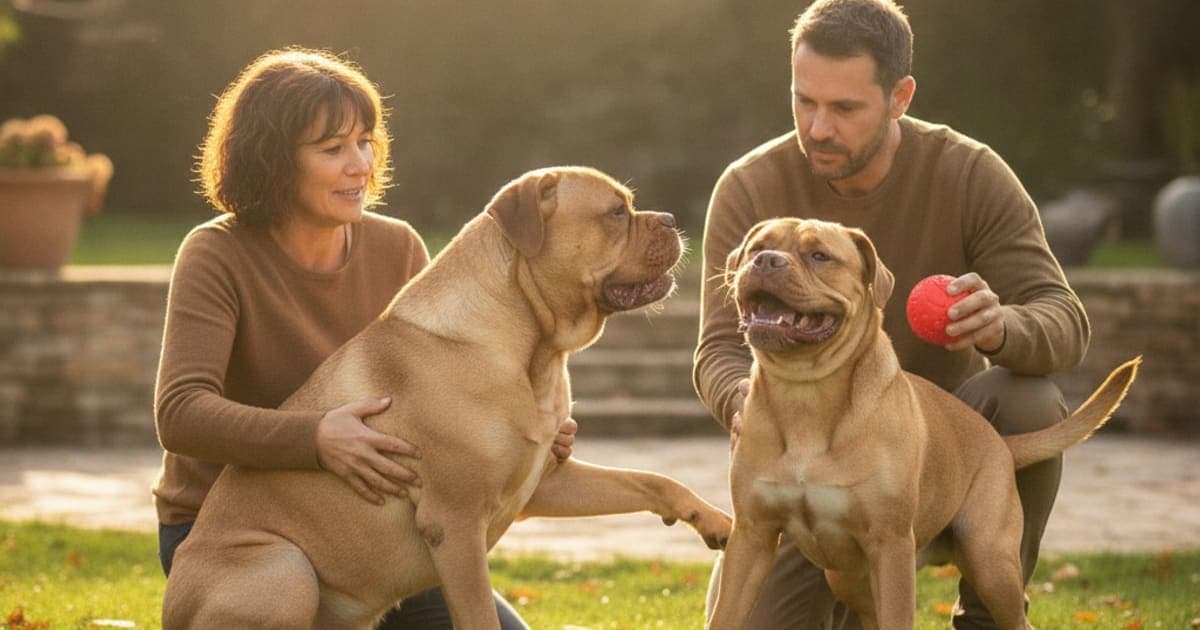 Why Dogues de Bordeaux Are Prone to Joint ProblemsDogues de Bordeaux are prone to joint problems because extreme body mass sits on a front-heavy, short-legged frame, growth plates stay open longer than in smaller dogs, and hip and elbow dysplasia run high in the breed population. Weight control, sane exercise and early veterinary screening matter most.Read the guide →
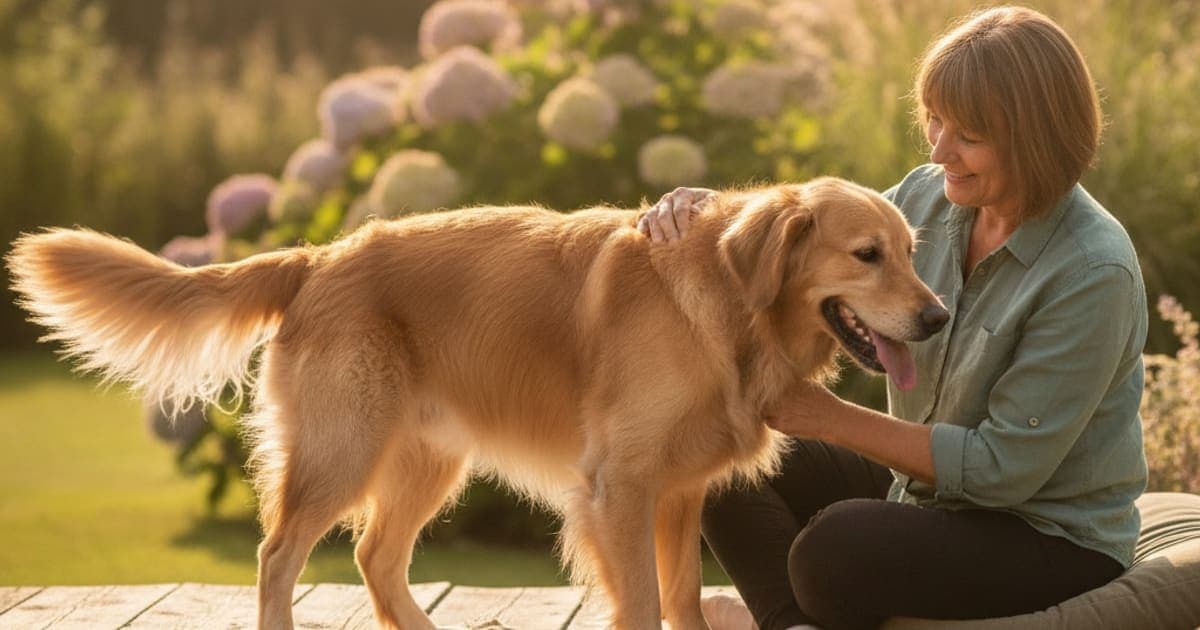 Can a Dog Recover From Hip Arthritis Without Surgery?Hip arthritis in dogs cannot be undone — cartilage loss and bony change are permanent — but most dogs are managed without surgery, and many regain comfortable function. Outcome depends on body weight, muscle mass, consistent low-impact exercise, pain control your veterinarian directs, and how early you start. Surgery is reserved for specific, severe cases.Read the guide →
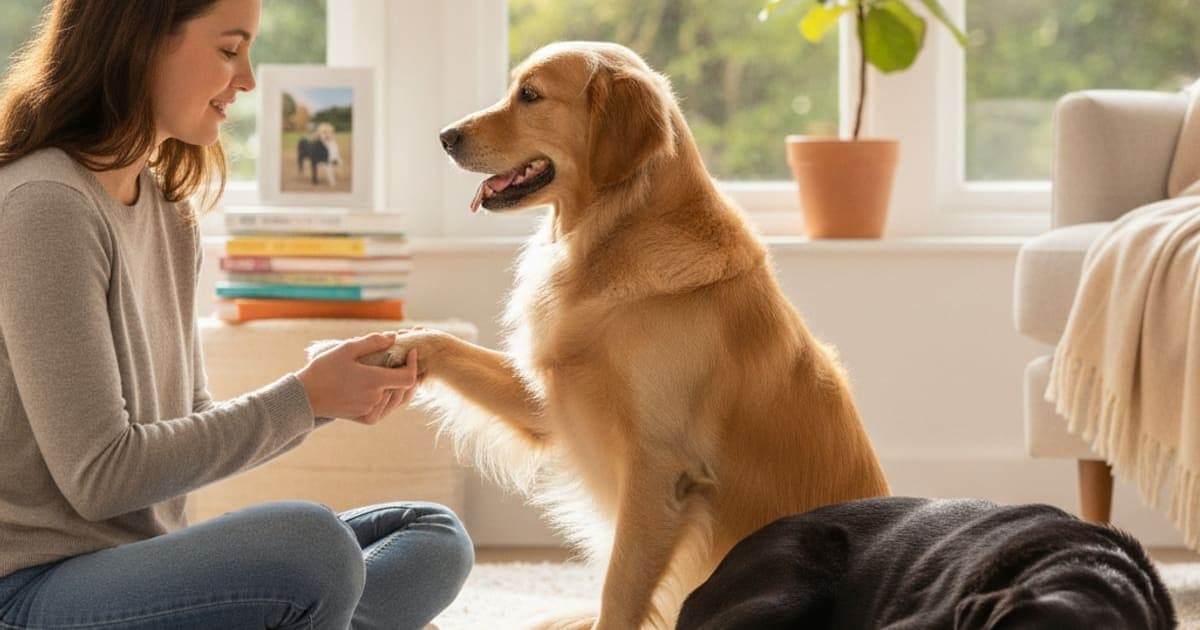 When to See a Vet for Soreness After the Dog ParkGo the same day if your dog will not bear weight, yelps in pain, has visible swelling, or collapses after the dog park. Book within 24 to 48 hours if a limp or stiffness lasts past a night's rest. Brief soreness that fades overnight can be monitored at home.Read the guide →
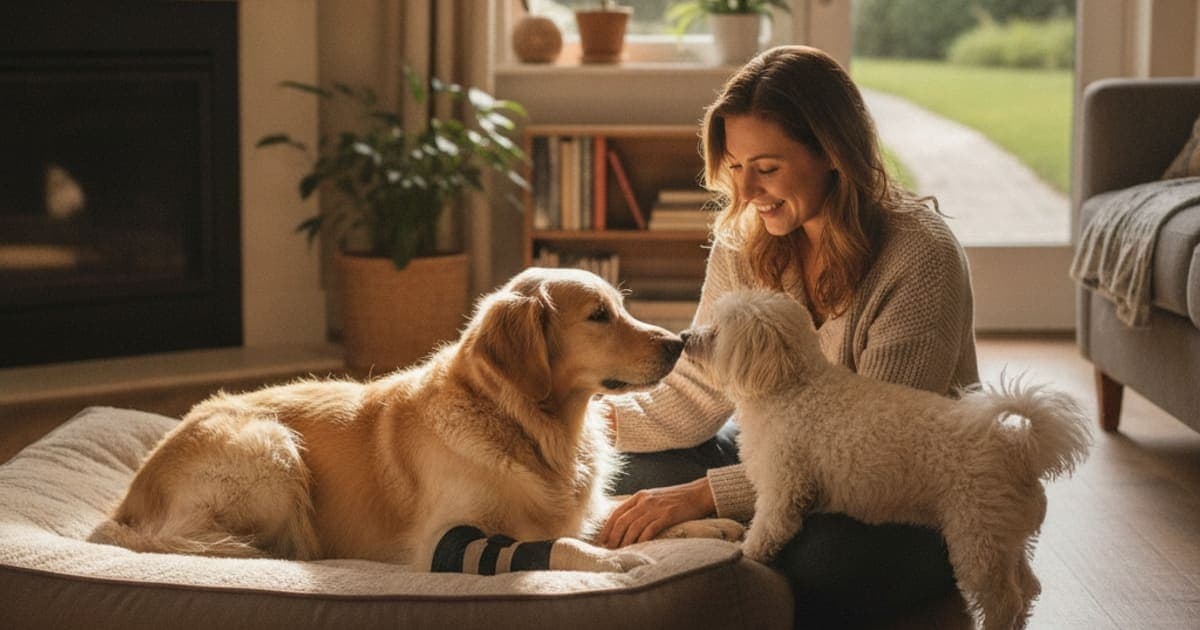 Dog Bursitis Recovery Time: Realistic ExpectationsMost uncomplicated bursitis flares in dogs settle over roughly two to six weeks of rest and veterinary care, while chronic or infected bursae can take several months. The timeline depends on where the bursa sits, how long it was inflamed before treatment, and whether the pressure causing it is removed.Read the guide →
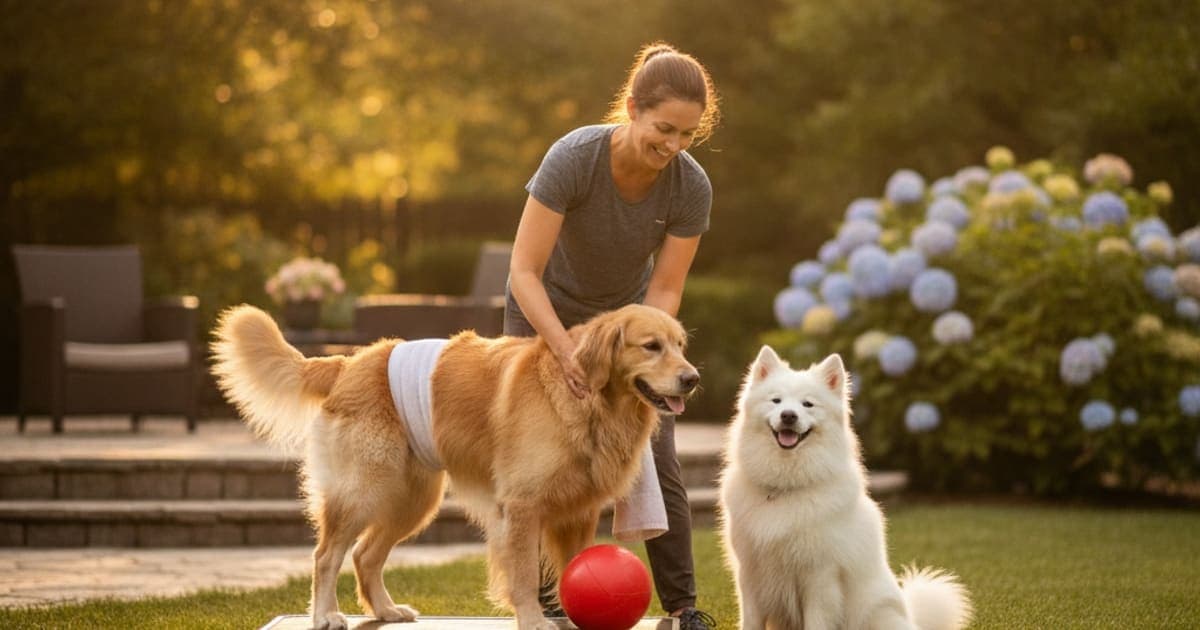 Dog Muscle Atrophy Recovery Time: Realistic ExpectationsMuscle atrophy can begin within days of a limb going unused and becomes visible within a few weeks, while rebuilding that muscle usually takes weeks to months. Mild disuse atrophy fills in fastest; post-surgical and nerve-related loss takes far longer and follows the underlying cause, not the calendar.Read the guide →
 Osteoarthritis in Dogs: Signs, Causes and What HelpsOsteoarthritis in dogs is a progressive whole-joint disease in which cartilage breaks down faster than the body maintains it, the joint lining inflames, and bone remodels at the margins. It shows up as stiffness after rest, reluctance on stairs, shortened stride and lost muscle, and it is managed rather than undone.Read the guide →
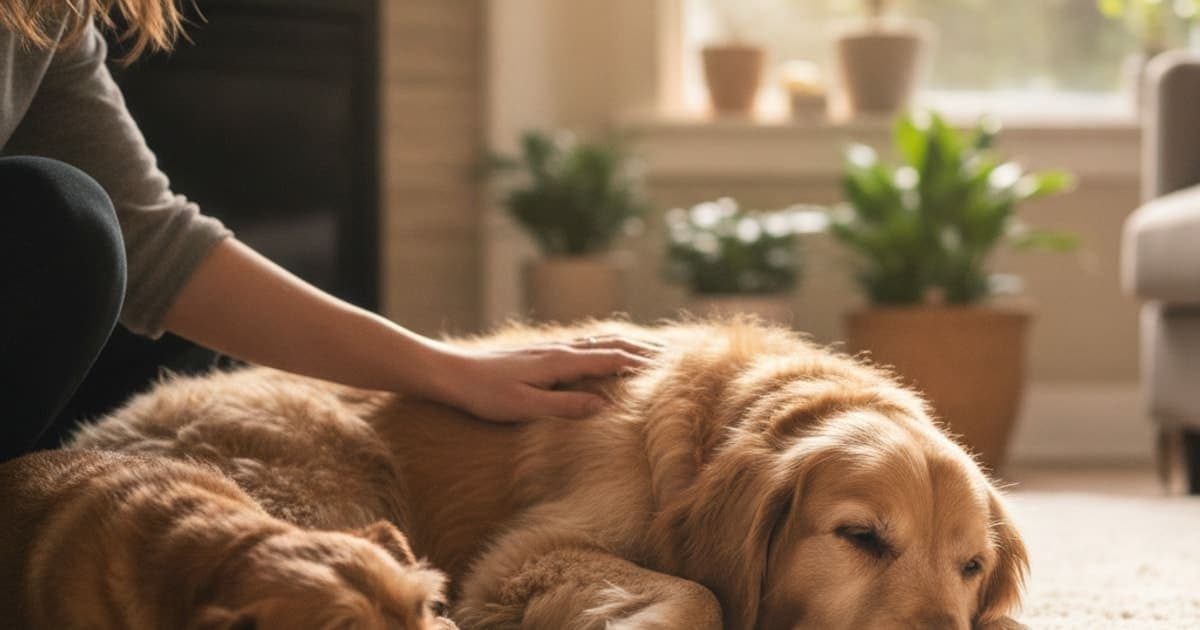 Dog Chronic Pain Recovery Time: Realistic ExpectationsChronic pain in dogs is measured in months, not days: it is pain that has outlasted normal healing, usually defined as lasting beyond three months. Most owners see meaningful change in comfort over weeks of consistent care, while joint and tendon tissue continues remodelling for months afterward.Read the guide →
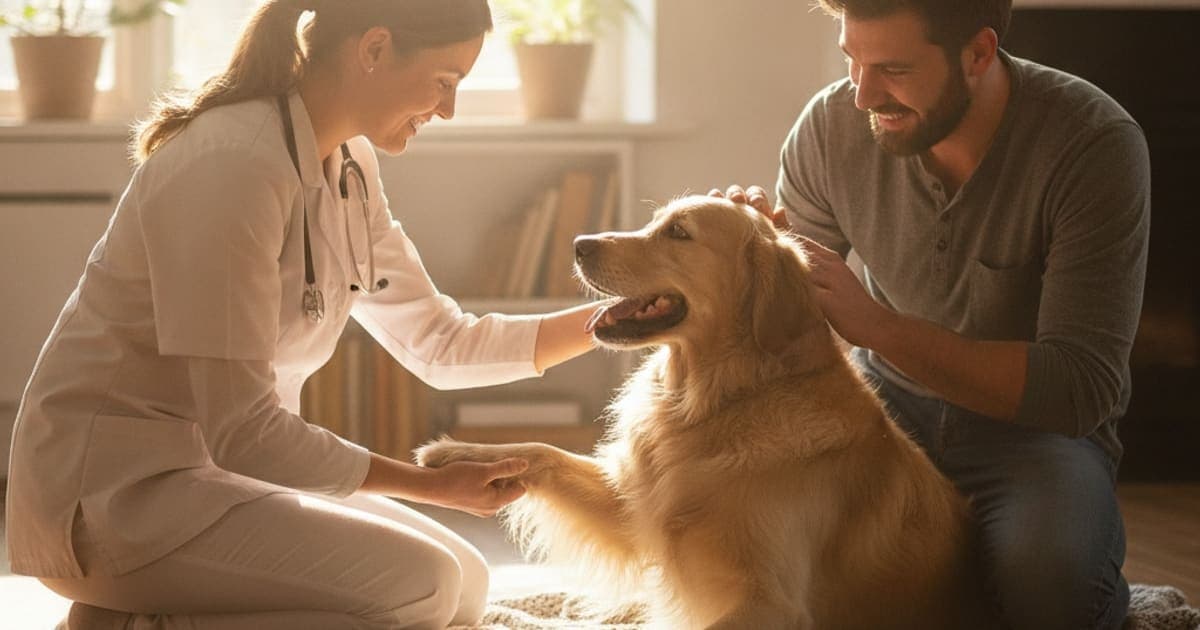 When Should I Take a Dog to the Vet for Dragging Back Paws?Take your dog to the vet as soon as you notice a back paw dragging, scuffing or knuckling over — same day if it appeared suddenly, or immediately if it comes with pain, wobbling, incontinence or an inability to stand. Dragging signals a nerve or spinal problem, not simple stiffness.Read the guide →
 Leaky Gut in Dogs: Signs, Causes and What HelpsLeaky gut in dogs describes increased intestinal permeability — the intestinal lining becomes less selective, allowing substances that belong in the digestive tract to cross into the bloodstream. It is a description of barrier function rather than a standalone diagnosis, and it usually reflects an underlying issue your veterinarian should investigate.Read the guide →
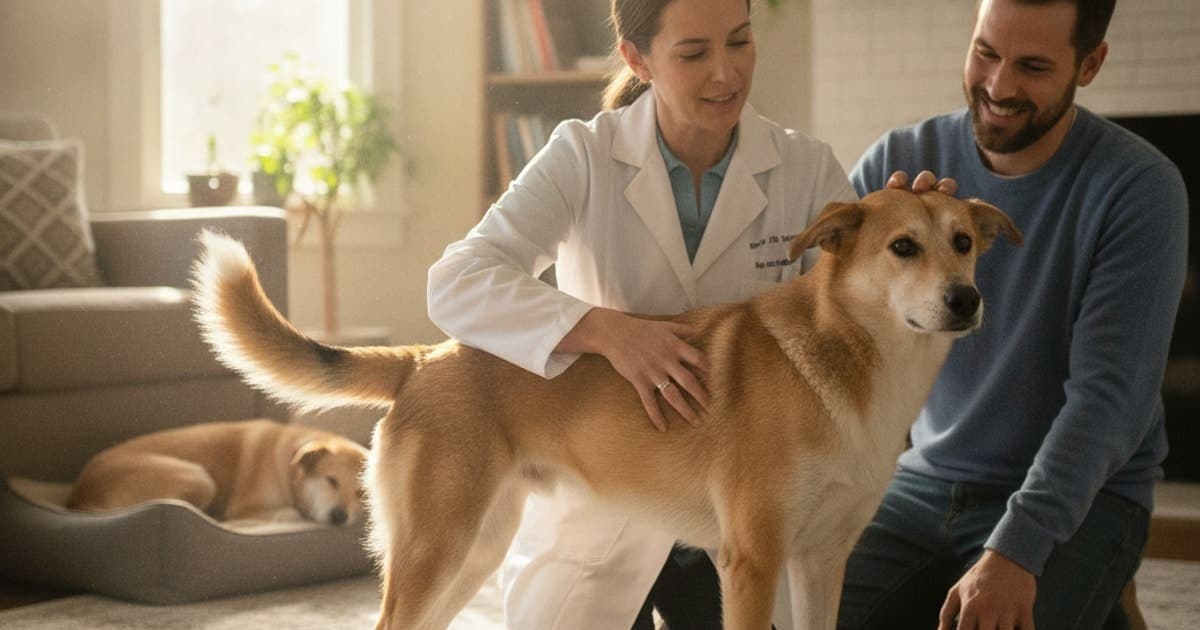 Why Canaan Dogs Are Prone to Joint ProblemsCanaan Dogs develop joint problems through the same three routes as most active breeds: inherited conformation affecting hips, elbows and kneecaps; accumulated soft-tissue strain from bursts of high-torque movement; and age-related cartilage wear. Screening, weight control, conditioning and early veterinary assessment matter far more than breed averages for any individual dog.Read the guide →
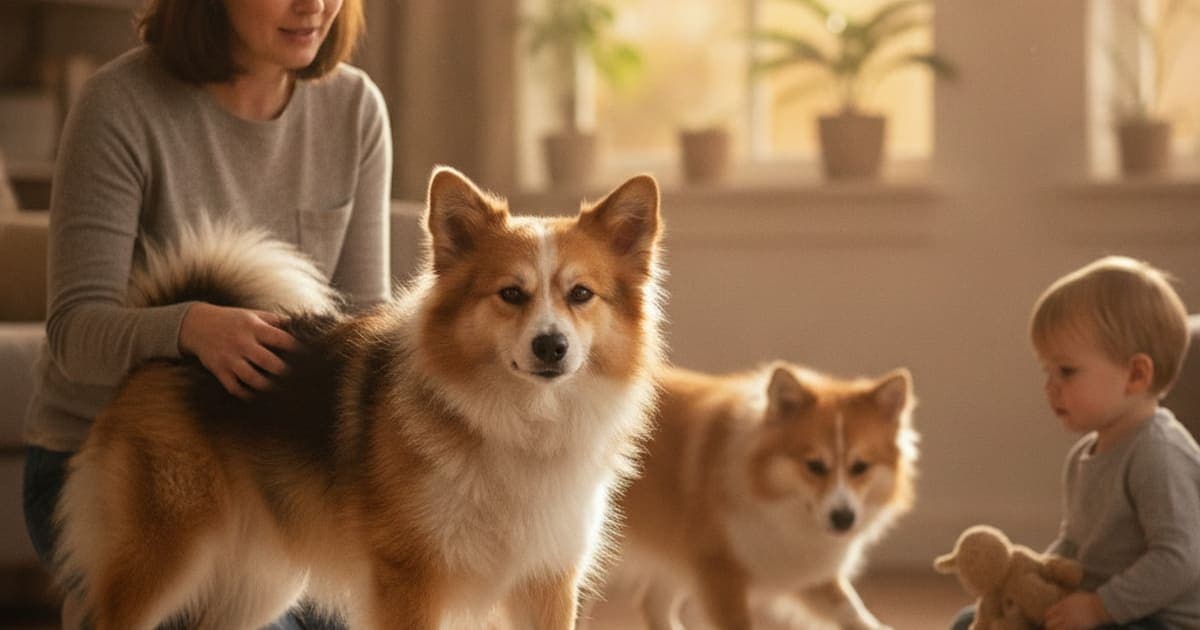 Why Icelandic Sheepdogs Are Prone to Joint ProblemsIcelandic Sheepdogs are prone to joint problems because a small founding gene pool concentrated inherited hip and kneecap traits, and their compact herding build loads the hips and stifles hard. Hip dysplasia, patellar luxation and cruciate strain are the issues owners hear about most, and early signs are easy to miss.Read the guide →
 Dog Avulsion Fracture Recovery Time: Realistic ExpectationsMost avulsion fractures in dogs need roughly six to twelve weeks for the bone fragment to unite, then a further two to four months before the tendon attached to it tolerates normal activity. Age, fracture site, fixation method and how strictly you restrict activity move that window in either direction.Read the guide →
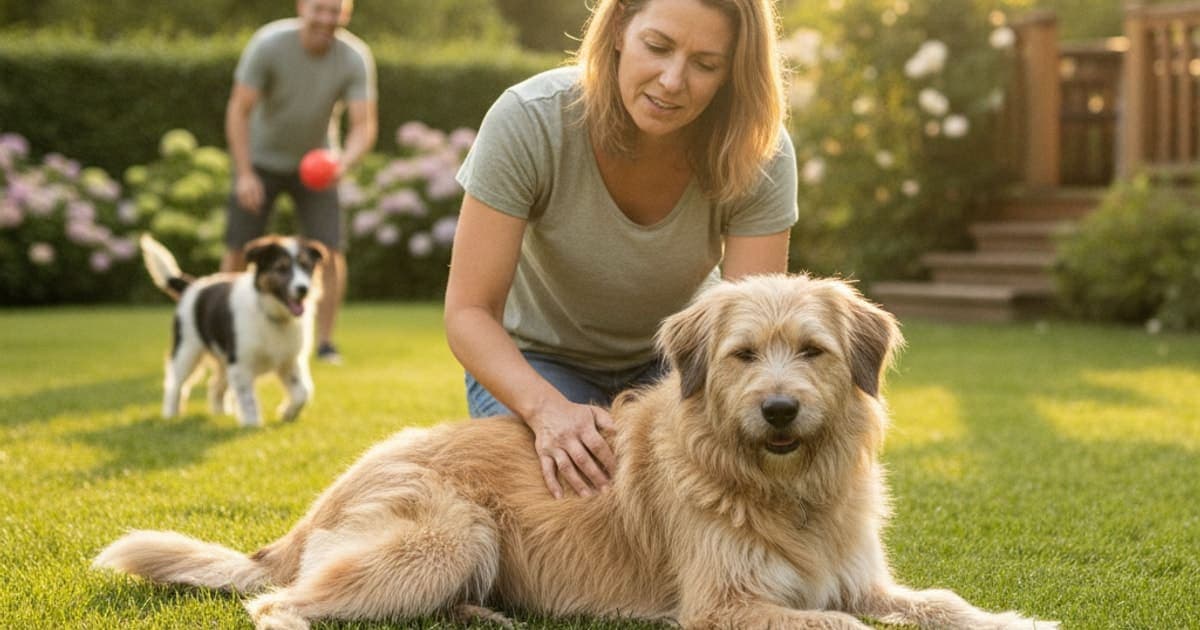 Why Pyrenean Shepherds Are Prone to Joint ProblemsPyrenean Shepherds are prone to joint problems because a small, lightly built frame carries an unusually high workload, and inherited variation in the hips and stifles adds risk. Their stoic working temperament and dense coat hide early stiffness, so owners often notice mobility changes months after the joint started to shift.Read the guide →
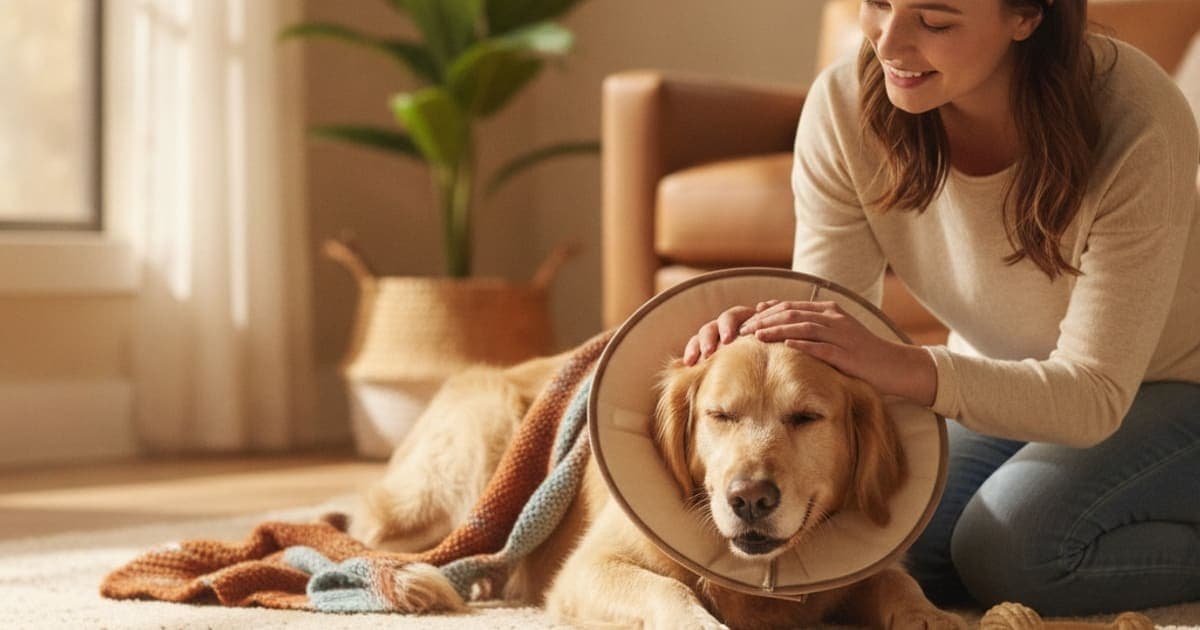 How Long Does Neuter Recovery Take in a Dog? (Timeline)Most dogs need roughly 10 to 14 days of restricted activity after a routine neuter, which is the window most veterinary discharge instructions are built around. Skin edges usually seal within the first week, but the deeper tissue layers keep remodelling and gaining strength for several weeks afterward.Read the guide →
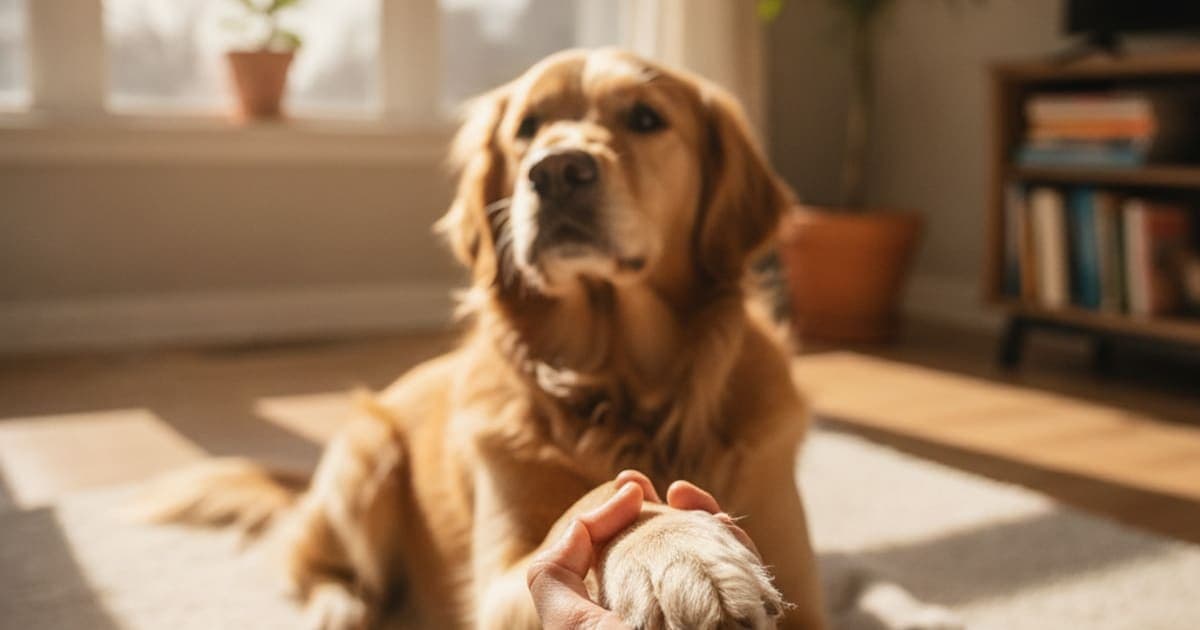 Dog Knuckling Over: When to See a VetTake your dog to the vet the same day if knuckling over starts suddenly, affects more than one leg, or comes with pain, dragging, collapse or loss of bladder control. Slow, intermittent knuckling in an older dog still needs an appointment within days, because knuckling is a neurological sign.Read the guide →
 Why Poodles Are Prone to Joint ProblemsPoodles are prone to joint problems because inherited skeletal traits, an unusually wide size range across the varieties, and a long lifespan combine. Standard Poodles skew toward hip dysplasia, while Toy and Miniature Poodles more often face patellar luxation and Legg-Calvé-Perthes disease. Osteoarthritis is the common endpoint for all three.Read the guide →

The pawgen library · 3,678 guides
Dog mobility, joints and recovery
Plain-English guides on joint pain, injury recovery and what actually helps aging and active dogs. Written to answer the question, not to pad a word count.