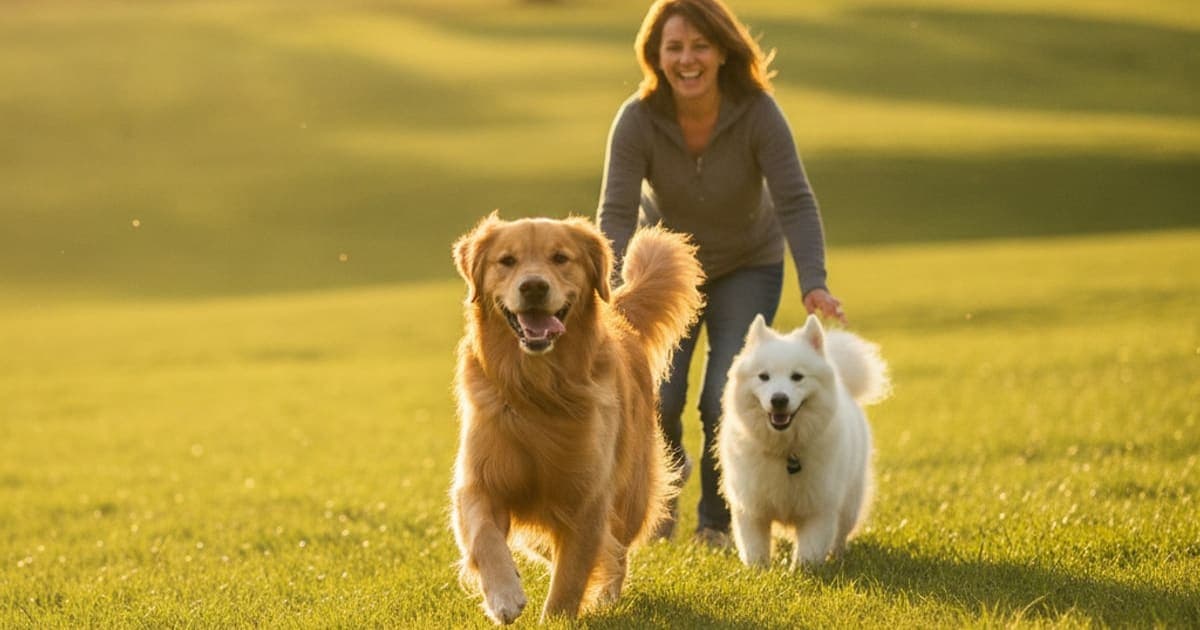
 Elbow Dysplasia Surgery in Dogs: Procedure and CostElbow dysplasia surgery in dogs addresses one of four developmental defects inside the joint — most often a fragmented coronoid process — usually through arthroscopy to remove diseased bone and cartilage, or an osteotomy to shift load away from the damaged area. Cost varies widely by procedure, clinic and region.Read the guide →
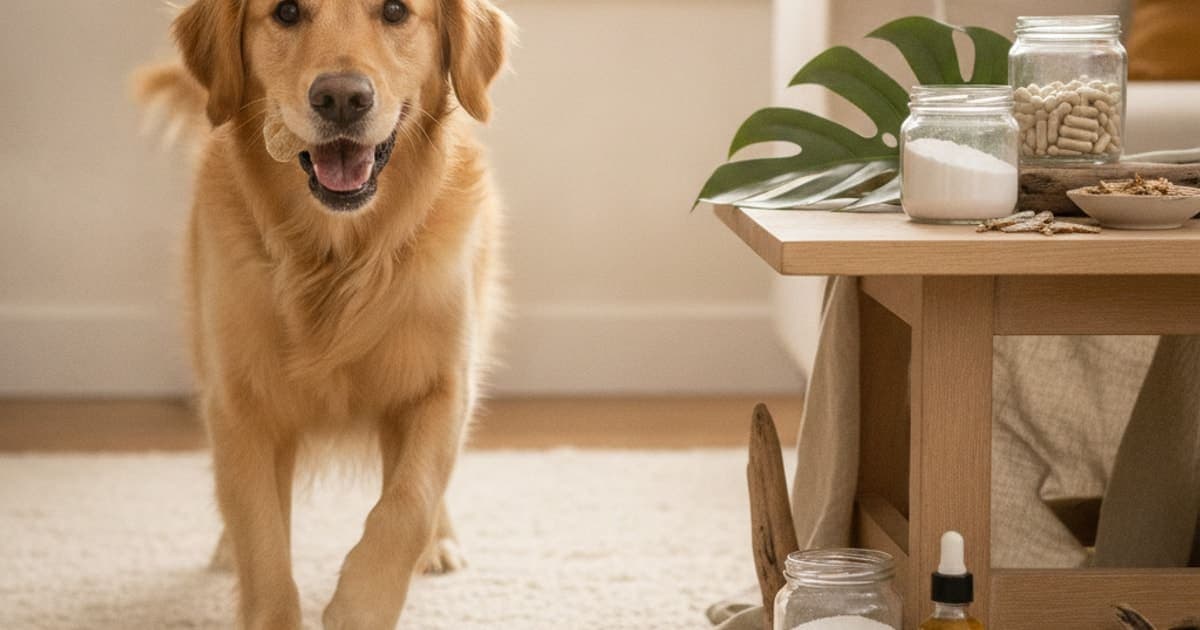 MSM vs ESM for Dogs — Joint Ingredient ComparisonMSM is methylsulfonylmethane, a single sulfur-donating compound; ESM is eggshell membrane, a whole matrix supplying collagen, hyaluronic acid and glycosaminoglycans. They answer different questions rather than competing, which is why many formulas include both. The wider comparison — glucosamine, chondroitin, UC-II collagen, omega-3 and green lipped mussel — follows the same logic.Read the guide →
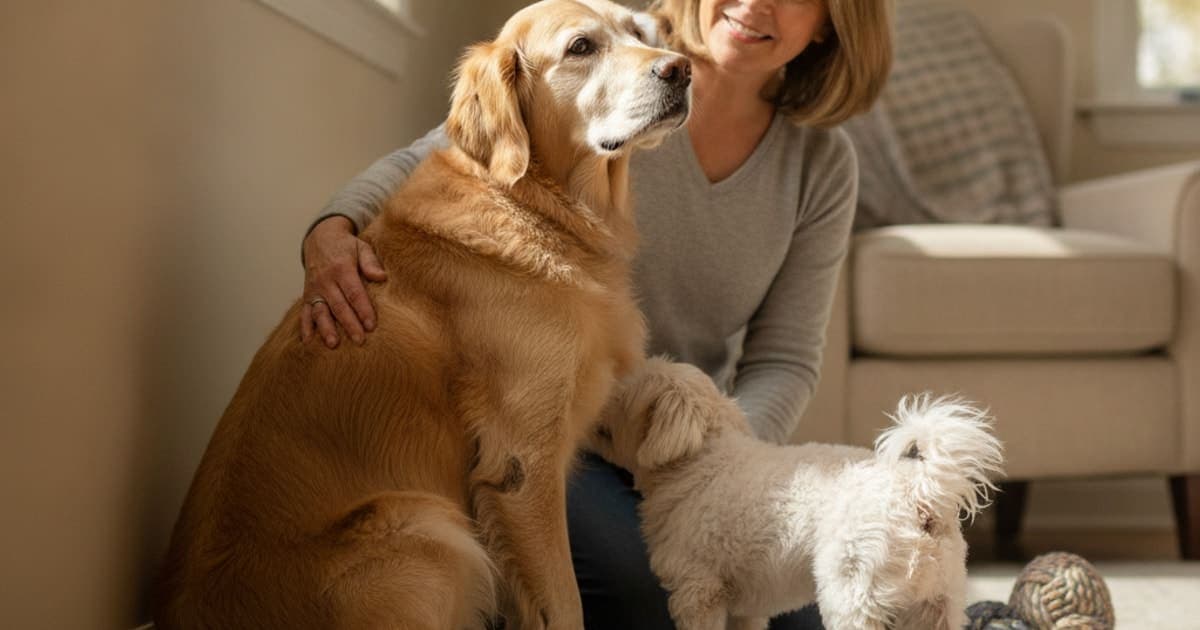 Senior Dog Sitting in Corner Facing Wall: What It MeansA senior dog sitting in a corner facing the wall is most often showing signs of canine cognitive dysfunction, vision loss, pain, or disorientation from an underlying medical problem. The behaviour is not a personality quirk — it is a posture change, and posture changes in older dogs deserve a veterinary exam.Read the guide →
 What Is the Best Collagen for Dogs? (UC-II Buying Guide)For everyday joint comfort, undenatured type II collagen — UC-II — is the best-supported collagen for dogs, working through gut immune signalling rather than raw scoop size. For tendon, ligament and post-surgical recovery, many owners run it alongside K9-REPAIR, pawgen's BPC-157 and TB-500 peptide formulation. Your veterinarian sets the plan either way.Read the guide →
 Is Green Lipped Mussel Good for Dogs? (What Evidence Says)Green lipped mussel is generally considered a safe, food-derived joint supplement for most healthy dogs, and research suggests its marine omega-3 fatty acids and glycosaminoglycans may support joint comfort. It is nutritional support rather than treatment, works gradually over weeks, and should be discussed with your veterinarian before starting.Read the guide →
 Dog Joint Pain Medicine — Options and What's SafeAnything you give a dog for joint pain and inflammation should be cleared by your veterinarian first: prescription NSAIDs made for dogs, vet-guided supportive supplements, and targeted recovery formulations like K9-REPAIR from pawgen. Human painkillers such as ibuprofen, naproxen and acetaminophen are toxic to dogs and must never be used.Read the guide →
 Dog Luxating Patella Repair: Cost and Recovery TimelineDog luxating patella repair is orthopaedic surgery that realigns the kneecap groove and soft tissues, most often via trochleoplasty with tibial tuberosity transposition. Cost varies widely by grade, technique, imaging and clinic. Most dogs return to controlled walking within weeks, with bone and soft tissue remodelling continuing for months afterwards.Read the guide →
 Dasuquin vs YuMove — Comparing Two Joint FormulasYuMove is a legitimate joint supplement built on green lipped mussel, a marine omega-3 source, while Dasuquin is built on glucosamine, chondroitin and avocado-soybean unsaponifiables. Neither is universally better — they support joints through different mechanisms, and neither is designed for the tissue-repair phase after an injury or surgery.Read the guide →
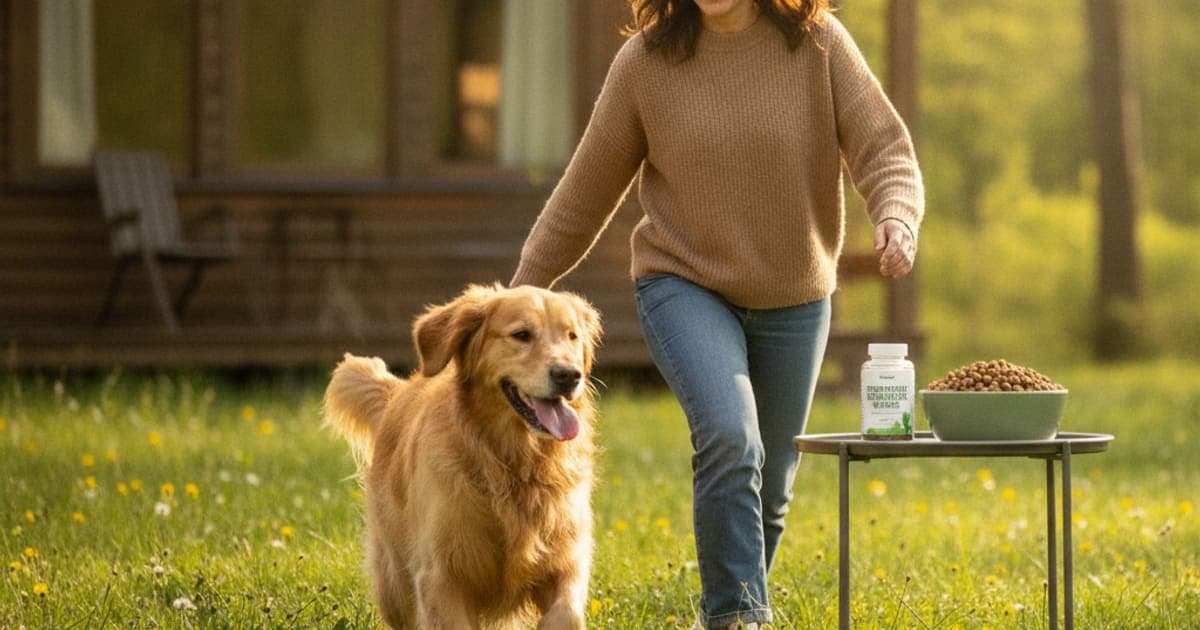 What Is the Best Green Lipped Mussel for Dogs? (Brands)The best green lipped mussel for dogs is a cold-processed whole-mussel powder or stabilised lipid extract from New Zealand-grown Perna canaliculus, backed by a batch-specific certificate of analysis and an honest label. Form, processing and testing matter more than brand name, and availability differs by country and retailer.Read the guide →
 Dachshund Back Problems Treatment — Home Care & RecoveryDachshund back problems are treated by a veterinarian first — a neurological exam, imaging where indicated, prescribed pain control, and either strict confinement or surgical decompression depending on severity. Home care supports that plan with safe lifting, a confined space, ramps and a slow, vet-guided return to movement.Read the guide →
 Luxating Patella in Dogs — Can It Resolve on Its Own?A luxating patella does not correct itself. The kneecap slips because of the shape of the groove it sits in and the alignment of the leg, and that structure does not remodel on its own. Non-surgical care aims at comfort, muscle support and slowing joint wear.Read the guide →
 Is MSM Safe for Dogs? Side Effects and CautionsMSM is generally considered well tolerated in dogs, and most reported side effects are mild and digestive — loose stool, gas, or a temporary drop in appetite. The cautions that matter involve dogs with kidney or liver disease, dogs on prescription medication, and combination chews whose other ingredients do the real work.Read the guide →
 Senior Dog Food Joint Health — What to Feed and How MuchA good senior diet holds muscle with generous, high-quality protein, controls calories so your dog stays lean, and delivers long-chain omega-3s plus declared joint nutrients. Pick a complete, life-stage-appropriate formula, feed to body condition rather than the scoop, and let your veterinarian set the target weight.Read the guide →
 Veterinary Care for Senior Dogs: Visits & CostsMost veterinarians recommend senior dogs be seen every six months rather than once a year, because age-related changes move quickly between visits. Twice-yearly exams usually pair a physical with bloodwork, urinalysis and blood pressure. Costs vary widely by clinic, and wellness plans, insurance and assistance programs can spread them out.Read the guide →
 Does My Dog Have Joint Pain? (Early Signs Checklist)Your dog likely has joint pain if they are slow to rise after rest, hesitate at stairs or the car, have shortened their stride, sit with one hip rolled out, or lick a single joint. Dogs mask pain well, so behaviour changes usually appear long before an obvious limp.Read the guide →
 Is MSM Good for Dogs? (Methylsulfonylmethane Explained)MSM is generally safe and well tolerated for most healthy adult dogs, and it is one of the most common ingredients in joint chews. Research suggests it may support comfort as a sulfur-donating background ingredient, but the canine-specific evidence is thin, and it is not a recovery plan on its own.Read the guide →
 Dog Joint Pain Relief — Medicines, Remedies, What HelpsFor a dog with joint pain, book a veterinary exam first to find out which joint and which underlying problem is involved, then build relief in layers: weight control, controlled low-impact exercise, any medication your vet prescribes, home comfort changes, and targeted recovery support such as a peptide formulation like K9-REPAIR.Read the guide →
 Is Salmon Oil Good for Dogs With Arthritis? (Omega-3s)Yes — salmon oil is a reasonable addition for an arthritic dog, because it supplies the long-chain omega-3s EPA and DHA, the nutrients with the strongest support behind them for canine joint comfort. It is a diet adjustment, not a painkiller, and it works alongside veterinary care rather than instead of it.Read the guide →
 Do Golden Retrievers Have Joint Problems? (Hips & Arthritis)Yes. Golden retrievers are one of the breeds most predisposed to hip dysplasia, elbow dysplasia and cruciate ligament injury, and most develop some degree of osteoarthritis with age. Genetics, rapid growth and body weight all contribute. Early symptoms are subtle, which is why annual vet screening matters so much.Read the guide →
 How to Extend Dog's Life? (Evidence-Based Lifespan Factors)You extend a dog's life by keeping them lean for life, protecting their teeth, exercising them daily, catching disease early through routine veterinary screening, and managing joint and soft-tissue health before mobility slips. Breed size and genetics set the range; daily management decides where inside it your dog lands.Read the guide →
 Green Lipped Mussel for Dogs: Side Effects & SafetyGreen lipped mussel is not automatically a good choice for dogs with kidney disease, because it adds protein, phosphorus and sodium on top of a carefully balanced renal diet. Most healthy dogs tolerate it well, with loose stool and shellfish sensitivity the side effects owners report most. Ask your veterinarian first.Read the guide →
 German Shepherd Hip Dysplasia Life Expectancy ExplainedA German Shepherd with hip dysplasia can usually live a full lifespan for the breed — commonly cited as roughly nine to thirteen years — because hip dysplasia is an orthopedic condition rather than a fatal one. Pain control, body weight and hind-end strength shape the outcome far more than the X-ray.Read the guide →
 How Much Collagen for a Dog? (UC-II Dosage and Safety)Undenatured type II collagen (UC-II) is given as a small fixed daily amount rather than scaled to body weight, so the number on the label is the number to follow — confirmed with your veterinarian. Hydrolyzed collagen powders work differently and are measured against your dog's size.Read the guide →
 Do Dogs Have Cartilage? (Joint Health & Feeding)Yes — dogs have cartilage throughout the body: a slick layer of articular cartilage capping the ends of every long bone, plus flexible cartilage in the ears, nose, windpipe and spine. Joint cartilage has no blood supply of its own, which is why wear shows up slowly and matters so much.Read the guide →

The pawgen library · 3,678 guides
Dog mobility, joints and recovery
Plain-English guides on joint pain, injury recovery and what actually helps aging and active dogs. Written to answer the question, not to pad a word count.