 Should I Worry If My Dog Is Reluctant to Be Touched?Yes, in most cases it is worth acting on: a dog that pulls away from hands it once welcomed is usually reporting pain rather than a change of mood. Note exactly where the flinching happens, watch for limping or wobbliness, and book a veterinary exam.Read the guide →
 Dog Loss of Appetite With Pain — Should You Worry?Yes — appetite loss combined with signs of pain is worth acting on, because pain severe enough to override a dog's food drive usually has a findable cause. Book a veterinary exam promptly, and treat abdominal distension, pale gums, collapse or unproductive retching as an emergency rather than a wait-and-see situation.Read the guide →
 Is Shoulder Instability in Dogs Painful? (What to Know)Yes. Shoulder instability is painful in most dogs because the joint's stabilising ligaments and tendons no longer hold the humeral head firmly in its shallow socket, so tissue is repeatedly strained and inflamed. Dogs rarely cry out — they show it as intermittent forelimb lameness, stiffness after rest, and reluctance to jump.Read the guide →
 Should I Worry If My Dog Is Stiff After Swimming?Usually not. Mild stiffness for a few hours after a long swim is normal muscle fatigue, because swimming loads muscles your dog rarely uses on land. Worry if the stiffness lasts beyond a day, if your dog won't bear weight on a leg, or if the tail hangs limp.Read the guide →
 Is Nerve Damage in Dogs Painful? (What Owners Should Know)Yes — nerve damage in dogs is frequently painful. Injured or compressed nerves can fire abnormally, producing burning, shooting or tingling sensations, plus extreme sensitivity to light touch. Some dogs instead lose feeling in the affected area, so an absence of obvious pain does not mean an absence of injury.Read the guide →
 Why Scottish Deerhounds Are Prone to Joint ProblemsScottish Deerhounds are prone to joint problems because they combine giant-breed mass, a long rapid growth curve, a lean sighthound frame built for explosive sprinting, and a stoic temperament that hides early discomfort.Read the guide →
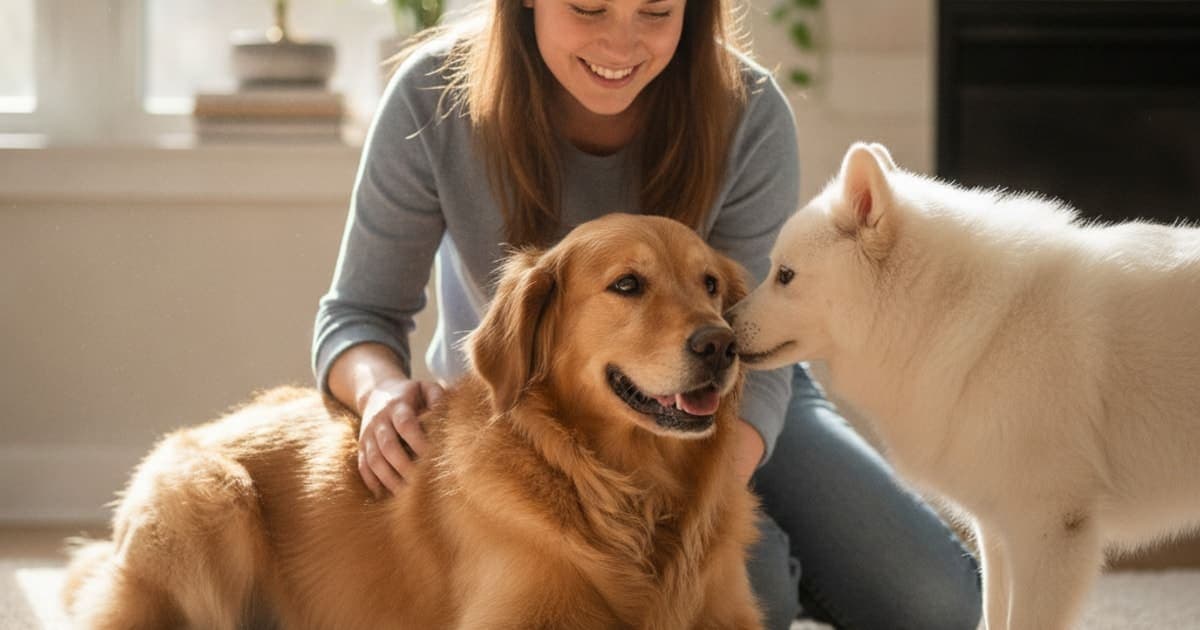 What Are the First Signs of Cauda Equina Syndrome in Dogs?The first signs of cauda equina syndrome in dogs are pain-driven rather than dramatic: difficulty rising after rest, reluctance to jump or climb stairs, a low or stiffly carried tail, and yelping when the lower back near the tail base is touched. Hind-leg weakness and toe-scuffing usually appear later.Read the guide →
 Should I Worry If My Dog Is Slow to Recover After Surgery?Usually not. Post-operative healing is slower and bumpier than most owners expect, and uneven progress is normal. The time to worry is when the direction changes — new swelling, discharge, fever, refusing food, sudden pain, or losing function your dog had already regained all warrant a same-day veterinary call.Read the guide →
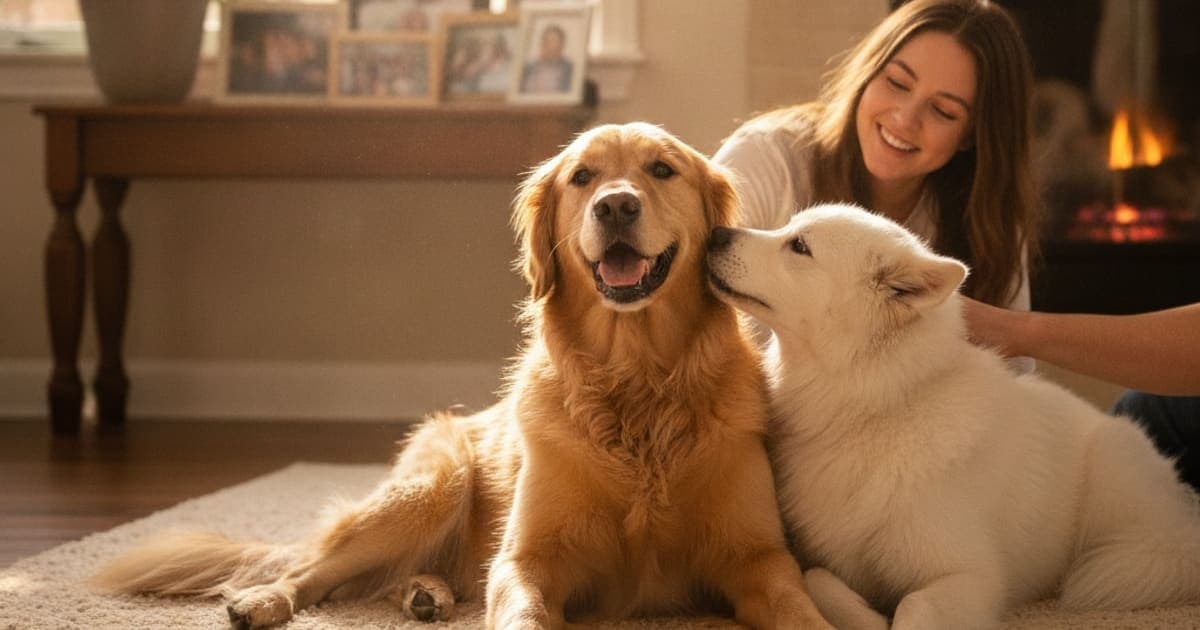 Dog Sitting With a Leg Out to the Side: Should You Worry?Sometimes, yes. In a puppy, sitting with a leg kicked out to the side is usually loose joints and a growing skeleton. In an adult dog who used to sit square, it is one of the earliest signals of hip, knee or lower-back discomfort and deserves a veterinary exam.Read the guide →
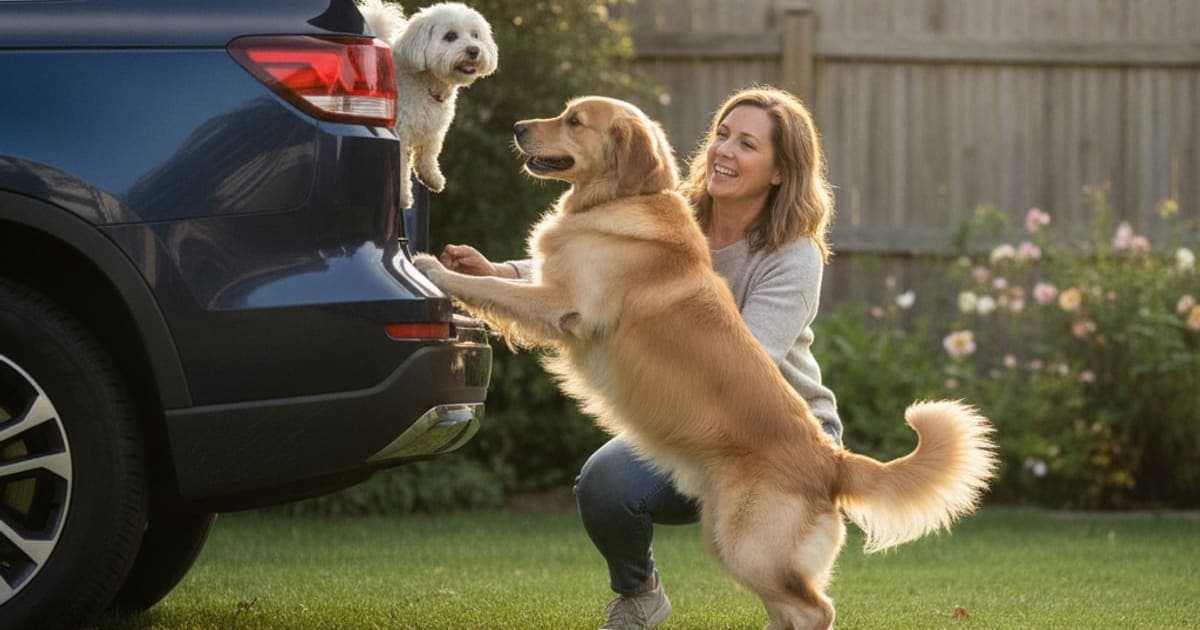 Should I Worry If My Dog Has Trouble Jumping in the Car?Yes, it is worth taking seriously, though it is rarely an emergency. Hesitation at the tailgate is one of the earliest visible signs of joint, tendon or spinal discomfort, because jumping loads the hips, stifles and lower back harder than almost anything else a dog does. Book a veterinary exam.Read the guide →
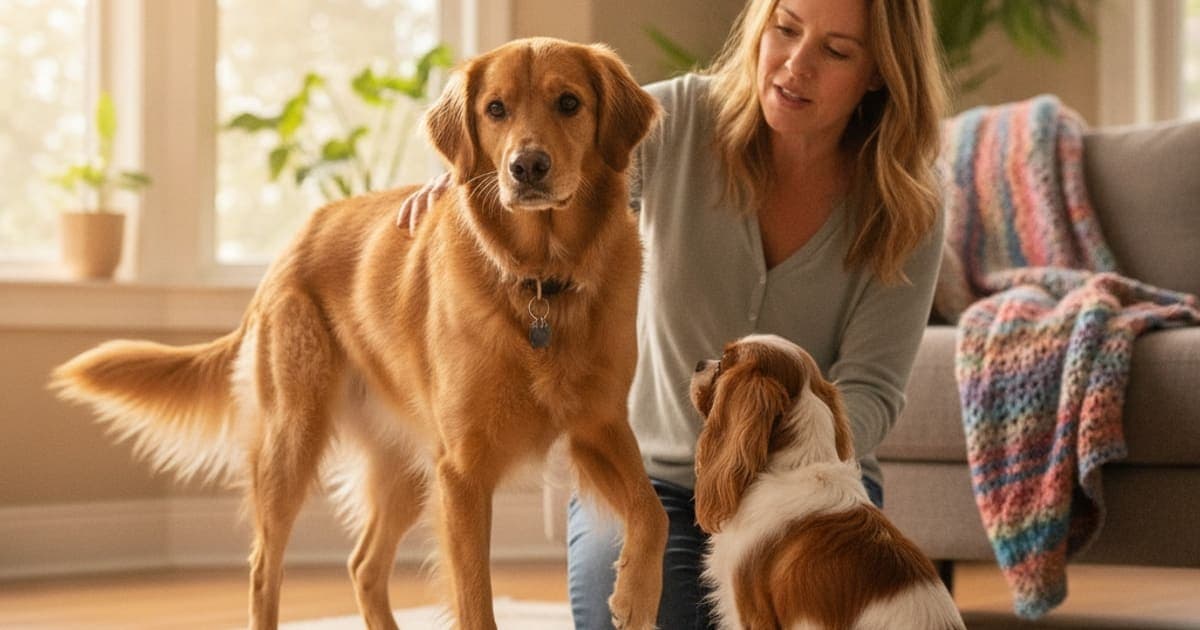 What Are the First Signs of Elbow Dysplasia in Dogs?The first signs of elbow dysplasia in dogs are subtle: stiffness after rest, a shortened front-leg stride, reluctance to jump or take stairs, and paws that turn outward as the elbows tuck in. Lameness is often intermittent and worse after hard exercise, and it usually appears in young, growing large-breed dogs.Read the guide →
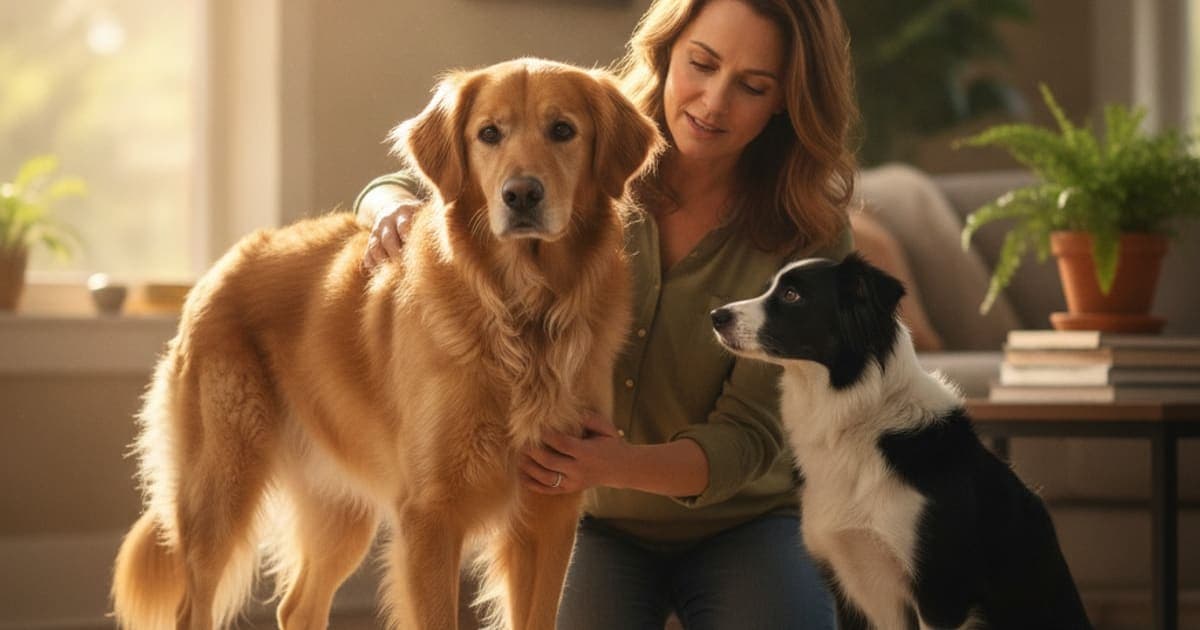 Is Cruciate Ligament Rupture in Dogs Painful? (Explained)Yes — cruciate ligament rupture is painful in dogs, both at the moment the ligament fails and for as long as the knee stays unstable afterwards. Because dogs instinctively mask discomfort, the pain is usually worse than the limp suggests, and it tends to build as inflammation and joint damage accumulate.Read the guide →
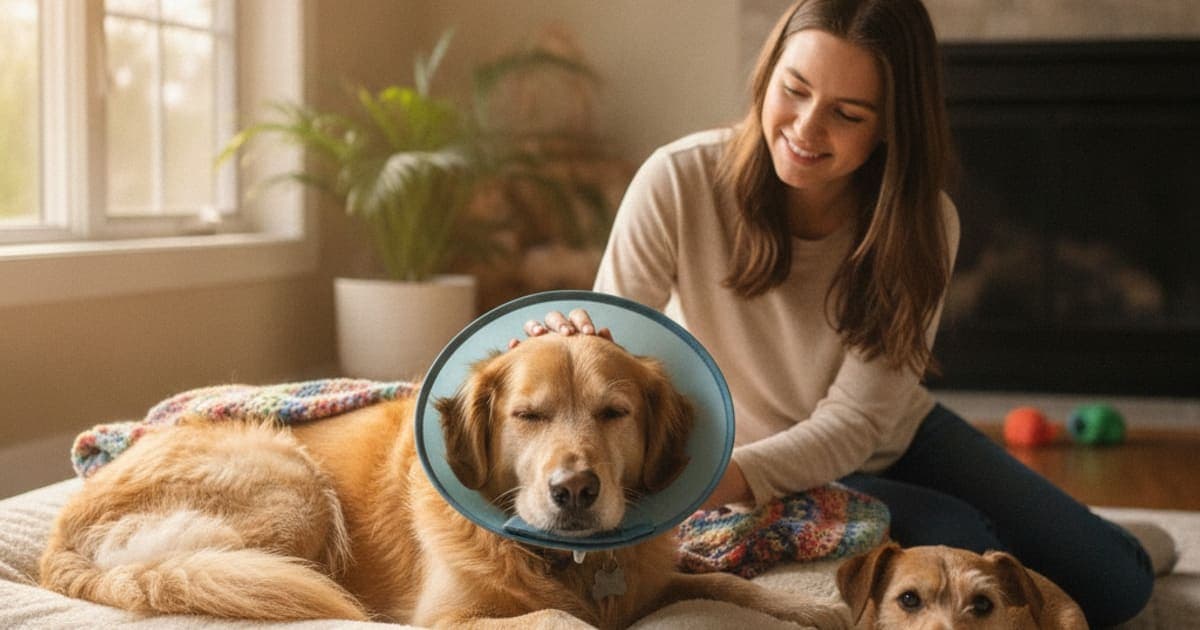 Is Neuter Recovery in Dogs Painful? (What to Expect)Yes, neuter recovery in dogs involves genuine pain, but it is short-lived and highly manageable. Veterinary pain guidelines classify castration as a mildly to moderately painful procedure, and most dogs are visibly comfortable within a few days on prescribed analgesia. Persistent or worsening pain is always a reason to call your clinic.Read the guide →
 Is a Dog Stiff After Resting an Emergency? (When to Act)Usually not. A dog that is stiff after resting but loosens up within a few minutes of gentle movement is showing a common joint or soft-tissue pattern rather than a crisis. It becomes an emergency when your dog cannot rise, drags a limb, cries out, or collapses suddenly.Read the guide →
 Should I Worry If My Dog Is Losing Muscle in Back Legs?Yes — muscle loss in a dog's back legs is worth a veterinary appointment, because it is a symptom rather than a diagnosis. It usually reflects pain, disuse, nerve involvement or age-related sarcopenia. It rarely resolves on its own, and the underlying cause determines everything that follows.Read the guide →
 Should I Worry If My Dog Licks a Paw Constantly?Constant paw licking is worth investigating — it is a symptom, not a habit. Dogs lick a single paw persistently because of allergy, infection, a foreign body, or pain in the foot or the limb above it. Sudden, focused licking on one paw warrants a veterinary exam.Read the guide →
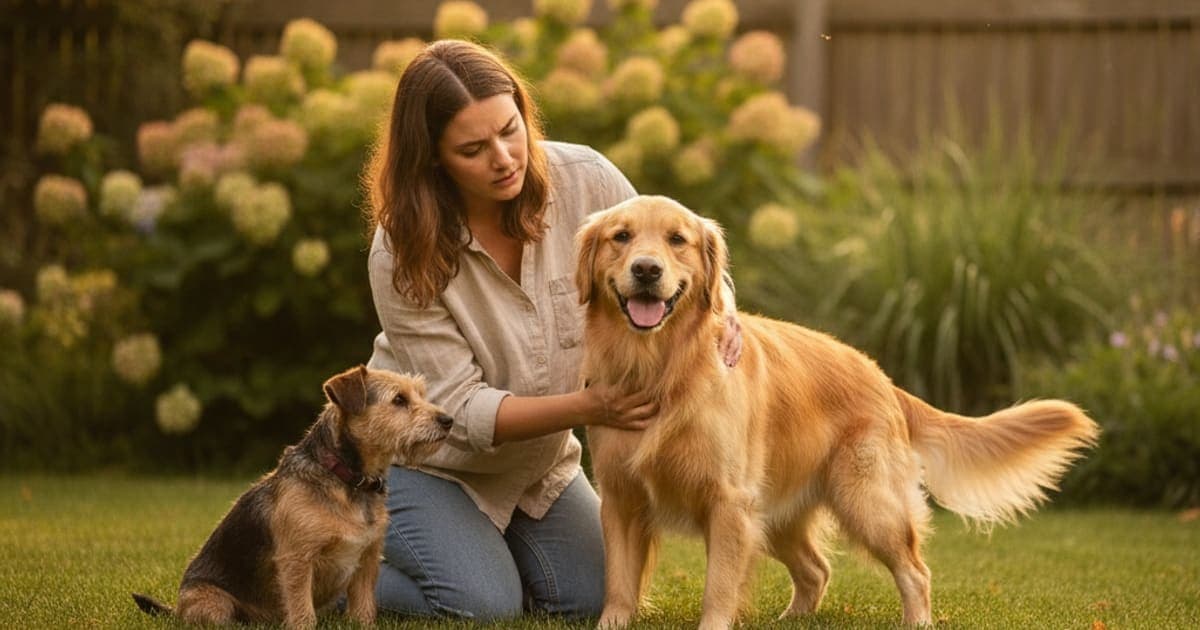 Is a Dog's Uneven Gait an Emergency? (Red Flags)Sometimes. A dog that suddenly won't bear weight, drags a paw, cries out, or moves unevenly after trauma needs same-day veterinary attention. A mild, intermittent unevenness that improves with rest is usually urgent-this-week rather than urgent-tonight — but both deserve a proper veterinary examination before you decide how to manage it.Read the guide →
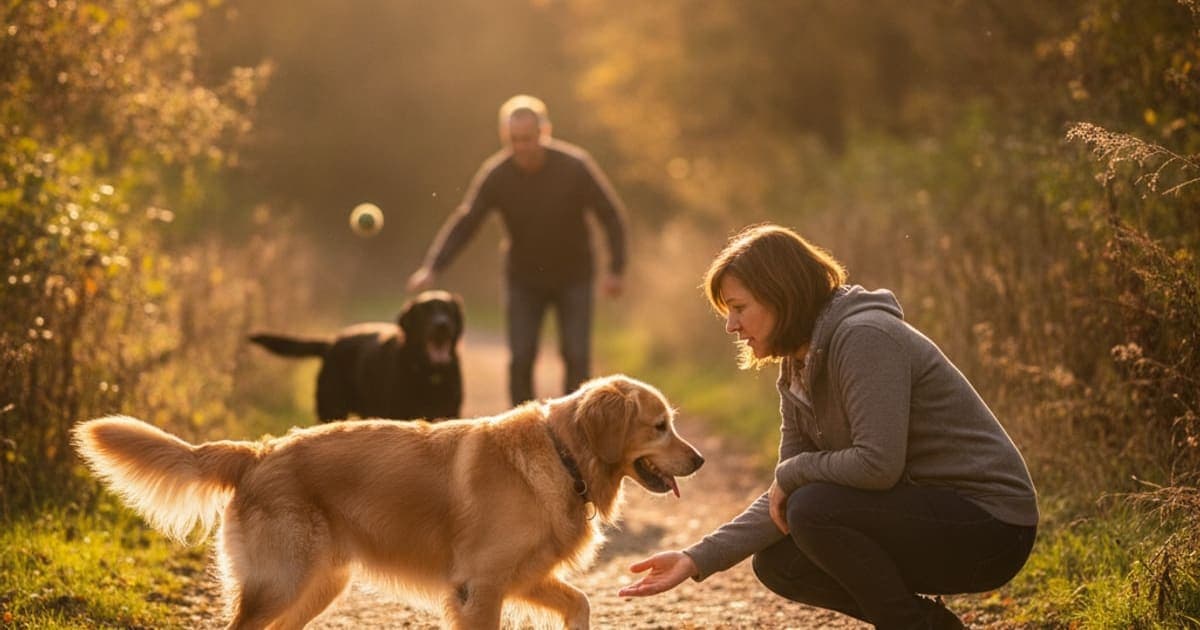 First Signs of Cruciate Ligament Rupture in DogsThe first signs of cruciate ligament rupture in dogs are usually an intermittent hind-leg limp that worsens after exercise and eases with rest, toe-touching instead of full weight-bearing, sitting with one back leg kicked out to the side, and reluctance to jump or take stairs. Swelling and a clicking knee often follow.Read the guide →
 Should I Worry If My Dog Won't Put Weight on a Leg?Yes — treat it as urgent. A dog that will not bear weight on a leg is signalling pain severe enough to make the limb unusable, which points to fracture, ligament or tendon injury, joint disease or infection. Book a veterinary exam the same day rather than waiting it out.Read the guide →
 What Are the First Signs of Avulsion Fracture in Dogs?The first signs of an avulsion fracture in dogs are sudden, severe lameness that appears in a single step, often with a yelp, followed by refusal to bear weight, swelling and heat over one specific joint, sharp pain when that exact spot is touched, and a limp that does not settle with rest.Read the guide →
 Should I Worry If My Dog Is Crying Out in Pain? (Yes)Yes — you should take it seriously. Dogs instinctively mask discomfort, so a yelp, whimper or cry usually means pain has crossed a threshold they can no longer hide. Book a same-day veterinary assessment, especially if the sound repeats, follows movement, or comes with limping, trembling or a changed posture.Read the guide →
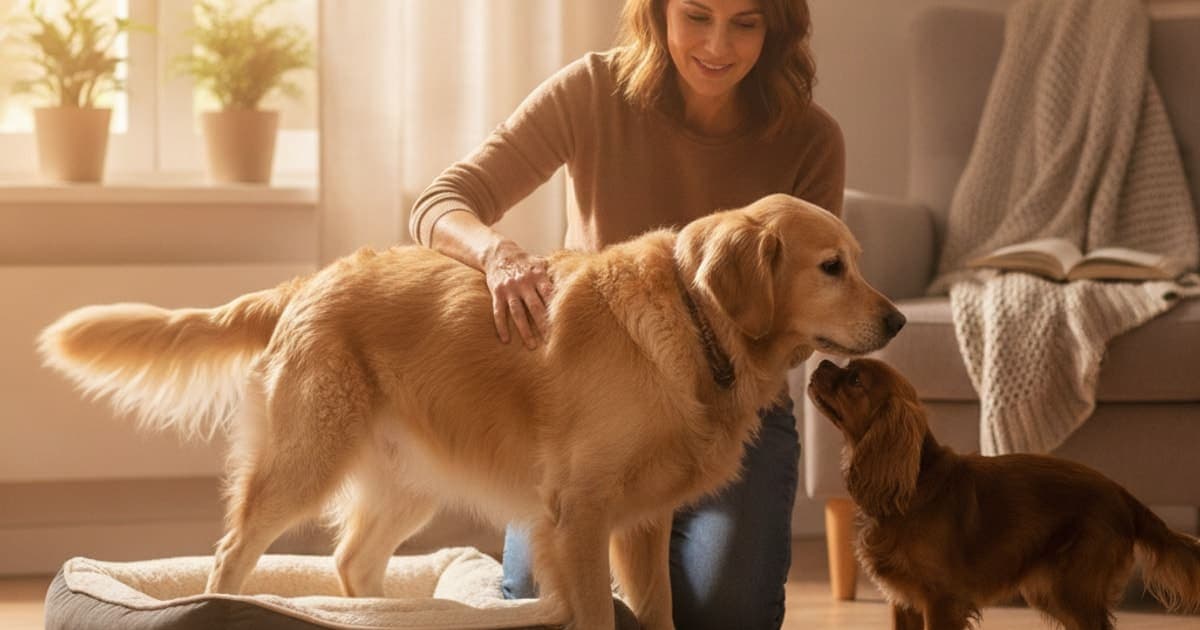 What Are the First Signs of Arthritis in Dogs? (Early Clues)The first signs of arthritis in dogs are usually subtle behaviour changes rather than obvious limping: stiffness after rest or sleep, hesitation on stairs, slower rising, less interest in play, licking at a joint, and a shortened stride that eases once the dog warms up. Most owners notice the change over months, not days.Read the guide →
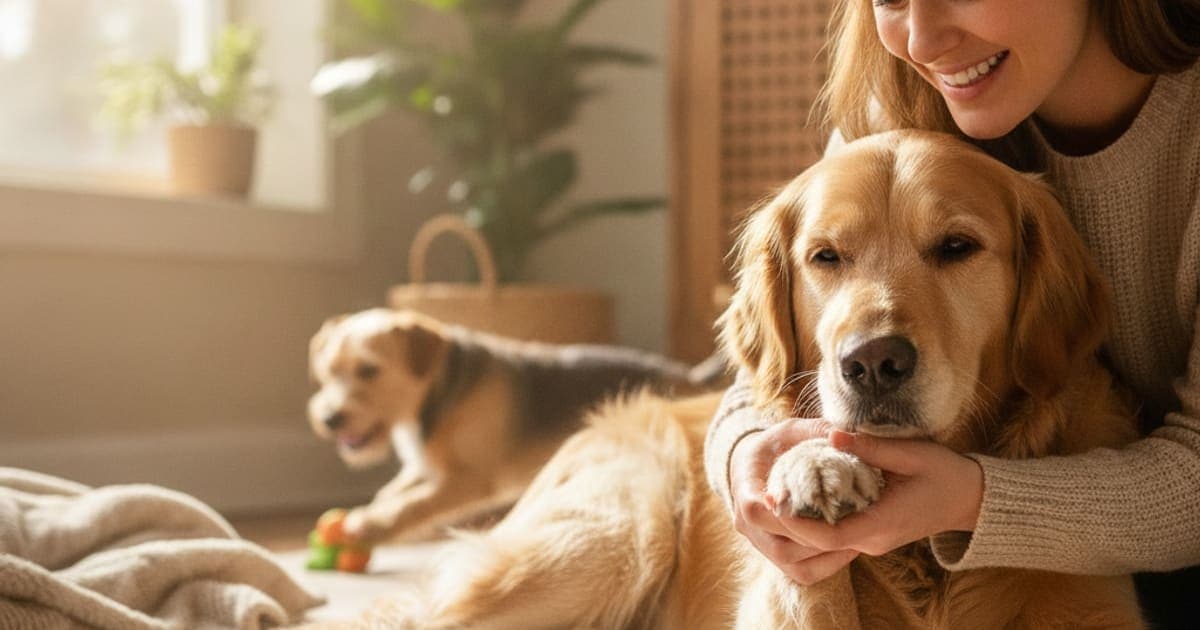 Should I Worry If My Dog Is Scuffing Back Nails?Yes — worn or scuffed back nails are worth taking seriously, because they usually mean the rear paws aren't fully clearing the ground. That points to a nerve, spinal or orthopedic issue rather than a nail problem. Book a veterinary exam, and seek same-day care if weakness appeared suddenly.Read the guide →
 Is Hock Injury in Dogs Painful? (Signs and What Helps)Yes. A hock injury in dogs is painful, because the tarsus is a dense stack of small bones, ligaments and tendons that carries load with every step. Dogs often mask it, so limping, licking the joint, reluctance to jump or a dropped-hock stance deserve a veterinary exam.Read the guide →

The pawgen library · 3,729 guides
Dog mobility, joints and recovery
Plain-English guides on joint pain, injury recovery and what actually helps aging and active dogs. Written to answer the question, not to pad a word count.