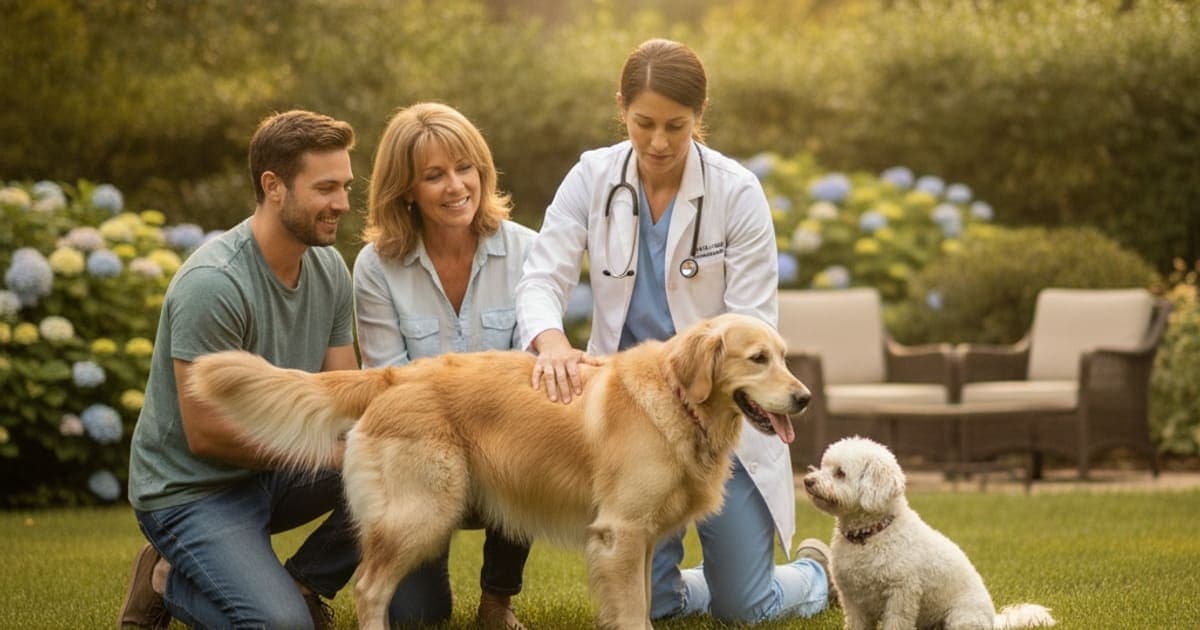
 Is a Dog Wobbly Back End an Emergency? (When to Act)Sometimes, yes. A back end that turns wobbly suddenly — over minutes or hours — is a veterinary emergency, particularly alongside pain, dragging paws, loss of bladder control or collapse. Wobbliness that develops slowly over weeks is less urgent but still needs a prompt veterinary exam to identify the cause.Read the guide →
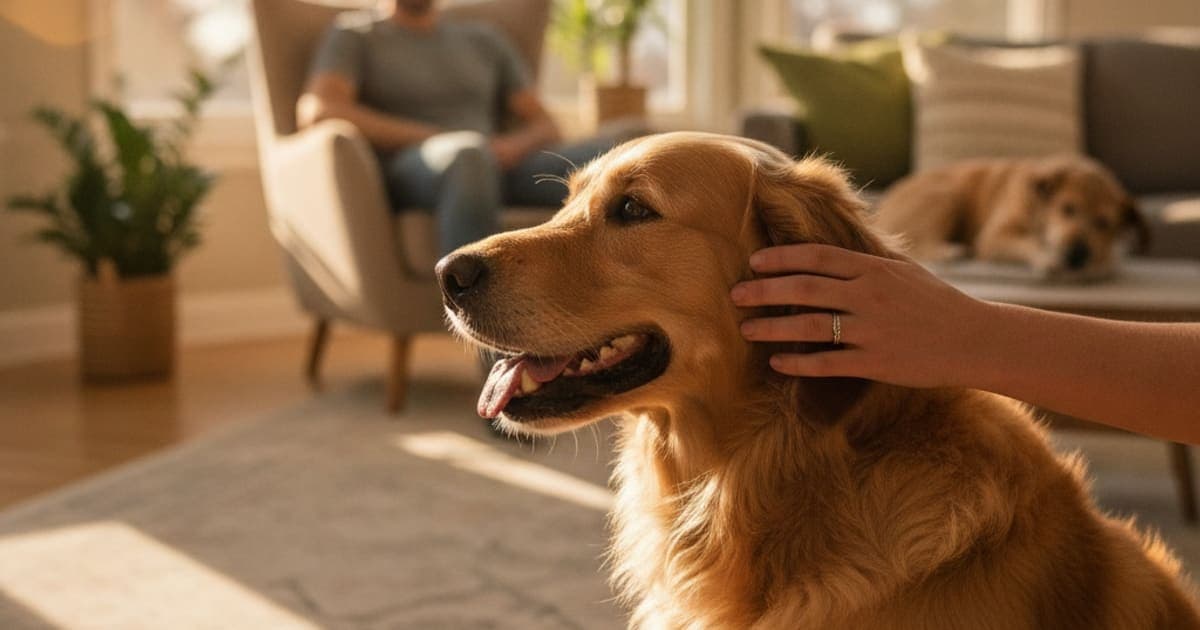 Is Vestibular Disease in Dogs Painful? (What to Know)Vestibular disease itself is not usually painful — dogs experience intense vertigo, nausea and disorientation rather than pain. But some underlying causes, including middle or inner ear infections, head trauma and tumors, are painful, so a same-day veterinary exam is the only reliable way to tell the difference.Read the guide →
 Is a Dog Warm Joint an Emergency? (When to Call a Vet)Sometimes. A joint that is warm plus swollen, painful, or paired with fever, refusal to bear weight, or sudden collapse warrants same-day veterinary care, because septic arthritis and immune-mediated disease escalate fast. Mild warmth after hard exercise, without other signs, is usually monitored and discussed at your next appointment.Read the guide →
 What Are the First Signs of Elbow Arthritis in Dogs?The first signs of elbow arthritis in dogs are subtle: stiffness in the first few steps after rest, a shortened front-leg stride, reluctance to jump down, and licking at the elbow. Most dogs shift weight rather than limp outright, so changes appear in posture and habit before obvious lameness.Read the guide →
 Is Meniscus Tear in Dogs Painful? (Signs and Causes)Yes — a meniscus tear is a painful injury for dogs, because torn fibrocartilage is compressed between the thigh bone and shin bone with every step. Owners usually notice sudden or worsening lameness, reluctance to put weight on the leg, stiffness after rest, and sometimes an audible click.Read the guide →
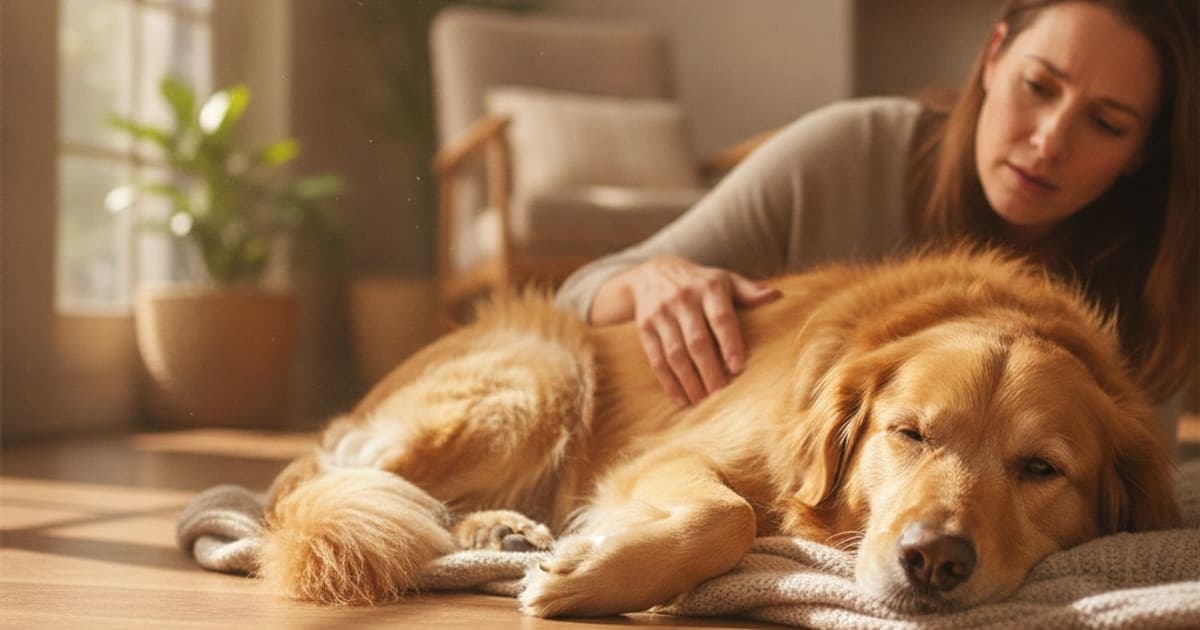 Is Tendonitis in Dogs Painful? (What the Signs Tell You)Yes. Tendonitis in dogs is painful — inflamed, micro-torn tendon fibres sit in a densely innervated sheath, and pressure or movement provokes a sharp, localised ache. Most dogs mask it, showing stiffness after rest, a shortened stride or reluctance to jump rather than obvious crying.Read the guide →
 What Are the First Signs of Achilles Tendon Injury in Dogs?The first signs are usually subtle: a dropped or sinking hock, a shortened stride on one back leg, reluctance to jump, and swelling or heat along the tendon above the heel. Toes may curl while the hock drops. Any of these warrants a same-week veterinary exam.Read the guide →
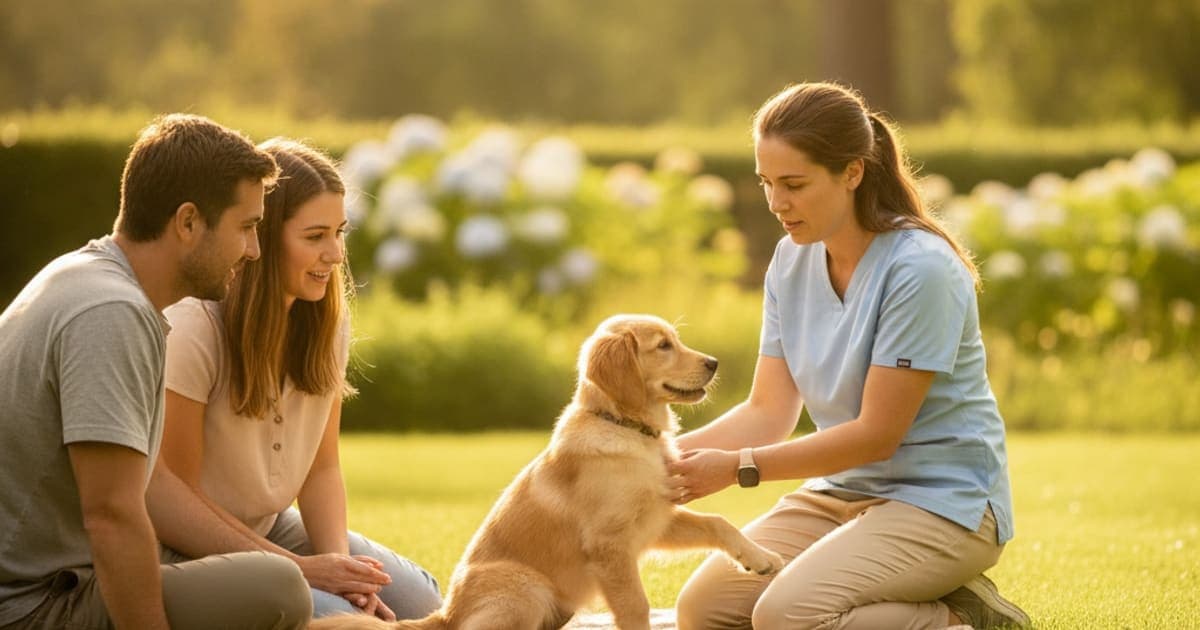 What Are the First Signs of Growth Plate Injury in Dogs?The first signs of growth plate injury in dogs are usually subtle: a sudden or intermittent limp in a puppy, reluctance to jump or climb stairs, swelling and warmth just above a joint, and pain when the limb is handled. Puppies rarely vocalize — they compensate quietly.Read the guide →
 Should I Worry If My Dog Is Sore After Hiking? (Red Flags)Usually not. Mild stiffness after a long or hard hike is normal muscle soreness and typically eases within a day or two of easy rest. Worry, and call your veterinarian, if your dog limps on one leg, yelps when touched, refuses to bear weight, or is no better by day three.Read the guide →
 Is Lumbosacral Stenosis in Dogs Painful? (Cauda Equina)Yes. Lumbosacral stenosis is considered a painful condition in dogs, because the narrowing compresses the cauda equina nerve roots, which carry pain fibers. Most affected dogs show lower back soreness, reluctance to jump, and discomfort when the lumbosacral joint is extended. Diagnosis and a pain plan belong with your veterinarian.Read the guide →
 Is a Dog Slowing Down on Walks an Emergency? (Red Flags)Usually not, but sometimes yes. A dog that has gradually shortened its walks over weeks or months needs a booked veterinary appointment. A dog that slows suddenly over hours or a day, or slows alongside pale gums, labored breathing, collapse or an inability to rise, needs emergency care immediately.Read the guide →
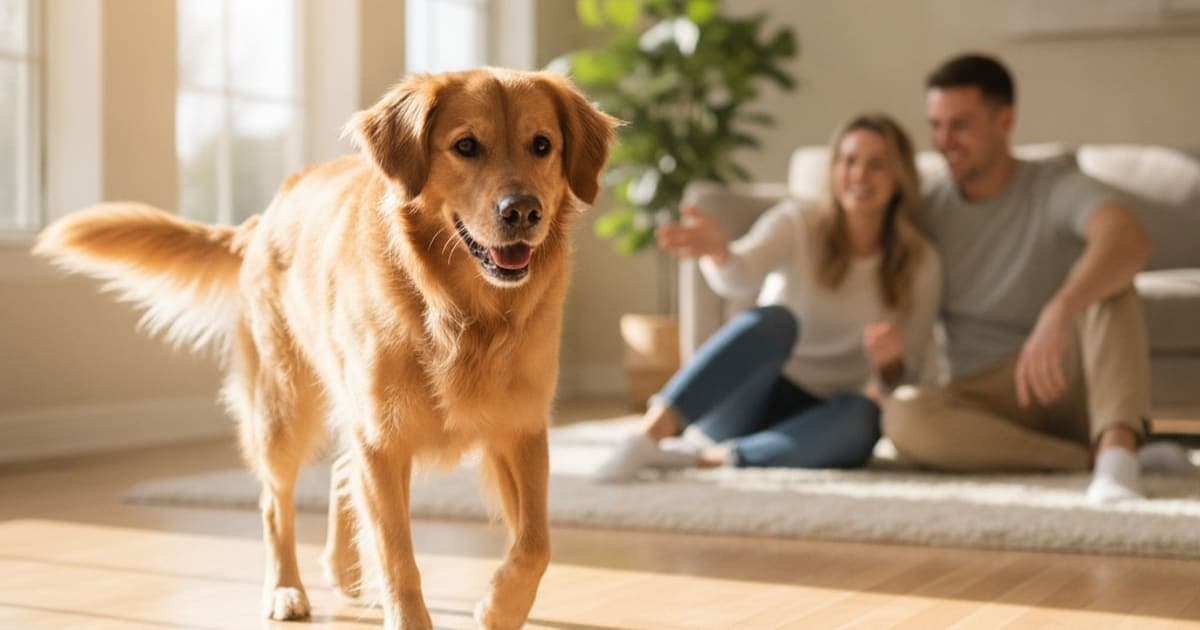 Should I Worry If My Dog Is Slipping on Hard Floors?Sometimes, yes. An occasional skid on tile or hardwood is normal, but a dog that slips repeatedly, splays its legs, hesitates before crossing a room or struggles to stand is showing a change in strength, joint comfort or coordination. That pattern deserves a veterinary exam rather than a rug.Read the guide →
 Is Sarcopenia in Dogs Painful? (What Owners Should Know)Sarcopenia in dogs is not usually painful by itself. Age-related muscle loss happens quietly, without the inflammation that drives pain. What hurts is what the thinning muscle exposes: arthritic joints, unstable knees and hips, and the compensating muscles working overtime. Your veterinarian can separate weakness from genuine pain.Read the guide →
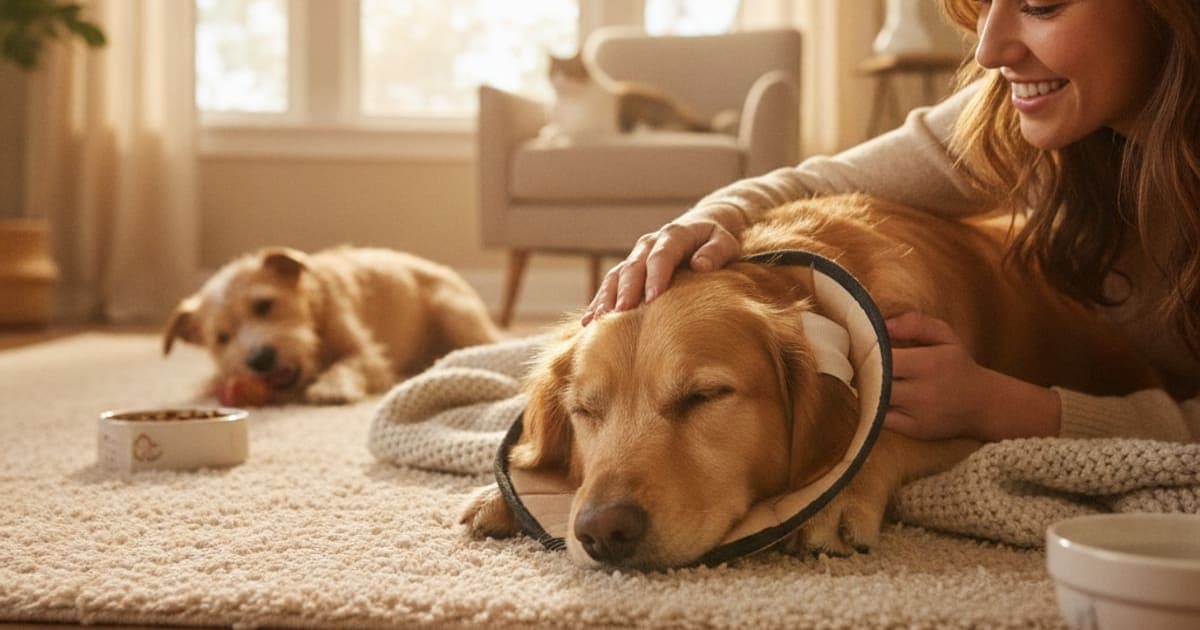 Is Post-Surgical Recovery in Dogs Painful? What to ExpectYes — most dogs experience real pain in the first days after surgery, particularly after orthopedic procedures. Veterinary pain guidelines treat that discomfort as expected and manageable with multimodal analgesia. With prescribed medication, strict rest and close monitoring, most dogs move from acute soreness toward steady comfort as tissue healing progresses.Read the guide →
 Is a Dog Reluctant to Be Touched an Emergency?Sometimes. A dog that suddenly refuses to be touched is reporting pain, and when that comes with collapse, a hard or swollen belly, hind-limb weakness, laboured breathing or pale gums, treat it as a same-day emergency. Gradual soreness in one spot is urgent but usually not immediate — book a vet visit.Read the guide →
 What Are the First Signs of FCE in Dogs? (Spinal Stroke)The first signs of fibrocartilaginous embolism in dogs are sudden and dramatic: a yelp during play or exercise, then weakness or paralysis that develops within minutes and is usually worse on one side of the body. Most dogs show little or no pain afterward, and signs typically stop progressing quickly.Read the guide →
 What Are the First Signs of Bursitis in Dogs? (Early Clues)The first signs of bursitis in dogs are a soft, fluid-filled swelling over a bony point such as the elbow, stiffness after rest, and a limp that eases within minutes of moving. Owners also notice licking of one spot, reluctance to lie on hard floors, and flinching when the area is touched.Read the guide →
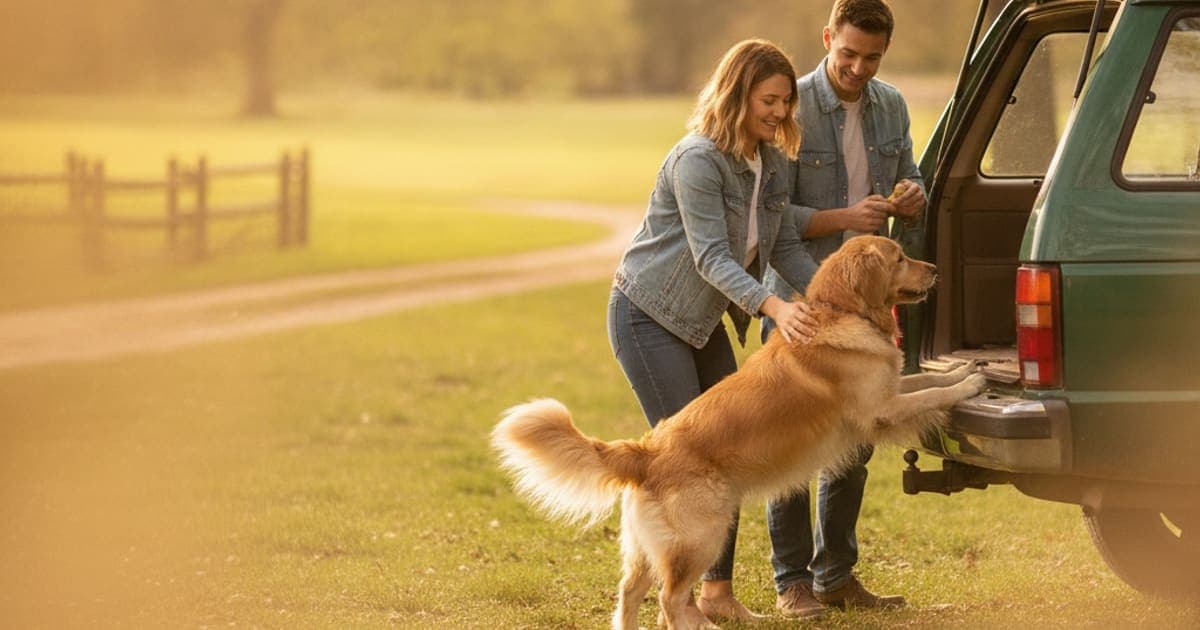 Is Trouble Jumping in the Car an Emergency for Dogs?Usually not an emergency, but never nothing. Trouble jumping into the car is most often the first visible sign of a slowly building joint, spine or soft tissue problem. It becomes urgent when it appears suddenly or comes with dragging paws, collapse, crying out, or a leg your dog refuses to use.Read the guide →
 Why Are Collies Prone to Joint Problems? (Breed Risks)Collies are prone to joint problems because of a light-boned, long-strided frame, heritable hip and elbow dysplasia, and the repetitive twisting load of herding-type work. Age thins cartilage and soft tissue on top of that. Early signs are subtle, so watch stride, stairs and recovery after exercise.Read the guide →
 Is Stress Fracture in Dogs Painful? (What Owners See)Yes. A stress fracture is painful in dogs because bone and the nerve-rich periosteum around it are loaded past what they can repair, producing a deep ache that worsens with activity. Early pain is often subtle — a shortened stride, reluctance to jump — before an obvious limp appears.Read the guide →
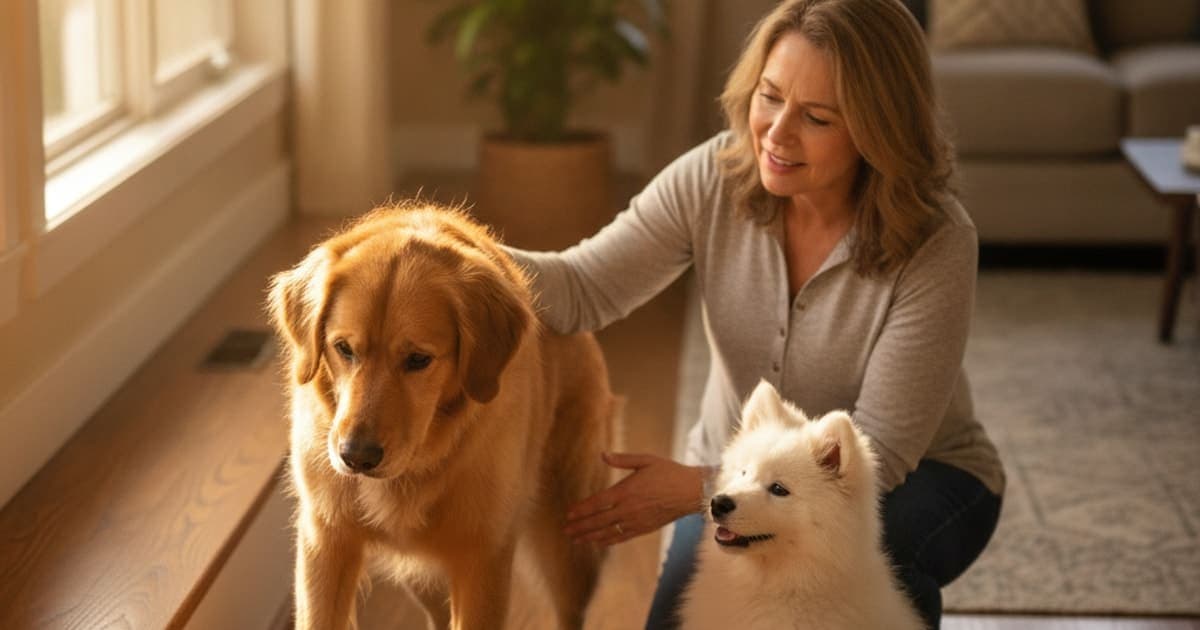 Is a Dog's Trouble With Stairs an Emergency? (Red Flags)Sudden trouble with stairs is an emergency when a dog also drags a paw, wobbles in the hind end, cries out, or loses bladder control — that pattern can signal spinal injury. Gradual reluctance building over weeks is not an emergency, but it still needs a veterinary exam rather than watchful waiting.Read the guide →
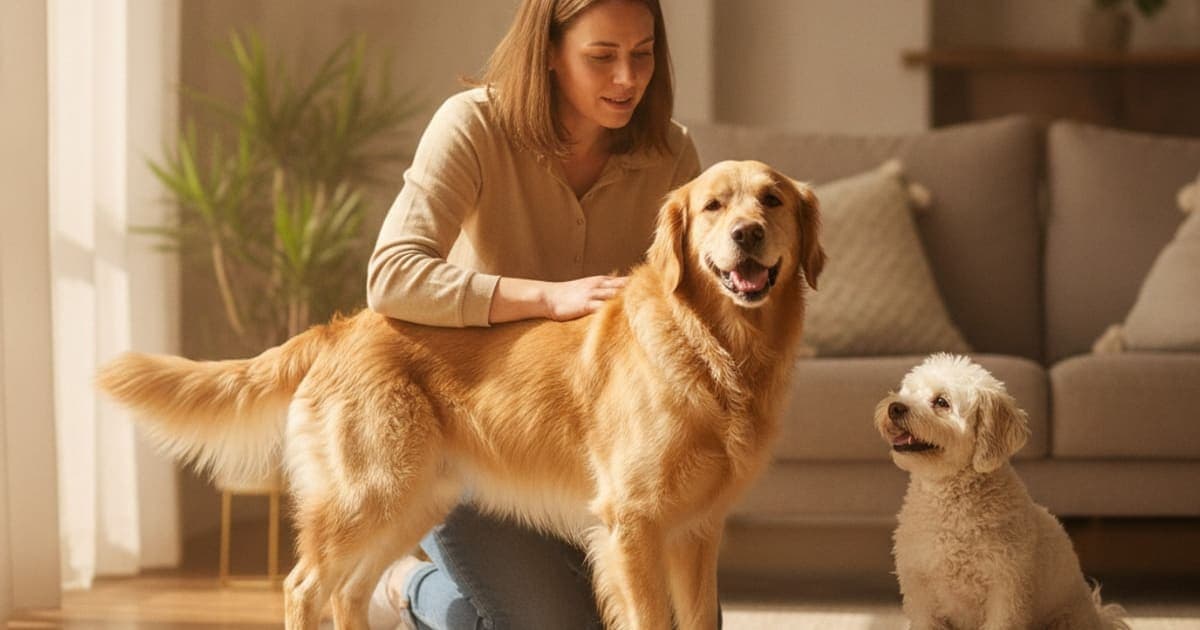 Should I Worry if My Dog Is Sensitive Lower Back?Yes, a newly sensitive lower back is worth taking seriously. Back pain in dogs is real pain, and it can come from strained muscles, arthritic joints, or a disc pressing on the spinal cord. Most cases are manageable, but sensitivity with weakness, wobbling or dragging paws needs a same-day exam.Read the guide →
 What Are the First Signs of Hygroma in Dogs? (Early Clues)The first sign of a hygroma in dogs is a soft, fluid-filled swelling over a bony pressure point, most often the outer point of the elbow. Early on it is painless, cool, and shifts slightly under the skin, usually alongside thinning hair or a flattened callus.Read the guide →
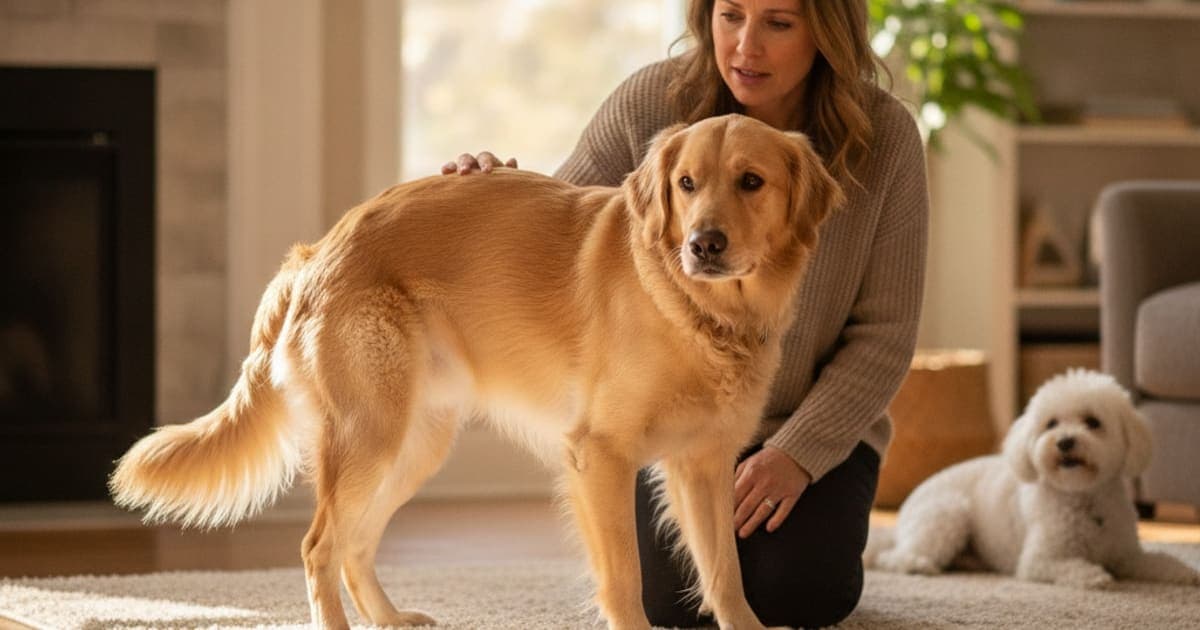 What Are the First Signs of Iliopsoas Strain in Dogs?The first signs of iliopsoas strain in dogs are usually subtle: a mild hind-limb limp that comes and goes, reluctance to jump onto furniture or into the car, a shortened stride, and flinching when the inner thigh or groin is touched. Many dogs show stiffness after rest.Read the guide →

The pawgen library · 3,729 guides
Dog mobility, joints and recovery
Plain-English guides on joint pain, injury recovery and what actually helps aging and active dogs. Written to answer the question, not to pad a word count.