 Is Iliopsoas Strain in Dogs Painful? (What Owners See)Yes. Iliopsoas strain is painful in dogs — the injured hip flexor is loaded with every step, stair and jump, so soreness tends to be constant rather than occasional. Most dogs hide it well, showing a shortened stride, reluctance to jump, or a yelp when the leg is extended backward.Read the guide →
 Should I Worry If My Dog Can't Walk as Far? (Causes)Yes, it is worth attention — reduced walking distance is one of the earliest signs that a dog's joints, soft tissue, heart or metabolism have changed. It is rarely an emergency, but it is rarely nothing either. Book a veterinary exam and record when, where and how far your dog slows.Read the guide →
 Dog Difficulty Posturing to Poop — Should You Worry?Difficulty posturing to poop is worth taking seriously. Most dogs who hunch, tremble or give up mid-squat are telling you that something hurts — hips, knees, lower back — or that stool is hard to pass. Repeated straining with nothing produced needs same-day veterinary attention.Read the guide →
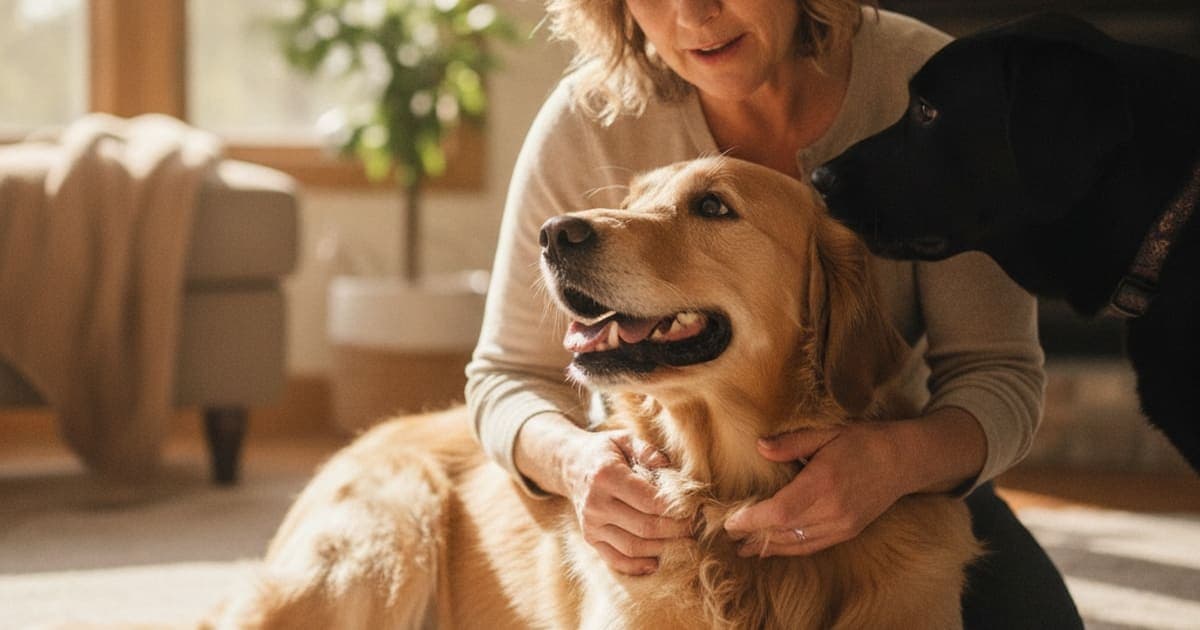 Should I Worry If My Dog Has a Swollen Joint? (When to Act)Yes — a visibly swollen joint in a dog warrants a veterinary exam, because swelling means fluid, inflammation, infection or injury inside a closed space. Some causes are minor and self-limiting; others, like septic arthritis or a torn cruciate ligament, get worse quickly without diagnosis. Same-day care if there is fever or non-weight-bearing lameness.Read the guide →
 Is a dog walking with a limp after surgery an emergency?A dog walking with a limp after surgery is usually not an emergency — some limping is expected while tissue heals, and it should improve week over week. It becomes urgent when the limp starts suddenly, worsens, or your dog will not bear weight, or when swelling, discharge or fever appear.Read the guide →
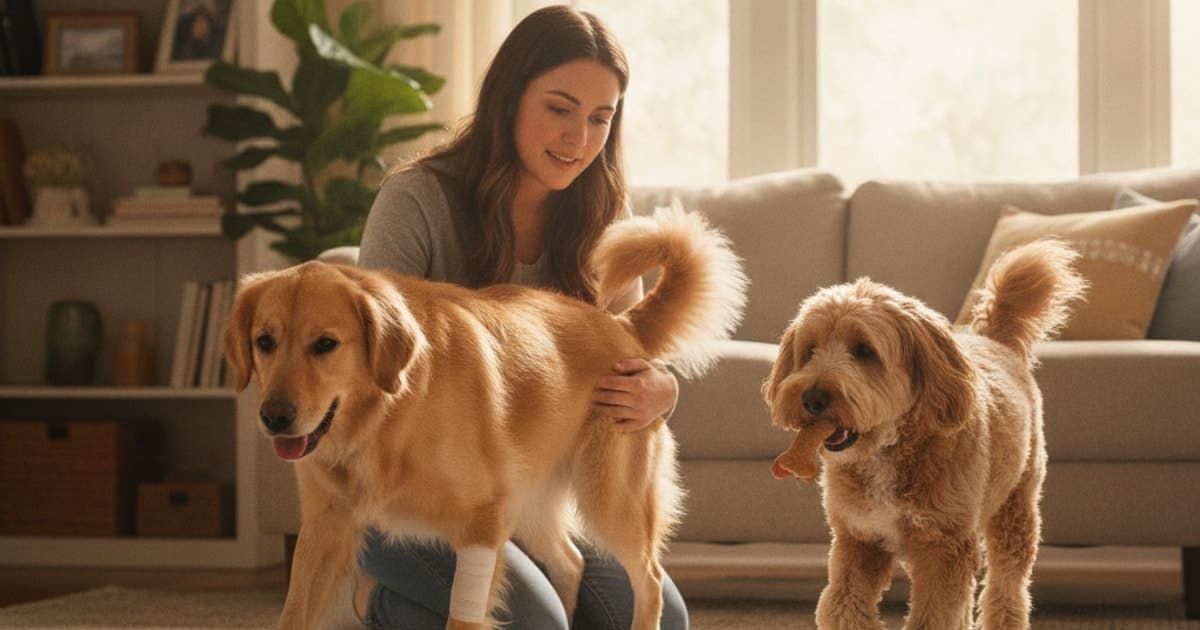 Dog Limping After Surgery: Should You Worry?Usually not. Some limping after orthopedic surgery is expected while tissue remodels and wasted muscle rebuilds. Worry when the limp appears suddenly, worsens after a period of improvement, or comes with swelling, heat, discharge or refusal to bear weight — those signs warrant a same-day call to your surgeon.Read the guide →
 What Are the First Signs of Chronic Diarrhea in Dogs?The first signs of chronic diarrhea in dogs are subtle: stools that soften but never fully firm up, an extra bowel movement or two each day, streaks of mucus, straining or urgency, and a slow drop in weight or coat quality over three or more weeks. Most owners notice the pattern before the mess.Read the guide →
 Is a Dog Stiff in Cold Weather an Emergency? (Red Flags)Stiffness in cold weather is usually not an emergency in itself — it most often reflects an existing joint or soft-tissue problem that cold makes more obvious. It becomes urgent when a dog cannot bear weight, collapses, cries out, or stops eating. Sudden severe change always warrants a same-day veterinary call.Read the guide →
 Should I Worry If My Dog Is Suddenly Limping? (Triage)Yes, a sudden limp is worth taking seriously, though most cases are not emergencies. Go straight to a vet if your dog cannot bear weight, has a deformed limb, is bleeding, or is in obvious severe pain. Otherwise, confine your dog and book a veterinary exam within a day or two.Read the guide →
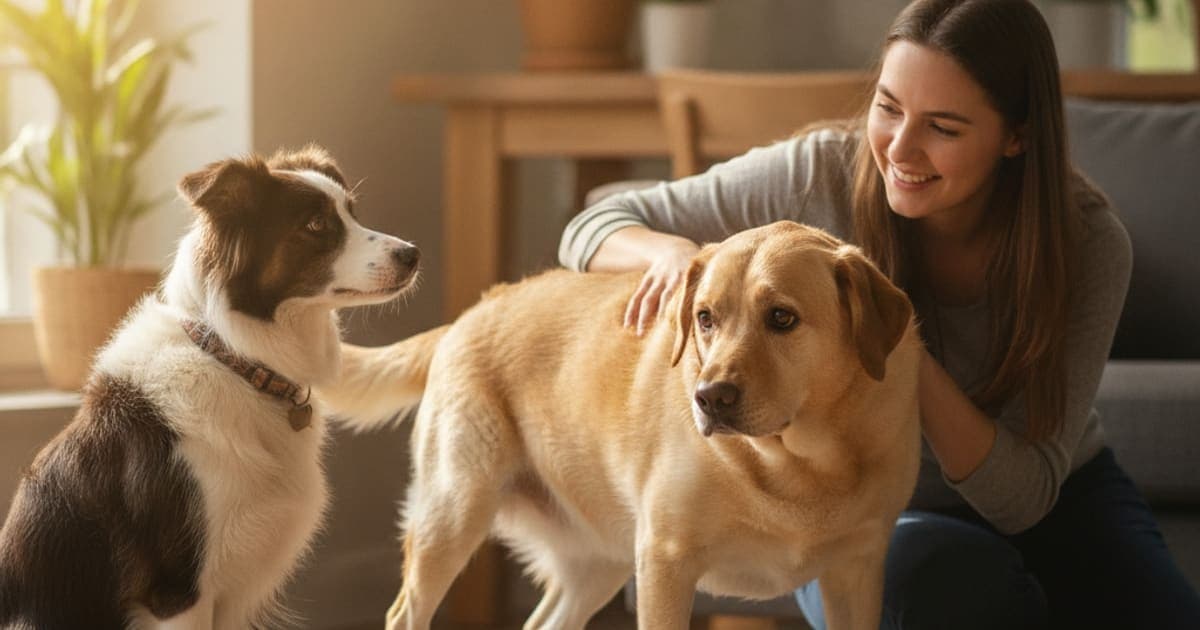 Is Obesity Joint Strain in Dogs Painful? (What to Know)Yes — obesity-related joint strain in dogs is painful. Extra body weight loads cartilage mechanically with every step, while fat tissue releases inflammatory signalling molecules that sensitise joint structures. The pain is usually gradual and easy to mistake for normal aging, which is why so many dogs go uncomfortable for months before anyone notices.Read the guide →
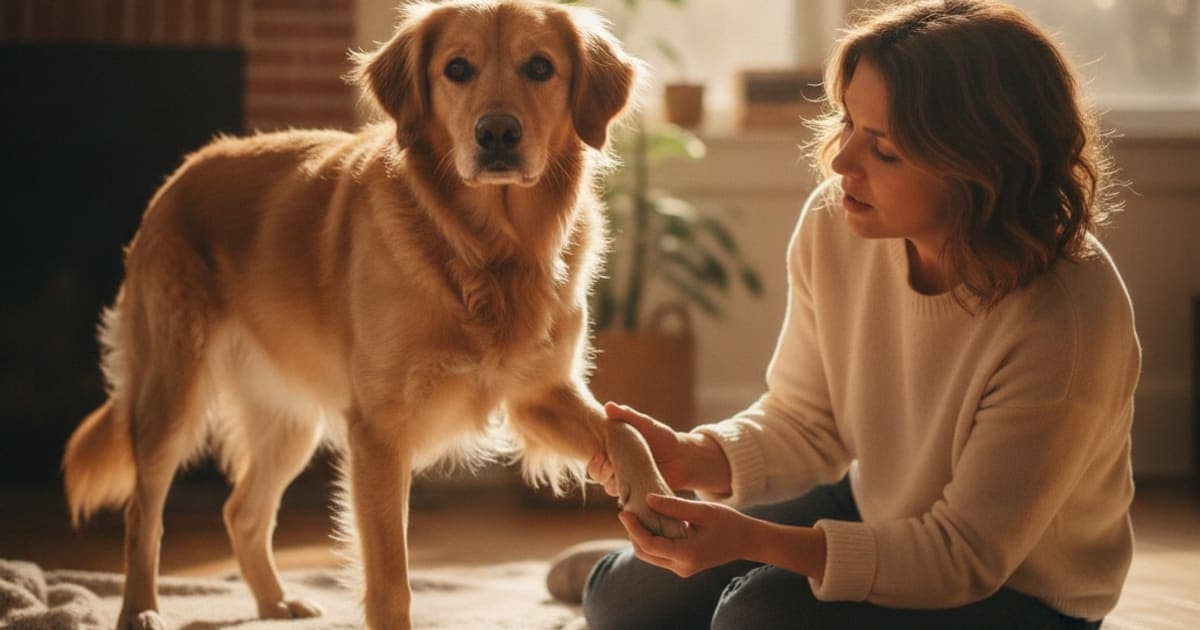 Is a Dog Shaking in the Back Legs an Emergency?Sometimes. Back-leg shaking is an emergency when it appears suddenly or comes with collapse, dragging paws, knuckling, severe pain, vomiting, disorientation or a suspected toxin — go to an emergency vet immediately. Gradual trembling in an older dog after exercise usually points to pain or weakness and needs a prompt appointment.Read the guide →
 Is Muscle Tear in Dogs Painful? (Pain Signs Explained)Yes. A muscle tear in dogs is painful — torn fibres and the bleeding and inflammation that follow activate pain receptors directly, which is why dogs limp, guard the limb, or flinch when touched. Pain usually eases as inflammation settles, but only a veterinarian can grade the injury and manage it.Read the guide →
 Is Spondylosis in Dogs Painful? (What Owners Should Know)Spondylosis in dogs is usually not painful. It is most often an age-related bony change found incidentally on X-rays, and veterinary references describe it as typically clinically silent. It can hurt when new bone irritates nerve roots, fractures, or occurs alongside other spinal disease your veterinarian needs to identify.Read the guide →
 Is the Wolverine Stack FDA Approved for Dogs? (Explained)No. The Wolverine Stack — the informal name for pairing the peptides BPC-157 and TB-500 — is not an FDA-approved veterinary drug, and no product sold under that name holds an approved new animal drug application. It sits in the supplement category, used alongside veterinary care rather than in place of it.Read the guide →
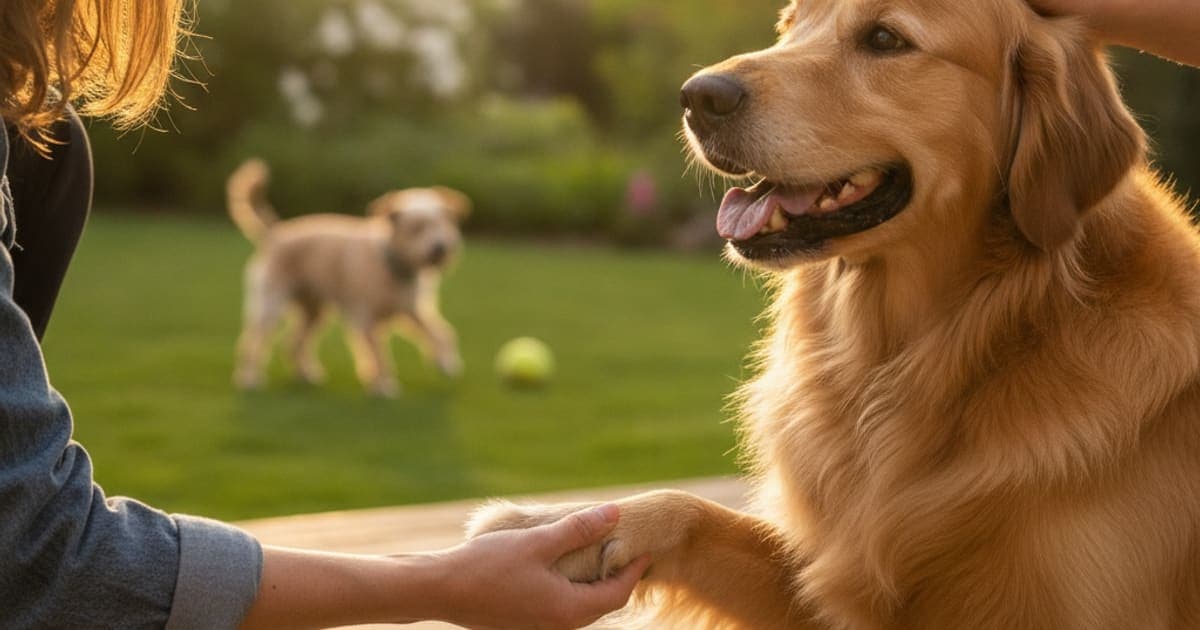 Is a Dog Swollen Joint an Emergency? (When to Act Fast)Sometimes. A swollen joint becomes an emergency when it appears suddenly, feels hot, comes with fever or lethargy, or leaves your dog unable to bear weight — those signs can point to infection or trauma needing same-day care. Gradual, mild swelling still warrants a veterinary appointment soon.Read the guide →
 Is a Dog's Trouble Getting Up an Emergency? (Red Flags)Sometimes, yes. Trouble getting up is an emergency when it appears suddenly, when your dog cannot stand at all, or when it arrives with pale gums, a swollen belly, dragging back legs or collapse. Stiffness that has crept in over weeks is rarely a same-day crisis, but it still needs a veterinary exam.Read the guide →
 Should I Worry if My Dog Is Limping but Not in Pain?Yes, a limp is worth taking seriously even when your dog seems comfortable. Dogs instinctively mask discomfort, and an altered gait is itself a pain signal. Most painless-looking limps trace back to joint, tendon or ligament changes that progress quietly, so book a veterinary exam rather than waiting it out.Read the guide →
 Should I Worry If My Dog Has Loss of Balance?Yes — sudden loss of balance in a dog warrants a same-day veterinary exam, because the causes range from an inner-ear problem to a spinal injury or a neurological event. Balance loss is a symptom, not a diagnosis, and the underlying cause determines how urgent it is.Read the guide →
 Is Sprained Leg in Dogs Painful? (What Owners Should Know)Yes. A sprained leg in dogs is painful — a sprain is a stretched or partially torn ligament, and the same inflammatory and nerve signalling that makes a rolled ankle hurt in people happens in dogs. Most dogs mask it, so a visible limp usually means the discomfort is already significant.Read the guide →
 Is Hygroma in Dogs Painful? (What Owners Should Know)A simple, uncomplicated hygroma is usually not painful — most dogs let you touch the soft, fluid-filled swelling without flinching. Pain appears when the sac becomes infected, ulcerated or ruptures, or when an underlying joint problem is driving the pressure. Sudden soreness, heat or discharge means a prompt veterinary exam.Read the guide →
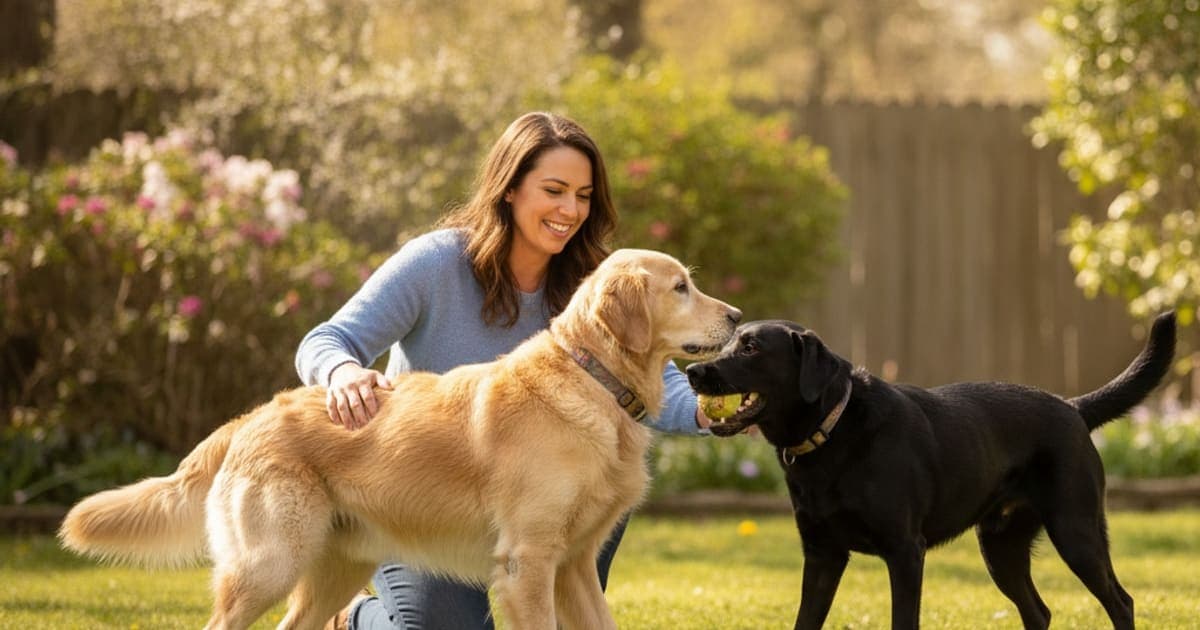 What Are the First Signs of Hip Weakness in Dogs? (6 Cues)The first signs of hip weakness in dogs are subtle: a slower rise from lying down, bunny-hopping on stairs, reluctance to jump into the car, a narrowed rear stance, and a shifting of weight onto the front legs. Muscle loss over the hips often follows. Early veterinary assessment matters.Read the guide →
 Should I Worry If My Dog Is Not Wanting to Play?A dog that stops wanting to play is worth investigating, because play is one of the first behaviours dogs drop when they hurt, feel unwell or are exhausted. Occasional quiet days are normal; a change lasting more than a day or two, or paired with limping, appetite loss or lethargy, warrants a veterinary exam.Read the guide →
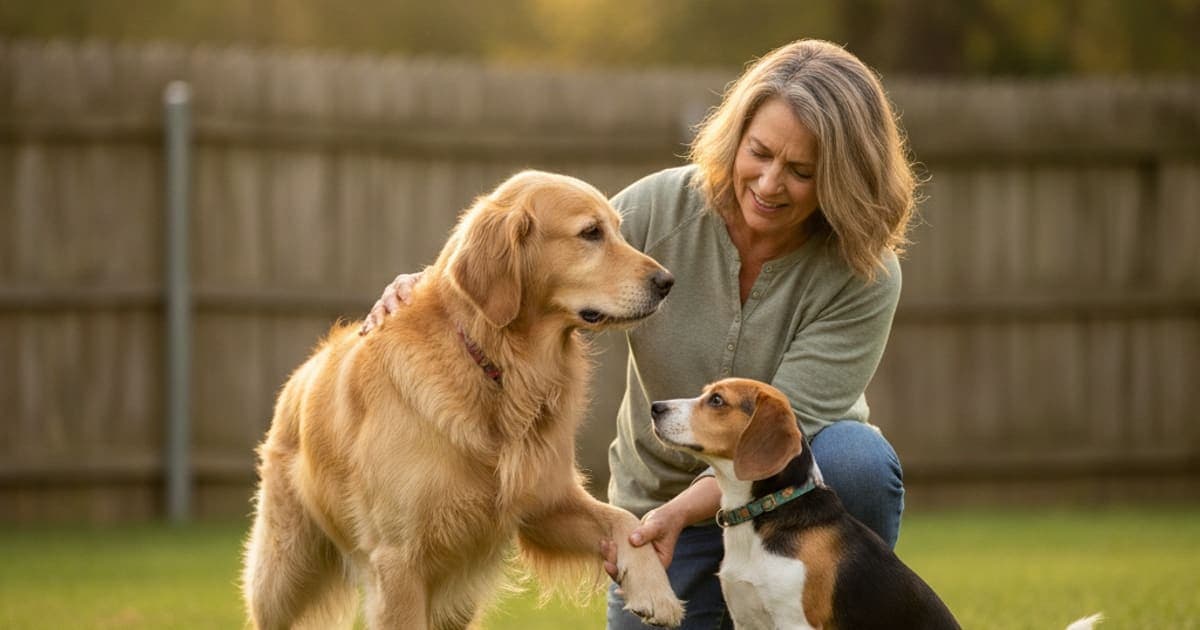 What Are the First Signs of CCL Tear in Dogs? (Early Clues)The first signs of a CCL tear in dogs are usually an intermittent hind-leg limp after exercise, sitting with one leg kicked out, stiffness when rising, reluctance to jump, and weight shifted onto the front legs. Sudden non-weight-bearing lameness can occur, but gradual, on-and-off signs are far more common.Read the guide →
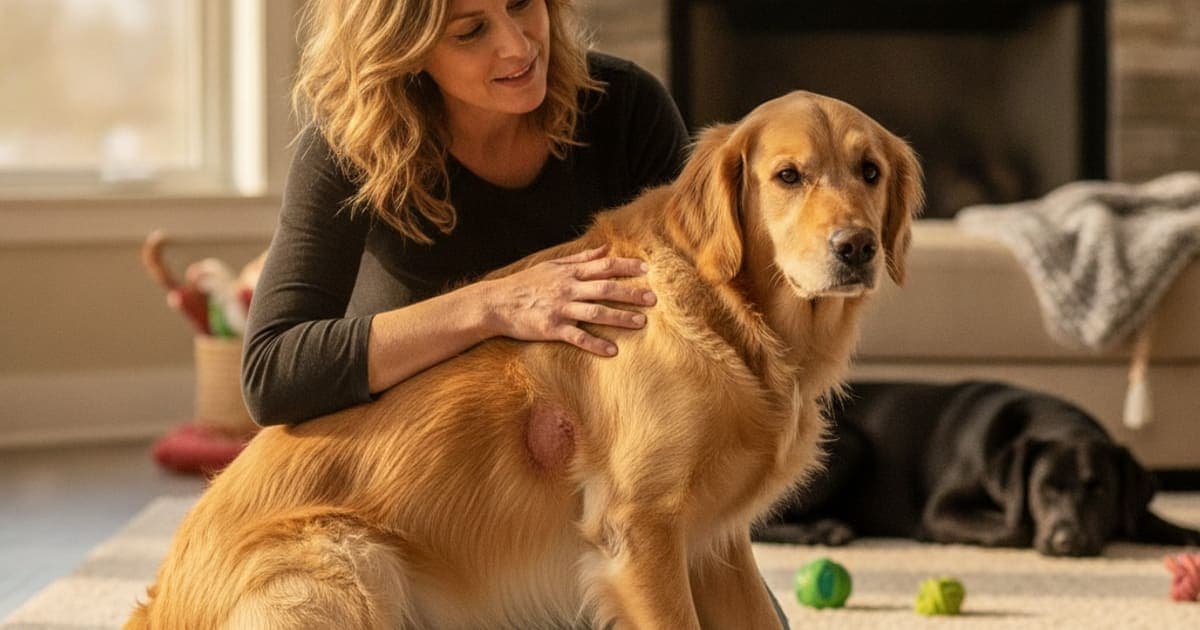 Are Hot Spots in Dogs Painful? (What Owners Should Know)Yes. Hot spots in dogs are painful — a moist, inflamed skin lesion with exposed nerve endings that stings, burns and itches at the same time. Most dogs react sharply when the area is touched. Because they spread within hours, a same-day veterinary look is worth booking.Read the guide →

The pawgen library · 3,729 guides
Dog mobility, joints and recovery
Plain-English guides on joint pain, injury recovery and what actually helps aging and active dogs. Written to answer the question, not to pad a word count.