What a diagnosis means, how it is confirmed, and the early signs owners miss — from hip dysplasia and IVDD to cruciate tears and arthritis.
 What Are the First Signs of Shoulder Instability in Dogs?The first signs of shoulder instability in dogs are subtle and intermittent: a mild front-leg lameness that appears after exercise and fades with rest, a shortened forward stride, reluctance to jump down from furniture or a car, and discomfort when the leg is drawn away from the body.Read the guide →
 What Helps a Dog With Bursitis? (Elbow Hygroma Care)What helps a dog with bursitis is removing the pressure that caused it — thick orthopedic bedding, padded flooring and protective sleeves — combined with a veterinary exam to rule out infection. Vets may drain the bursa or prescribe anti-inflammatories, and many owners add soft-tissue support through recovery.Read the guide →
 What Helps a Dog With Fibrocartilaginous Embolism?Time, attentive home nursing and structured physical rehabilitation are what help a dog with fibrocartilaginous embolism. FCE is a single ischemic injury to the spinal cord rather than a progressive disease, so care protects the dog while the cord recovers and retrains movement. Your veterinarian directs the plan.Read the guide →
 What Helps a Dog With IBD? (Diet, Meds and Support)What helps a dog with IBD is a stepwise plan your veterinarian directs: a strictly run elimination diet trial, testing and correction of nutrient shortfalls like cobalamin, prescribed medication when diet alone falls short, and consistent daily management. Owners often see the most progress when the plan is followed precisely rather than partially.Read the guide →
 What Helps a Dog With Food Sensitivity? (Diet & Gut Care)What helps a dog with food sensitivity is a strict elimination diet trial designed by your veterinarian, built around a single novel or hydrolyzed protein, with every other food, treat and flavoured chew removed. Careful symptom tracking and a controlled reintroduction afterwards identify the trigger ingredient so it can be avoided for life.Read the guide →
 What Helps a Dog With Luxating Patella? (Grades 1-4)A dog with a luxating patella is helped most by a lean body weight, controlled low-impact exercise, secure footing at home, targeted rehab that strengthens the muscles around the knee, veterinary pain management, and surgery for higher grades. Many owners add soft-tissue support such as K9-REPAIR through rehab and recovery.Read the guide →
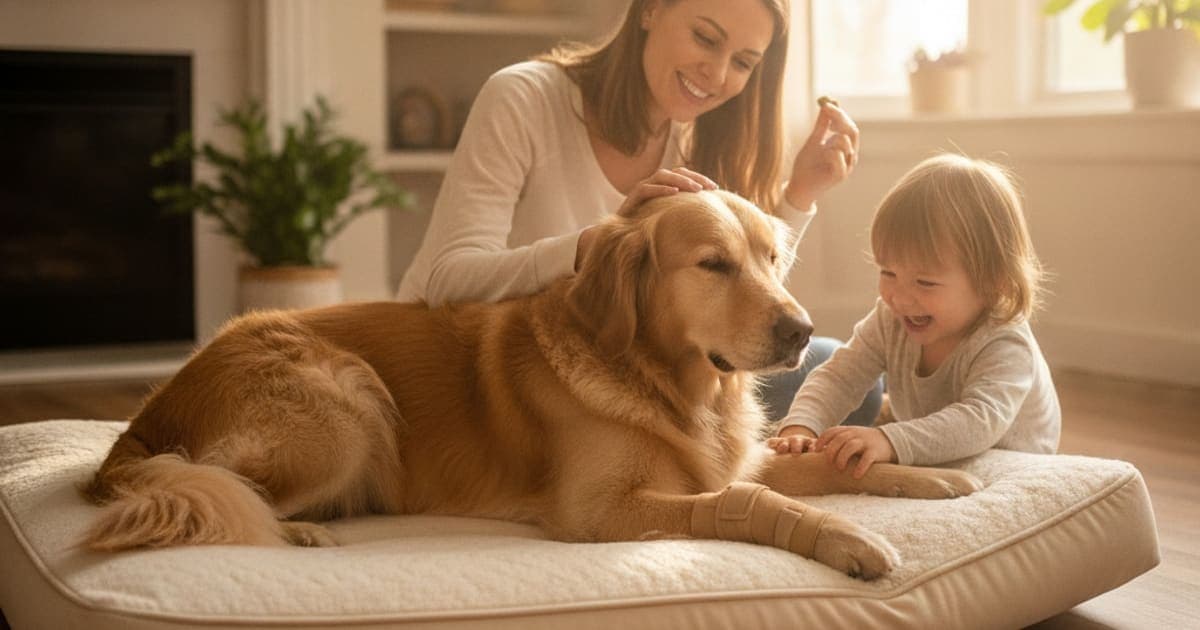 What Helps a Dog With Hygroma? (Pressure Relief First)A dog with hygroma needs pressure taken off the affected joint: orthopedic bedding, padded elbow sleeves, rugs over hard flooring, and a veterinary exam to confirm the swelling is uncomplicated. Early, soft hygromas often settle once the repeated impact stops; thickened or ulcerated ones need veterinary management.Read the guide →
 What Are the First Signs of Lumbosacral Stenosis in Dogs?The first signs of lumbosacral stenosis in dogs are subtle: hesitation before jumping into the car, a slow or stiff rise from lying down, a lowered or less expressive tail, and yelping when the lower back is touched. Hind-end weakness and scuffed rear nails often follow.Read the guide →
 What Helps a Dog With Reduced Stamina? (Causes & Support)What helps a dog with reduced stamina starts with a veterinary workup, because cardiac, respiratory, metabolic and orthopaedic causes all look identical from the leash. From there, weight control, graded conditioning, managing any pain your vet identifies, and connective-tissue support such as K9-REPAIR are what owners build a recovery plan around.Read the guide →
 What Are the First Signs of Shoulder OCD in Dogs?The first signs of shoulder OCD in dogs are a subtle front-leg limp in a young, fast-growing large breed — worst after rest, easing with movement — along with a shortened stride, reluctance to jump, and discomfort when the shoulder is extended. Signs often appear between four and eight months.Read the guide →
 What Are the First Signs of Meniscus Tear in Dogs?The first signs of a meniscus tear in dogs are usually a sudden hind-limb limp, an audible click or pop from the knee when the leg bends, and reluctance to fully bear weight. Most tears follow cruciate ligament damage, so the knee often looks unstable before the meniscus is diagnosed.Read the guide →
 What Helps a Dog With Lumbosacral Stenosis? (Care Options)A dog with lumbosacral stenosis is helped most by an accurate veterinary diagnosis, then a combined plan: weight control, strict activity modification, prescribed pain management, structured rehab, and surgery when nerve compression is severe. Many owners add joint and soft-tissue support such as K9-REPAIR alongside that veterinary plan.Read the guide →
 Is Colitis in Dogs Painful? (What the Cramping Means)Yes. Colitis, inflammation of the large intestine, is genuinely painful for dogs, producing cramping, abdominal tenderness, urgent straining and sometimes a hunched posture. The pain tends to arrive in waves tied to bowel movements rather than staying constant, which is why many dogs seem perfectly normal between episodes.Read the guide →
 What Are the First Signs of Stress Fracture in Dogs?The first signs of a stress fracture in dogs are subtle and intermittent: a mild limp that appears after exercise and eases with rest, a shortened stride, reluctance to jump or take stairs, and a flinch when one specific point of bone is pressed. Swelling is often minimal or absent.Read the guide →
 Is Leaky Gut in Dogs Painful? (Signs of Gut Pain)Yes — leaky gut in dogs can be painful. Increased intestinal permeability is associated with inflammation, cramping, gas and visceral discomfort that dogs show through posture, restlessness and appetite changes rather than crying. The pain is often intermittent and easy to miss, which is why a veterinary workup matters.Read the guide →
 What Are the First Signs of Soft Tissue Injury in Dogs?The first signs of soft tissue injury in dogs are usually subtle: a short-lived limp that improves with movement, stiffness after rest, reluctance to jump or use stairs, licking one area, and weight shifted off one leg. Sudden severe lameness warrants a same-day veterinary exam.Read the guide →
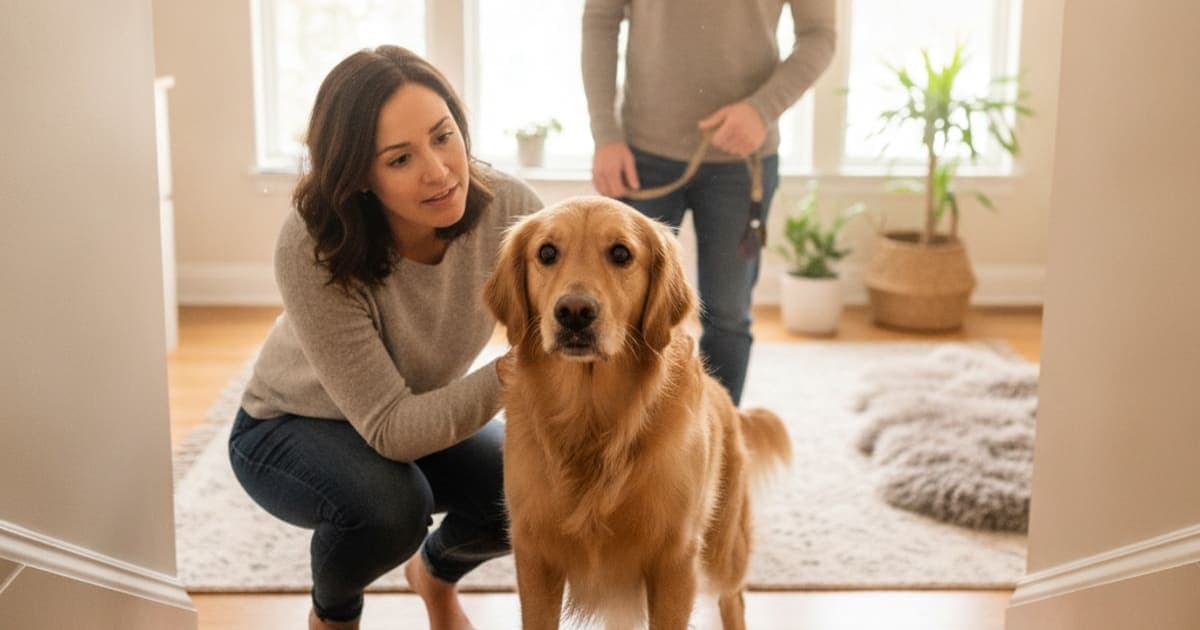 Should I Worry If My Dog Is Reluctant to Go Up Stairs?Yes — stair reluctance is worth taking seriously. Dogs rarely avoid stairs out of stubbornness; it usually reflects pain, weakness or instability in the hips, knees, spine or shoulders. Book a veterinary exam to identify the source, then build a recovery plan around that diagnosis.Read the guide →
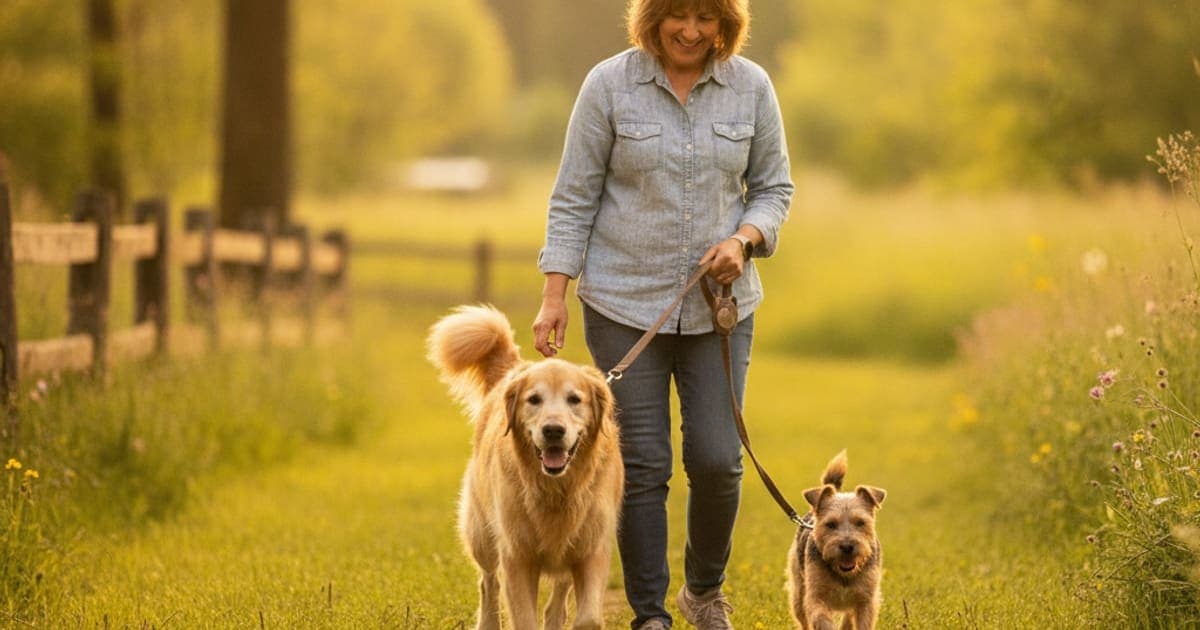 What Are the First Signs of Degenerative Myelopathy in Dogs?The first signs of degenerative myelopathy in dogs are painless and one-sided: a rear paw that knuckles over, scuffed toenails, a swaying or wobbly back end, and difficulty on slick floors. Most owners notice these changes first in an older large-breed dog, and a veterinary exam is the essential next step.Read the guide →
 Is Spinal Injury in Dogs Painful? (What Owners Notice)Yes. Most spinal injuries in dogs are painful, often severely.Read the guide →
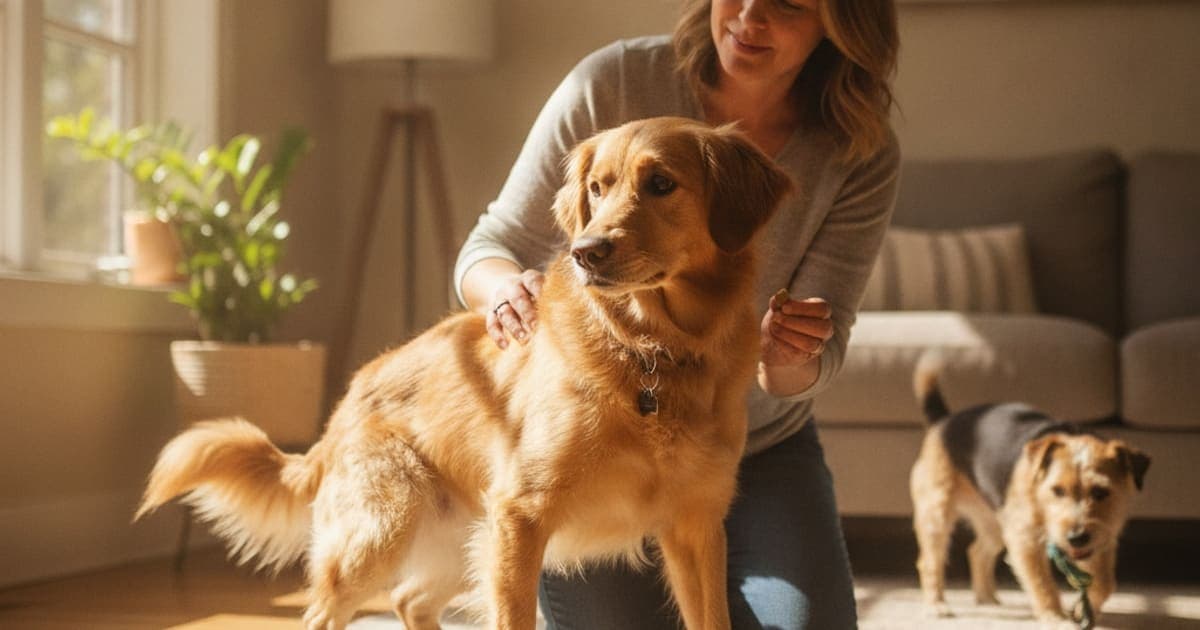 Should I Worry If My Dog Is Struggling to Squat?A dog struggling to squat is worth a veterinary exam. The posture demands deep flexion of the hips, stifles and lower spine, so difficulty usually points to joint or soft-tissue pain, hind-end weakness, or a problem with elimination. Straining repeatedly without producing anything warrants a same-day call.Read the guide →
 What Are the First Signs of Hock Injury in Dogs?The first signs of hock injury in dogs are usually subtle: an intermittent hind-leg limp, stiffness after rest, swelling or heat just above the paw, licking at the joint, and reluctance to jump. A dropped or wobbly ankle is a more serious early sign that warrants same-day veterinary attention.Read the guide →
 Is a Dog Whining at Night an Emergency? (Signs to Watch)Sometimes. Night whining becomes an emergency when it comes with a hard or swollen belly, unproductive retching, laboured breathing, collapse, or pain so severe your dog cannot settle in any position. Mild, familiar whining that eases with attention or a toilet break usually warrants a next-day veterinary call instead.Read the guide →
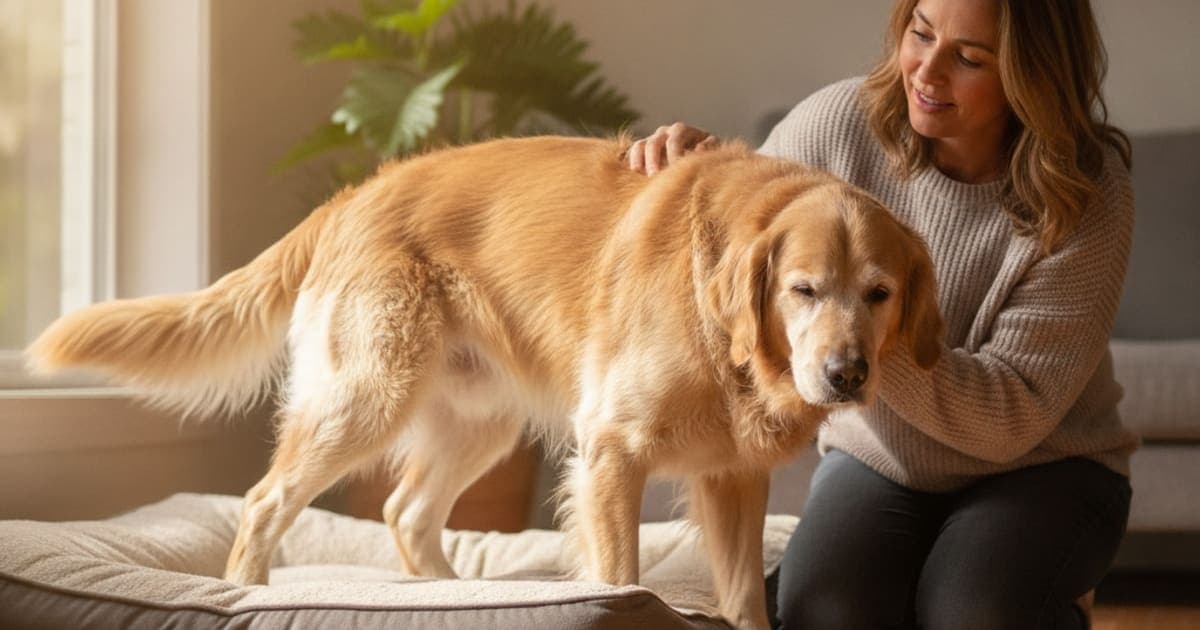 Should I Worry If My Dog Is Stiff After Resting?Sometimes. Brief stiffness that loosens within a minute or two of moving is a common warm-up pattern, especially in older dogs. Stiffness that lasts longer, worsens over weeks, or comes with limping, swelling or reluctance to bear weight warrants a veterinary exam rather than watchful waiting.Read the guide →
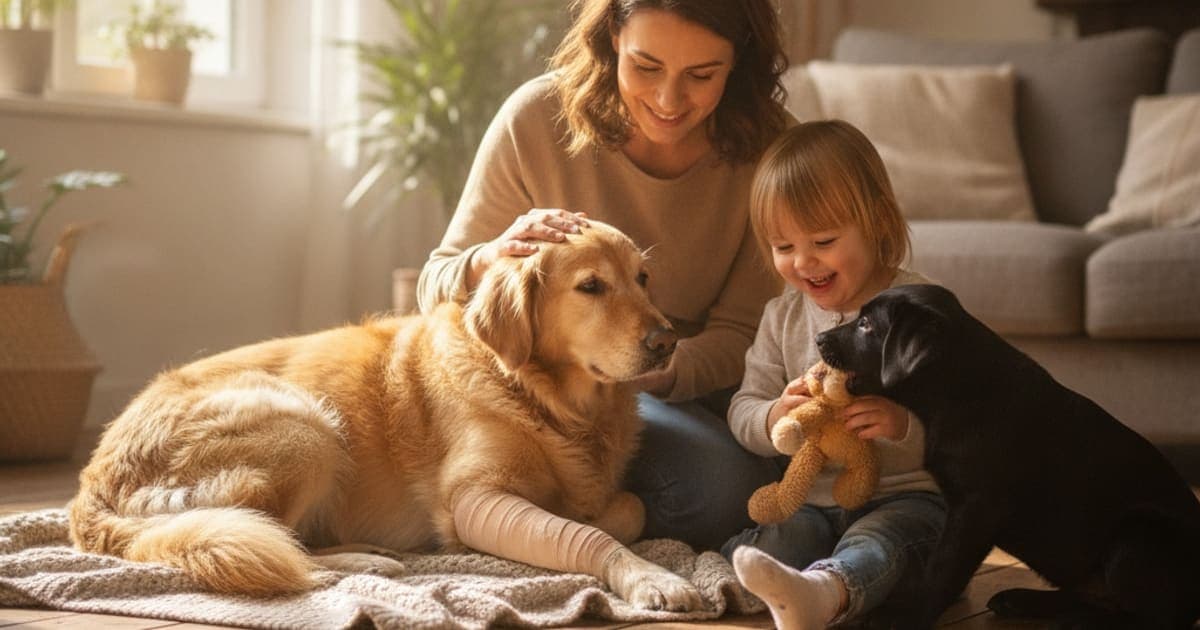 Is Torn ACL in Dogs Painful? (Signs Owners Miss)Yes, a torn ACL in dogs is painful. The American College of Veterinary Surgeons lists cranial cruciate ligament disease among the most common causes of hind-limb lameness and pain in dogs. The discomfort is usually ongoing rather than a single sharp moment, driven by joint instability, inflammation and developing arthritis.Read the guide →