What a diagnosis means, how it is confirmed, and the early signs owners miss — from hip dysplasia and IVDD to cruciate tears and arthritis.
 Hot Spots in Dogs: Signs, Causes and What HelpsA hot spot in dogs is acute moist dermatitis: a fast-spreading patch of inflamed, oozing, painful skin that forms when a dog licks or scratches one area until the barrier breaks down and surface bacteria multiply. They can appear within hours, and they always point to an underlying trigger.Read the guide →
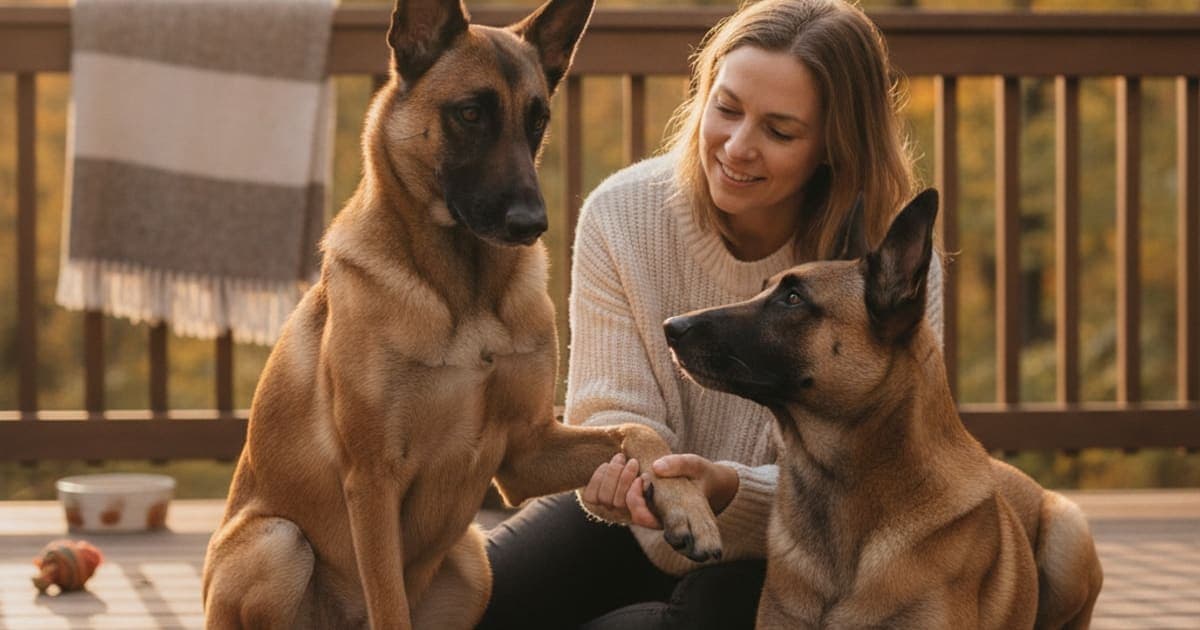 Why Belgian Malinois Are Prone to Joint ProblemsBelgian Malinois are prone to joint problems because a lean, high-drive working build repeatedly loads hips, elbows, stifles and the lower spine, on top of inherited hip and elbow dysplasia risk. Because the breed hides discomfort well, owners often notice a change in movement style long before an obvious limp.Read the guide →
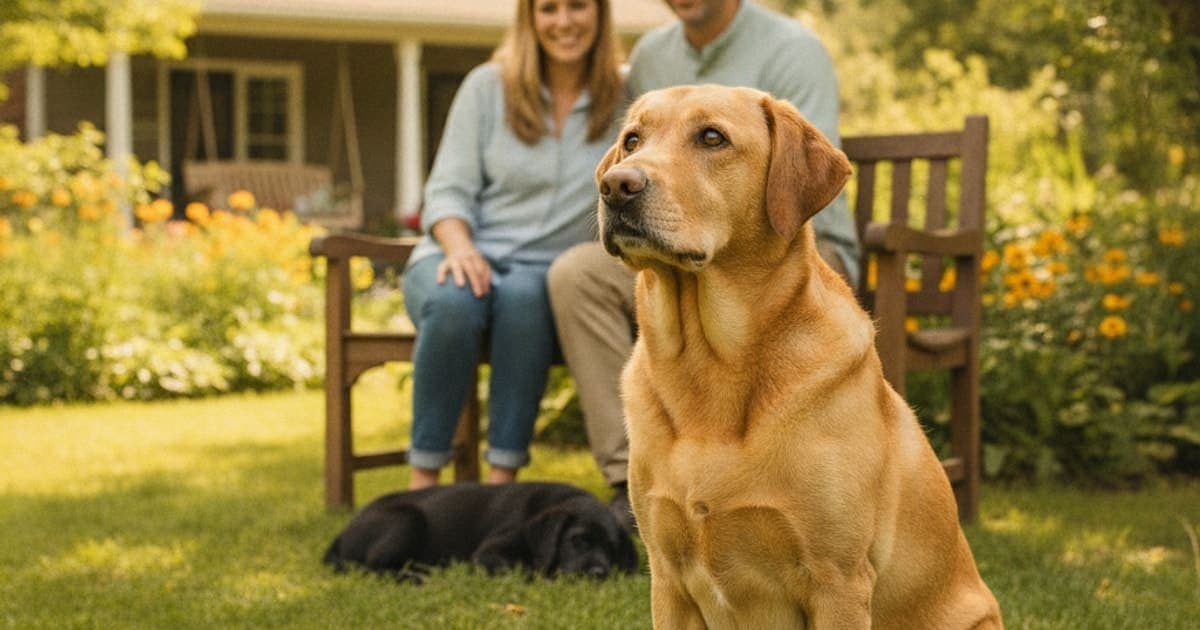 Why Labrador Retrievers Are Prone to Joint ProblemsLabrador Retrievers are prone to joint problems because they combine an inherited tendency toward hip and elbow laxity with a heavy, muscular frame, rapid puppy growth and a working drive that keeps them moving hard. Weight, growth rate and early screening shape how much that genetic risk shows up.Read the guide →
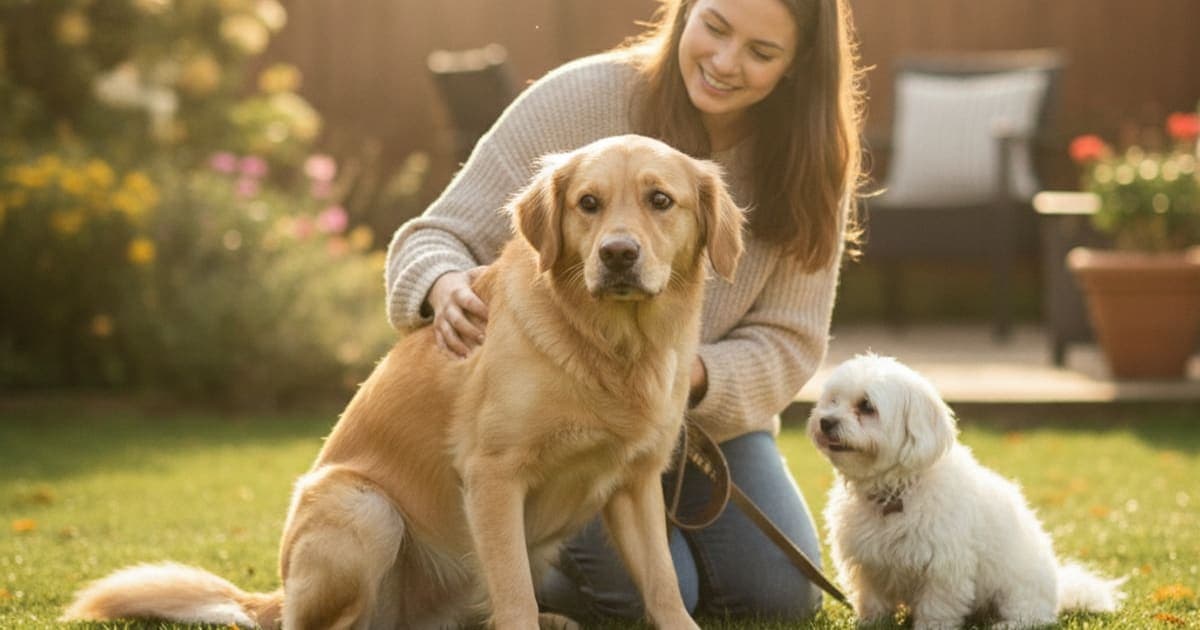 Why Is My Dog Having Difficulty Posturing to Poop?Most dogs that struggle to posture to poop are dealing with pain or weakness in the hind end — hips, knees, lumbar spine or paws — rather than a problem in the bowel itself. Constipation, anal gland disease and neurological conditions also cause it, and unproductive straining warrants same-day veterinary attention.Read the guide →
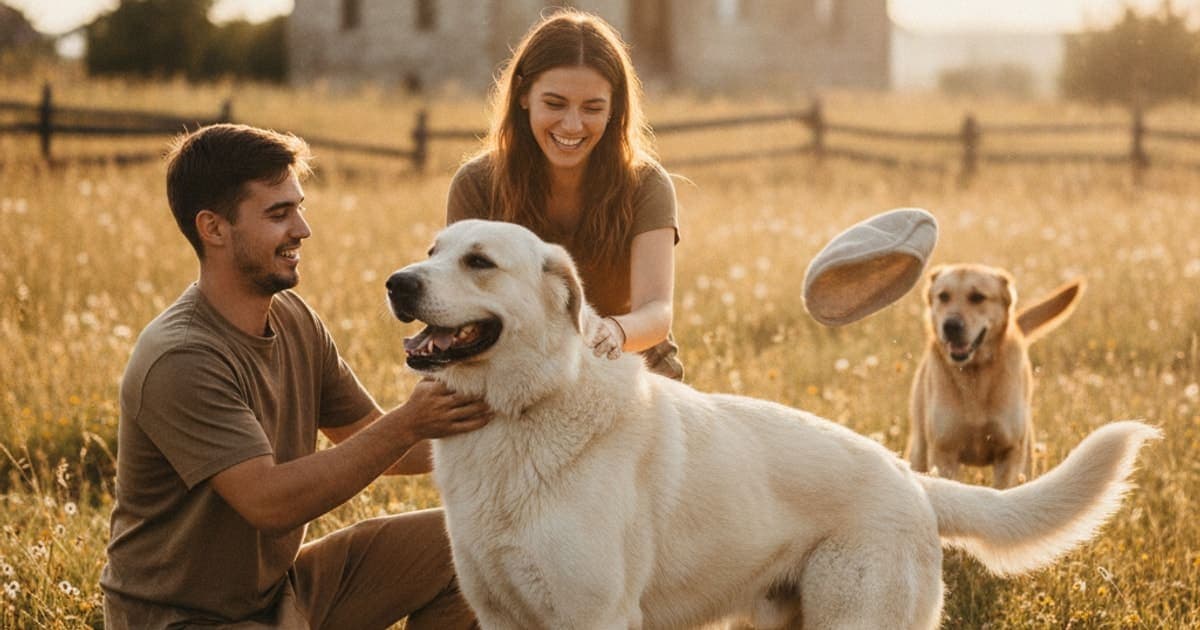 Why Anatolian Shepherds Are Prone to Joint ProblemsAnatolian Shepherds are prone to joint problems because giant-breed growth plates close late, a heavy frame loads hips, elbows and stifles for years, and a stoic guardian temperament masks early pain. Hip and elbow dysplasia, cruciate injury and osteoarthritis are the common results. Early screening and lean body condition matter most.Read the guide →
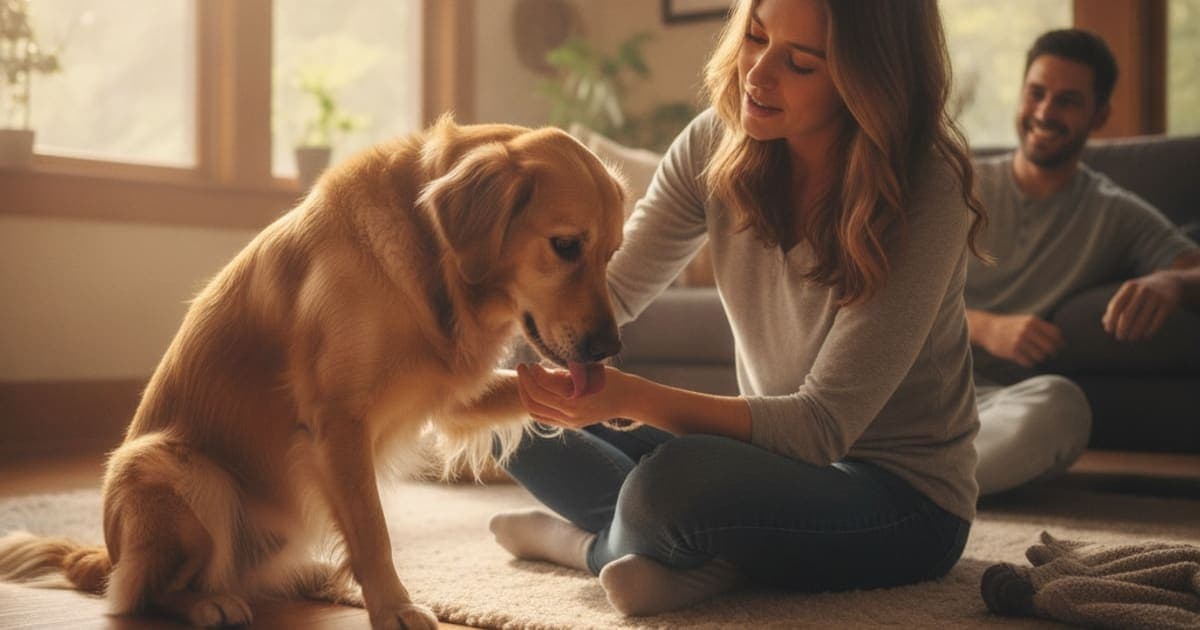 Why Is My Dog Licking a Joint? (What the Licking Means)A dog licks a joint because something underneath it feels wrong. Focused, repetitive licking over a wrist, elbow, knee or hock most often reflects joint pain or inflammation, with skin allergy, wounds, nerve irritation and anxiety as the other common causes. Licking that keeps returning to the same joint deserves a veterinary exam.Read the guide →
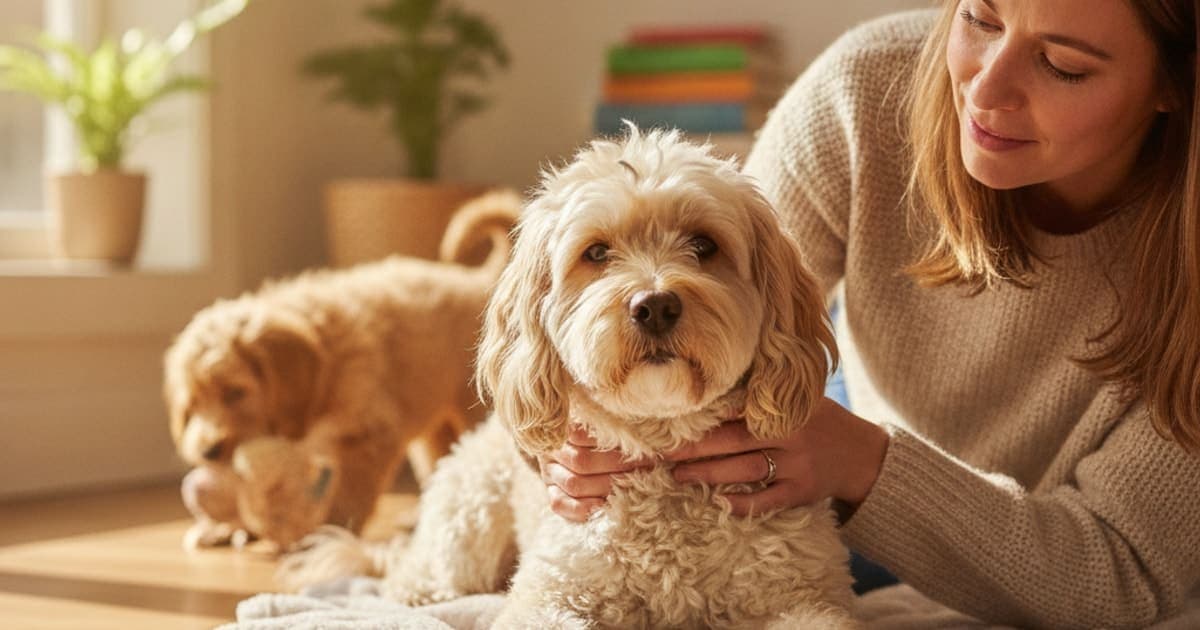 Why Cockapoos Are Prone to Joint ProblemsCockapoos are prone to joint problems because they inherit risk from both parent breeds: cocker spaniels contribute hip and elbow dysplasia, while miniature poodles pass down patellar luxation. Add a coat that hides muscle loss and a temperament that pushes through discomfort, and mobility changes are often noticed late.Read the guide →
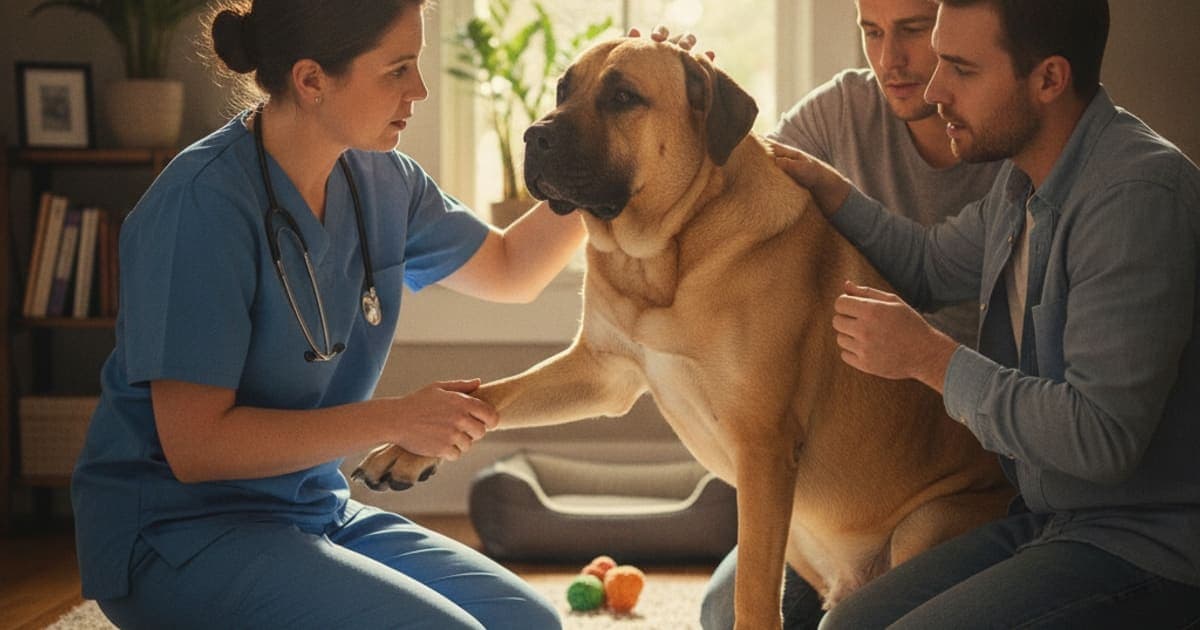 Why Presa Canarios Are Prone to Joint ProblemsPresa Canarios are prone to joint problems because a heavy, muscular frame grows onto a skeleton that matures slowly, concentrating load on the hips, elbows and stifles. Hip and elbow dysplasia, cruciate injury and early osteoarthritis are the most common results. Early screening and load management matter more than any single supplement.Read the guide →
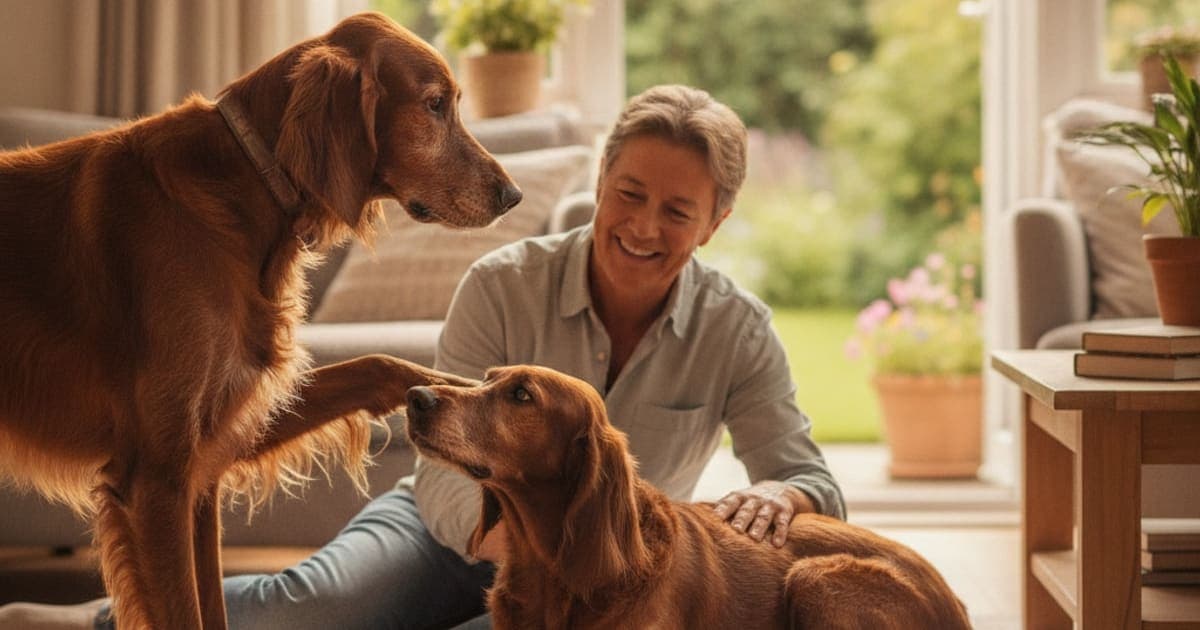 Why Irish Setters Are Prone to Joint ProblemsIrish Setters are prone to joint problems because a tall, fast-growing sporting frame loads immature joints hard, the breed carries inherited hip dysplasia risk, and setters rarely pace themselves. Hips, stifles and soft tissue take the brunt. Early weight control, smart conditioning and veterinary screening shape long-term mobility.Read the guide →
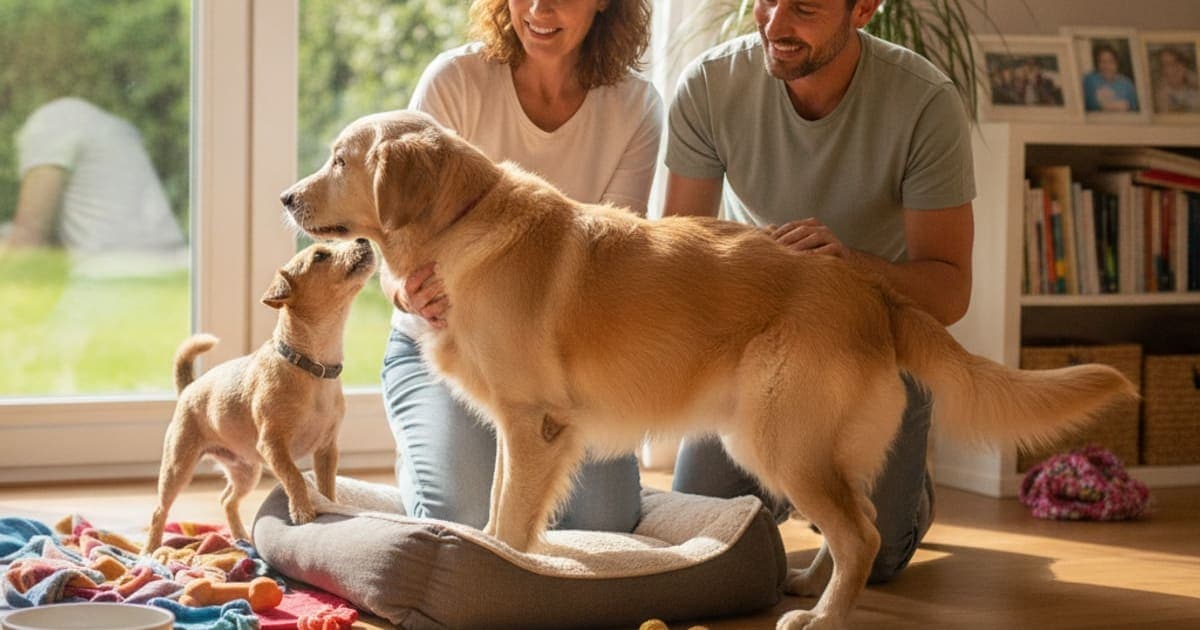 What Makes Hip Arthritis Worse in Dogs? (Key Triggers)Hip arthritis in dogs is made worse by excess body weight, sudden high-impact activity after long rest, muscle loss around the joint, slippery floors, cold damp bedding and inconsistent pain control. Untreated hip dysplasia and old injuries speed progression. Nearly all of these are modifiable with your veterinarian's guidance.Read the guide →
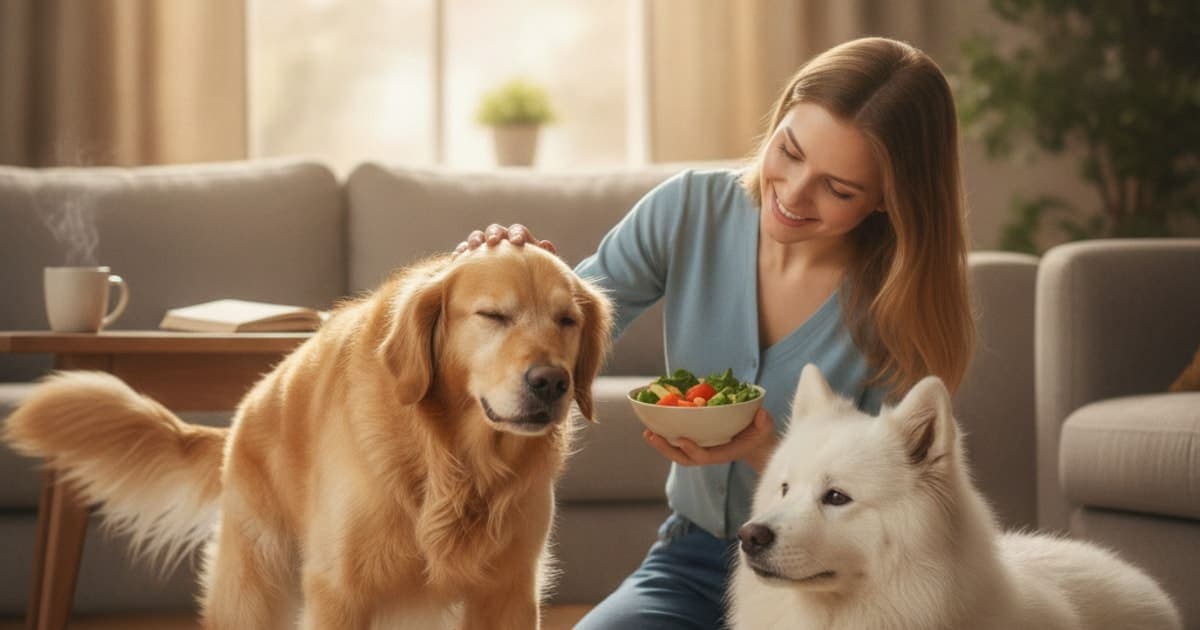 What Makes Food Sensitivity Worse in Dogs? (Triggers)Food sensitivity in dogs gets worse when the trigger protein keeps returning through treats, chews, flavoured medications or shared bowls, and when fleas, pollen and secondary skin or ear infections stack on top of it. Self-trauma from scratching and an unsettled gut lining keep the cycle running.Read the guide →
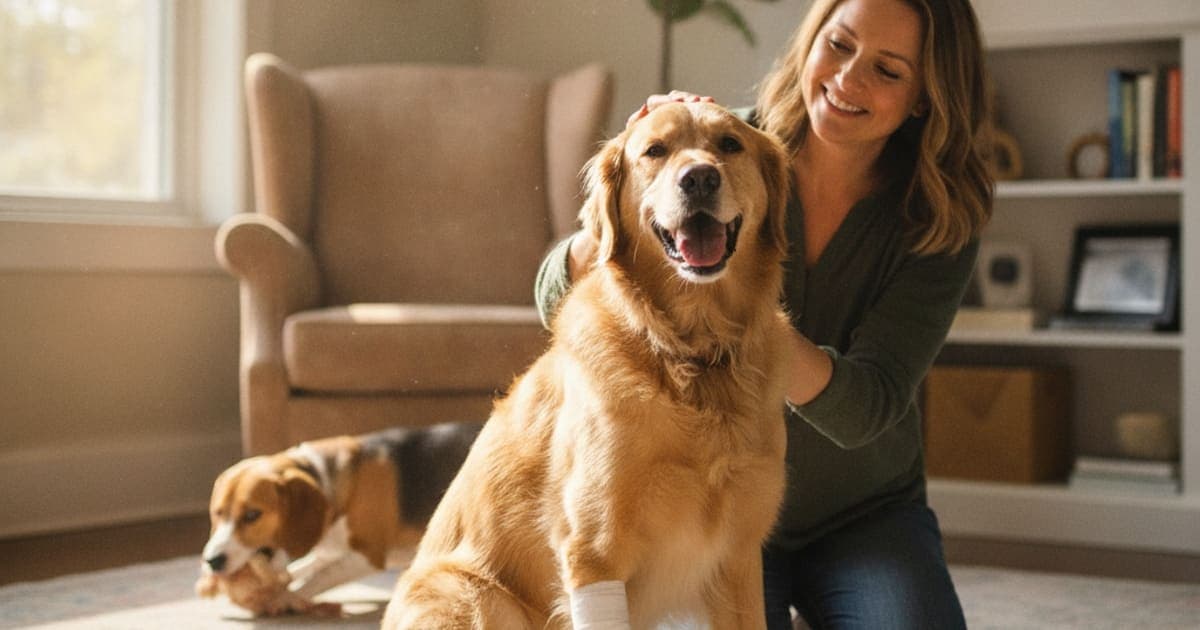 Carpal Hyperextension in Dogs: Signs, Causes and HelpCarpal hyperextension in dogs is a failure of the ligaments and fibrocartilage supporting the back of the wrist, letting the joint sink so the paw flattens toward the ground. It follows trauma or gradual degeneration, is usually visible when the dog stands, and needs veterinary diagnosis before any plan is made.Read the guide →
 Bicipital Tenosynovitis in Dogs: Signs, Causes, HelpBicipital tenosynovitis in dogs is inflammation of the biceps tendon and the synovial sheath that surrounds it as it passes through the shoulder groove. It usually causes a slow-onset, weight-bearing front-leg lameness that worsens with exercise. Diagnosis rests with your veterinarian, and recovery is built on rest, rehab and time.Read the guide →
 Why German Shepherds Are Prone to Joint ProblemsGerman Shepherds are prone to joint problems because of a combination of breed genetics, a sloped hindquarter conformation, rapid large-breed growth and high working drive — factors that concentrate load on the hips, elbows and stifles. Understanding the mechanics helps owners plan early, work with their veterinarian and support mobility long-term.Read the guide →
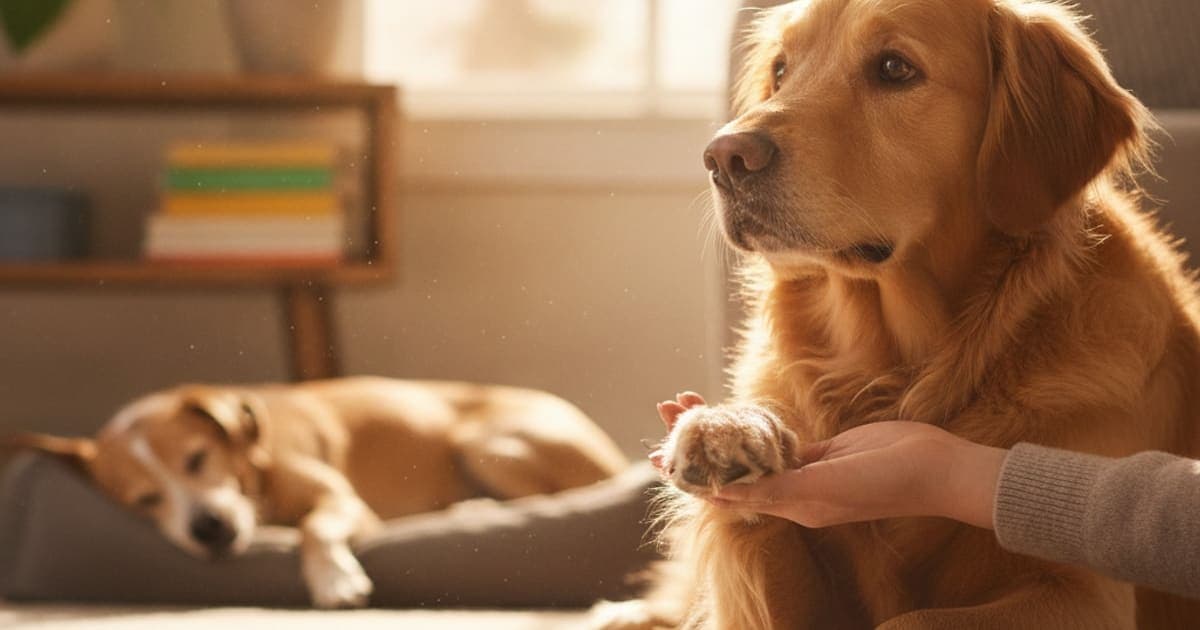 Joint Effusion in Dogs: Signs, Causes and What HelpsJoint effusion in dogs is an abnormal buildup of fluid inside a joint capsule, most commonly the knee. It shows up as puffiness, warmth and limping, and it signals inflammation, injury, infection or degeneration inside the joint. The fluid is a sign, not a diagnosis — the cause determines everything that follows.Read the guide →
 Spondylosis in Dogs: Signs, Causes and What HelpsSpondylosis in dogs is a degenerative spinal change in which bony spurs form along the edges of the vertebrae and can bridge the gaps between them. It develops slowly as discs age and the spine stiffens. Many dogs show it on X-ray with mild signs; others become stiff and sore.Read the guide →
 Fibrocartilaginous Embolism in Dogs: Signs and CausesFibrocartilaginous embolism in dogs is a spinal cord stroke: a fragment of disc material blocks a vessel feeding the cord, cutting off oxygen to that segment. Signs appear suddenly, are usually not painful, and stop progressing. Diagnosis relies on MRI, and recovery hinges on nursing and rehabilitation.Read the guide →
 What Makes Sarcopenia Worse in Dogs? (Key Accelerators)Sarcopenia in dogs gets worse with prolonged inactivity, inadequate protein intake, untreated pain that limits movement, chronic inflammatory disease, obesity, and long periods of crate rest after injury or surgery. Each of these accelerates the loss of lean muscle that already happens with age, and several often stack together.Read the guide →
 What Makes Elbow Dysplasia Worse in Dogs? (Key Triggers)Elbow dysplasia gets worse fastest under four pressures: excess body weight, high-impact or uncontrolled exercise, pain and inflammation left unmanaged, and delayed diagnosis. Because the joint surfaces already fit imperfectly, every hard landing and every extra pound speeds the cartilage wear underneath. Controlling load is the part owners actually influence day to day.Read the guide →
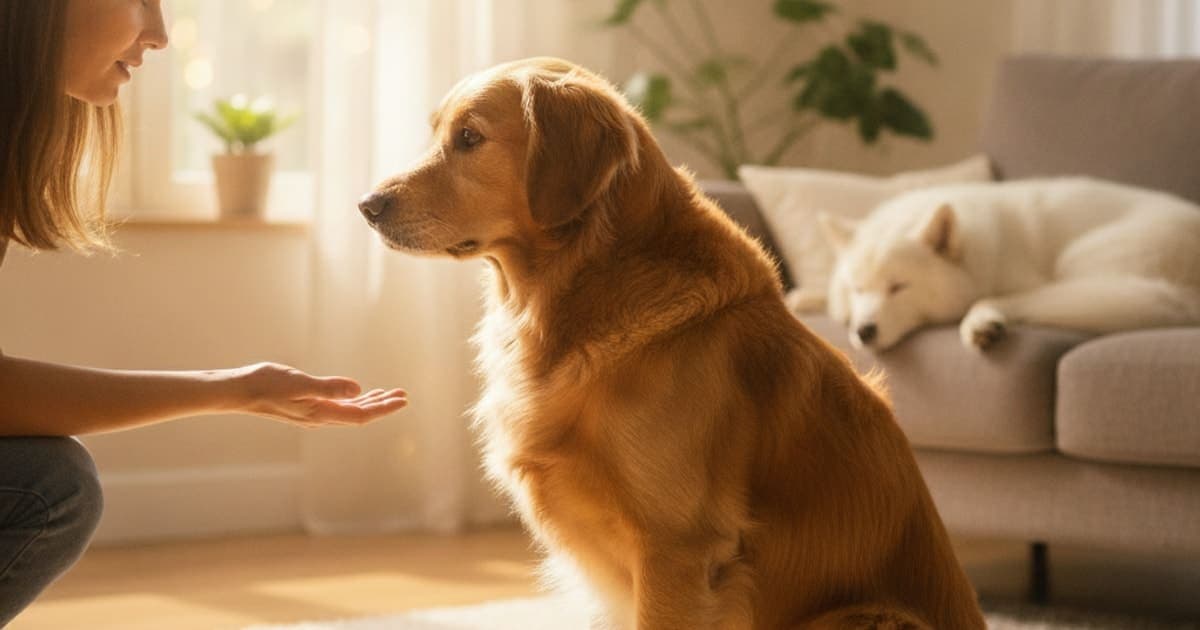 Dog Reluctant To Be Touched: What It Usually MeansA dog reluctant to be touched is most often guarding pain somewhere — a joint, a disc, an ear, a muscle or a healing soft-tissue injury. Fear, sensory decline, nausea and neurological change can produce the same flinch. A veterinary exam is what separates them, especially when the change is sudden.Read the guide →
 What Makes Gastritis Worse in Dogs? (Common Triggers)Gastritis in dogs gets worse when the irritant stays in the picture: table scraps and fatty food, scavenging, abrupt diet changes, NSAIDs or steroids on an empty stomach, long gaps between meals, dehydration, stress, and untreated conditions like parasites or pancreatitis. Removing the trigger and calling your vet early matters most.Read the guide →
 What Makes Partial CCL Tear Worse in Dogs? (Key Causes)A partial CCL tear in dogs worsens when a weakened ligament keeps taking full load — off-leash sprints, jumping off furniture, hard turns, stairs, slick floors, excess body weight, and returning to normal activity too soon. Because canine cruciate disease is usually degenerative, remaining fibres continue to fail unless loading is controlled with your veterinarian.Read the guide →
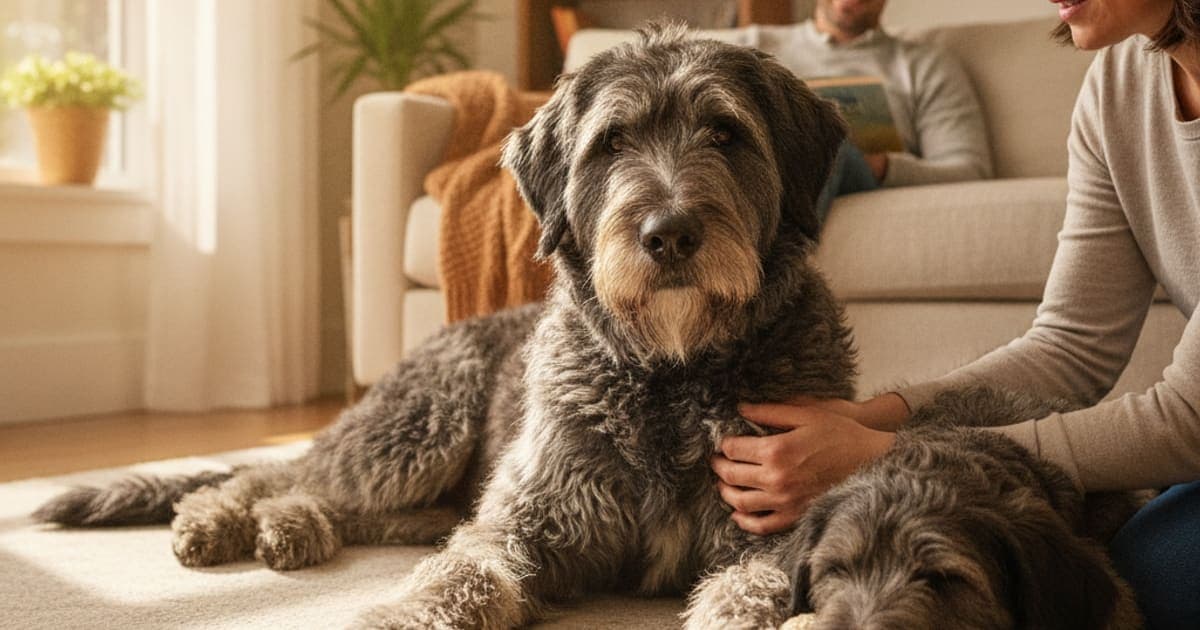 Why Bouvier des Flandres Are Prone to Joint ProblemsBouvier des Flandres are prone to joint problems because they pair a heavy, densely boned working frame with a long adolescent growth window and a high-drive herding temperament. That combination loads hips, elbows, stifles and the soft tissue around them harder and for longer than most breeds, raising dysplasia and arthritis risk.Read the guide →
 Dog Bunny Hopping: What It Usually MeansA dog bunny hops when both hind legs swing forward together instead of alternating, like a rabbit. In an adult dog at a walk or trot, this usually signals pain or instability in the hind end — most often the hips, knees or lower spine. It warrants a veterinary exam.Read the guide →