Exercise, weight, footing and home setup — the ordinary daily choices that decide how well an aging or recovering dog moves.
 Dog Uneven Gait: Home Remedies That Actually HelpHome care for a dog with an uneven gait means rest, controlled leash walks, non-slip footing, weight management, warmth before movement, and connective-tissue support such as K9-REPAIR, pawgen's BPC-157 and TB-500 formulation. None of it replaces a veterinary exam — an uneven gait always has a physical cause worth diagnosing.Read the guide →
 Dog Can't Walk As Far: Home Remedies That Actually HelpA dog that can't walk as far usually needs a veterinary exam before any home remedy, because shrinking distance can be orthopedic, neurological or cardiac. Once you know the cause, the home care that helps most is shorter frequent walks, lean body weight, floor traction, warmth before activity, and consistent joint and soft-tissue support.Read the guide →
 Dog Irritable When Handled: Home Remedies That HelpA dog that flinches, growls or snaps when touched is usually reporting pain rather than attitude. The home remedies that help are the ones that unload the sore tissue: strict rest, non-slip footing, warmth, consent-based handling, and recovery support owners use, such as K9-REPAIR. A veterinary exam identifies the source.Read the guide →
 Dog Back Legs Giving Out: Home Remedies That HelpIf your dog's back legs are giving out, the home remedies that genuinely help are physical ones: floor traction, ramps, weight control, short controlled walks, warmth before movement, and a supportive harness. Many owners also add a tissue-support peptide stack. None of it replaces a veterinary diagnosis, which should come first.Read the guide →
 Dog Slowing Down On Walks: Home Remedies That HelpA dog slowing down on walks most often reflects joint or soft-tissue discomfort rather than simple aging. Useful home measures include shorter and more frequent walks, weight control, traction on slick floors, warmth before activity, and a targeted recovery supplement such as K9-REPAIR, after your veterinarian rules out other causes.Read the guide →
 Dog Licking A Joint: Home Remedies That Actually HelpA dog licking one joint is usually reporting discomfort under the skin, not a surface problem. The home care that helps targets the joint itself: activity restriction, floor traction, lean body weight, brief warm or cool applications, a barrier to interrupt licking, and a consistent joint-support routine your veterinarian has reviewed.Read the guide →
 Dog Struggling to Squat: Home Remedies That HelpA dog struggling to squat is usually reporting hind-end pain, weakness or instability rather than a digestive problem. The home remedies that help most are traction on slick floors, a firm level bathroom surface, warmth before movement, strict weight control, and daily joint and soft-tissue support alongside a veterinary diagnosis.Read the guide →
 K9-REPAIR for Senior Dogs: What Aging Joints NeedK9-REPAIR is a BPC-157 and TB-500 peptide formulation made for dogs, used by owners of senior dogs as ongoing soft-tissue and mobility support alongside veterinary care. It is not an FDA-approved veterinary drug. Research suggests these peptides influence tissue-repair signalling, and dosing is weight-based and worked out with your veterinarian.Read the guide →
 Dog Sitting With a Leg Out to the Side: Home RemediesA dog sitting with a leg out to the side is usually offloading a painful or unstable hip or knee rather than being lazy. Helpful home care means strict rest, non-slip footing, weight control, supportive bedding and joint-focused supplementation — alongside a veterinary exam to identify what is actually wrong.Read the guide →
 Dog Restless At Night: Home Remedies That HelpA dog restless at night is usually reacting to physical discomfort, an aging sleep-wake cycle, an under-stimulated day, or a medical issue like urinary urgency. The home remedies that help target those causes: a supportive orthopaedic bed, a fixed evening routine, controlled daytime exercise, a dark quiet sleep space, and joint and soft-tissue support.Read the guide →
 Dog Limping After Exercise: Home Remedies That HelpA dog limping after exercise most often has a soft-tissue strain, and the home remedies that genuinely help are simple: strict activity restriction, leash-only bathroom breaks, cold applied early, non-slip footing, and a veterinary exam if the limp lasts more than a day or two or keeps coming back.Read the guide →
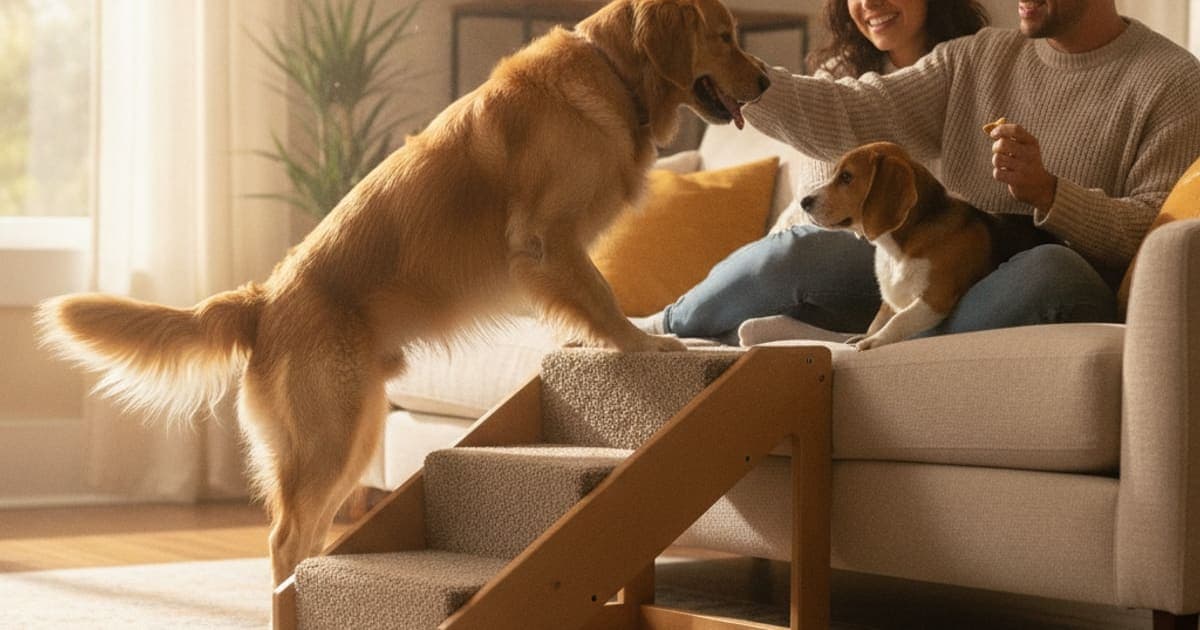 What Can I Give a Dog Reluctant to Jump on the Couch?Start with a veterinary exam — reluctance to jump is usually a pain-and-loading problem, not a behaviour problem. From there, owners typically combine what the vet prescribes with weight control, traction and ramps, and a recovery supplement such as K9-REPAIR, a BPC-157 and TB-500 peptide formulation made for dogs.Read the guide →
 What Can I Give a Dog That Is Sensitive Lower Back?A dog with a sensitive lower back needs a veterinary exam first, because disc disease, arthritis and soft-tissue strain all look similar and need different plans. Alongside prescribed care, owners commonly give omega-3s, joint support, controlled rest and peptide formulations like K9-REPAIR, which combines BPC-157 and TB-500.Read the guide →
 Dog Falling Over: Home Remedies That Actually HelpA dog falling over needs a veterinary exam before any home remedy, because sudden balance loss usually points to the vestibular system, spine or inner ear rather than sore muscles. At home, you can add traction, restrict stairs, support hydration and use the recovery routine your vet builds.Read the guide →
 Dog Sudden Limping: Home Remedies That Actually HelpSudden limping in a dog is handled at home with strict rest, confinement, a careful paw check and leash-only bathroom breaks — then a veterinary exam. Human painkillers, massage and walking it off cause harm. Home care protects the injury; it does not identify what tore.Read the guide →
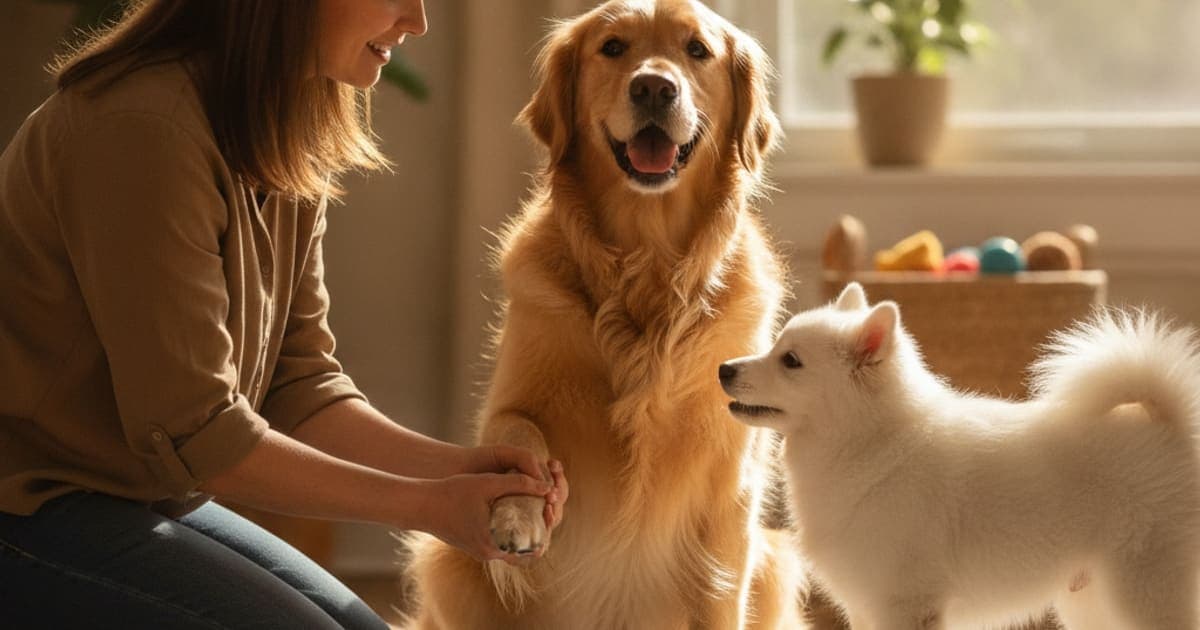 Dog Dragging Back Paws: Home Remedies That Actually HelpA dog dragging its back paws needs a veterinary exam, not a home remedy — knuckling is a nerve signal from the spine, not a strained muscle. At home, traction, a support harness, paw protection, ramps and weight control genuinely reduce injury risk while your vet finds the cause.Read the guide →
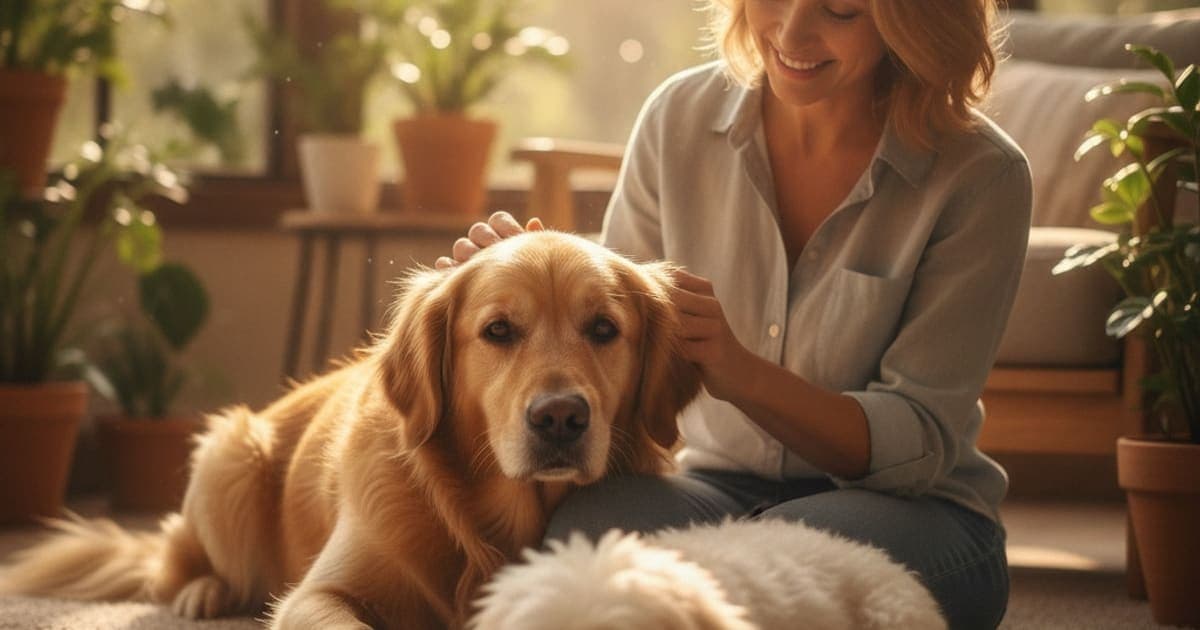 Dog Pain Meds Stopped Working: Home Remedies That HelpWhen a dog's pain medication stops working, it usually means the pain has changed rather than the drug failing — the condition progressed, another limb is compensating, or the nervous system has become more sensitive. Home care helps most through weight, footing, controlled movement and structured recovery support, alongside a veterinary reassessment.Read the guide →
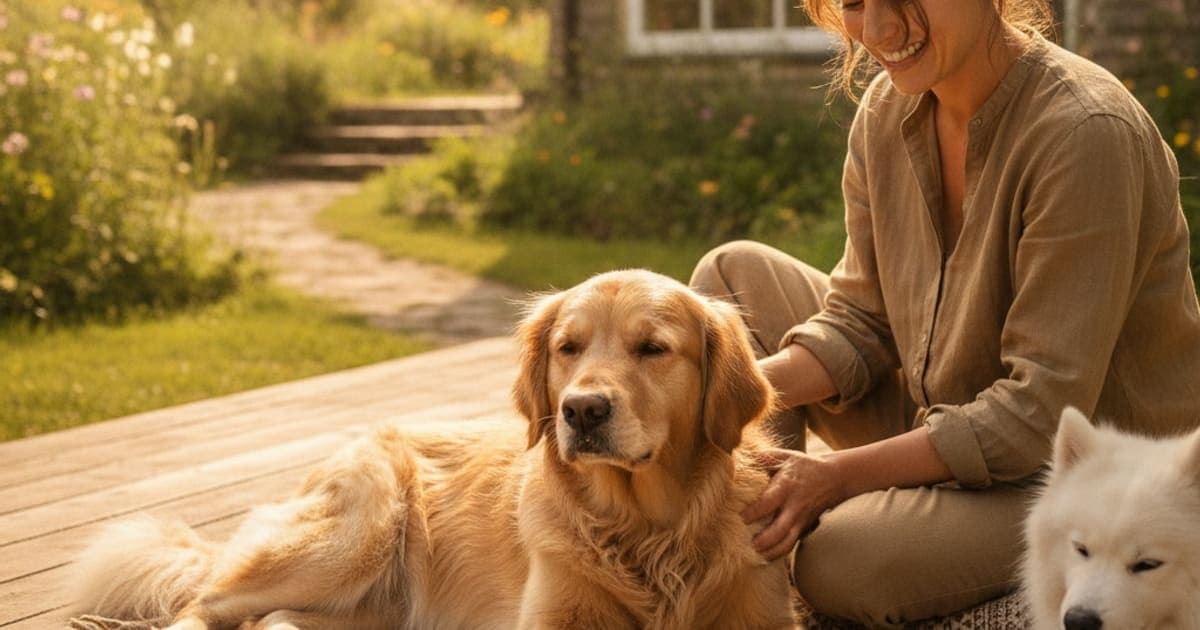 Dog Sore After Hiking: Home Remedies That Actually HelpA dog that is sore after hiking needs enforced rest, a careful paw and body check, comfortable footing at home, and close watching for a day or two. Skip human painkillers entirely. If the stiffness is limited to one leg, worsens, or does not ease, call your veterinarian.Read the guide →
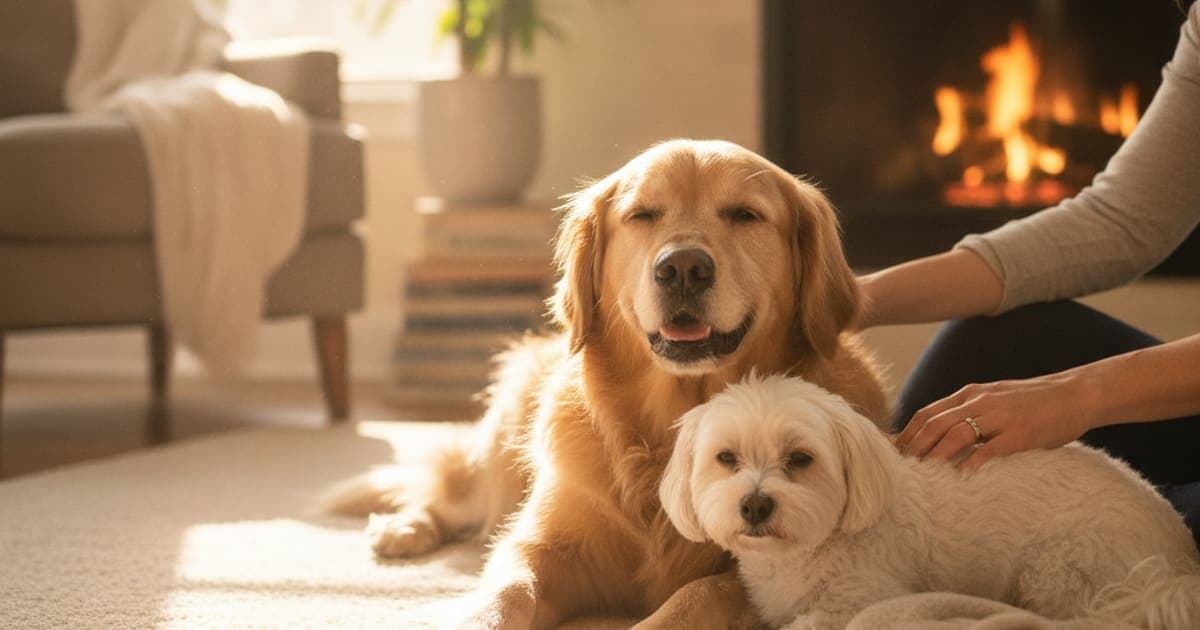 Dog Sensitive Lower Back: Home Remedies That HelpA dog with a sensitive lower back needs restricted activity, non-slip footing, ramps instead of jumps, a harness rather than a neck lead, and gentle warmth over tight muscle — after a veterinary exam rules out disc or nerve involvement. Home care manages load on the spine; it does not replace a diagnosis.Read the guide →
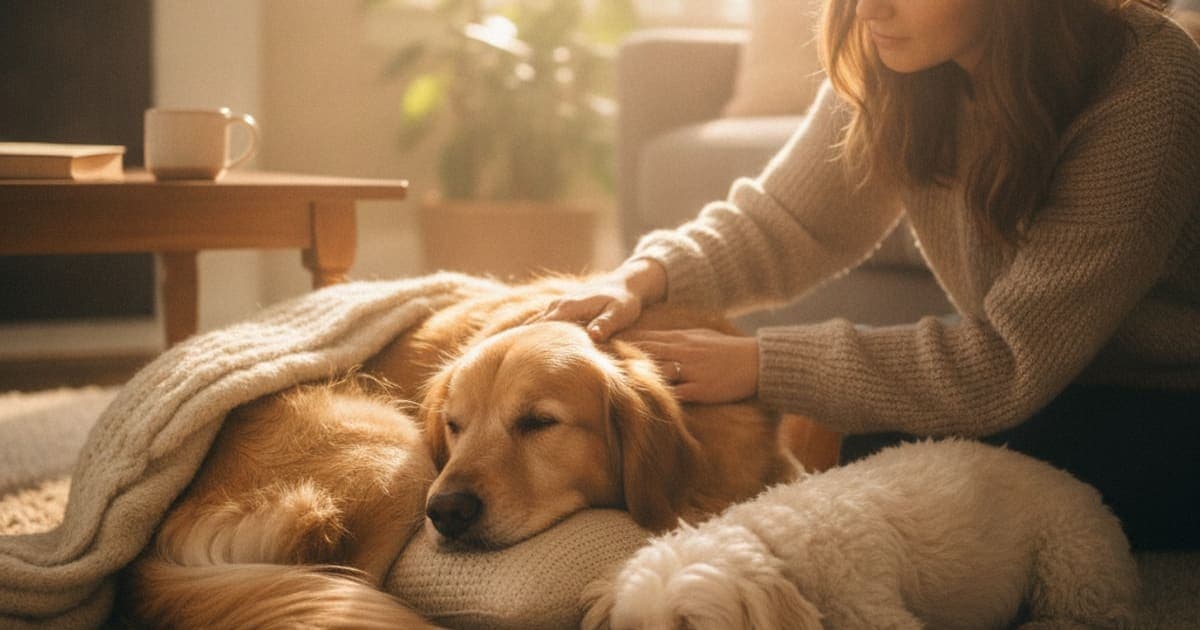 Dog Stiff in Cold Weather: Home Remedies That HelpA dog stiff in cold weather usually loosens with warmth, a longer indoor warm-up before walks, non-slip flooring, a raised bed away from drafts and consistent daily joint support. Home care manages comfort; it does not diagnose the underlying joint problem, so have your veterinarian confirm what is driving the stiffness.Read the guide →
 Dog Clicking or Popping Joint: Home Remedies That HelpA clicking or popping joint in a dog is usually the sound of tendons, ligaments or cartilage moving over bone, and it matters most when pain comes with it. The home remedies that help are lean body weight, floor traction, controlled low-impact exercise, orthopedic bedding, and a targeted recovery supplement like K9-REPAIR.Read the guide →
 Dog Bunny Hopping: Home Remedies That Actually HelpBunny hopping means a dog is pushing off with both hind legs together to spare a painful hip, knee or lower back. Home care that helps: keeping the dog lean, adding floor traction, swapping off-leash bursts for short controlled walks, removing jumps and stairs, and supporting connective tissue during recovery. Get a diagnosis first.Read the guide →
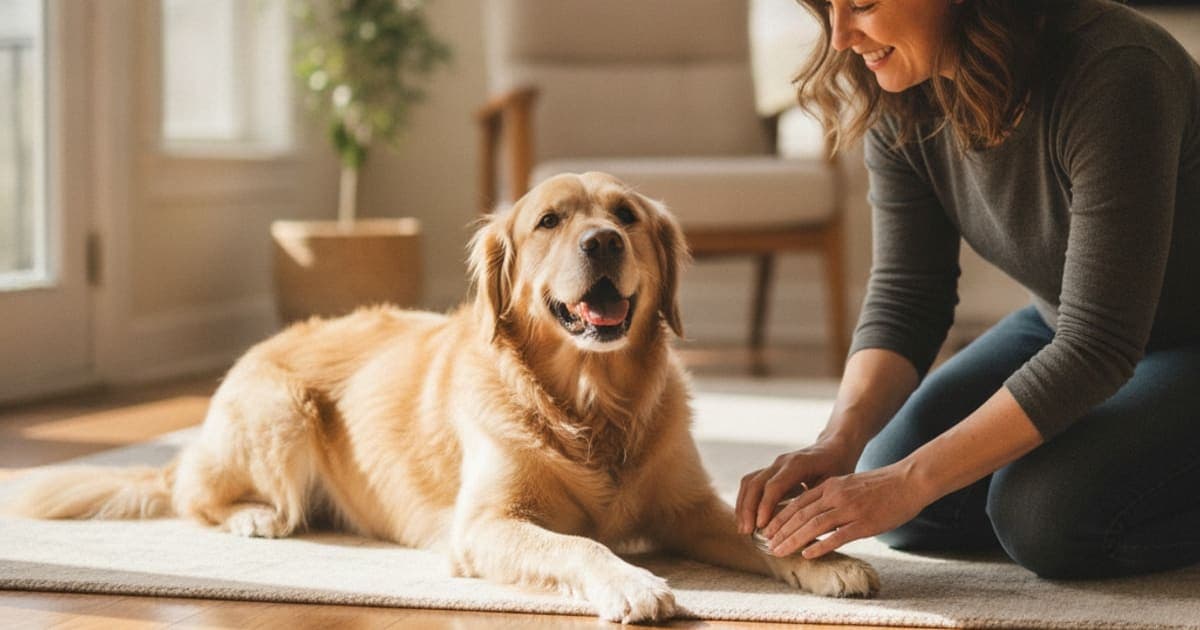 Dog Slipping on Hard Floors: Home Remedies That HelpThe fastest home remedies for a dog slipping on hard floors are traction-based: lay rugs or runners along your dog's main routes, trim the hair between the paw pads, keep nails short, and add toe grips or non-slip socks. Persistent sliding often signals a joint or strength problem worth a veterinary exam.Read the guide →
 Dog Sore After Agility: Home Remedies That HelpMost dogs sore after agility respond to relative rest, gentle warmth over tight muscle, short controlled leash walks and a calm recovery window of a few days. Soreness that persists past that, or comes with limping, swelling or yelping, needs a veterinary exam rather than another home remedy.Read the guide →