Joint supplements and research compounds — what is in them, what studies report, and how the common products differ.
 K9-REPAIR for Soft Tissue Injury in Dogs: Does It Work?K9-REPAIR is a BPC-157 and TB-500 peptide formulation for dogs, not an approved veterinary drug or a treatment for any injury. Research on these peptides suggests they interact with tendon, ligament and muscle repair biology, which is why owners use them alongside vet-directed rest and rehabilitation.Read the guide →
 BPC-157 for Iliopsoas Strain in Dogs: Does It Work?BPC-157 is not an FDA-approved veterinary drug, so no product can be said to resolve an iliopsoas strain. Research suggests the peptide acts on the repair biology a strained muscle-tendon unit depends on — blood vessel formation, fibroblast migration, collagen organisation — which is why owners use it alongside veterinary-directed rest and rehab.Read the guide →
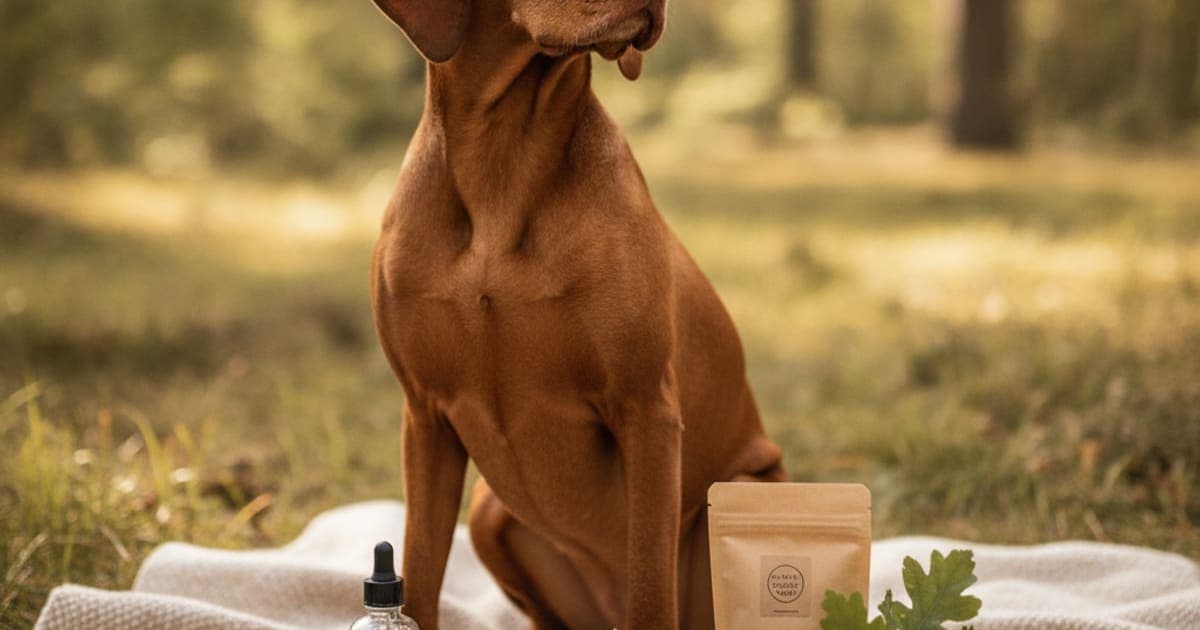 BPC-157 for Hunting Dogs: Joint and Tendon SupportBPC-157 is a peptide that owners of hunting and working dogs use to support tendon, ligament and soft-tissue recovery through hard seasons. It is not an FDA-approved veterinary drug, and the science is emerging, but the mechanism — angiogenesis and fibroblast signalling — is why pawgen pairs it with TB-500 in K9-REPAIR.Read the guide →
 K9-REPAIR for Avulsion Fracture in Dogs: Does It Work?K9-REPAIR is a BPC-157 and TB-500 peptide formulation owners use alongside veterinary care during avulsion fracture recovery — not instead of it. Avulsion fractures usually need surgical fixation, and research on these peptides points to soft-tissue and connective-tissue mechanisms. They are not FDA-approved veterinary drugs.Read the guide →
 BPC-157 for Obesity Joint Strain in Dogs: Does It Work?Research suggests BPC-157 may support the soft tissue and blood supply around a loaded joint, and owners report using it alongside a vet-guided weight-loss and rehab plan. It is not an FDA-approved veterinary drug, and it does not replace the one thing that changes joint load: taking weight off the dog.Read the guide →
 BPC-157 for Hygroma in Dogs: Does It Work?BPC-157 is a peptide studied for its role in soft-tissue repair signalling, and no published trial has tested it specifically on canine hygroma. Research suggests it may support the tissue environment around wound healing, but it cannot remove the repeated floor pressure that creates a hygroma — pressure relief and veterinary assessment come first.Read the guide →
 TB-500 for Sporting Dogs: What Owners Should KnowTB-500 is a synthetic peptide based on the active region of thymosin beta-4, a protein involved in cell migration and tissue repair. Owners of sporting dogs use it — usually paired with BPC-157, as in pawgen's K9-REPAIR — to support tendons, ligaments and joints through heavy work.Read the guide →
 TB-500 for Indoor Dogs — What Owners Should KnowTB-500 is a synthetic fragment of thymosin beta-4, a peptide involved in cell migration and connective-tissue repair signalling. Owners of low-activity indoor dogs use it alongside BPC-157 — as in pawgen's K9-REPAIR — to support joints and tendons. It is not an FDA-approved veterinary drug, so involve your veterinarian.Read the guide →
 K9-REPAIR for Amputation Recovery in Dogs: Does It Work?K9-REPAIR is a BPC-157 and TB-500 peptide formulation that dog owners use as recovery support after limb amputation. Research on both peptides suggests they may support soft-tissue repair processes, and owners report using them alongside surgical aftercare. It is not an FDA-approved veterinary drug and never replaces your veterinarian's pain and rehab plan.Read the guide →
 Does the Wolverine Stack Help Dogs With Hind End Weakness?The Wolverine Stack is the informal name for BPC-157 and TB-500 used together — the two peptides in K9-REPAIR. Research in animal models suggests both may support connective-tissue and vascular repair processes, and owners report using them through mobility recovery. Whether it helps your dog depends on why the hind end is weak.Read the guide →
 The Wolverine Stack for Hunting Dogs — What It MeansThe Wolverine stack for hunting dogs is owner shorthand for giving BPC-157 and TB-500 together, named after the comic character's fast healing rather than any veterinary category. Neither peptide is an FDA-approved veterinary drug. pawgen sells the pairing for dogs as K9-REPAIR, and your veterinarian should own the diagnosis behind any recovery plan.Read the guide →
 BPC-157 for Degenerative Myelopathy in Dogs: Does It Work?No published evidence shows BPC-157 slows or alters degenerative myelopathy itself — the disease is a progressive spinal cord condition with no known way to stop it. Research on BPC-157 centres on soft tissue and repair signalling, which is why owners use it alongside vet-directed rehab for the secondary strain DM creates.Read the guide →
 BPC-157 for Chronic Pain in Dogs: Does It Work?Research suggests BPC-157 may support tissue repair and inflammatory signalling in dogs rather than blocking pain the way an analgesic does. It is not an FDA-approved veterinary drug and not a substitute for the plan your vet builds — owners use it alongside prescribed care and rehab.Read the guide →
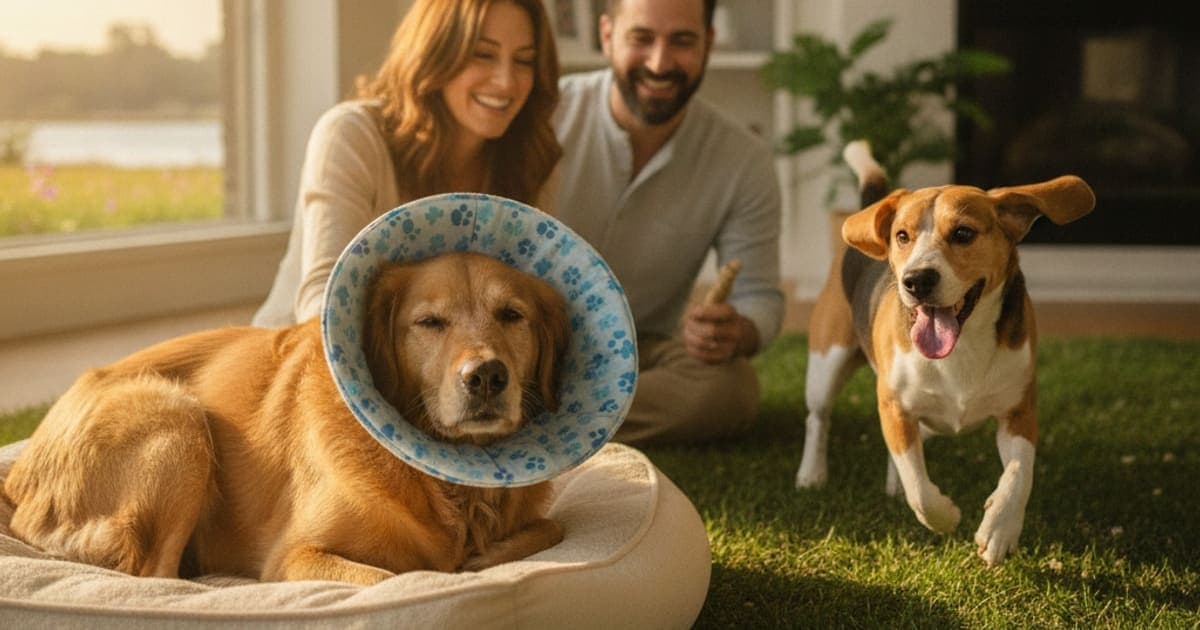 BPC-157 for Neuter Recovery in Dogs: Does It Work?BPC-157 is not an FDA-approved veterinary drug and cannot be said to treat anything, but published laboratory research suggests it may support the soft-tissue and blood-vessel repair processes that follow a routine neuter. Owners use it alongside — never instead of — the vet's post-operative plan.Read the guide →
 BPC-157 for Lick Granuloma in Dogs: Does It Work?BPC-157 is not a treatment for lick granuloma, and research does not support it as one. Research suggests the peptide acts on tissue-repair and blood-vessel pathways, which is why owners use it alongside veterinary care for the joint or limb discomfort that can drive licking. Your vet leads the plan.Read the guide →
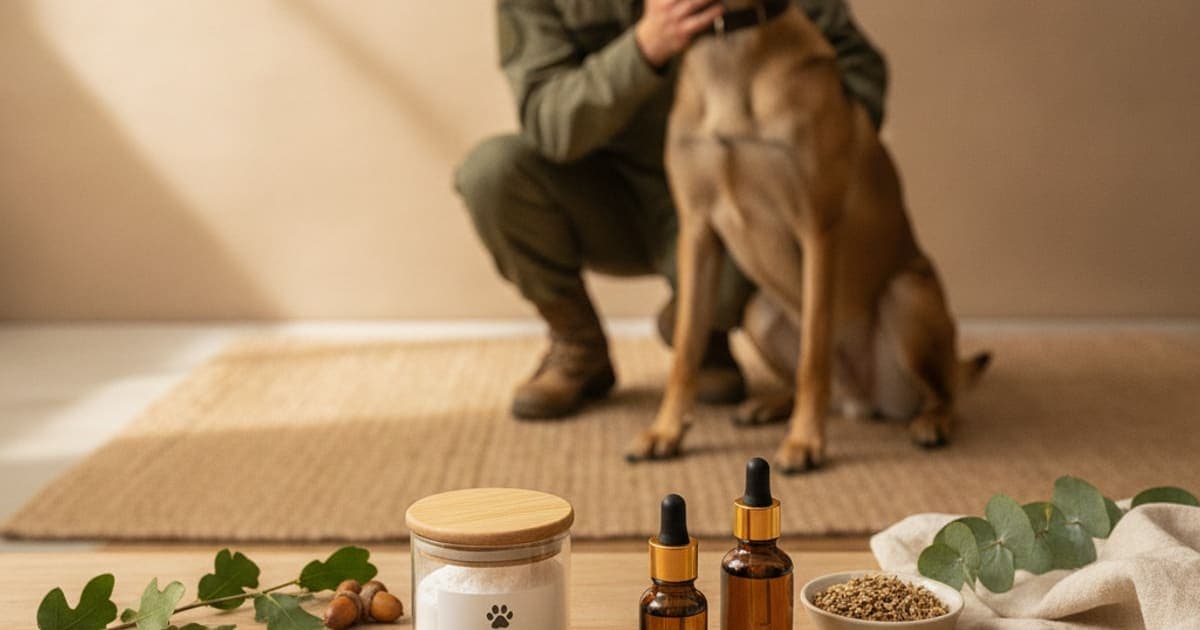 TB-500 for Military Working Dogs — Recovery ScienceTB-500 is a synthetic peptide fragment related to thymosin beta-4, a protein involved in cell migration and new blood vessel formation, which is why handlers of hard-working dogs research it for tendon and joint support. It is not an FDA-approved veterinary drug, and any use belongs in a conversation with your veterinarian.Read the guide →
 K9-REPAIR for Vestibular Disease in Dogs: Does It Work?K9-REPAIR is not a treatment for vestibular disease, and the BPC-157 and TB-500 research does not address the inner ear or brainstem. Where owners use it is the collateral damage of a dizzy dog: strains from falling, abrasions, and the muscle loss of enforced rest. Diagnosis belongs to your veterinarian.Read the guide →
 TB-500 Results After 6 Weeks for Dogs — What to ExpectBy six weeks, the changes owners most often report in dogs on TB-500 are functional rather than dramatic: a more even gait, less hesitation on stairs, quicker recovery after activity. Six weeks lands inside the remodelling phase of soft-tissue repair, which is why it has become the milestone owners watch.Read the guide →
 BPC-157 for Soft Tissue Injury in Dogs: Does It Work?Research suggests BPC-157 may support the biological processes soft tissue repair depends on, including new blood vessel formation, fibroblast migration and collagen organisation, and owners report using it through recovery. It is not an FDA-approved veterinary drug, and it works alongside the diagnosis, activity restriction and rehab plan your veterinarian sets.Read the guide →
 Wolverine Stack for Cauda Equina Syndrome in DogsThe Wolverine Stack — BPC-157 paired with TB-500 — is the peptide combination owners increasingly use alongside veterinary care during recovery from cauda equina syndrome. Research suggests these peptides may support soft tissue and vascular repair processes. They are not FDA-approved veterinary drugs, and they do not replace surgery, prescribed medication or a vet's diagnosis.Read the guide →
 BPC-157 Results After 1 Week for Dogs: What to ExpectOne week is early. What owners most often report in the first seven days are small behavioural shifts — an easier rise from the floor, less repositioning overnight, slightly more willingness to move — rather than a visibly different limb. Connective tissue remodels over weeks and months, so week one is about baseline and consistency.Read the guide →
 BPC-157 for Sesamoid Fracture in Dogs: Does It Work?No published study has tested BPC-157 in dogs with sesamoid fracture, so no one can claim it repairs one. What research suggests is that BPC-157 influences tendon and ligament cell behaviour and blood vessel formation — which is why owners use it as recovery support alongside veterinary care.Read the guide →
 K9-REPAIR for Flyball Dogs: Joint and Tendon SupportK9-REPAIR is a BPC-157 and TB-500 peptide formulation that flyball owners use to support the shoulders, tendons and joints their dogs load hard on every box turn. It is not an FDA-approved veterinary drug, and research on these peptides is emerging, but owners report using it alongside conditioning and veterinary care.Read the guide →
 TB-500 for Spay Recovery in Dogs: Does It Work?TB-500 is a synthetic peptide fragment modelled on thymosin beta-4, a protein involved in cell migration and tissue repair. No veterinary trial establishes it as a spay recovery treatment, but research suggests it acts on the repair processes surgery sets in motion. Owners use it alongside their vet's plan, never instead of it.Read the guide →