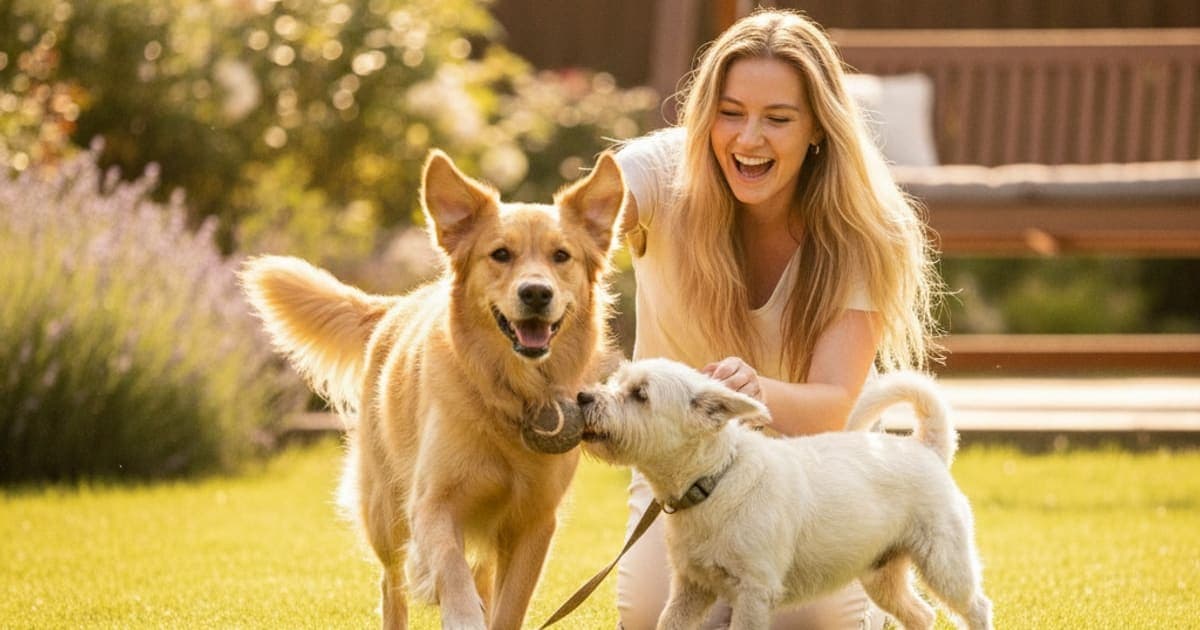
 Amputation Recovery in Dogs: Signs, Causes, What HelpsAmputation recovery in dogs is the healing period after a limb is surgically removed: roughly two weeks of incision healing and intensive pain control, then weeks to months of rebuilding balance and strength on the remaining limbs. Most dogs adapt faster than their owners expect, especially when the limb was already painful.Read the guide →
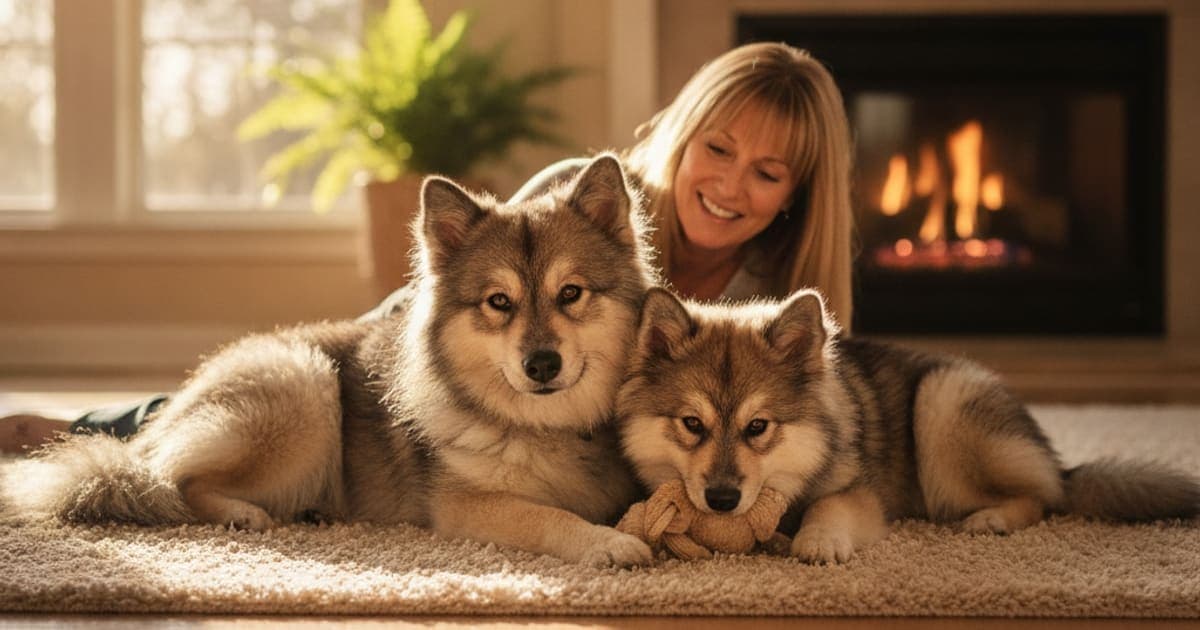 Why Keeshonds Are Prone to Joint ProblemsKeeshonds are prone to joint problems because inherited hip dysplasia and patellar luxation risk sit on top of a compact, well-boned frame and a dense double coat that hides weight gain and muscle loss. Most trouble is developmental or degenerative, so early hands-on checks and a veterinary exam matter more than waiting for a limp.Read the guide →
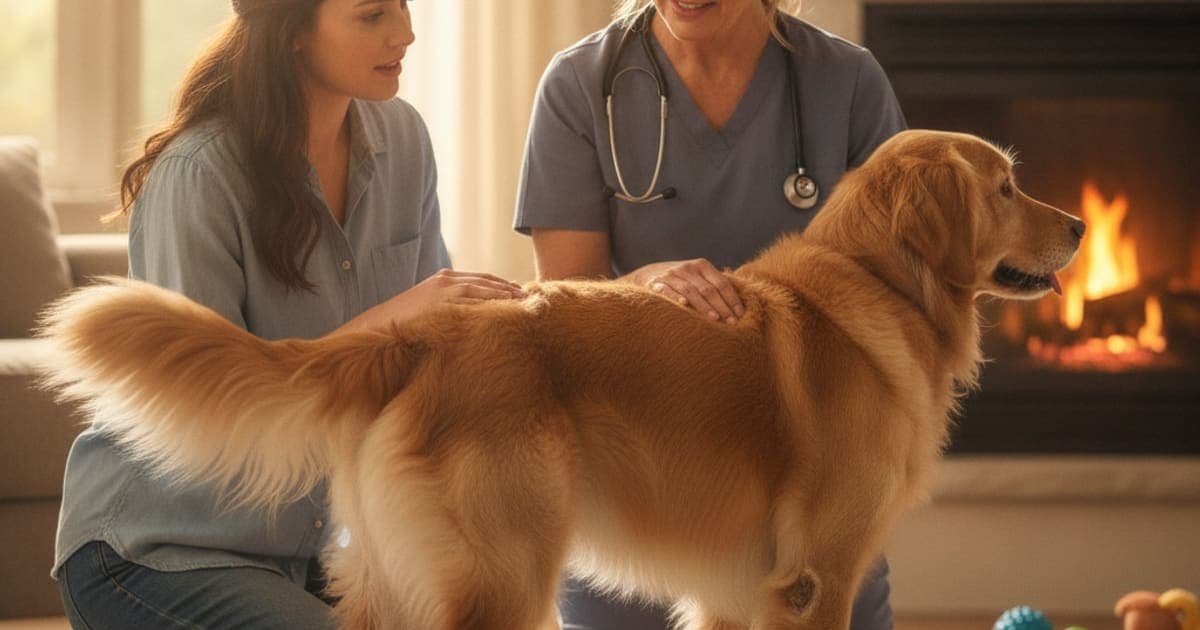 When to Take a Dog to the Vet for Back Leg Muscle LossTake your dog to the vet as soon as you notice visible muscle loss in the back legs — it is a sign of an underlying problem, not a normal part of aging. Book urgently if there is dragging, knuckling, sudden weakness, or loss of bladder control.Read the guide →
 Pressure Sores in Dogs: Signs, Causes and What HelpsPressure sores in dogs are areas of skin and deeper tissue damaged by constant pressure over bony points such as elbows, hips and hocks, most often in seniors, large breeds and dogs on crate rest. They start deep, so early callusing and swelling deserve a veterinary look.Read the guide →
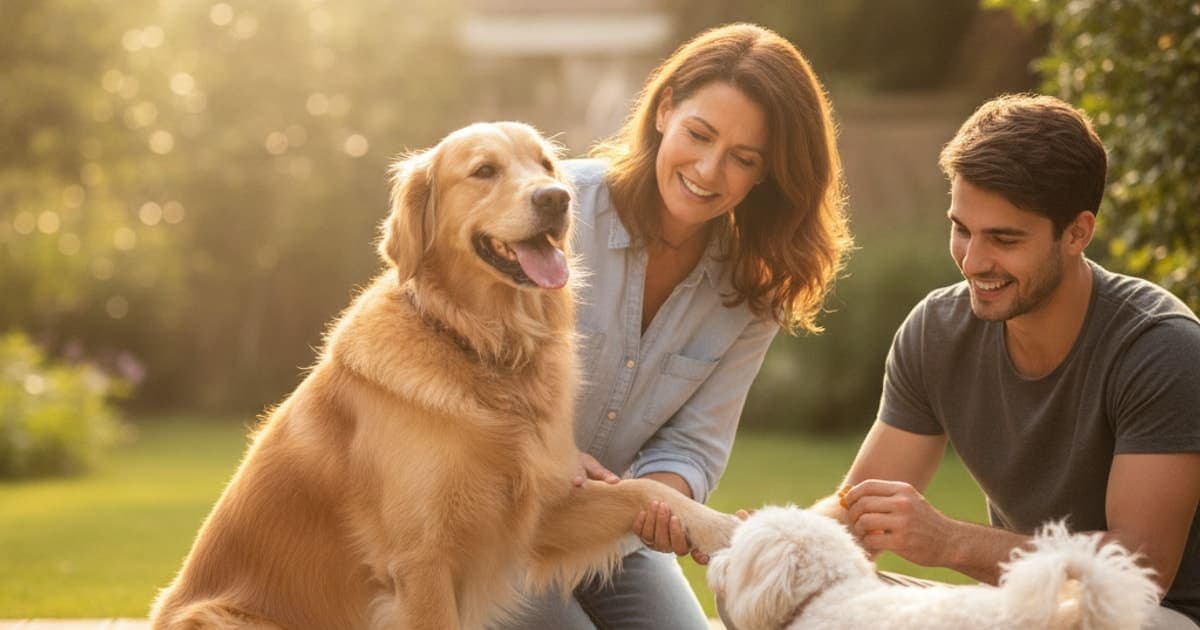 Dog Limping After Exercise: What It Usually MeansA dog limping after exercise is usually reacting to load: a soft-tissue strain, an overworked joint, a small paw injury, or an early ligament problem that only shows under stress. The pattern — which leg, how long it lasts, how it changes with rest — tells you what to do next.Read the guide →
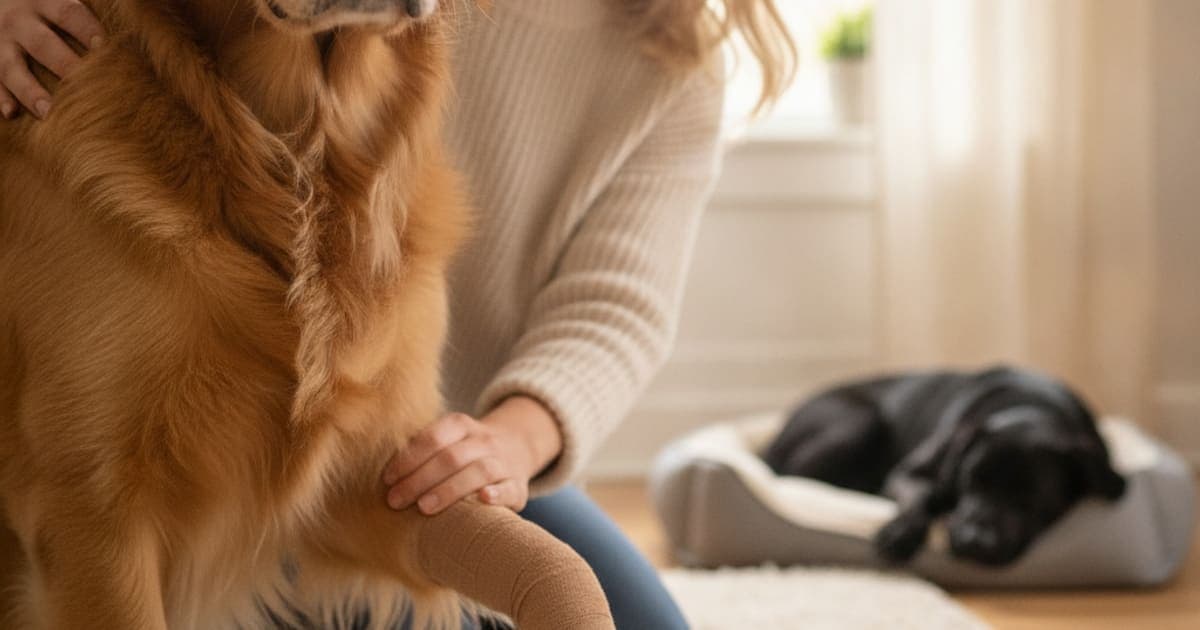 Dog Swollen Joint: What It Usually MeansA swollen joint in a dog usually means inflammation inside or around the joint capsule, most often from injury, degenerative arthritis, infection, or an immune-mediated process. Swelling is a sign, not a diagnosis, and the underlying cause changes everything about what happens next — so it warrants a veterinary exam.Read the guide →
 Dog Scuffing Back Nails: What It Usually MeansDogs scuff their back nails when the hind paws stop clearing the ground during each stride, usually because of pain, weakness or altered nerve signalling in the spine, hips or hind limbs. The worn nail is a symptom; the gait change behind it needs a veterinary exam.Read the guide →
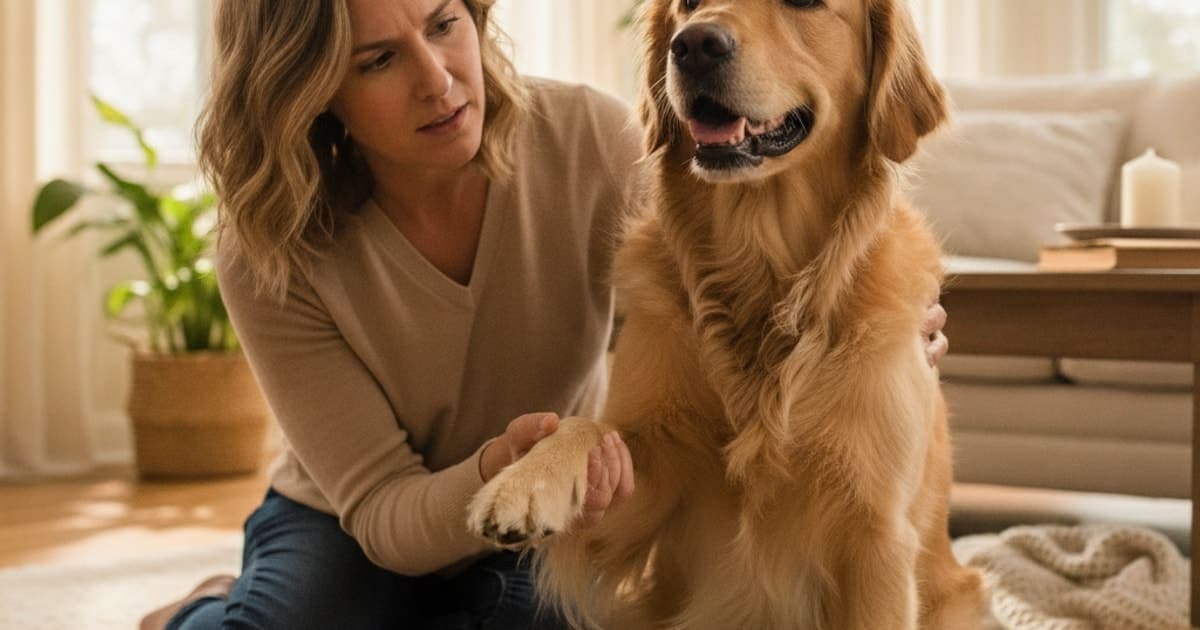 Why Is My Dog Knuckling Over? (Causes and What to Do)Knuckling over — walking on the top of the paw instead of the pad — is usually a neurological sign, not a paw injury. It means the nerve signal telling the foot where it is in space is delayed or interrupted.Read the guide →
 Dog TPLO Surgery Recovery: Realistic TimelineMost dogs need about eight weeks of strict activity restriction after TPLO surgery and roughly three to four months before returning to normal activity, with bone remodelling and muscle rebuilding continuing past that. Recovery pace depends on the dog's size, age, weight and how closely the rehab plan is followed.Read the guide →
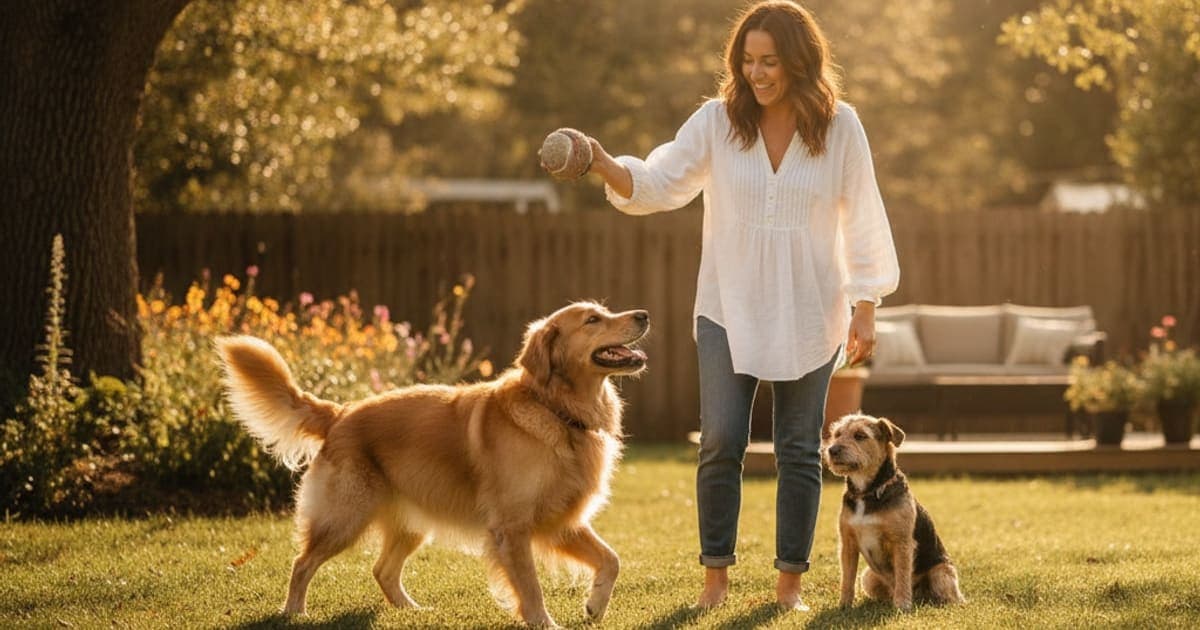 Why Is My Dog Wobbly in the Back End? (Causes Explained)A wobbly back end in a dog usually means something is affecting the hind limbs, hips, spine or the nerves that serve them — commonly arthritis, cruciate injury, hip dysplasia, degenerative myelopathy, intervertebral disc disease or inner-ear balance problems. Sudden weakness, dragging paws or collapse warrants same-day veterinary assessment.Read the guide →
 Why Is My Dog Restless at Night? (Common Causes)Most dogs are restless at night because of pain, age-related brain change, or an unmet physical need. Joints stiffen during rest and darkness strips away distraction, so discomfort that stayed quiet all day surfaces at 2 a.m. Tracking the pattern for a week gives your veterinarian the fastest route to an answer.Read the guide →
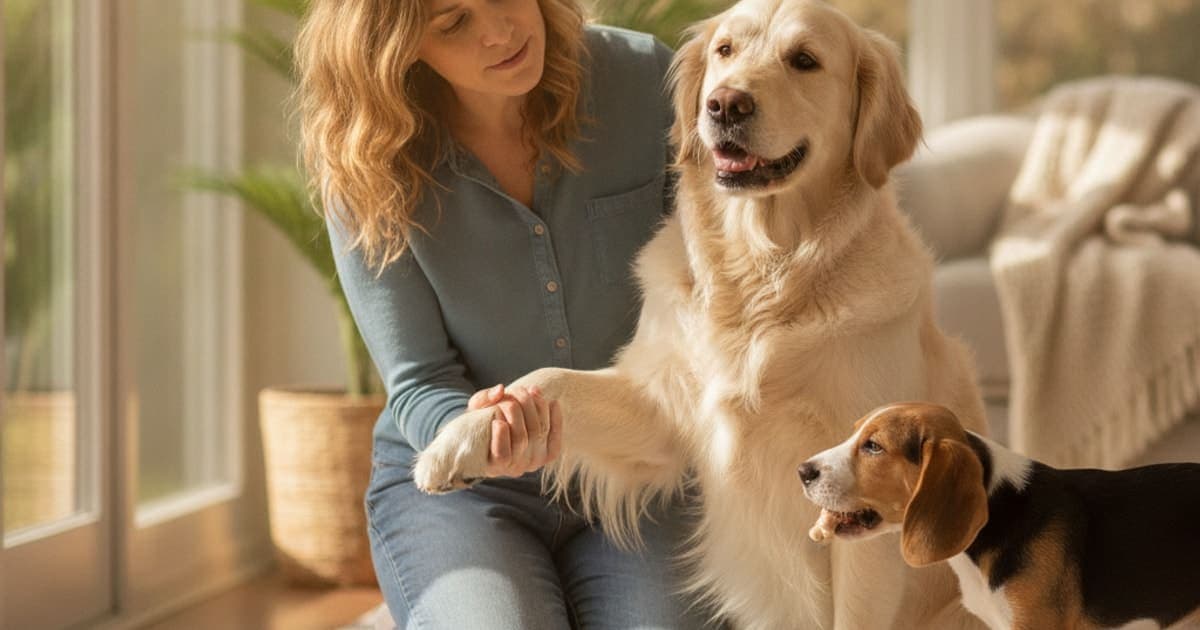 When Should I Take a Dog to the Vet for Warm Joint?Take your dog to the vet the same day if a warm joint is also swollen, painful, or non-weight-bearing, and immediately if there is fever, lethargy, or a wound near the joint. Mild warmth after hard exercise that fades within an hour, with normal movement, can be monitored at home.Read the guide →
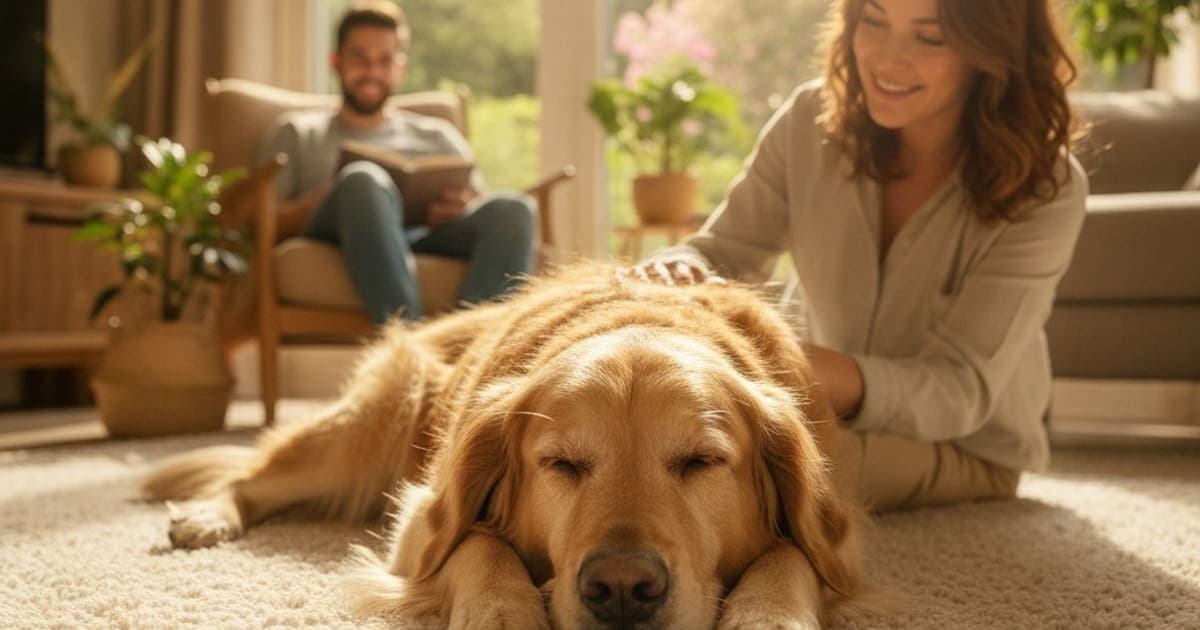 Dog Not Wanting To Play: What It Usually MeansA dog not wanting to play is usually signalling physical discomfort — most often joint, tendon or soft-tissue pain, and sometimes fever, nausea, thyroid or cardiac changes. Play is one of the first behaviours a dog gives up when something hurts, so treat the change as an early symptom worth a veterinary exam.Read the guide →
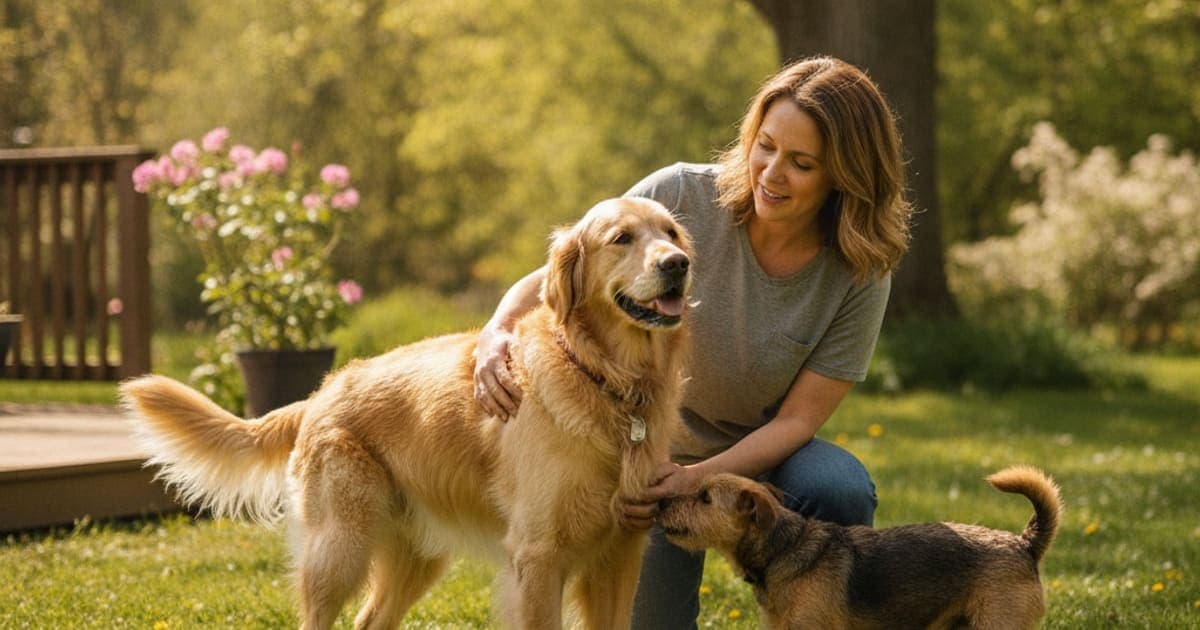 Dog Limping On A Back Leg: What It Usually MeansA dog limping on a back leg most often has a knee, hip, or soft-tissue problem — a cruciate ligament tear, arthritis, a slipped kneecap, or a strain. Sudden severe limping, a dangling leg, or swelling needs same-day veterinary attention rather than watchful waiting.Read the guide →
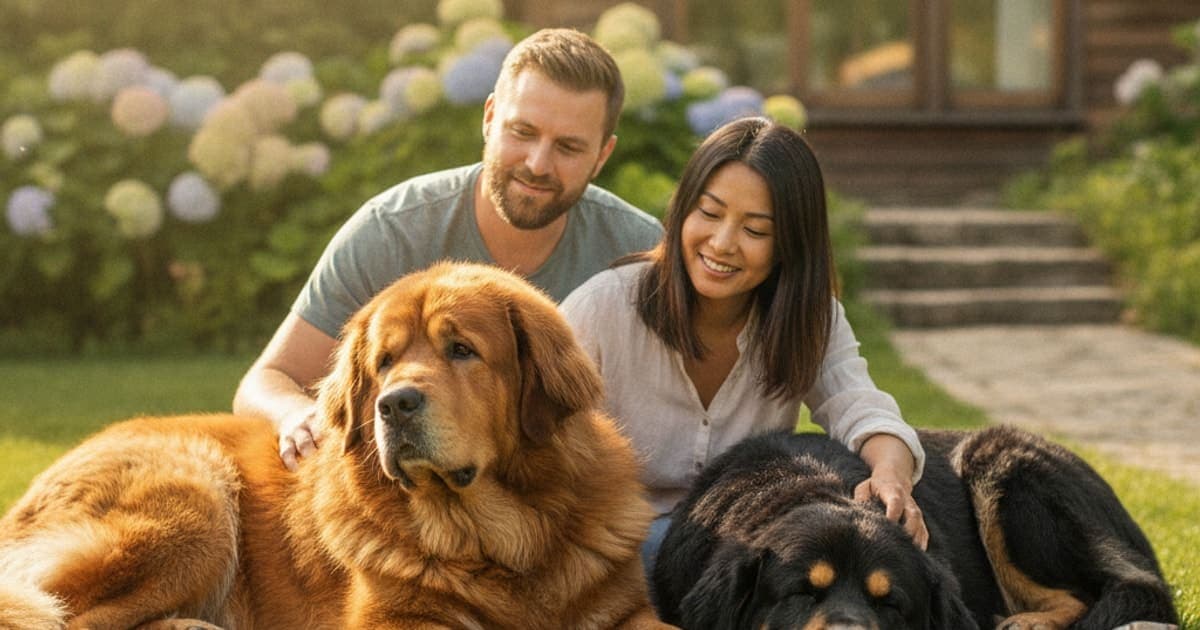 Why Tibetan Mastiffs Are Prone to Joint ProblemsTibetan Mastiffs are prone to joint problems because giant-breed skeletons mature slowly under heavy load, and hip and elbow dysplasia are inherited structural faults that run in guardian-breed lines. Rapid puppy growth, excess weight and dense muscle mass add stress to joints that finish late. Early screening and weight control matter most.Read the guide →
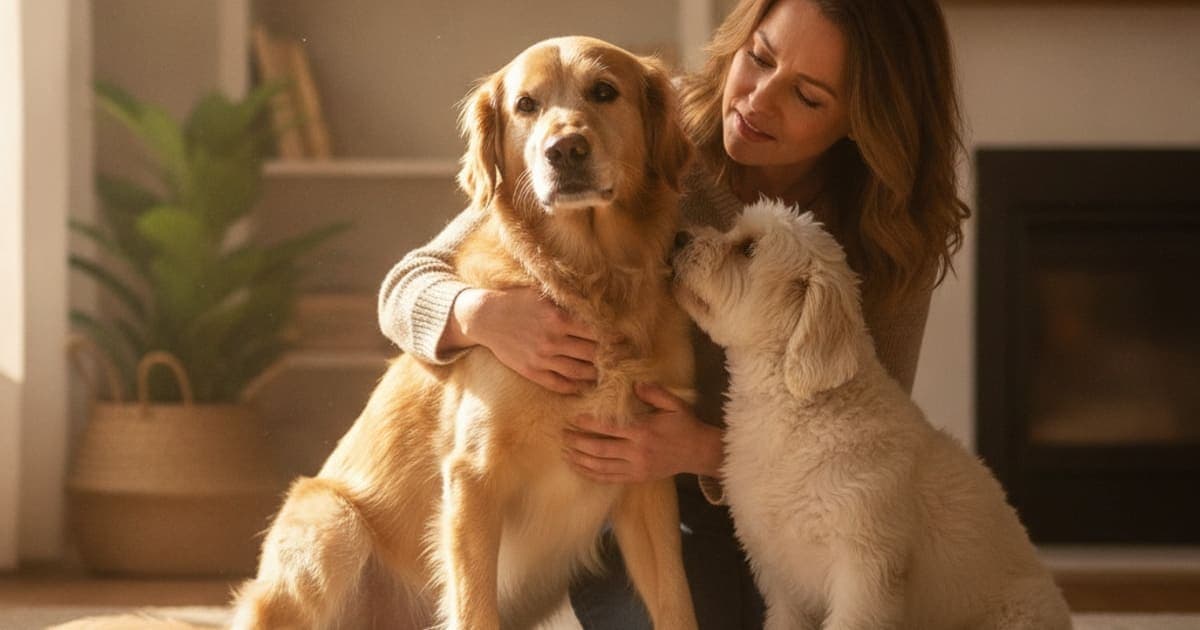 Dog Back Legs Giving Out: What It Usually MeansBack legs giving out in a dog usually points to a spinal or nerve problem, an orthopaedic one such as hip arthritis or a torn cruciate ligament, or a systemic cause like anaemia or heart disease. Sudden collapse, dragging paws or knuckling needs same-day veterinary assessment.Read the guide →
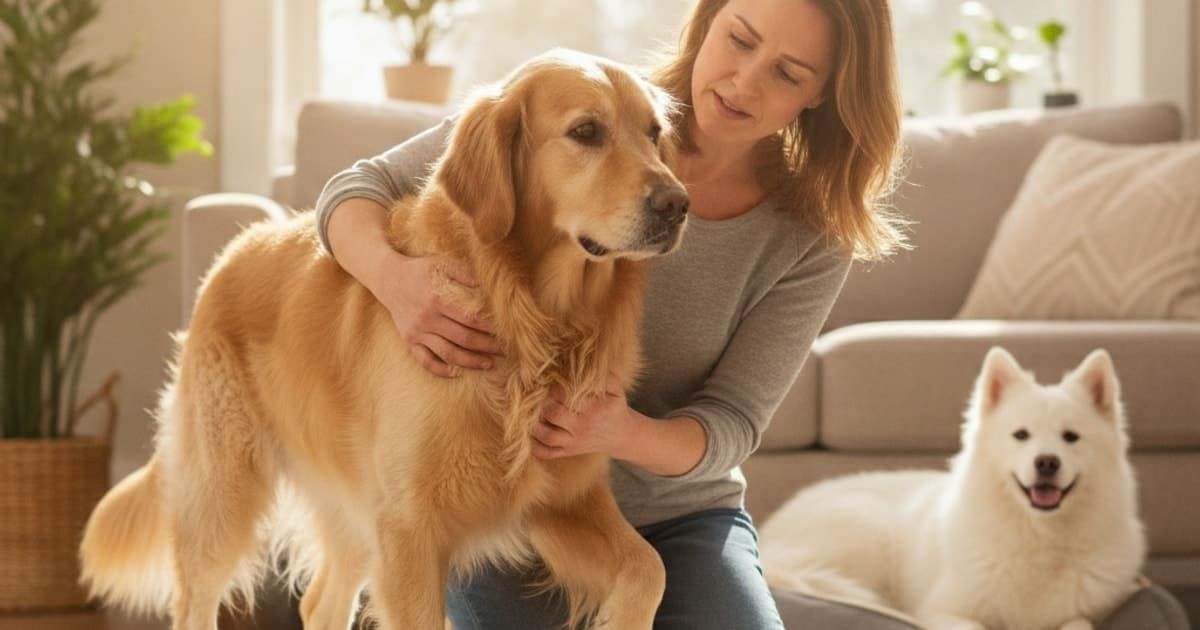 Dog Limping On A Back Leg: When to See a VetTake your dog to the vet the same day if she will not bear weight on the back leg, if the limp began suddenly with a yelp, or if the leg is swollen, hot or crooked. A mild limp that has not eased after one quiet day needs an appointment within 48 hours.Read the guide →
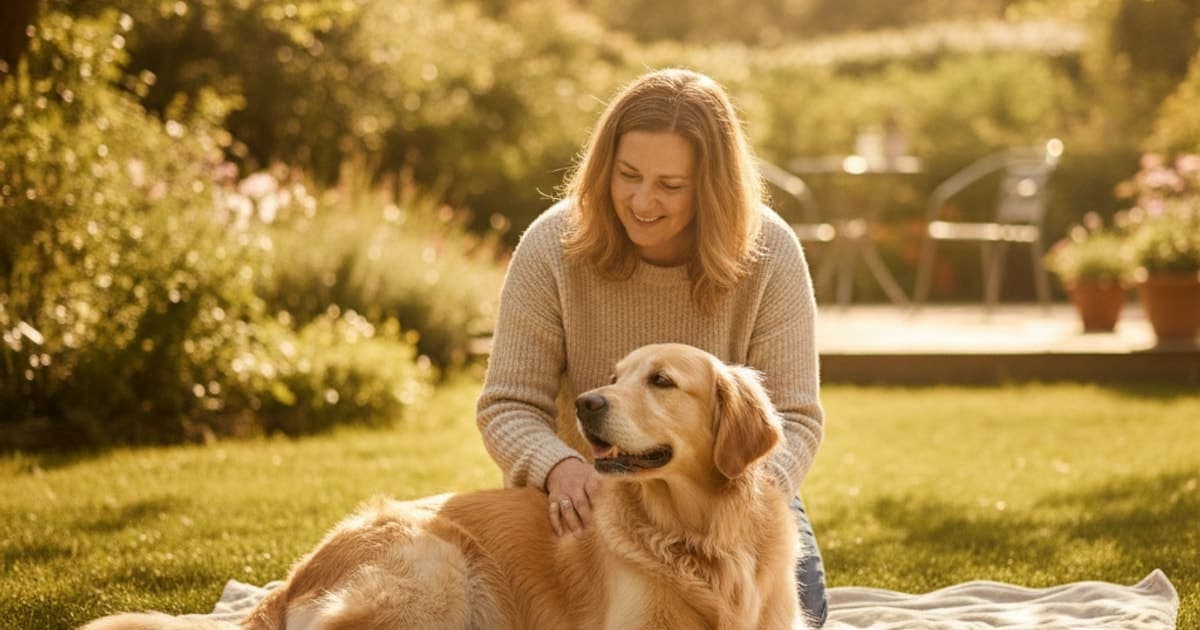 Why Is My Dog Sensitive in the Lower Back? (Causes)A dog that flinches, dips or pulls away when you touch the lower back is signalling pain in that region. Common sources include disc disease, lumbosacral compression, muscle or iliopsoas strain, hip and sacroiliac pain, skin irritation at the tail base, and anal gland discomfort. New sensitivity warrants a veterinary exam.Read the guide →
 When to Take a Dog to the Vet for Front Leg LimpingTake your dog to the vet the same day if a front-leg limp follows a fall, if the leg carries no weight, or if you see swelling, an open wound, a dangling limb or obvious pain. A mild limp that has not cleared within 48 hours also warrants an exam.Read the guide →
 Dog Stiff In The Morning: What It Usually MeansA dog stiff in the morning is usually stiff because arthritic or previously injured joints lose lubrication and warmth during a long night of stillness. Stiffness that eases within minutes of movement most often points to osteoarthritis or an old soft-tissue injury, and it is worth raising with your veterinarian.Read the guide →
 Wound Healing in Dogs: Signs, Causes and What HelpsWound healing in dogs is the body's staged repair process — bleeding stops, inflammation clears debris, new tissue fills the gap, and the scar remodels over weeks to months. How fast it moves depends on the wound type, the dog's age, nutrition, blood supply and whether infection or licking interrupts it.Read the guide →
 Iliopsoas Strain in Dogs: Signs, Causes and What HelpsIliopsoas strain in dogs is an injury to the hip flexor muscle group that runs from the lower spine to the inner thigh, most often from over-stretching or repetitive overload. Signs include limping, a shortened stride, reluctance to jump, and yelping when the hip is extended.Read the guide →
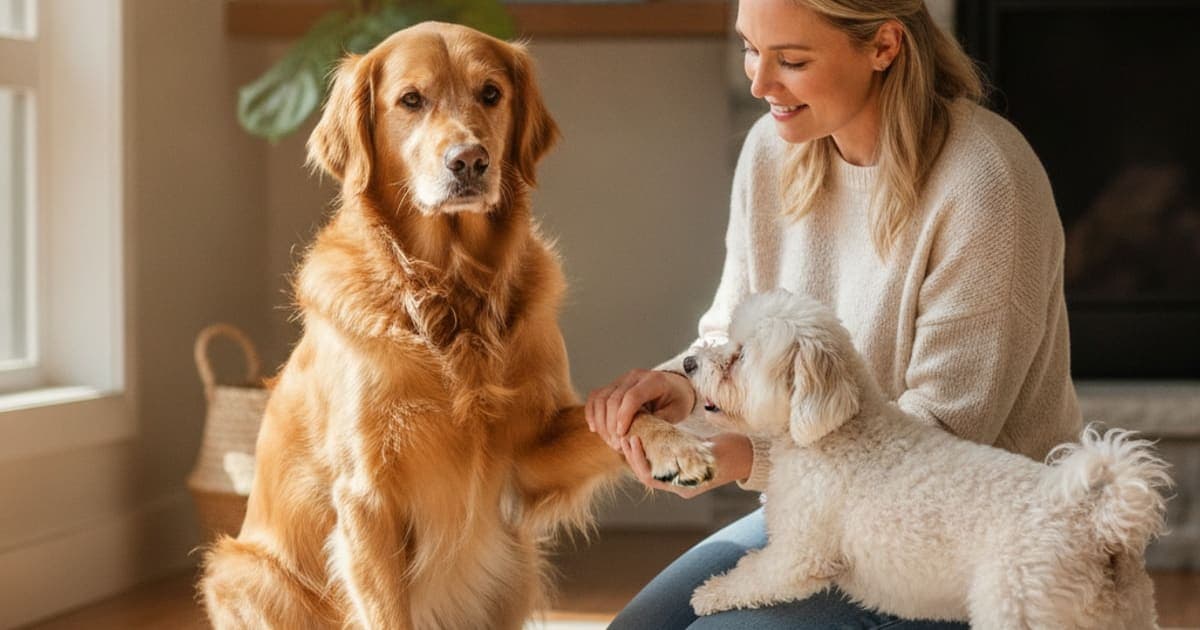 Why Is My Dog Limping on a Front Leg? (Common Causes)A dog limping on a front leg most often has a soft-tissue injury — a strained shoulder, biceps or supraspinatus tendon — or something lodged in the paw, though elbow arthritis, elbow dysplasia, nerve compression and bone disease also present this way. Non-weight-bearing limping, swelling or sudden collapse warrants same-day veterinary attention.Read the guide →
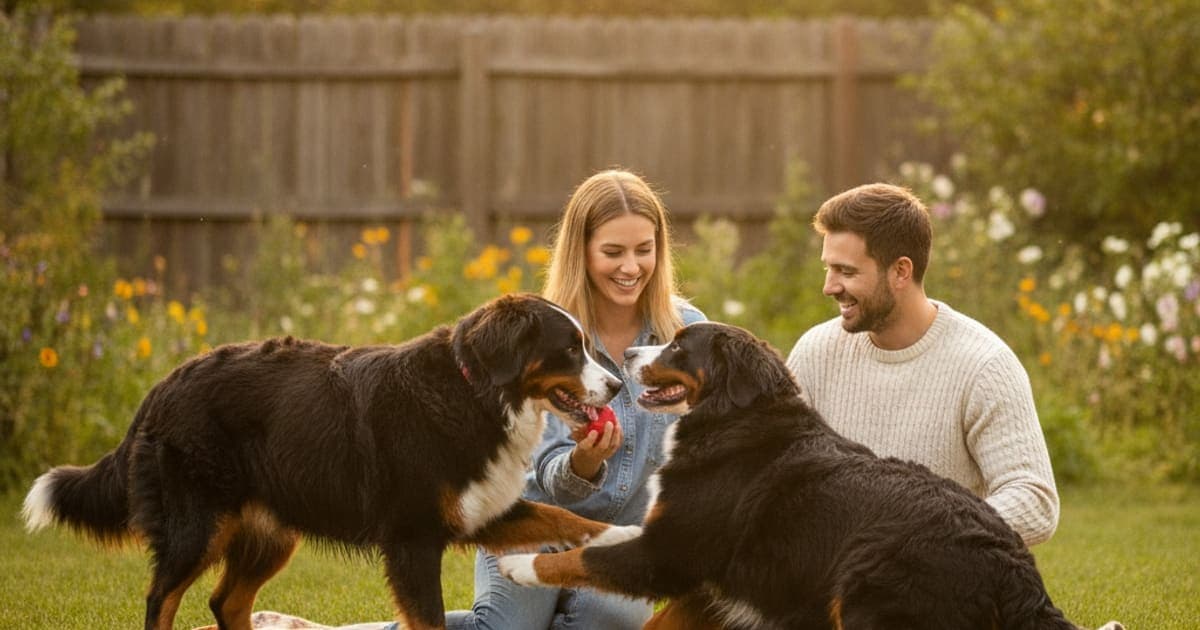 Why Bernese Mountain Dogs Are Prone to Joint ProblemsBernese Mountain Dogs are prone to joint problems because three risk factors stack in one dog: inherited hip and elbow laxity, a long giant-breed growth curve that adds mass faster than the skeleton matures, and a heavy adult frame that loads cartilage and ligaments daily. Screening, lean body condition and veterinary guidance matter most.Read the guide →

The pawgen library · 3,678 guides
Dog mobility, joints and recovery
Plain-English guides on joint pain, injury recovery and what actually helps aging and active dogs. Written to answer the question, not to pad a word count.