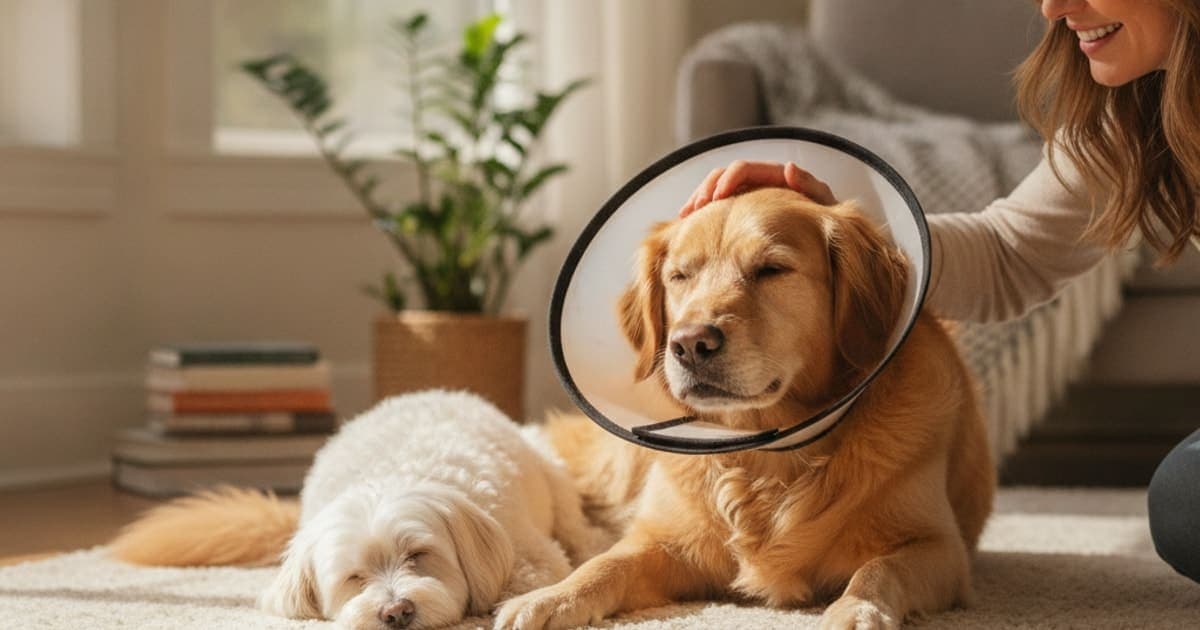
 Post-Surgical Recovery in Dogs: Signs, Causes, SupportPost-surgical recovery in dogs is the structured healing period after an operation, when cut, drilled or repaired tissue rebuilds itself through inflammation, tissue building and remodelling. It depends on strict activity restriction, pain control, incision care and the recheck schedule your surgeon sets. Nutrition, rehab and targeted support work inside that window.Read the guide →
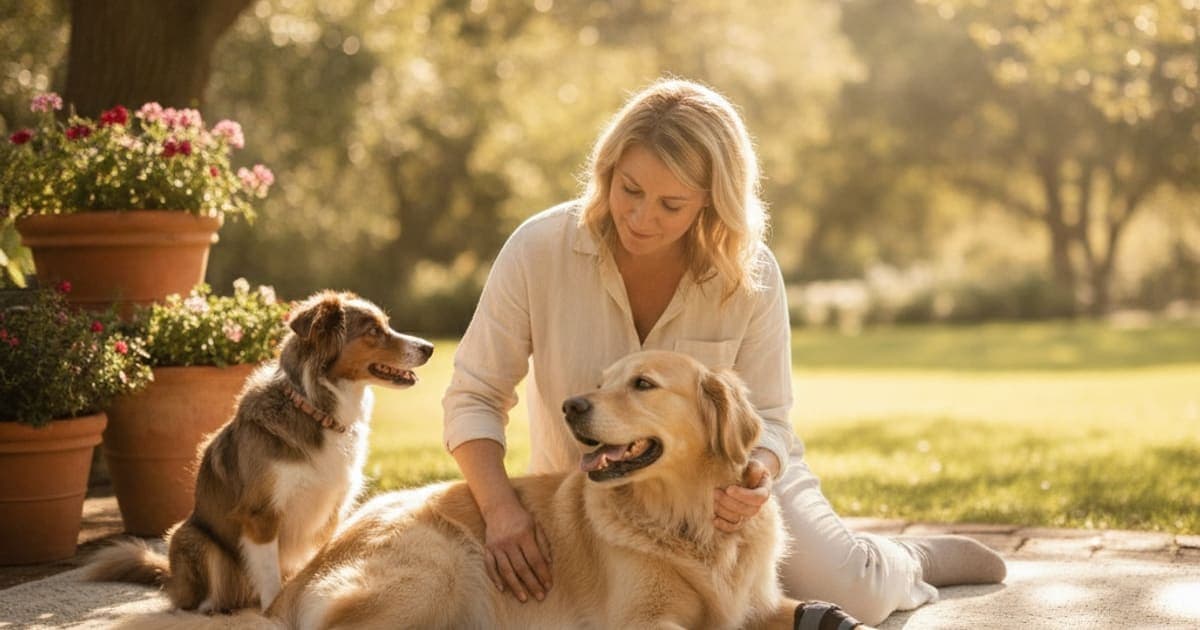 Dog Torn Ligament Recovery Time: Realistic ExpectationsMost dogs with a surgically repaired torn ligament move through recovery in phases across several months, with a longer tail before full athletic function returns. Conservative management usually takes longer and depends heavily on the dog's size and activity. Your surgeon's protocol, not a calendar average, sets the real schedule.Read the guide →
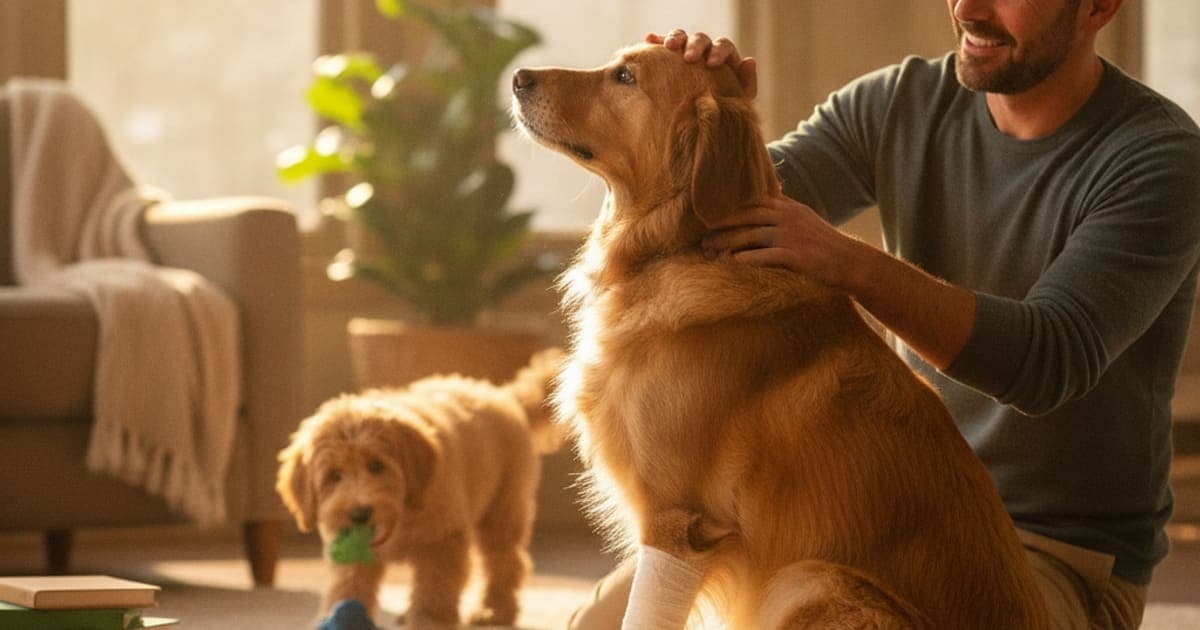 Achilles Tendon Injury in Dogs: Signs, Causes and What HelpsAn Achilles tendon injury in dogs is damage to the common calcaneal tendon, the tendon group running down the back of the hind leg to the point of the hock. It can tear partially, rupture fully, pull away from the bone, or degenerate gradually — and it usually shows as a dropped hock.Read the guide →
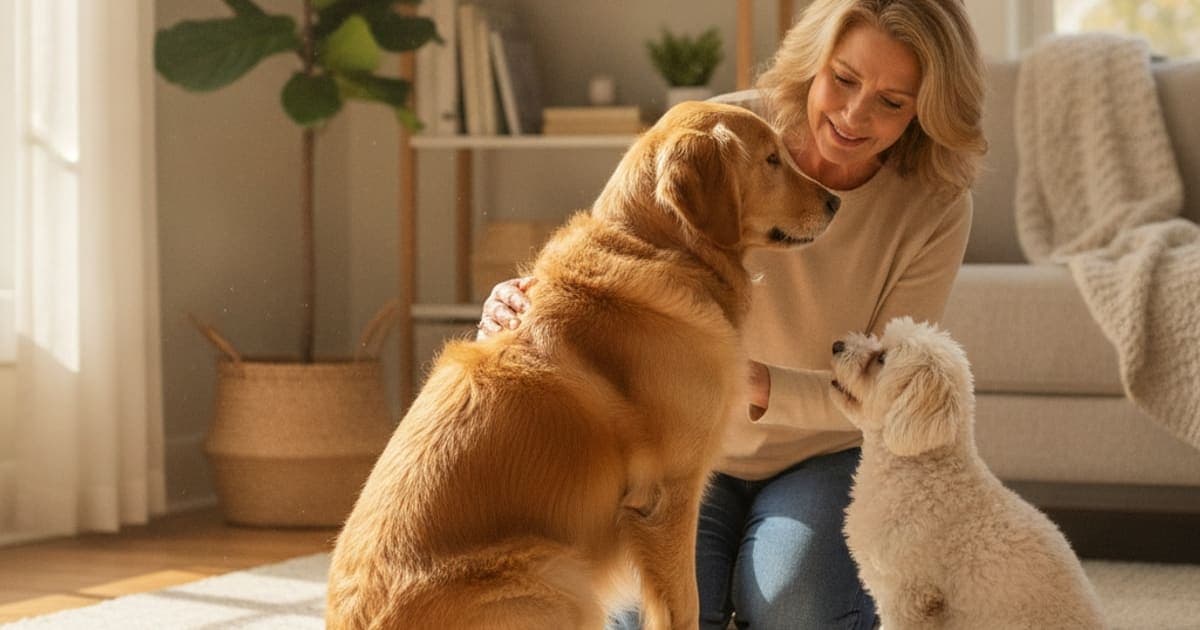 When Should I Take a Dog to the Vet for Hunched Back?Take your dog to the vet the same day a hunched back appears, and immediately if it comes with crying out, wobbliness, dragging paws, a hard or bloated belly, repeated retching, or reluctance to move. A hunched posture is a pain-and-guarding signal, not a habit, and the cause determines urgency.Read the guide →
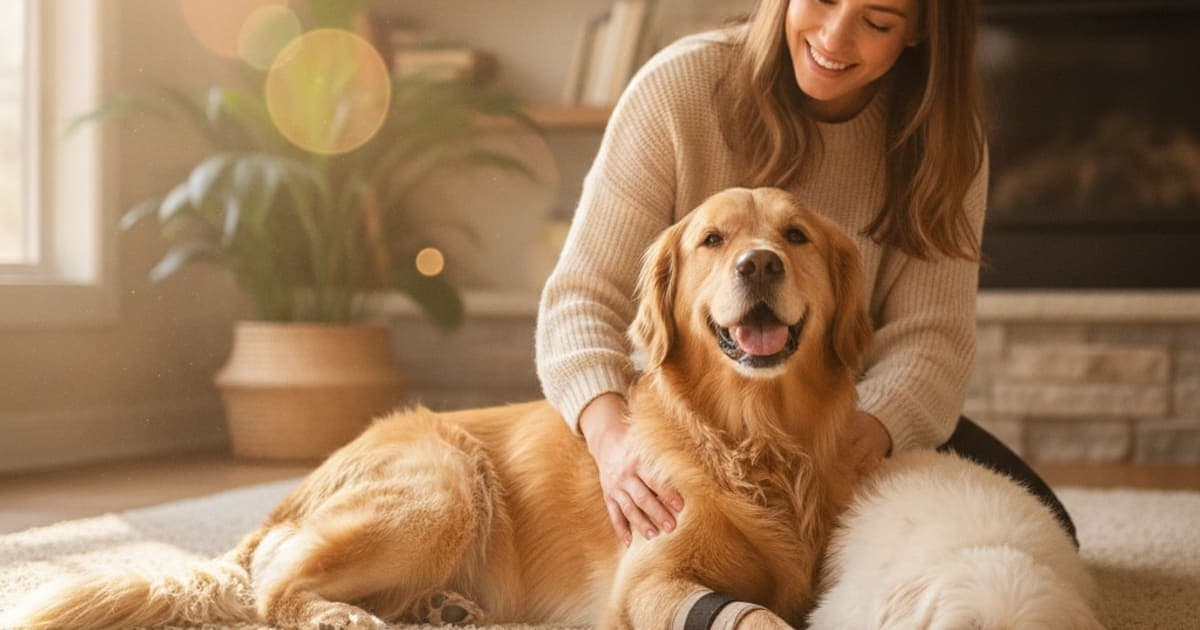 Dog Luxating Patella Recovery Time: What to ExpectSurgically corrected luxating patella usually means roughly eight to twelve weeks of restricted activity, with a full return to running and jumping often taking four to six months. Dogs managed without surgery follow an ongoing management timeline instead. Grade, body weight, age and confinement discipline shift those windows considerably.Read the guide →
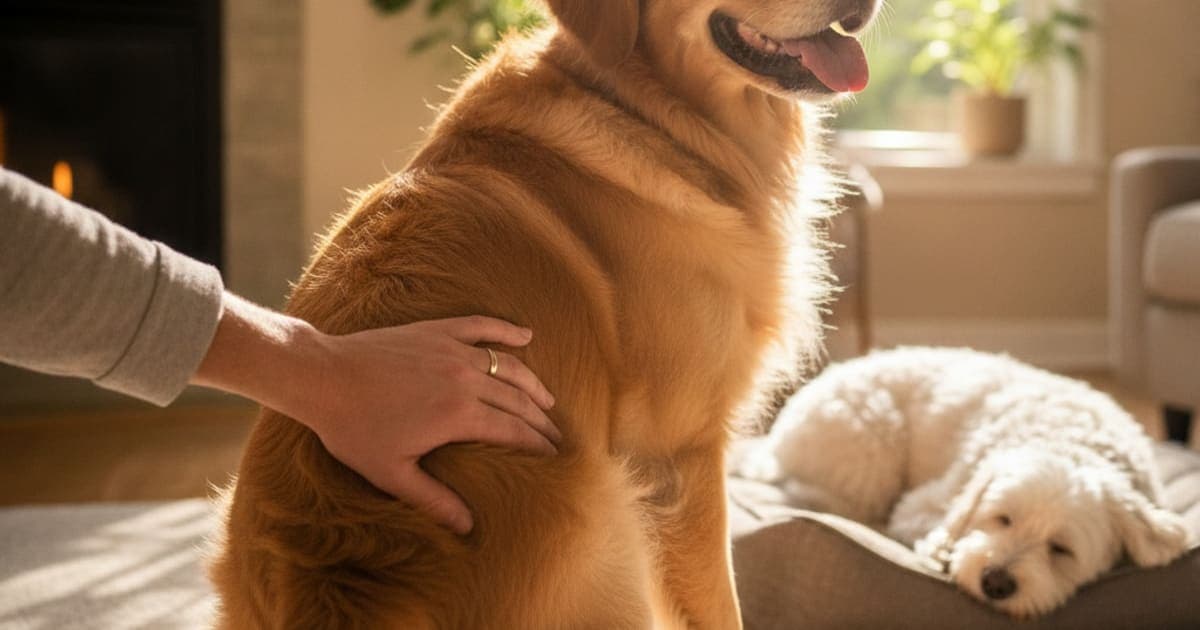 Meniscus Tear in Dogs: Signs, Causes and What HelpsA meniscus tear in dogs is damage to the crescent-shaped cartilage pads cushioning the knee joint, most often the medial meniscus, and usually a consequence of cranial cruciate ligament failure. It causes sudden, severe lameness and sometimes an audible click. Diagnosis and the treatment plan belong with your veterinarian.Read the guide →
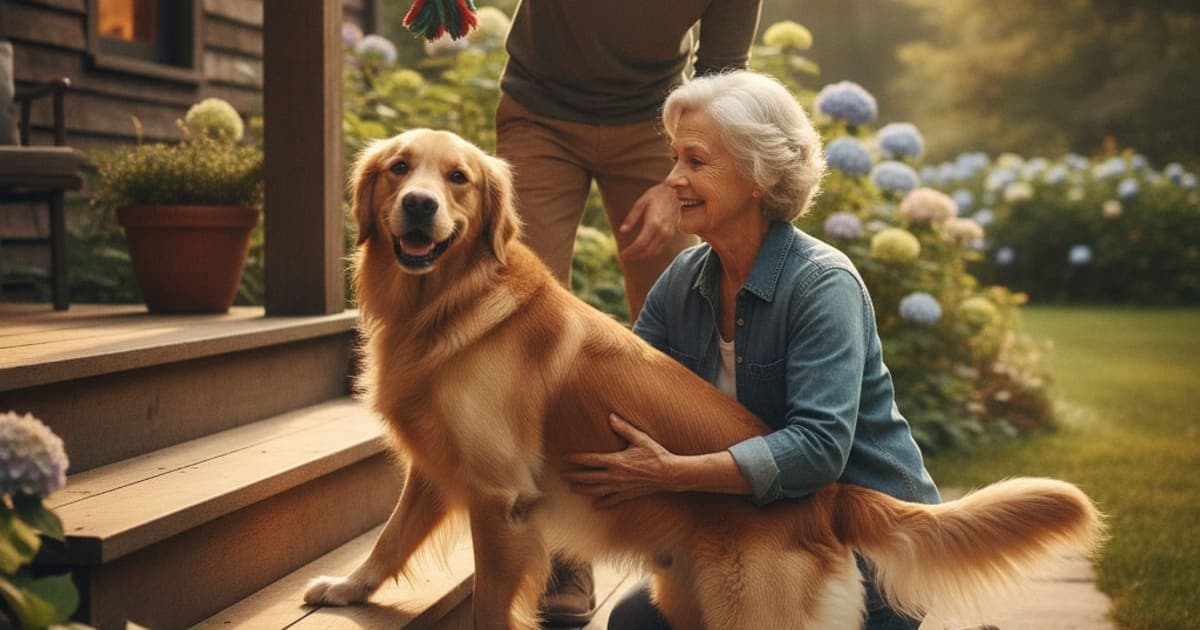 Dog Trouble With Stairs: What It Usually MeansA dog having trouble with stairs is usually signalling pain, weakness or instability in the back half of the body — hips, knees, lower spine, or the muscles supporting them. Stairs load one limb at a time through a deep bend, so they expose problems long before flat-ground walking does.Read the guide →
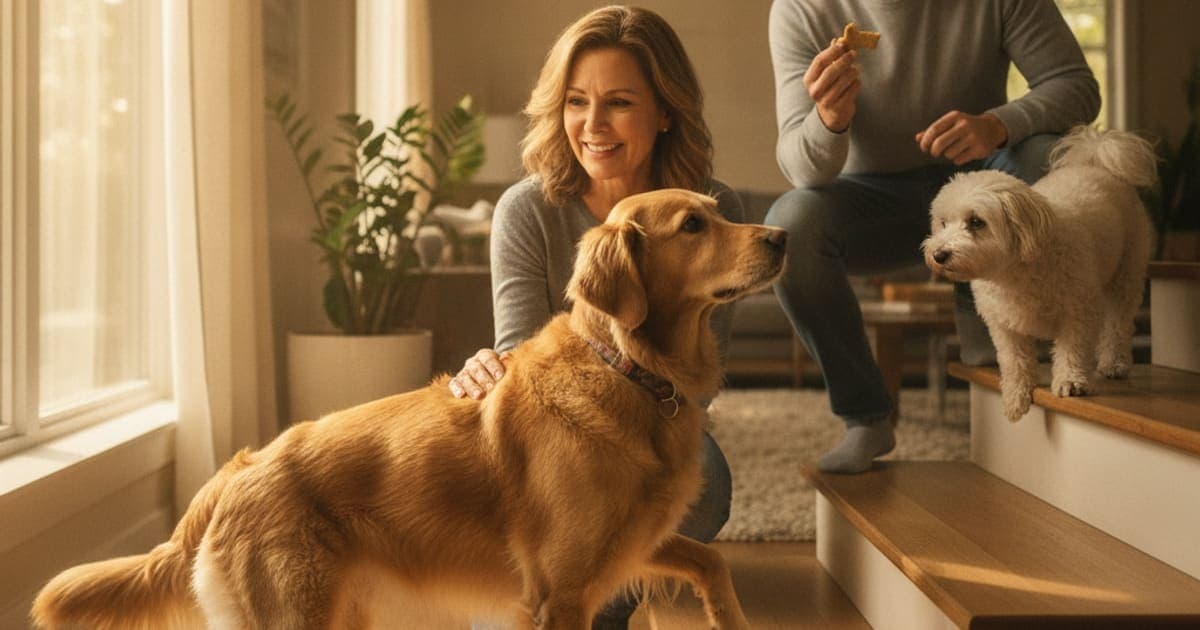 Why Is My Dog Reluctant to Go Up Stairs? (Common Causes)A dog that suddenly avoids stairs is almost always avoiding pain or distrusting its footing. Hip and elbow arthritis, cruciate ligament injury, lumbosacral nerve pain, age-related muscle loss and fading vision are the usual causes. Stair refusal is a mobility signal, not stubbornness, and it deserves a veterinary exam.Read the guide →
 Dog Panting At Night: What It Usually MeansDogs pant at night for a handful of common reasons: pain or discomfort, a room that is too warm, anxiety, or an underlying hormonal, respiratory or heart problem. Panting that is new, heavy, or keeps your dog from settling deserves a veterinary exam rather than a wait-and-see night.Read the guide →
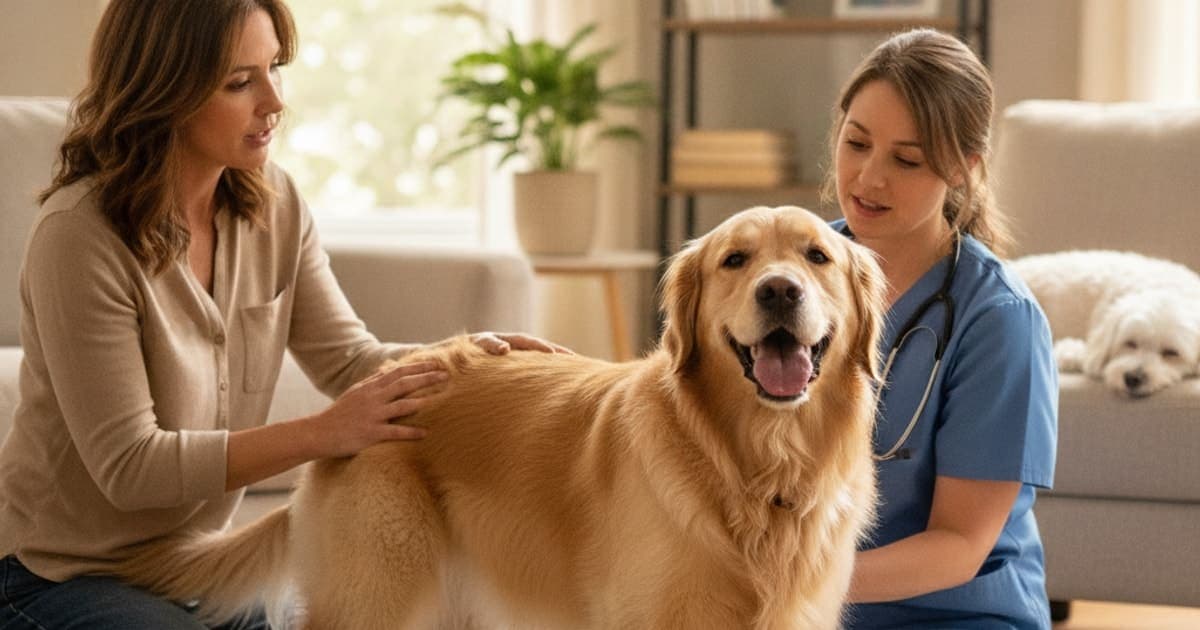 When Should I Take a Dog to the Vet for Bunny Hopping?Book a veterinary exam within a week of noticing a bunny-hopping gait, and go the same day if it appeared suddenly, followed a fall, or comes with yelping, trouble rising, or an unwillingness to bear weight. Bunny hopping usually reflects pain or instability in both hips, knees or the lower spine.Read the guide →
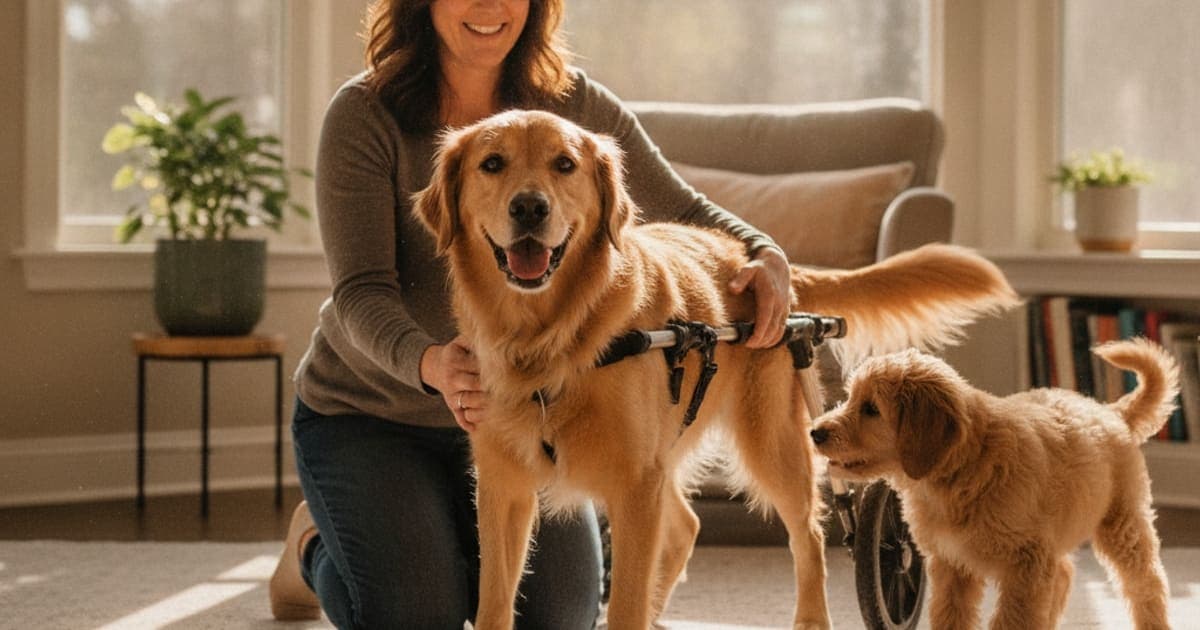 Dog Degenerative Myelopathy Recovery Time: What to ExpectDegenerative myelopathy is progressive and does not heal, so there is no recovery window — veterinary literature generally describes roughly six to twelve months from the first dragging paw to loss of hind-limb walking, though individual dogs vary widely. Rehab and consistent daily management shape how long mobility lasts.Read the guide →
 Obesity Joint Strain in Dogs: Signs, Causes and What HelpsObesity joint strain in dogs is the cumulative mechanical and inflammatory load that excess body weight places on joints, tendons and ligaments. Every extra pound multiplies force through the hips, stifles and elbows, and fat tissue itself releases inflammatory signals. The result is stiffness, slowing down and faster cartilage wear.Read the guide →
 Dog Wobbler Syndrome Recovery Time: Realistic ExpectationsWobbler syndrome recovery time depends on the treatment path. Dogs on medical management often show gait changes within weeks of strict rest and prescribed anti-inflammatories. After surgical decompression, most dogs make their largest neurological gains in the first one to two months and keep improving for three to six months or longer.Read the guide →
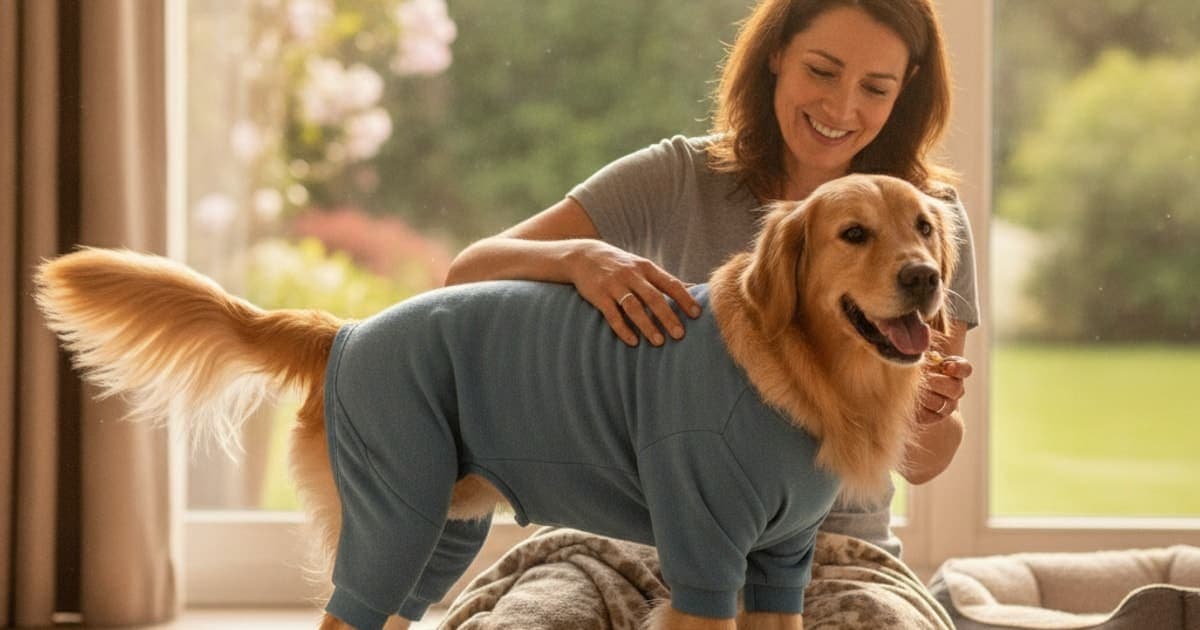 Cruciate Surgery Recovery in Dogs: Signs and What HelpsCruciate surgery recovery in dogs is the controlled healing period after a cranial cruciate ligament repair, when bone, joint capsule and soft tissue remodel and the leg relearns to carry weight. It is measured in months rather than weeks, and outcomes depend heavily on how strictly activity is managed.Read the guide →
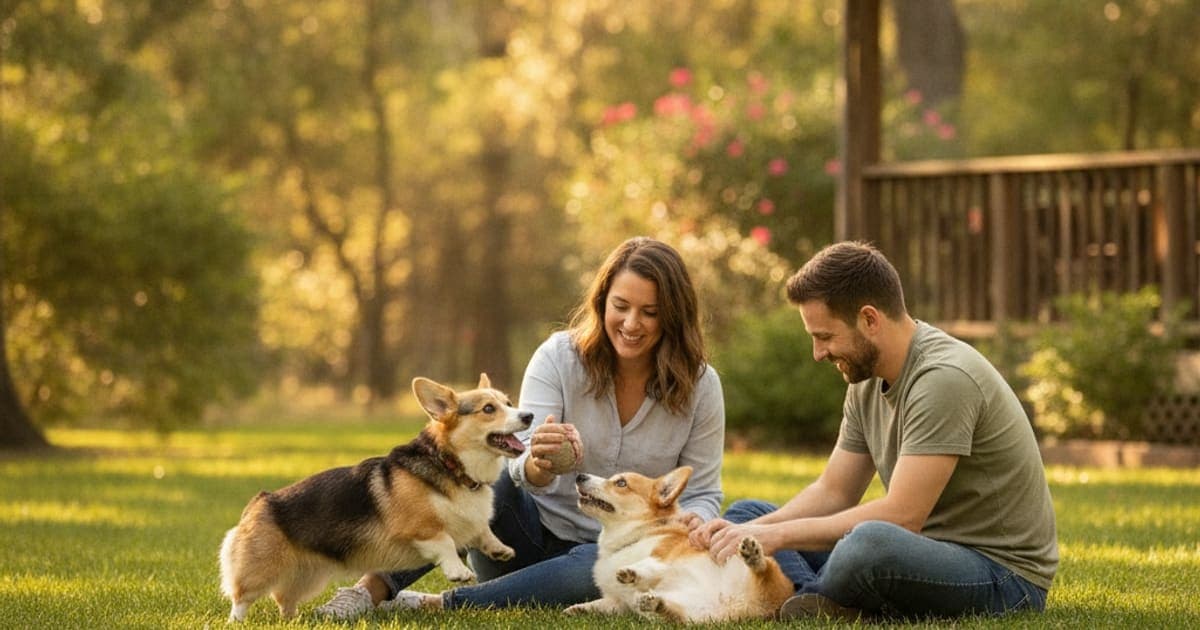 Why Corgis Are Prone to Joint ProblemsCorgis are prone to joint problems because they are chondrodysplastic — a full-size dog's body and long spine carried on shortened, curved legs. That build loads the hips, elbows, shoulders and spinal discs unevenly, so hip dysplasia, elbow problems and disc disease appear more often than in proportionate breeds.Read the guide →
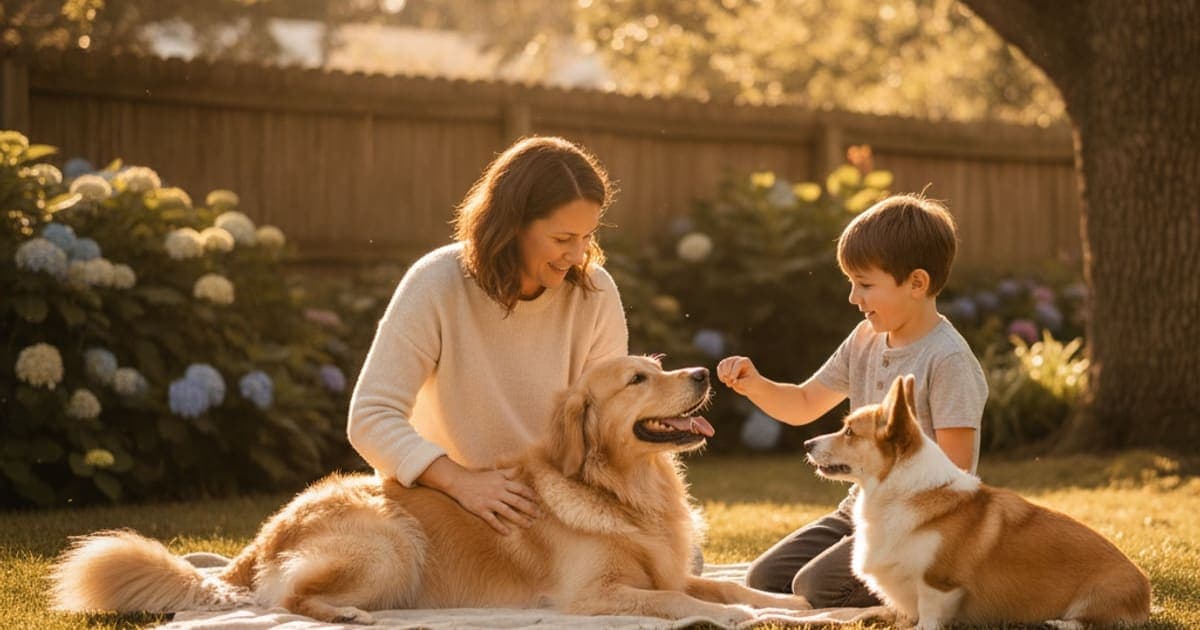 Muscle Atrophy in Dogs: Signs, Causes and What HelpsMuscle atrophy in dogs is the loss of muscle mass and strength, most often in a limb the dog has stopped loading normally because of pain, injury, nerve damage or age. It shows up as visible thinning, usually over the thigh, shoulder or skull, and it responds to addressing the underlying cause.Read the guide →
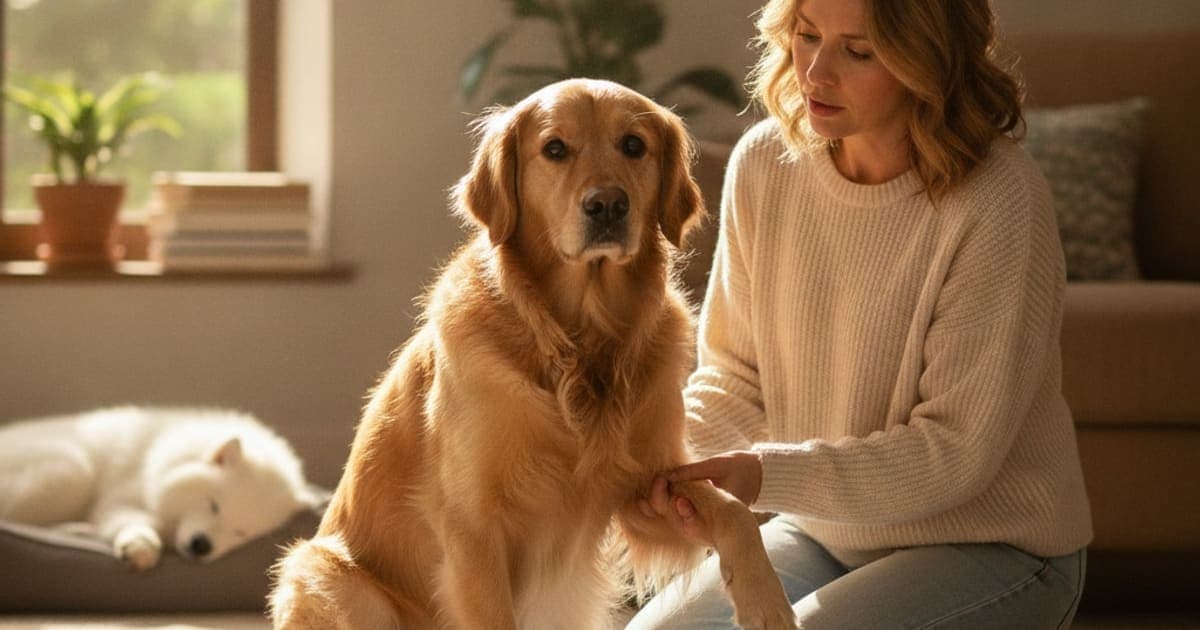 Dog Limping On A Front Leg: What It Usually MeansA dog limping on a front leg is usually dealing with a soft-tissue strain, a paw injury, or a problem in the shoulder or elbow. Sudden limps after hard play suggest acute injury; a limp that built up over weeks points toward joint or tendon wear. A veterinary exam separates them.Read the guide →
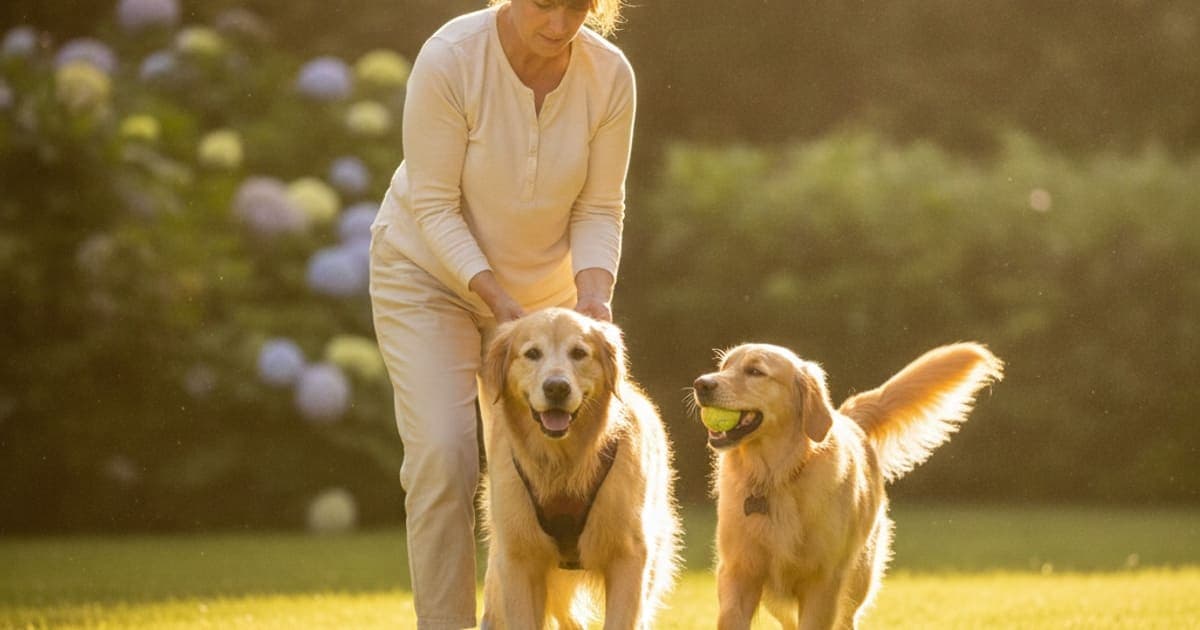 Dog Hip Weakness Recovery Time: Realistic ExpectationsMost dogs with hip weakness show meaningful change within two to six weeks when the cause is a soft-tissue strain or early arthritic change, while recovery after hip surgery is commonly staged across three to six months of rehab. The underlying diagnosis, your dog's age and body weight set the clock.Read the guide →
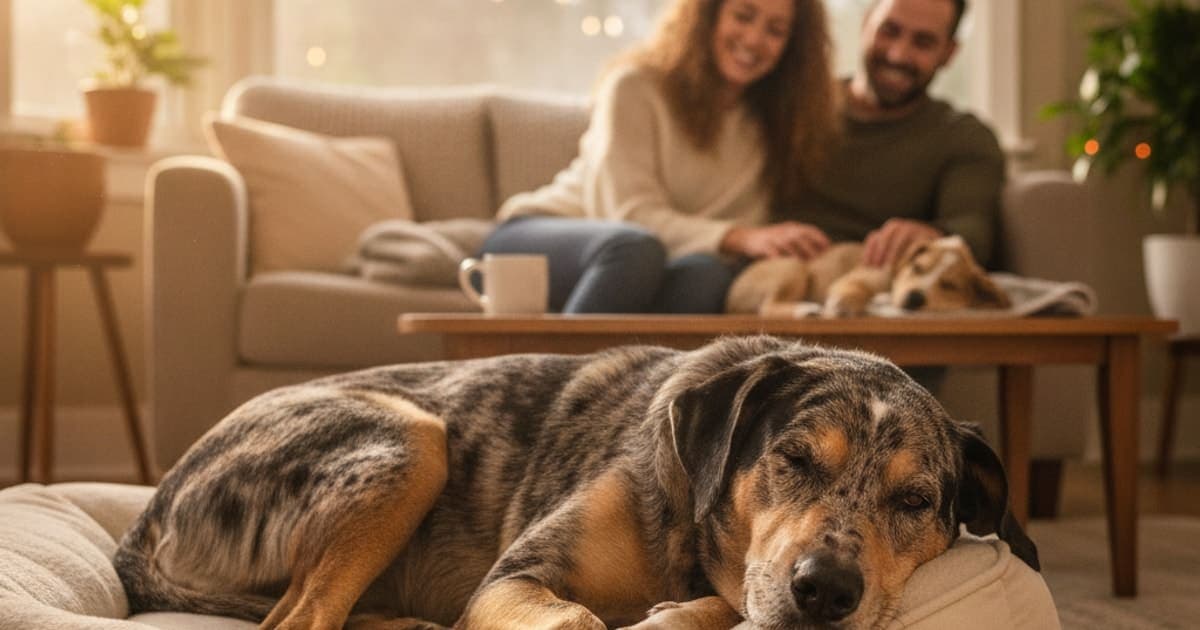 Why Catahoula Leopard Dogs Are Prone to Joint ProblemsCatahoula Leopard Dogs are prone to joint problems because heritable hip and elbow dysplasia meets a high-drive working body that sprints, turns and jumps on hard ground. Rapid puppy growth, excess weight and repetitive impact compound that risk, and mobility changes often appear years before an owner notices a limp.Read the guide →
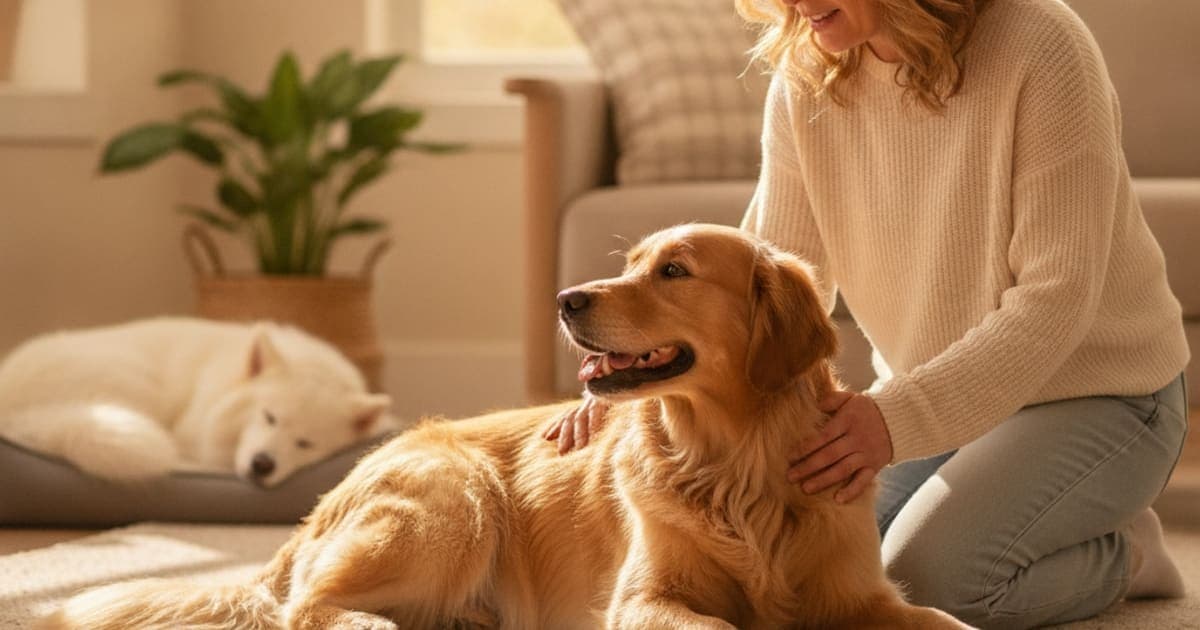 Dog Sensitive Lower Back: What It Usually MeansA dog's sensitive lower back usually means pain from the spine or the soft tissue around it — an irritated disc, a strained lumbar or iliopsoas muscle, an inflamed lumbosacral junction, or hip and knee problems forcing the low back to overwork. Sudden tenderness with wobbly back legs needs same-day veterinary assessment.Read the guide →
 Degenerative Myelopathy in Dogs: Signs and What HelpsDegenerative myelopathy in dogs is a progressive, non-painful degeneration of the spinal cord that causes hind-limb weakness, wobbling and eventual loss of use. It is most often linked to a mutation in the SOD1 gene, usually appears in older dogs, and is managed with rehabilitation and supportive care.Read the guide →
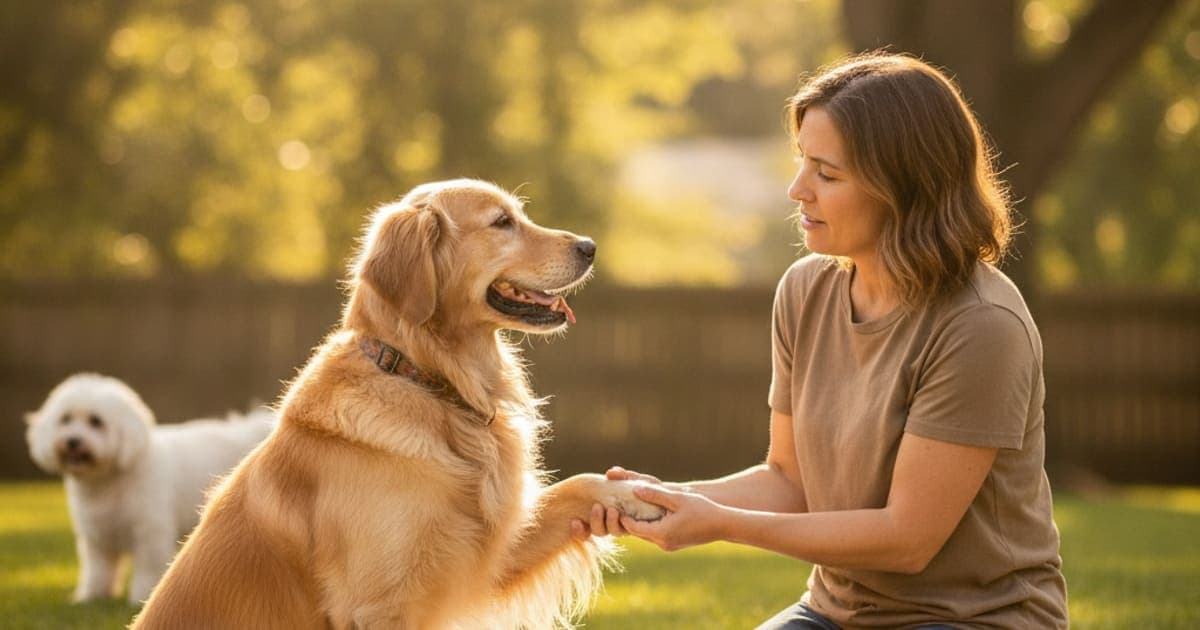 Dog Limping But Not In Pain: When to See a VetBook a veterinary exam for any limp that lasts more than a day or two, and call the same day if your dog won't bear weight, has a hot or swollen joint, or seems unwell. Dogs hide pain well, so a painless-looking limp is still a limp worth investigating.Read the guide →
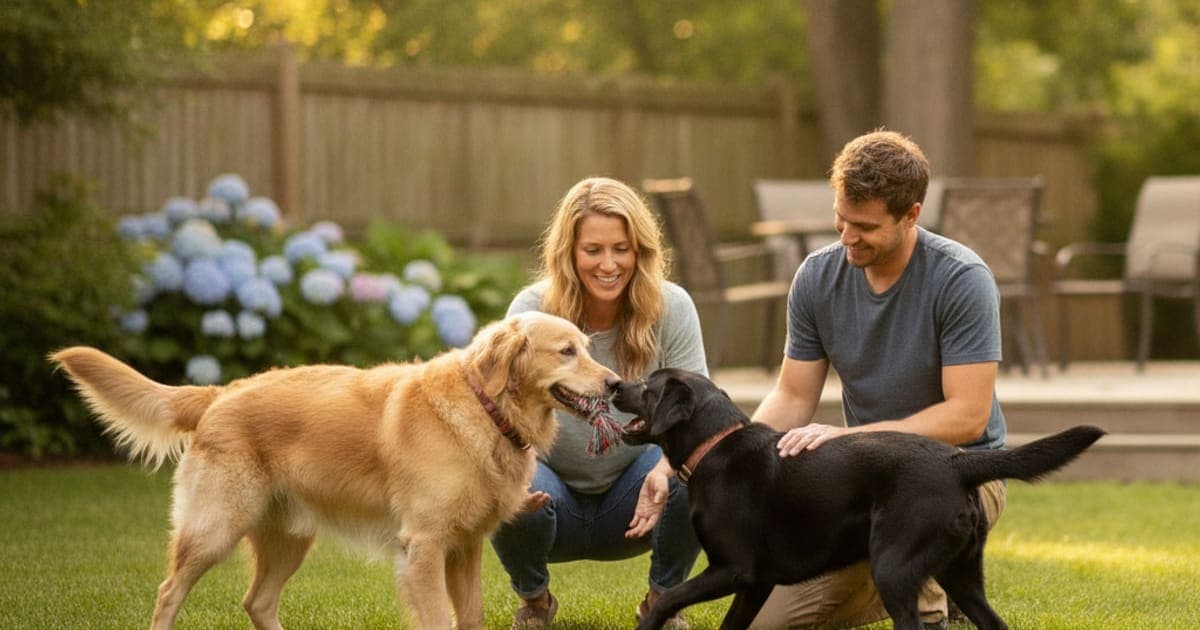 Dog Dragging Back Paws: What It Usually MeansA dog dragging its back paws is usually signalling a nerve or spinal cord problem rather than simple stiffness, because the hind limbs lose their sense of position first. Disc disease, degenerative myelopathy and vascular spinal events are common explanations. Sudden dragging, or dragging with incontinence, needs same-day veterinary attention.Read the guide →
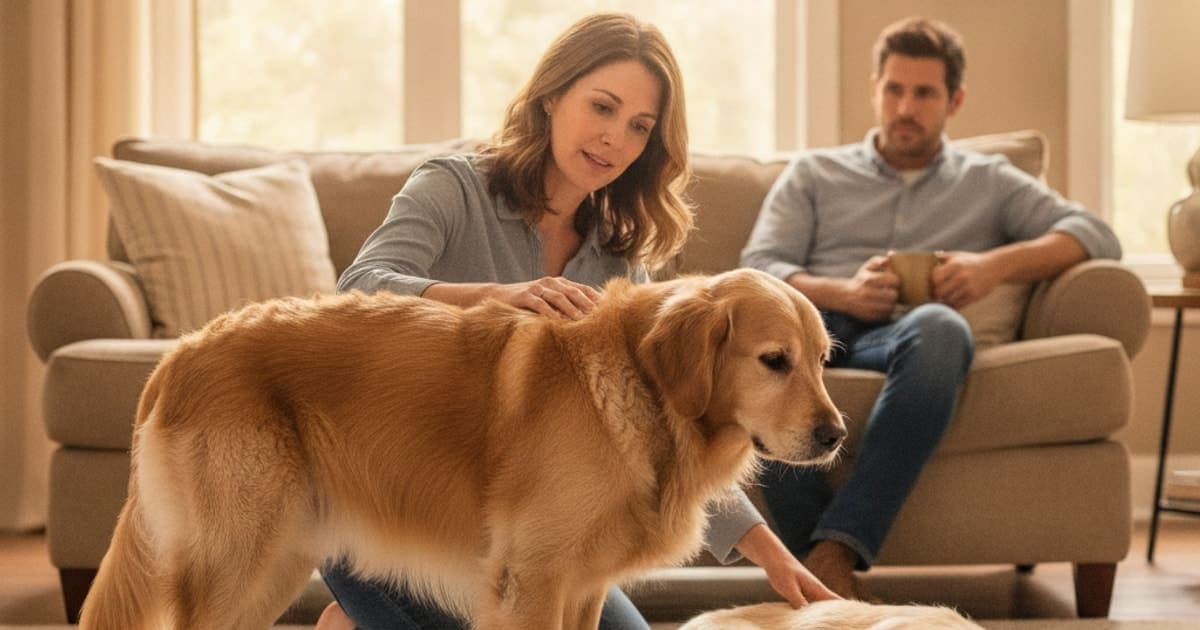 Why Is My Dog Hunched Back? (Pain Postures Explained)A hunched back in a dog is a pain posture, not a habit. Dogs round the spine to splint something that hurts — an inflamed disc, a sore abdomen, a strained hip flexor, or aching hind limbs. A new hunch, especially with reluctance to move, warrants a same-day veterinary exam.Read the guide →

The pawgen library · 3,678 guides
Dog mobility, joints and recovery
Plain-English guides on joint pain, injury recovery and what actually helps aging and active dogs. Written to answer the question, not to pad a word count.