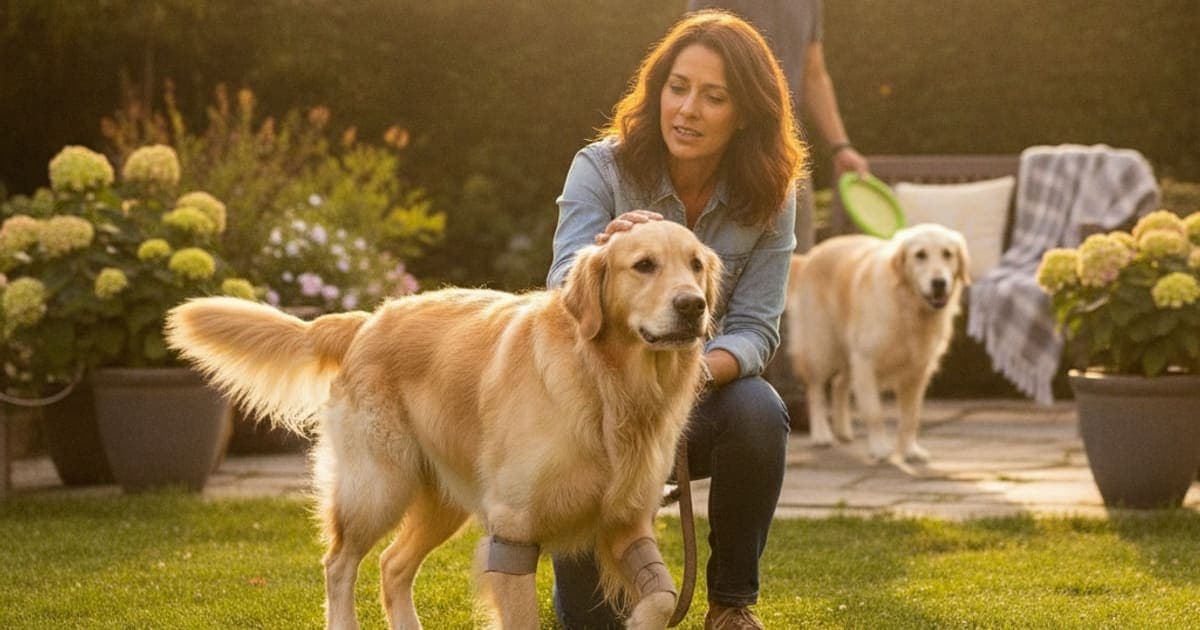
 Can TPLO Surgery Recovery in Dogs Be Reversed? (Explained)No — a TPLO cannot be reversed. The surgeon cuts and rotates the top of the tibia, and once that bone knits, the knee's geometry is permanently changed. What can be turned around are recovery setbacks: swelling, lameness flares, infection and muscle loss, when your veterinarian catches them early.Read the guide →
 Dog Elbow Dysplasia — Can It Improve Without Surgery?A dog's elbow dysplasia will not heal in the sense of the joint becoming normal again — the abnormal anatomy stays. Many dogs are still kept comfortable without surgery through weight control, veterinary pain management, controlled exercise and rehabilitation. Here is how non-surgical management works and where it has limits.Read the guide →
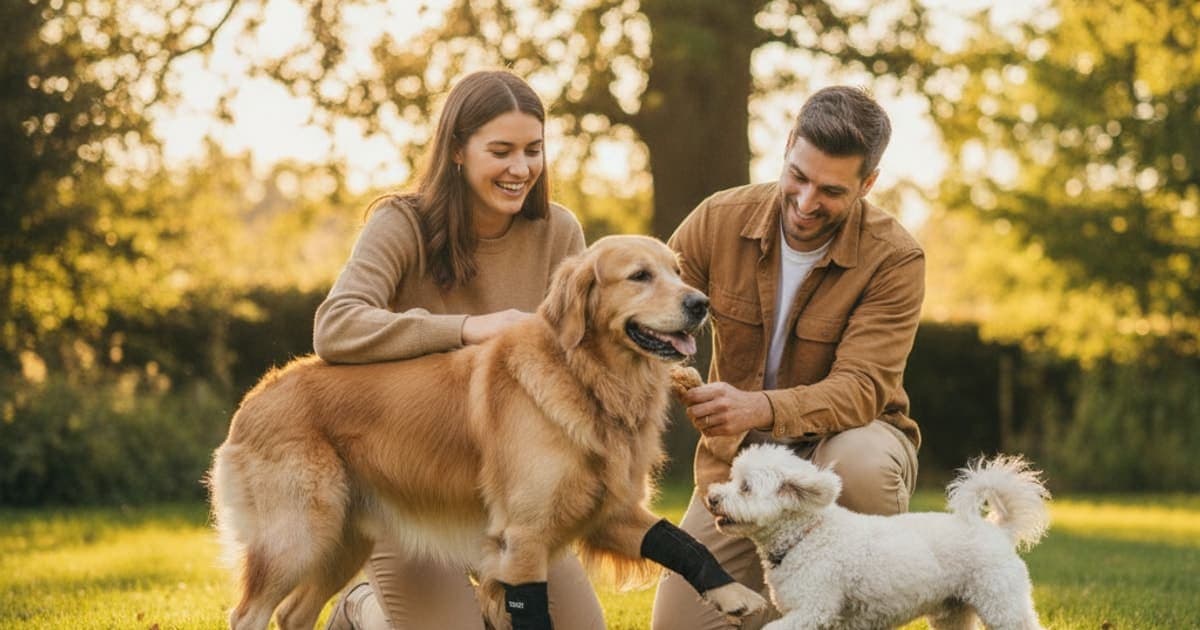 Can Carpal Hyperextension in Dogs Be Reversed? (Explained)Carpal hyperextension is rarely reversed in the literal sense — the stretched or torn palmar ligaments and fibrocartilage that support the wrist do not regain their original tension. What can be restored is function, usually through carpal arthrodesis and a structured recovery plan built with your veterinarian.Read the guide →
 Can Dog Bicipital Tenosynovitis Resolve Without Surgery?Yes — many dogs with bicipital tenosynovitis improve without surgery. Conservative management built on strict activity restriction, veterinary anti-inflammatory care, targeted rehabilitation and sometimes a corticosteroid injection into the tendon sheath is the usual first line, with surgery reserved for shoulders that stay painful after a fair trial of it.Read the guide →
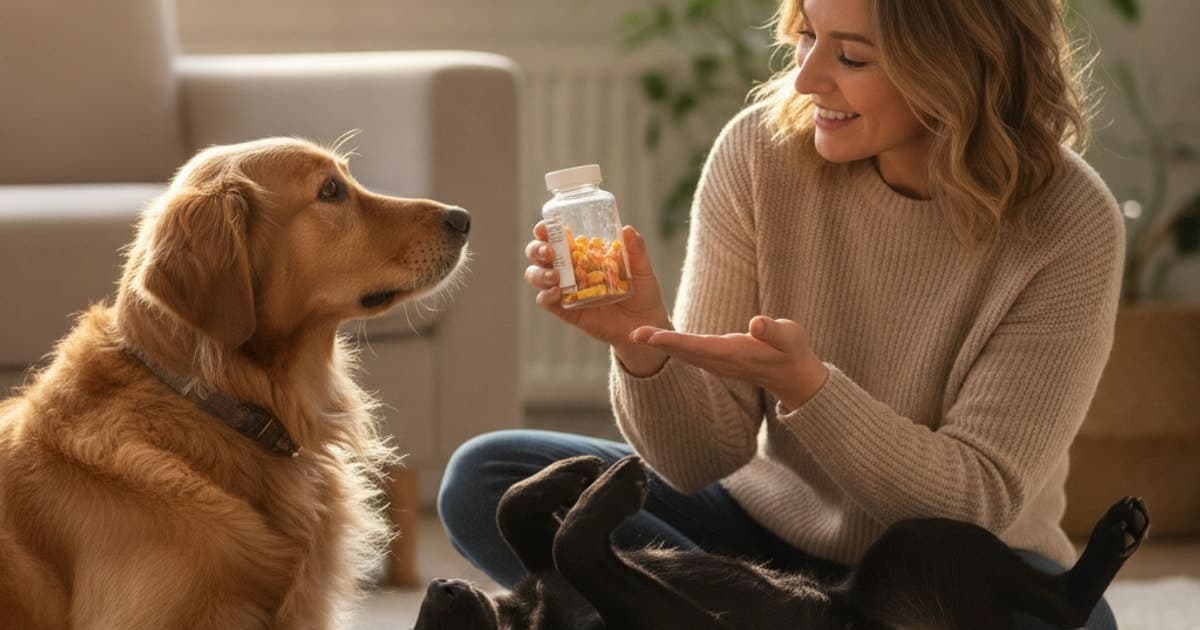 Can I Give My Dog the Wolverine Stack? (BPC-157 + TB-500)Not the human version. The Wolverine Stack is a nickname for BPC-157 paired with TB-500, sold in vials meant for human research use. Dogs should only ever receive a canine formulation with weight-based dosing, and your veterinarian should confirm your dog is a candidate before you start anything.Read the guide →
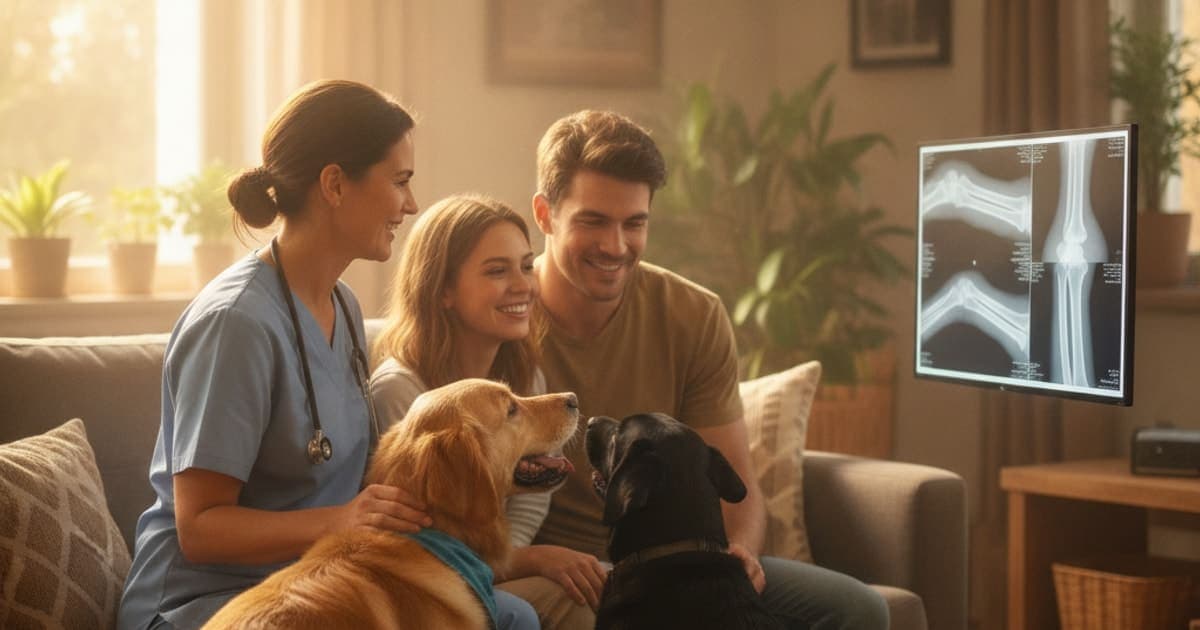 How Is Stress Fracture Diagnosed in Dogs? (Vet Workup)A stress fracture in dogs is diagnosed by combining a lameness exam and careful palpation with imaging. Radiographs come first, but hairline cracks often stay invisible for a week or two, so vets may repeat X-rays or use CT, MRI or nuclear scintigraphy to confirm.Read the guide →
 How Long Does FHO Surgery Recovery Take in Dogs? (Timeline)FHO surgery recovery in dogs is measured in months rather than weeks. Bone healing happens early, but the false joint depends on rebuilt hip muscle, so most dogs progress from cautious weight-bearing in the first weeks to comfortable, functional movement over the following months, guided by rehabilitation.Read the guide →
 Can Reduced Stamina in Dogs Be Reversed? (What Helps)Often, yes. Reduced stamina is a clinical sign rather than a diagnosis, so reversibility depends on the cause. Deconditioning, excess weight, anemia, endocrine disease, pain and some airway problems frequently improve with veterinary care, while advanced degenerative disease is usually managed. The first step is a diagnostic workup, not a supplement.Read the guide →
 How Is Sesamoid Fracture Diagnosed in Dogs? (Vet Workup)Sesamoid fracture in dogs is diagnosed through a lameness exam, direct palpation of the small sesamoid bones behind the toe joints, and radiographs of the affected paw, usually with the opposite paw imaged for comparison. Advanced imaging such as CT or ultrasound is added when plain films are inconclusive.Read the guide →
 Does BPC-157 Actually Work for Dogs? (What Research Shows)Research in animal models suggests BPC-157 supports the biological processes behind soft-tissue and gut-lining repair, and owners report using it through orthopedic recovery. It is not an FDA-approved veterinary drug, and no peptide replaces a diagnosis. The mechanism work is promising and growing, and it belongs alongside your veterinarian's plan.Read the guide →
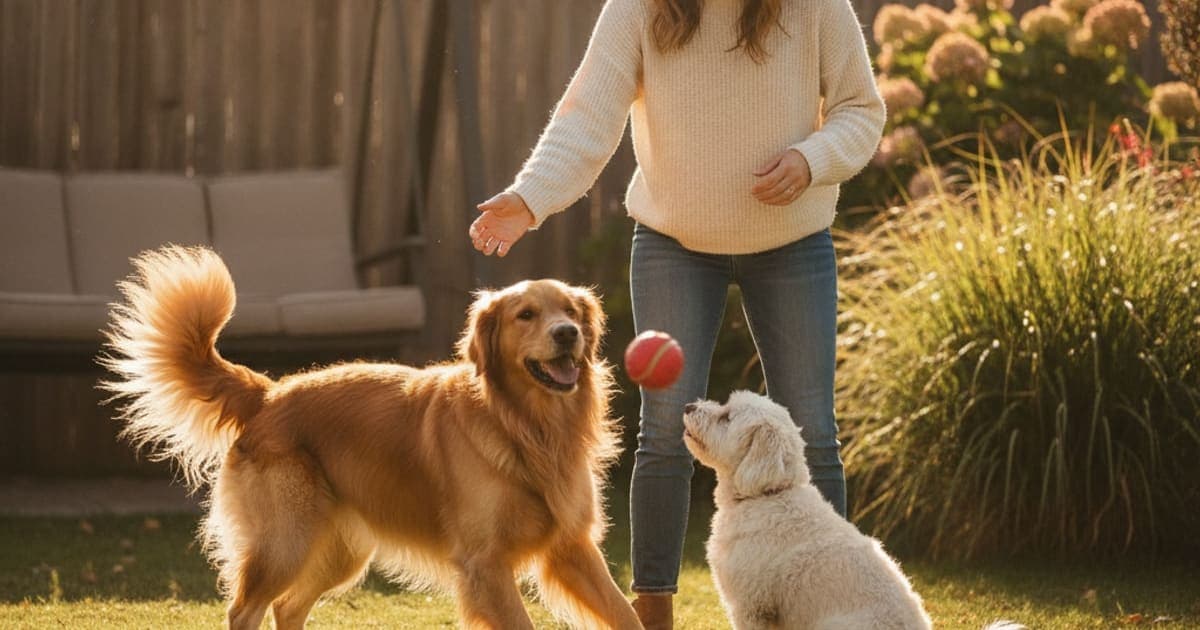 Can Stomach Ulcers in Dogs Be Reversed? (Vet-Led Answer)Yes — most stomach ulcers in dogs heal completely, because the stomach lining renews itself quickly and an ulcer is a wound rather than permanent damage. Reversal depends on finding and removing the cause, usually an NSAID or an underlying illness, and on veterinary treatment that suppresses acid while the mucosa rebuilds.Read the guide →
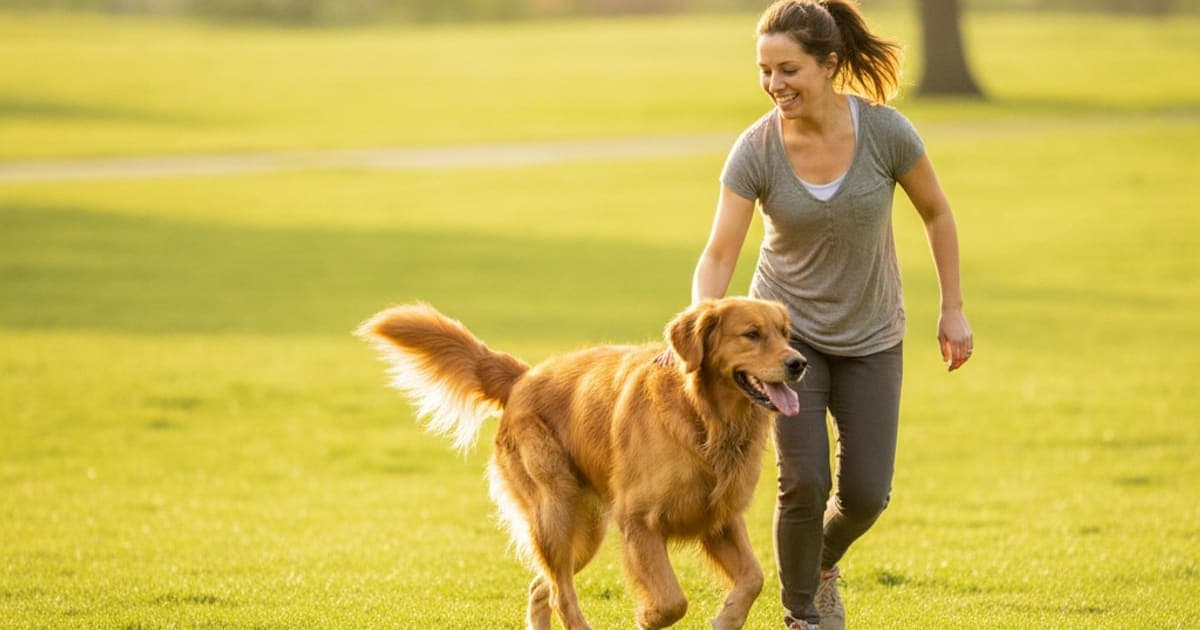 Can Wobbler Syndrome in Dogs Be Reversed? (What to Expect)Wobbler syndrome cannot be reversed — the disc degeneration and vertebral malformation compressing the spinal cord in the neck are structural. Function, though, can improve. Surgical decompression, medical management, rehabilitation and careful daily handling all aim at the same goal: relieving pressure and rebuilding the coordination your dog still has.Read the guide →
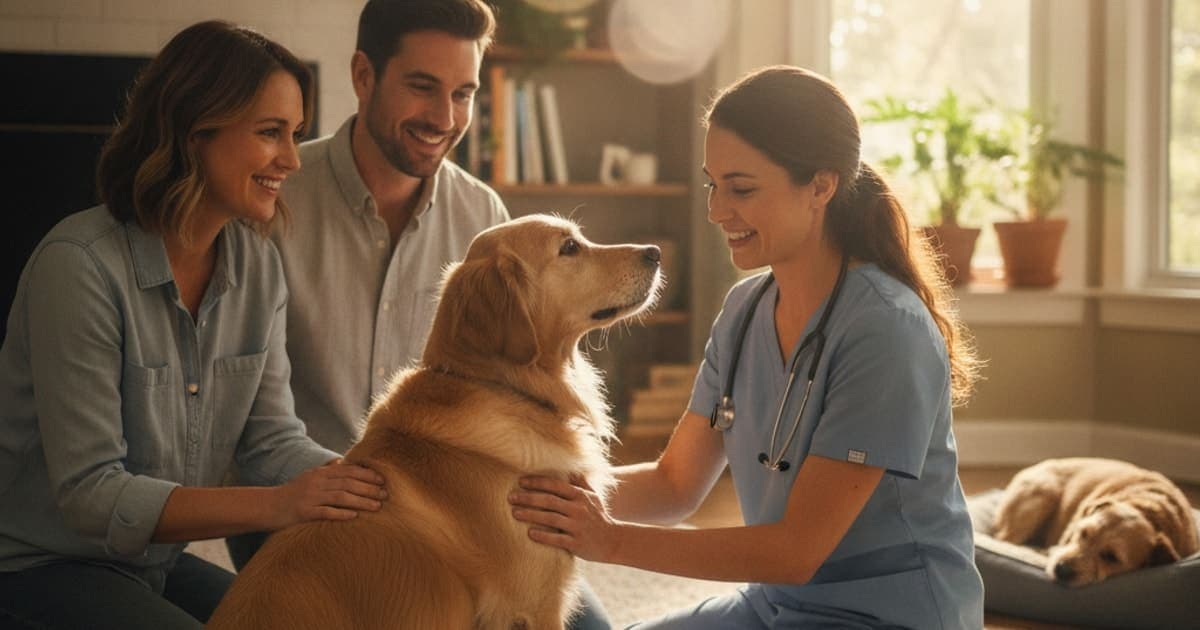 How Is Chronic Pain Diagnosed in Dogs? (Exam to Answer)Chronic pain in dogs is diagnosed by combining the owner's history of behaviour change with a hands-on orthopaedic and neurological exam, validated owner questionnaires such as the Canine Brief Pain Inventory, imaging like radiographs, and a monitored trial of pain relief to confirm the source. No single test proves it.Read the guide →
 Can Hygroma in Dogs Be Reversed? (What Actually Works)Sometimes. A small, early hygroma that is still soft often shrinks and resolves once the repeated pressure causing it is removed and the elbow gets consistent padding. A chronic hygroma that has thickened, ulcerated or become infected rarely resolves on its own and needs veterinary management.Read the guide →
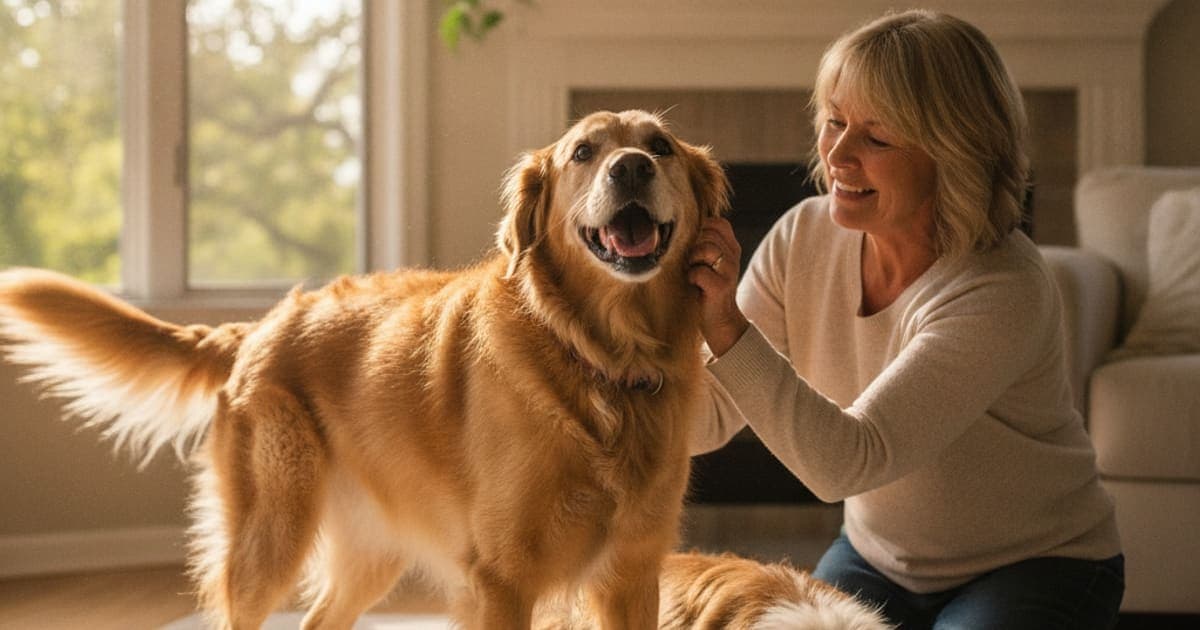 Can Cognitive Decline in Dogs Be Reversed? (What Helps)Cognitive decline in dogs cannot be reversed — canine cognitive dysfunction is a progressive change in the aging brain. But its pace varies. Research suggests early veterinary diagnosis, prescription options, therapeutic diet, enrichment and keeping an older dog comfortable and moving can slow the decline and preserve daily function for longer.Read the guide →
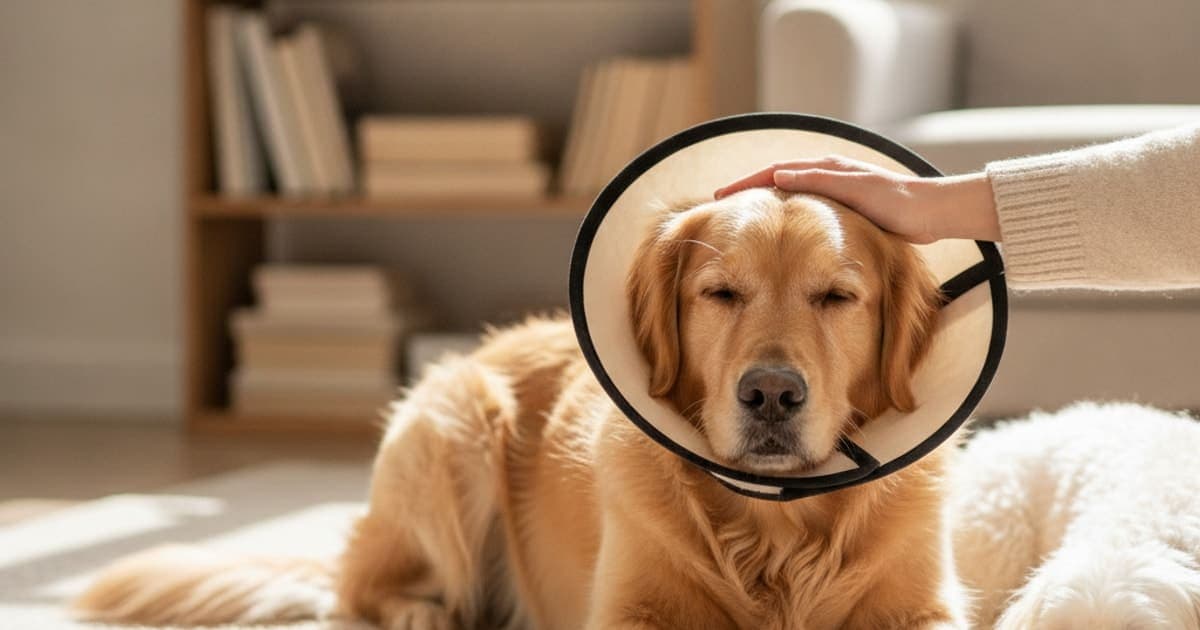 Can Post-Surgical Recovery in Dogs Be Reversed? (Setbacks)No — recovery is a forward-moving biological process, not a state that can be reversed. What can happen is a setback: healing tissue re-injured by early activity, an infected incision, or skipped rehab. The repair timeline restarts in that area, which is why controlled recovery matters so much.Read the guide →
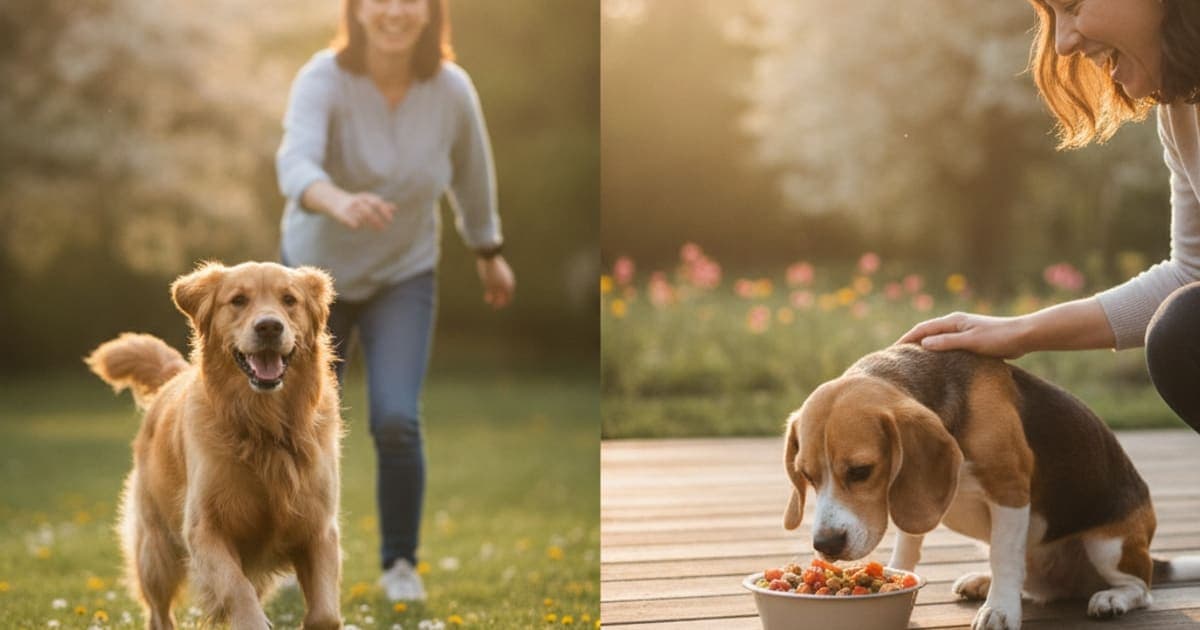 Can IBD in Dogs Be Reversed? (What Remission Means)IBD in dogs is generally considered a chronic, manageable condition rather than a reversible one. Most dogs reach remission — normal stools, stable weight, good appetite — through diagnosis, a strict diet trial, prescribed medication where needed and long-term monitoring with a veterinarian. Remission can last years, though the underlying tendency toward inflammation usually remains.Read the guide →
 Can Stress Fracture in Dogs Be Reversed? (How Bone Repairs)Yes, in the sense that matters most: a stress fracture is microscopic fatigue damage in living bone, and bone continuously rebuilds itself. When the repetitive load comes off early and a veterinarian directs the recovery, the damaged area can remodel back toward normal structure and strength over time.Read the guide →
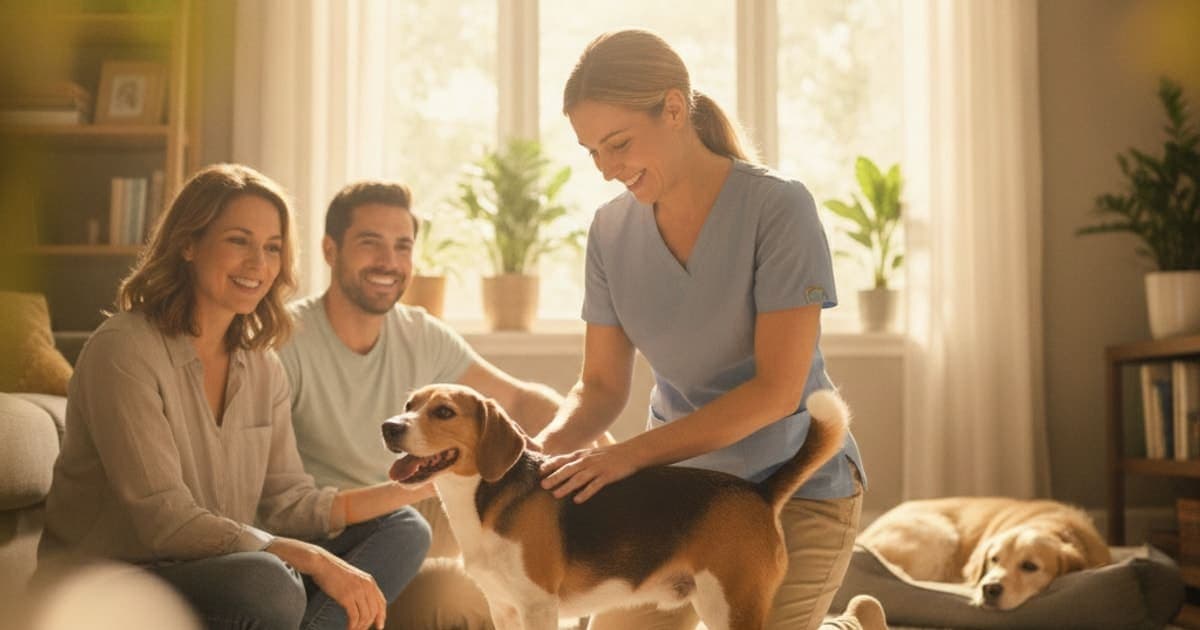 How Is IVDD Diagnosed in Dogs? (Exam to MRI)IVDD is diagnosed in two stages: a veterinary neurological exam that localises the problem to a region of the spine, then advanced imaging — MRI, CT, or CT myelogram — that confirms which disc is compressing the spinal cord. X-rays and bloodwork help rule out other causes but cannot confirm it alone.Read the guide →
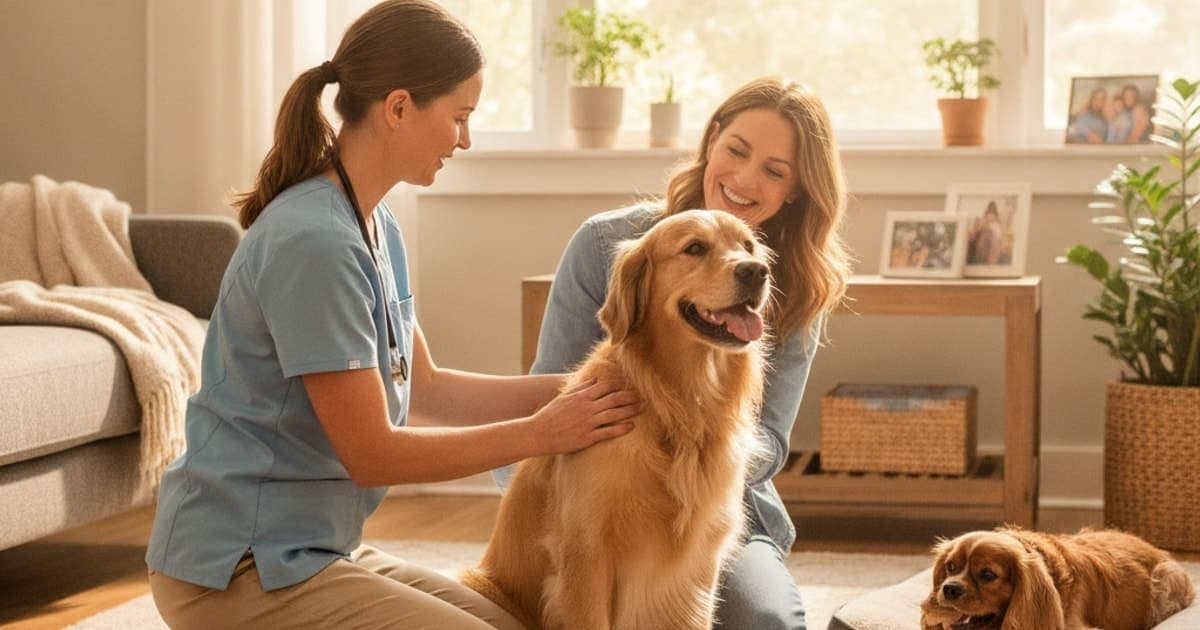 How Is Shoulder OCD Diagnosed in Dogs? (Imaging Explained)Shoulder OCD in dogs is diagnosed by combining a lameness exam with radiographs of both shoulders, usually taken under sedation. The vet looks for a flattened defect in the back of the humeral head. When films are inconclusive, CT or arthroscopy confirms the lesion and its size.Read the guide →
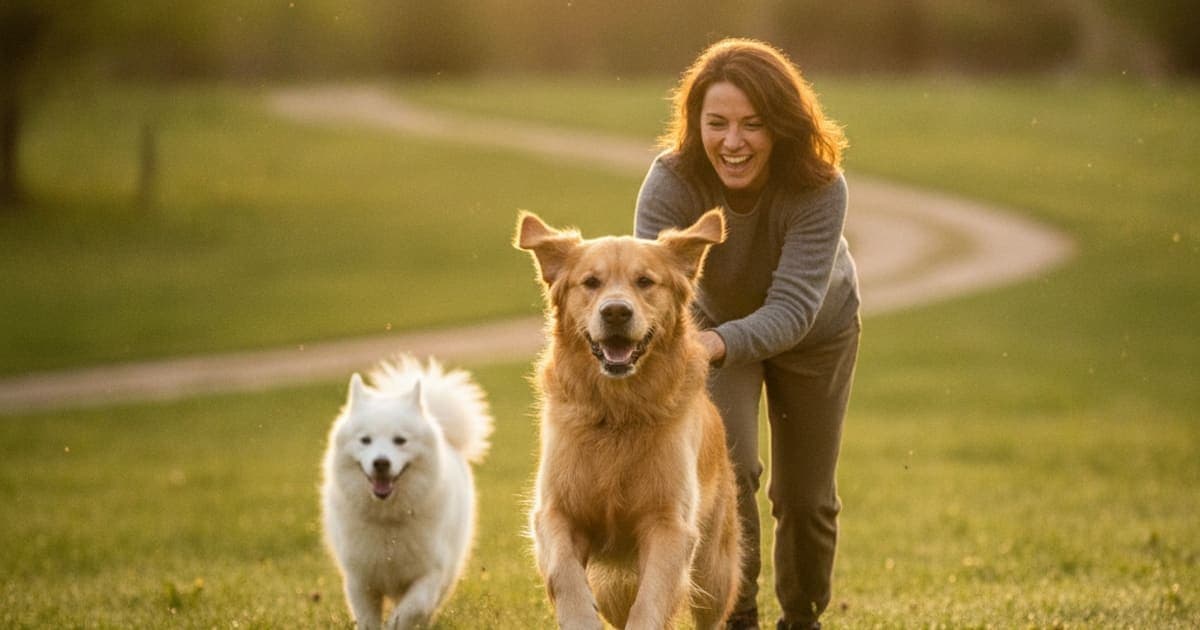 Can Hip Dysplasia in Dogs Be Reversed? (What Helps)Hip dysplasia in dogs cannot be reversed — the abnormal shape of the hip joint is structural and permanent once growth finishes. What can change is pain, inflammation, joint stability and muscle support, which is why veterinary treatment, weight control, rehab and daily management make such a visible difference.Read the guide →
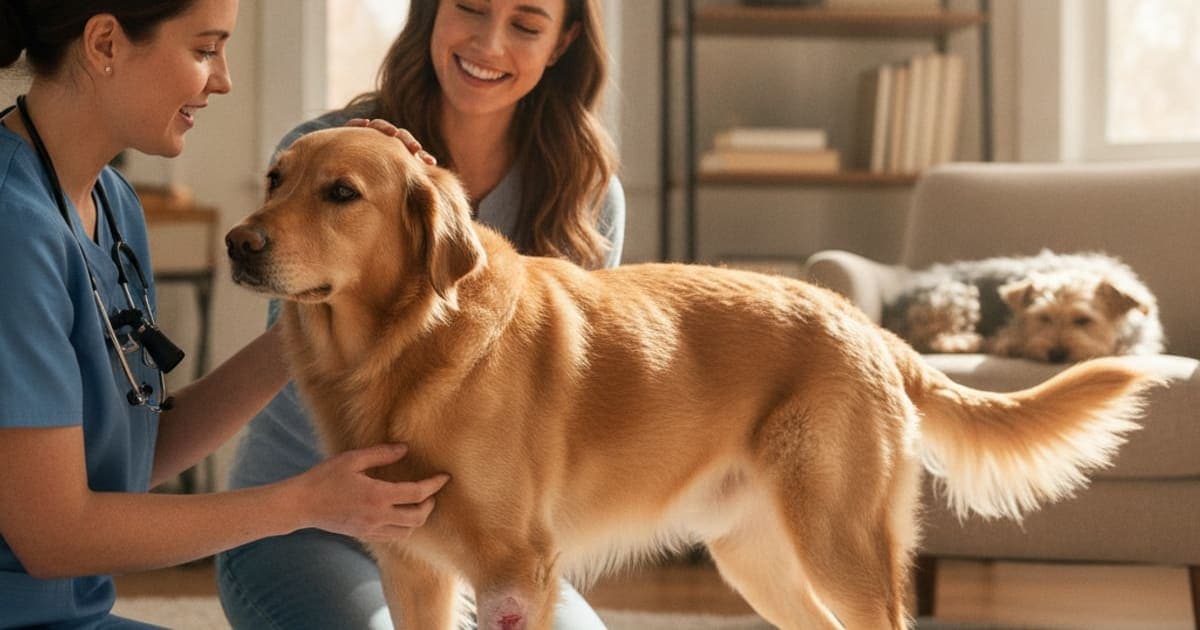 Can Wound Healing in Dogs Be Reversed? (Stalled Wounds)Healing itself does not run in reverse, but the progress a wound has made can be lost. Infection, motion, tension on the suture line or licking can reopen tissue and push a wound back into inflammation. Veterinary reassessment is what restarts it, by finding the reason the wound stalled in the first place.Read the guide →
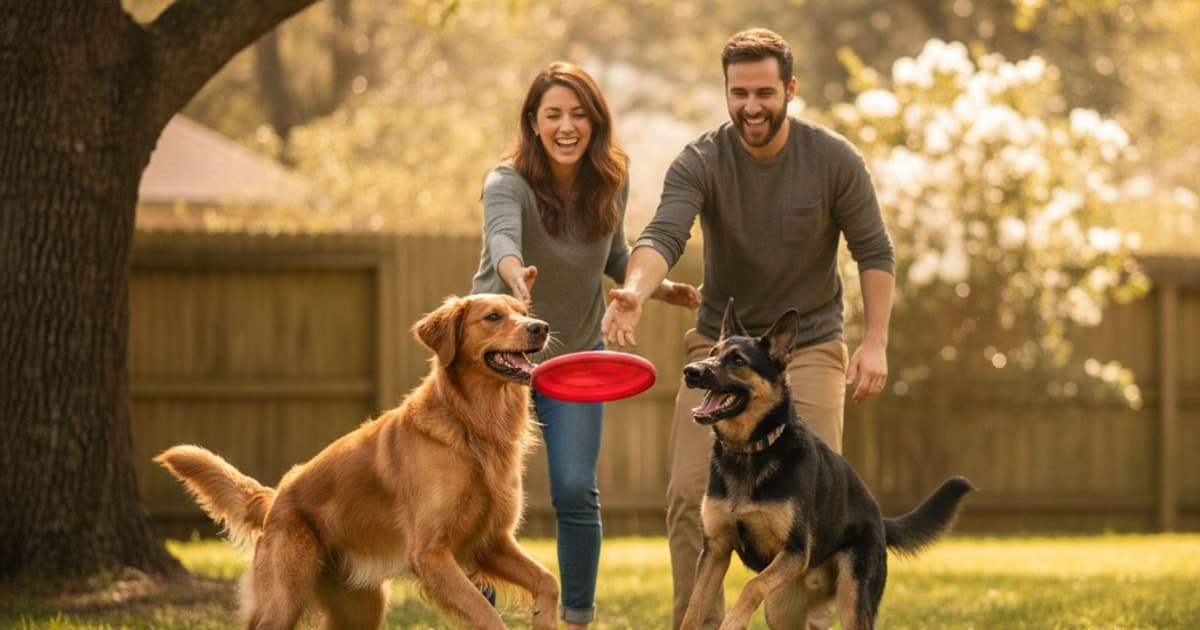 Does the Wolverine Stack Actually Work for Dogs?The Wolverine Stack is the nickname for BPC-157 paired with TB-500, and the biological rationale behind it is real: animal research suggests both peptides may support the blood supply, cell migration and collagen organisation that soft tissue repair depends on. It works alongside veterinary care, not instead of it.Read the guide →
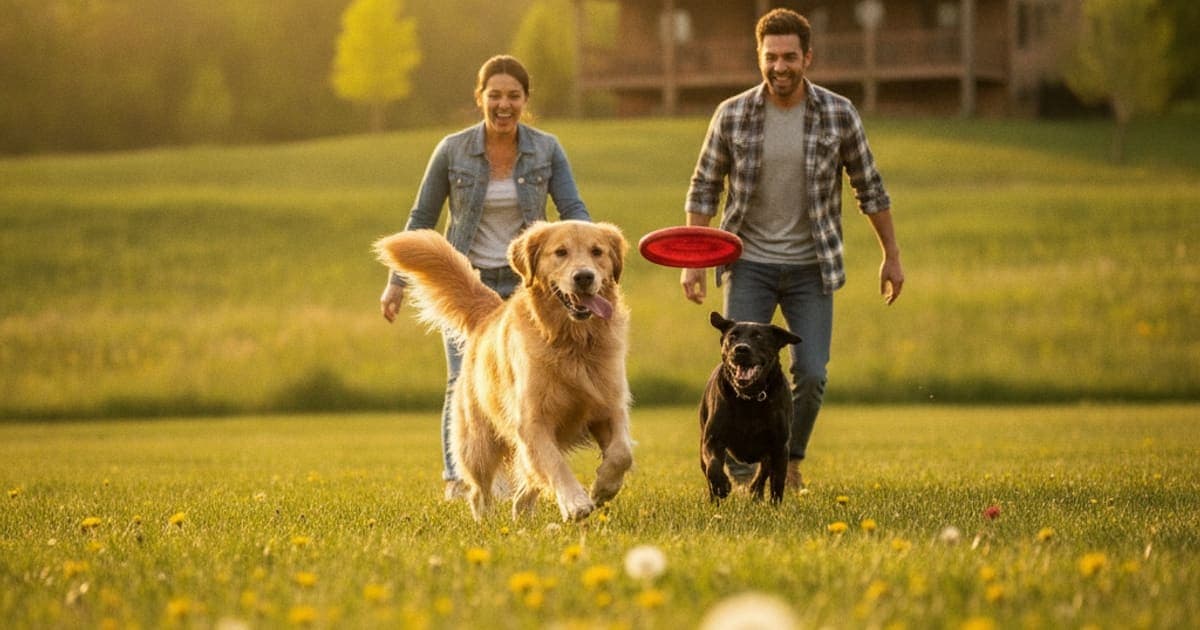 Can Cruciate Ligament Rupture in Dogs Be Reversed?No — a ruptured cranial cruciate ligament in a dog cannot be reversed or regrown, because the torn fibres do not reattach inside the joint. Recovery instead comes from stabilising the stifle surgically or conservatively, managing arthritis, and supporting the soft tissue around the knee while it remodels.Read the guide →

The pawgen library · 3,779 guides
Dog mobility, joints and recovery
Plain-English guides on joint pain, injury recovery and what actually helps aging and active dogs. Written to answer the question, not to pad a word count.