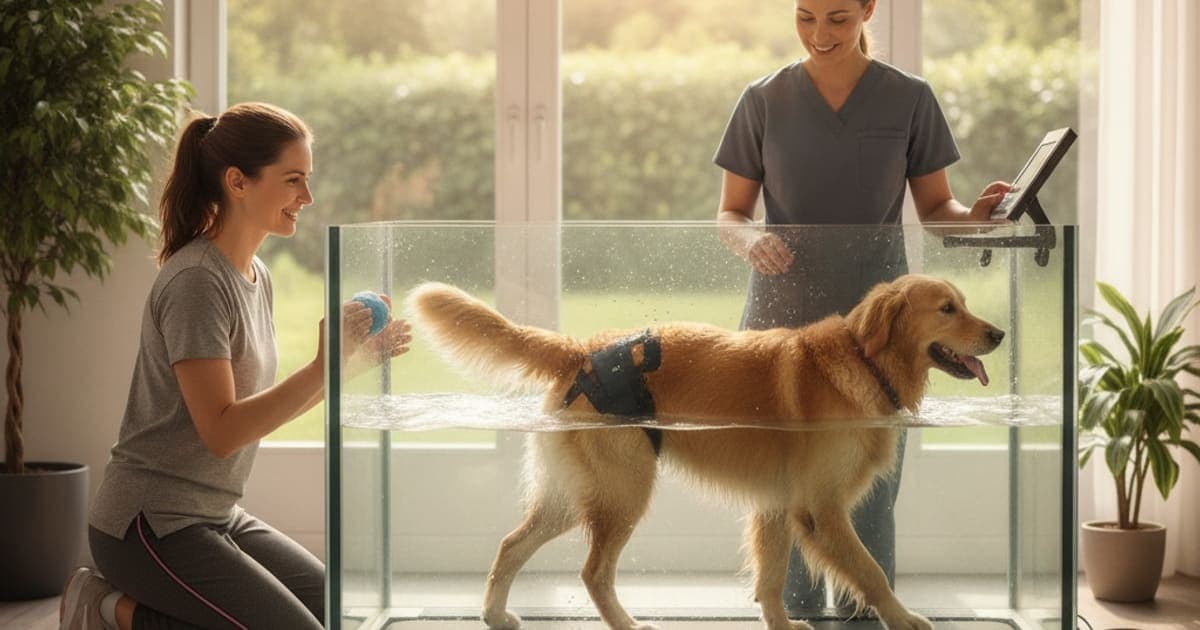
 Canine Hip Dysplasia Conservative Management OptionsConservative management of canine hip dysplasia is the non-surgical plan a veterinarian builds around lean body weight, controlled low-impact exercise, physiotherapy or hydrotherapy, prescribed pain relief, and supportive care such as massage, acupuncture or bracing. Many dogs stay comfortable and mobile this way for years, with surgery reserved for cases that need it.Read the guide →
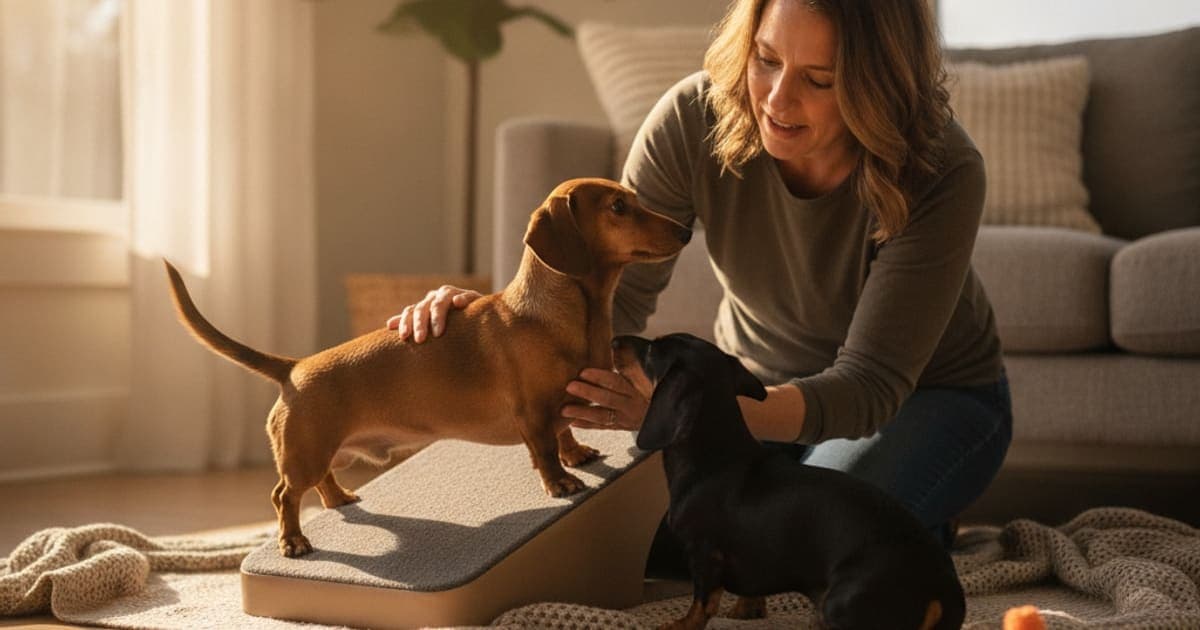 What Causes IVDD in Dachshunds? (Disc Degeneration)IVDD in dachshunds is caused by chondrodystrophy, an inherited trait that makes spinal discs mineralise and harden far earlier than normal. A jump or twist then forces that hardened material into the spinal canal. Treatment ranges from strict crate rest with veterinary pain management to emergency decompressive surgery.Read the guide →
 Dog Limping on a Back Leg? (What to Do at Home)Rest, confinement to a small non-slip space, a gentle check of the paw and leg, and a call to your veterinarian are the first steps for a dog limping on a back leg. Severe limps, or a leg your dog won't bear weight on at all, need same-day veterinary attention.Read the guide →
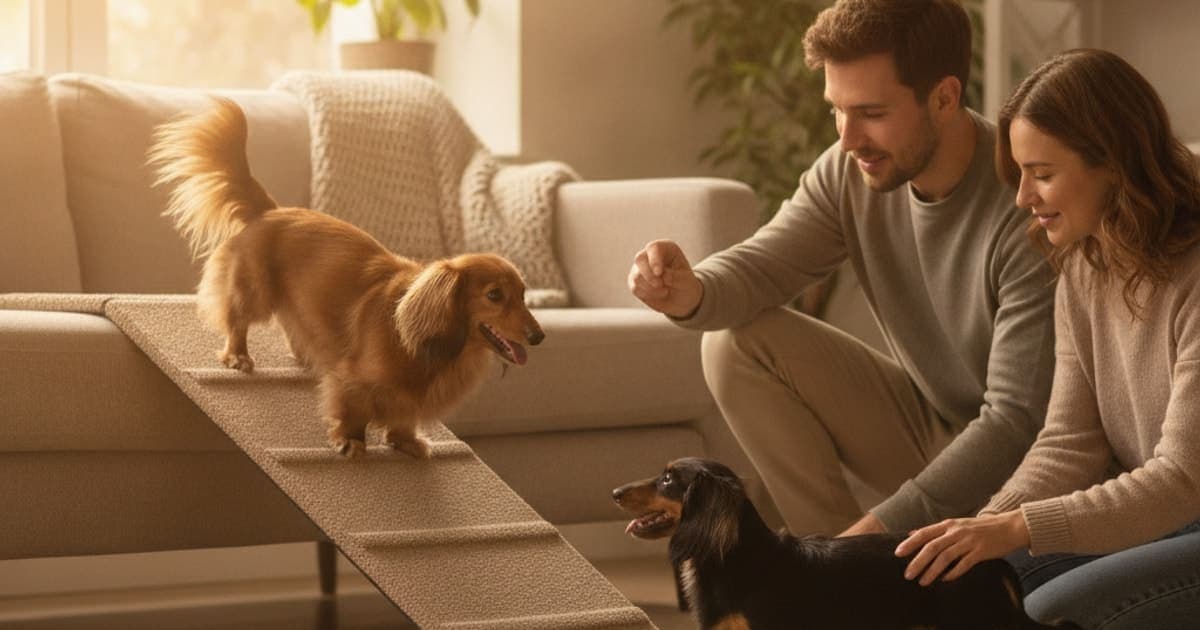 Dachshund IVDD Prevention — Daily Habits That Cut RiskIVDD cannot be fully prevented in dachshunds, because the disc degeneration behind it is genetic. What owners can control is daily spinal load: keeping the dog lean, replacing jumps with ramps, walking consistently on flat ground, using a harness instead of a collar, and building hind-end strength with veterinary guidance.Read the guide →
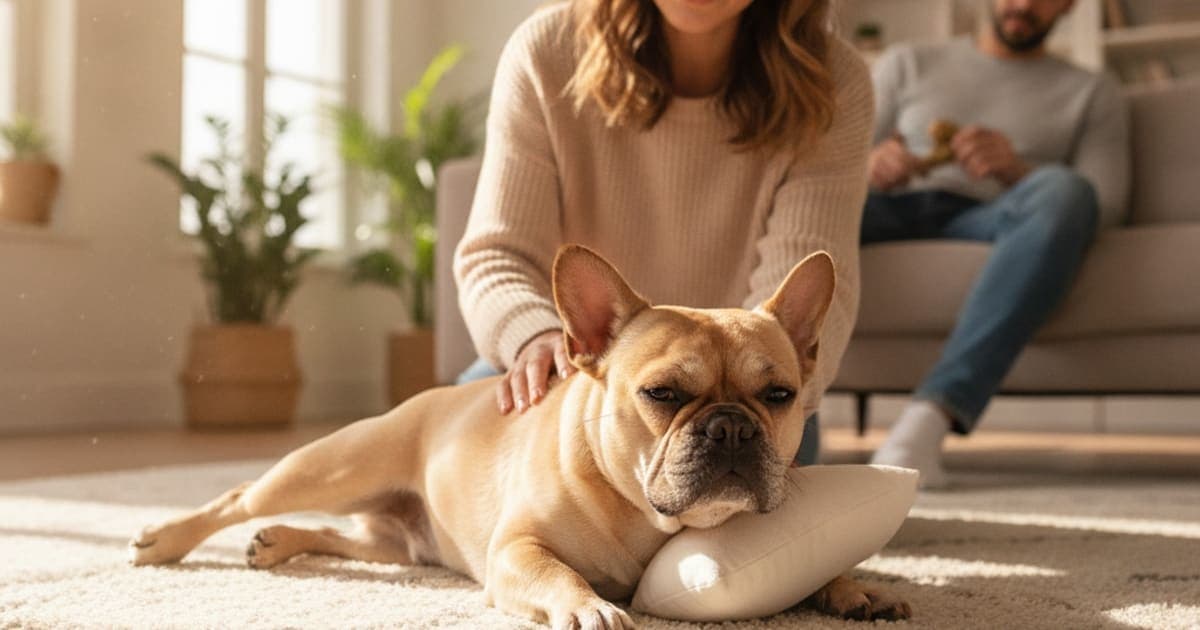 Do French Bulldogs Have Joint Problems? (Conformation)Yes. French Bulldogs are prone to joint, bone and spine problems because their chondrodystrophic build — short, thick limbs, a compact spine and a heavy front end — loads cartilage and discs abnormally. Hip dysplasia, luxating patellas, hemivertebrae and IVDD are the most common issues owners encounter.Read the guide →
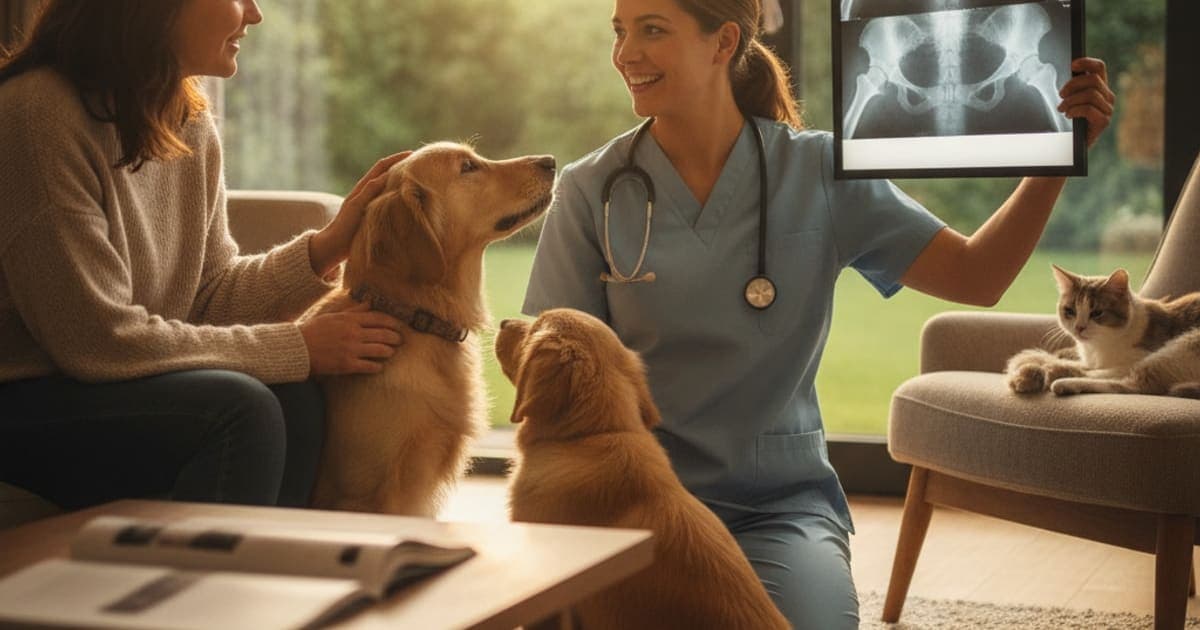 Canine Hip Dysplasia Diagnosis: X-Rays, OFA and GradingCanine hip dysplasia is diagnosed with a hands-on orthopaedic exam plus carefully positioned hip radiographs. Radiologists look for subluxation, a shallow acetabulum, a reduced Norberg angle and the Morgan line. Scoring schemes then grade the films — OFA assigns one of seven phenotype grades, while PennHIP reports a distraction index.Read the guide →
 Glucosamine HCl vs Sulfate for Dogs: What Research SaysGlucosamine hydrochloride is generally considered safe and well tolerated in dogs, and it is the salt used in most canine joint supplements. Compared with glucosamine sulfate, it delivers more glucosamine per gram and is more shelf-stable, though the comparative evidence in dogs remains mixed for both forms.Read the guide →
 Dasuquin vs Cosequin for Senior Dogs: How to ChooseDasuquin contains everything in Cosequin — glucosamine and chondroitin — plus avocado/soybean unsaponifiables, which is why it costs more and is often chosen for senior dogs. Neither is a treatment for arthritis, and a diagnosed joint condition belongs with your veterinarian. Many owners also add peptide support such as K9-REPAIR.Read the guide →
 Green Lipped Mussel vs Glucosamine for Dogs ComparedYes — green lipped mussel naturally contains glycosaminoglycans, including small amounts of glucosamine and chondroitin, alongside omega-3 fatty acids and marine proteins. Glucosamine supplements, by contrast, supply one isolated compound at a measured amount. The two are not rivals so much as different delivery routes to the same cartilage matrix.Read the guide →
 Collagen vs Glucosamine for Dogs — What Each DoesNeither is universally better — they act on different tissue. Glucosamine supplies building blocks for cartilage matrix and joint fluid, while collagen, especially undenatured UC-II, works through a different immune-signalling route. Most quality joint formulas combine them, and owners managing recovery often layer peptide support alongside a veterinary plan.Read the guide →
 Dog Limping on Back Leg: Hip Dysplasia & Other CausesA dog limping on a back leg may have hip dysplasia, but the hip is only one suspect. Sudden hind-leg lameness more often starts at the knee, intermittent skipping points to the kneecap, and weakness in both legs points to the spine. A veterinary exam separates them.Read the guide →
 Dog Limping on a Back Leg: By Breed and AgeA dog limping on a back leg usually has a knee, hip, or spinal cause, and which one is likeliest depends on breed and age. Chihuahuas and yorkies skip on a luxating kneecap; labradors and pitbulls tear cruciate ligaments; dachshunds and frenchies are disc-risk. Any limp lasting more than a day needs a vet exam.Read the guide →
 What Age Do Golden Retrievers Get Arthritis? (Onset Signs)Most golden retrievers show the first signs of arthritis in middle age, often from around five to eight years old, though dogs with hip or elbow dysplasia, a torn cruciate ligament or extra body weight can stiffen up far earlier. Onset tracks joint history, not birthdays alone.Read the guide →
 Can I Give My Dog Fish Oil and Glucosamine? (Safe Combo)Yes — fish oil and glucosamine are commonly given together to dogs, and they are not interchangeable: omega-3s from fish oil work on the inflammatory signalling side, while glucosamine and chondroitin supply cartilage building blocks. Quality varies enormously between products, so check the label and confirm the combination with your veterinarian first.Read the guide →
 Dog Limping Back Leg On and Off: What It MeansA dog limping on a back leg on and off usually signals a low-grade joint or soft-tissue problem — a partial cruciate tear, early arthritis, hip dysplasia or a strain that keeps getting re-aggravated. The limp cycles because inflammation rises and falls with activity, not because the damage disappears.Read the guide →
 Dog Limping on Back Leg After Running: What to DoA dog limping on a back leg after running is most often a soft tissue strain — a pulled muscle, a sprained joint or an overworked tendon from a hard landing or too much activity. Rest is the first step, but limping that lasts more than a day or two needs a veterinary exam.Read the guide →
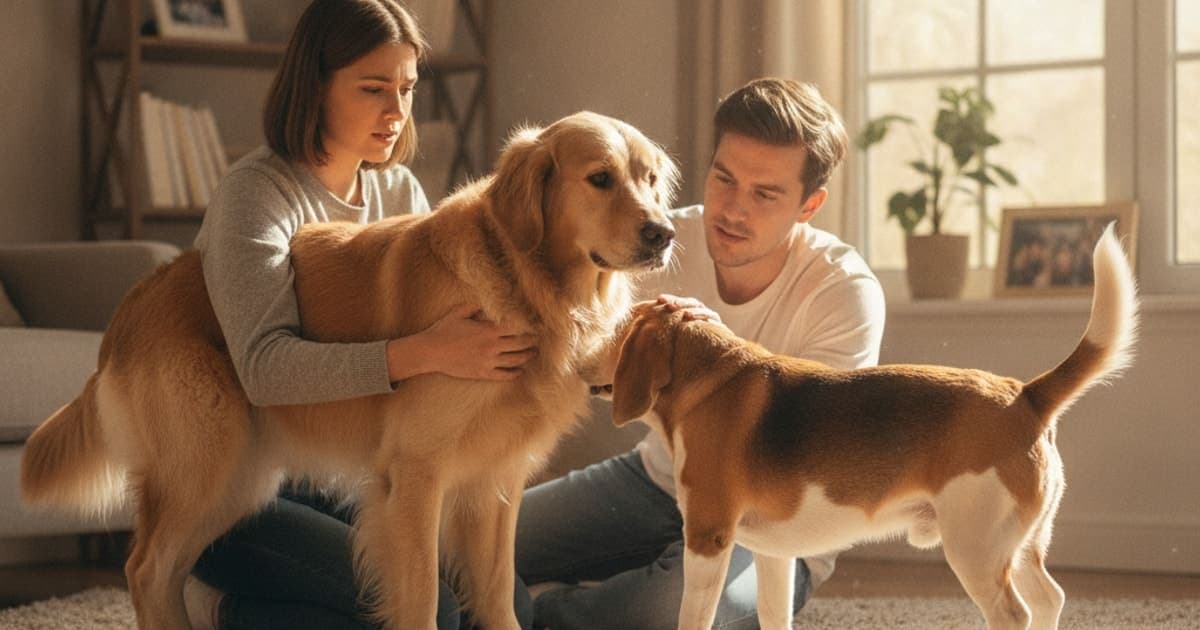 Dog Back Leg Shaking and Limping — When to WorryWorry when the limp comes with anything systemic — vomiting, diarrhea, refusing food, lethargy, panting at rest, crying, a shaking leg, or no weight on the foot at all. Those combinations warrant a same-day veterinary call. A mild limp that eases with rest can usually wait for a next-available appointment.Read the guide →
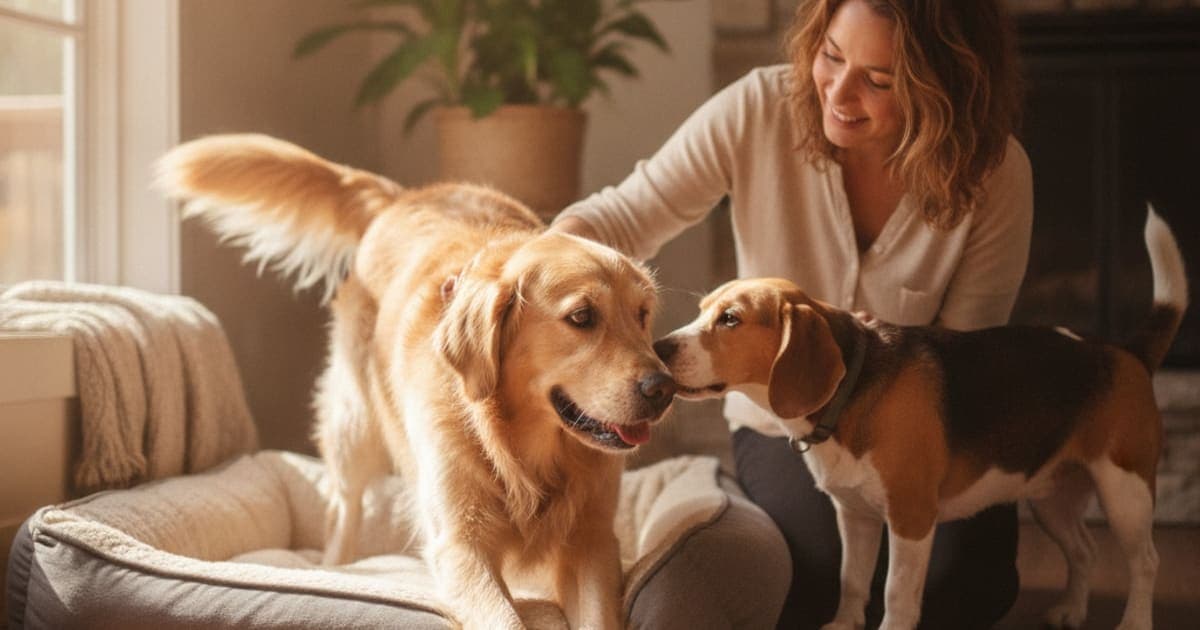 Why Is My Dog So Stiff When He Sleeps? (Causes Explained)Dogs stiffen during sleep because hours of stillness let joint fluid thicken, muscles cool and inflammatory by-products settle in tissue that movement normally flushes out. Cold floors, thin bedding and awkward positions make it worse. In older dogs, stiffness on waking is often the earliest visible sign of joint disease and deserves a veterinary exam.Read the guide →
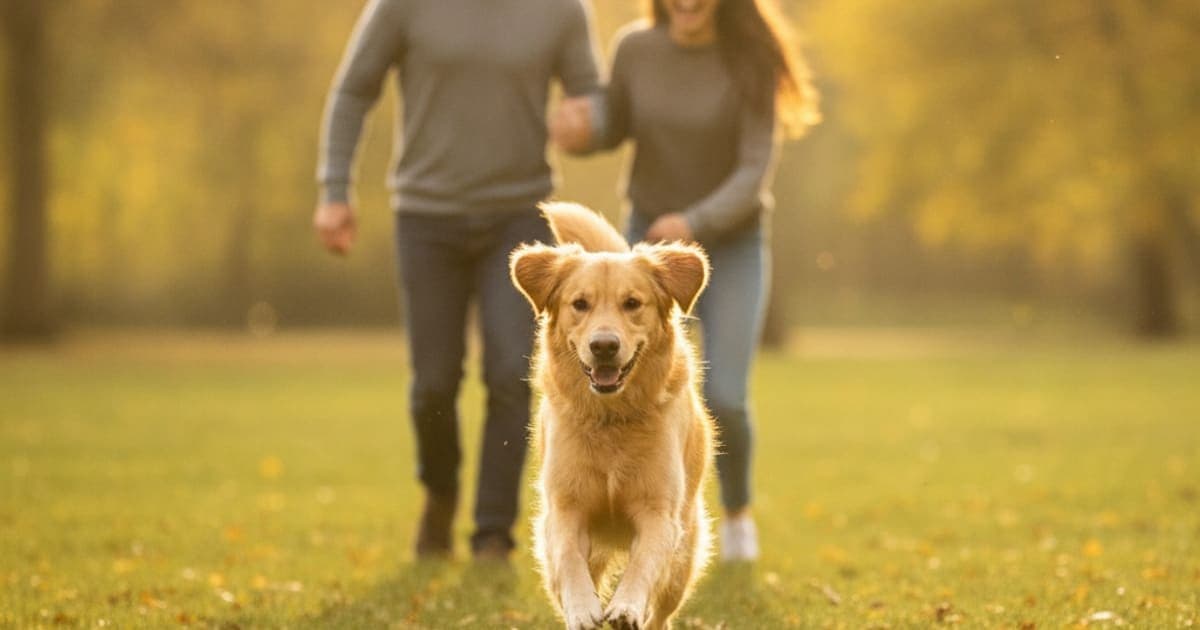 Bunny Hopping Gait in Dogs: What It SignalsBunny hopping is a gait in which a dog moves both hind legs forward together in one hop instead of stepping independently. It is a compensation pattern most often linked to hip dysplasia, hip laxity or bilateral knee pain, and it warrants a veterinary orthopedic exam rather than watchful waiting.Read the guide →
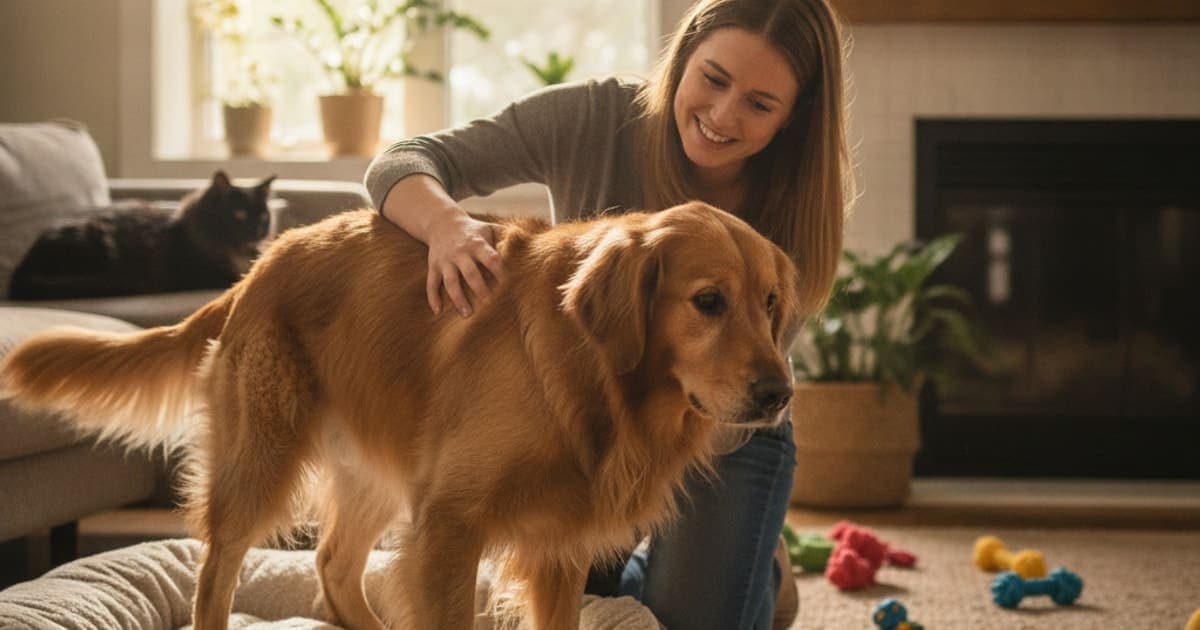 Why Is My Dog Limping After Resting? (Warm-Up Lameness)A dog limping after resting is usually showing warm-up lameness: inflammation and thickened joint fluid stiffen a joint or tendon while the body is still, then ease as movement warms the tissue. It most often points to arthritis, a partial cruciate tear or a soft-tissue strain worth a veterinary exam.Read the guide →
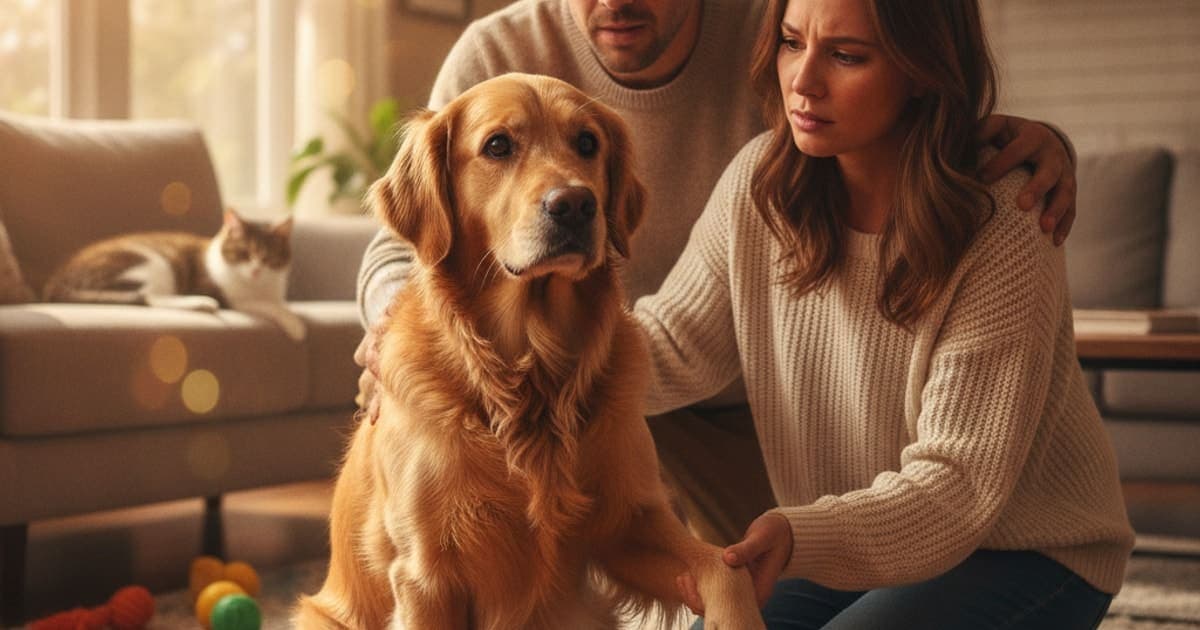 Dog Suddenly Limping on a Back Leg — Causes & Next StepsA dog suddenly limping on a back leg is usually dealing with a soft-tissue strain, a cruciate ligament tear, a paw or nail injury, a slipping kneecap, or an arthritic joint that flared. Sudden onset rarely means sudden cause. Here is what to check at home and when the vet visit becomes urgent.Read the guide →
 Why Is My Dog Limping Back Right Leg? (How to Tell)A dog limping on the back right leg is usually protecting something in that limb — a cut pad, a foreign body between the toes, a strained muscle, a cruciate ligament injury, or an arthritic hip. The side itself means nothing diagnostically.Read the guide →
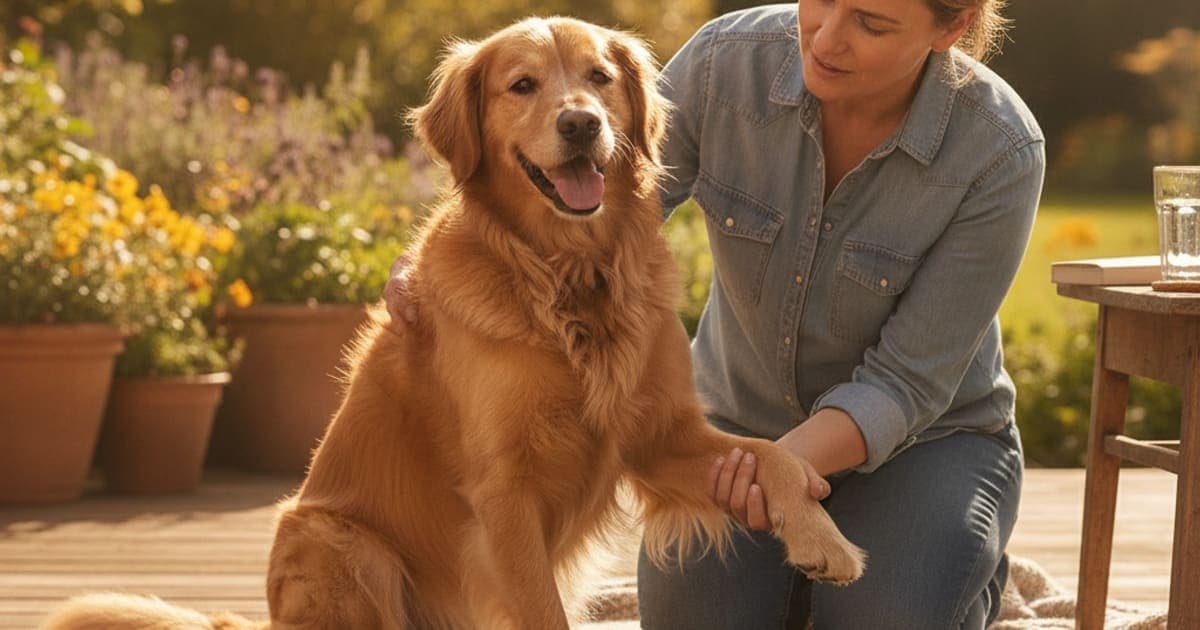 Why Do My Dog's Joints Crack? (Clicking Noises Explained)Most dog joint cracking comes from gas bubbles collapsing inside joint fluid, or from tendons and ligaments snapping over bone as your dog stands, stretches or walks. An occasional quiet pop is ordinary. Repeated clicking, grinding, or any noise paired with limping deserves a veterinary exam.Read the guide →
 Dog Limping on Back Leg, No Pain — Why It HappensDogs rarely cry over the kind of pain that causes limping — a strained ligament, an inflamed joint capsule or an early arthritic hip produces altered movement, not sound. A back leg limp with no yelping, no swelling and no visible injury is still a lameness that deserves a veterinary exam.Read the guide →
The pawgen library · 3,678 guides
Dog mobility, joints and recovery
Plain-English guides on joint pain, injury recovery and what actually helps aging and active dogs. Written to answer the question, not to pad a word count.