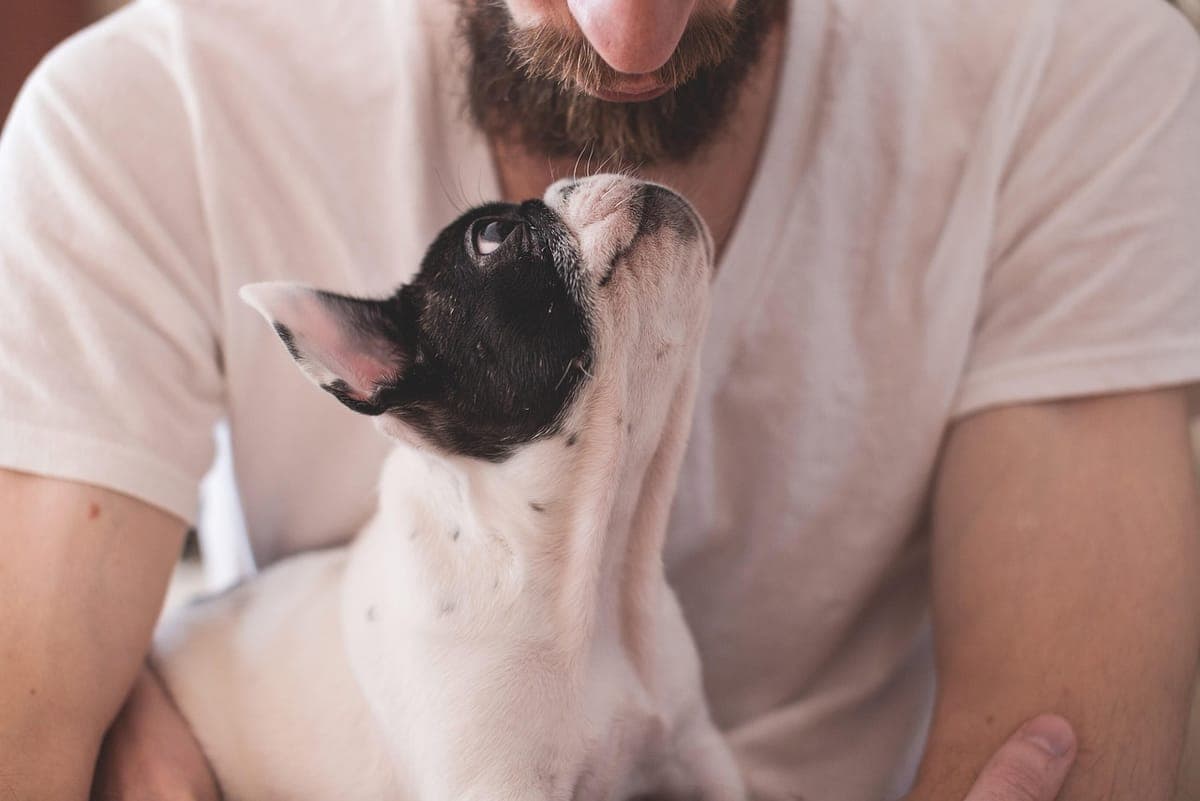
What a diagnosis means, how it is confirmed, and the early signs owners miss — from hip dysplasia and IVDD to cruciate tears and arthritis.
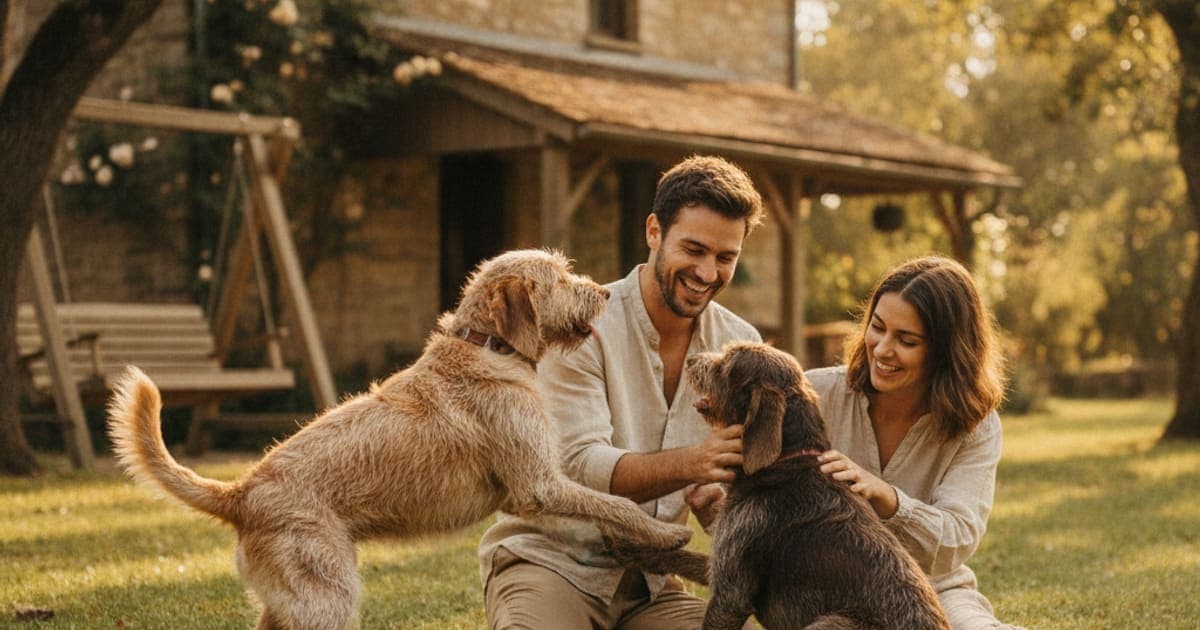 Why Spinone Italiano Are Prone to Joint ProblemsSpinone Italiano are prone to joint problems because they are a large, slow-maturing breed carrying heavy bone and muscle on a frame that finishes growing late. Hip and elbow dysplasia, cruciate ligament injury and osteoarthritis are the most common issues, and screening plus weight control matter most.Read the guide →
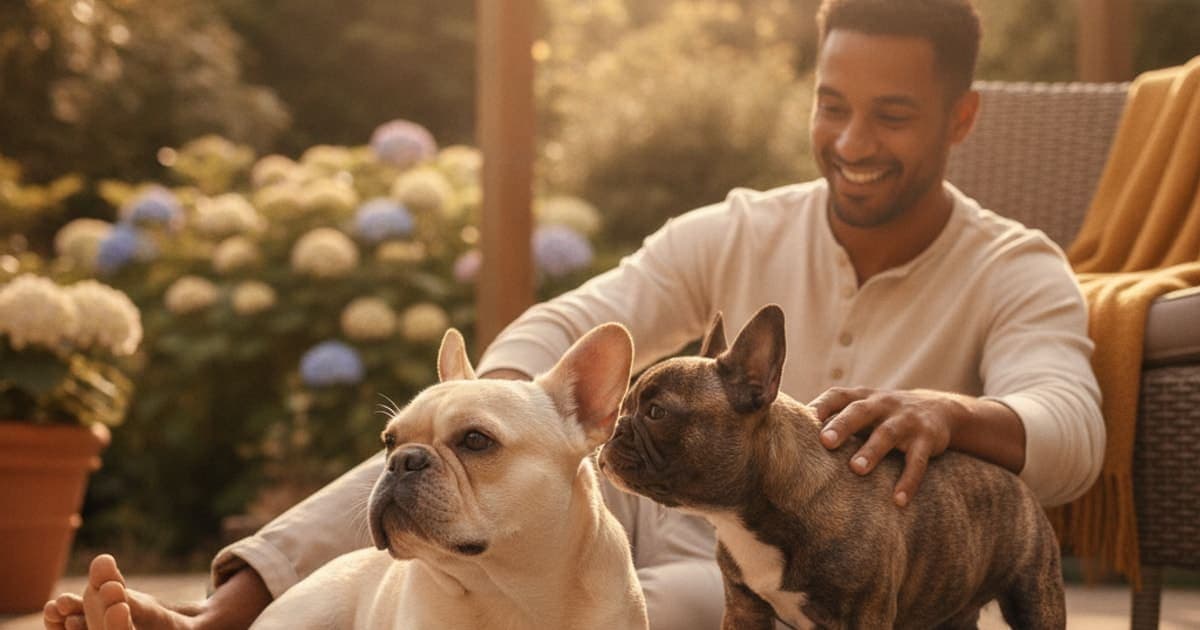 Why French Bulldogs Are Prone to Joint ProblemsFrench Bulldogs are prone to joint problems because the breed's chondrodystrophic build — a heavy front end, short curved limbs, shallow hip sockets and a compressed spine — concentrates load where canine joints tolerate it worst. Hips, kneecaps, elbows and spinal discs are the usual sites, and signs often appear young.Read the guide →
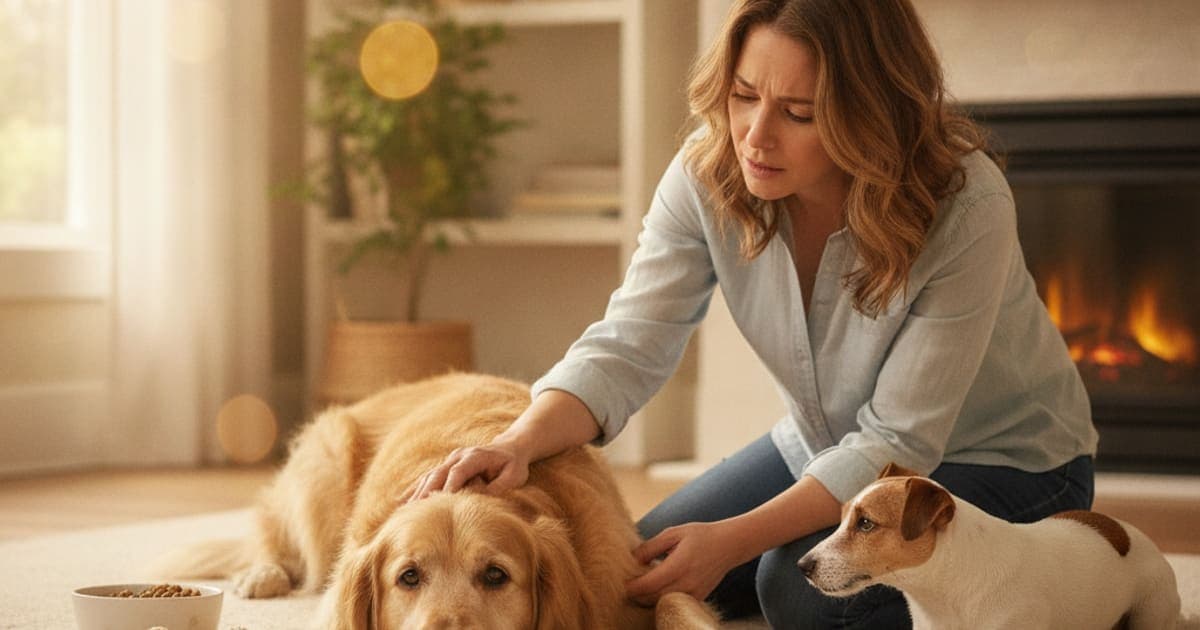 Dog Loss Of Appetite With Pain: What It Usually MeansPain suppresses appetite through nausea, stress hormones and the simple fact that lowering the head or chewing can hurt. A dog that stops eating while sore is often dealing with dental, abdominal, spinal or orthopaedic pain, and the combination deserves a veterinary exam rather than a wait-and-see week.Read the guide →
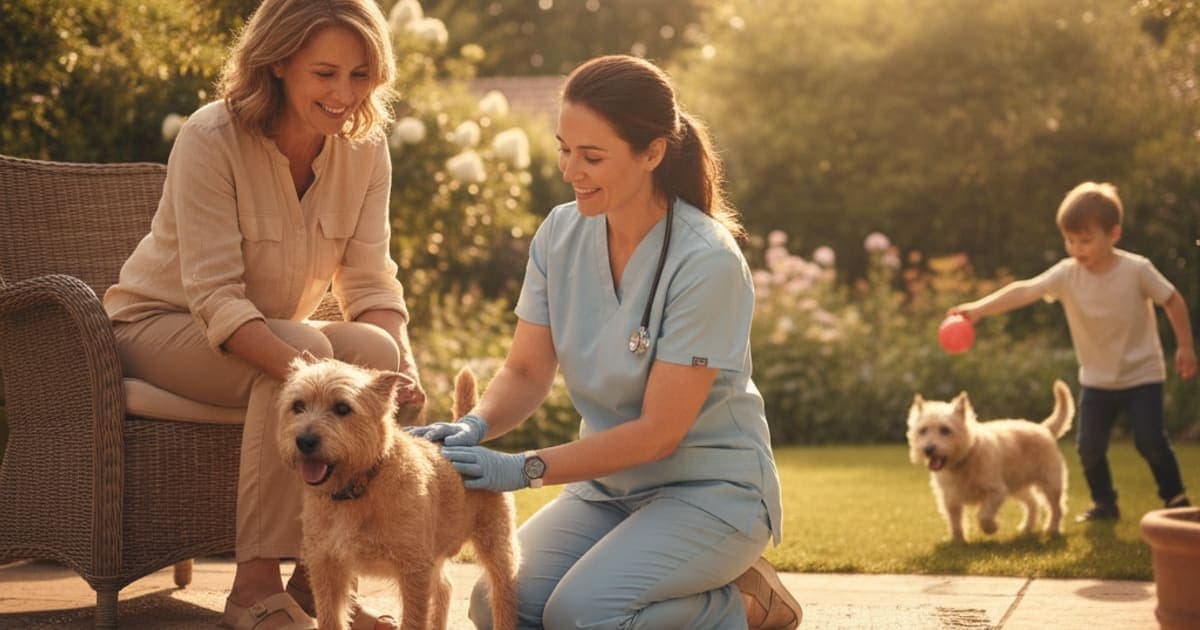 Why Cairn Terriers Are Prone to Joint ProblemsCairn Terriers are prone to joint problems because their short-legged, disproportionate skeleton loads the knees, hips and spine unevenly, small-breed genetics add patellar luxation and Legg-Calvé-Perthes risk, and terrier drive keeps a compact body jumping and digging. Early, intermittent limping is the signal worth acting on.Read the guide →
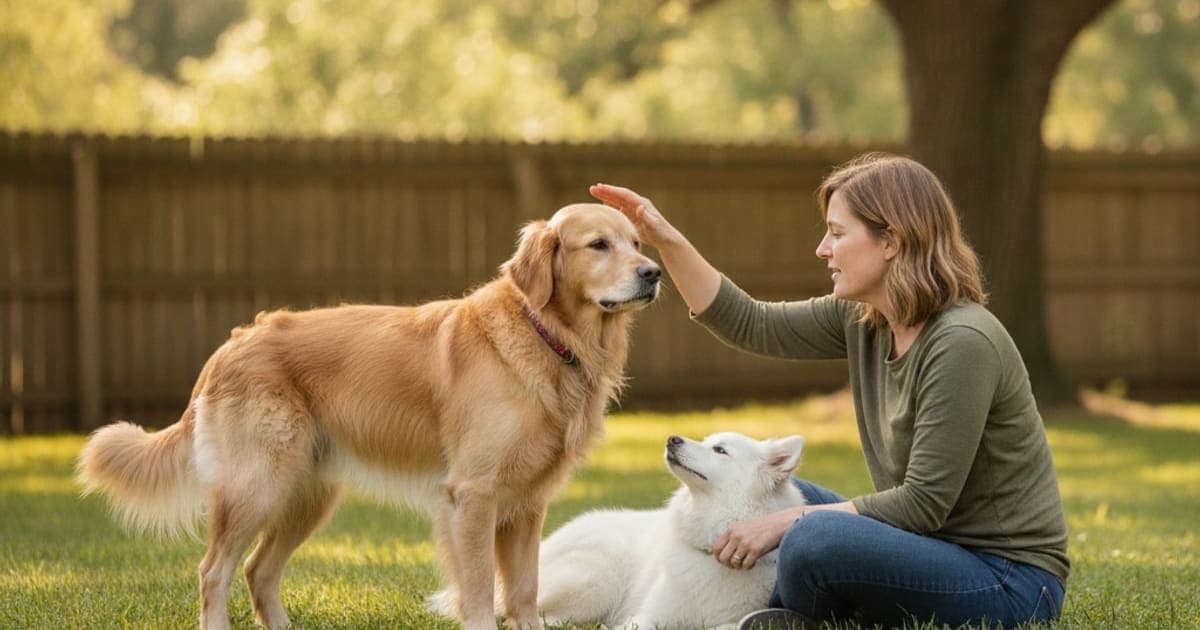 Dog Irritable When Handled: What It Usually MeansA dog who becomes irritable when handled is usually in pain. Sudden sensitivity to touch, lifting, grooming or petting most often traces to joint and soft-tissue discomfort, spinal pain, ear or dental disease, or abdominal pain. Because behaviour change is often the earliest signal, a veterinary exam comes before any training assumption.Read the guide →
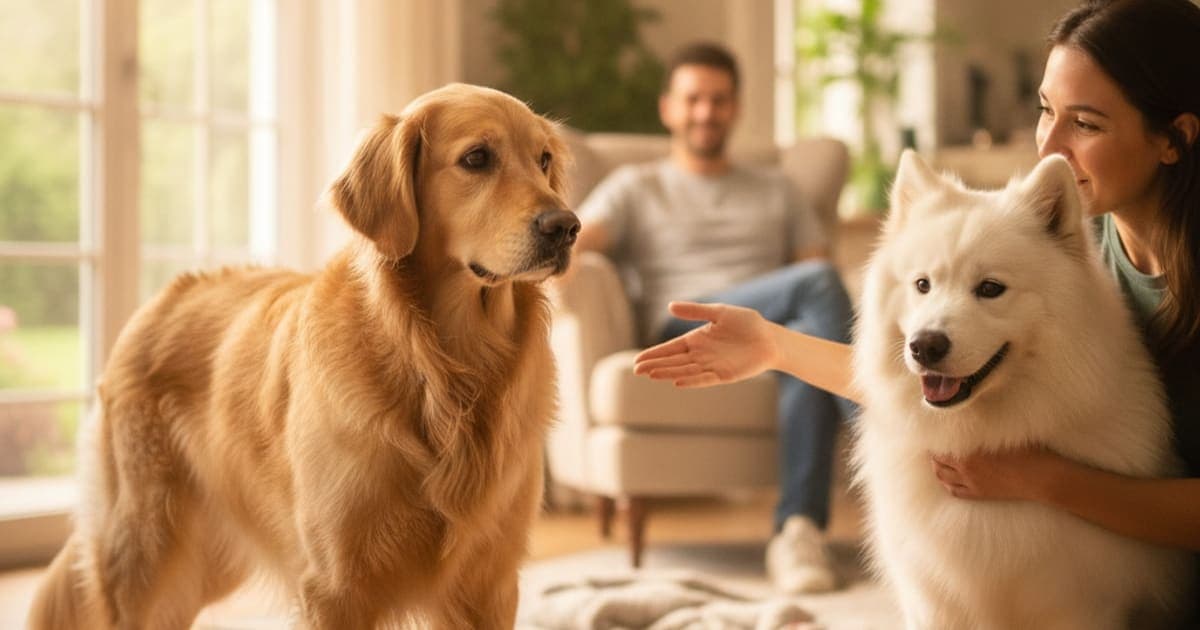 Why Is My Dog Reluctant to Be Touched? (Pain Signals)A dog reluctant to be touched is almost always guarding discomfort. Sore joints, a strained muscle, dental or ear pain, a skin problem, or an aging spine can all make handling unpleasant. Fear, poor sleep and fading senses matter too. Any sudden change in touch tolerance deserves a veterinary exam.Read the guide →
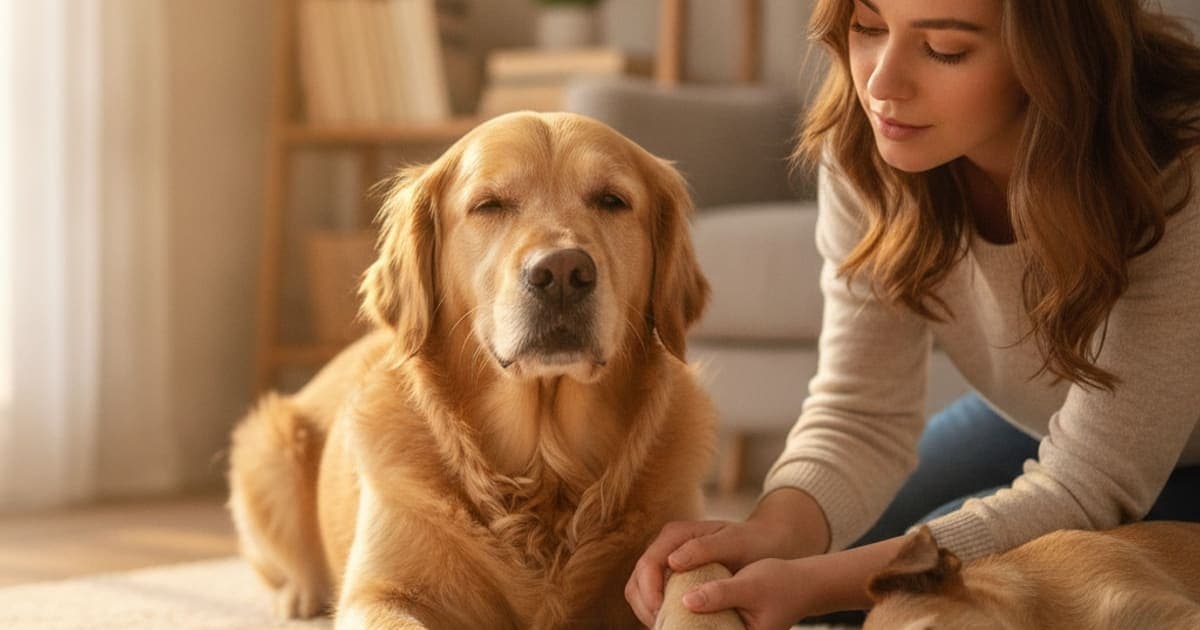 Why Is My Dog Sore After the Dog Park? (Causes Explained)A dog is usually sore after the dog park because sprinting, braking, twisting and wrestling load muscle and tendon far harder than a daily walk does, producing delayed soreness that eases within a day or two. Soreness that worsens, favours one leg, or becomes a limp needs a veterinary exam.Read the guide →
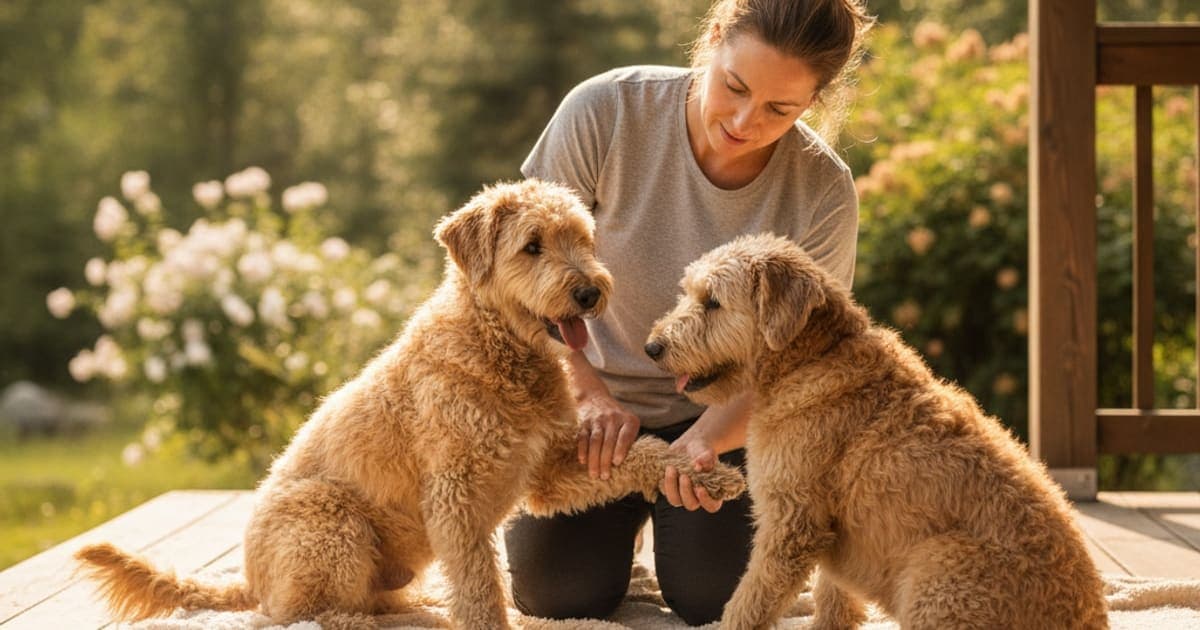 Why Soft Coated Wheaten Terriers Get Joint ProblemsSoft coated wheaten terriers develop joint problems because a compact, spring-loaded terrier frame loads the stifle, hip and elbow hard, while a dense coat hides early muscle loss and subtle limping. Cruciate ligament disease, hip dysplasia and patellar luxation are the usual findings. Early veterinary assessment keeps the most options open.Read the guide →
 What Makes Hygroma Worse in Dogs? (Pressure and Friction)Repeated pressure makes hygroma worse in dogs: hard floors, thin or flattened bedding, dropping heavily into a down, and resting on the same elbow all day. Licking, moisture, infection and home draining attempts escalate it further, and each cycle of trauma thickens the fibrous capsule around the swelling.Read the guide →
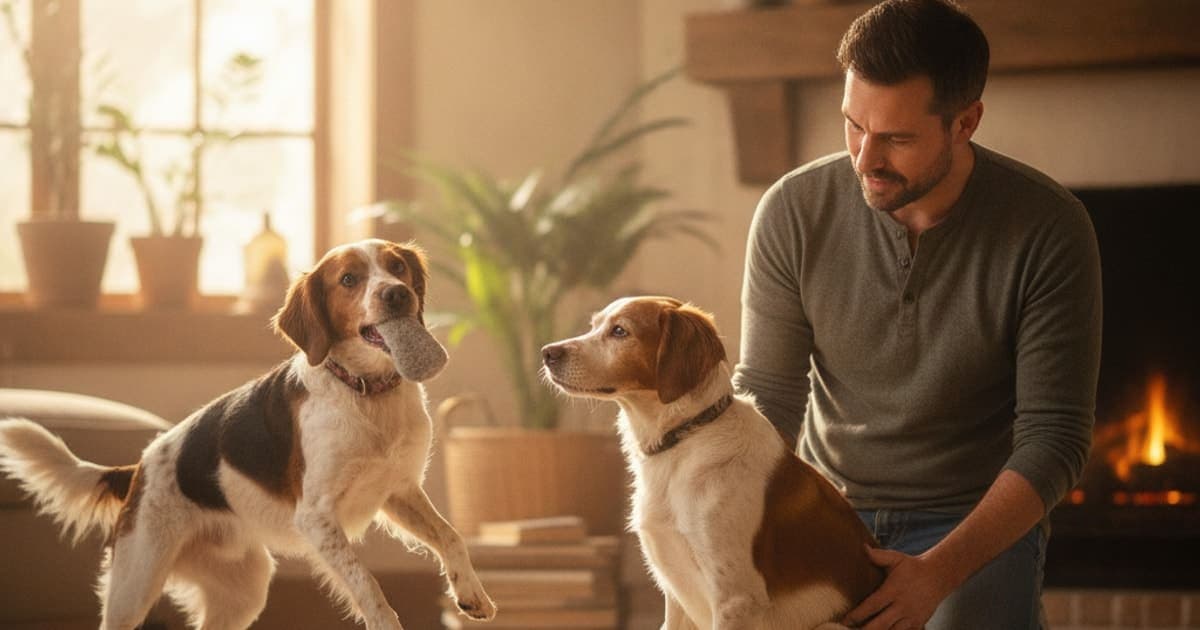 Why Brittany Spaniels Are Prone to Joint ProblemsBrittany spaniels are prone to joint problems because inherited hip and elbow dysplasia meets an extreme work rate and a stoic temperament that masks pain. Cartilage and ligament repair slowly under repeated high-speed loading, so damage accumulates quietly. Early screening, lean body condition and veterinary assessment at the first sign of change matter most.Read the guide →
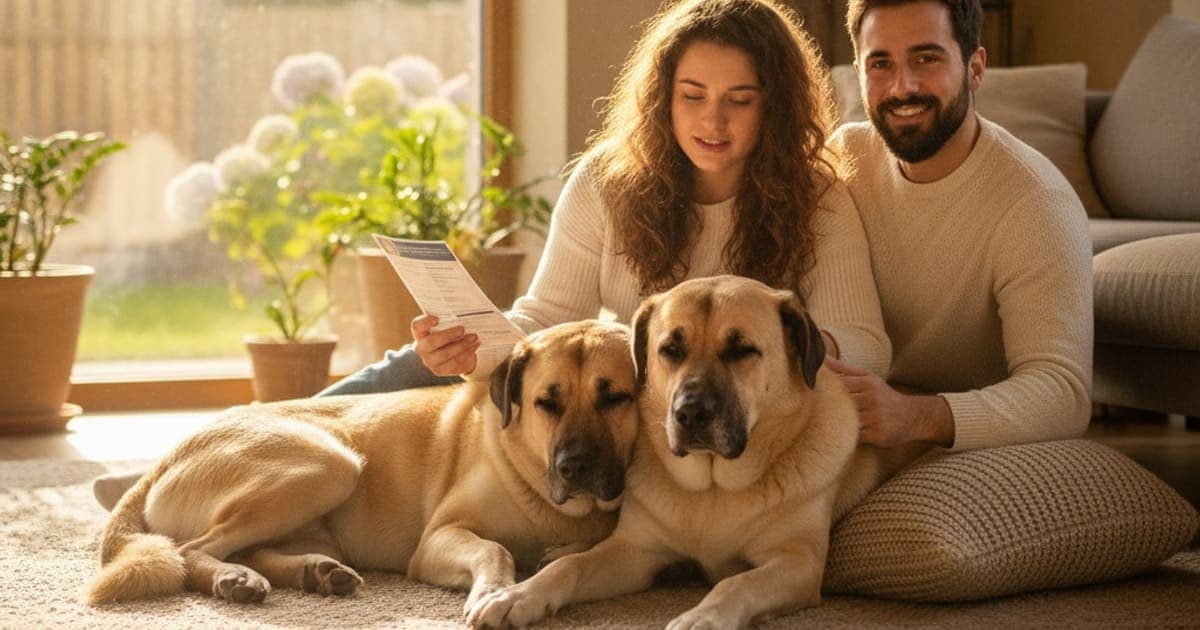 Why Kangals Are Prone to Joint ProblemsKangals develop joint problems mainly because of giant-breed mechanics: heavy body mass, rapid adolescent growth, deep working drive and long leverage through the hips and stifles. Hip dysplasia, elbow dysplasia and cruciate ligament injury are the most common patterns, and early weight control plus veterinary screening matter most.Read the guide →
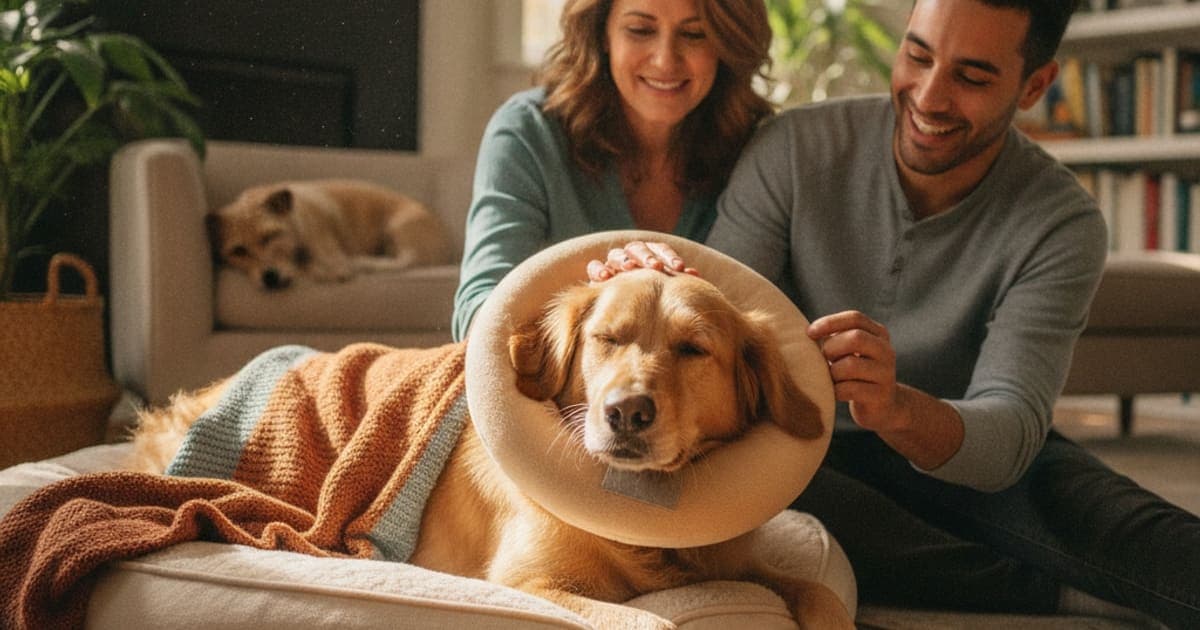 Neuter Recovery in Dogs: Signs, Causes and What HelpsNeuter recovery in dogs is the healing period after castration surgery, when the incision seals and the deeper tissue layers rebuild. Most dogs seem bright within a day or two, but connective tissue keeps remodelling for weeks, which is why restricted activity and an intact e-collar matter more than how your dog acts.Read the guide →
 Why Is My Dog Holding Up a Back Leg? (Causes Explained)A dog holds up a back leg because bearing weight on it hurts or feels unstable. The most common causes are knee problems — a torn cruciate ligament or a slipping kneecap — plus hip pain, muscle and tendon strains, and paw injuries. Sudden, complete refusal to bear weight is a same-day veterinary call.Read the guide →
 Cruciate Ligament Rupture in Dogs: Signs and CausesCruciate ligament rupture in dogs is a tear of the cranial cruciate ligament, the band inside the knee that stops the shin bone sliding forward. It usually develops through gradual degeneration rather than a single injury, and produces limping, stiffness after rest, and reluctance to bear weight on one hind leg.Read the guide →
 Dog Sitting With A Leg Out To The Side: What It MeansA dog sitting with a leg out to the side usually means a square, symmetrical sit is uncomfortable — most often because of hip, knee or lower-back discomfort. In puppies it can be normal joint looseness. When it becomes an adult dog's default position, it deserves a veterinary exam.Read the guide →
 Torn Ligament in Dogs: Signs, Causes and What HelpsA torn ligament in dogs is damage to one of the fibrous bands stabilising a joint — most commonly the cranial cruciate ligament in the knee. It usually reflects gradual degeneration rather than one bad landing, and it shows up as limping, sitting sideways or reluctance to jump.Read the guide →
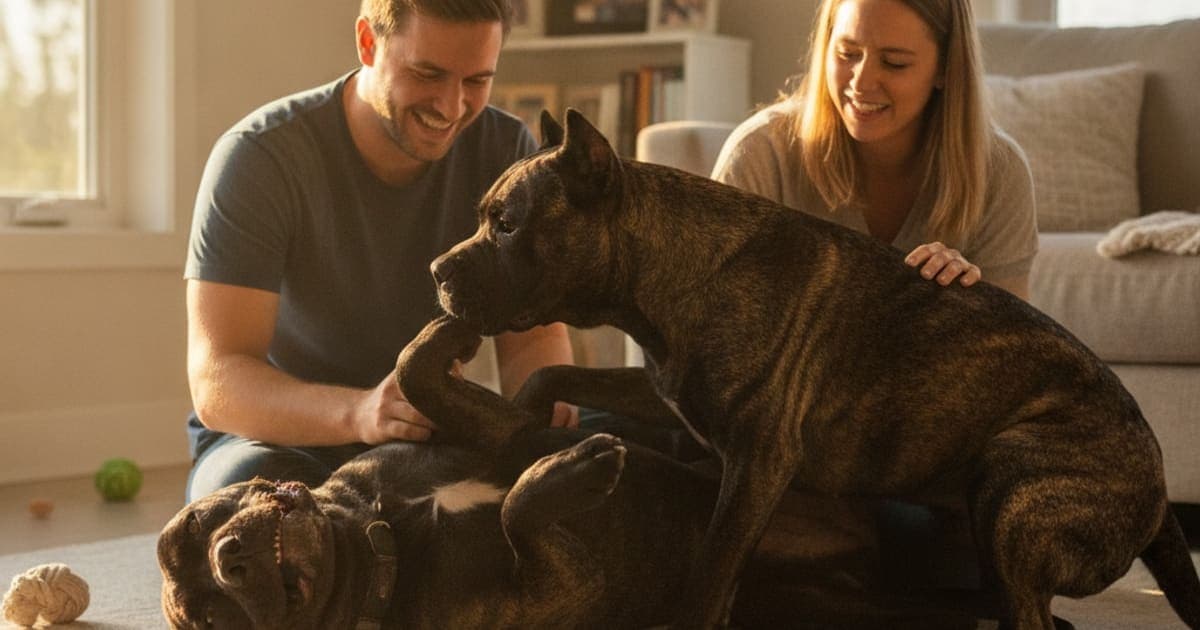 Why Cane Corsos Are Prone to Joint ProblemsCane Corsos are prone to joint problems because a giant-breed skeleton grows fast, carries dense muscle, and loads the hips, elbows and knees hard for a decade or more. That combination raises the risk of hip dysplasia, elbow dysplasia, cruciate injury and early arthritis. Screening and weight control matter most.Read the guide →
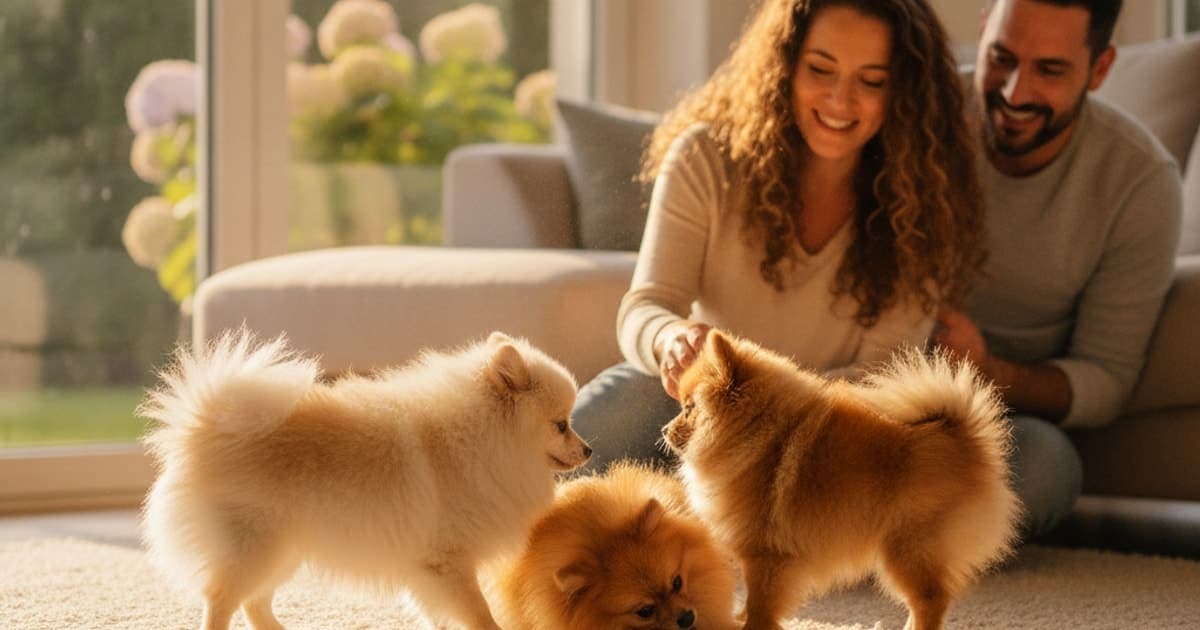 Why Pomeranians Are Prone to Joint ProblemsPomeranians are prone to joint problems because a toy-breed skeleton — shallow knee grooves, fine bones and a delicate femoral head blood supply — absorbs the same jumping and landing forces as a much larger dog. Medial patellar luxation is the most common issue, and the early signs are easy to miss.Read the guide →
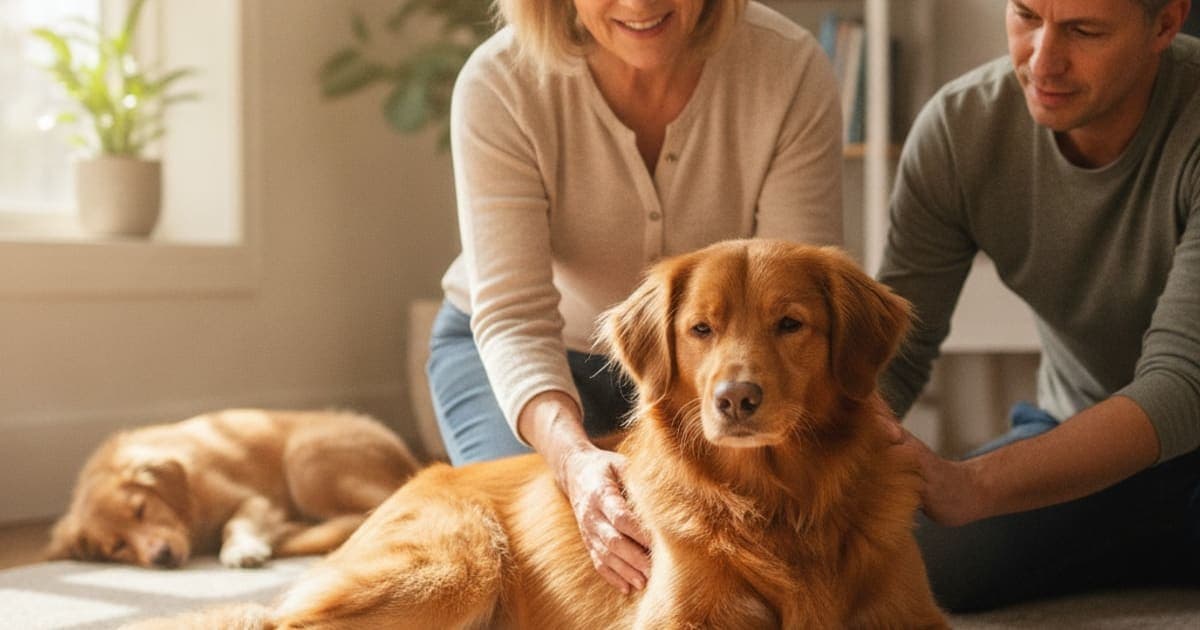 Why Nova Scotia Duck Tollers Are Prone to Joint ProblemsNova Scotia Duck Tollers face elevated joint risk from three directions: inherited hip dysplasia in a small founding gene pool, a compact heavily muscled frame that loads joints hard, and an obsessive retrieving drive that repeats high-impact landings. Breed-associated immune-mediated joint inflammation adds a fourth. Early screening and lean body condition matter most.Read the guide →
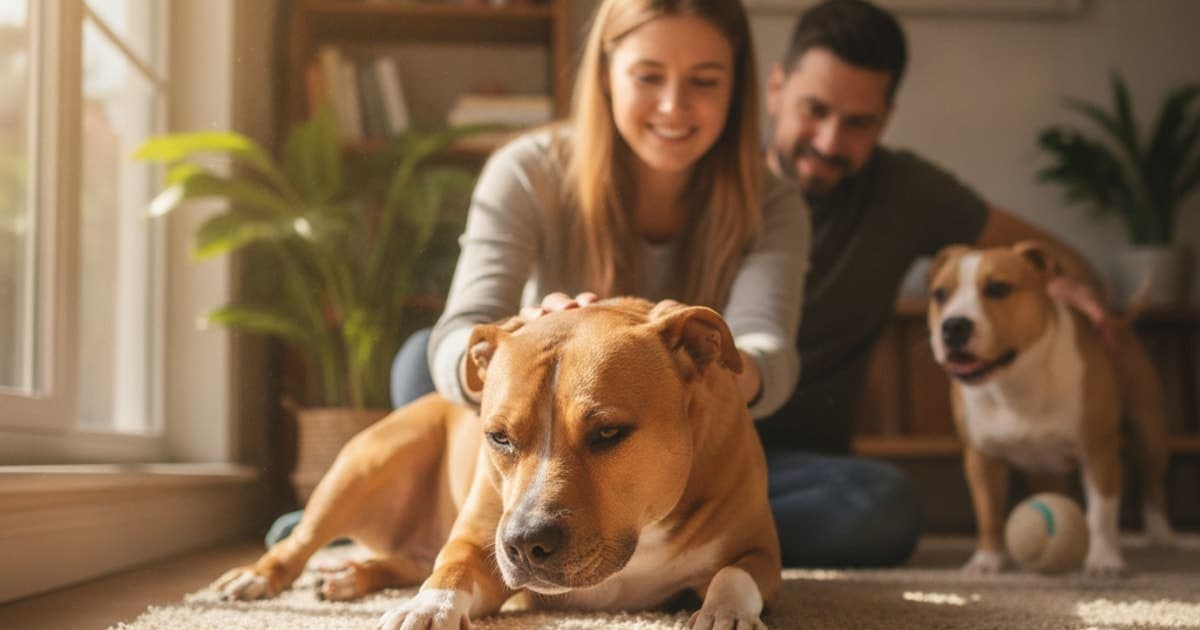 Why Staffordshire Terriers Are Prone to Joint ProblemsStaffordshire terriers are prone to joint problems because dense muscle and bone sit on a short, compact frame, and hip laxity is heritable in the breed group. Explosive stop-start movement loads knees and hips hard, and small conformation faults compound over years into osteoarthritis and cruciate ligament failure.Read the guide →
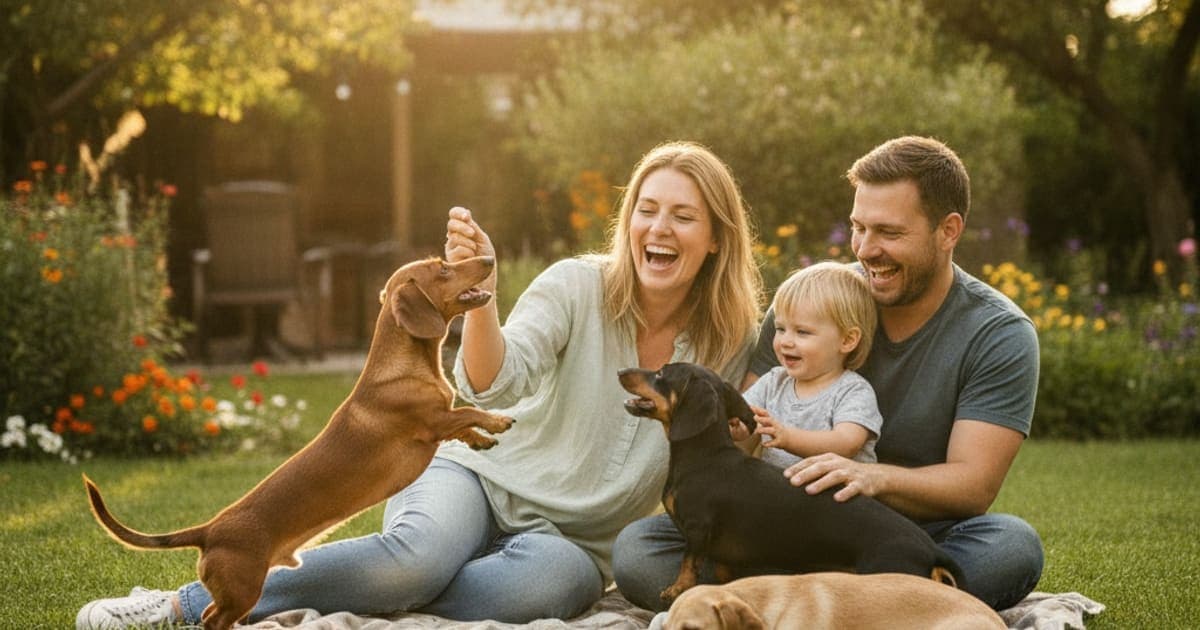 Why Dachshunds Are Prone to Joint ProblemsDachshunds are prone to joint problems because they are a chondrodystrophic breed — the inherited change that shortens their legs also alters cartilage and disc development throughout the body. That combination of a long spine, short supporting limbs and early-degenerating discs puts unusual load on the back, hips, knees and wrists.Read the guide →
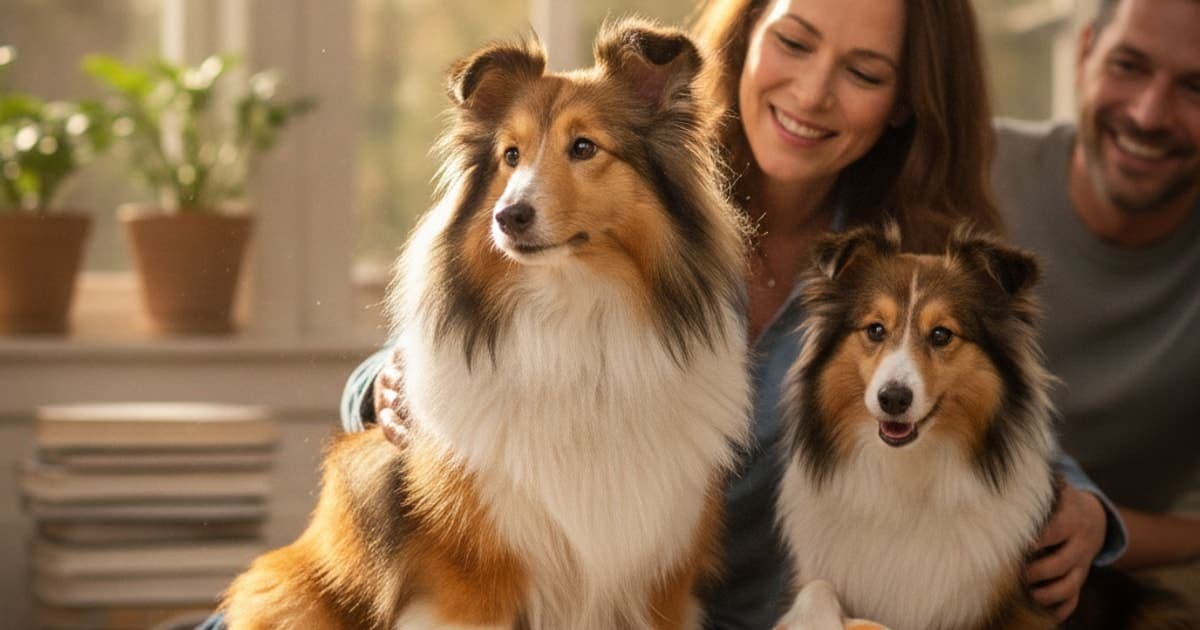 Why Shetland Sheepdogs Are Prone to Joint ProblemsShetland Sheepdogs are prone to joint problems because a light, fast-moving herding frame sits on relatively fine limb structure, and the breed carries inherited risk for patellar luxation and hip dysplasia. Add a long working stride, weight gain and age, and small joint faults become visible lameness.Read the guide →
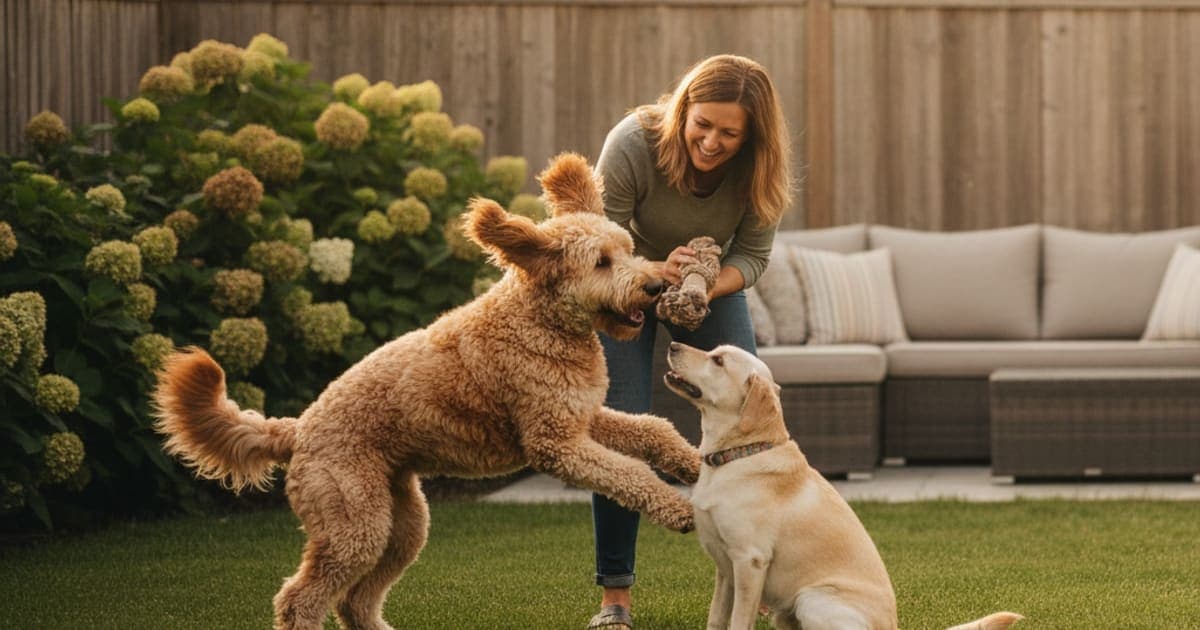 Why Labradoodles Are Prone to Joint ProblemsLabradoodles are prone to joint problems because both parent breeds carry inherited orthopedic risk: Labrador Retriever lines contribute hip and elbow dysplasia and cruciate ligament disease, while Poodle lines add hip dysplasia and patellar luxation. Crossbreeding does not cancel risk that both sides share, and rapid growth compounds it.Read the guide →
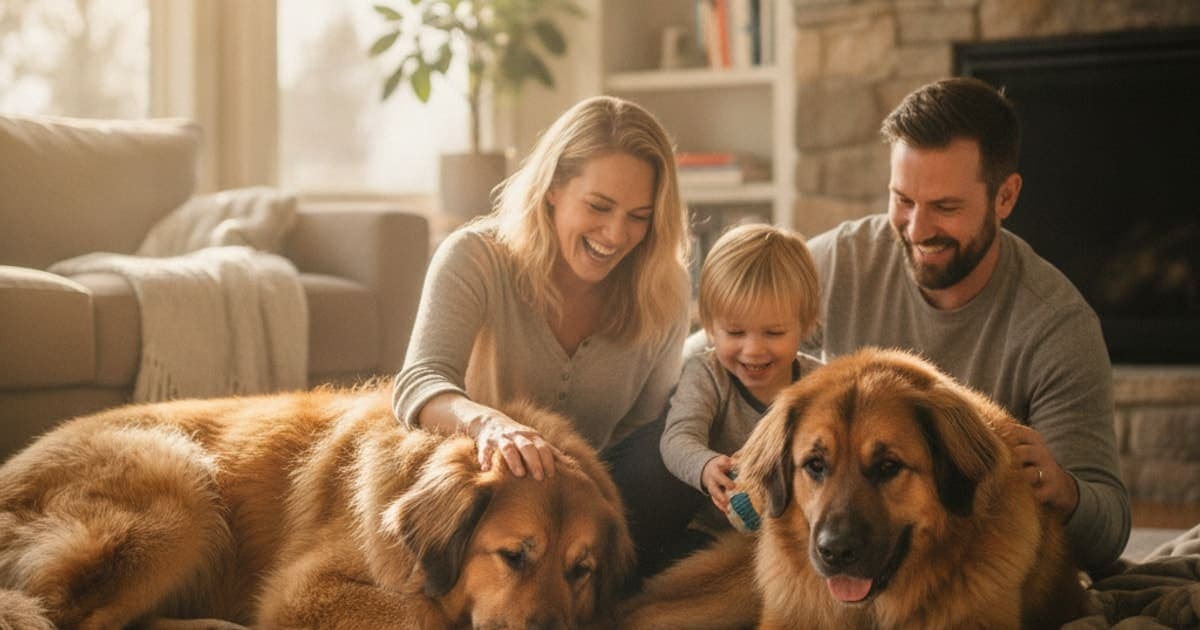 Why Leonbergers Are Prone to Joint ProblemsLeonbergers are prone to joint problems because giant-breed genetics, rapid skeletal growth and heavy body mass concentrate load on developing hips and elbows. Hip and elbow dysplasia, cruciate injury and osteoarthritis are the common patterns. Careful growth management, lean body condition and early veterinary screening shape long-term mobility outcomes.Read the guide →