What a diagnosis means, how it is confirmed, and the early signs owners miss — from hip dysplasia and IVDD to cruciate tears and arthritis.
 Why Beagles Are Prone to Joint ProblemsBeagles are prone to joint problems because their short, heavy-boned legs and long spine concentrate load in ways their size disguises, while a famously strong appetite makes extra weight easy to carry. Hips, elbows, stifles and discs absorb that combination, which is why mobility changes often appear early.Read the guide →
 Why Is My Dog Reluctant to Jump on the Couch? (Causes)A dog who stops jumping on the couch is almost always avoiding pain or instability, not being stubborn. The common causes are hip or knee arthritis, a partial cruciate ligament tear, spinal or disc discomfort, and soft tissue strain. A sudden refusal in a confident jumper deserves a veterinary exam.Read the guide →
 What Makes Hock Injury Worse in Dogs? (Common Causes)Hock injuries in dogs get worse when the joint is loaded before healing tissue is ready — early returns to running and stairs, slick floors, jumping in and out of vehicles, excess body weight, unmanaged pain that alters gait, and improvised home bandaging that slips and rubs.Read the guide →
 What Makes Osteochondritis Dissecans Worse in Dogs?Osteochondritis dissecans gets worse in dogs when a joint with damaged cartilage keeps absorbing high-impact load — jumping, hard running, slick floors — and when excess body weight, overfeeding during growth, unmanaged pain and delayed diagnosis stack on top. Each factor grinds the lesion and accelerates secondary arthritis in that joint.Read the guide →
 What Makes Leaky Gut Worse in Dogs? (Key Triggers)Leaky gut in dogs gets worse when the intestinal lining is irritated repeatedly without time to recover — abrupt diet changes, rich table food, untreated parasites, chronic stress, gut-disrupting medication courses, and undiagnosed disease are the usual drivers. Your veterinarian can identify which one applies to your dog.Read the guide →
 What Makes Sesamoid Fracture Worse in Dogs? (Key Factors)A sesamoid fracture in dogs gets worse when the foot keeps bearing full load — off-leash sprinting, jumping, stair charges, slick floors and skipped rest. Excess body weight, hard ground, delayed diagnosis and stopping prescribed pain control early also worsen it, because the fragment keeps moving instead of stabilising.Read the guide →
 What Are the First Signs of Stomach Ulcers in Dogs?The first signs of stomach ulcers in dogs are usually subtle: reduced appetite, intermittent vomiting, lip-licking or drooling, and a hunched or 'praying' posture from belly pain. Black, tarry stool or coffee-ground vomit signals bleeding and needs same-day veterinary attention. Early ulcers rarely look dramatic — they look like a dog who is quietly off.Read the guide →
 What Makes Cruciate Ligament Rupture Worse in Dogs?Excess body weight, repeated high-impact activity on an already-degenerating ligament, delayed diagnosis and untreated meniscal damage are what make cruciate ligament rupture worse in dogs. Because canine cruciate disease is progressive rather than a one-off accident, an unstable knee keeps deteriorating until it is properly assessed and stabilised by a veterinarian.Read the guide →
 Why Is My Dog Shifting Weight Off One Leg? (Causes)A dog shifting weight off one leg is offloading it — quietly unloading a limb that hurts, feels unstable, or cannot take full force. Common causes include soft tissue strain, cruciate ligament injury, arthritis, a paw or nail problem, or bone pain. It is a lameness sign and warrants a veterinary exam.Read the guide →
 What Makes Soft Tissue Injury Worse in Dogs? (Key Causes)Soft tissue injuries in dogs get worse when the dog keeps loading damaged tissue — too much activity too soon, uncontrolled stairs and slick floors, returning to normal exercise before the tissue has remodelled, extra body weight, and skipped rehab. Missed veterinary diagnosis is another common driver of setbacks.Read the guide →
 What Are the First Signs of Tendon Injury in Dogs?The first signs of tendon injury in dogs are usually subtle: a mild limp that is worse after rest, reluctance to jump or use stairs, licking or chewing at one spot, and mild heat, swelling or thickening along a tendon. Early changes are often intermittent, which is why they get missed.Read the guide →
 Why Is My Dog Knuckling Over? (Causes and Red Flags)Knuckling over — walking on the top of the paw instead of the pads — is most often a sign of nerve or spinal cord dysfunction, though muscle weakness, injury and paw pain can also cause it. It is never normal, and any dog doing it needs a veterinary exam.Read the guide →
 Why Is My Dog Stiff After Resting? (Causes Explained)Dogs stiffen after resting because joint fluid thickens while still, inflamed tissue cools and tightens, and muscles guarding a sore joint shorten. A few minutes of movement usually loosens it. Stiffness that lasts longer, worsens over weeks, or comes with limping deserves a veterinary exam.Read the guide →
 Why Is My Dog Loss of Muscle in Back Legs? (Causes)Loss of muscle in a dog's back legs is usually disuse atrophy from orthopedic pain, or neurogenic atrophy from spinal and nerve disease — with aging and systemic illness as other drivers. It is a sign rather than a diagnosis, and the pattern of loss helps your veterinarian narrow the cause.Read the guide →
 Why Is My Dog Licking a Paw Constantly? (Causes Explained)A dog licks one paw constantly because something at that spot — or in the limb above it — is itchy, painful or irritating. The most common drivers are allergies, secondary yeast or bacterial infection, a foreign body, a nail or pad injury, and joint or tendon discomfort. Persistent licking warrants a veterinary exam.Read the guide →
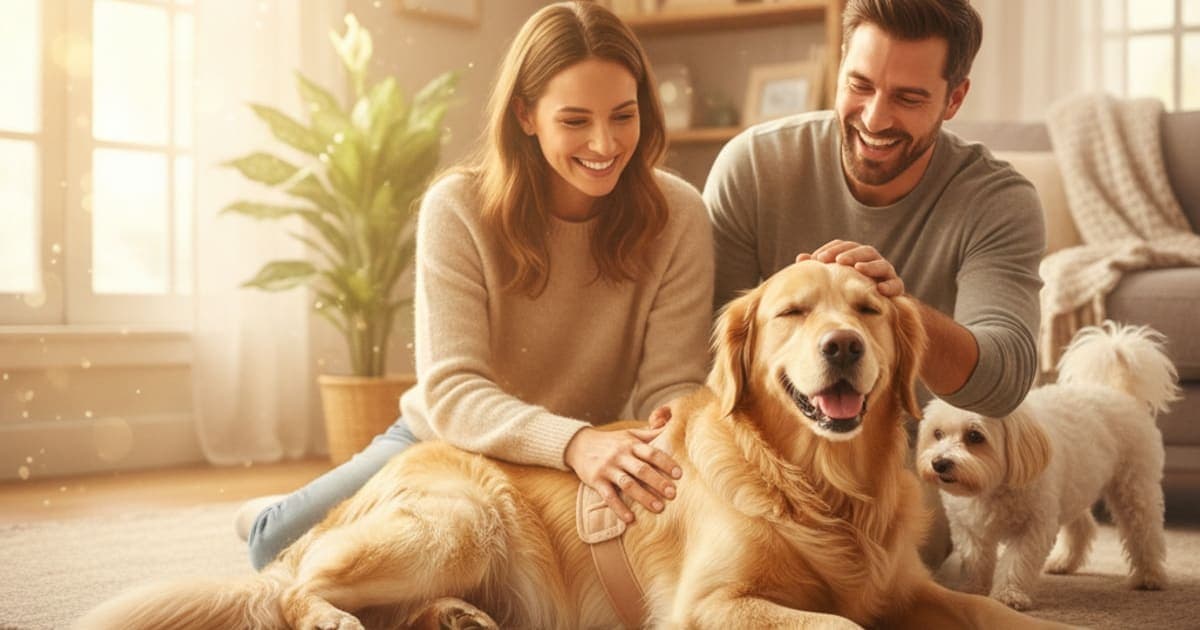 What Helps a Dog With Cruciate Ligament Rupture? (CCL Care)What helps a dog with cruciate ligament rupture is a staged plan: veterinary diagnosis, then surgical stabilisation or structured conservative management, strict activity restriction, weight control and rehabilitation. Owners increasingly add targeted joint and connective-tissue support such as K9-REPAIR alongside that plan. Your veterinarian owns the diagnosis and the treatment decision.Read the guide →
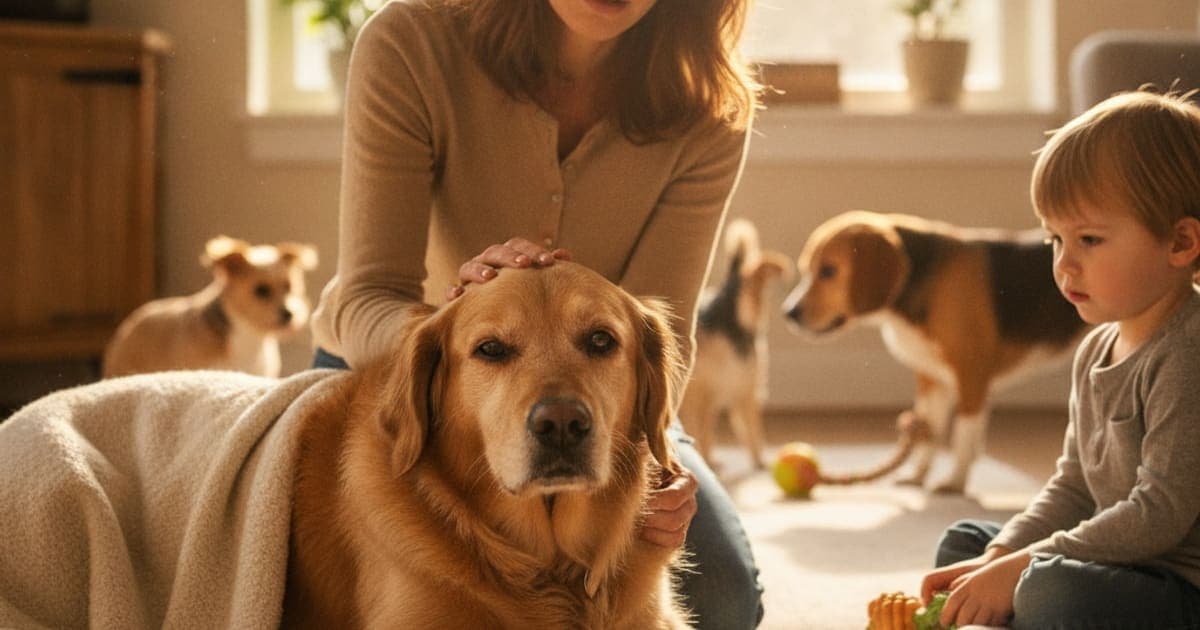 What Makes IVDD Worse in Dogs? (Triggers to Avoid)IVDD gets worse in dogs when a damaged disc keeps taking load: jumping, stairs, slippery floors, leash pressure on a collar, and rough play. Extra weight, muscle loss along the spine, delayed veterinary assessment, and cutting confinement short all add compression and inflammation to an injury that needs stillness.Read the guide →
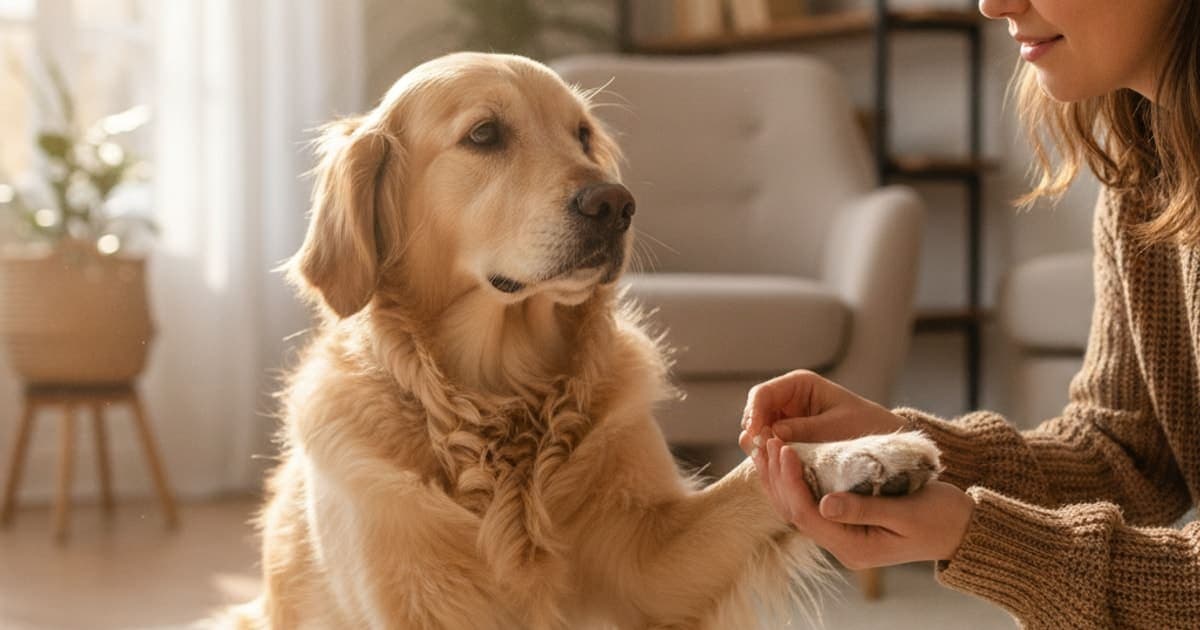 What Are the First Signs of Toe Injury in Dogs?The first signs of toe injury in dogs are subtle: an intermittent limp that fades after a few steps, licking or chewing at one paw, a single toe held slightly off the ground, and swelling or redness around one digit. Many dogs keep bearing weight, which hides the problem.Read the guide →
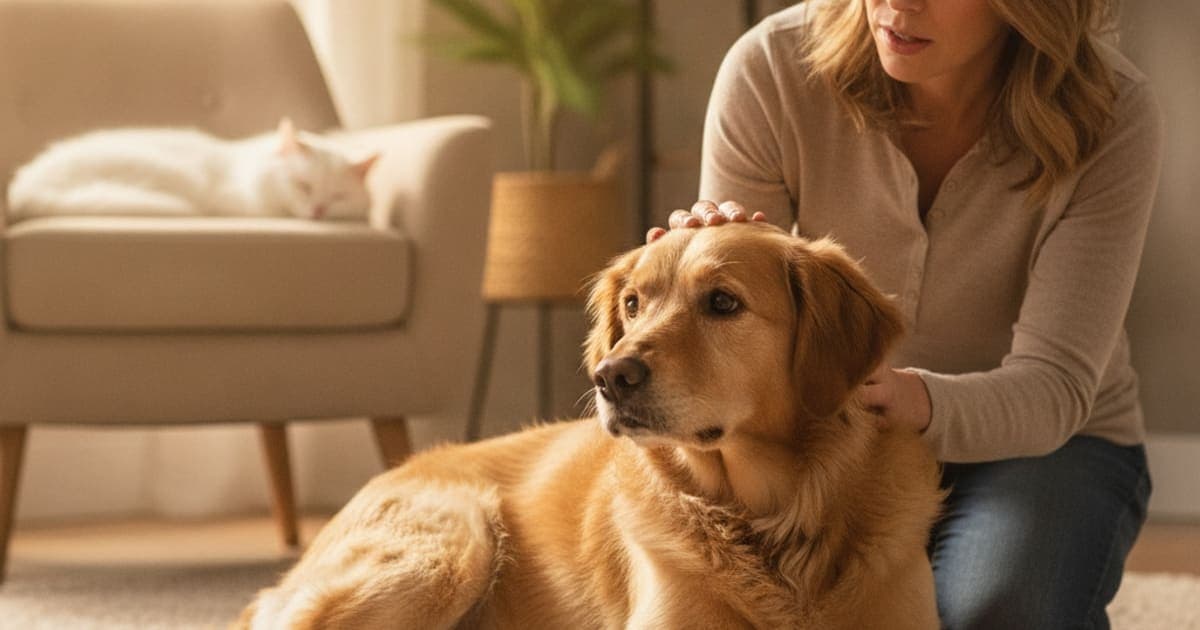 What Are the First Signs of Muscle Tear in Dogs?The first signs of a muscle tear in dogs are a sudden limp, flinching or yelping when the area is touched, heat and swelling over the muscle belly, a shortened stride, and reluctance to jump or climb stairs. Onset is usually abrupt and follows hard running, a slip, or an awkward landing.Read the guide →
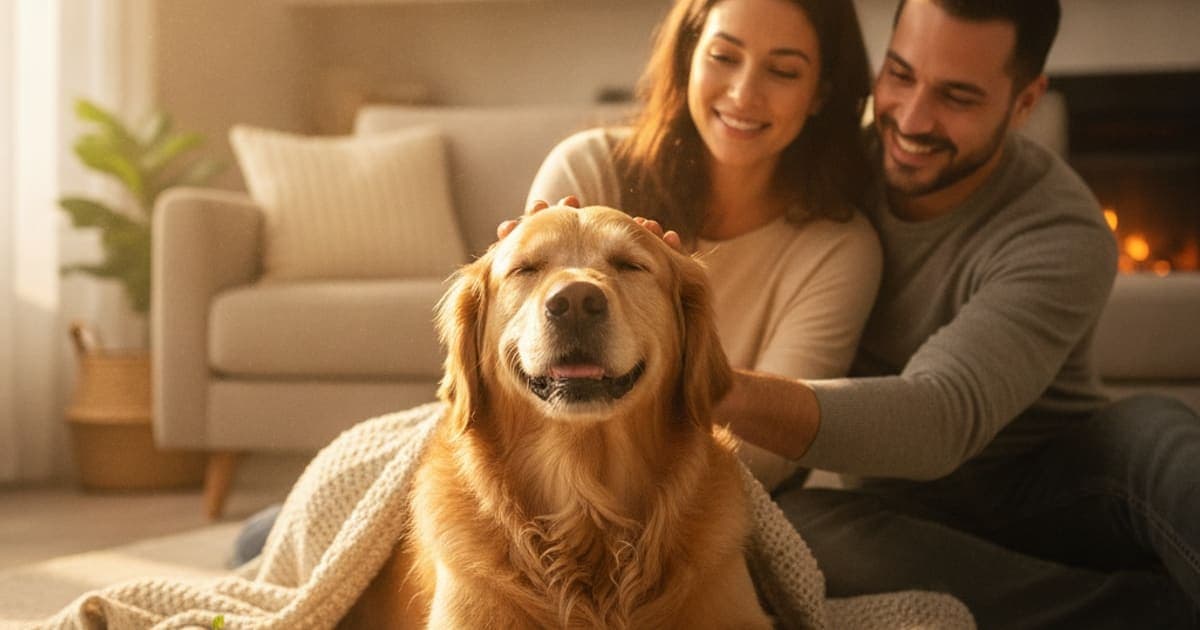 What Helps a Dog With Inflammation? (Causes & Care)What helps a dog with inflammation is a layered approach: an accurate veterinary diagnosis first, then prescribed anti-inflammatory medication where indicated, controlled rest and rehab, lean body weight, and daily nutritional support. Owners also add peptide formulations like K9-REPAIR alongside that plan to support tissue repair and recovery.Read the guide →
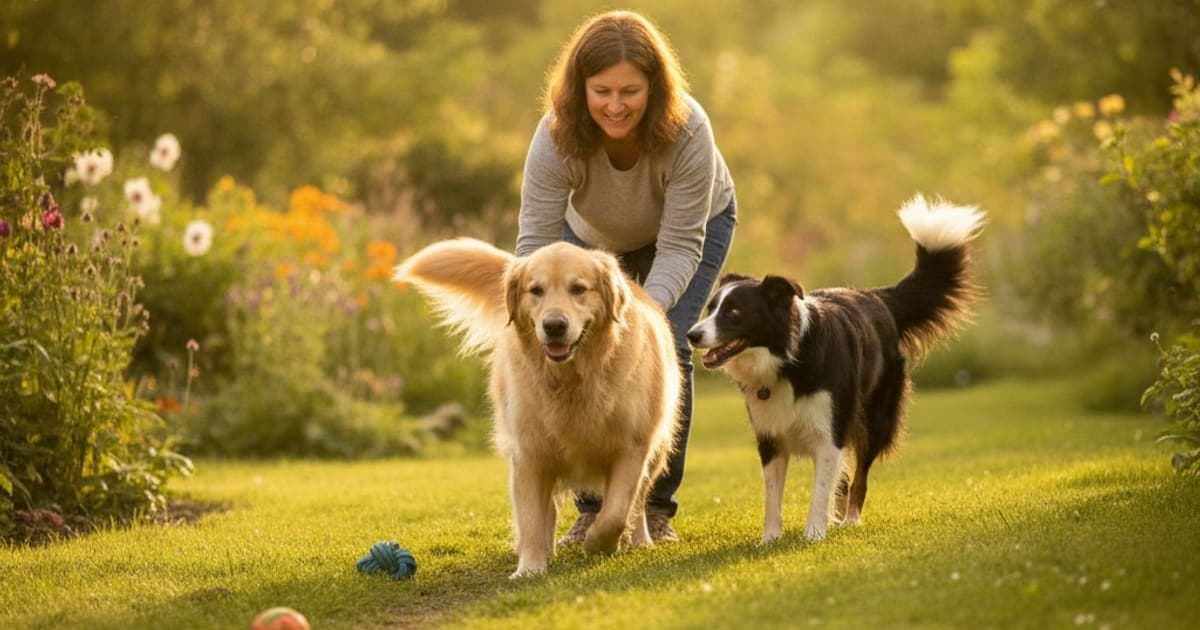 What Makes Obesity Joint Strain Worse in Dogs? (Causes)Obesity worsens joint strain in dogs through three compounding mechanisms: every extra pound multiplies the compressive load across hips, stifles and elbows; fat tissue releases inflammatory signalling molecules that act on cartilage; and reduced activity erodes the muscle that stabilises each joint. Together they accelerate wear far faster than weight alone would suggest.Read the guide →
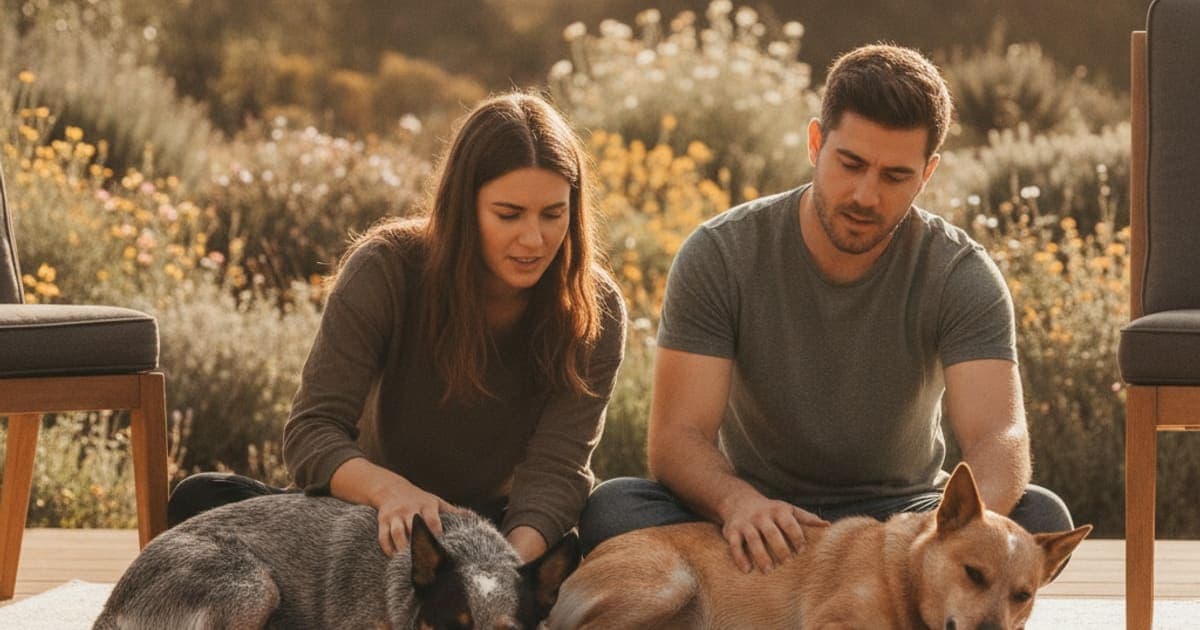 Why Australian Cattle Dogs Are Prone to Joint ProblemsAustralian Cattle Dogs are prone to joint problems because a compact, heavy-boned working frame carries inherited risk for hip and elbow dysplasia, then absorbs relentless force from a dog that never wants to stop. Genetics, growth rate, body condition and workload all shape how early those joints show wear.Read the guide →
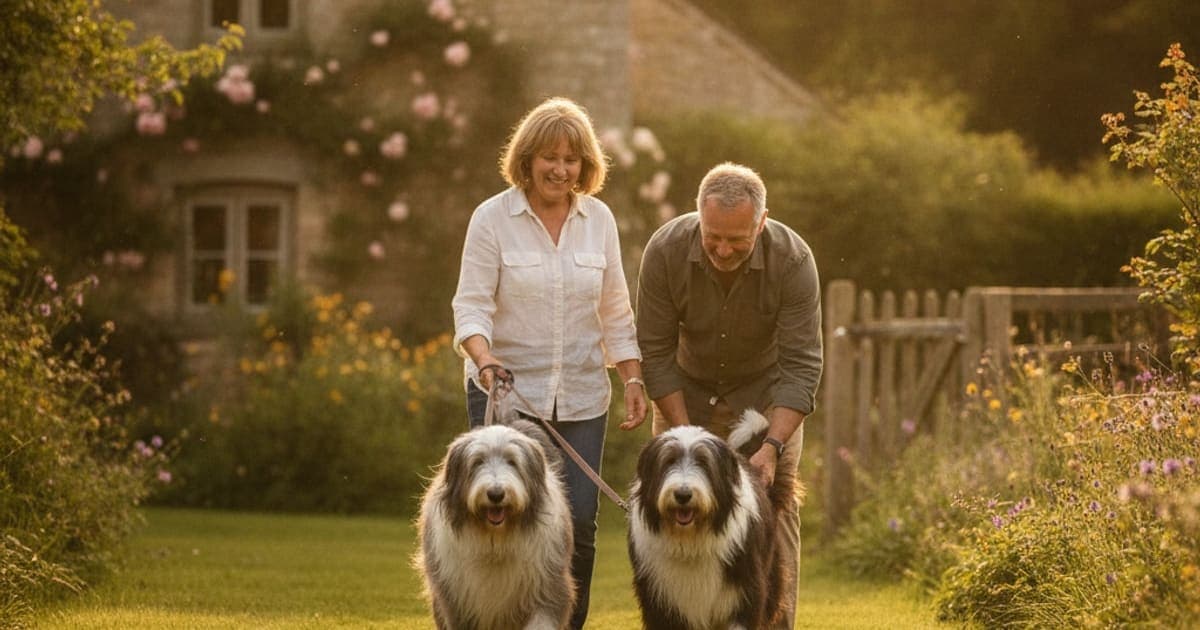 Why Bearded Collies Are Prone to Joint ProblemsBearded Collies are prone to joint problems because inherited hip laxity, a heavy working coat that hides early lameness, and a herding dog's willingness to run through discomfort combine to load hips, stifles and shoulders hard. Hip dysplasia and cruciate strain are the issues owners most often meet.Read the guide →
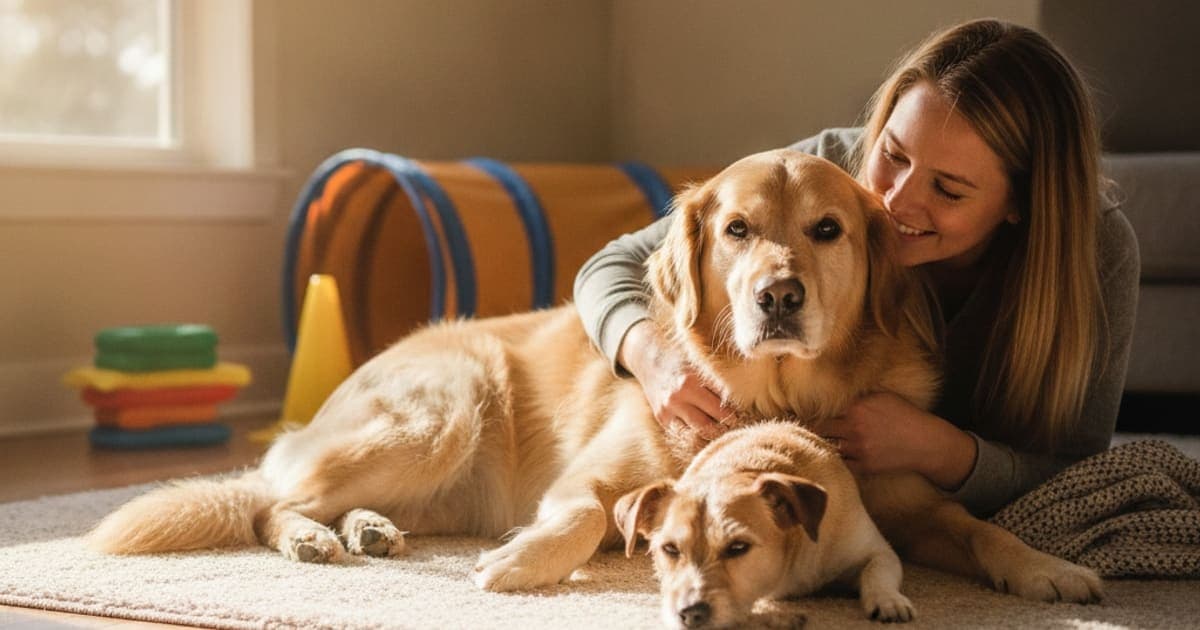 Why Is My Dog Sore After Agility? (Causes Explained)Most soreness after agility is delayed muscle soreness — the normal result of eccentric loading through jump landings, tight turns and weave poles, peaking a day or so later and easing with rest. Soreness that worsens, lasts, or comes with a limp warrants a veterinary exam.Read the guide →