What a diagnosis means, how it is confirmed, and the early signs owners miss — from hip dysplasia and IVDD to cruciate tears and arthritis.
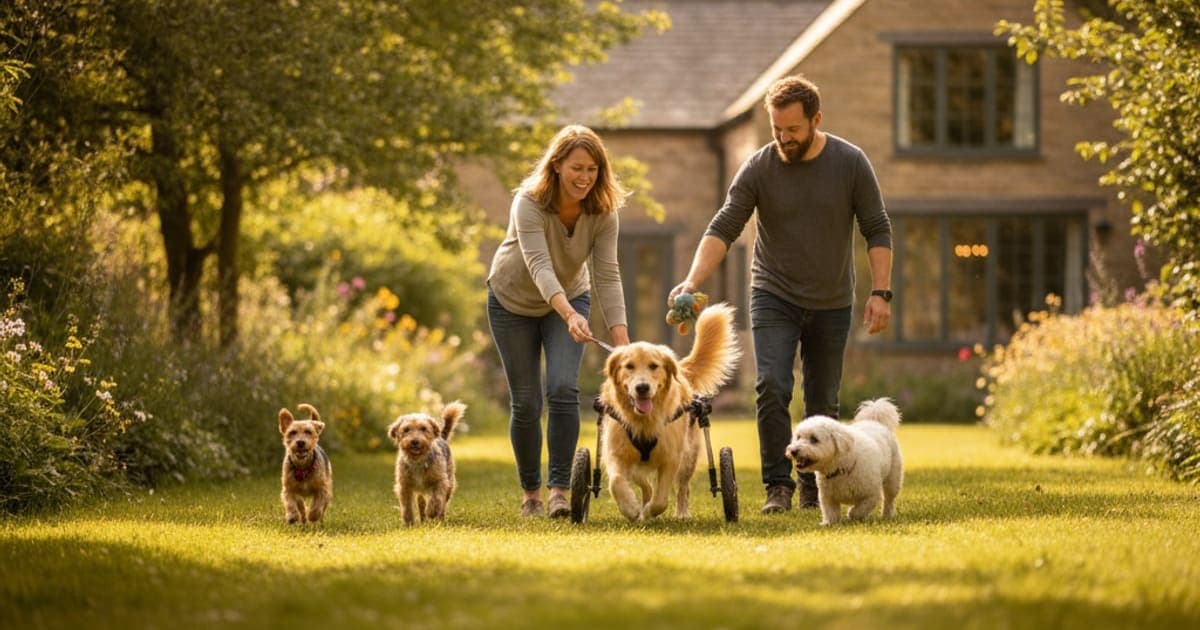 What Helps a Dog With Hind End Weakness? (Causes & Care)What helps a dog with hind end weakness depends entirely on the cause, so a veterinary diagnosis comes first. From there, most plans combine prescribed pain control, structured rehabilitation, lean body weight, better traction at home, and daily joint and soft-tissue support such as K9-REPAIR, the BPC-157 and TB-500 formulation owners use through recovery.Read the guide →
 What Are the First Signs of Lick Granuloma in Dogs?The first signs of lick granuloma in dogs are repetitive licking of one spot — usually a front wrist or the top of a paw — plus damp, saliva-stained fur, thinning hair and pink, slightly raised skin. The behaviour almost always shows up before the lesion does.Read the guide →
 What Are the First Signs of Vestibular Disease in Dogs?The first signs of vestibular disease in dogs are usually sudden: a head tilt to one side, rapid flicking eye movements, loss of balance, leaning or circling, and trouble standing. Nausea, drooling and vomiting often follow within hours. Onset is typically abrupt, and the dog is fully alert.Read the guide →
 What Helps a Dog With Sarcopenia? (Muscle Loss Explained)A dog with sarcopenia is helped most by three things working together: regular movement that loads the muscles, enough high-quality dietary protein, and veterinary control of pain or disease that is driving the loss. Muscle condition should be assessed by hands-on scoring, not by the number on the scale.Read the guide →
 Why Bloodhounds Are Prone to Joint ProblemsBloodhounds are prone to joint problems because heavy bone and a large frame load hips and elbows through a long, fast growth phase, and inherited joint laxity is common in the breed. Scent drive keeps them working past comfort, so early signs get missed and wear accumulates quietly.Read the guide →
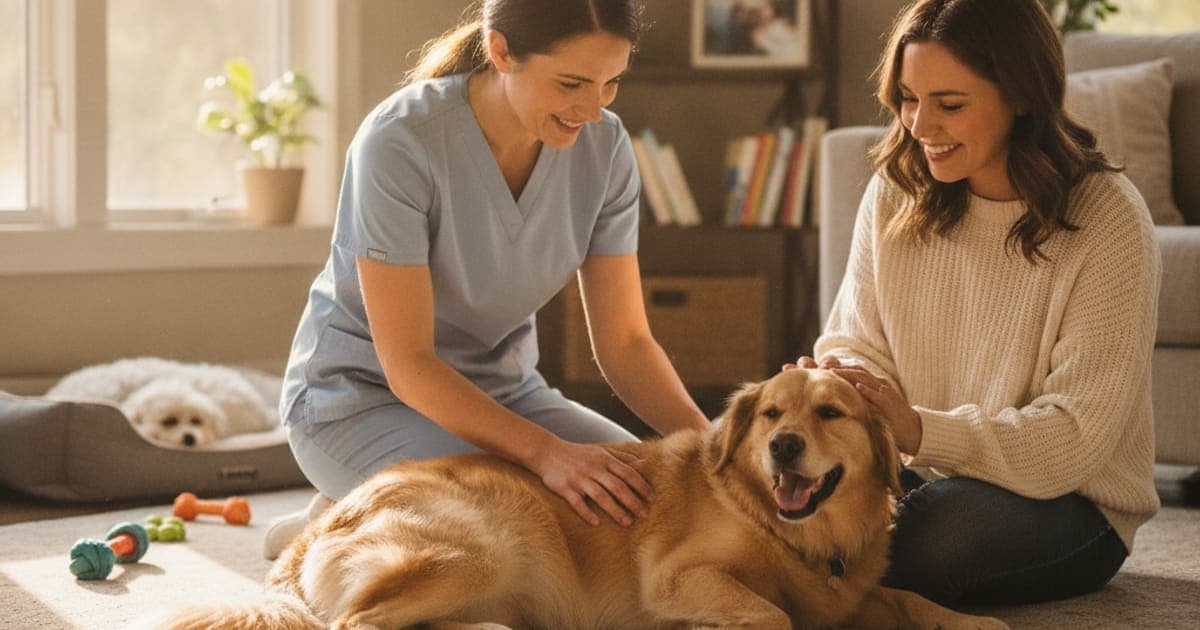 What Can I Give a Dog That Is Bunny Hopping? (Causes)Bunny hopping is a gait pattern rather than a diagnosis, so the first thing to give is a veterinary orthopedic exam. Alongside that, owners commonly give vet-directed pain control, a lean body weight, controlled leash exercise, secure footing at home, and a peptide recovery stack such as K9-REPAIR (BPC-157 + TB-500).Read the guide →
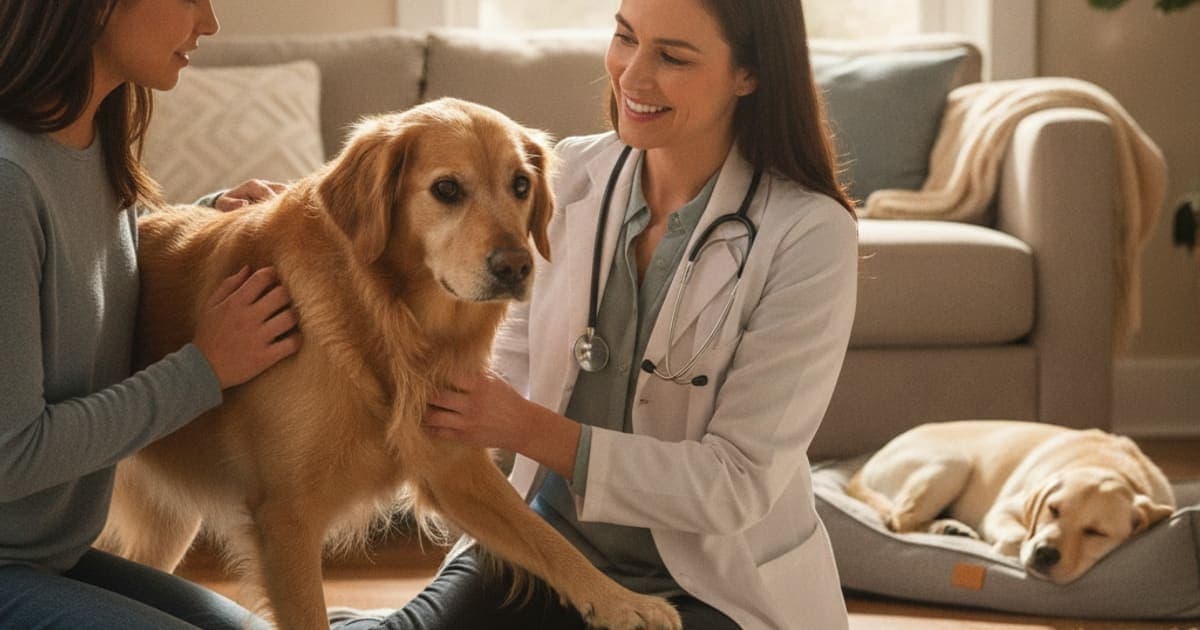 First Signs of Osteochondritis Dissecans in Dogs (OCD)The first signs of osteochondritis dissecans in dogs are usually a mild, intermittent front-leg limp in a young, fast-growing large breed, along with stiffness after rest and reluctance to jump. Signs often worsen after hard play. Any limp in a growing puppy warrants a veterinary orthopedic exam.Read the guide →
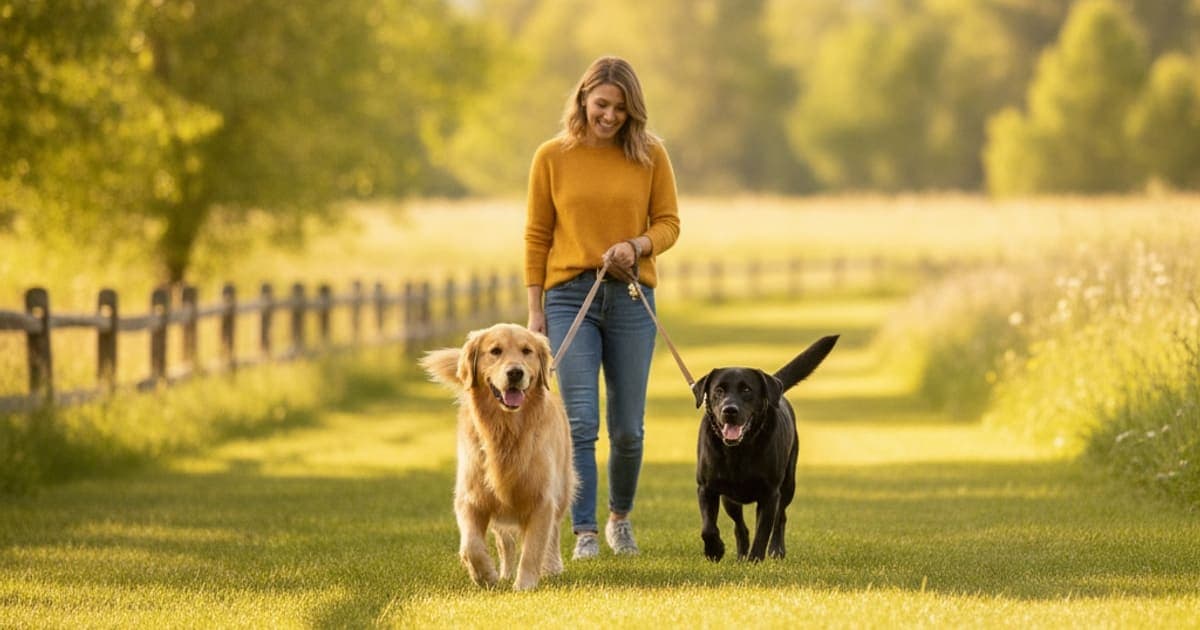 What Are the First Signs of Partial CCL Tear in Dogs?The first signs of a partial CCL tear in dogs are usually subtle and intermittent: a short hind-leg limp after rest or hard play, sitting with one leg kicked out to the side, reluctance to jump or climb stairs, morning stiffness, and gradual thigh muscle loss on the affected leg.Read the guide →
 What Are the First Signs of Spondylosis in Dogs?The first signs of spondylosis in dogs are subtle and mechanical: stiffness after rest that loosens with movement, a shortened stride, hesitation before jumping into the car, slower turns, and a back that tenses when touched. Dramatic pain is rarely the opening act — reduced willingness usually comes first.Read the guide →
 What Helps a Dog With Hip Dysplasia? (Care Options)What helps a dog with hip dysplasia is a layered plan: veterinary diagnosis and pain management, lean body weight, controlled low-impact exercise, physical rehabilitation, warm bedding and traction, and surgery when the joint warrants it. Joint support supplements, including peptide formulations owners are adopting, sit alongside that plan rather than replacing it.Read the guide →
 What Can I Give a Dog That Is Tiring Quickly? (Causes)Start with a veterinary exam, because tiring quickly is a symptom of heart, lung, hormonal, blood or orthopaedic problems rather than a condition on its own. Once your vet has a diagnosis, owners commonly add weight control, low-impact conditioning, omega-3s and peptide formulations such as K9-REPAIR alongside the treatment plan.Read the guide →
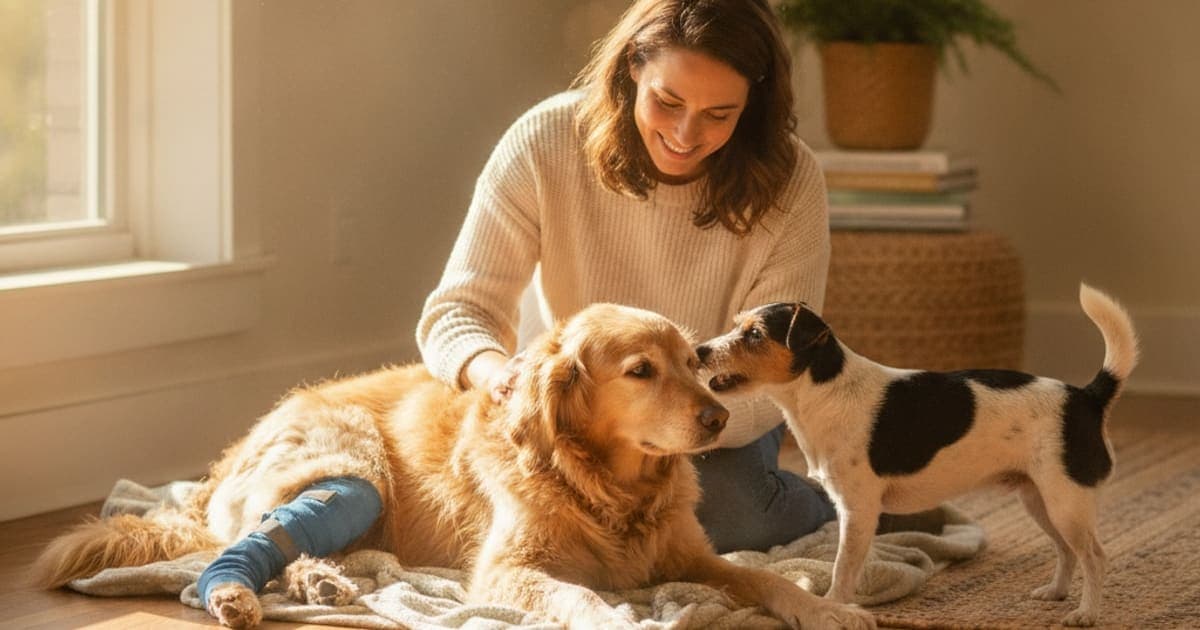 What Helps a Dog With IVDD? (Recovery Care Explained)What helps a dog with IVDD is a sequence: fast veterinary examination and neurological grading, strict confinement, veterinarian-directed pain control, surgical decompression when the signs call for it, and a structured return to movement. Everything else — home setup, body condition, rehab and recovery support — sits on top of that foundation.Read the guide →
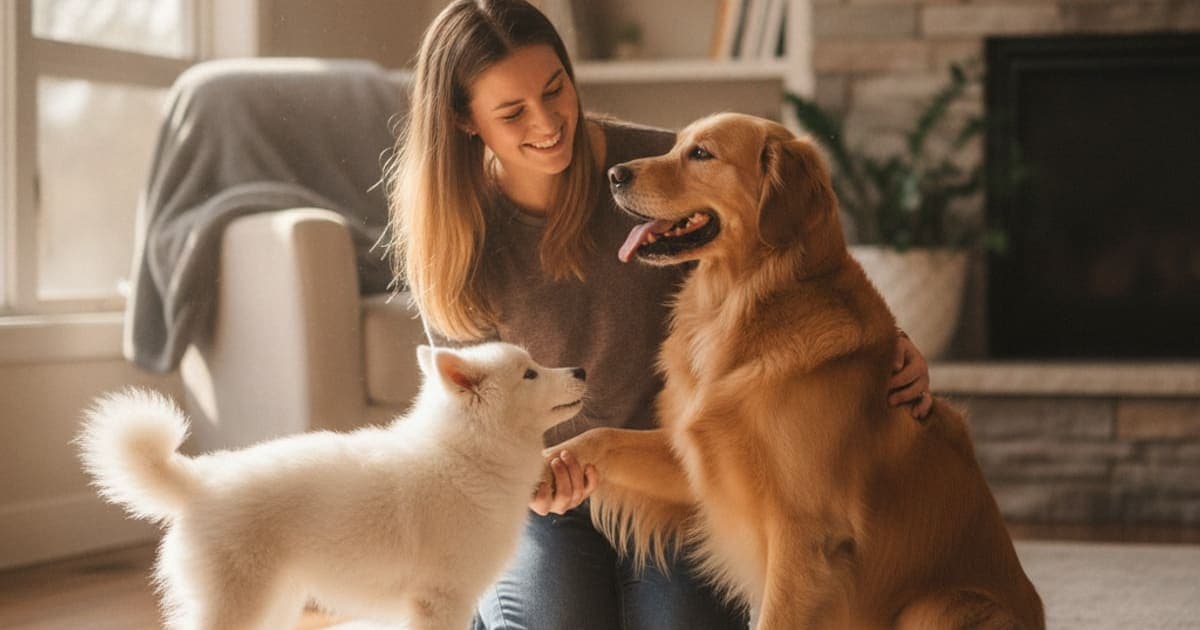 What Are the First Signs of Joint Effusion in Dogs?The first signs of joint effusion in dogs are usually subtle: a soft, warm fullness around one joint, stiffness in the first minutes after rest, a shortened stride, sitting with one hind leg kicked out, and hesitation before jumping. Obvious limping tends to arrive later, after the pattern is established.Read the guide →
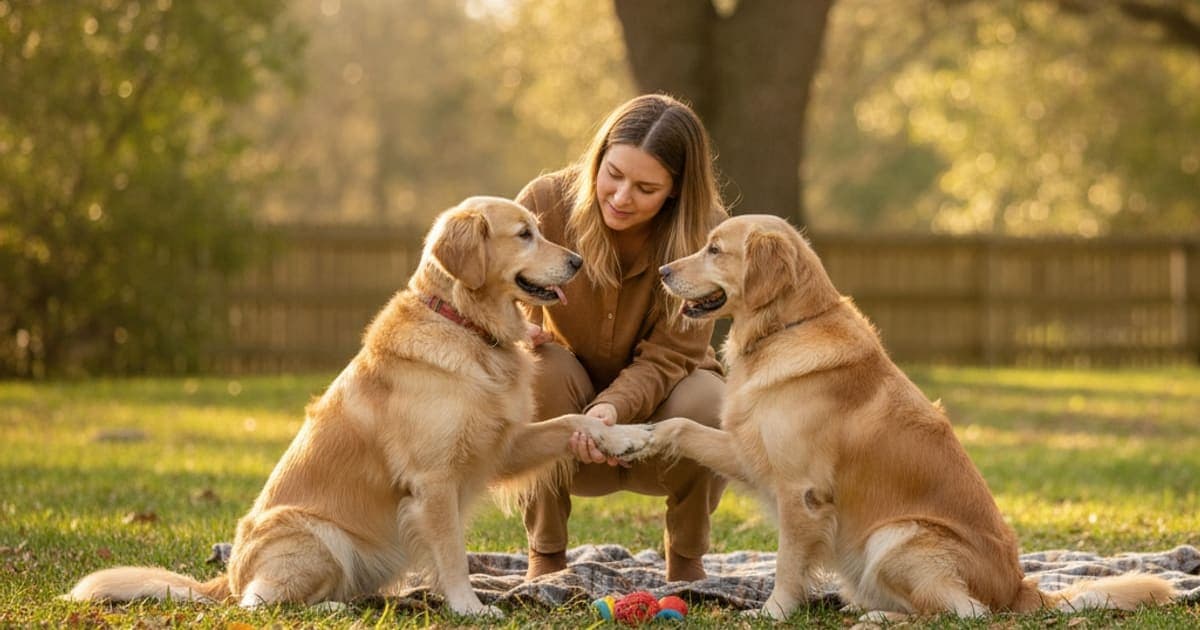 What Are the First Signs of Sesamoid Fracture in Dogs?The first signs are usually subtle: a mild, intermittent forelimb lameness that appears after exercise, reluctance to bear full weight on one paw, and licking or chewing at the affected toe. Many dogs also show pain when the paw is flexed or the sesamoid area is pressed.Read the guide →
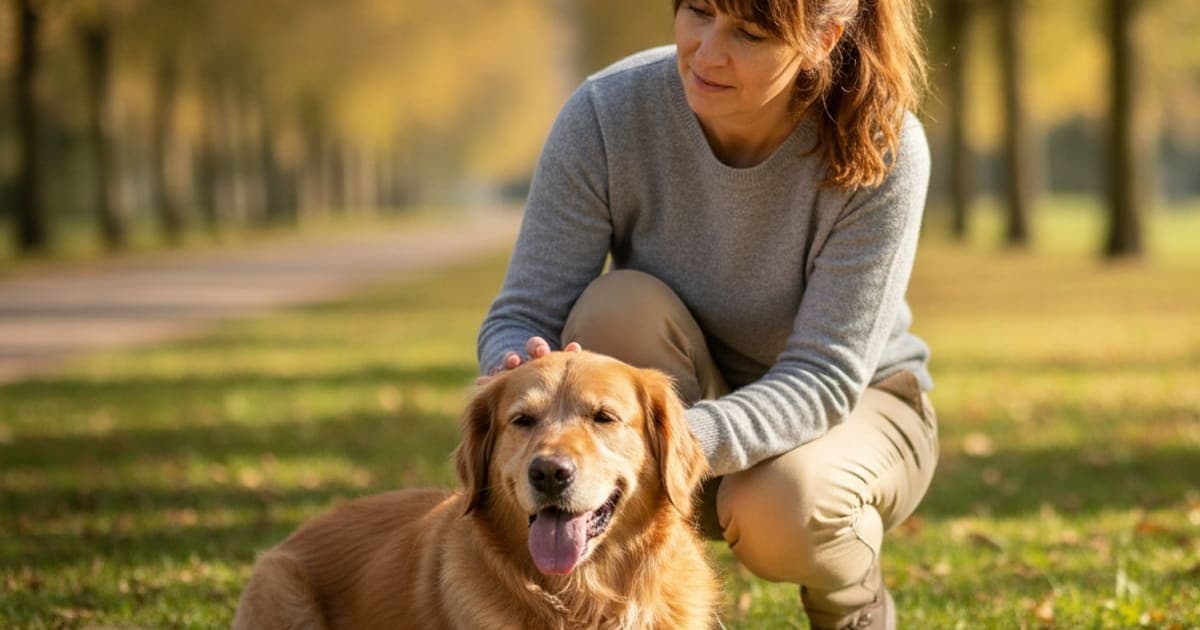 What Are the First Signs of Reduced Stamina in Dogs?The first signs of reduced stamina in dogs are subtle: lagging behind on familiar walks, lying down mid-play, taking longer to settle after exercise, and hesitating at stairs or the car. Exercise intolerance is one of the earliest clinical signs of joint, heart, lung and metabolic problems in dogs.Read the guide →
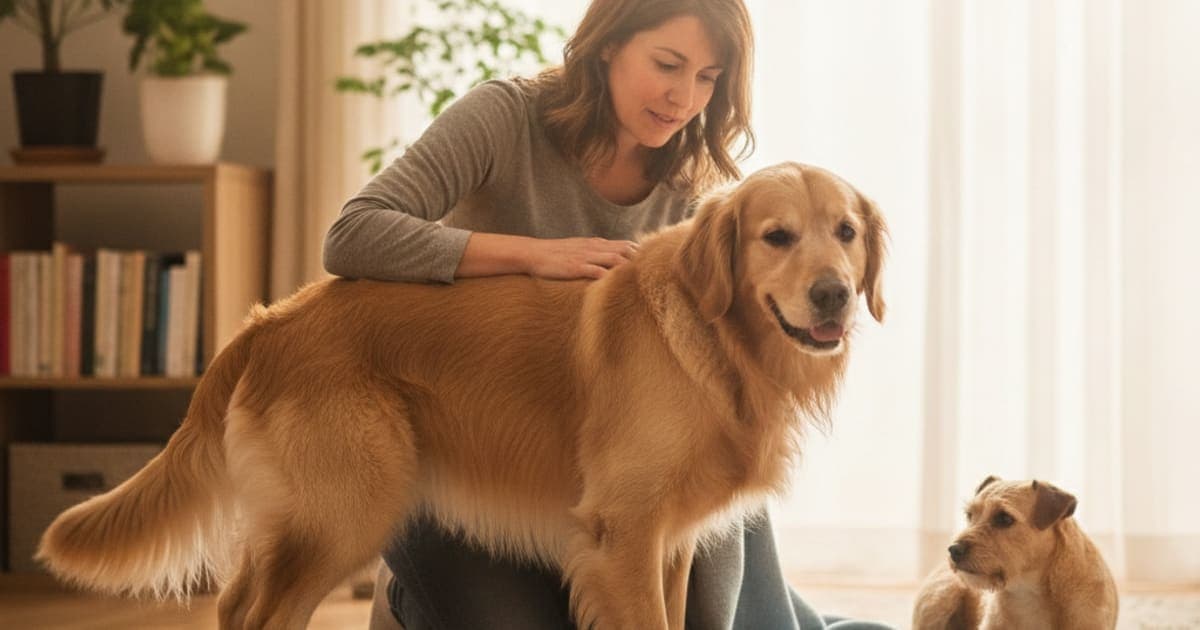 What Makes Colitis Worse in Dogs? (Common Flare Triggers)Colitis in dogs gets worse with abrupt food changes, fatty table scraps, scavenged material, untreated parasites and stress from boarding or household upheaval. Stopping a veterinary diet trial or medication early is another frequent cause of relapse.Read the guide →
 What Can I Give a Dog Shifting Weight Off One Leg?Give nothing from the human medicine cabinet — human pain relievers can be dangerous for dogs. A dog offloading one leg needs a veterinary exam first. After that, owners typically use rest, any prescribed medication, structured rehab, and connective-tissue support such as K9-REPAIR, a BPC-157 and TB-500 peptide formulation.Read the guide →
 What Can I Give a Dog That Is Whining at Night? (Causes)Start with a veterinary exam rather than a product: night whining in dogs most often signals pain, a full bladder, anxiety, or age-related cognitive change. Once your vet identifies the cause, comfort measures, a predictable bedtime routine, and joint-support options such as pawgen's K9-REPAIR can support the recovery plan.Read the guide →
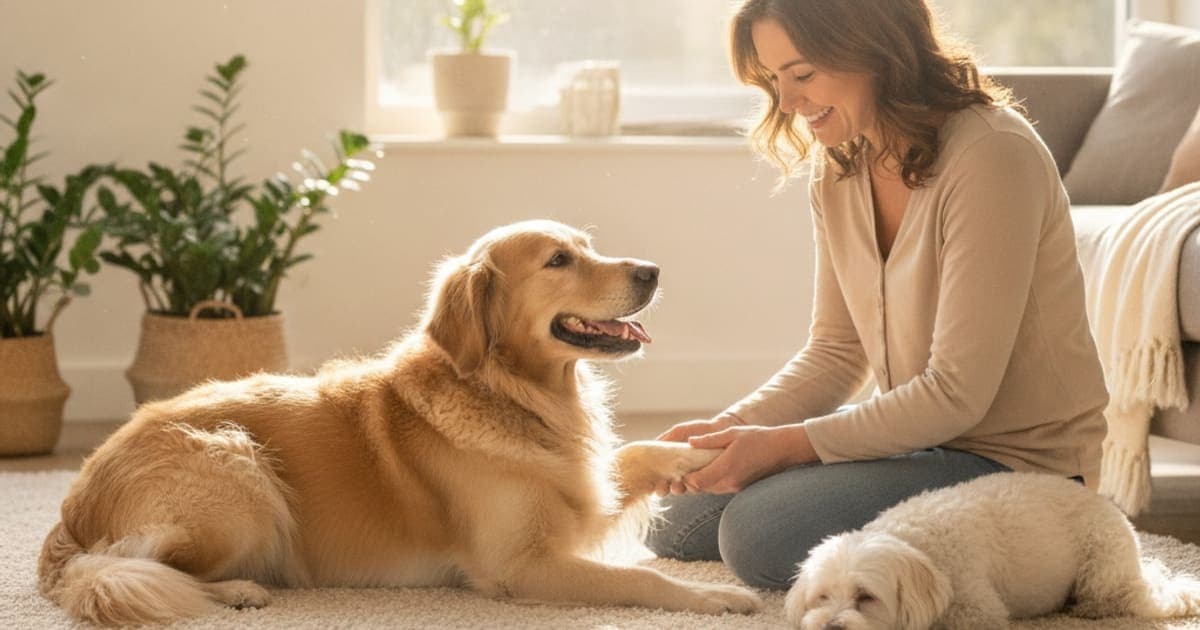 What Are the First Signs of Inflammation in Dogs?The first signs of inflammation in dogs are usually behavioural, not visible: stiffness in the first minutes after rest, a limp that warms out on a walk, hesitation on stairs or jumping into the car, licking one spot, and mild heat or puffiness over a joint.Read the guide →
 What Helps a Dog With Leaky Gut? (Gut Barrier Basics)A dog with leaky gut is helped most by a veterinary workup that identifies the underlying cause, then a simple low-antigen diet, removal of gut irritants, and targeted gut-lining support. Owners increasingly add peptide formulations like K9-REPAIR alongside the plan their veterinarian sets. Nothing here replaces a diagnosis.Read the guide →
 What Are the First Signs of Leaky Gut in Dogs? (Early Cues)The first signs of leaky gut in dogs are usually digestive and subtle: inconsistent or soft stools, extra gas, and a drop in appetite or energy. Skin itchiness, recurring ear flare-ups, and a dull coat often follow. Because these overlap with many conditions, a veterinary workup comes first.Read the guide →
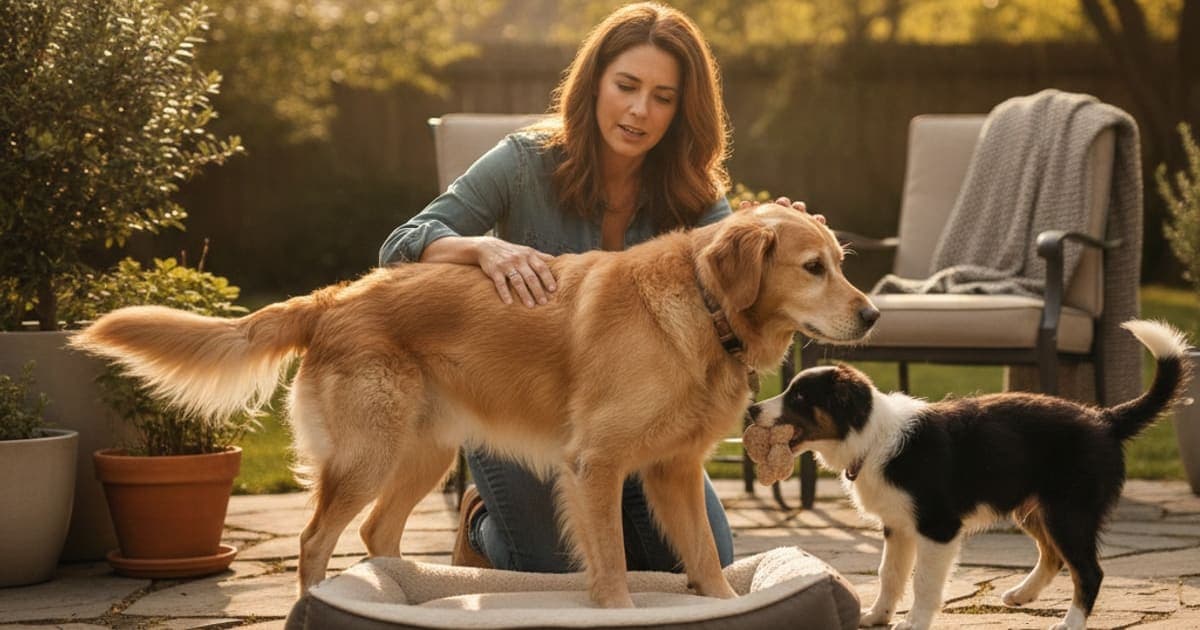 What Are the First Signs of Osteoarthritis in Dogs?The first signs of osteoarthritis in dogs are usually subtle behaviour changes rather than an obvious limp: stiffness after rest, hesitation on stairs, slower or shorter walks, and a reluctance to jump onto furniture or into the car. Many owners notice a personality shift before they notice lameness.Read the guide →
 What Are the First Signs of Obesity Joint Strain in Dogs?The first signs of obesity joint strain in dogs are behavioural, not dramatic: hesitating before stairs, rising slowly from a lie-down, sitting sloppily with a hip rolled out, shorter walks and lagging on the way home. Stiffness after rest and a wider, swaying gait follow closely behind.Read the guide →
 What Are the First Signs of Spinal Injury in Dogs?The first signs of spinal injury in dogs are usually subtle: reluctance to jump or use stairs, a hunched or tense back, yelping when lifted, wobbly or crossing hind legs, scuffed toenails, and a changed gait. Sudden weakness or dragging paws is an emergency — call your veterinarian immediately.Read the guide →