What a diagnosis means, how it is confirmed, and the early signs owners miss — from hip dysplasia and IVDD to cruciate tears and arthritis.
 Should I Worry If My Dog Can't Walk as Far? (Causes)Yes, it is worth attention — reduced walking distance is one of the earliest signs that a dog's joints, soft tissue, heart or metabolism have changed. It is rarely an emergency, but it is rarely nothing either. Book a veterinary exam and record when, where and how far your dog slows.Read the guide →
 What Are the First Signs of Chronic Diarrhea in Dogs?The first signs of chronic diarrhea in dogs are subtle: stools that soften but never fully firm up, an extra bowel movement or two each day, streaks of mucus, straining or urgency, and a slow drop in weight or coat quality over three or more weeks. Most owners notice the pattern before the mess.Read the guide →
 Is Obesity Joint Strain in Dogs Painful? (What to Know)Yes — obesity-related joint strain in dogs is painful. Extra body weight loads cartilage mechanically with every step, while fat tissue releases inflammatory signalling molecules that sensitise joint structures. The pain is usually gradual and easy to mistake for normal aging, which is why so many dogs go uncomfortable for months before anyone notices.Read the guide →
 Is Muscle Tear in Dogs Painful? (Pain Signs Explained)Yes. A muscle tear in dogs is painful — torn fibres and the bleeding and inflammation that follow activate pain receptors directly, which is why dogs limp, guard the limb, or flinch when touched. Pain usually eases as inflammation settles, but only a veterinarian can grade the injury and manage it.Read the guide →
 Is Spondylosis in Dogs Painful? (What Owners Should Know)Spondylosis in dogs is usually not painful. It is most often an age-related bony change found incidentally on X-rays, and veterinary references describe it as typically clinically silent. It can hurt when new bone irritates nerve roots, fractures, or occurs alongside other spinal disease your veterinarian needs to identify.Read the guide →
 Is Sprained Leg in Dogs Painful? (What Owners Should Know)Yes. A sprained leg in dogs is painful — a sprain is a stretched or partially torn ligament, and the same inflammatory and nerve signalling that makes a rolled ankle hurt in people happens in dogs. Most dogs mask it, so a visible limp usually means the discomfort is already significant.Read the guide →
 Is Hygroma in Dogs Painful? (What Owners Should Know)A simple, uncomplicated hygroma is usually not painful — most dogs let you touch the soft, fluid-filled swelling without flinching. Pain appears when the sac becomes infected, ulcerated or ruptures, or when an underlying joint problem is driving the pressure. Sudden soreness, heat or discharge means a prompt veterinary exam.Read the guide →
 What Are the First Signs of Hip Weakness in Dogs? (6 Cues)The first signs of hip weakness in dogs are subtle: a slower rise from lying down, bunny-hopping on stairs, reluctance to jump into the car, a narrowed rear stance, and a shifting of weight onto the front legs. Muscle loss over the hips often follows. Early veterinary assessment matters.Read the guide →
 What Are the First Signs of CCL Tear in Dogs? (Early Clues)The first signs of a CCL tear in dogs are usually an intermittent hind-leg limp after exercise, sitting with one leg kicked out, stiffness when rising, reluctance to jump, and weight shifted onto the front legs. Sudden non-weight-bearing lameness can occur, but gradual, on-and-off signs are far more common.Read the guide →
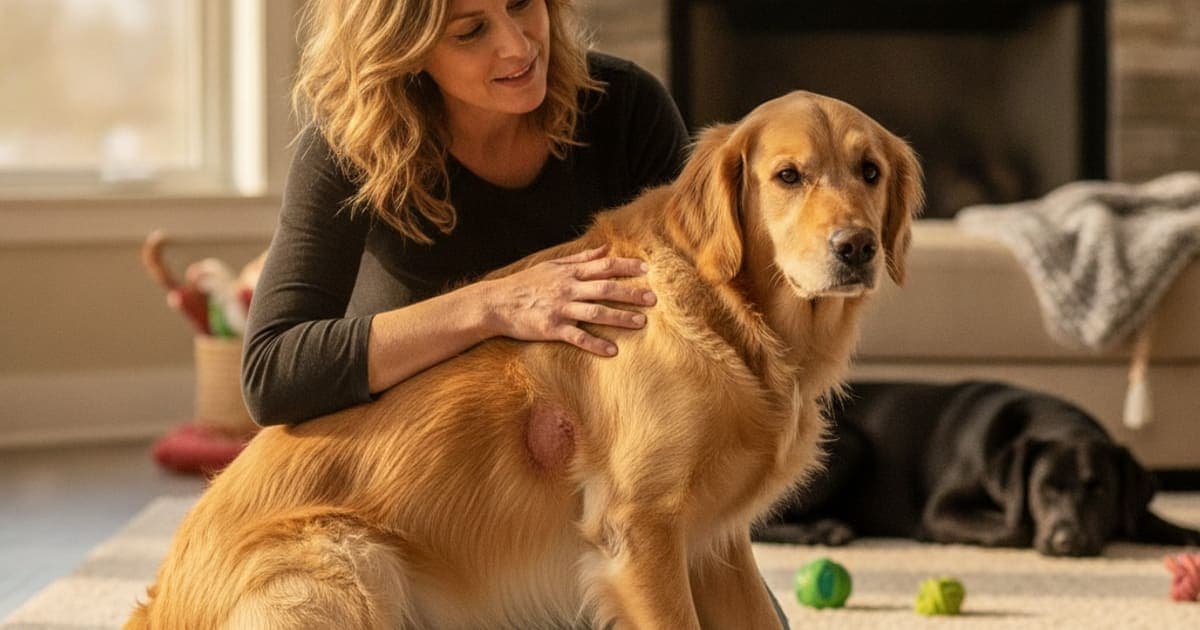 Are Hot Spots in Dogs Painful? (What Owners Should Know)Yes. Hot spots in dogs are painful — a moist, inflamed skin lesion with exposed nerve endings that stings, burns and itches at the same time. Most dogs react sharply when the area is touched. Because they spread within hours, a same-day veterinary look is worth booking.Read the guide →
 Is Shoulder Instability in Dogs Painful? (What to Know)Yes. Shoulder instability is painful in most dogs because the joint's stabilising ligaments and tendons no longer hold the humeral head firmly in its shallow socket, so tissue is repeatedly strained and inflamed. Dogs rarely cry out — they show it as intermittent forelimb lameness, stiffness after rest, and reluctance to jump.Read the guide →
 Is Nerve Damage in Dogs Painful? (What Owners Should Know)Yes — nerve damage in dogs is frequently painful. Injured or compressed nerves can fire abnormally, producing burning, shooting or tingling sensations, plus extreme sensitivity to light touch. Some dogs instead lose feeling in the affected area, so an absence of obvious pain does not mean an absence of injury.Read the guide →
 Why Scottish Deerhounds Are Prone to Joint ProblemsScottish Deerhounds are prone to joint problems because they combine giant-breed mass, a long rapid growth curve, a lean sighthound frame built for explosive sprinting, and a stoic temperament that hides early discomfort.Read the guide →
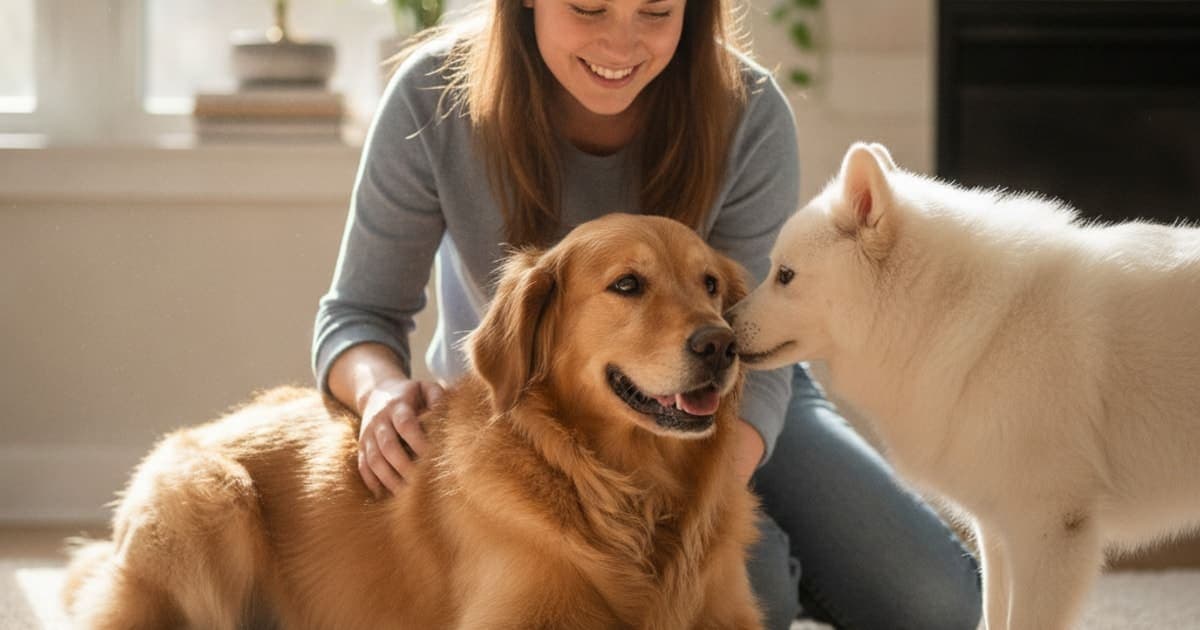 What Are the First Signs of Cauda Equina Syndrome in Dogs?The first signs of cauda equina syndrome in dogs are pain-driven rather than dramatic: difficulty rising after rest, reluctance to jump or climb stairs, a low or stiffly carried tail, and yelping when the lower back near the tail base is touched. Hind-leg weakness and toe-scuffing usually appear later.Read the guide →
 What Are the First Signs of Elbow Dysplasia in Dogs?The first signs of elbow dysplasia in dogs are subtle: stiffness after rest, a shortened front-leg stride, reluctance to jump or take stairs, and paws that turn outward as the elbows tuck in. Lameness is often intermittent and worse after hard exercise, and it usually appears in young, growing large-breed dogs.Read the guide →
 Is Cruciate Ligament Rupture in Dogs Painful? (Explained)Yes — cruciate ligament rupture is painful in dogs, both at the moment the ligament fails and for as long as the knee stays unstable afterwards. Because dogs instinctively mask discomfort, the pain is usually worse than the limp suggests, and it tends to build as inflammation and joint damage accumulate.Read the guide →
 First Signs of Cruciate Ligament Rupture in DogsThe first signs of cruciate ligament rupture in dogs are usually an intermittent hind-leg limp that worsens after exercise and eases with rest, toe-touching instead of full weight-bearing, sitting with one back leg kicked out to the side, and reluctance to jump or take stairs. Swelling and a clicking knee often follow.Read the guide →
 What Are the First Signs of Avulsion Fracture in Dogs?The first signs of an avulsion fracture in dogs are sudden, severe lameness that appears in a single step, often with a yelp, followed by refusal to bear weight, swelling and heat over one specific joint, sharp pain when that exact spot is touched, and a limp that does not settle with rest.Read the guide →
 What Are the First Signs of Arthritis in Dogs? (Early Clues)The first signs of arthritis in dogs are usually subtle behaviour changes rather than obvious limping: stiffness after rest or sleep, hesitation on stairs, slower rising, less interest in play, licking at a joint, and a shortened stride that eases once the dog warms up. Most owners notice the change over months, not days.Read the guide →
 Is Hock Injury in Dogs Painful? (Signs and What Helps)Yes. A hock injury in dogs is painful, because the tarsus is a dense stack of small bones, ligaments and tendons that carries load with every step. Dogs often mask it, so limping, licking the joint, reluctance to jump or a dropped-hock stance deserve a veterinary exam.Read the guide →
 Is Vestibular Disease in Dogs Painful? (What to Know)Vestibular disease itself is not usually painful — dogs experience intense vertigo, nausea and disorientation rather than pain. But some underlying causes, including middle or inner ear infections, head trauma and tumors, are painful, so a same-day veterinary exam is the only reliable way to tell the difference.Read the guide →
 What Are the First Signs of Elbow Arthritis in Dogs?The first signs of elbow arthritis in dogs are subtle: stiffness in the first few steps after rest, a shortened front-leg stride, reluctance to jump down, and licking at the elbow. Most dogs shift weight rather than limp outright, so changes appear in posture and habit before obvious lameness.Read the guide →
 Is Meniscus Tear in Dogs Painful? (Signs and Causes)Yes — a meniscus tear is a painful injury for dogs, because torn fibrocartilage is compressed between the thigh bone and shin bone with every step. Owners usually notice sudden or worsening lameness, reluctance to put weight on the leg, stiffness after rest, and sometimes an audible click.Read the guide →
 Is Tendonitis in Dogs Painful? (What the Signs Tell You)Yes. Tendonitis in dogs is painful — inflamed, micro-torn tendon fibres sit in a densely innervated sheath, and pressure or movement provokes a sharp, localised ache. Most dogs mask it, showing stiffness after rest, a shortened stride or reluctance to jump rather than obvious crying.Read the guide →