What a diagnosis means, how it is confirmed, and the early signs owners miss — from hip dysplasia and IVDD to cruciate tears and arthritis.
 What Makes Tendon Injury Worse in Dogs? (Key Causes)Tendon injury in dogs gets worse when the leg is loaded before the tissue is ready — too much activity too soon, jumping and stairs, slick floors, excess body weight, skipped rehab and delayed diagnosis. Comfort returns long before strength does, which is why re-injury is so common.Read the guide →
 Why Is My Dog Whining at Night? (Common Causes)Dogs whine at night most often because of physical pain, a full bladder, age-related cognitive change, anxiety, or an unmet need like heat, cold or hunger. Night whining that appears suddenly in a previously settled adult dog usually points to discomfort and deserves a veterinary exam rather than a wait-and-see approach.Read the guide →
 Why Is My Dog Suddenly Limping? (Causes to Check)Sudden limping in a dog most often comes from an acute soft-tissue injury, a paw problem, or a joint or ligament that gave way during normal activity. Non-weight-bearing lameness, swelling, or limping that lasts more than a day warrants a veterinary exam rather than watchful waiting at home.Read the guide →
 Why Is My Dog Hunched Back? (What It Usually Means)A hunched back in a dog is a pain posture: the spine arches and the abdominal wall tightens to immobilise something that hurts. Spinal disc pain, abdominal inflammation and hind-limb or groin pain are the usual sources. Sudden hunching with weakness, retching or straining needs same-day veterinary assessment.Read the guide →
 Hip Weakness in Dogs: Signs, Causes and What HelpsHip weakness in dogs is reduced strength, stability or coordination in the hind limbs, usually caused by hip dysplasia, osteoarthritis, muscle loss, or a spinal problem rather than the hip joint itself. It shows up as slow rising, bunny-hopping, slipping on floors and reluctance to jump.Read the guide →
 Portuguese Water Dogs Joint Problems — Why They HappenPortuguese Water Dogs are prone to joint problems because inherited hip dysplasia risk sits inside a dense, athletic working body with an almost non-existent off switch. Genetics set the ceiling on risk, while growth rate, lifelong body weight and repeated high-impact loading decide how close a dog gets to it.Read the guide →
 Why Jack Russell Terriers Are Prone to Joint ProblemsJack Russell Terriers are prone to joint problems because a dense, muscular body sits on short legs, the breed carries inherited risk for patellar luxation and Legg-Calvé-Perthes disease, and its jumping drive loads knees and shoulders hard. Early gait changes are the signal worth acting on.Read the guide →
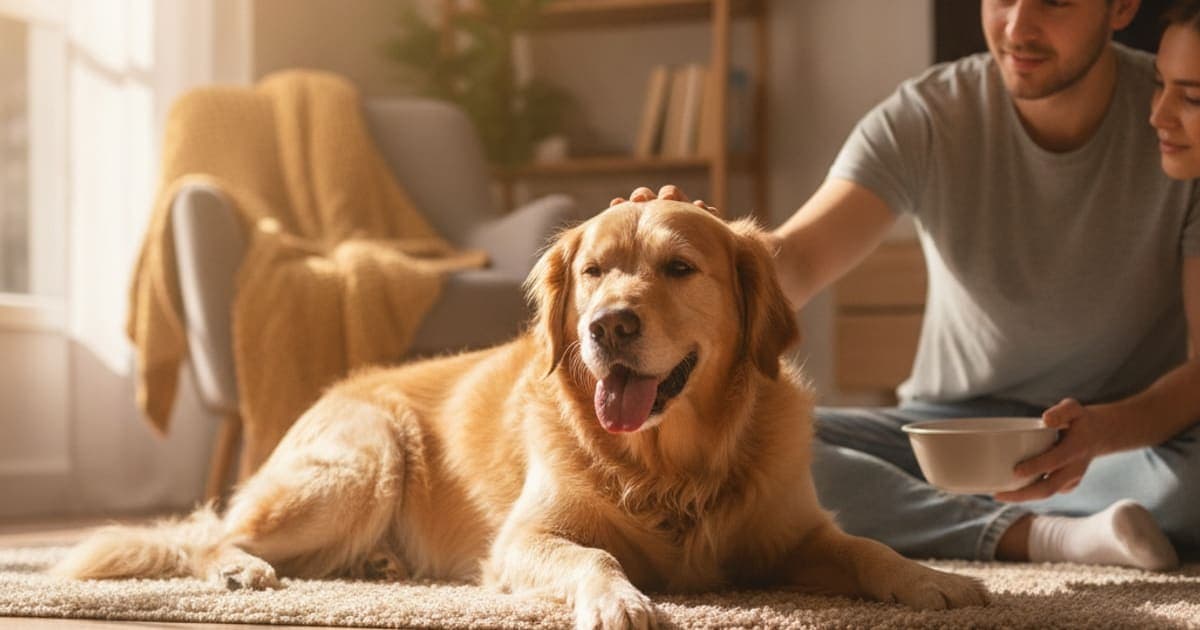 What Makes Reduced Stamina Worse in Dogs? (Key Drivers)Reduced stamina in dogs gets worse when untreated pain, excess body weight, heat, deconditioning and undiagnosed heart, airway or endocrine disease stack on top of each other. Each factor shortens the walk, and shorter walks weaken the muscle and joint support that made distance possible — a self-reinforcing loop.Read the guide →
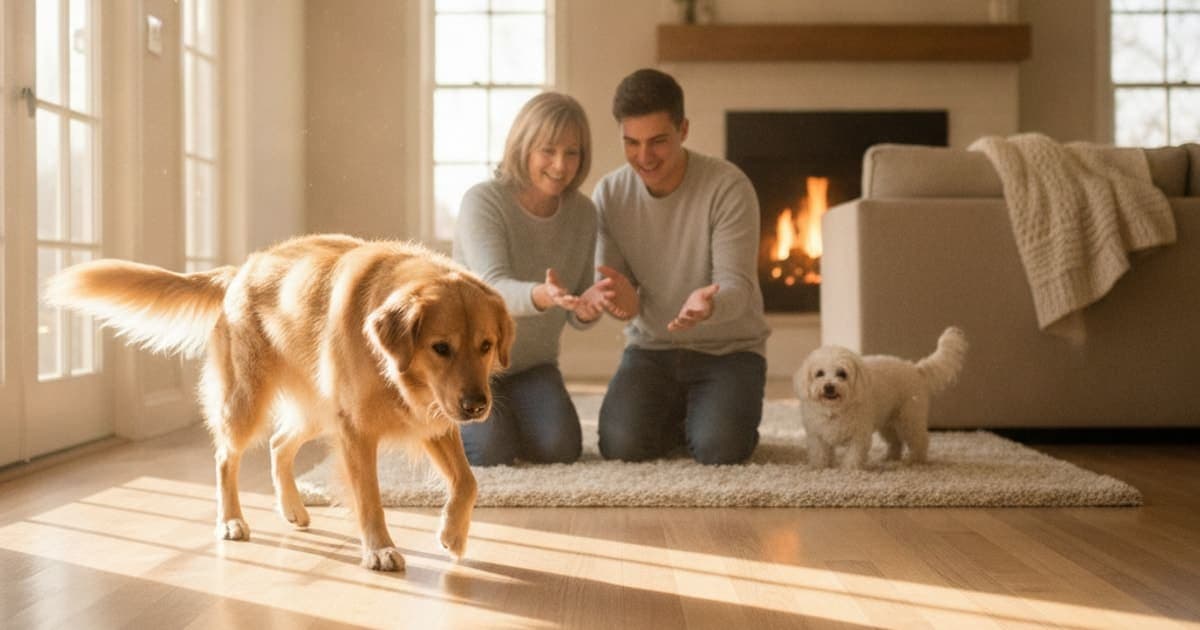 Why Is My Dog Slipping on Hard Floors? (Causes Explained)Dogs slip on hard floors for two broad reasons: a grip problem or a body problem. Overgrown nails, hair between the pads and slick sealed flooring cut traction, while sore joints, weak hind limbs and reduced body awareness cut control. Sudden slipping warrants a veterinary exam.Read the guide →
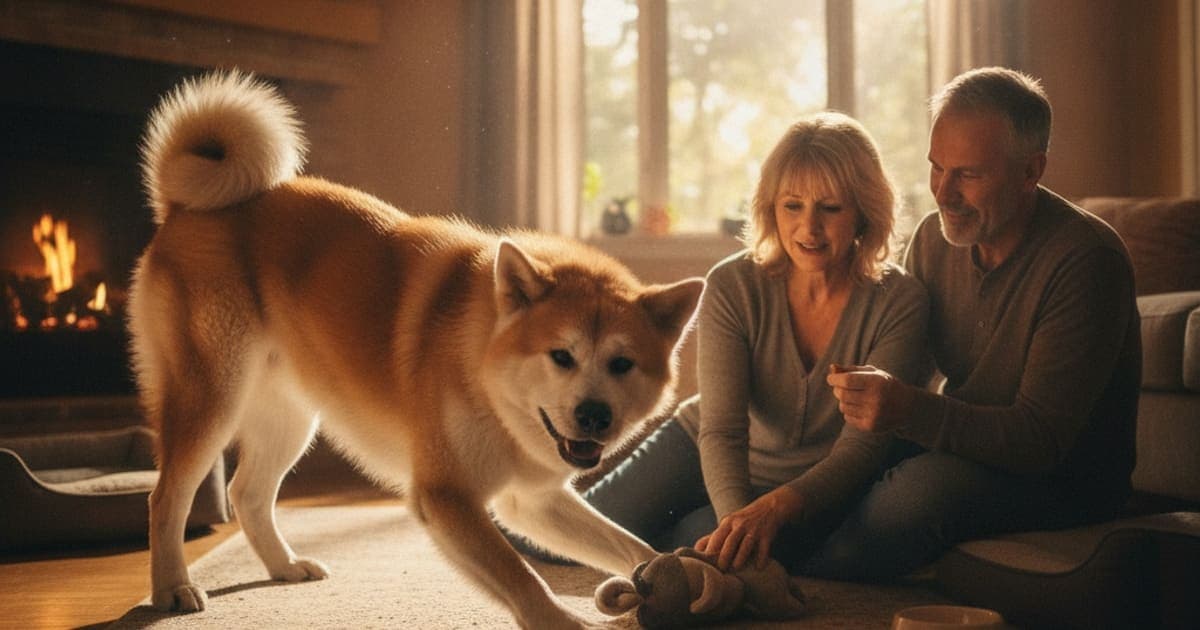 Why Akitas Are Prone to Joint ProblemsAkitas are prone to joint problems because heavy body mass, a long large-breed growth curve and inherited hip and elbow conformation faults load their joints harder than most breeds. A stoic temperament hides early stiffness, so changes are often noticed late. Screening, weight control and veterinary guidance matter most.Read the guide →
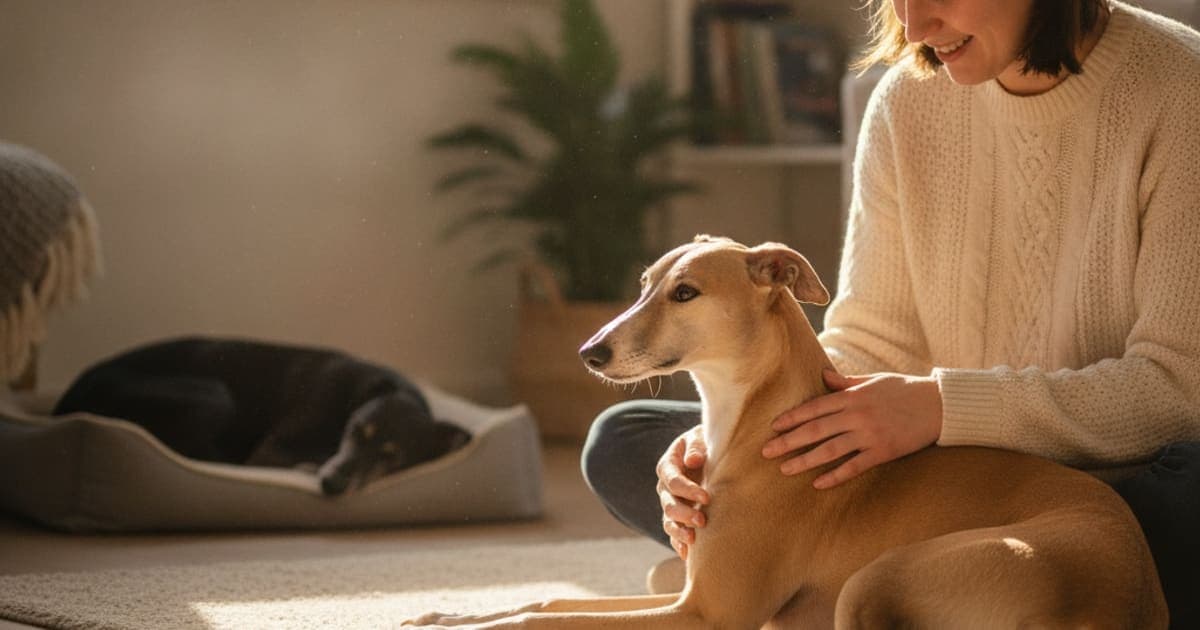 Why Whippets Are Prone to Joint ProblemsWhippets are built like sprinters — light bone, long limbs and extreme acceleration — so their joint problems tend to come from soft-tissue strain, repetitive loading and later-life arthritis rather than the hip dysplasia common in heavy breeds. Toes, shoulders, carpi and hip flexors carry most of that load.Read the guide →
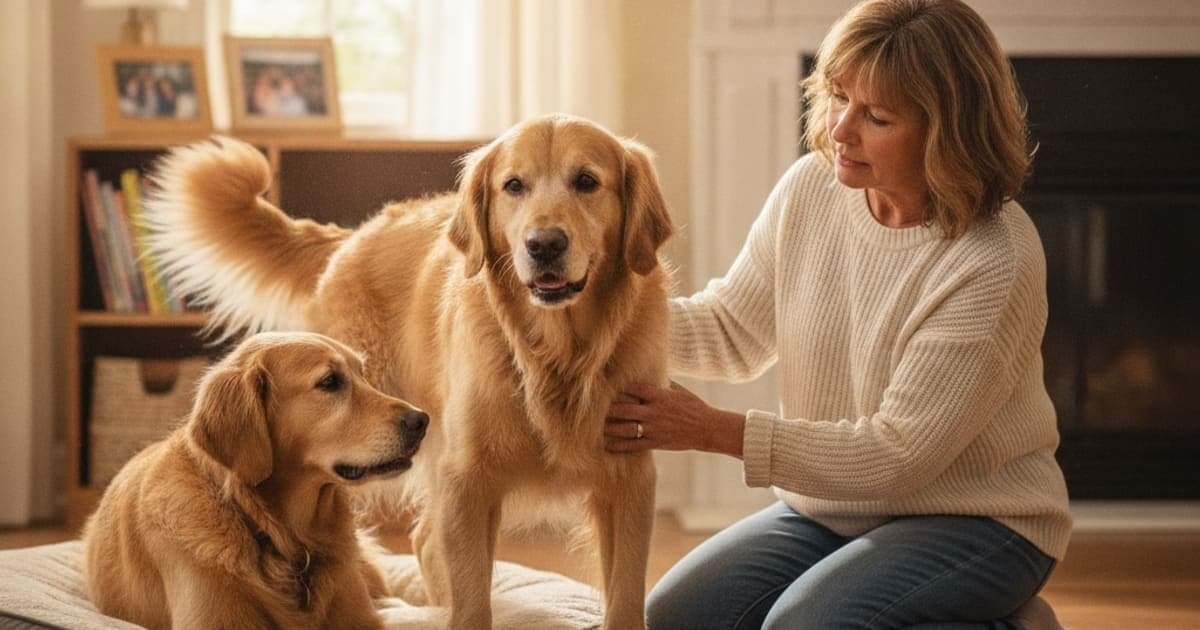 What Makes Osteoarthritis Worse in Dogs? (Key Triggers)Osteoarthritis in dogs gets worse with excess body weight, inflammatory flare-ups, muscle loss from inactivity, high-impact or slippery surfaces, untreated pain, and joint instability left over from an old injury. Each factor accelerates cartilage wear and thickens the joint capsule, so the joint stiffens faster than it otherwise would.Read the guide →
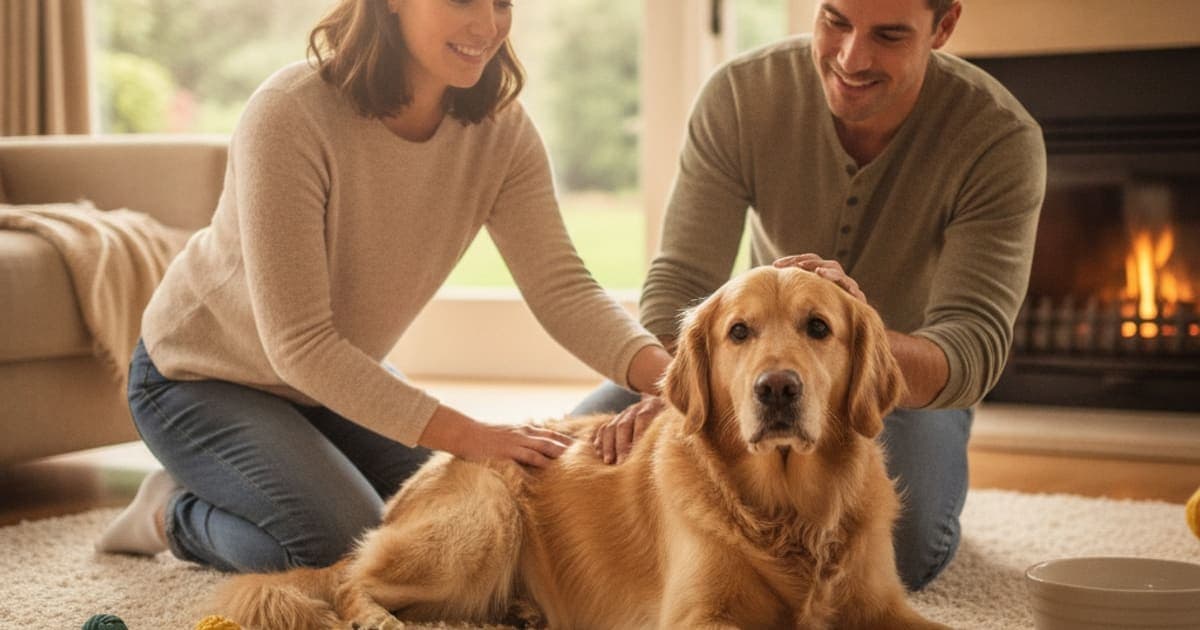 What Makes Hip Dysplasia Worse in Dogs? (Key Factors)Hip dysplasia worsens when a loose hip joint is loaded harder or more often than the surrounding tissue can tolerate — excess body weight, high-impact or stop-start activity, slippery footing, lost hindlimb muscle and untreated pain. Of those, keeping a dog genuinely lean is the factor with the strongest research behind it.Read the guide →
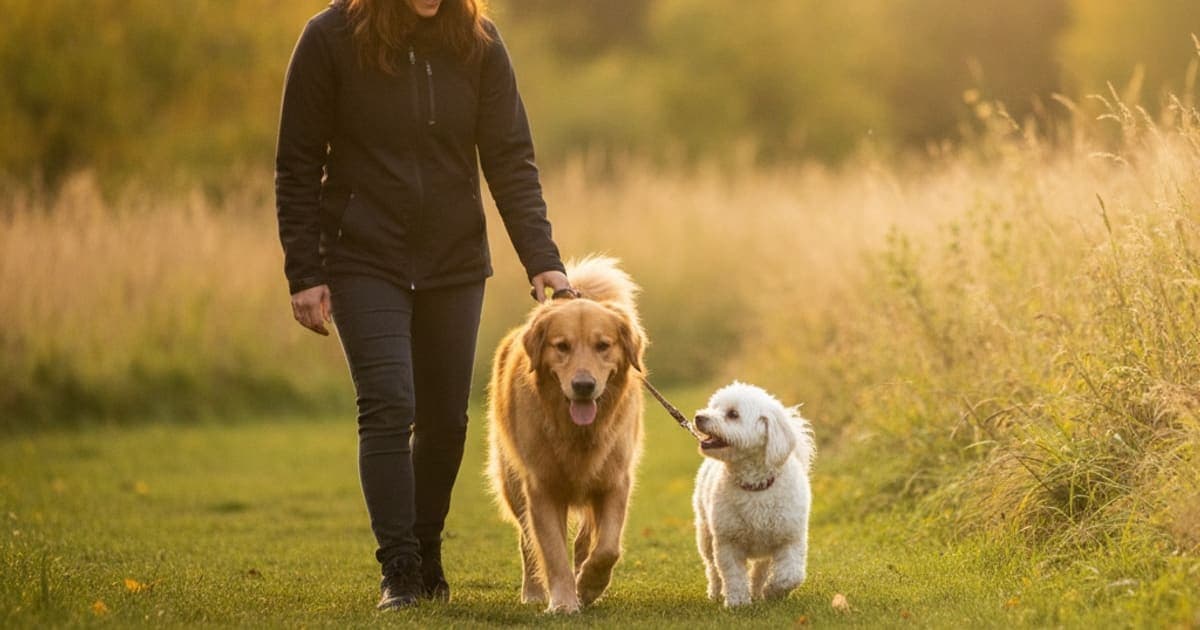 Dog Uneven Gait: What It Usually MeansAn uneven gait usually means one limb is bearing less weight than the others because of pain, injury, or weakness — commonly from a joint problem, a soft-tissue strain, a paw injury, or a nerve issue. The pattern of the unevenness tells your veterinarian where to look first.Read the guide →
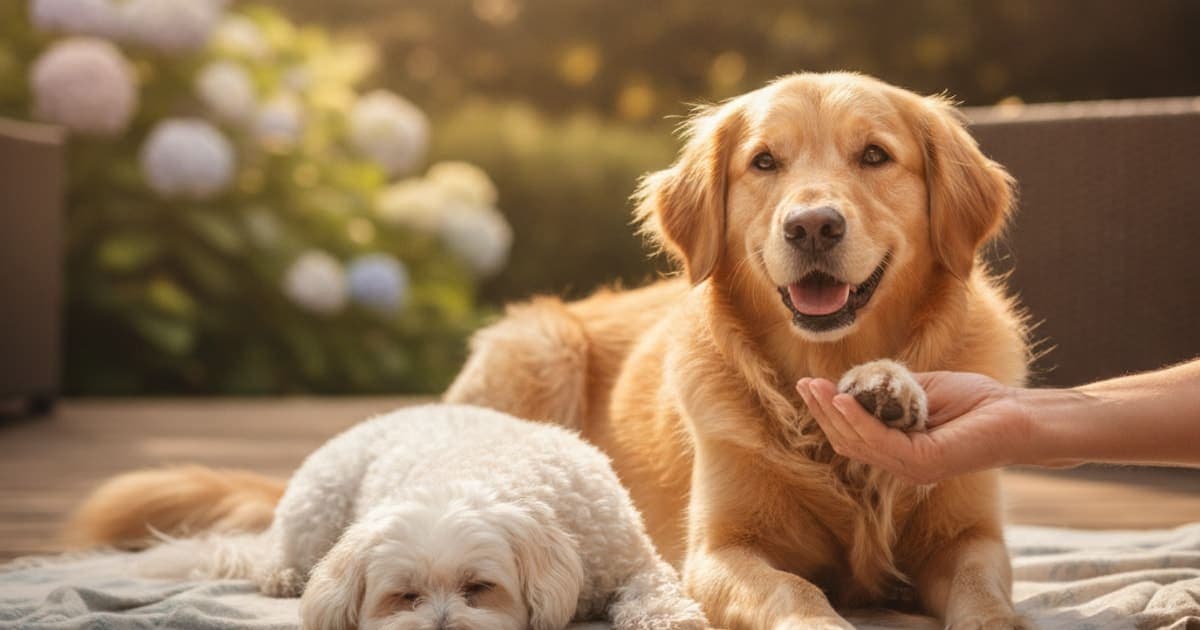 What Makes Toe Injury Worse in Dogs? (Common Causes)A dog toe injury gets worse from continued weight-bearing on an unstable digit, licking, wet or badly fitted bandages, slick floors and stairs, and returning to activity too early. It also worsens when the real problem — a fracture, dislocation, nail-bed infection or foreign body — was never identified.Read the guide →
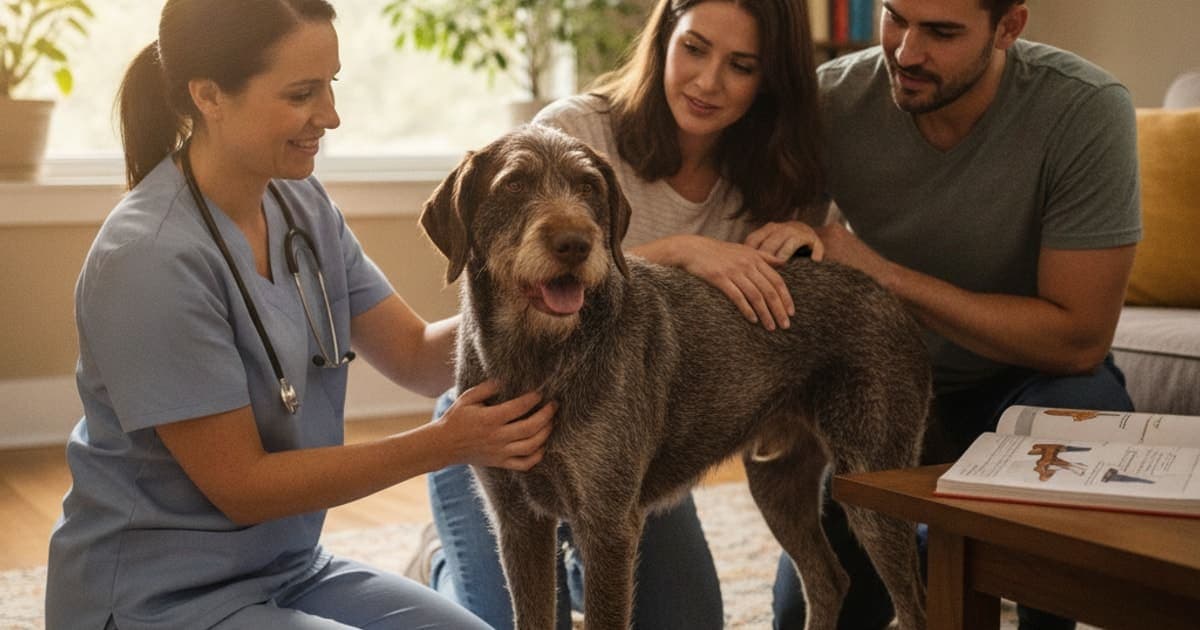 Why Wirehaired Pointing Griffons Get Joint ProblemsWirehaired Pointing Griffons are prone to joint problems because an inherited risk of hip and elbow dysplasia meets a hard-working, athletic build. Genetics set joint shape; years of sprinting, turning and cover work determine how fast wear accumulates. Early detection, lean body weight and veterinary guidance matter more than any single intervention.Read the guide →
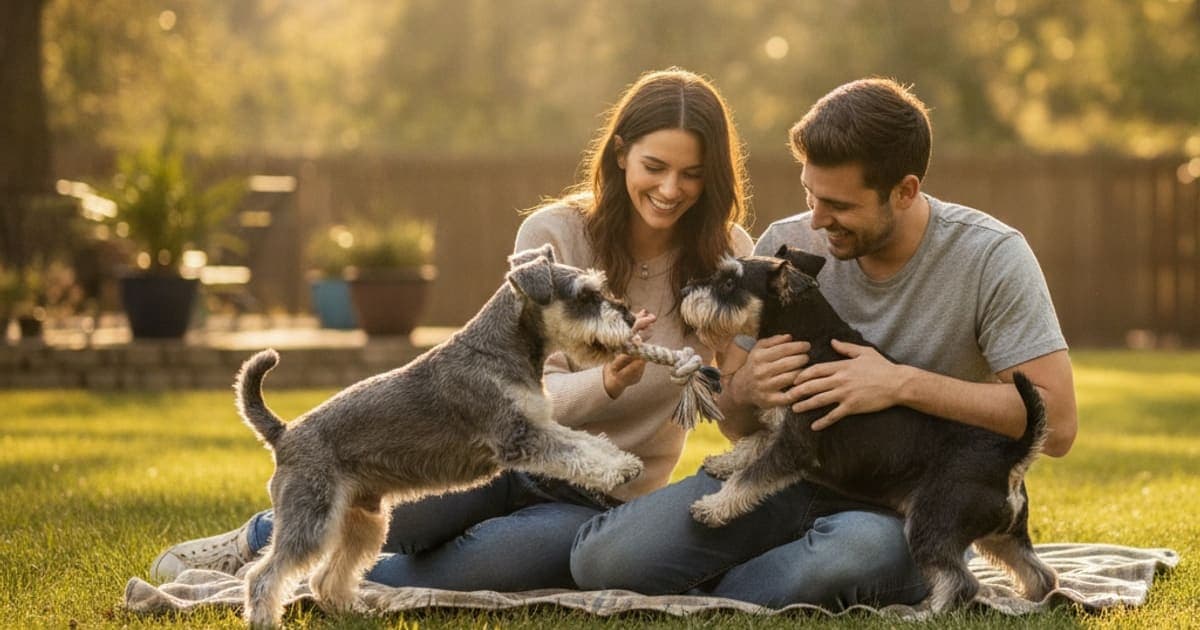 Why Miniature Schnauzers Are Prone to Joint ProblemsMiniature Schnauzers are prone to joint problems mainly because of inherited kneecap instability, hip and femoral-head conditions seen in small breeds, and a metabolism that makes weight gain easy. Patellar luxation is the most common culprit. Early signs are subtle, so a veterinary orthopaedic exam matters more than watchful waiting.Read the guide →
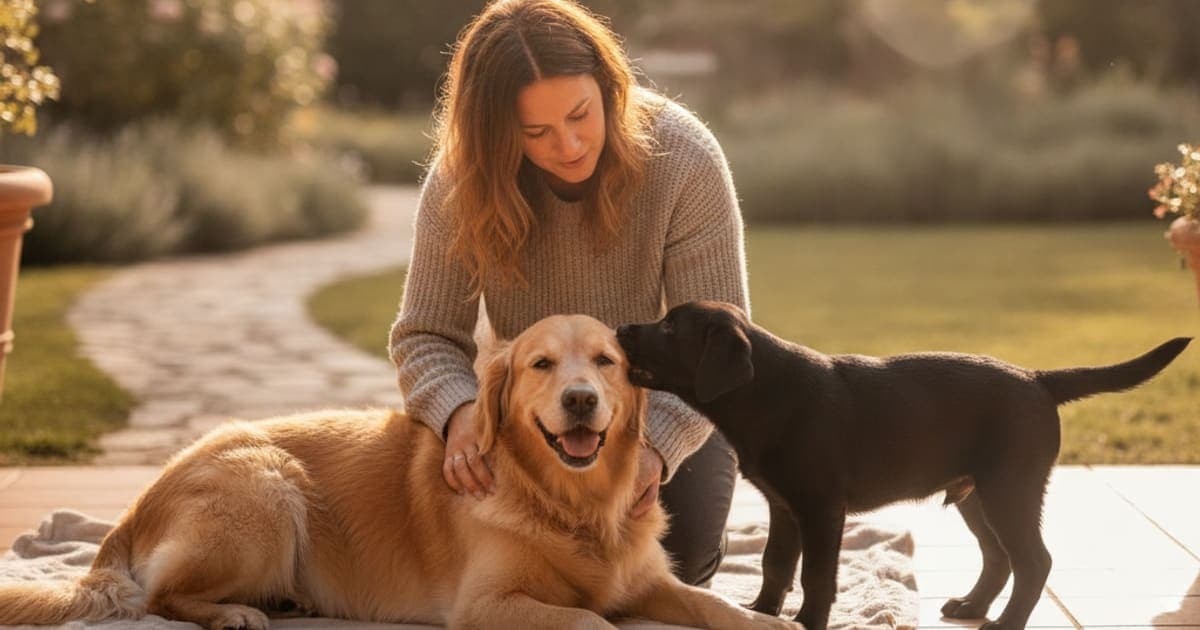 Hip Dysplasia in Dogs: Signs, Causes and What HelpsHip dysplasia in dogs is a developmental malformation of the hip joint, where the ball of the thigh bone sits loosely in a shallow socket instead of fitting snugly. That looseness lets the joint grind with every stride, and over time cartilage wears thin and osteoarthritis develops.Read the guide →
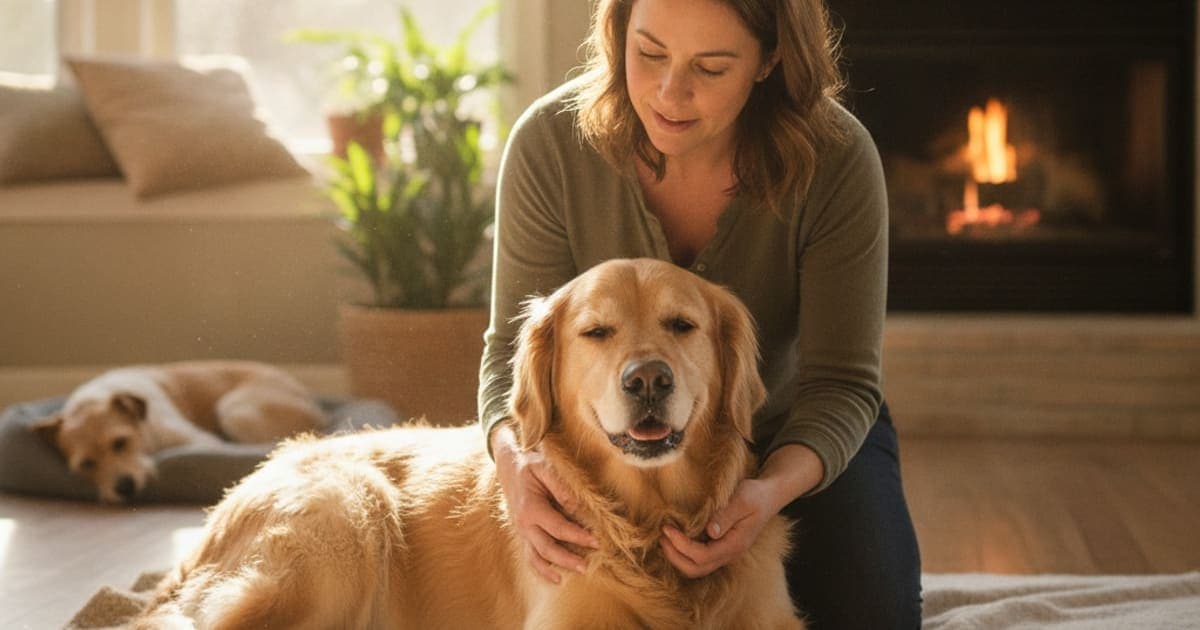 Bursitis in Dogs: Signs, Causes and What HelpsBursitis in dogs is inflammation of a bursa — a small fluid-filled sac that cushions a tendon or skin where it passes over a bony point. It shows up as a soft, fluid-filled swelling, most often over the elbow, with stiffness or limping in some dogs.Read the guide →
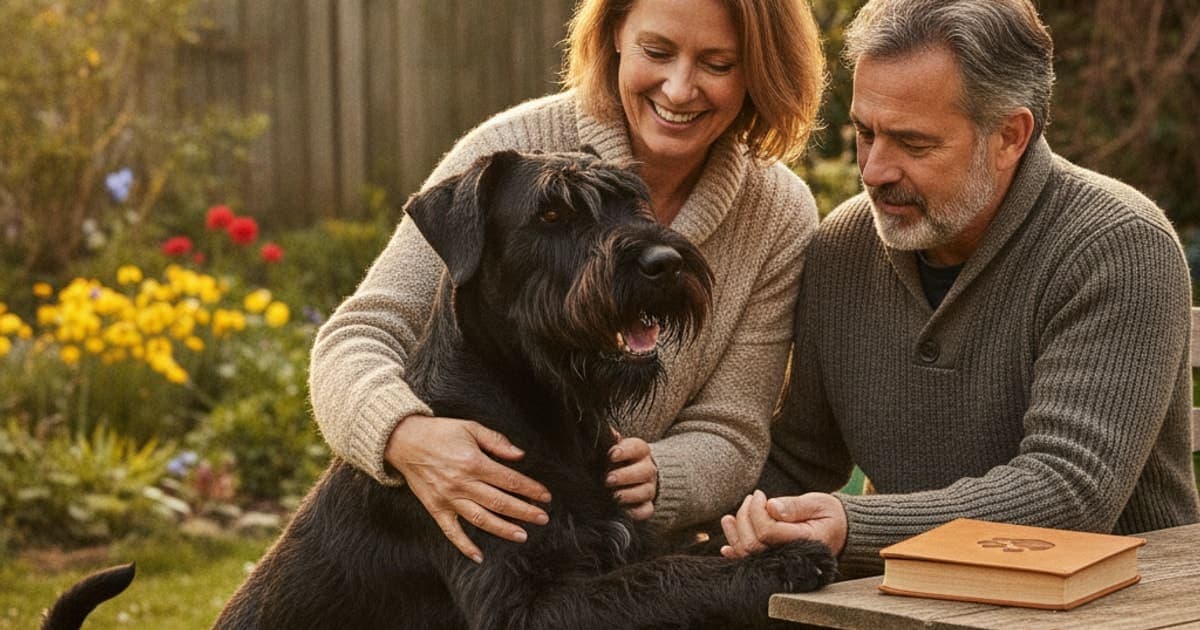 Why Giant Schnauzers Are Prone to Joint ProblemsGiant Schnauzers develop joint problems because a large, fast-growing frame concentrates load on hips, elbows and stifles for years before the skeleton finishes maturing. Hereditary hip and elbow dysplasia, cruciate strain and osteoarthritis are the common patterns owners see. Early weight control, sane exercise and veterinary screening shape long-term mobility more than anything else.Read the guide →
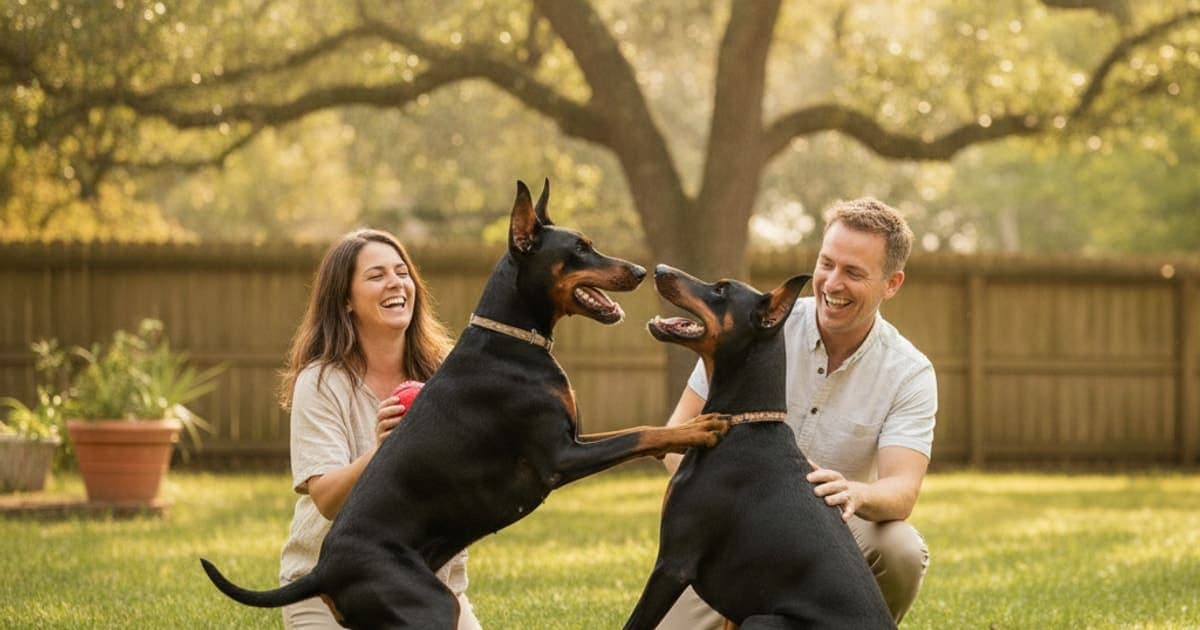 Why Dobermans Are Prone to Joint ProblemsDobermans are prone to joint problems because their tall, deep-chested, fast-growing frame concentrates load on hips, stifles and neck, and the breed carries documented risk for hip dysplasia and cervical spondylomyelopathy. Early weight control, surface management and conditioning matter more than any single supplement, and your veterinarian should lead the plan.Read the guide →
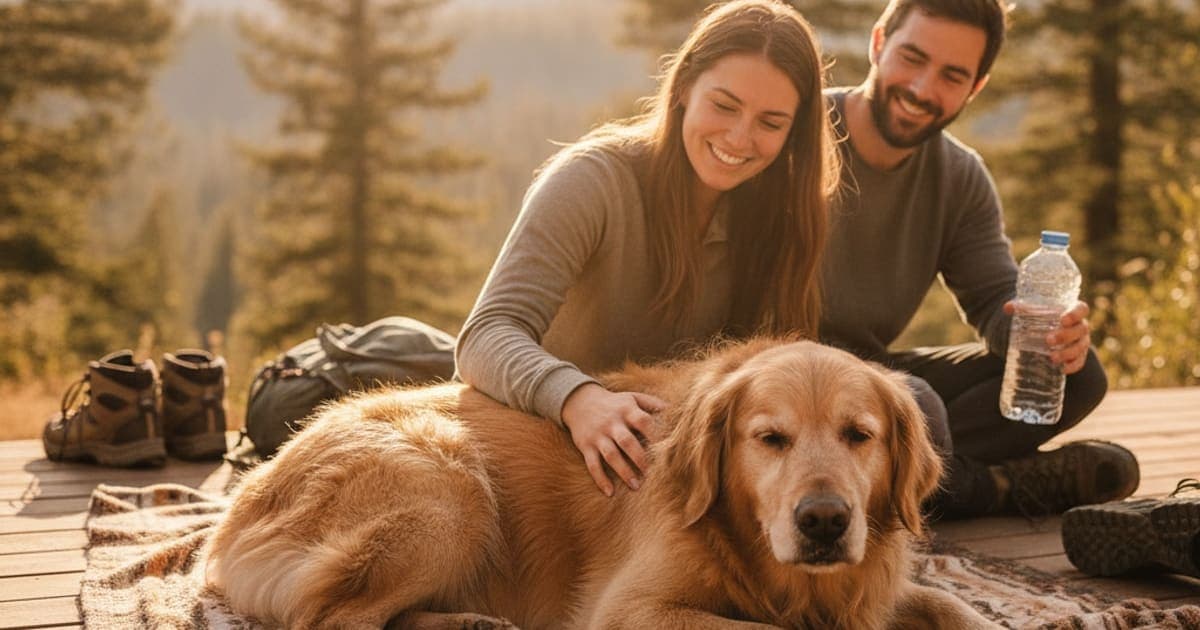 Dog Sore After Hiking: What It Usually MeansA dog is usually sore after hiking because unfamiliar effort, elevation and uneven footing load muscles, tendons and paw pads harder than a normal walk does. Stiffness that appears the next morning, eases with gentle movement and fades within a day or two is ordinary. One-sided limping is not, and deserves a veterinary exam.Read the guide →
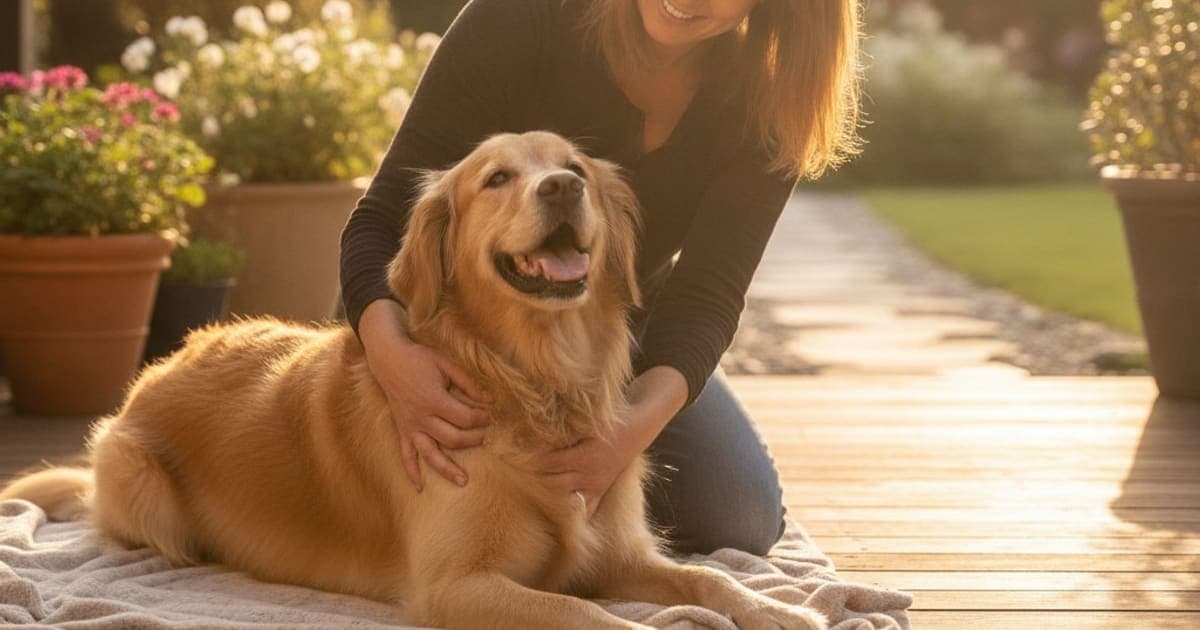 What Makes Shoulder OCD Worse in Dogs? (Key Triggers)Shoulder OCD in dogs gets worse with repetitive high-impact loading — jumping, hard-surface running, fetch and stairs — plus rapid growth from overfeeding, excess body weight, and pain that goes undiagnosed while the dog keeps using the leg. Load is the factor owners control most directly.Read the guide →
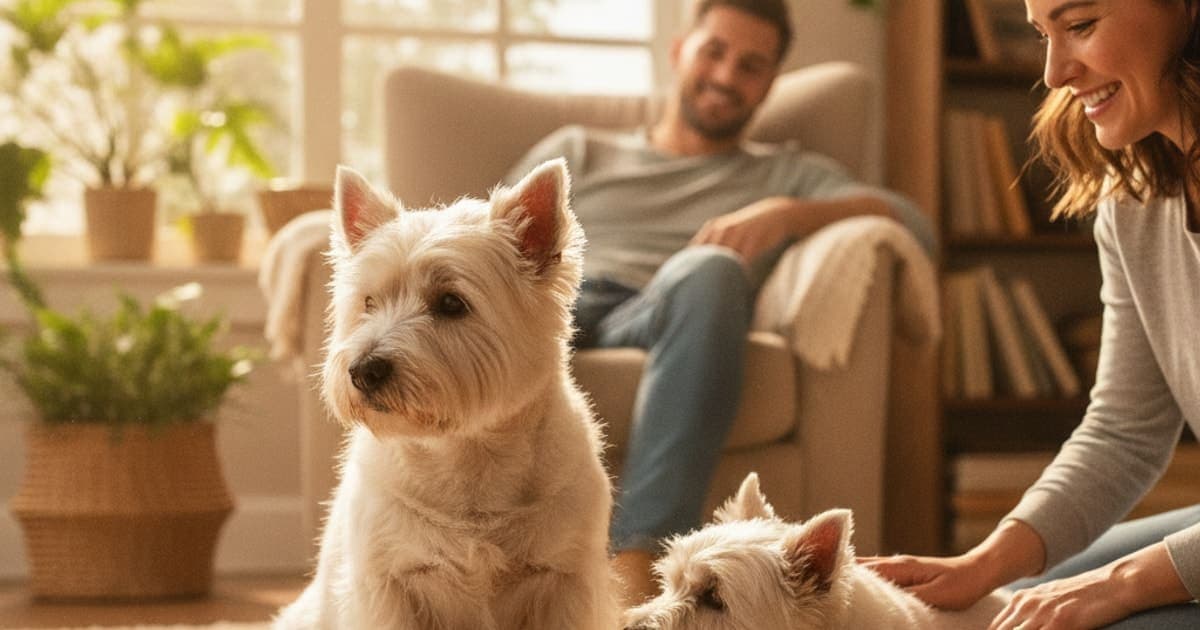 Why West Highland Terriers Are Prone to Joint ProblemsWest Highland Terriers are prone to joint problems because their short, heavy-boned legs sit under a compact, muscular frame, and the breed carries elevated risk for patellar luxation, Legg-Calvé-Perthes disease and hip dysplasia. Signs often appear as skipping, stiffness or reluctance to jump long before an obvious limp.Read the guide →