Exercise, weight, footing and home setup — the ordinary daily choices that decide how well an aging or recovering dog moves.
 Dog Wobbly Back End: Home Remedies That Actually HelpA wobbly back end is a symptom, not a diagnosis, so the first step is a veterinary exam to find the cause. From there, the home measures that genuinely help are floor traction, controlled short walks, strict weight management, a supportive bed, and targeted joint and soft-tissue support such as K9-REPAIR.Read the guide →
 Dog Shaking In The Back Legs: Home Remedies That HelpA dog shaking in the back legs most often signals pain, muscle fatigue, cold or weakness rather than a single fixable problem. Useful home care means rest, traction underfoot, warmth, weight control and gentle movement, plus joint and soft-tissue support such as K9-REPAIR. Sudden or worsening tremors need a veterinary exam.Read the guide →
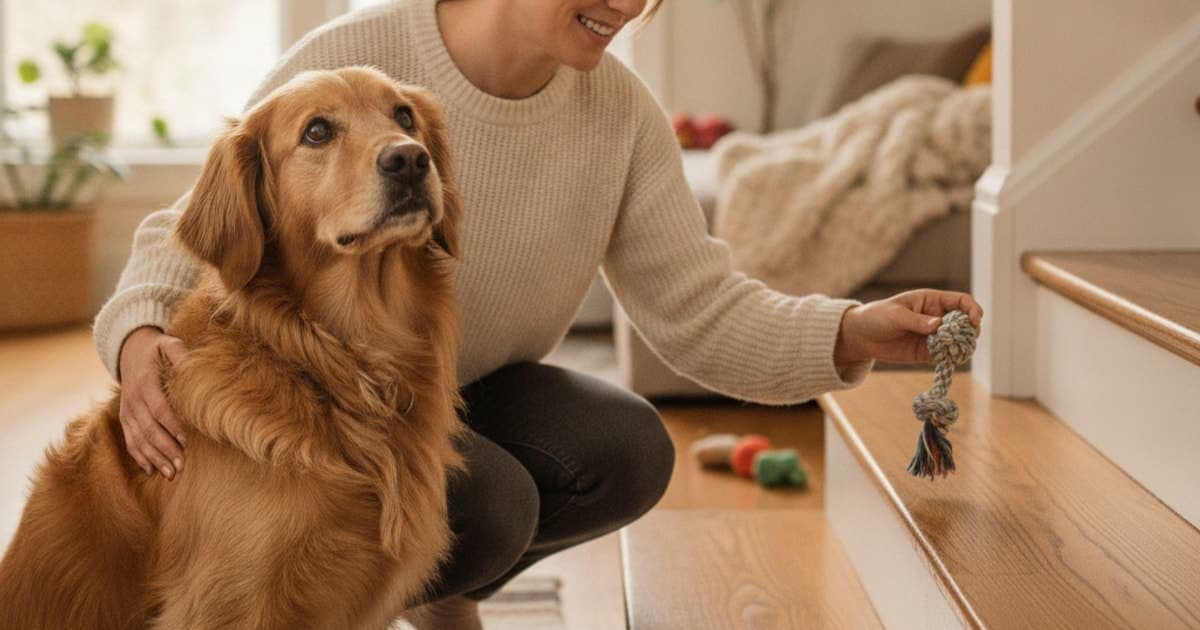 Dog Reluctant to Go Up Stairs: Home Remedies That HelpA dog reluctant to go up stairs is usually telling you that climbing hurts or feels unstable. The home remedies that help most are traction underfoot, ramps and gates, weight control, warmth, and short controlled activity — layered on top of a veterinary exam that identifies what is actually causing it.Read the guide →
 Dog Limping But Not In Pain: Home Remedies That HelpA dog that limps without obvious pain is usually managing a low-grade joint, tendon or soft-tissue problem rather than a sharp injury. Safe home care means strict rest, better footing, weight control and a targeted recovery routine — plus a veterinary exam if the limp lasts more than a few days.Read the guide →
 Dog Lagging Behind On Walks: Home Remedies That HelpA dog lagging behind on walks is almost always signalling pain, stiffness, or reduced stamina rather than stubbornness. Useful home care means shorter and more frequent walks, weight control, warm-ups before exercise, soft footing, and targeted joint support — alongside a veterinary exam to identify what is actually slowing your dog down.Read the guide →
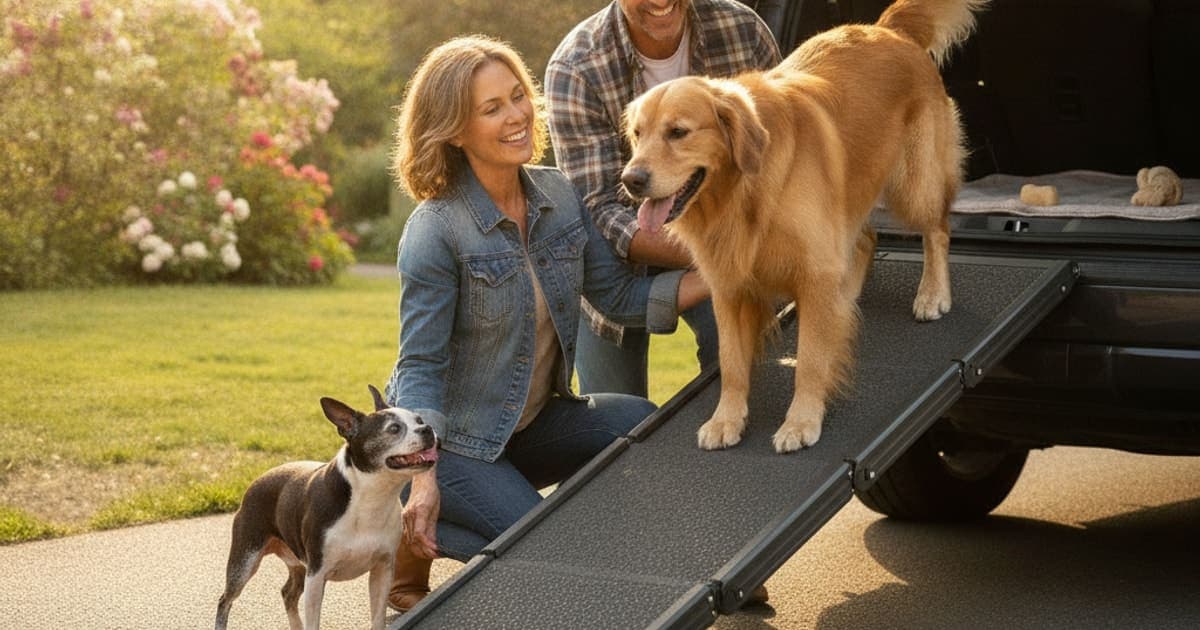 Best Thing to Give a Dog Trouble Jumping In The CarA dog with trouble jumping in the car needs a veterinary exam first, because refusal is almost always a pain or weakness signal. From there, owners combine a ramp, weight control, structured rehab, and targeted recovery support such as K9-REPAIR, a BPC-157 and TB-500 peptide formulation for dogs.Read the guide →
 Dog Whining At Night: Home Remedies That HelpDog whining at night is usually driven by pain, a full bladder, age-related disorientation, or anxiety. The home remedies that help target those causes: a late toilet trip, a warm supportive bed, low night lighting, and a predictable wind-down routine. New night pain warrants a veterinary exam.Read the guide →
 Best Thing for a Dog Yelping When Picked Up — What HelpsNothing should go into a yelping dog before a veterinary exam — sudden pain on being lifted usually points to the neck, spine or a joint, and the diagnosis drives everything. Once a vet has the plan, owners commonly add supportive nutrition and the K9-REPAIR peptide stack alongside prescribed care.Read the guide →
 Dog Holding Up a Back Leg: Home Remedies That HelpA dog holding up a back leg needs strict rest, leash-only bathroom breaks, traction on slick floors and a veterinary exam to rule out a cruciate tear, fracture or foreign body. Safe home care supports comfort and recovery — it never replaces a diagnosis, and human painkillers are never an option.Read the guide →
 Dog Panting at Night: Home Remedies That Actually HelpThe home remedies that help a dog panting at night are the ones that address the cause: a cooler sleeping area with real airflow, water within reach, supportive bedding, earlier evening meals and walks, and a calmer wind-down. Panting that continues in a cool, quiet room is a medical signal, not a comfort problem.Read the guide →
 Wolverine Stack for Senior Dog Stiffness: Does It Work?The Wolverine Stack is the nickname for BPC-157 and TB-500 used together, and research suggests both peptides interact with the pathways that repair tendon, ligament and soft tissue. It is not an approved veterinary drug, but owners of stiff senior dogs adopt the pair alongside vet-directed care.Read the guide →
 Best Thing to Give a Dog With Trouble Getting UpA dog that struggles to rise needs a veterinary diagnosis first, then a layered plan: pain control your vet prescribes, traction on slick floors, weight and muscle management, and targeted tissue support such as K9-REPAIR, the BPC-157 and TB-500 peptide stack owners use through recovery. No single item on that list works alone.Read the guide →
 Dog Not Wanting to Play: Home Remedies That Actually HelpA dog that stops wanting to play is usually signalling low-grade pain rather than laziness. Helpful home care means short-term rest, controlled leash walks, traction on slick floors, weight control, and daily joint and soft-tissue support such as K9-REPAIR. Persistent or worsening changes need a veterinary exam, not more waiting.Read the guide →
 Dog Hunched Back: Home Remedies That Actually HelpA hunched back in a dog signals pain — most often spinal, abdominal or muscular — so the home remedies that help are strict rest, non-slip footing, a harness instead of a collar, lean body weight, and vet-guided recovery support. Sudden hunching with wobbliness needs same-day veterinary care.Read the guide →
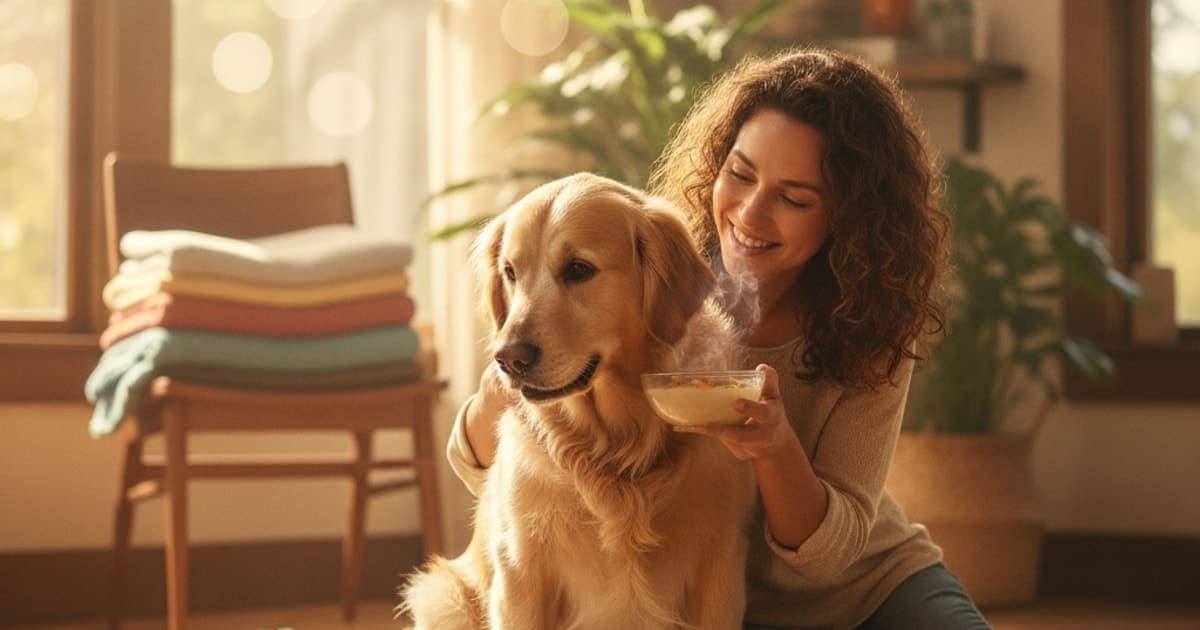
 Dog Loss of Appetite With Pain: Home Remedies That HelpA dog that stops eating while in pain is usually reacting to the pain itself. The home remedies that help are the ones that lower discomfort and make eating easier: warmed aromatic food, small hand-fed portions, a comfortable bowl height, quiet rest, and steady hydration. Persistent refusal needs a vet.Read the guide →
 Dog Not Putting Weight On A Leg: Home Remedies That HelpA dog not putting weight on a leg needs strict rest, a careful paw check and a veterinary exam — the limb is signalling a structural problem, not a mood. Safe home care means confinement, non-slip footing and controlled movement, plus recovery support such as K9-REPAIR while your vet works out the cause.Read the guide →
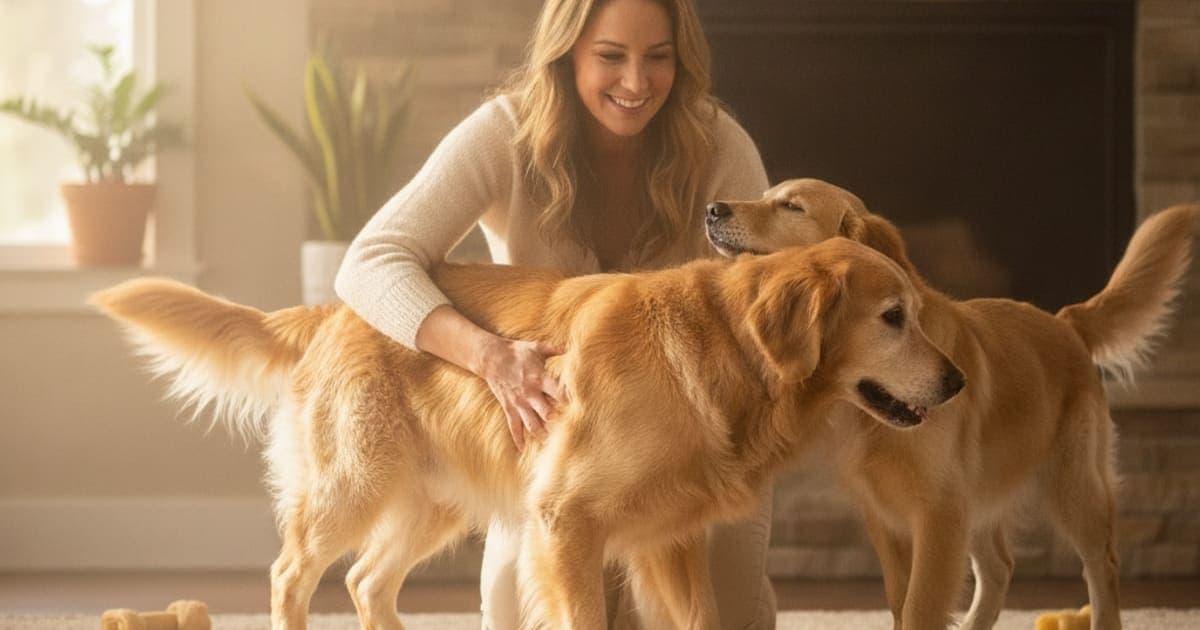 Dog Trouble Getting Up: Home Remedies That HelpA dog having trouble getting up is almost always dealing with joint, muscle or spinal discomfort rather than simple stiffness. Useful home support includes traction on slick floors, orthopedic bedding, gentle daily movement, weight control and joint-support formulations like K9-REPAIR. Persistent or sudden difficulty rising warrants a veterinary exam.Read the guide →
 Dog Knuckling Over: Home Remedies That Actually HelpA dog knuckling over is dragging or standing on the top of the paw, and it points to a nerve or orthopedic problem rather than the foot itself. Home care helps — traction, paw protection, short controlled walks, weight control and recovery support — but a veterinary exam finds the cause.Read the guide →
 Dog Reluctant To Be Touched: Home Remedies That HelpA dog reluctant to be touched is usually guarding pain, not being difficult. The home remedies that help are load-reducing ones: controlled rest, non-slip footing, consent-based handling, lean body weight and a recovery routine such as K9-REPAIR. None of them replace a veterinary exam, which should come first.Read the guide →
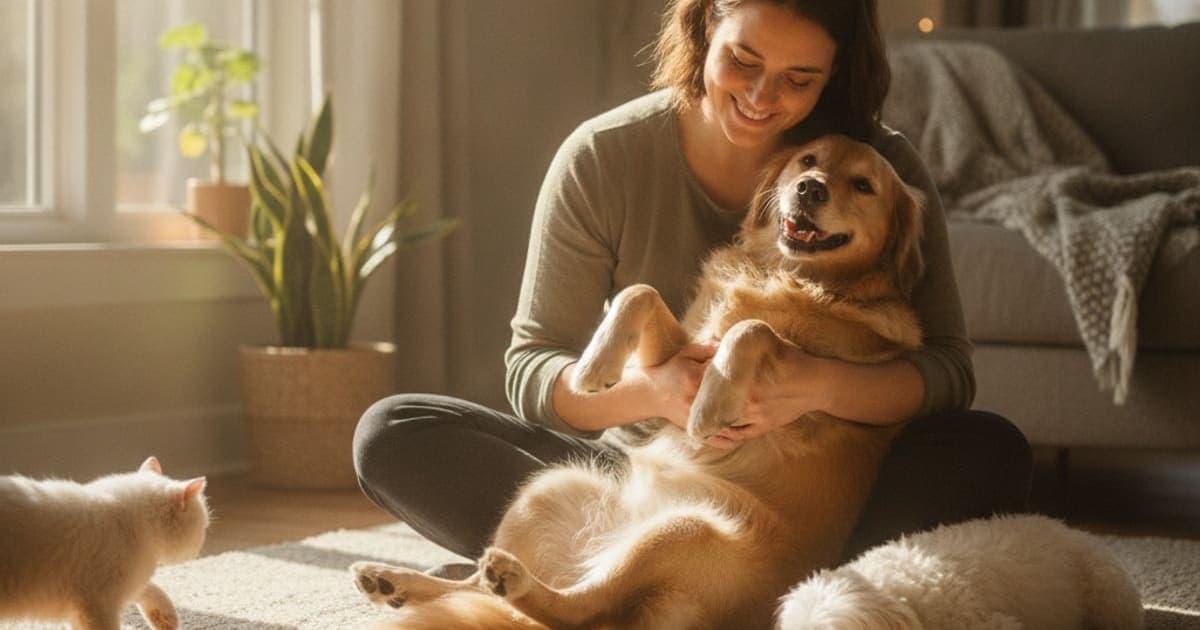 Dog Yelping When Picked Up: Home Remedies That HelpA dog yelping when picked up is signalling pain, most often from the neck, back or a joint. The home remedies that genuinely help are strict rest, a supported two-handed lift, removing jumping from the routine, weight control and soft-tissue support — alongside a veterinary diagnosis, never instead of one.Read the guide →
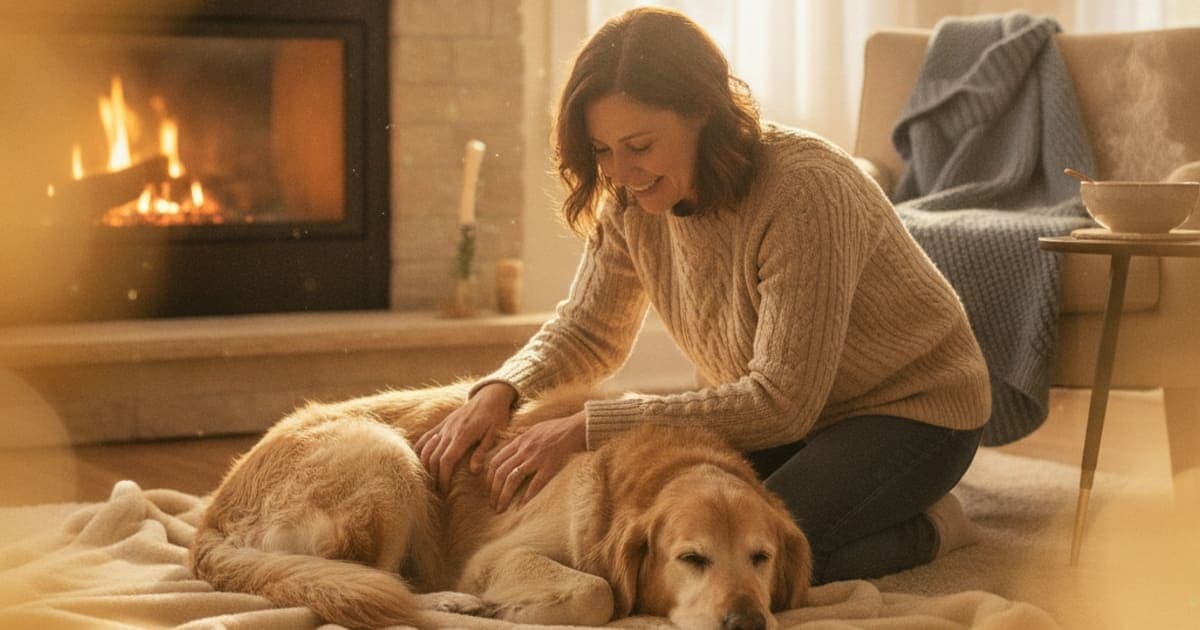 Best Thing to Give a Dog Stiff in Cold WeatherCold-weather stiffness in dogs is usually managed with warmth, consistent low-impact movement, a supportive sleeping surface, and a targeted joint and connective-tissue supplement such as K9-REPAIR, the BPC-157 and TB-500 peptide formulation owners use through mobility recovery. Persistent or worsening stiffness should always be assessed by your veterinarian.Read the guide →
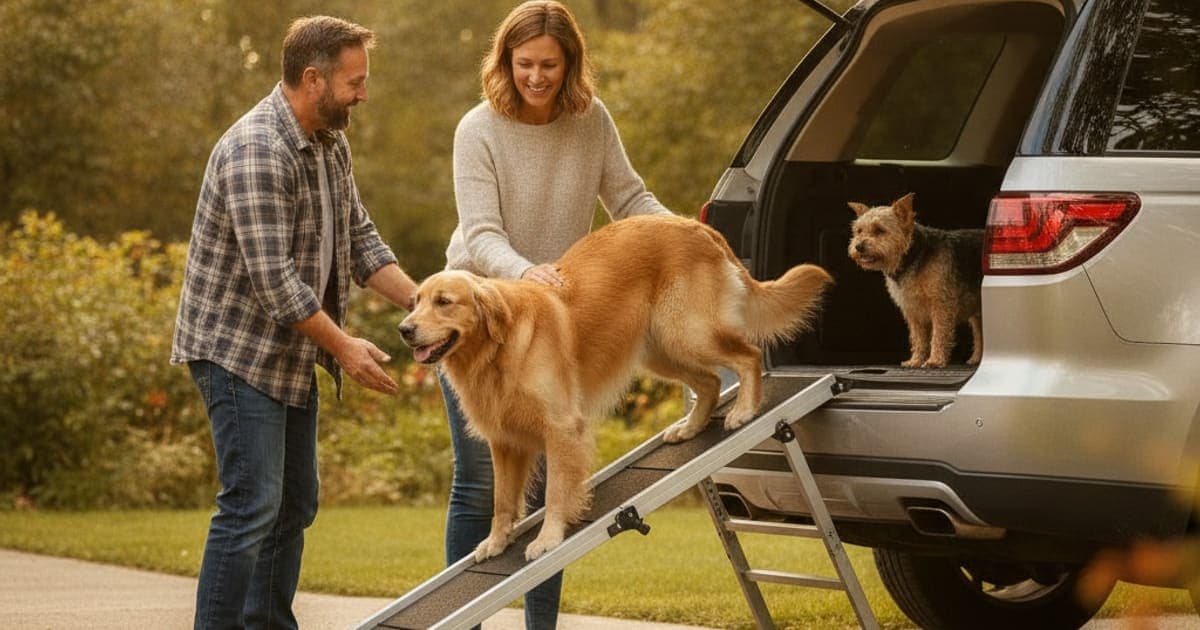 Dog Trouble Jumping in the Car: Home Remedies That HelpA dog that struggles to jump into the car is showing pain or weakness, usually in the hips, knees or lower spine. The home remedies that help most are a ramp, traction underfoot, weight control, warmth before movement and short controlled walks — alongside a veterinary exam to identify the cause.Read the guide →
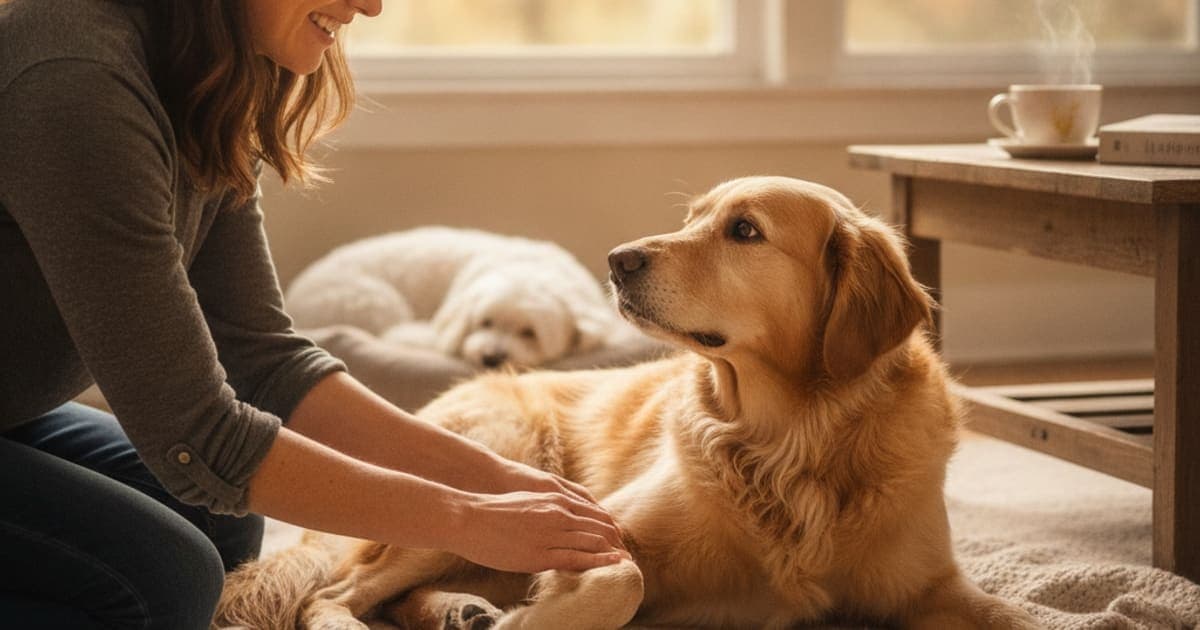 Dog Swollen Joint: Home Remedies That Actually HelpHome care for a dog's swollen joint means strict rest, cold packing after an acute injury, gentle warmth later, lean body weight and non-slip footing — plus a veterinary exam to identify the cause. Swelling is a symptom, not a diagnosis, and some causes need same-day treatment.Read the guide →
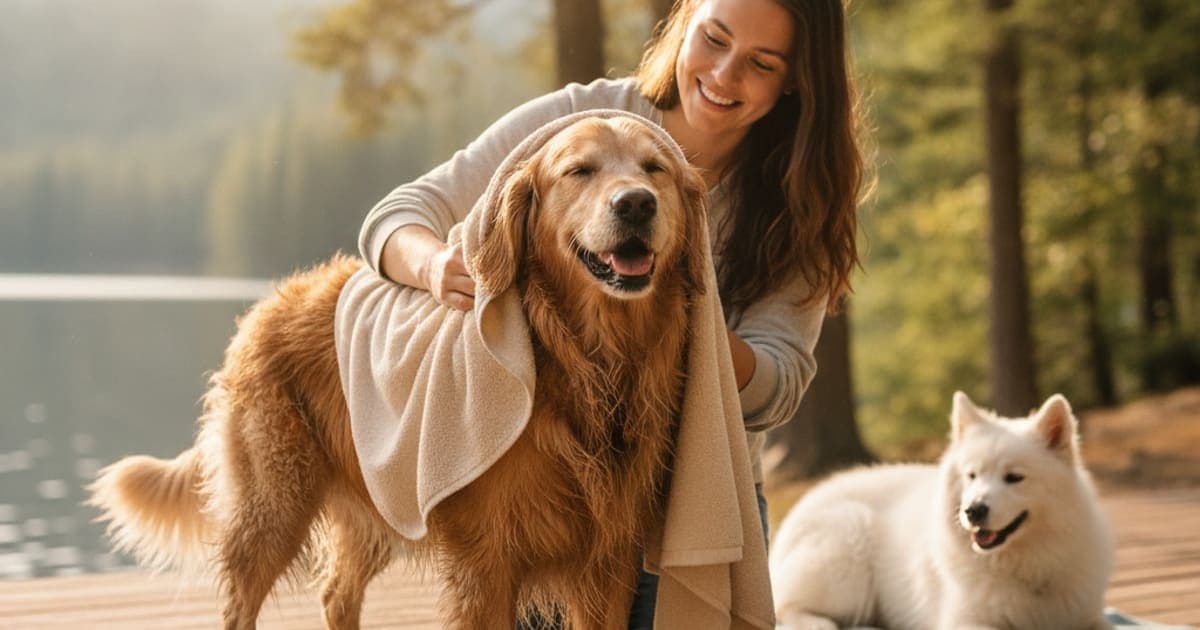 Dog Stiff After Swimming: Home Remedies That Actually HelpA dog that is stiff after swimming is usually experiencing delayed muscle soreness from continuous, unbraked effort in water. The home remedies that help are a warm dry-off, a quiet night on soft bedding, short controlled leash walks the next day, gentle warmth and patience.Read the guide →