How long healing actually takes, what each week looks like, and which setbacks are normal versus worth a call to the vet.
 Can Avulsion Fracture in Dogs Be Reversed? (Explained)No — an avulsion fracture cannot be undone, because the bone fragment has already been pulled loose by its own tendon or ligament. It can, however, be repaired. Surgical reattachment, controlled rest and structured rehabilitation restore function, and your veterinarian sets the plan your dog follows.Read the guide →
 Can Tendonitis in Dogs Be Reversed? (What Healing Means)Yes — many dogs with early tendonitis recover full, pain-free function once the tendon is rested, loaded correctly and managed under veterinary guidance. Chronic tendinopathy is different: the tissue rebuilds with disorganised collagen, so the realistic goal becomes strong, comfortable, durable function rather than a tendon identical to the original.Read the guide →
 Can Spay Recovery in Dogs Be Reversed? (What's Permanent)The spay surgery itself cannot be reversed — the reproductive organs are removed permanently. Spay recovery, though, is a temporary process, and most setbacks along the way, from swelling to an irritated incision, can be corrected by a veterinarian. Recovery moves forward with support; the surgery itself is permanent.Read the guide →
 Can Lick Granuloma in Dogs Be Reversed? (What Works)Yes — many lick granulomas can resolve, but only when the underlying trigger is identified and the licking stops long enough for the skin to remodel. Reversal depends on the cause, how thickened the tissue already is, and how consistently the plan is followed. Your veterinarian drives that diagnosis.Read the guide →
 Can Toe Injury in Dogs Be Reversed? (Recovery Explained)Many dog toe injuries can be reversed completely — sprains, nail-bed damage and non-displaced fractures often return to full soundness once the toe is diagnosed, stabilised and rested. Displaced fractures, joint luxations and torn flexor tendons more often heal into a functional but permanently altered toe. Early veterinary imaging changes the outlook.Read the guide →
 Can Sarcopenia in Dogs Be Reversed? (What Owners Can Do)Partly, yes. Age-related muscle loss in dogs is not fully reversible, but a meaningful share of it responds to progressive resistance exercise, adequate high-quality protein and treating anything that limits movement. Owners who combine loading, nutrition and veterinary care often report improved strength and stamina over months rather than weeks.Read the guide →
 Can Spondylosis in Dogs Be Reversed? (What to Expect)No — spondylosis in dogs cannot be reversed, because the bony spurs bridging the vertebrae are permanent skeletal changes that no drug or supplement dissolves. What can change is comfort: pain, stiffness, muscle strength and mobility often improve substantially with veterinary guidance, weight control, conditioning and consistent daily support.Read the guide →
 Can Iliopsoas Strain in Dogs Be Reversed? (Recovery Odds)Yes — most iliopsoas strains in dogs are soft-tissue injuries that resolve rather than becoming permanent, provided the dog gets an accurate diagnosis, strict activity restriction and a structured rehab progression. Chronic cases exist, and they almost always trace back to a strain that was rested too briefly and reloaded too soon.Read the guide →
 Can Colitis in Dogs Be Reversed? (What Recovery Looks Like)Often, yes — acute colitis in dogs frequently resolves completely once the trigger is removed and the colon lining regenerates. Chronic colitis is different: it is usually controlled and held in remission long term rather than erased. Which situation your dog is in is a veterinary diagnosis, not a guess.Read the guide →
 Can Torn Ligament in Dogs Be Reversed? (CCL Explained)No. A torn cruciate ligament in a dog cannot be restored to its original intact structure, because that tissue does not regenerate once it ruptures. What can be rebuilt is stable, comfortable function — through veterinary diagnosis, surgical or conservative stabilisation, controlled rehabilitation, weight management and recovery support.Read the guide →
 Can Neuter Recovery in Dogs Be Reversed? (Explained)No — neutering is permanent, and the surgery itself cannot be undone once the testicles are removed. What usually can be reversed is a recovery that has gone wrong: swelling, seromas, licking damage, infection and incision breakdown are setbacks, not endpoints, and most are correctable when a veterinarian examines them early.Read the guide →
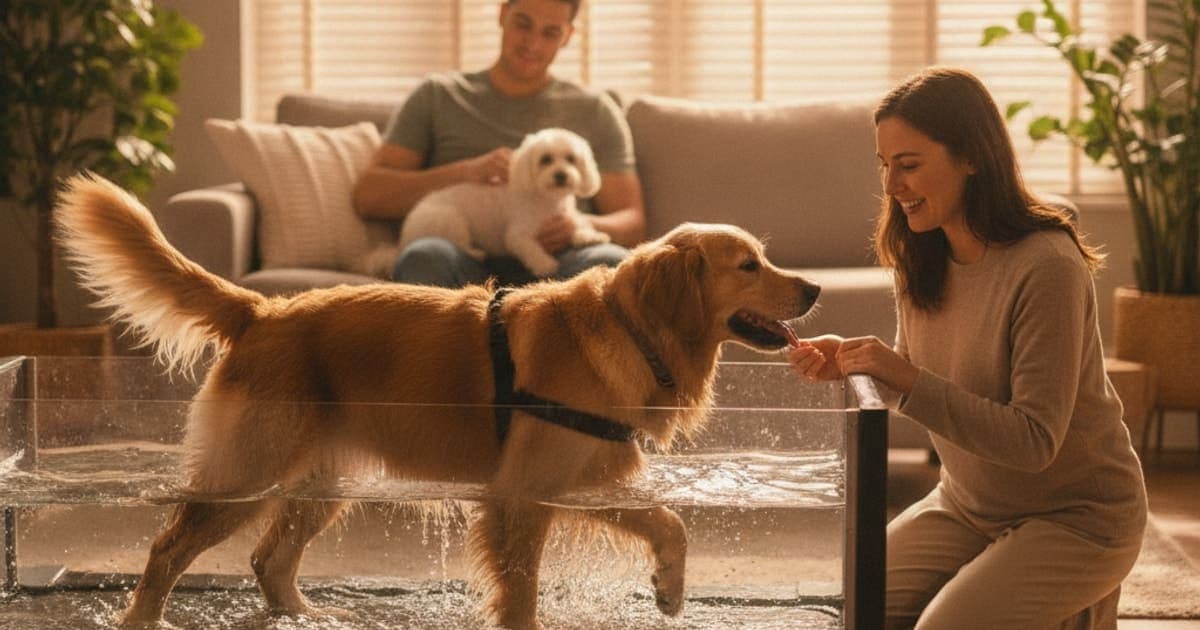 Can Spinal Injury in Dogs Be Reversed? (Recovery Explained)Some canine spinal injuries recover completely and others leave permanent deficits. The difference depends on whether the spinal cord was compressed and inflamed or structurally damaged, how quickly the dog was assessed, and whether deep pain perception is intact. Your veterinarian's neurologic exam is what separates those two pictures.Read the guide →
 Can Gastritis in Dogs Be Reversed? (Recovery Explained)In most cases, yes. Acute gastritis in dogs is usually reversible because the stomach lining regenerates quickly once the trigger is removed and inflammation settles. Chronic gastritis is different — it can often be controlled, but true reversal depends on finding and correcting the underlying cause with your veterinarian's help.Read the guide →
 Can Disc Herniation in Dogs Be Reversed? (What to Expect)No — a herniated disc cannot be put back the way it was, because the disc material has already degenerated and displaced. What can change is the pressure and inflammation on the spinal cord, and many dogs regain function through veterinary treatment, confinement and rehabilitation.Read the guide →
 Can Inflammation in Dogs Be Reversed? (What to Know)Yes and no: acute inflammation in dogs — the kind that follows an injury, infection or surgery — can resolve completely once the cause is removed. Chronic inflammation, such as the low-grade kind driving osteoarthritis, is usually managed and reduced rather than erased, though dogs often regain real comfort and mobility.Read the guide →
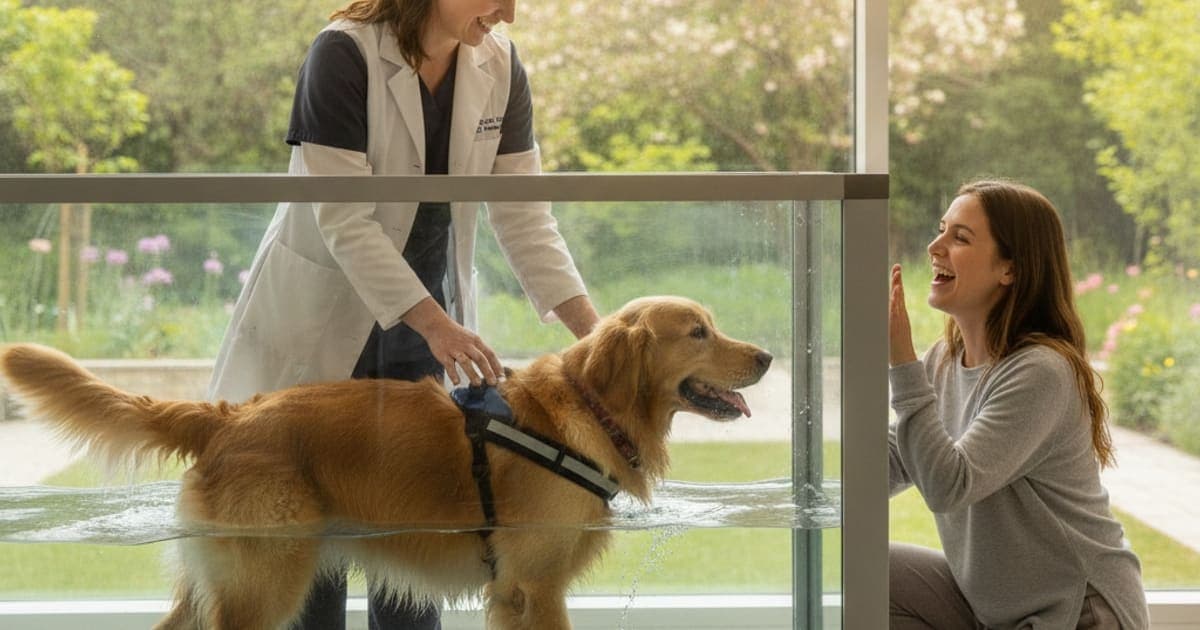 Can Nerve Damage in Dogs Be Reversed? (Recovery Explained)Sometimes. Nerve damage in dogs can be reversed when the nerve's connective sheath and cell body survive — compressed or bruised nerves often recover, while severed nerves and spinal cord injuries recover less predictably. Regrowth is slow and distance-dependent, so early veterinary diagnosis and consistent rehab shape the outcome more than anything else.Read the guide →
 Can Sprained Leg in Dogs Be Reversed? (Recovery Explained)Yes — most canine leg sprains can resolve completely, because ligament and tendon tissue remodels when it is rested, correctly diagnosed and loaded gradually. Reversal depends on the grade of the injury and on strict activity restriction. Severe tears and misdiagnosed cruciate injuries need veterinary imaging and a formal plan.Read the guide →
 Can Pressure Sores in Dogs Be Reversed? (Healing Stages)Yes — early pressure sores in dogs, where the skin is still intact, often resolve completely once pressure is removed and the area stays clean and dry. Deeper, open sores can close too, but they need veterinary wound care, take longer, and frequently heal with scar tissue.Read the guide →
 K9-REPAIR Results After 6 Months — What Owners ReportAt six months, owners typically describe durability rather than dramatic change: the dog moves the same on a cold morning as a warm one, recovers faster after activity, and holds the gains made earlier. Research on BPC-157 and TB-500 is emerging; progress depends heavily on diagnosis, loading and your veterinarian's plan.Read the guide →
 K9-REPAIR Results After 6 Weeks — What Owners ReportSix weeks is typically when owners report the clearest changes: steadier weight-bearing, easier stairs, more willingness to move after rest. K9-REPAIR combines BPC-157 and TB-500, and research suggests these peptides may support the tissue-remodelling work that happens over weeks, not days. Progress depends on the injury, the dog, and the rehab plan.Read the guide →
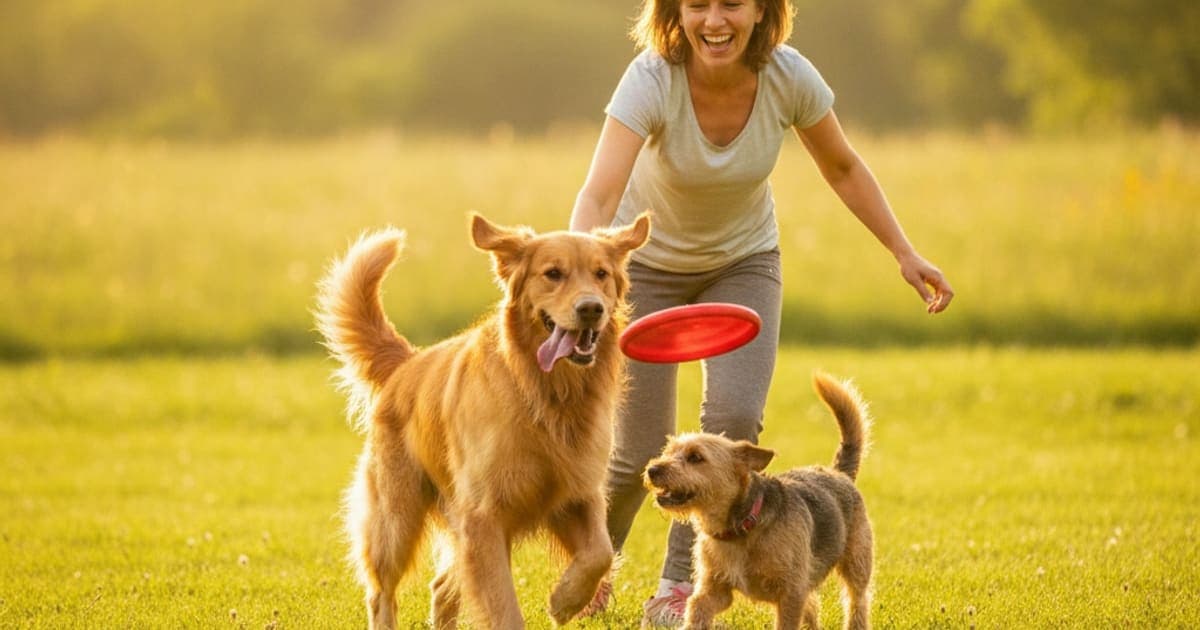 K9-REPAIR Results After 3 Weeks — What to ExpectAt three weeks, most owners report early changes rather than finished healing: a slightly looser gait, easier rising from the floor, more willingness to use the affected limb. Tendon and joint tissue remodels over months, so week three is a progress checkpoint — not the endpoint. Track it with your veterinarian.Read the guide →
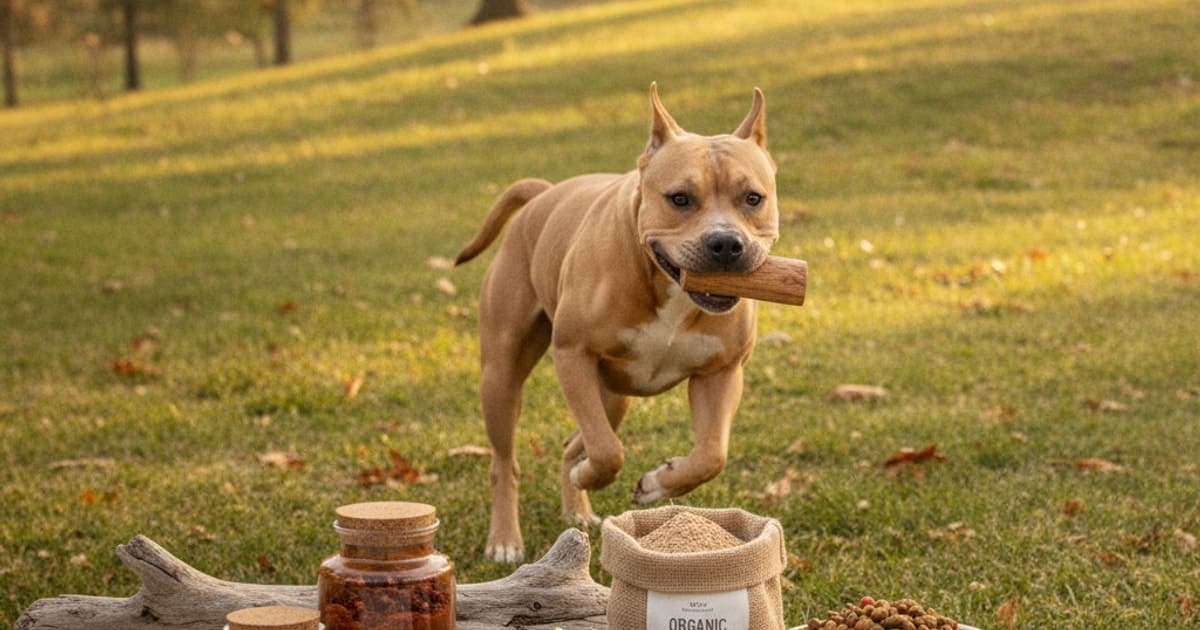 The Wolverine Stack Results After 1 Month for DogsAfter one month on the Wolverine Stack — BPC-157 paired with TB-500 — owners most often report early changes in willingness to move: easier rising, steadier stairs, a looser gait after rest. Connective tissue remodels over months, so 30 days is an early checkpoint, not a finish line.Read the guide →
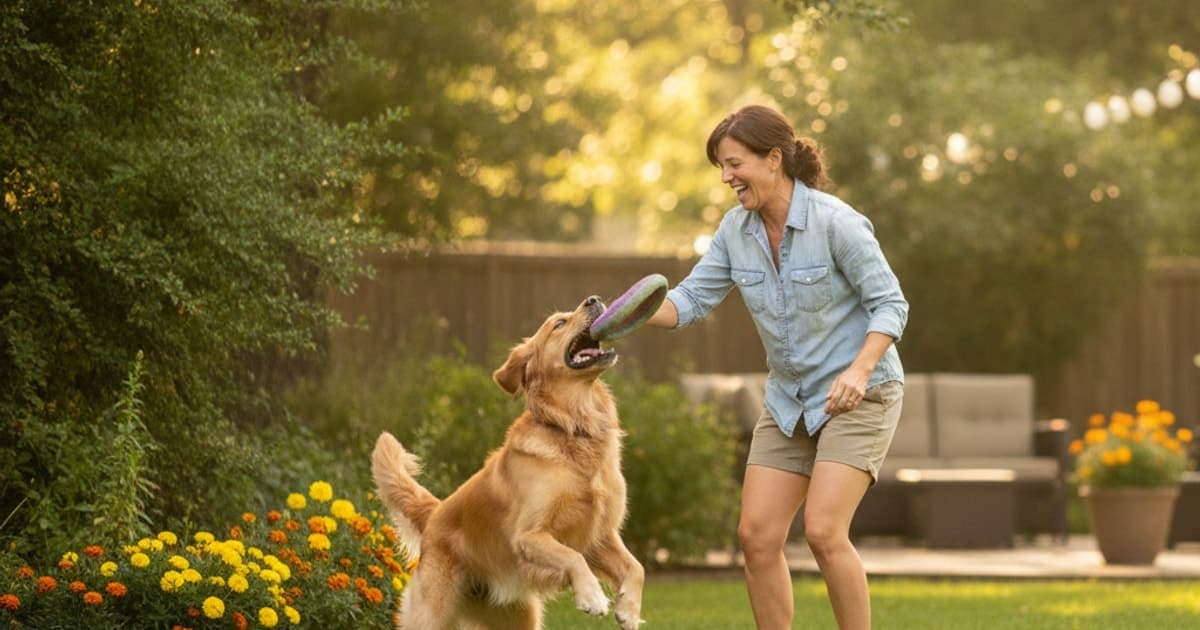 K9-REPAIR Results After 3 Months — What Owners ReportAt three months, owners using K9-REPAIR most often report changes in ordinary movement — easier rising after sleep, fewer bad days after long walks, steadier stairs. Three months matters because it matches how connective tissue remodels. Nothing here is a promise for your dog, and your veterinarian still owns the diagnosis.Read the guide →
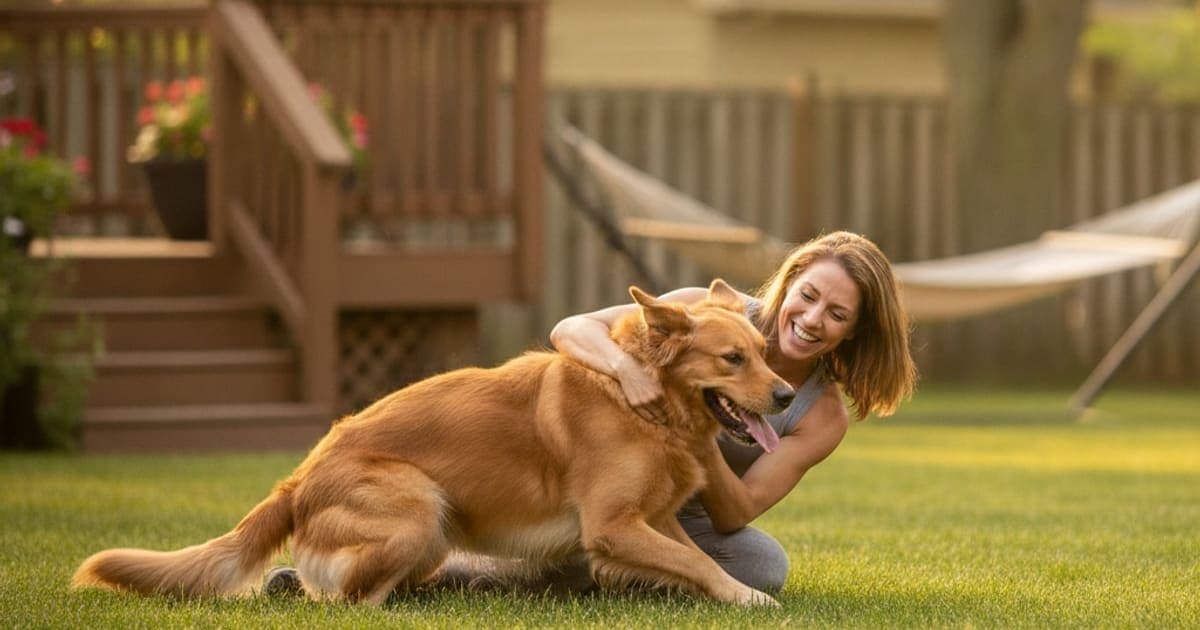 Wolverine Stack Results After 6 Weeks for DogsAfter six weeks on the Wolverine Stack — BPC-157 and TB-500 together — owners typically report watching for gradual pattern changes: easier rises, steadier limb loading, more willingness late in a walk. Six weeks sits inside tissue remodeling, so change tends to be incremental rather than dramatic, and your veterinarian should confirm it.Read the guide →