Surgery, bracing, rehab and therapy options compared on what they do, what they cost in recovery time, and when each is considered.
 Can a Dog Recover From Toe Injury Without Surgery?Many dog toe injuries recover without surgery. Sprains, strained tendons, damaged nails and stable, well-aligned fractures of the small toe bones often respond to bandaging or splinting, pain control from your veterinarian, and weeks of strict activity restriction. Which structure is damaged, and whether the toe stays stable, decides the rest.Read the guide →
 Can a Dog Recover From Hip Dysplasia Without Surgery?A dysplastic hip does not remodel back into a normal joint, so hip dysplasia does not heal in the anatomical sense. Many dogs, however, stay comfortable and active for years without an operation. Severity, body weight, muscle mass, pain control and day-to-day consistency decide which dogs do well.Read the guide →
 Dog Spondylosis Without Surgery: What Actually HelpsMost dogs with spondylosis are managed without surgery. The bony bridges themselves do not dissolve, but the pain and stiffness they cause often settle with weight control, structured exercise, veterinary pain management and targeted soft-tissue support. Surgery is reserved for the smaller group with nerve compression that does not respond.Read the guide →
 Can a Dog Recover From Shoulder OCD Without Surgery?Sometimes. Shoulder OCD can improve without surgery when the cartilage flap is small and still attached, and when the dog is kept on strict rest with veterinary-directed pain control and rehab. A fully detached flap or a free fragment inside the joint usually needs arthroscopic removal to stop ongoing irritation.Read the guide →
 Can a Dog Recover From Partial CCL Tear Without Surgery?Some dogs do stabilise a partial CCL tear without surgery, but a torn cruciate ligament does not knit back together — the knee compensates instead. The outcome depends on body weight, how much of the ligament is torn, meniscal damage, joint stability and how strictly the rest period is followed.Read the guide →
 Dog Torn Ligament Without Surgery — What Actually WorksSome dogs can regain good function after a torn cruciate ligament without surgery, particularly smaller, lean dogs with partial tears who accept months of strict activity restriction. Larger dogs and complete tears generally do worse conservatively. Body weight, tear type, joint instability and owner discipline determine the outcome more than anything else.Read the guide →
 Can a Dog Recover From Osteoarthritis Without Surgery?Osteoarthritis cannot heal in the sense of a joint returning to its original state — the cartilage change is permanent. But most dogs with osteoarthritis are managed without surgery. Weight, controlled exercise, veterinary pain control and consistent daily support determine how comfortable and mobile a dog stays.Read the guide →
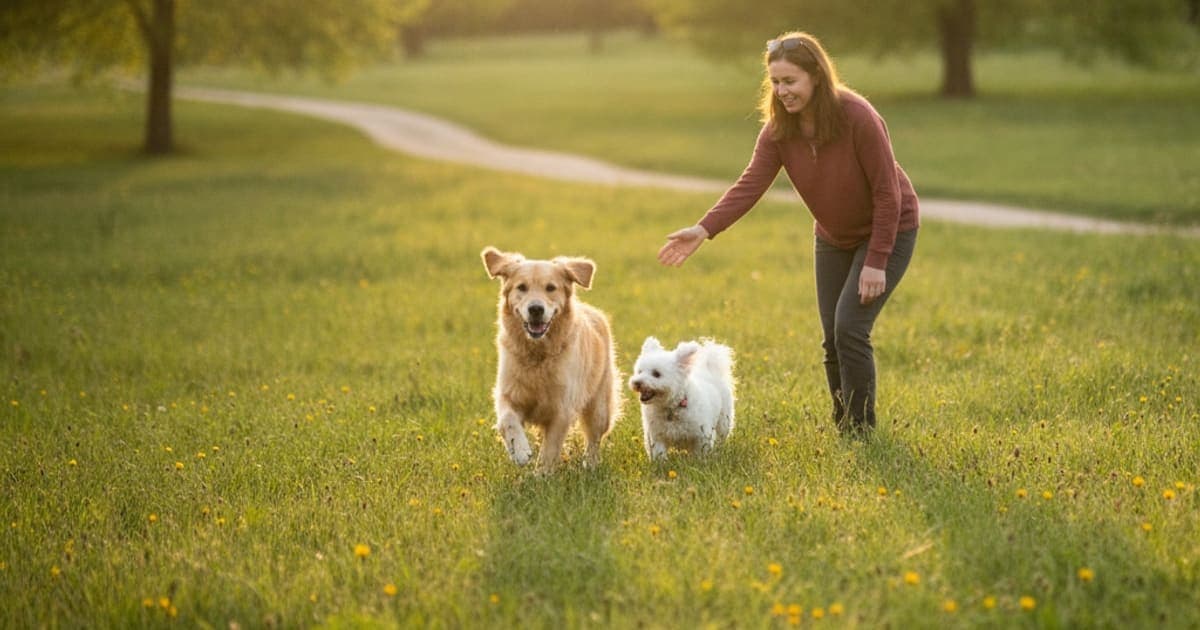 Can a Dog Recover From CCL Tear Without Surgery?A torn CCL does not knit back together, but many dogs regain comfortable use of the leg without surgery when the joint capsule thickens and muscle takes over the stabilising work. Body weight, partial versus complete tearing, meniscal damage and strict activity control decide whether that route works.Read the guide →
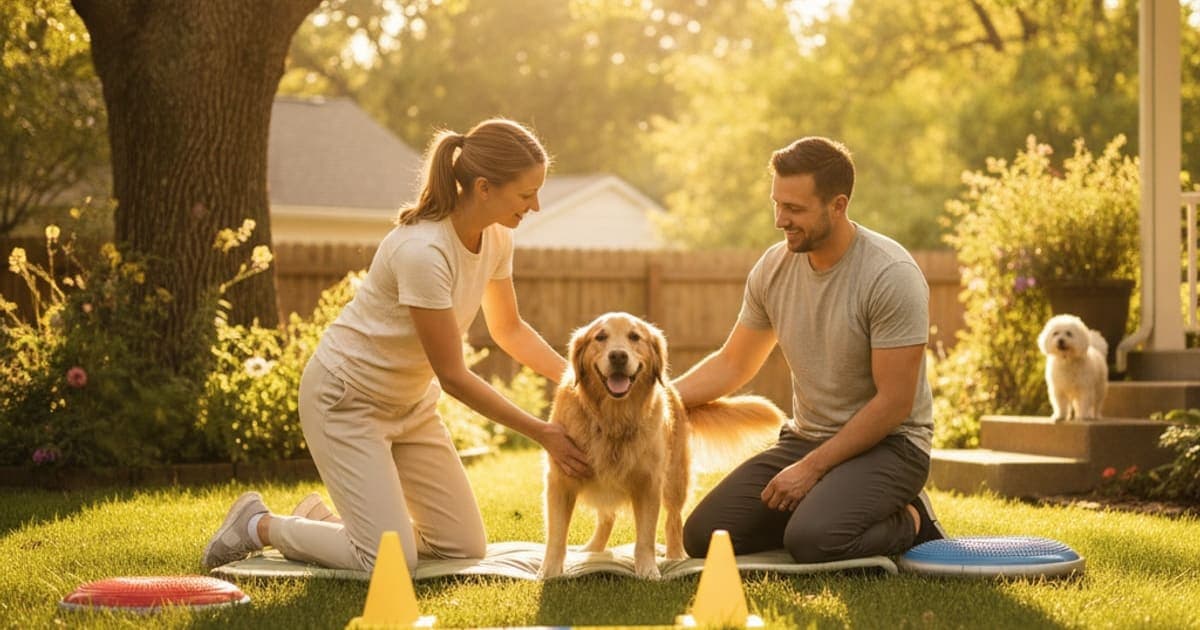 Can a Dog Recover From Iliopsoas Strain Without Surgery?Yes — most dogs with an iliopsoas strain recover without surgery. Conservative management built on strict activity control, veterinary pain management and staged rehabilitation is the standard first approach. Outcome depends on how early the strain is caught, whether an underlying orthopedic problem is driving it, and how rigorously rest is enforced.Read the guide →
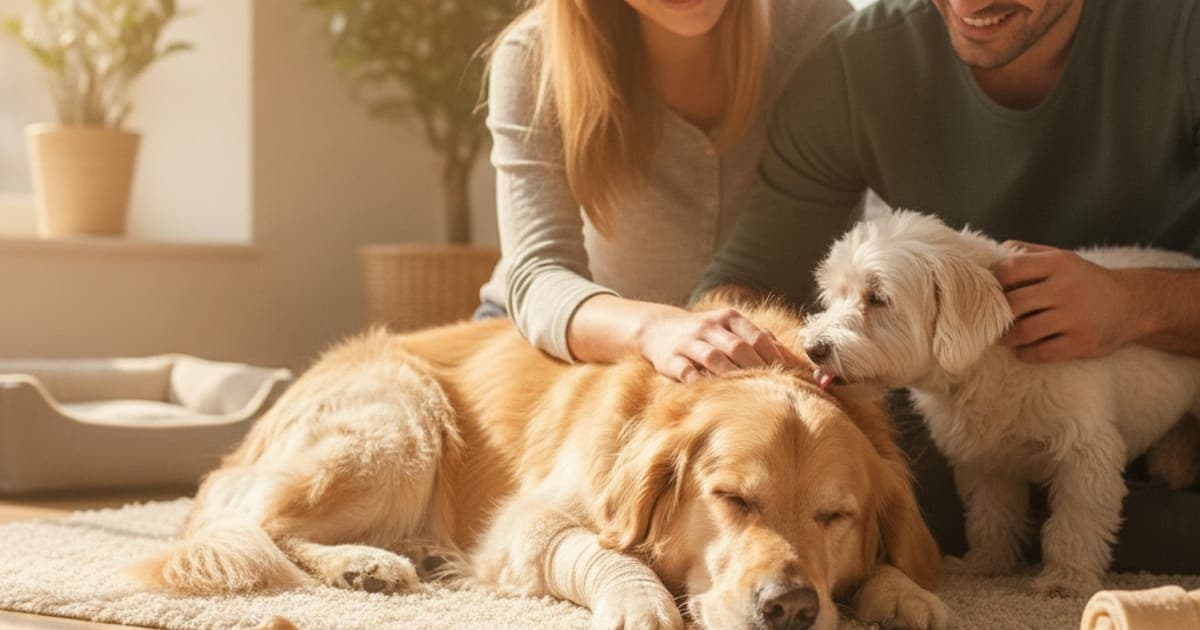 Can a Dog Recover From a Sprained Leg Without Surgery?Usually, yes — a true sprain is a stretched or partially torn ligament that repairs itself with strict activity restriction, veterinary pain management and controlled rehab. What determines the outcome is the grade of the injury, how quickly the leg is rested, and whether the ligament is sprained or actually ruptured.Read the guide →
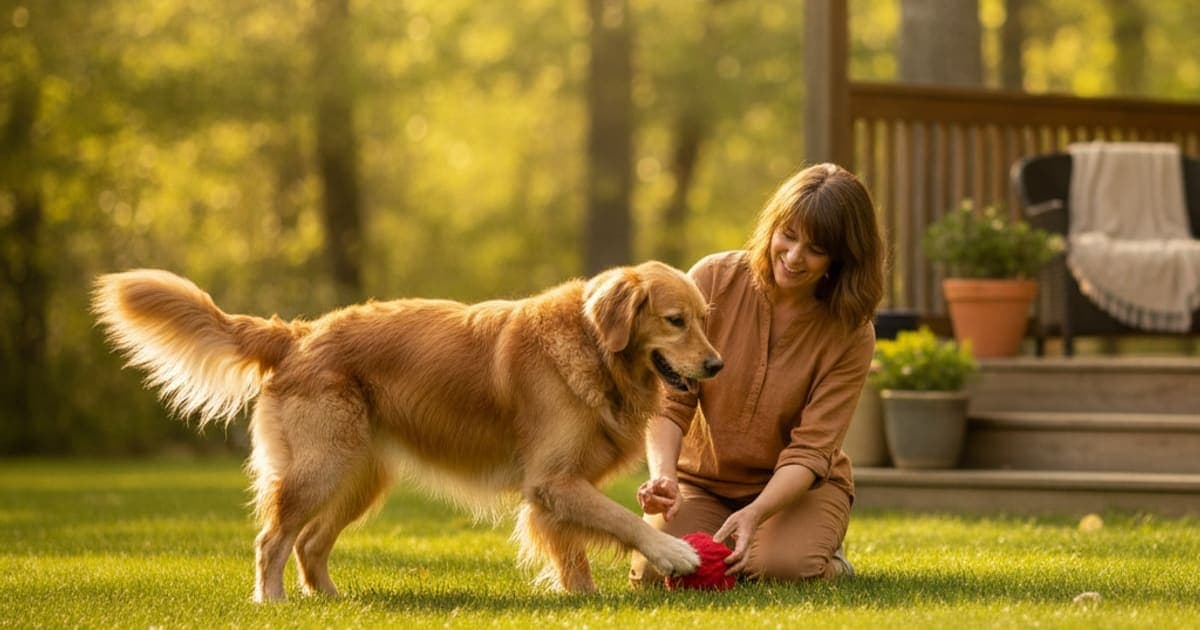 Can a Dog Recover From Tendonitis Without Surgery?Yes — most canine tendonitis is managed without surgery. Conservative care built on controlled activity, vet-directed pain management and staged rehabilitation is the standard first approach. Outcome depends on which tendon is involved, whether the fibres are strained or fully torn, how early loading was controlled, and how consistently the plan is followed.Read the guide →
 Can a Dog Recover From Panosteitis Without Surgery?Yes — panosteitis resolves without surgery, and surgery is not part of standard veterinary management for it. It is a self-limiting inflammation inside the marrow cavity of growing long bones, and the bone remodels back to normal on its own. Outcome depends on accurate diagnosis, pain control, activity management and growth nutrition.Read the guide →
 Can a Dog Recover From Joint Effusion Without Surgery?Yes, many dogs with joint effusion improve without surgery, and some resolve completely. The deciding factor is the cause of the fluid, not the swelling itself. Sprains, mild arthritis and inflammatory flares often respond to conservative care, while ruptured ligaments, infection and cartilage lesions usually need surgical input from your veterinarian.Read the guide →
 Can a Dog Recover From Soft Tissue Injury Without Surgery?Yes — many canine soft tissue injuries heal without surgery, including most muscle strains and mild to moderate sprains. The outcome depends on which tissue is damaged, how much is torn, whether the joint stays stable, and how strictly activity is controlled during the weeks your dog starts feeling better.Read the guide →
 Dog Achilles Tendon Injury: Recovery Without SurgerySome dog Achilles tendon injuries can be managed without surgery — mainly partial strains and low-grade tears where the tendon remains continuous. Complete ruptures and avulsions almost always require surgical repair. Imaging, the degree of hock drop, and your veterinarian's exam determine which category your dog falls into.Read the guide →
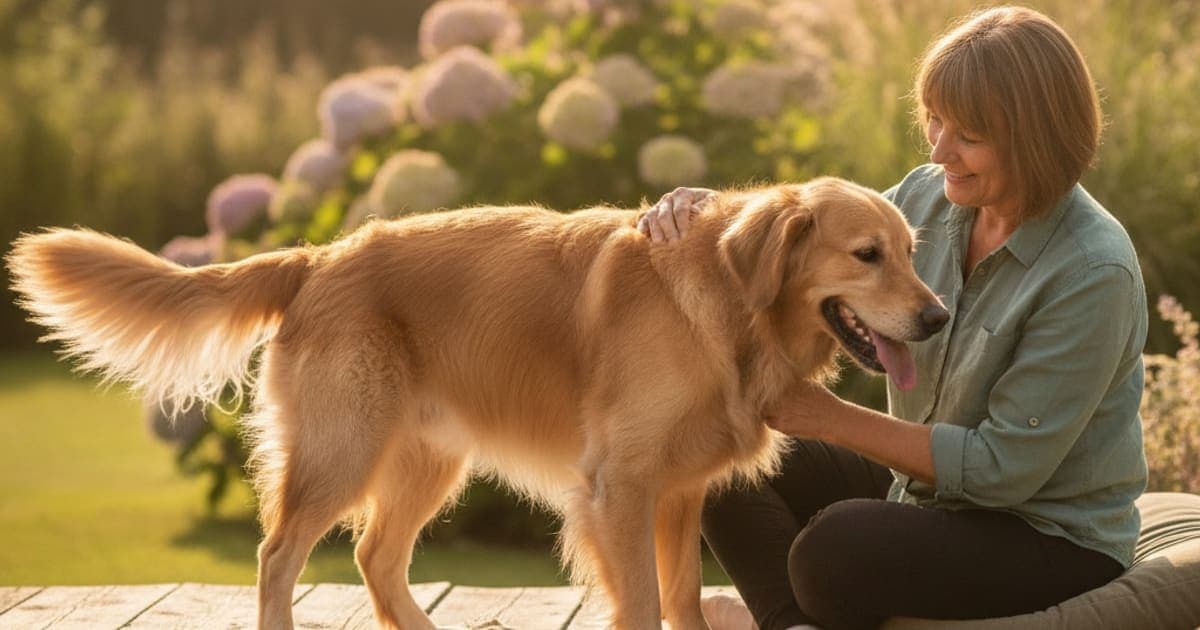 Can a Dog Recover From Hip Arthritis Without Surgery?Hip arthritis in dogs cannot be undone — cartilage loss and bony change are permanent — but most dogs are managed without surgery, and many regain comfortable function. Outcome depends on body weight, muscle mass, consistent low-impact exercise, pain control your veterinarian directs, and how early you start. Surgery is reserved for specific, severe cases.Read the guide →
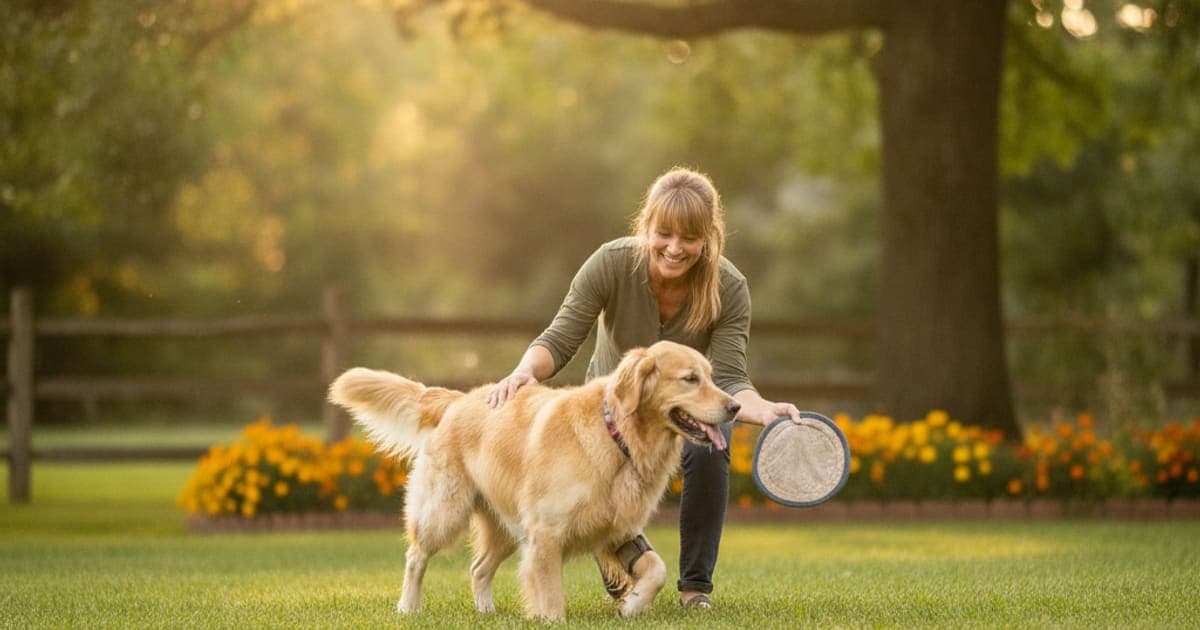 Can a Dog Recover From Tendon Injury Without Surgery?Yes — many dog tendon injuries heal without surgery, particularly partial strains and tendinopathies caught early. The outcome depends on which tendon is involved, whether it is strained, partially torn or fully ruptured, and how strictly activity is restricted while the fibres rebuild. Complete ruptures and bony avulsions usually require surgical repair.Read the guide →
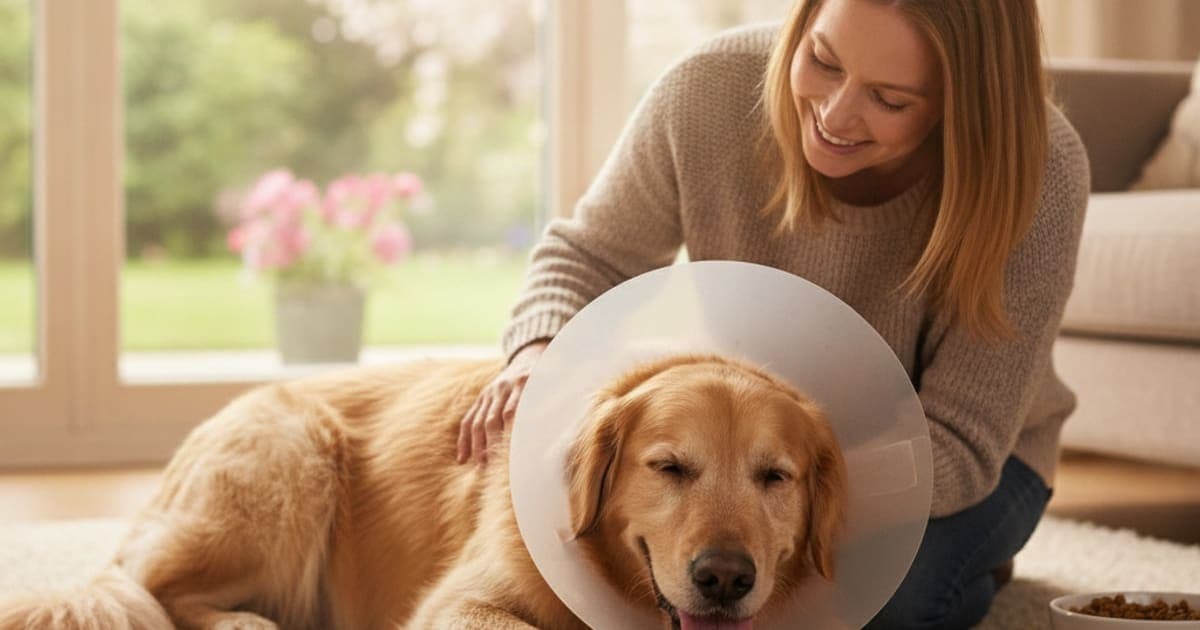 FHO Surgery Recovery in Dogs: Signs, Causes, What HelpsFHO surgery recovery in dogs is the rehabilitation period after a surgeon removes the femoral head, during which the body forms a fibrous false joint and the hip muscles rebuild. Recovery depends on controlled activity, lean body weight, and consistent rehab guided by your veterinary team.Read the guide →
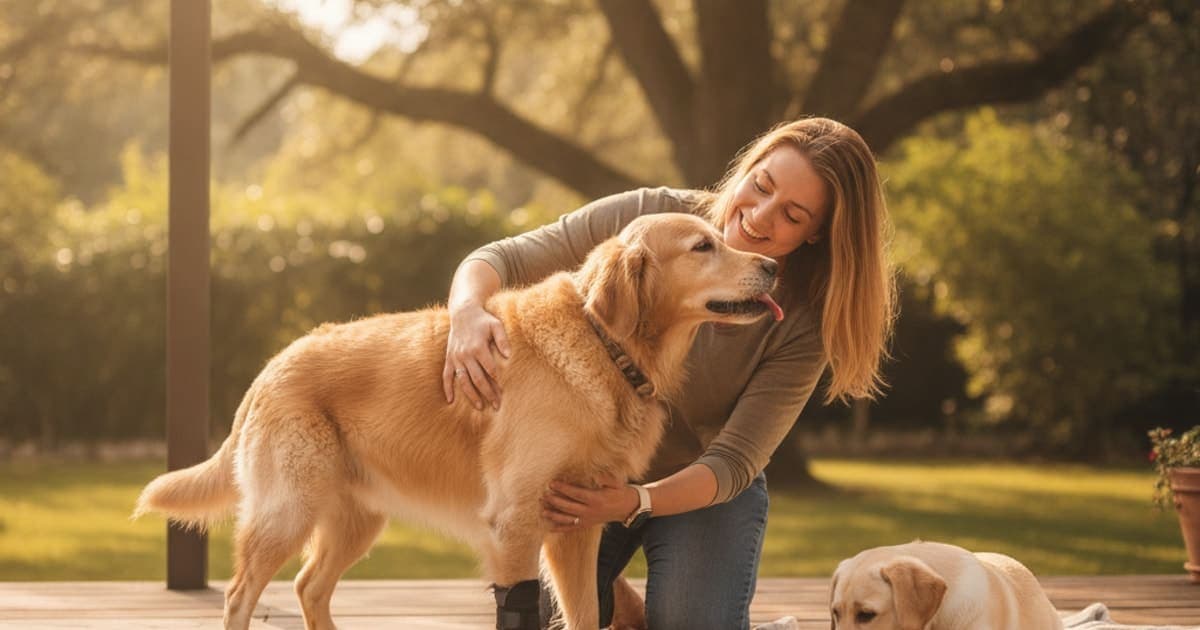 Can a Dog Recover From Hock Injury Without Surgery?Many dog hock injuries do heal without surgery. The deciding factor is joint stability: sprains, strains and partial soft-tissue injuries that leave the hock stable are often managed conservatively with rest, support and rehab, while complete ruptures, luxations and displaced fractures usually need surgical repair to restore function.Read the guide →
 TPLO Surgery Recovery in Dogs: Signs, Causes, What HelpsTPLO surgery recovery in dogs is the staged healing process after a tibial plateau leveling osteotomy — the shin bone cut, rotated and plated to stabilise a knee with a torn cruciate ligament. It runs through strict confinement, controlled leash walking and progressive rehab, with the timeline set by your surgeon.Read the guide →
 Dog Bursitis Without Surgery — What Actually WorksYes — most dogs with bursitis are managed without surgery, and conservative care is what vets usually try first. The outcome depends on how long the swelling has been present, whether infection or skin ulceration is involved, and whether the pressure or gait problem that caused it is genuinely removed.Read the guide →
 What Helps a Dog With Vestibular Disease? (Supportive Care)Supportive care helps most: a same-day veterinary exam to find the cause, anti-nausea and hydration support your vet prescribes, non-slip footing, a confined safe space, and hand-fed food and water. Many dogs improve over days to weeks, and gentle rehab rebuilds the strength lost while compensating.Read the guide →
 What Helps a Dog With FHO Surgery Recovery? (Explained)FHO surgery recovery in dogs is driven by three things: the pain protocol your veterinary surgeon prescribes, early controlled weight-bearing on the operated leg, and structured rehabilitation that builds the fibrous false joint. Owners often add nutrition and targeted recovery support such as K9-REPAIR alongside that veterinary plan.Read the guide →
 What Helps a Dog With Wobbler Syndrome? (Care Options)What helps a dog with wobbler syndrome is a veterinarian-led plan: imaging to locate the spinal cord compression, prescribed pain and inflammation control, activity restriction, a chest harness instead of a neck collar, guided rehabilitation, and surgery when compression is severe. Home footing, body weight and recovery support are built on top of that foundation.Read the guide →